EXPLORING BAYS AND FIORDS OF SOUTH GEORGIA

MORE SEALS, PENGUINS, ALBATROSS AMID GLACIERS AND FIORDS
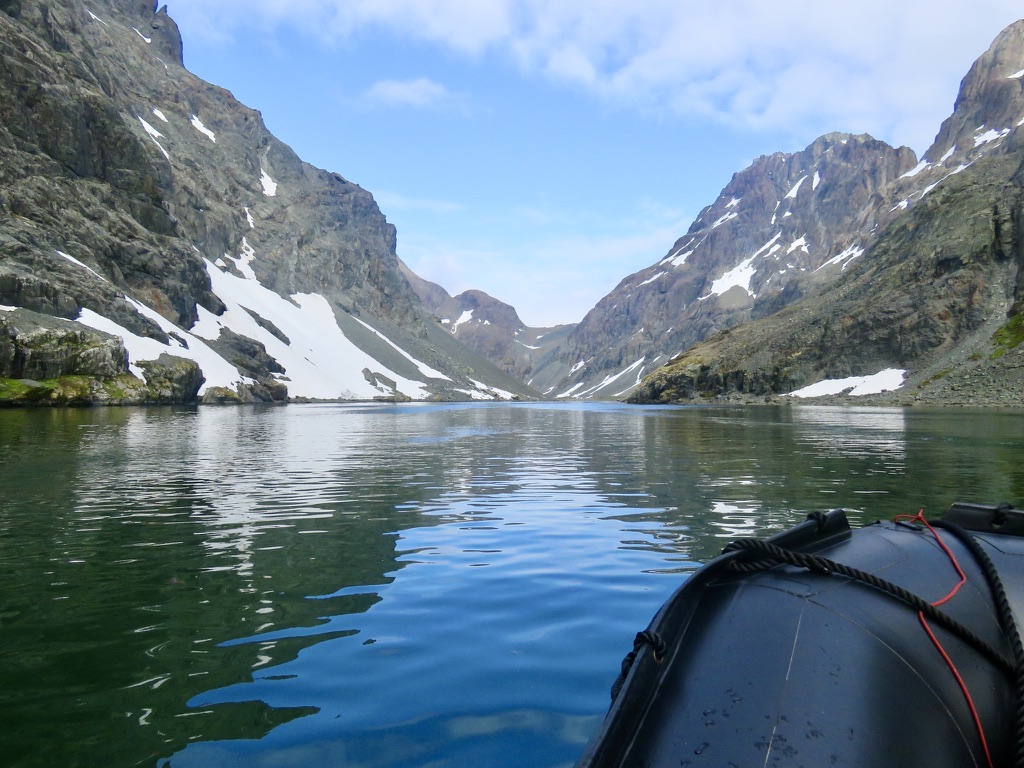
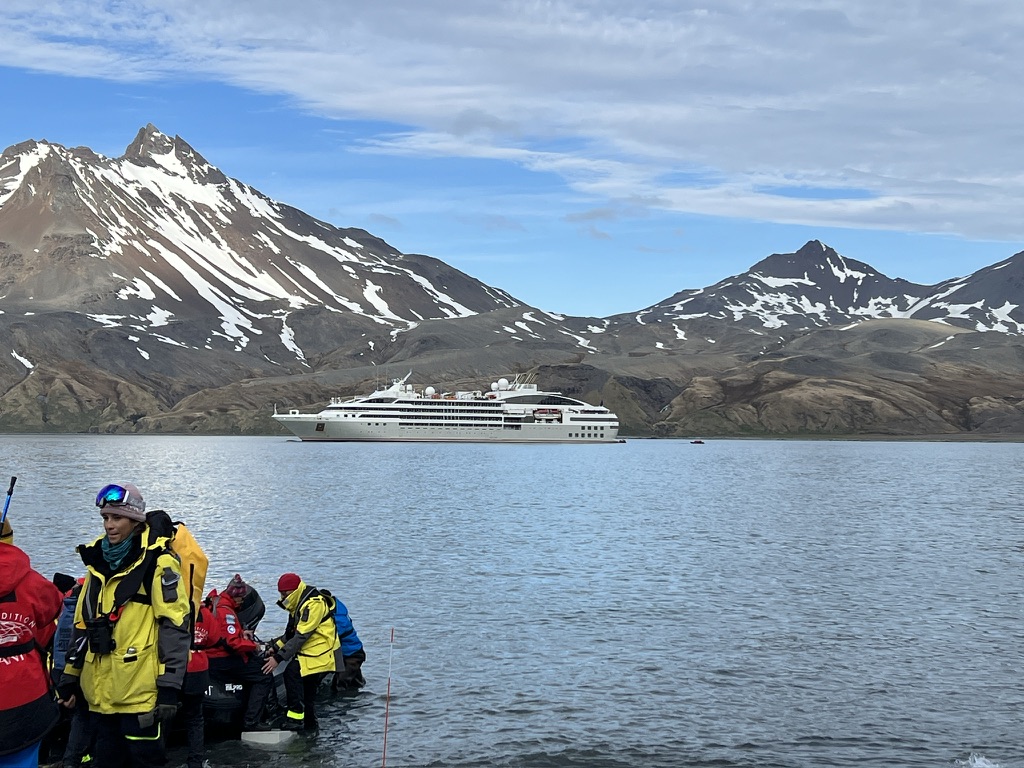
One of the exciting activities on an Antarctic expedition is exploring in the zodiacs. To the south of the island of South Georgia there are a few bays with spectacular backdrops. Amongst these are Golden Harbour which is a small bay that leads to the Bertrab Glacier. The bay is called as such because the cliffs around the bay shine yellow in the hour after sunrise and again before sunset. We were lucky to witness this and found the beach ringing with the cries of king penguins, gentoo penguins and elephant seals all of whom like to breed in the sheltered bay. Add to this the cries of the sooty albatross who come here every year to mate and raise their chicks.

At nearby Larsen Harbour we found our first Weddell seal – these seals are amongst the largest of the species and are commonly found on ice fastened to land. They gather in small groups around cracks and holes within the ice and in the winter they stay in the water to avoid blizzards with only their heads poking through breathing holes in the ice. When on land they are often found lying on their sides. Some populations breed on land, which is why we found a couple in South Georgia. Normally they live on the ice and around ice holes and cracks underwater. They forage and feed on fish, squid, octopus and prawns and can stay underwater for up to 45 minutes to an hour. They are placid and the more we heard about their habits and lives, the more fascinating they became especially as it is rare to see them on land.

Having a snooze in the sunlight

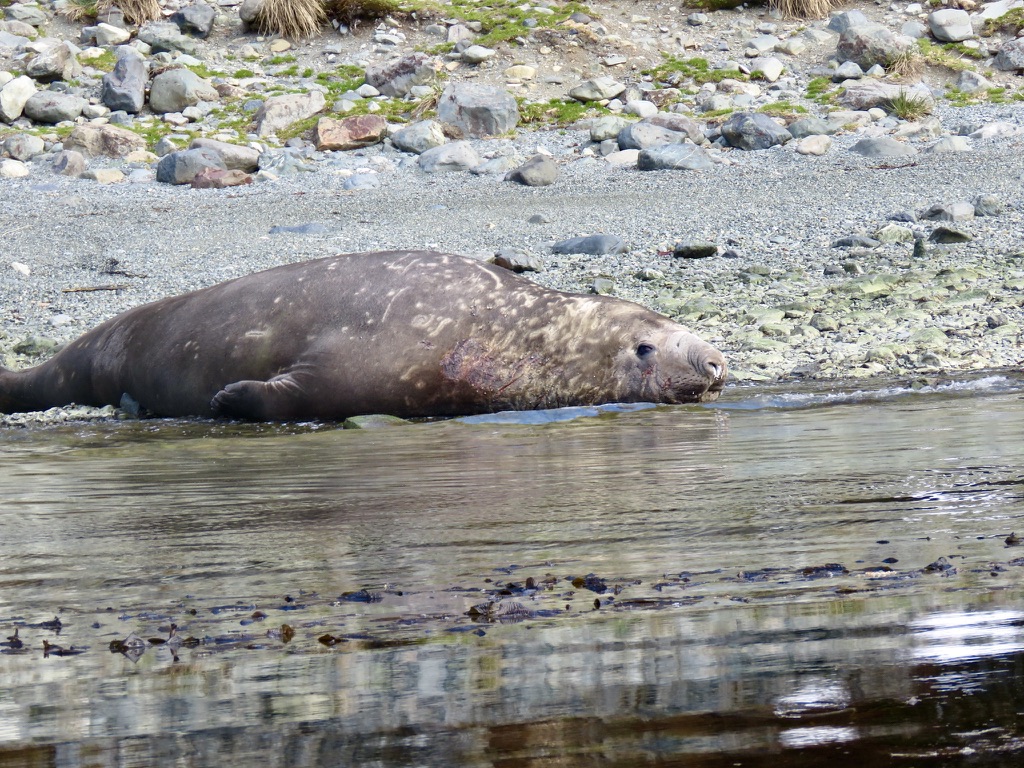
Living in harmony with the Weddell seals are the elephant seals – and these are also huge creatures and were just lying in the shallows and were not bothered by our zodiac or the little penguins close by.

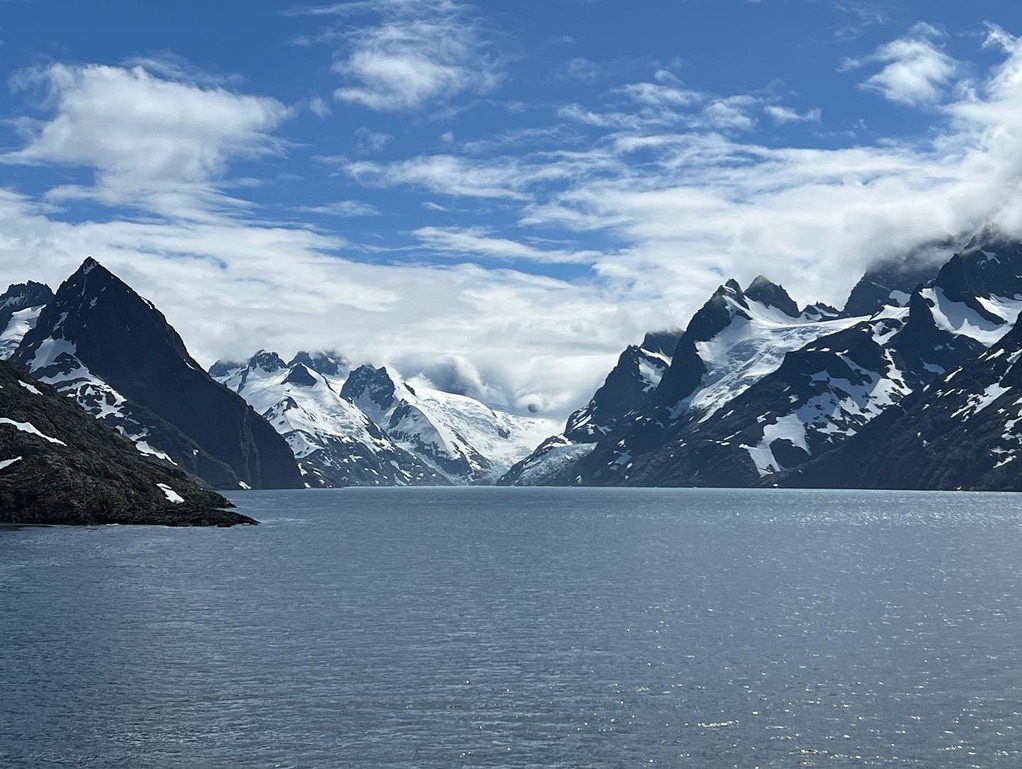
Approaching the Drygalski Fjord, the ship found safe anchorage and we set off for a trip in the zodiac getting close to the glacier and the waterfalls as well as the wildlife. The Fjord lies just a short distance from Cape Disappointment which was named by Captain James Cook when he rounded it in 1775 to learn he was circumnavigating an island and had not, after all, discovered the fabled southern continent. The fjord is 14 km long and sits above an important geological faultline. The mountains on the southern side are covered with the Risting and Jenkins glaciers which slowly pour into the head of the fjord.
There is a feeling of amazement when riding in the zodiac among huge mountains, hearing the birds’ cries above and seeing the waterfalls fall into the fjord while on the other side, the glacier sits majestically. Our guide asked us to sit silently for several minutes to absorb the quietness and beauty all around. A roar of what sounded like thunder pierced the silence and then a small avalanche up in the mountains occurred with tons of snow tumbling down. This apparently happens regularly at this time of year, the start of summer and warmer temperatures after a long, cold winter.

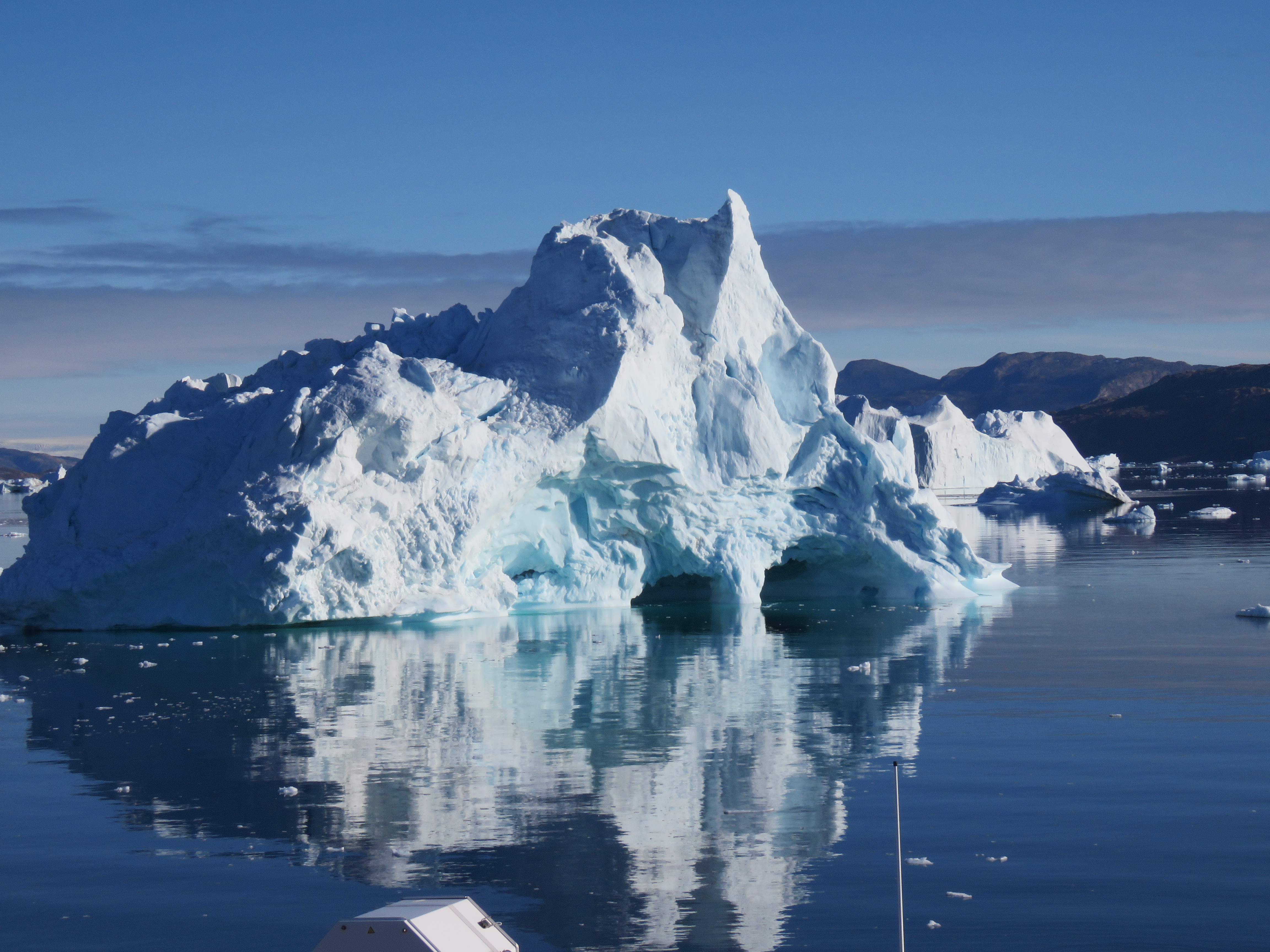
At the mouth of the fjord was a large iceberg – one of many we encountered later in the trip but first we had to cross the infamous Drake Passage to reach the Antarctic Peninsula.

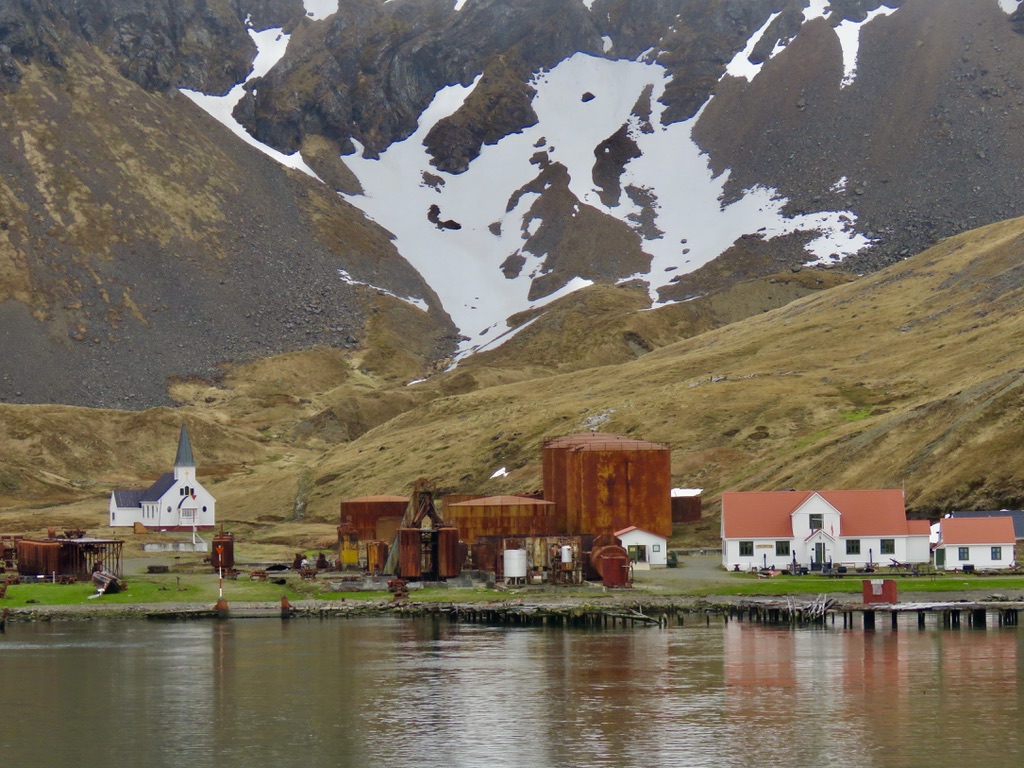
GRYTVIKEN STATION, SOUTH GEORGIA

THE FIRST WHALING STATION IN ANTARCTIC WATERS

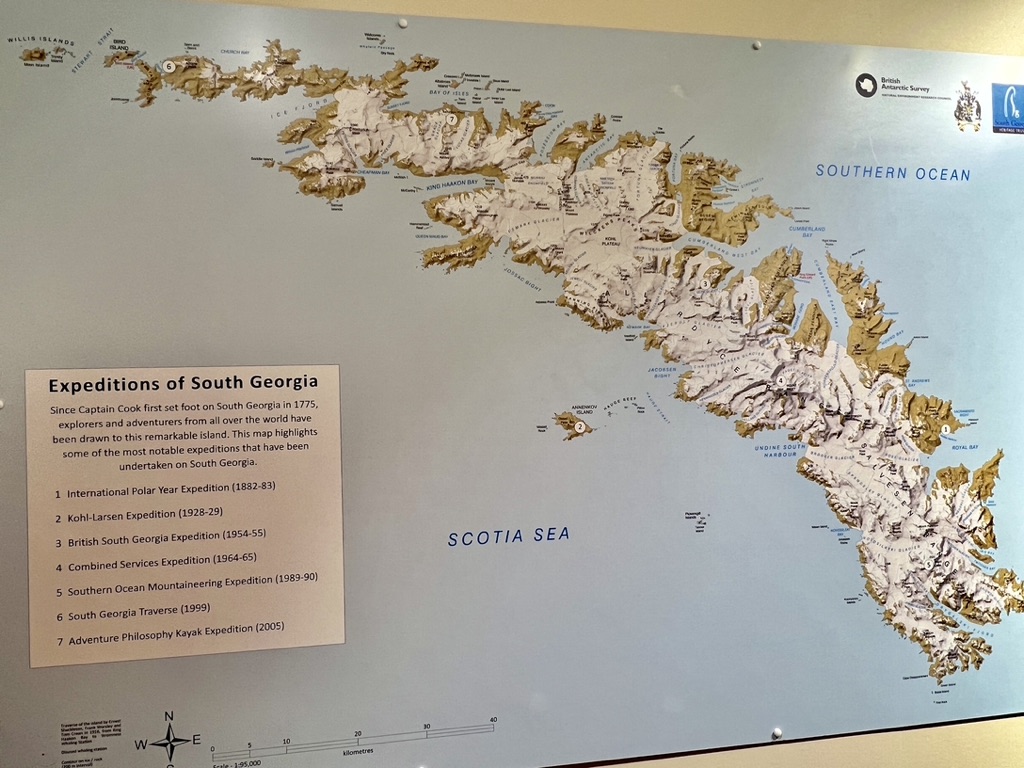
We landed at Grytviken on a cold but bright morning. It is the largest settlement on the island and was formerly a whaling station and is now declared an ‘Area of Special Tourist Interest’ (ASTI). Located at the head of King Edward Cove within the larger Cumberland East Bay it is considered the best harbour on the island. Today there is a small group of people who live there, mostly scientists and Museum conservators, and they tend to stay on six month secondments. The British Antarctic Survey applied fisheries research station is here as well as the Marine Officer, the Government’s sole representative. The Marine Officer’s duties include those of Harbor Master, Customs and Immigration, Fisheries Officer and sub-Postmaster. Quite a busy role for the incumbent especially at the height of the tourism season. Previously, however, it was the hub of whaling in Antarctic waters and was founded by Norwegian Carl Anton Larsen in 1904. Conditions were harsh and there are countless tales and fascinating insights into life at that time now displayed in the Museum.

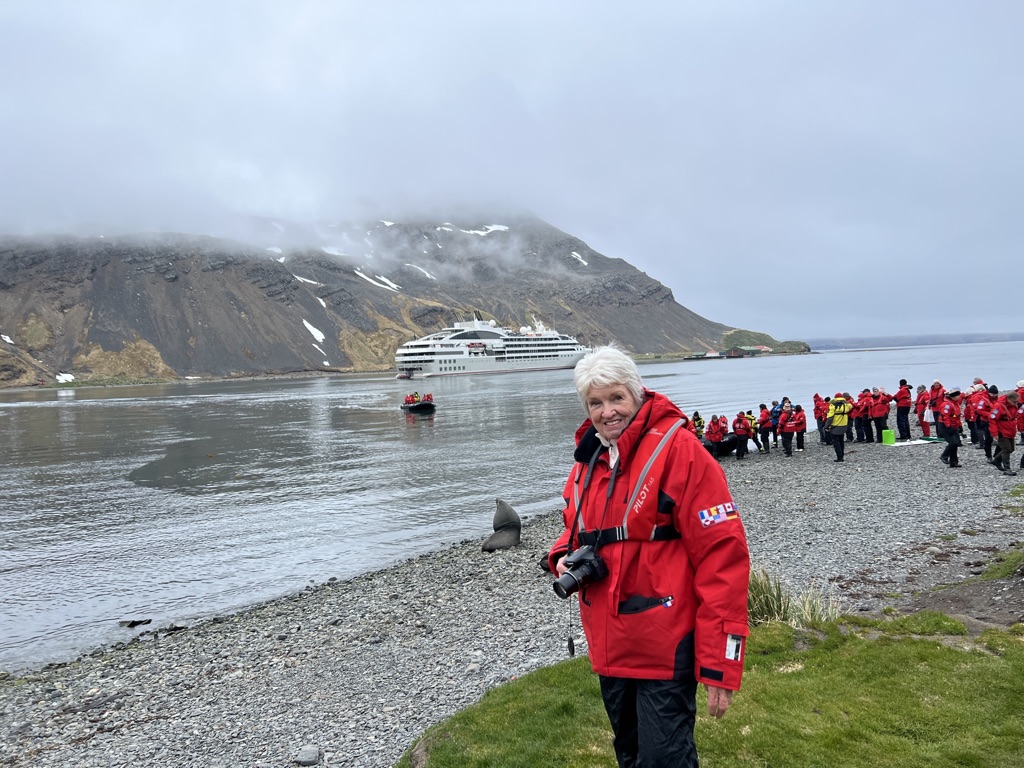
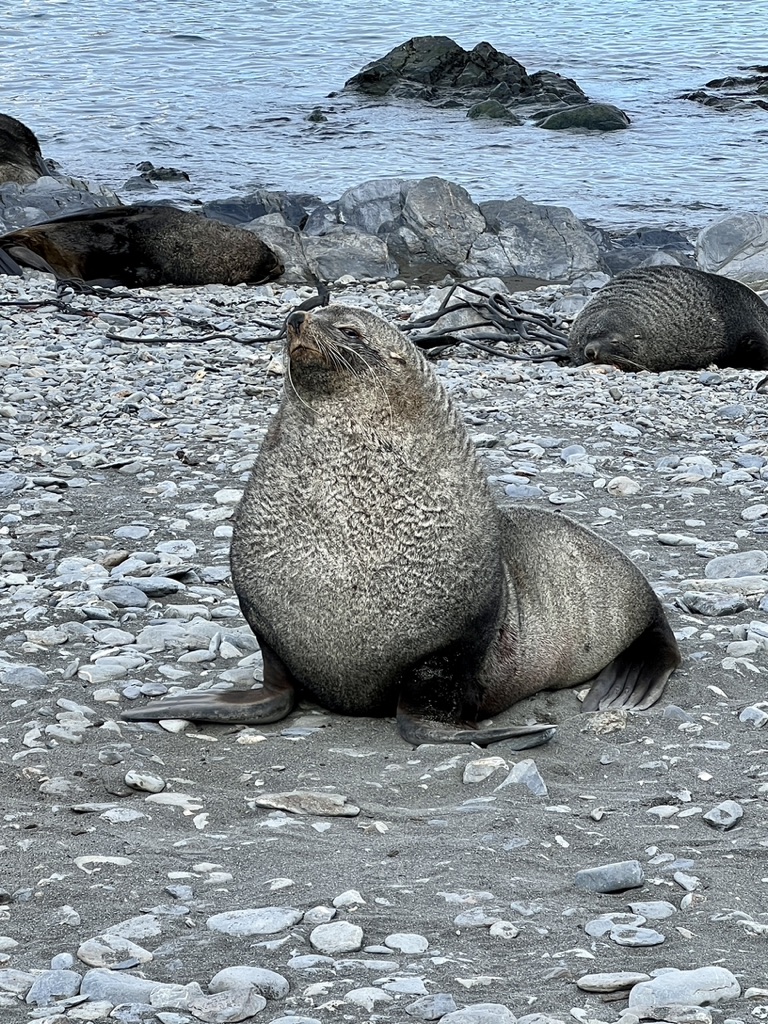
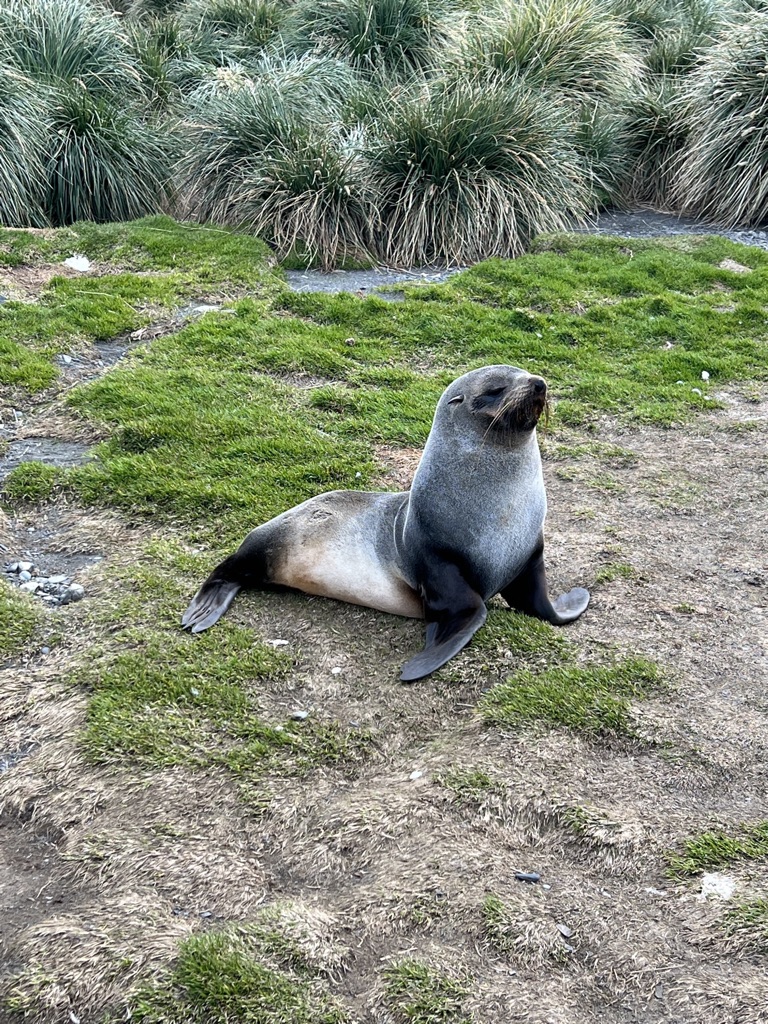
We reached the shore by zodiac – again after the mandatory decontamination session as per the IAATO regulations. The beach was rocky and we were greeted by huge seals basking on the rough stones and who appeared to be unconcerned by the arrival of aliens on their shore!

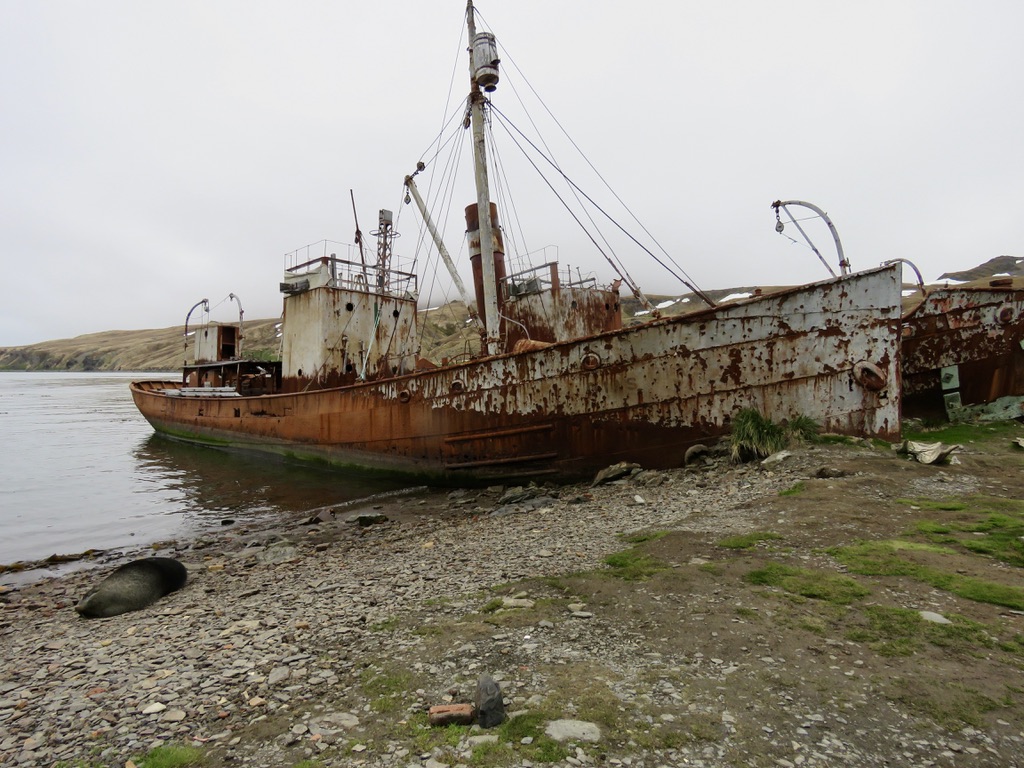
A couple of rusty old whaling ships lying at the edge of the shore reminded us of what this place was once.

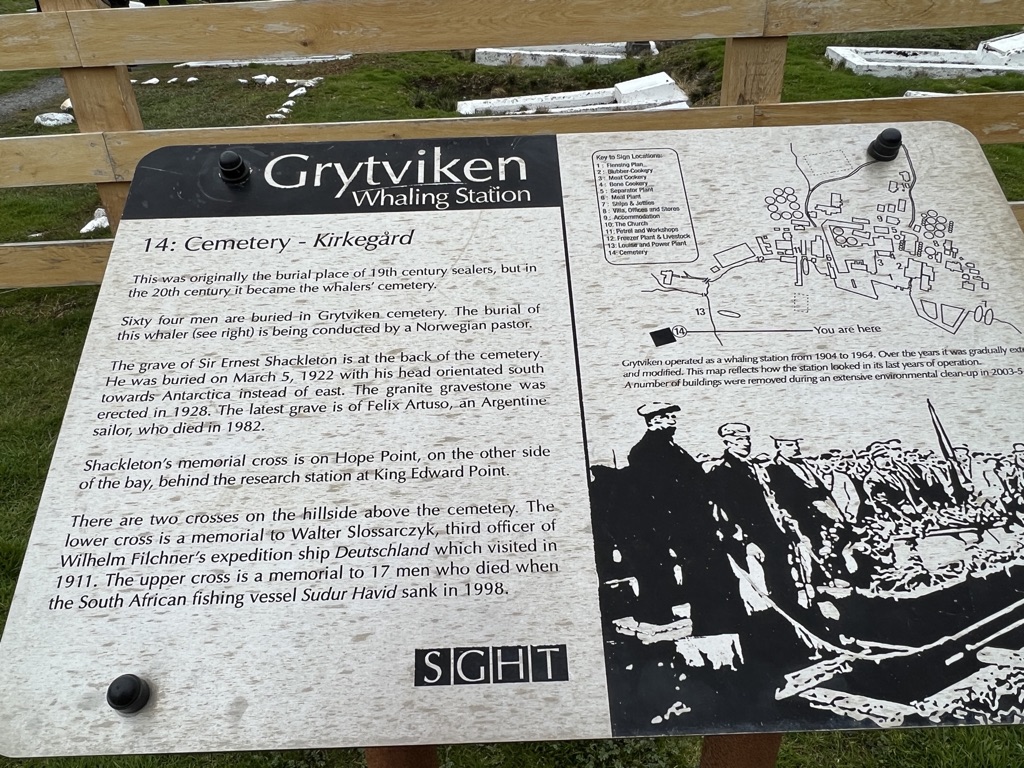
Then it was a short hike up to the cemetery which tells the story of the brave men who lived and died here. Most famous was, of course, Ernest Shackleton who died at Grytviken on January 5th 1922 and is buried here facing the bay. We had had lectures and a film about Shackleton’s life and being here brought it all to life.

Shackleton planned to cross Antarctica from a base on the Weddell Sea to McMurdo Sound via the South Pole, but the expedition ship – the Endurance – was trapped in the ice off the Caird coast and drifted for 10 months before being crushed in pack ice. The members of the expedition then drifted on the ice floes for another 5 months and finally escaped in boats to Elephant Island in the South Shetland Islands, where they survived on seal meat, penguins, and their dogs. Shackleton and five others sailed 1,300 km (800 miles) to South Georgia in a whale boat, which took 16 days before landing on the southern side of the island. The crew then made the first crossing of the island to seek help and after four months, Shackleton succeeded in rescuing his crew from Elephant Island – and not one of the crew of Endurance died. A remarkable feat in unbelievable circumstances. In 1921, Shackleton attempted a fourth expedition with the goal of circumnavigating the continent. He died here in Grytviken at the outset of the journey, and it is believed the strain of the expeditions themselves and the exertion in raising funds wore out his strength, and he died of a heart attack.

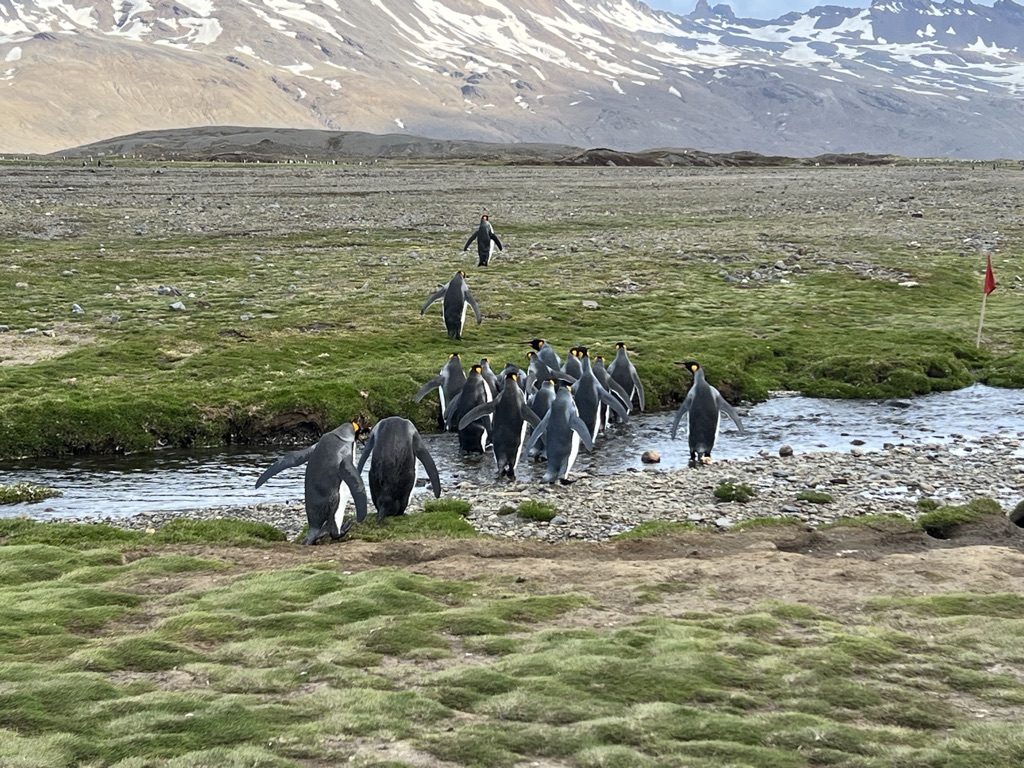
Along the side of the cemetery was a large sheet of snow and ice and here a few King Penguins were having a leisurely wallow dipping their feet into the stream alongside.

Then we walked a short distance to the Museum to learn more about this fascinating little settlement. I talked with one of the conservators who was a young girl from Shetland, in Scotland. This was her fourth stay on the island and she was delighted because it was summer (November) here but winter in Scotland and she had timed her secondments to be such and thereby had missed two winters in a row! All the same, it can’t be easy to stay in a such a remote place for six months at a stretch with a bunch of strangers for company. Ultimately some would become lifelong friends, I am sure.

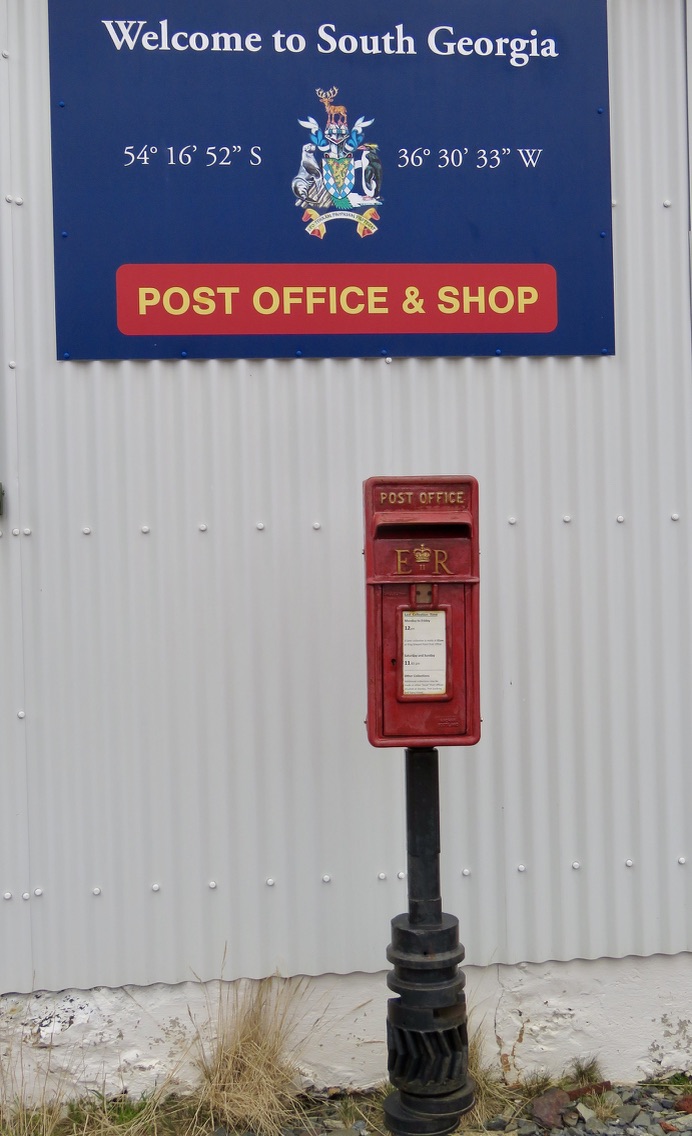
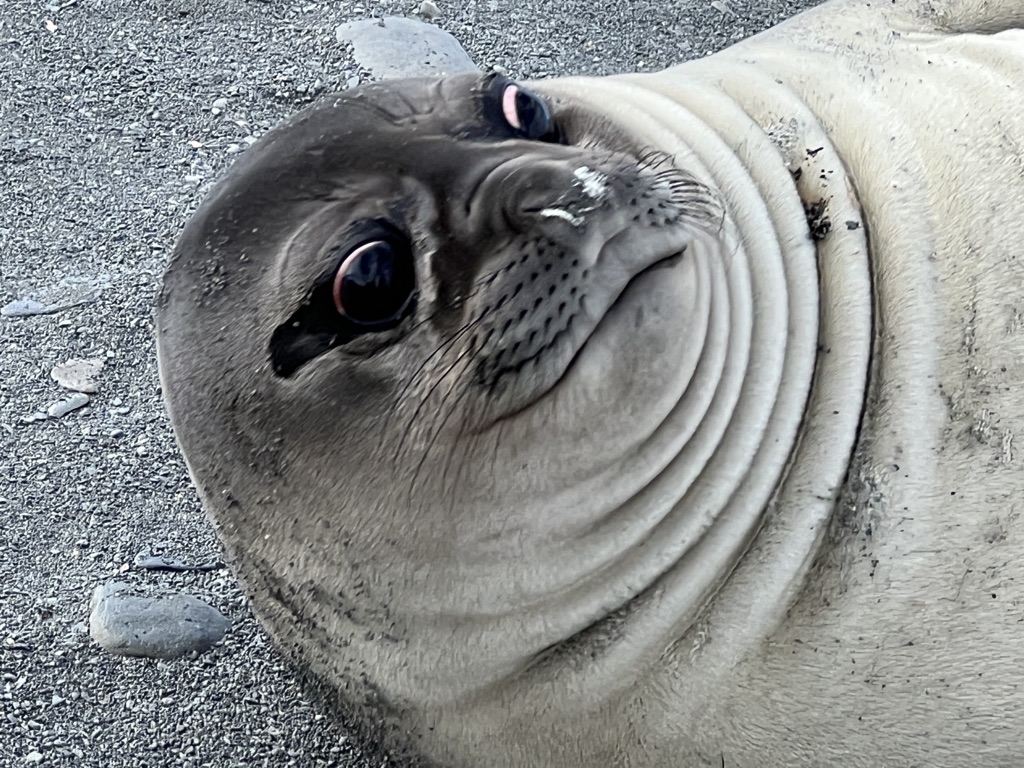
There is a shop and a Post Office and we were able to buy postcards and mail them from here thus having a unique postmark! The shop sold souvenirs as well as woollen clothing and books. We were told they would accept cash or credit cards and so went with cash but were unlucky – that day they only took credit cards! So no souvenirs for me just a lot of memories and heaps of photos of a rather large baby seal blocking the doorway of the shop – so we had to walk around the back!

What a magical day! We immersed ourselves in history, mingled with the wildlife, met some locals and drank in the scenery. More adventures awaited us and we have learnt that no two days are the same!

SOUTH GEORGIA AND PENGUINS

WILDLIFE AND HISTORY COMBINED

Our first glimpse of penguins in their rookery was three days after we left South America. What a sight it was along with the noise of their chatter and an odour which I didn’t find offensive at all! We had reached South Georgia, a region formed by an underwater mountain chain that extends from the Andes to the Antarctic Peninsula.

Our three days at sea were productive. We settled in and found our way around the ship which was Ponant’s ‘Le Lyrial’ – and had a total of 120 passengers on this voyage. It was small enough to easily find our way to either of the restaurants, the library, observation lounge, spa, gym and photography studio. Our suite was very comfortable with a lounge and bedroom plus bathroom and balcony area. We were on Deck 6 and close to both the lounge/bar and the casual restaurant.

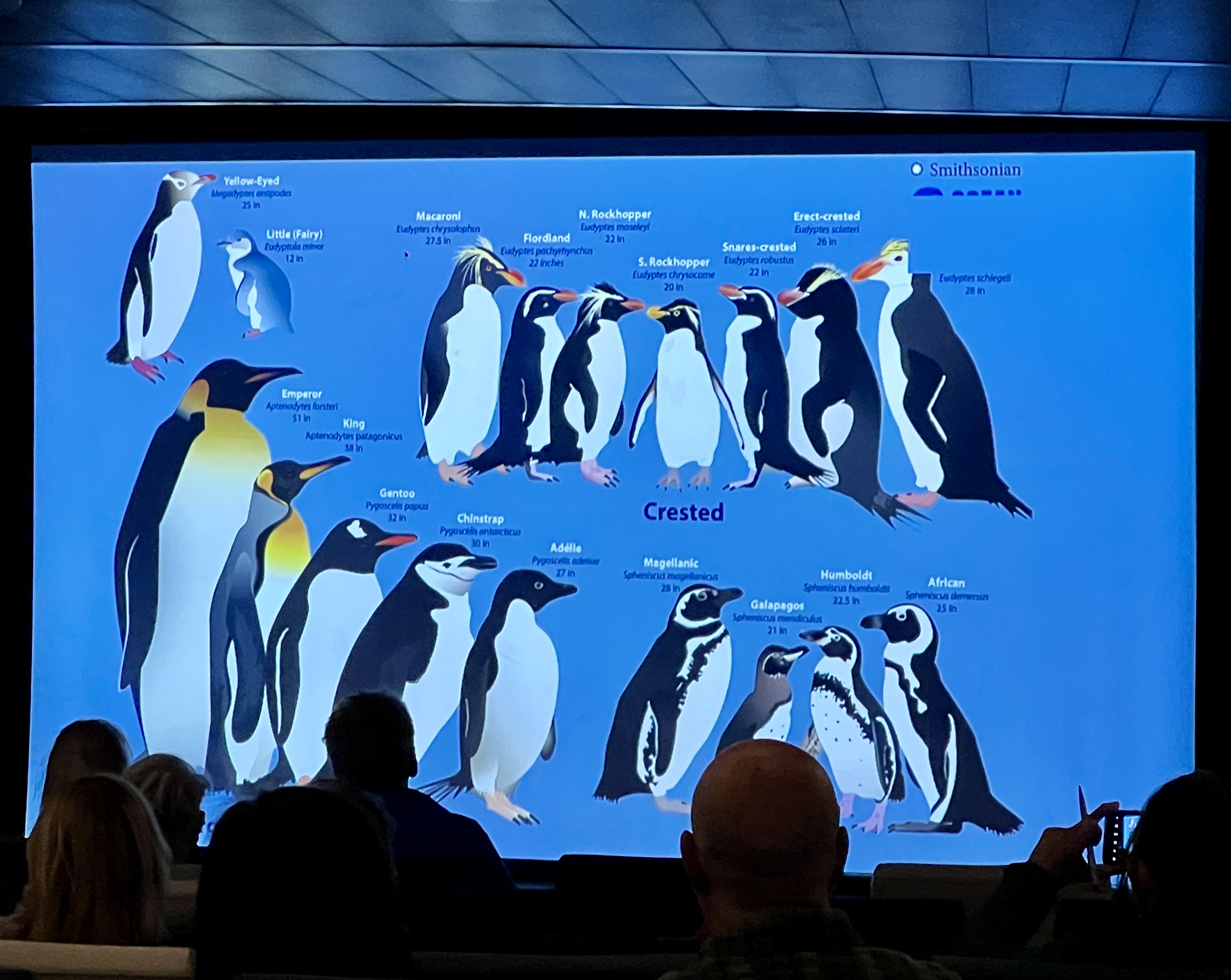
Each day there were a couple of lectures – both in French and English – and these varied from wildlife talks, history and general information regarding the area to geology and iceberg formation and so on. Our Expedition leader was John Frick, an American who has spent decades in and around the Antarctic region and his knowledge knows no bounds. His expedition team presented lectures according to their own speciality and one of the first talks was on Penguins and the different types varying from the tiny Fairy up to the Emperor. We would be encountering Gentoo, Chinstrip, Adelie and King penguins on this trip if we were lucky!

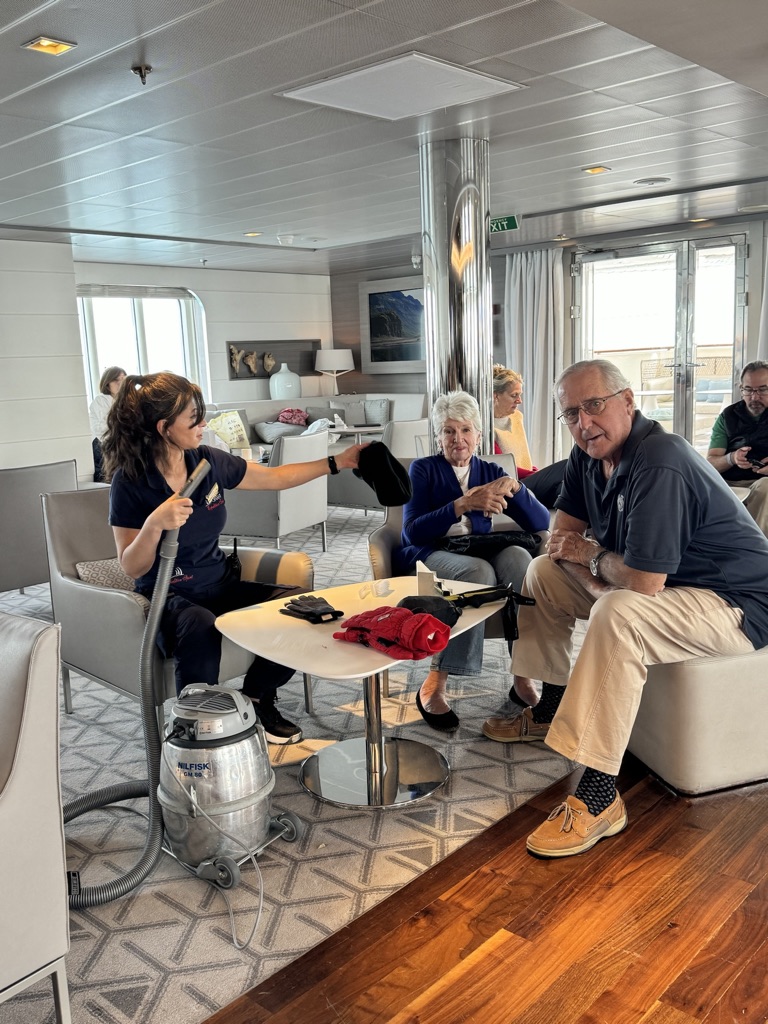
It was also an opportunity, whilst at sea, to introduce the passengers to the rules and regulations applicable to all visitors to Antarctica according to the Antarctic Treaty and the International Association of Antarctic Travellers (IAATO). Attendance was mandatory and we discovered the strict Biosecurity measures which take place at every stop in Antarctica. This involves vacuuming all outerwear, including gloves, parkas and hats, inspection of boots and the scrubbing of boots in soapy disinfectant each time we reboard. It seemed a lengthy process at first but soon became second nature. Inspection officers came aboard in South Georgia and randomly selected a few passengers to double check! Fortunately we were not ever in that group – to be selected and found to have a speck of fibre or a hair or piece of grass on your clothing or boots would be embarrassing to say the least!

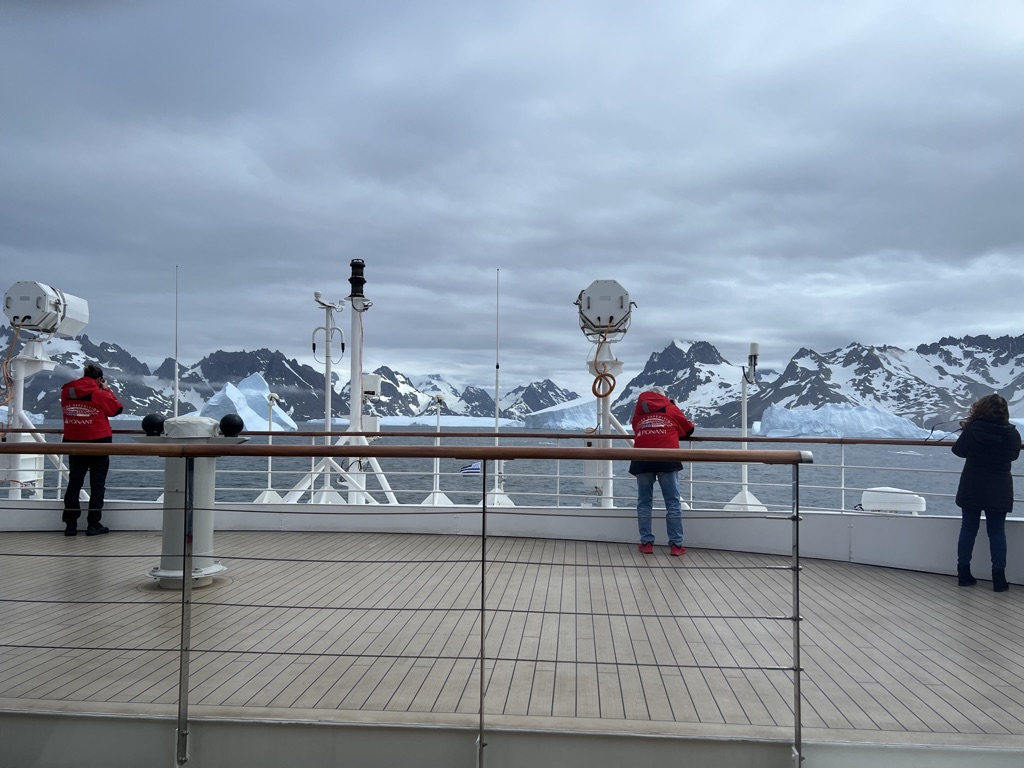
Our first landing was Fortuna Bay in South Georgia, but just before entering the bay we spotted our first iceberg of the trip!

Then we sailed into the bay and landed on the plain to be greeted by fur seals, penguins and hundreds of birds. This was quite unlike anything I had ever seen and once ashore, walking amongst the wildlife who showed no fear of us humans was an unbelievable experience. This is a pristine land and it was fantastic to be wandering amongst these creatures in the bright sunshine and sharing, for just a moment, their lives in this place.

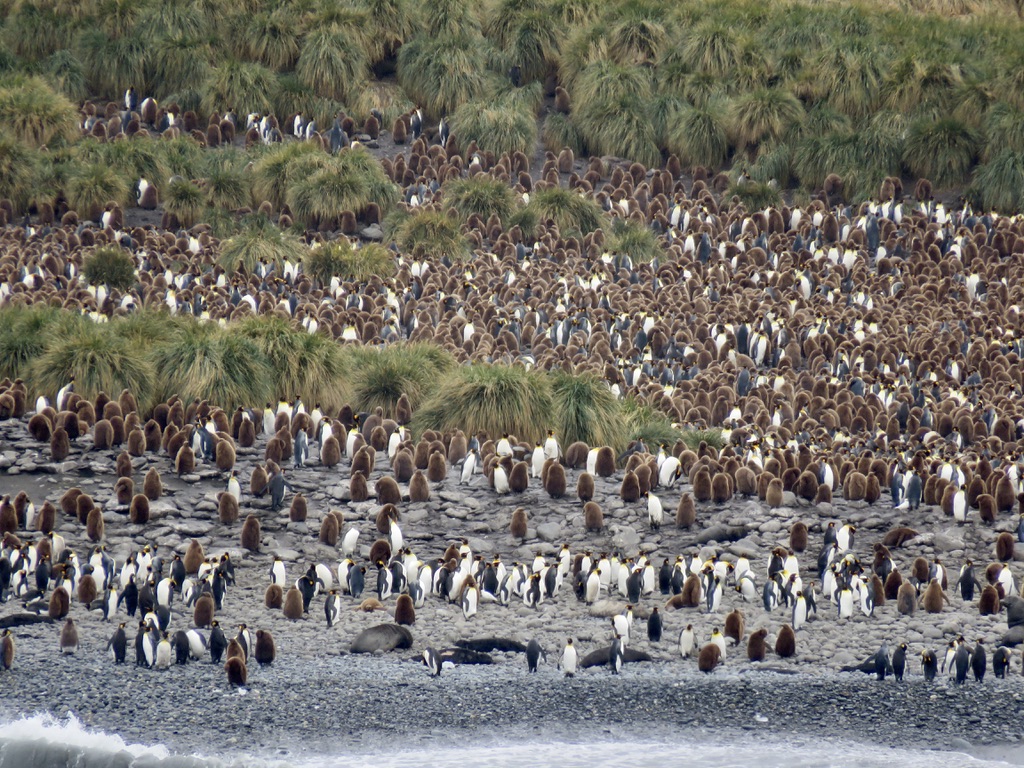
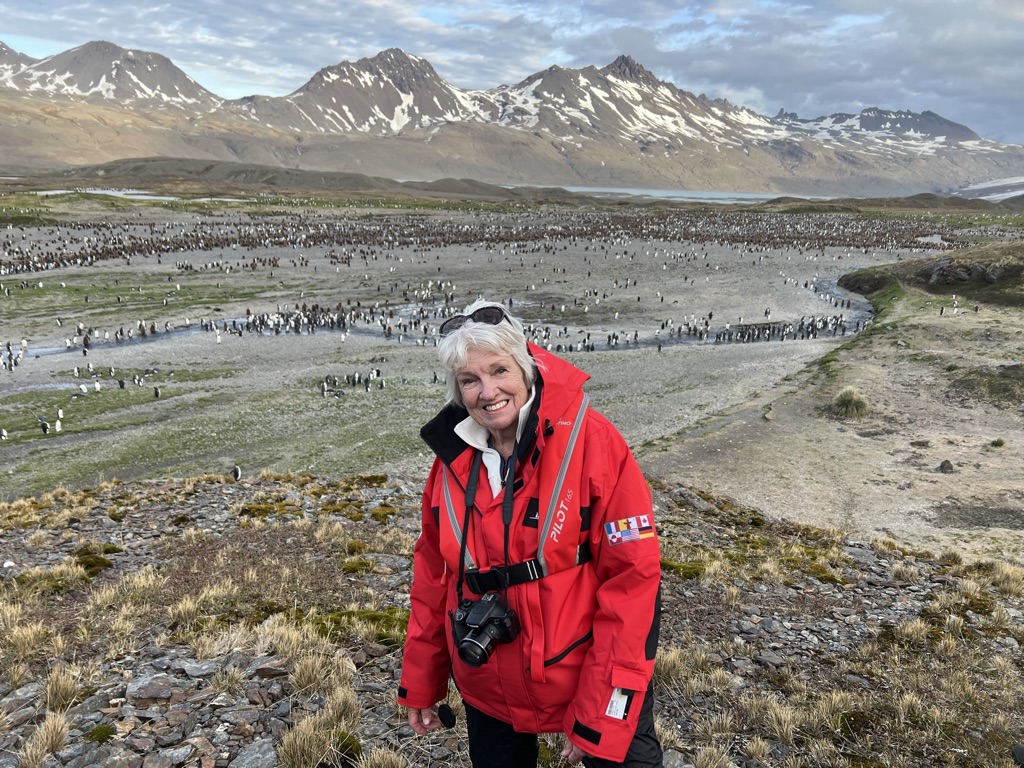
There was a hike to the top of a hill where the views were amazing – thousands of penguins all grouped together in the rookery – some sleeping, some playing, some wading across tiny streams and nearly falling in! They are hilarious to watch. The babies are covered in a brown fur like down which falls out once they reach a certain stage in maturity. I could see hundreds of young ones – some quite large and obviously about to change from baby to adult (or teen?).

What an exhilarating day! I had never imagined a trip to Antarctica would be like this. Like everyone else, I had seen pictures and films of the wildlife of this area but it was all snow and ice. To be here, on an island, with nothing but penguins and seals, tussock grasses and wildflowers, pebbles and rocks and bright sunshine was truly out of this world. And, did I mention, I have fallen in love with penguins!

ADVENTURE TO ANTARCTICA

URUGUAY THE GATEWAY TO A DREAM

Since our trip to Greenland and the Arctic, we have harboured a dream to go to the other side of the globe where, instead of villages, communities, bears and unique wildlife we would be in a pristine environment where nature abounds and penguins, icebergs, seals, glaciers and rocky beaches are unparalleled. Our dream was realised in November when we flew over the Andes into Uruguay to start our journey.

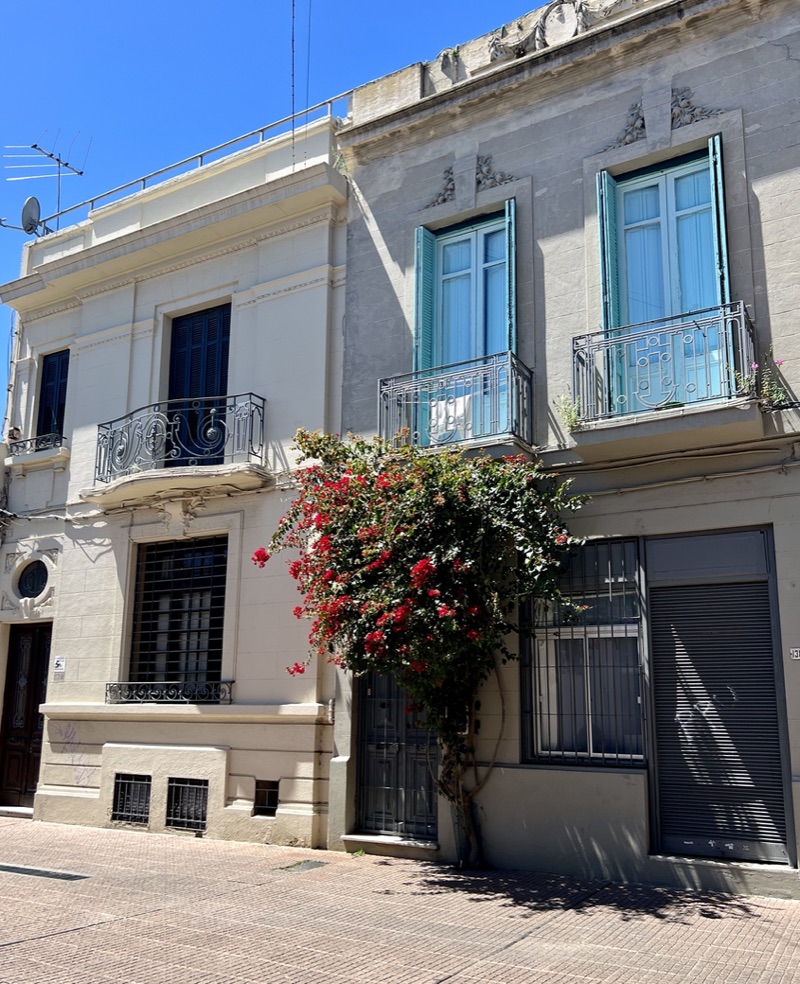
Montevideo, the capital and largest city of Uruguay, offers a unique and charming atmosphere. The well-preserved old town in the Ciudad Vieja exudes a sense of history, while the rest of the city and its beachside cafe culture create a laid-back and distinctive experience. We stayed in La Rambla – a suburb by the bay and found it was easy to walk to shops and restaurants and a short cab ride took us to the City Centre.

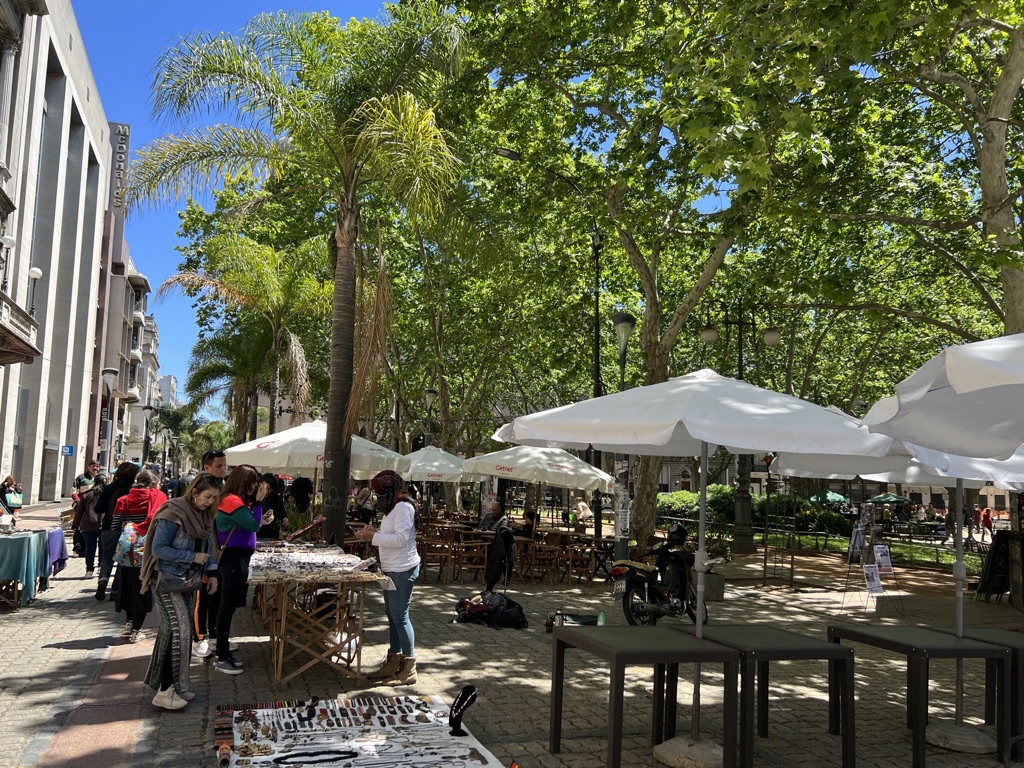
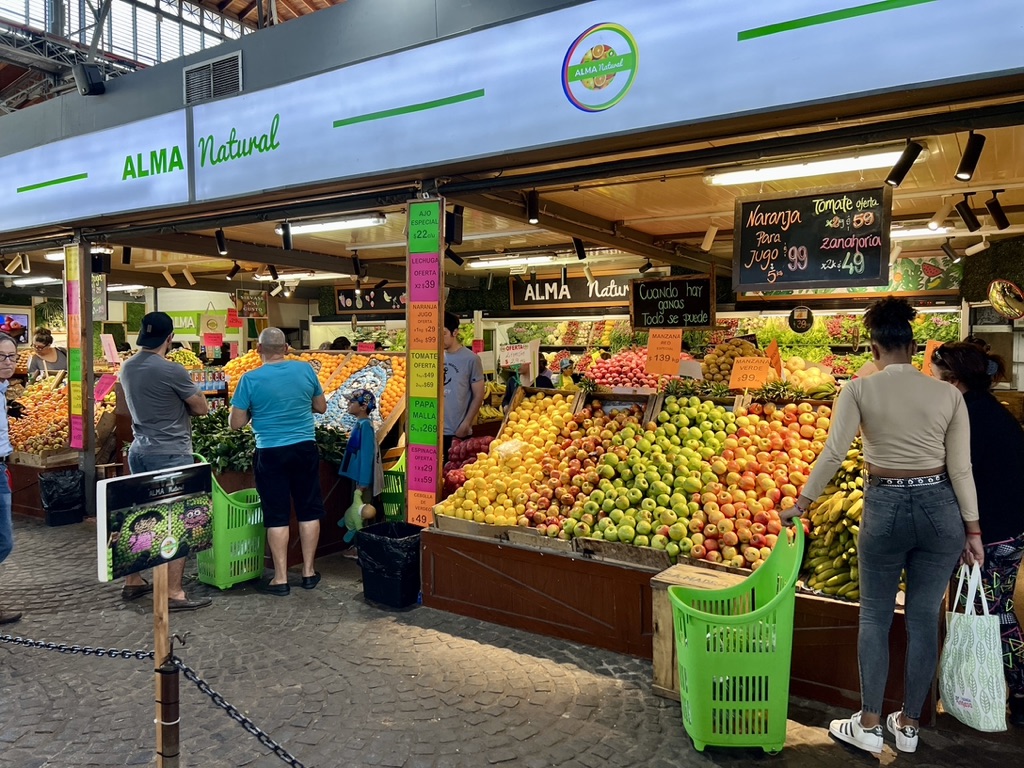
Making the most of our time here before we joined our ship for the cruise, we opted to do a half day City Tour which gave us an insight into the history of the region and life today. The city revolves around the Plaza de la Independencia, once home to a Spanish citadel. The plaza leads to Ciudad Vieja with art deco buildings, colonial homes and landmarks. I loved the intricate doorways of some buildings and beautiful flower baskets hanging in the windows. We wandered around outdoor market stalls filled with handmade souvenirs as well as art and later went to a huge market where everything was on sale from food to clothing and handbags. Cannabis beer was intriguing – and No – I didn’t try it!

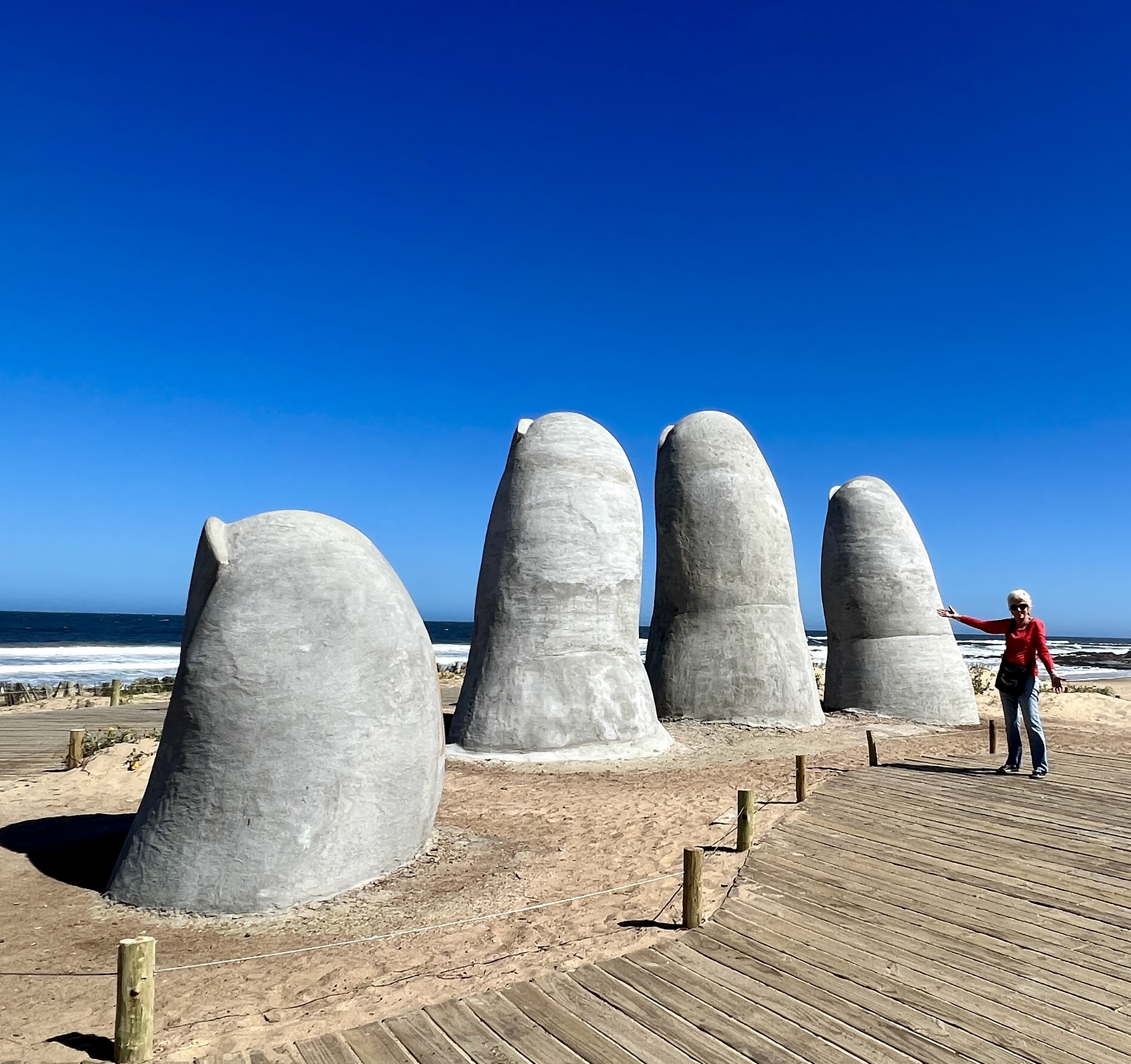
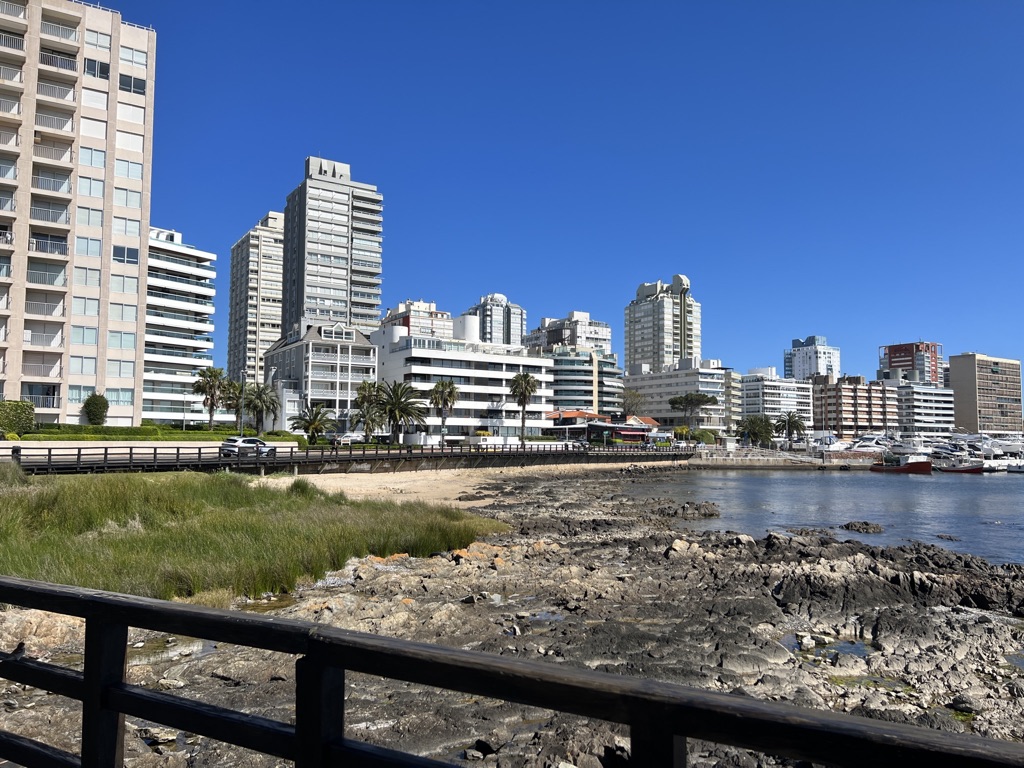
We went on a day trip to Punta del Este known as the ‘Surfers’ of the country. This is about an hour and a half’s drive from Montevideo. I wanted to go because a cousin recently visited as part of the Round The World Clipper Yacht Race. It looked an interesting town with the reputation of being the resort for many of Latin America’s jet set with high end shops, fabulous restaurants and apparently a brilliant night life. What we found was actually a quiet seaside town with lots of empty apartment blocks and closed up stores. This may have been because it was November and presumably out of season but it didn’t detract from the charm. The most famous landmark is La Mano – The Hand – which is a sculpture depicting five human fingers partially emerging from the sand.

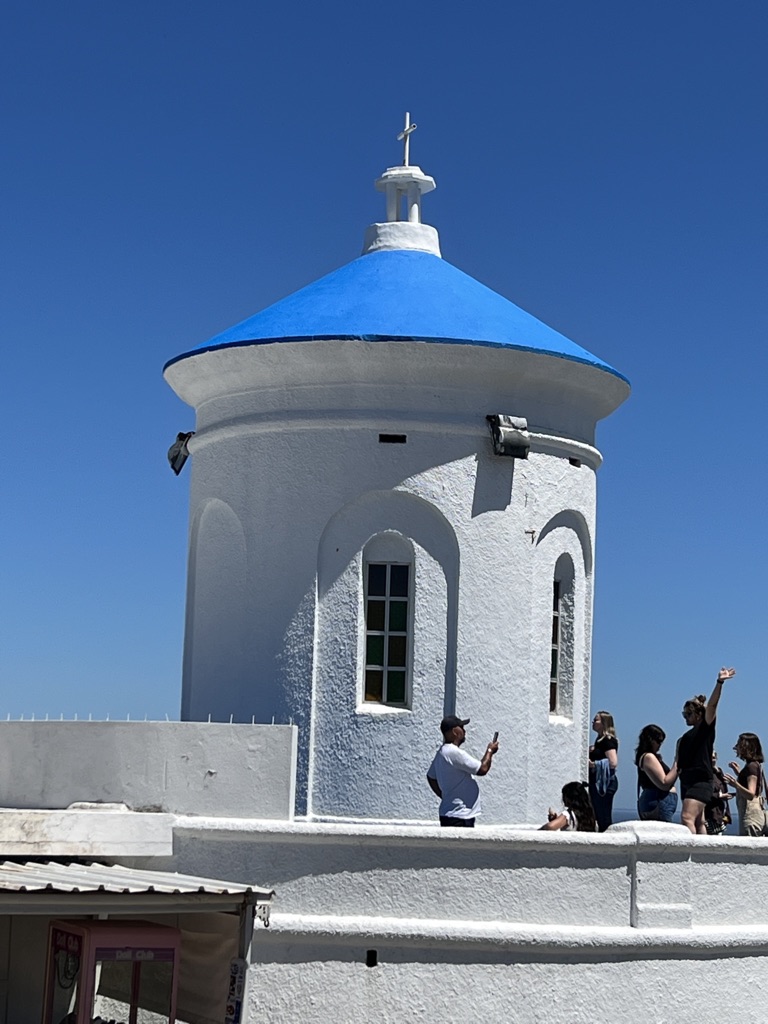
On the way to Punta, there was a stop at Piriapolis known for its belle époque–style buildings and the harbor. The visit included going up to Cerro San Antonio, a hill with a small whitewashed chapel and a lookout point plus a coffee shop and souvenirs. The Chapel was charming and would not have looked out of place in the Greek Islands!

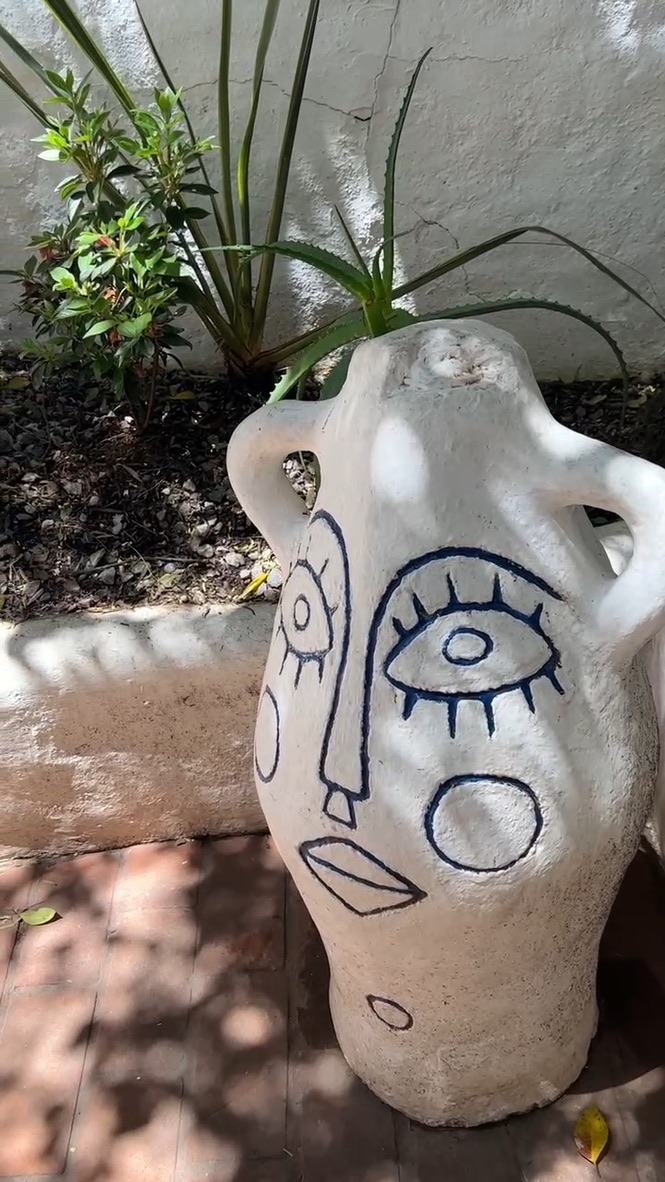
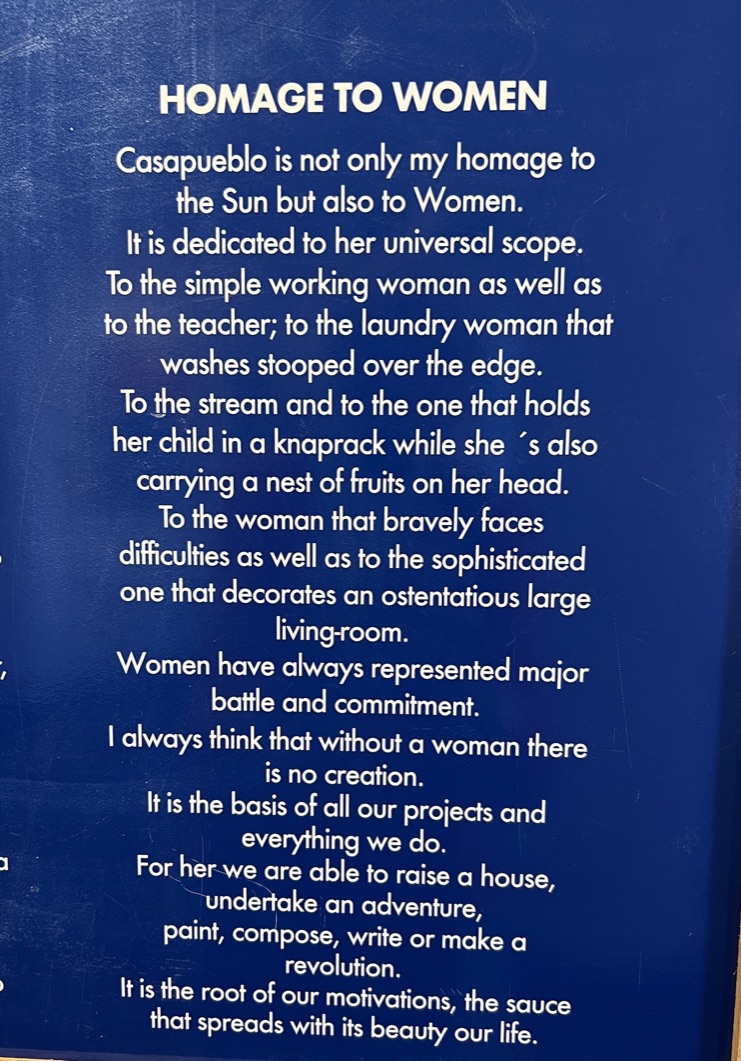
Another intriguing stop was at Casapueblo in Punta Ballena about 8 miles from Punta del Este. This was the home of well known artist Carlos Páez Vilaró. As well as being a painter, he was known as a sculptor, potter, muralist, writer and composer. His work was unknown to me but I quickly became a fan. The building is of whitewashed cement and stucco and has no straight lines. It has thirteen floors and many terraces all of which look over the Atlantic Ocean. It evolved over many years and was the gallery as well as the home of the painter. Now it incorporates a hotel, museum and gallery as well as a coffee shop. The one poignant piece of history to me was that it is also a tribute to  Carlos Miguel, the artist’s son, who was one of the sixteen survivors of the Uruguayan flight which crashed in the Andes in 1972. That story is told in detail and the artist himself mounted many search and rescue efforts before they were found two and a half months after the crash.


Two days later it was finally time to pack up and make our way to the port to join our small luxury ship, Ponant’s Le Lyrial, to cruise to South Georgia and the Antarctic Peninsula. We felt refreshed and ready for another adventure after our stopover where we found the locals were friendly and welcoming, the city oozed charm and history, and we relished being by the ocean and yet close to city vibes. We will return one day!

FROM THE TROPICS TO ICELAND

Finally the time has come to travel again. Two and a half years seems a lifetime and life has changed immeasurably for me. However, one thing that that hasn’t changed is our desire to go to Iceland for a very special occasion. A family wedding that was planned for May 2020 is on the cards again! This time the guest list has reduced dramatically and holiday plans have been shortened but the location, the tiny settlement of Budir in Western Iceland, remains the same.

Hours of research have gone into this trip. We will be driving the Ring Road and have a huge list of things “not to be missed”. We will, of course, be unable to do it all but that’s OK – there is always another time except when you live on the other side of the planet, it is not quite so easy!

Right now my priority is packing. Trying to imagine temperatures below 10C when it is hot and sunny here is virtually impossible. Then there is the thought of a journey of 23+ hours. We decided to fly straight to Helsinki instead of having a stopover in Singapore because at the time of booking there were lots of restrictions regarding quarantine and Covid testing. Now that has been lifted but we will press on regardless.

So an adventure awaits – a total contrast to life as we know it in the tropics but with the prospect of seeing different animals – Icelandic sheep and horses plus puffins, whales and Artic foxes – and a stunning landscape with waterfalls, cliffs, volcanoes, glaciers, and geysers, not to mention the incredible folklore and history complete with elves and superstitions – I can hardly wait! Stay tuned.

KANAZAWA – LITTLE KYOTO

I had heard that Kanazawa, located between the western mountain ranges of Honshu and the Sea of Japan, was often referred to as Little Kyoto. I was not disappointed. This is the most charming place and one which I sincerely hope we will visit again.

A Castle town with beautiful gardens, narrow streets, traditional precincts and some intriguing samurai houses, it is easy to walk around and explore several parts of the city in one day.

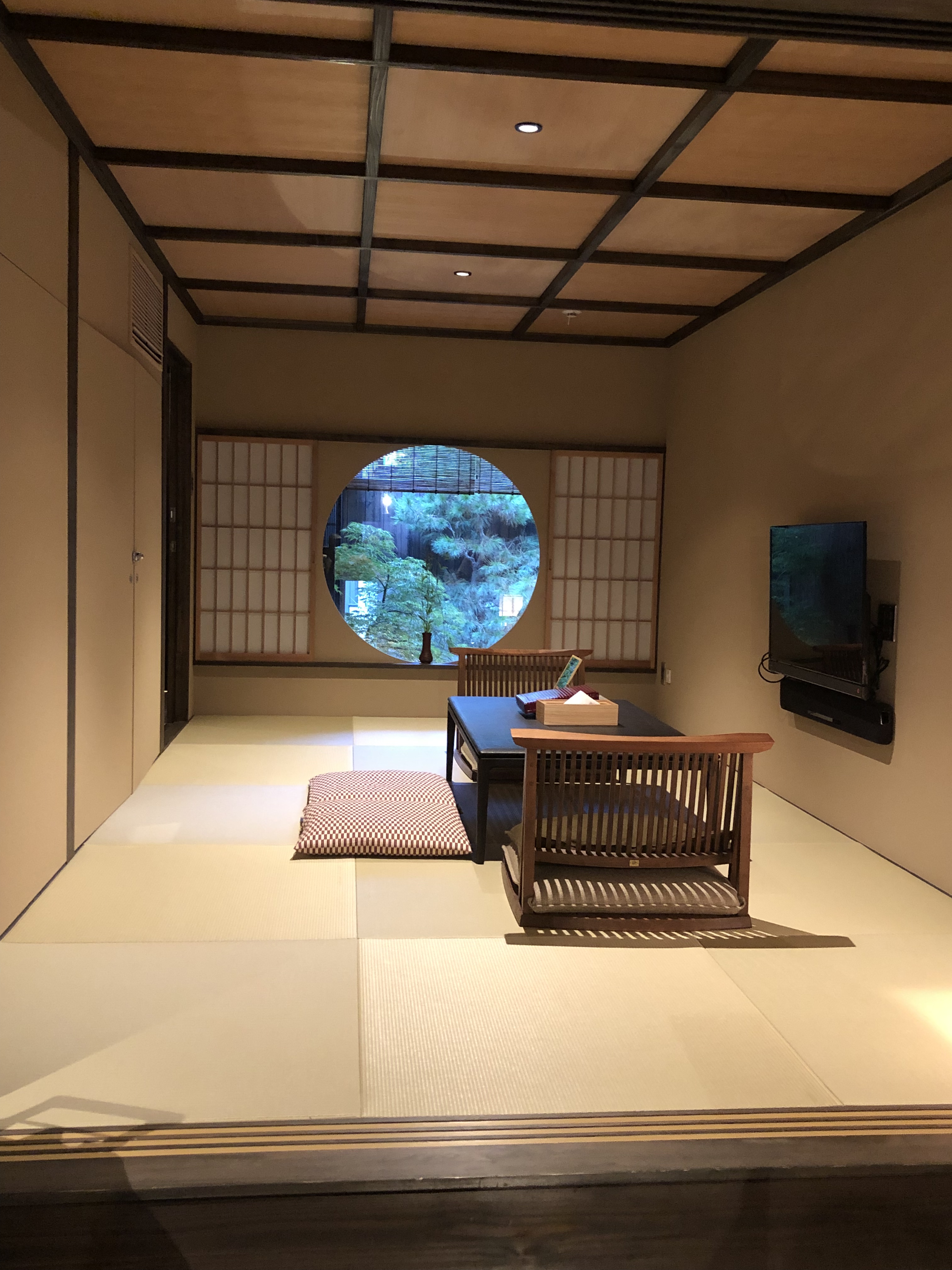
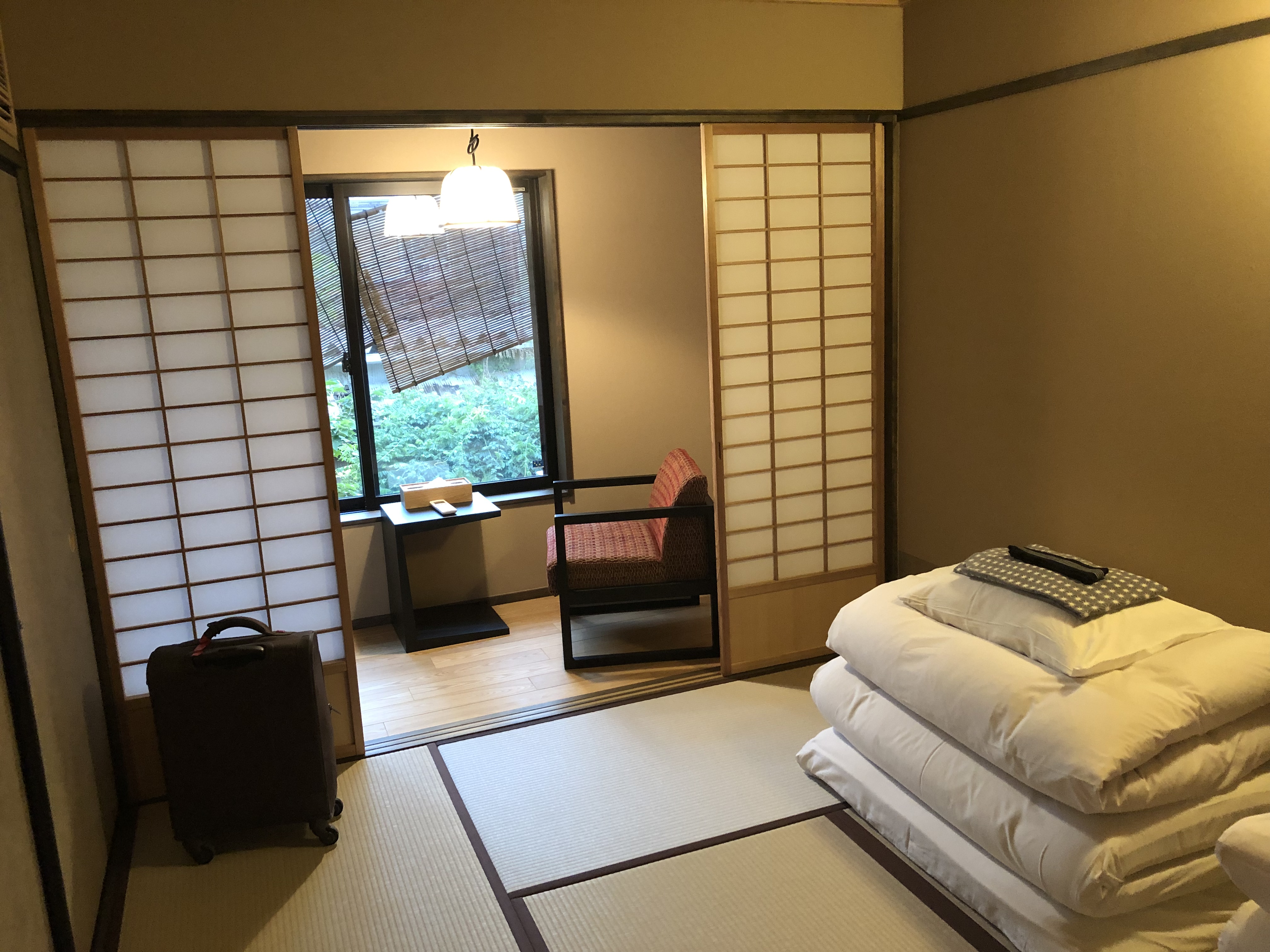
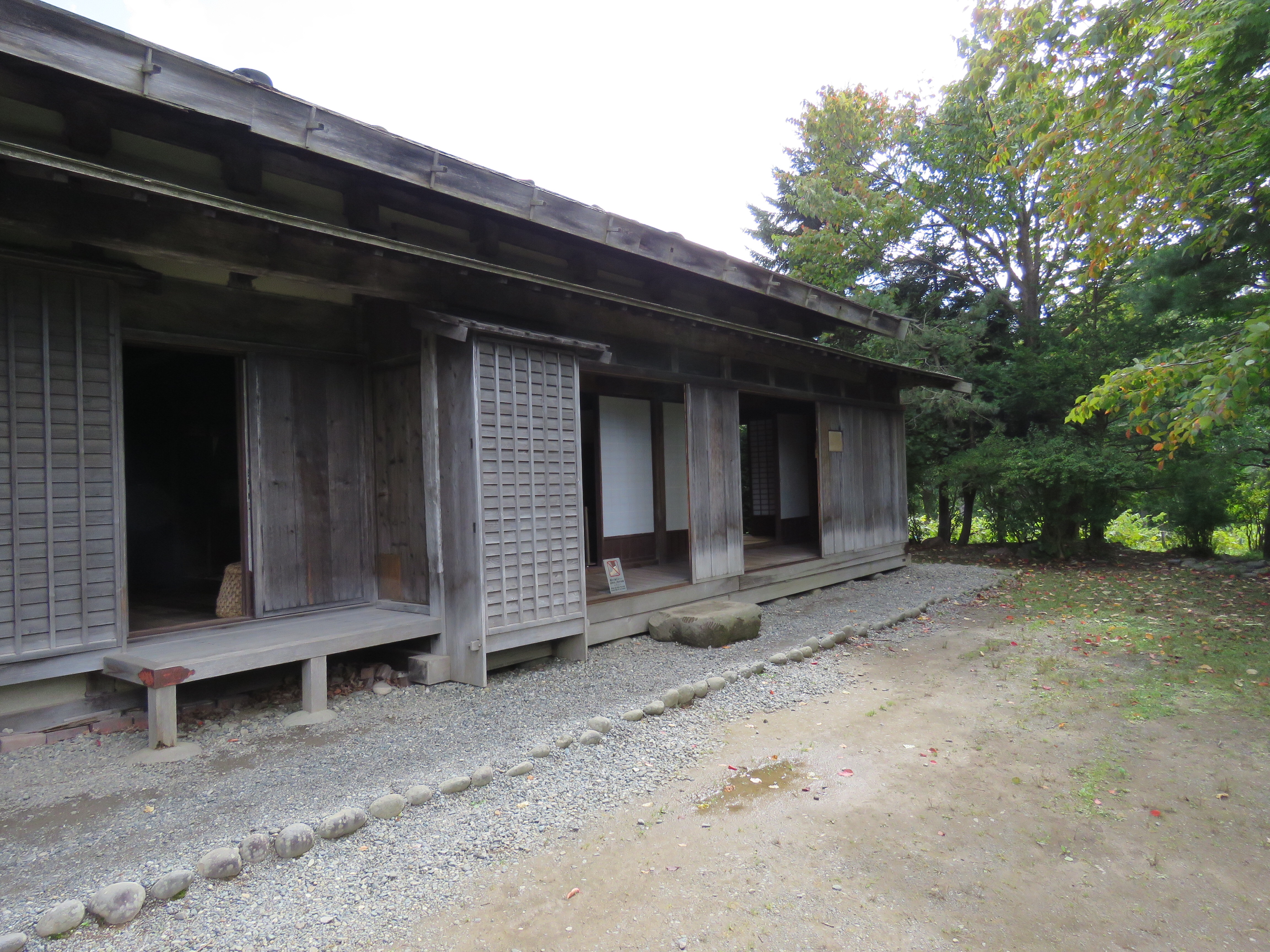
We stayed in a typical Japanese dwelling in a cute neighbourhood within walking distance of the station.

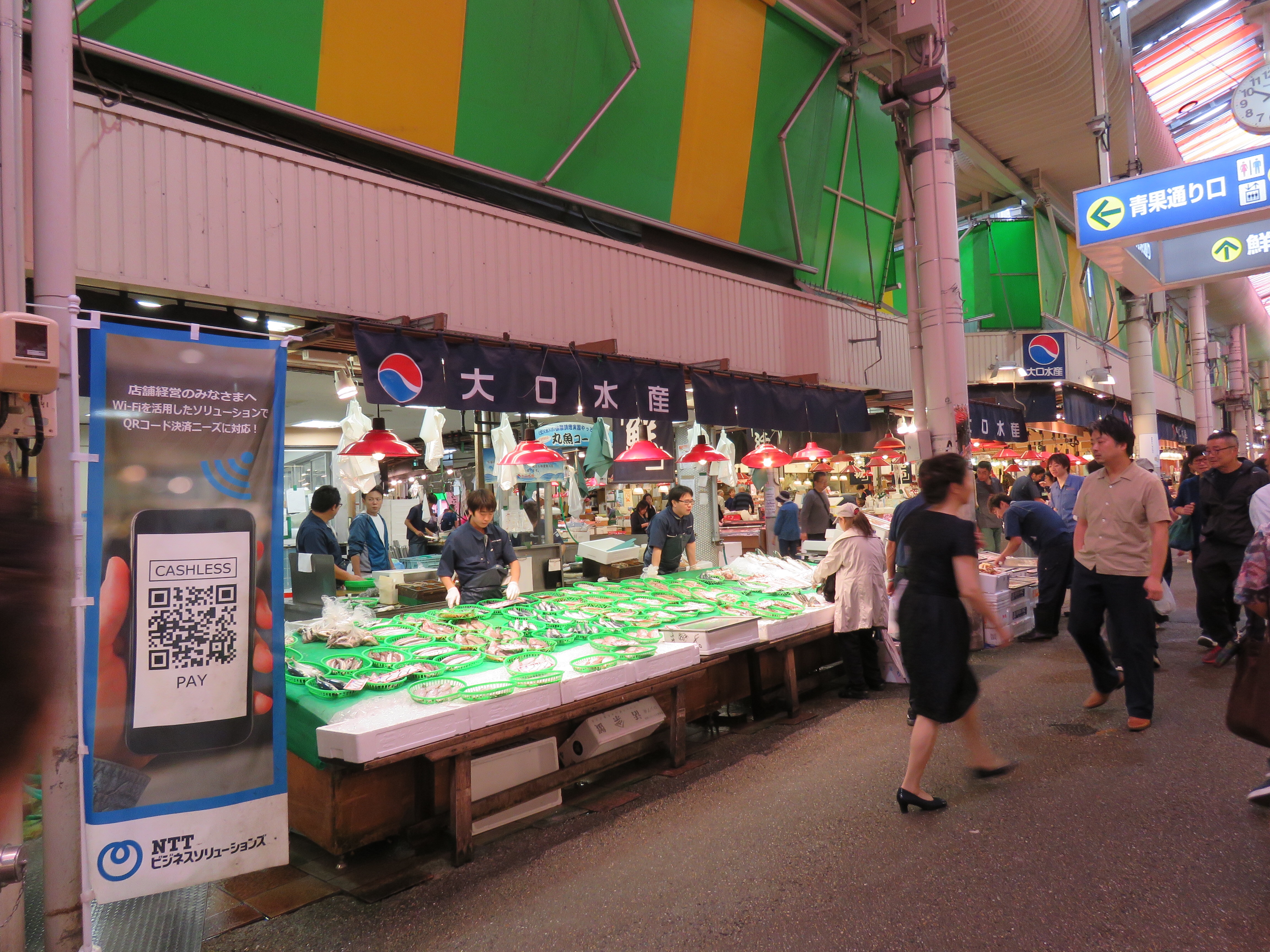
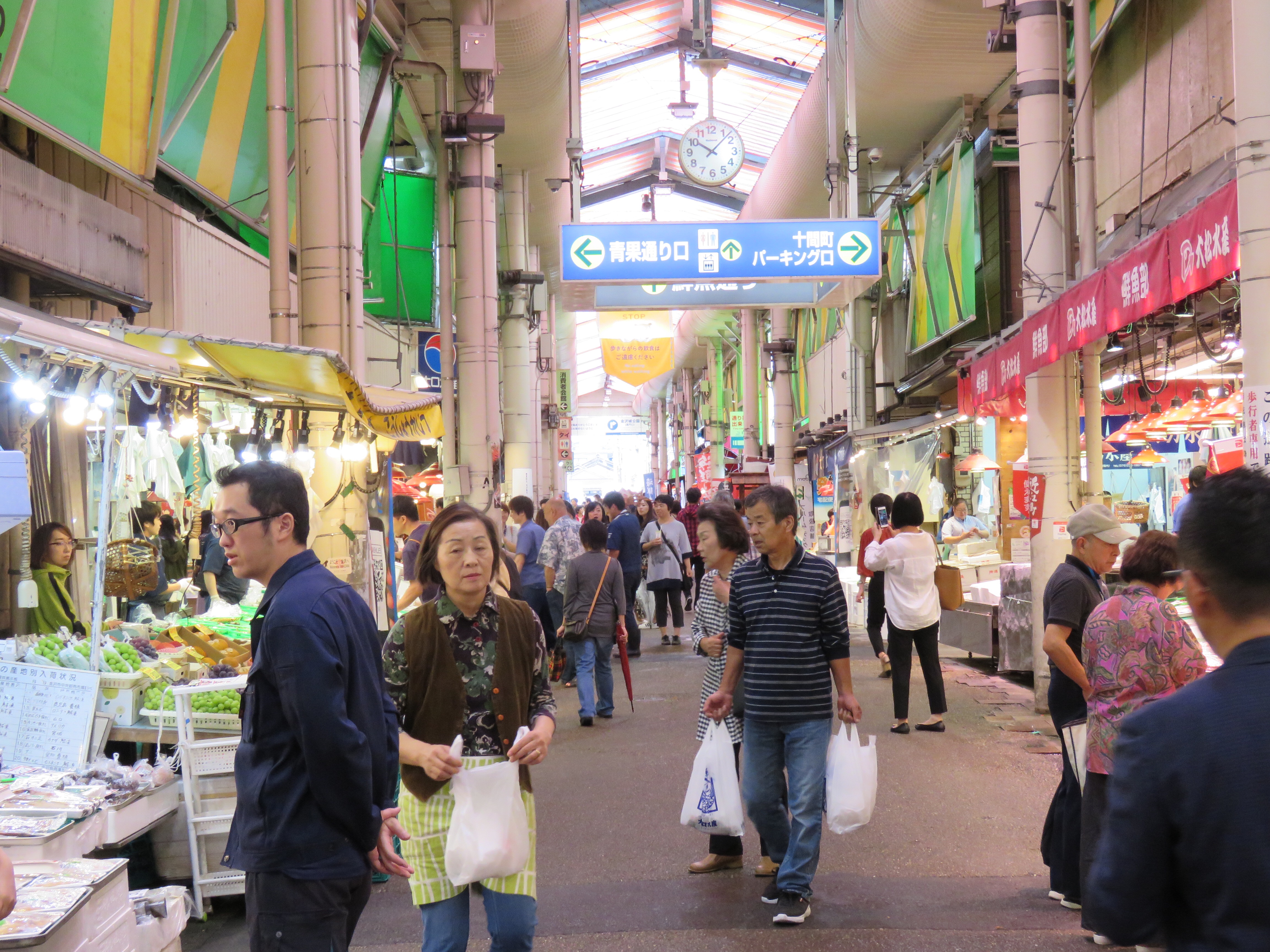
Familiarising ourselves with the area, we walked first to the Omicho Market which sells everything from fish to clothing.

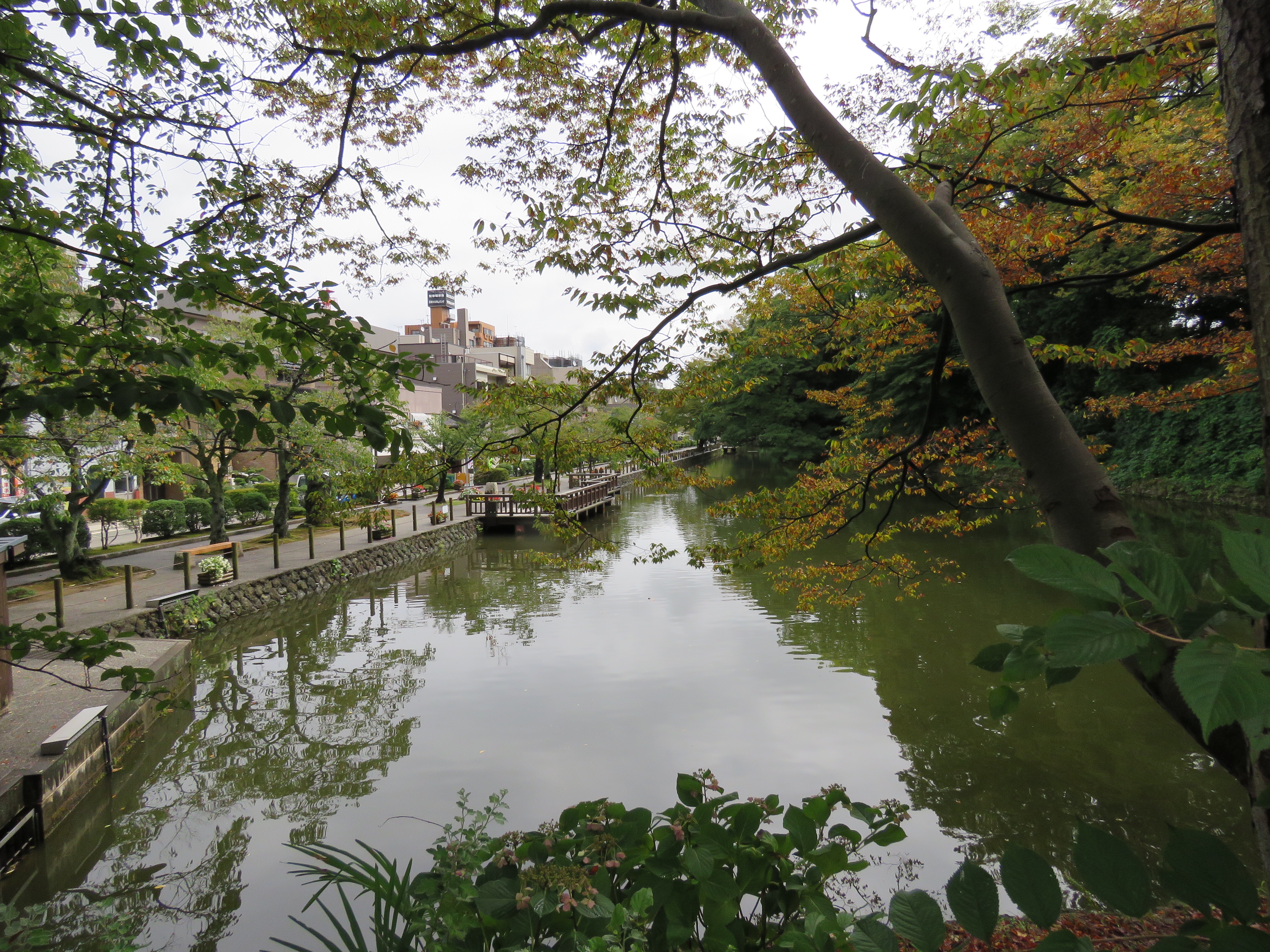
A short stroll further on and we found the magnificent Kanazawa Castle with its magnificent Kenrokuen Gardens. The gardens have been Heritage listed and are a place of serenity with winding streams, lakes, ponds and landscaping.

Moss was everywhere and many of the trees were centuries old.

Another quaint area is Higashi-Chaya-Gai which is an old area along the river where there are old samurai houses and narrow streets, lots of tiny restaurants and craft shops. We saw some Kimono clad ladies walking slowly along the street and immediately imagined ourselves back in time.

We saw a few ladies wearing kimono and one totally fascinated me and I wondered about the comfort of this type of dress – particularly on a bus one day when one lady was unable to lean back in her seat due to the obi behind!

It is the simple things that make a place memorable – and we will always remember Kanazawa with affection and hope to return one day in not too distant future.

SAPPORO – JAPAN’S NORTHERN CITY

Four days in Sapporo is not nearly enough! The city has a lovely feel to it – unhurried, clean and very friendly. It is easy to walk around and the public transport is very frequent, efficient and cheap. We didn’t get into the mountains but did visit the pretty little town of Otaru.

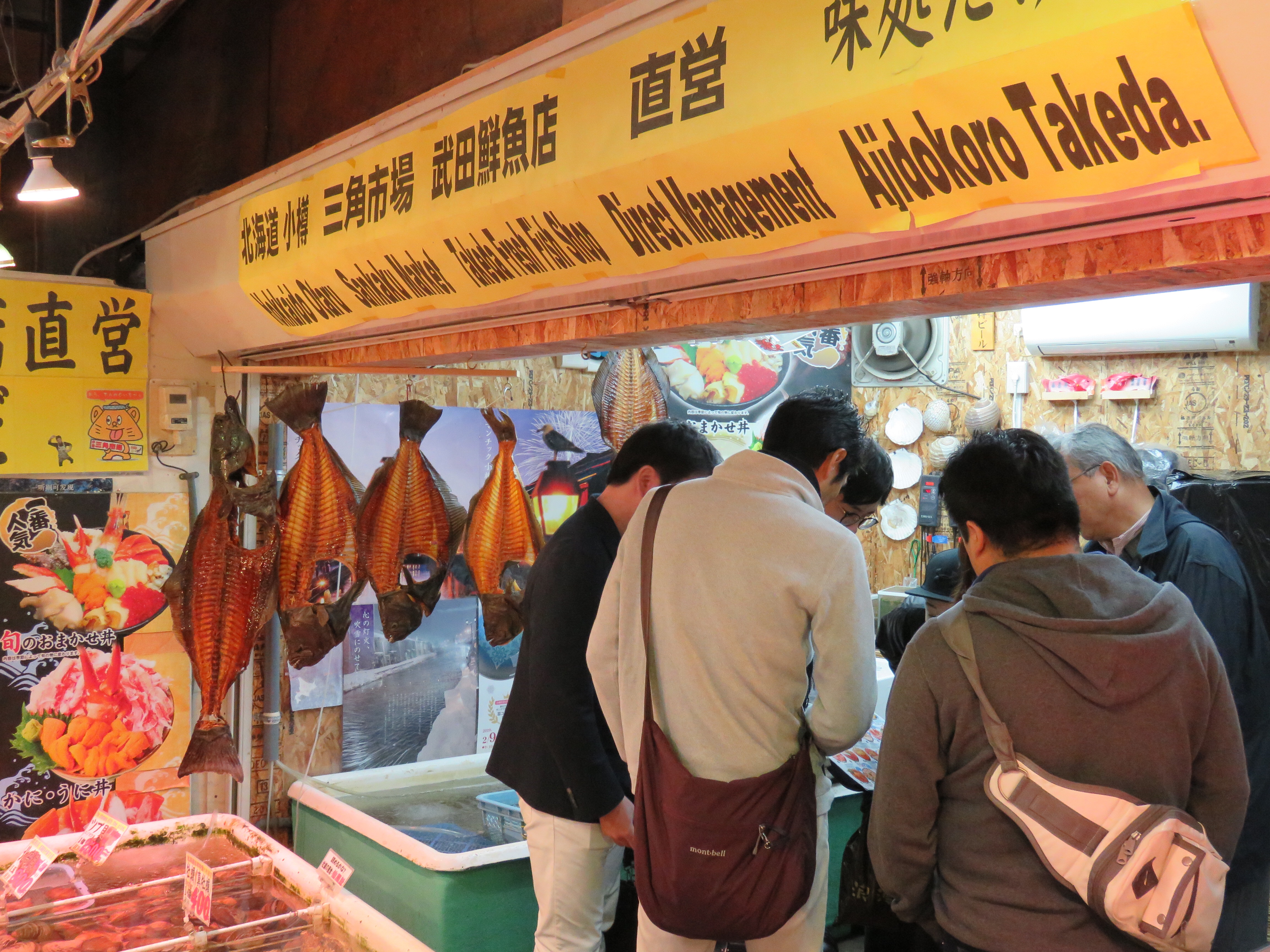
The local train to the port city runs several times an hour and the journey takes about 40 minutes. Otaru flourished from the Meiji to the Trisha Era and was known as “the entrance of the North”. It is a fun place to walk around and our first encounter was with the fish market, situated next to the station.

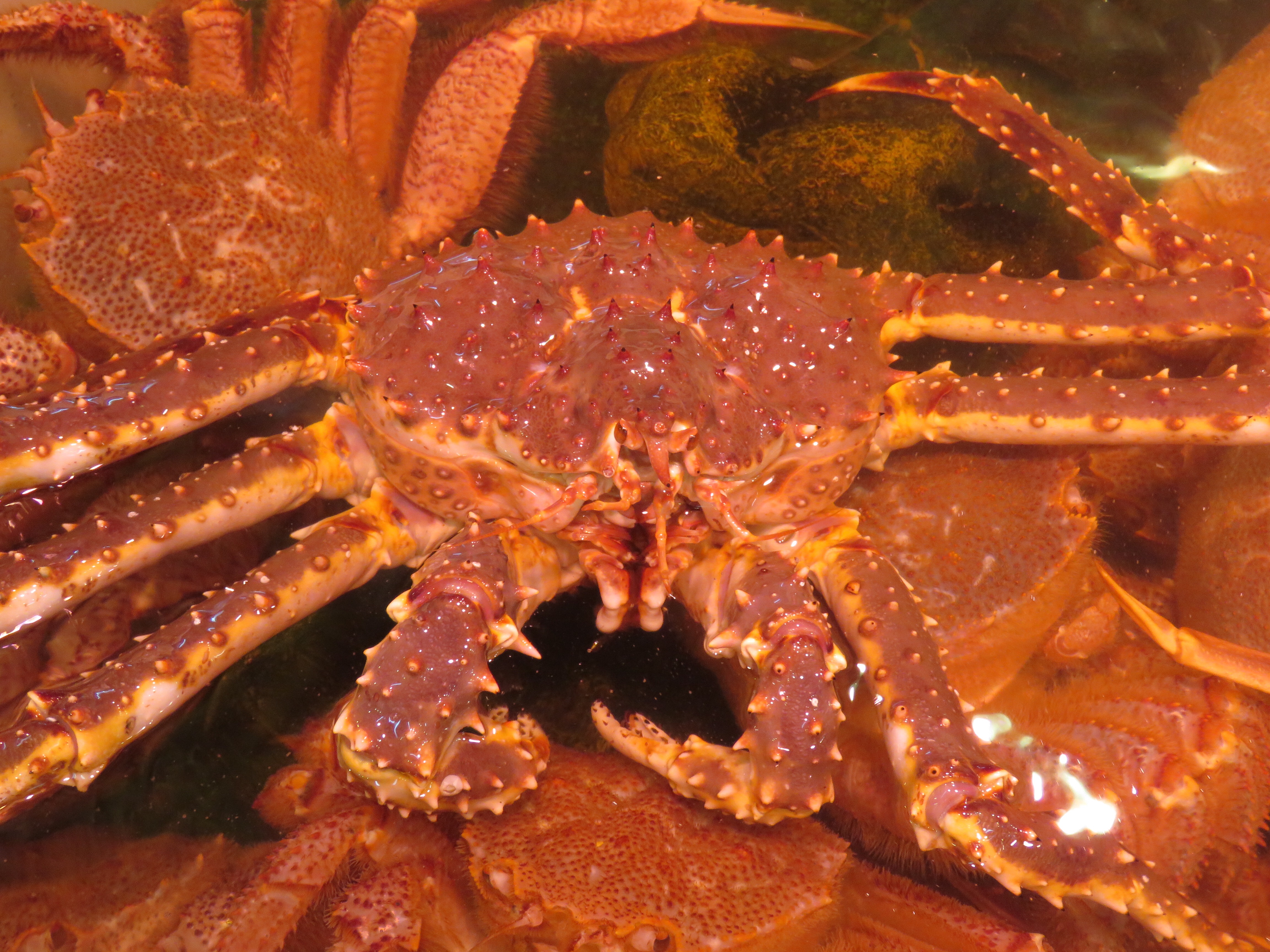
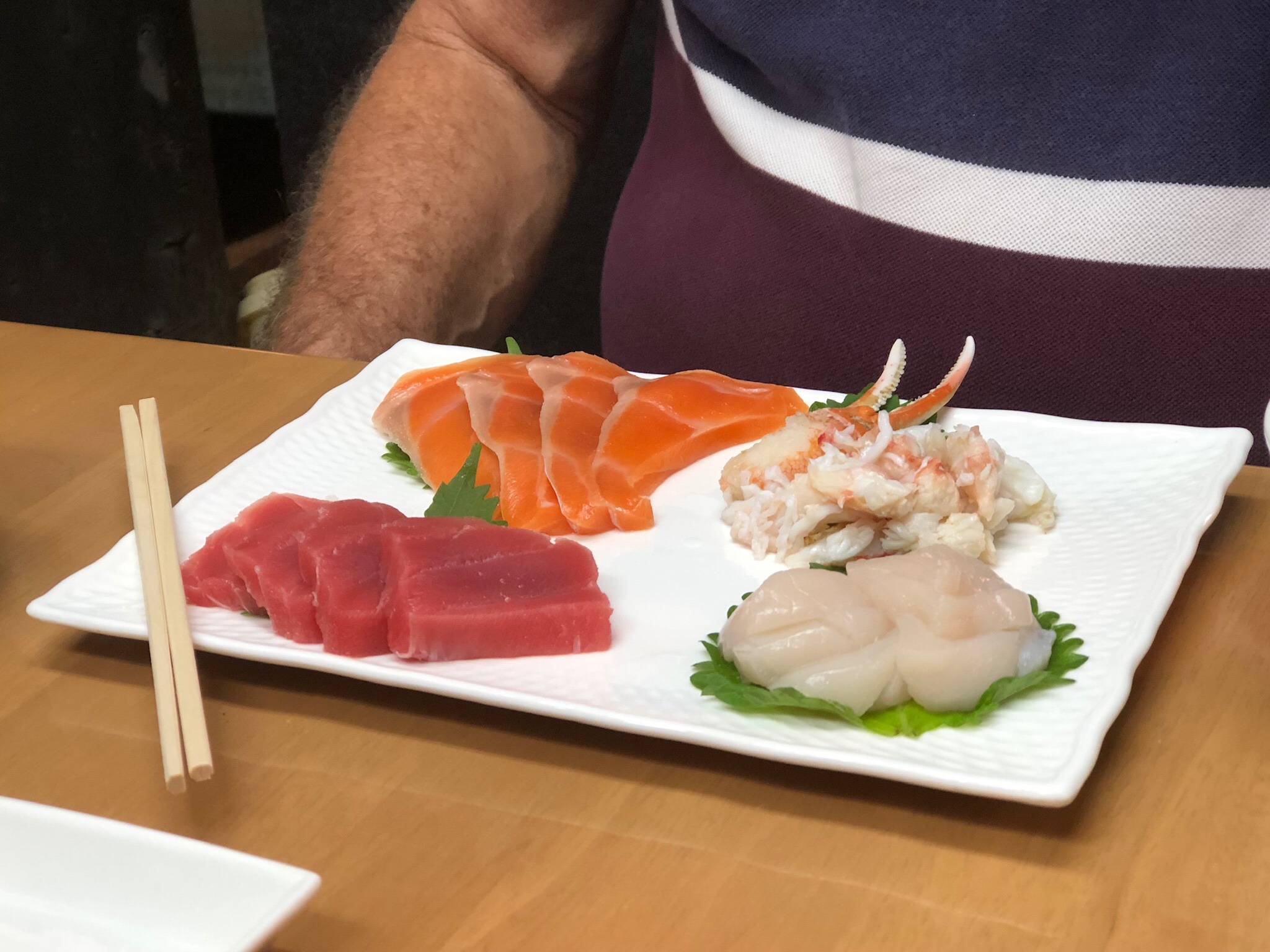
This is a popular place for the locals as well as visitors and the variety of seafood on offer is staggering. We found a little restaurant behind one of the stalls and had a wonderful lunch of sashimi and rice with roe – the roe is plentiful and is sold in jars and buckets!

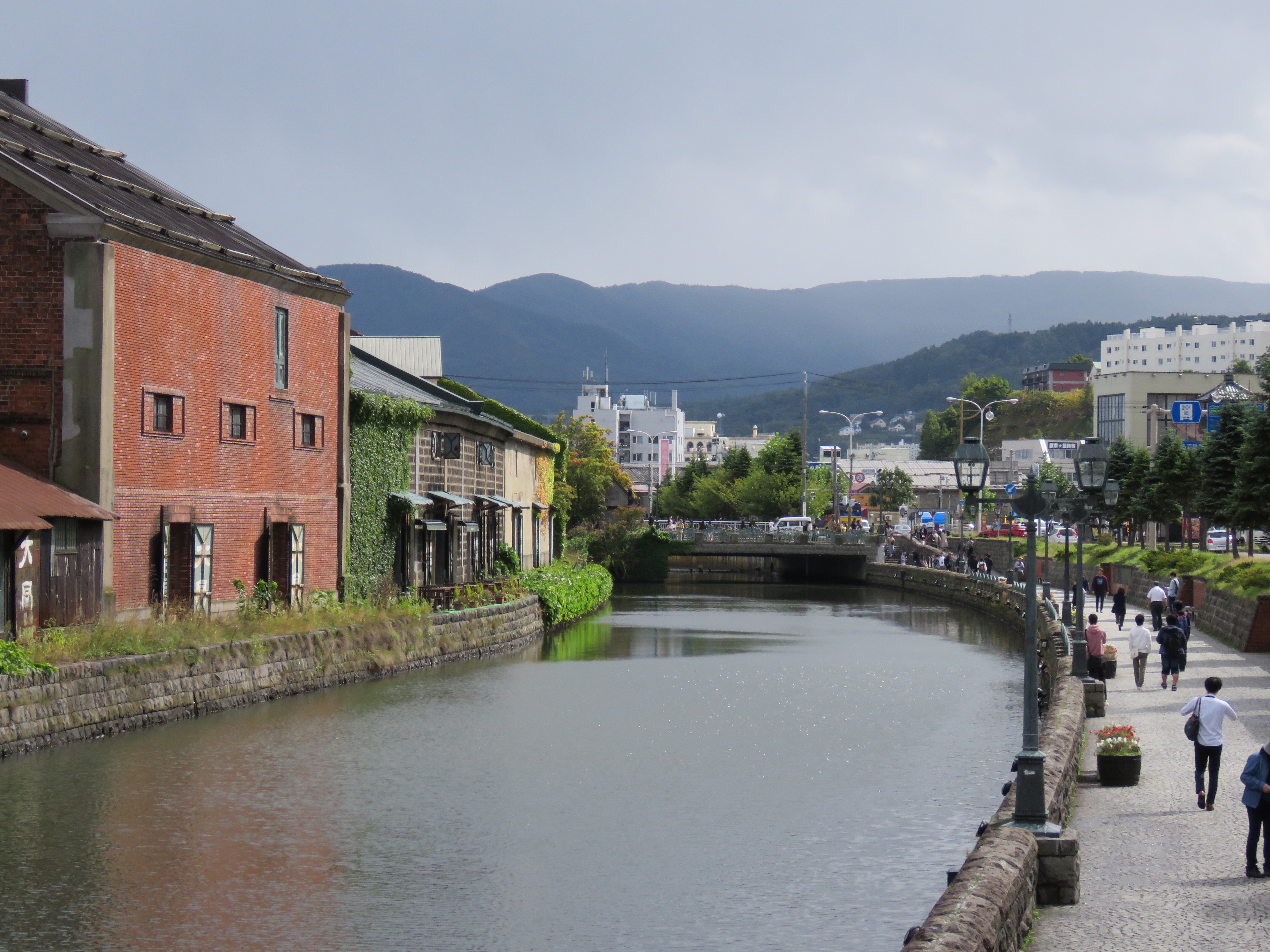
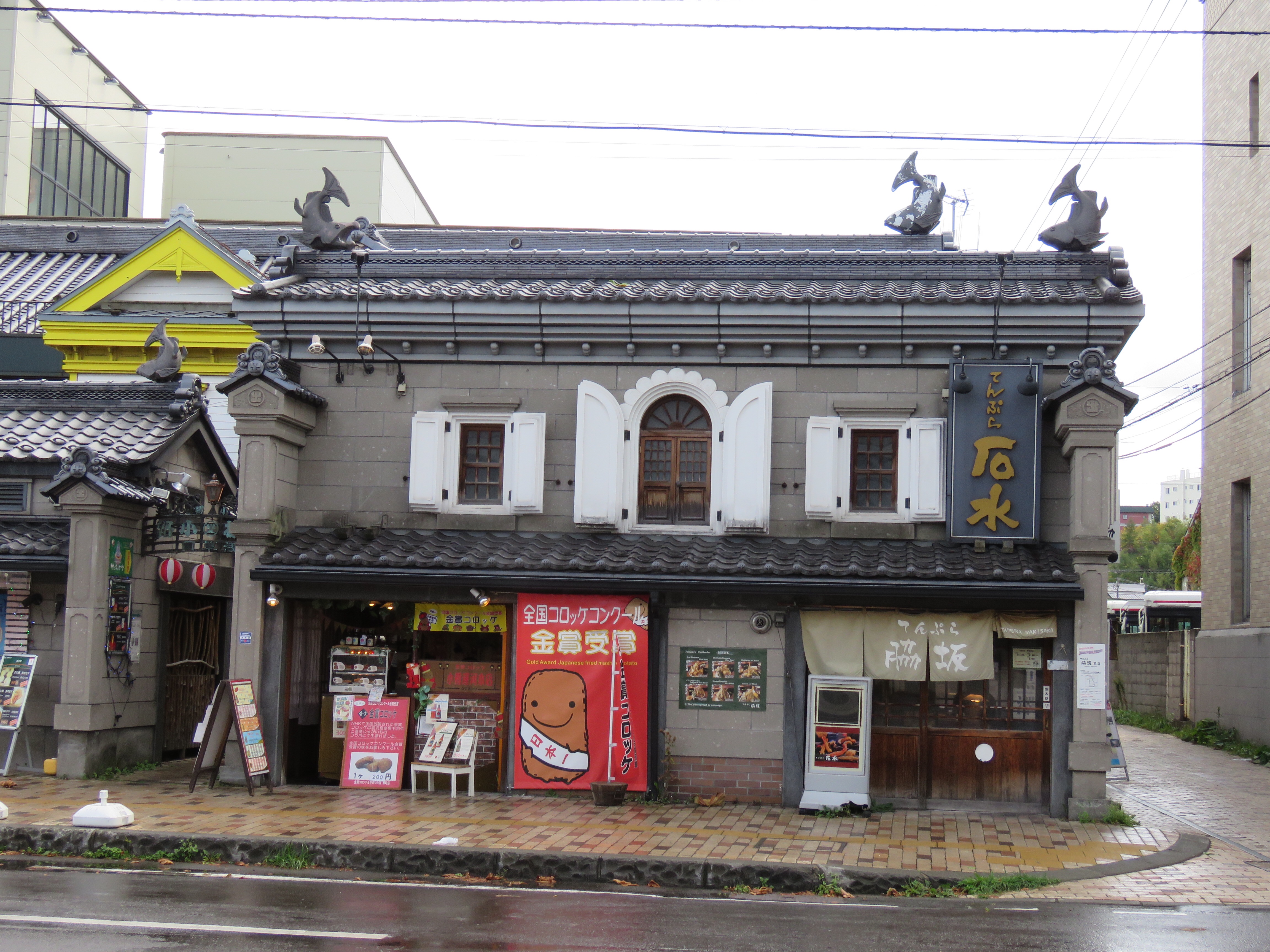
The Otaru Canal is a beautiful attraction and is reminiscent of days gone by. Old warehouses line the canal and are now shops and restaurants. There are other lovely historical buildings nearby which have been preserved and are also banks and offices.

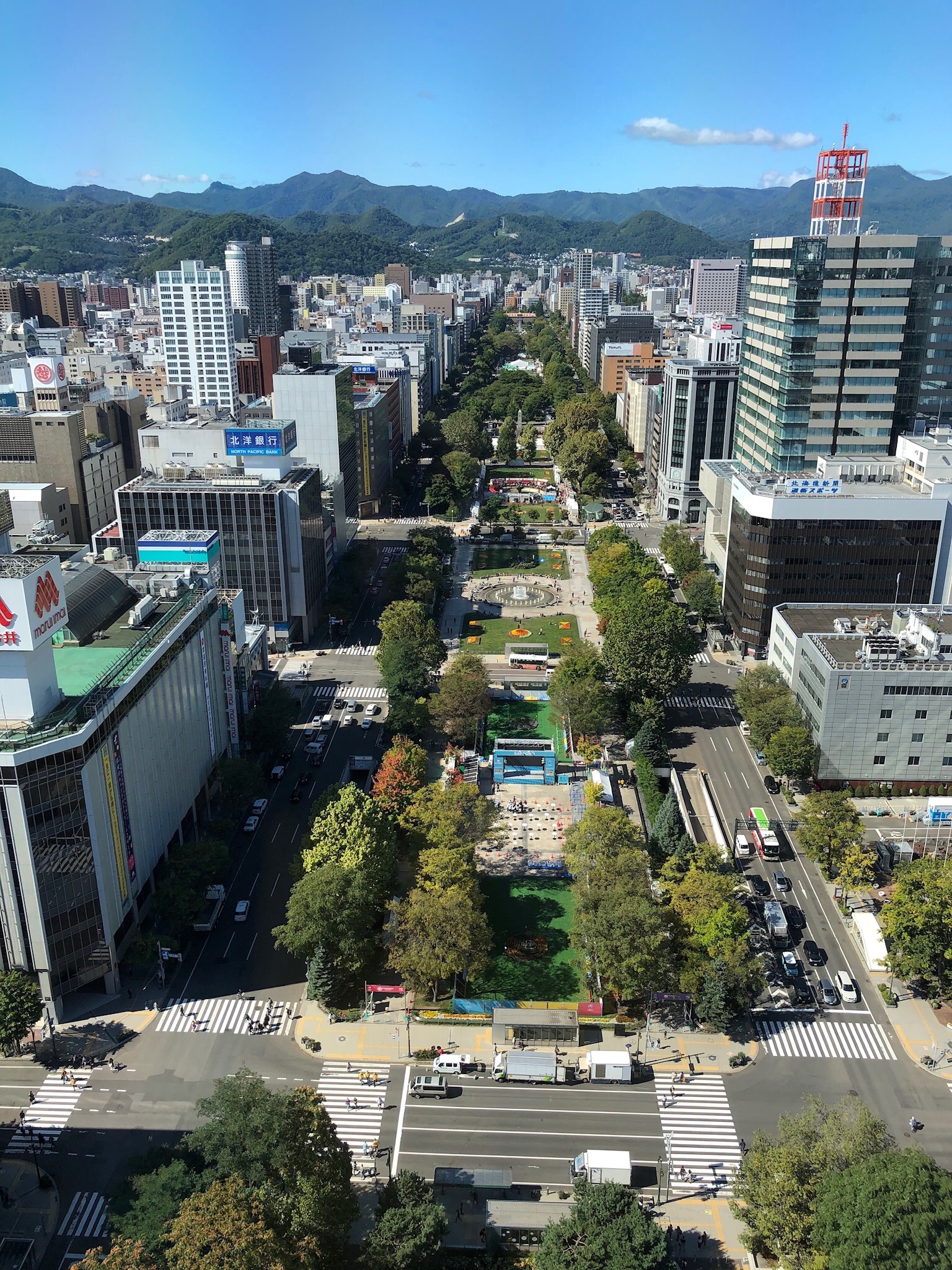
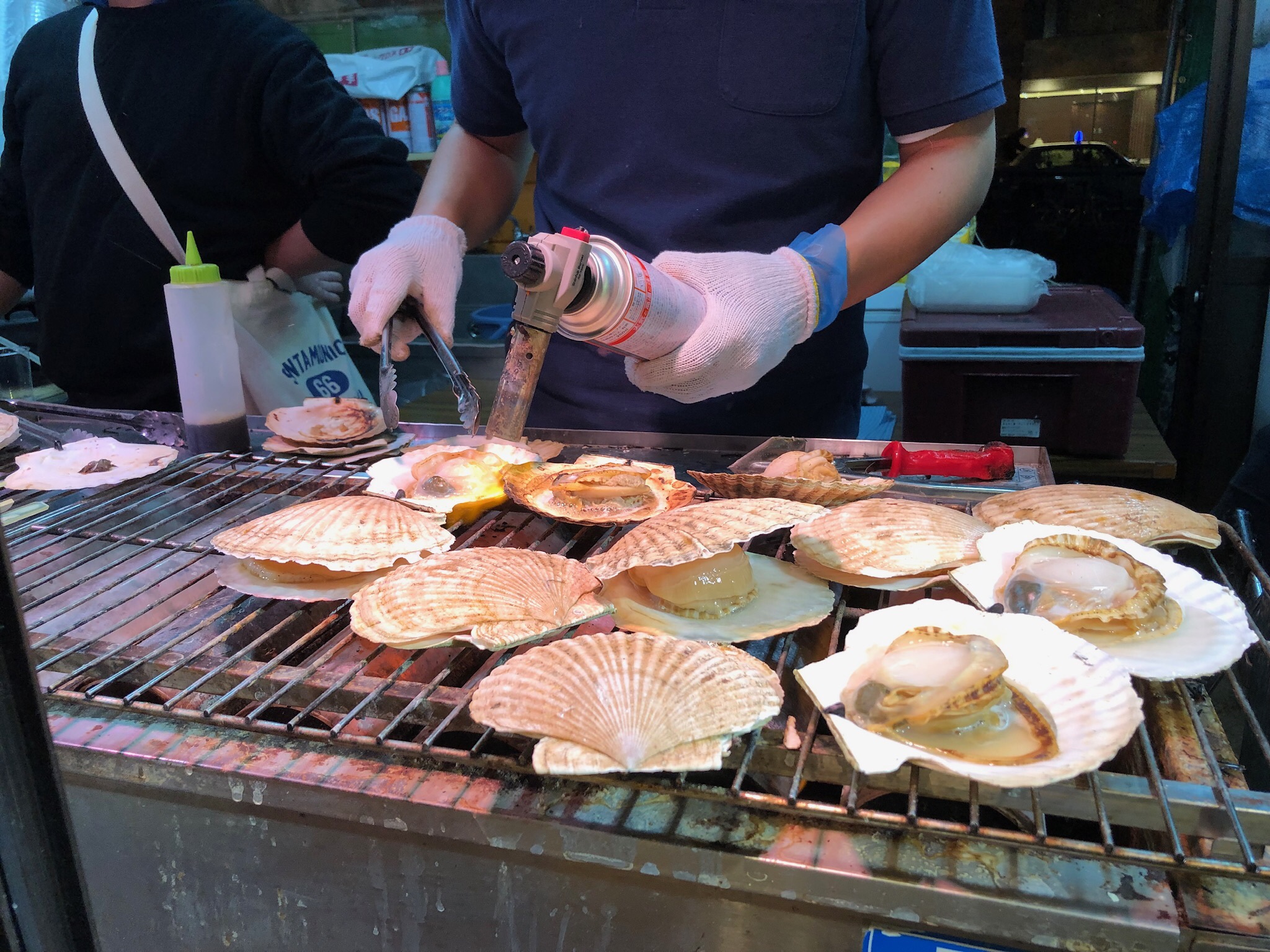
That night, back in Sapporo, we went to Odori Park where the Autumn Festival was in full swing with food and drink stalls and tents in abundance. We wandered through the Park and ate the biggest scallops we have ever seen

Plus other delicacies and ramen noodles – which is a speciality of Sapporo.

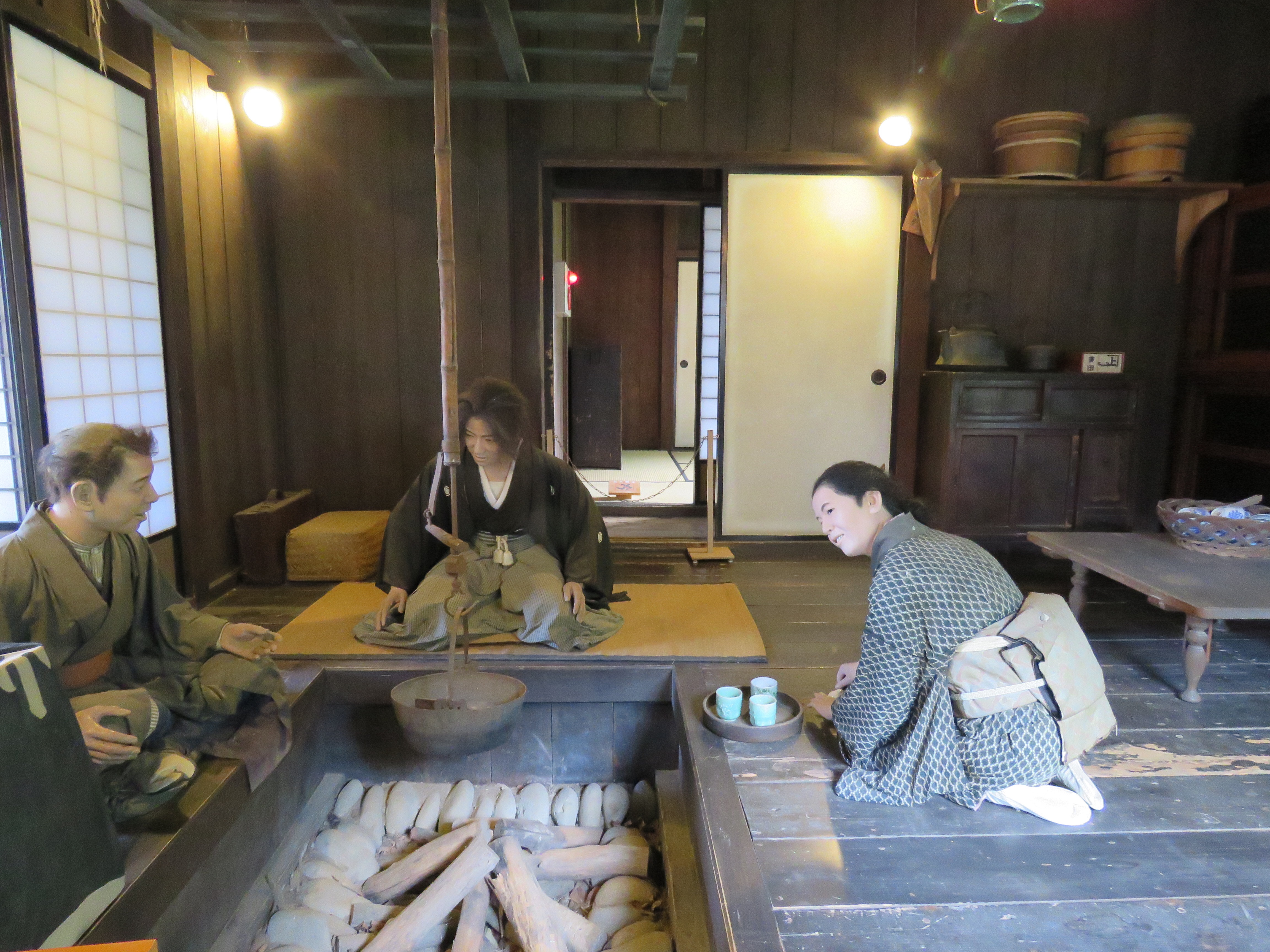
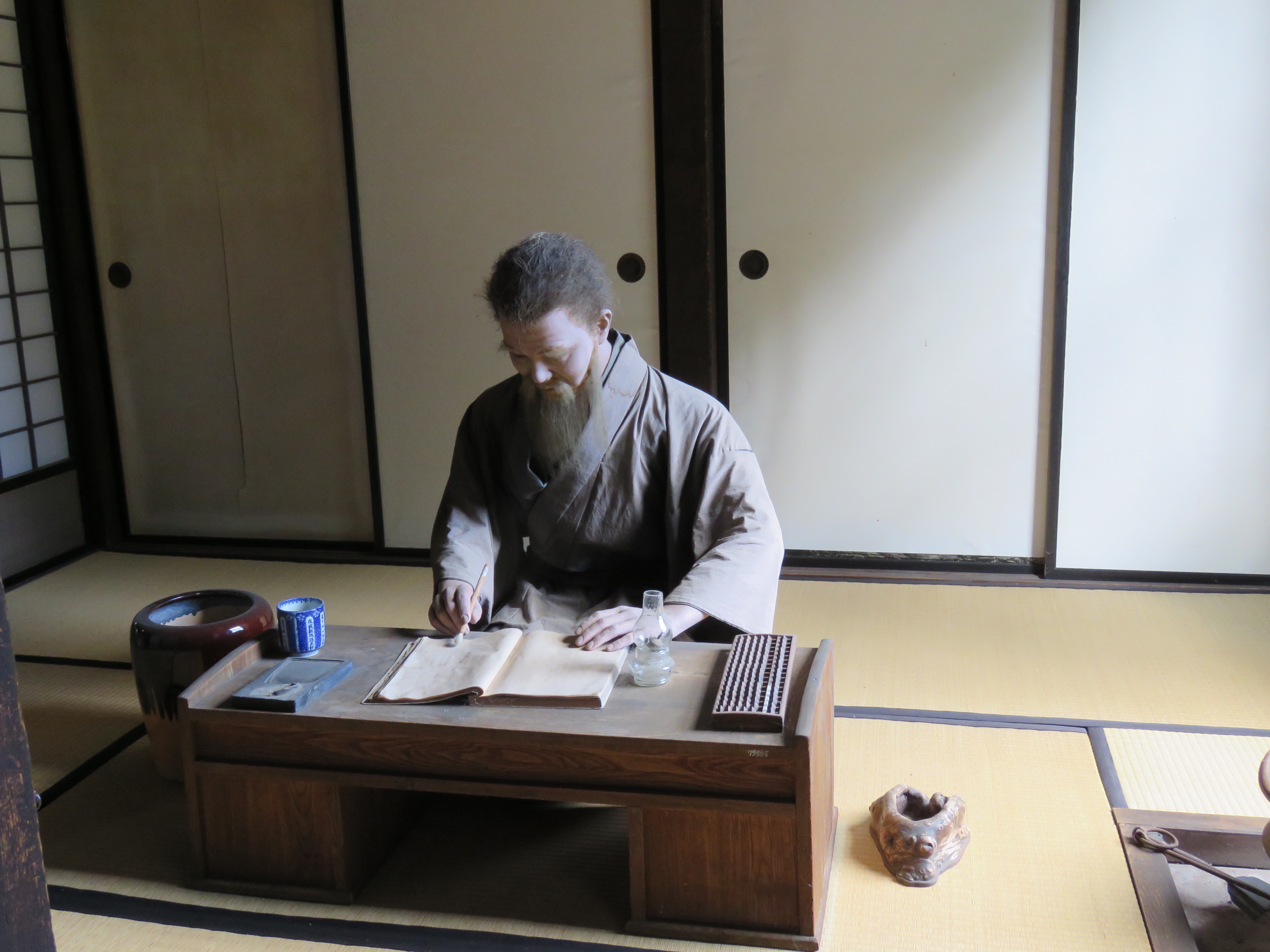
The Hokkaido Historic Village is an open air museum of relocated and restored buildings that represent the history of Hokkaido from 1868 to the 1920’s. We reached it by local train from Sapporo and on entering took a short ride around the village in a horse drawn tram. In all there are 52 buildings representing the Town, a Fishing Village, Farm Village and a Mountain Village. Each building shows the lifestyle of the people of that era.
It was easy to imagine life in those days – and wonderful to see local schoolchildren enjoying an excursion to learn about the history of their region.

THE STRAIGHT ROAD CONTINUES – ALONG THE NULLARBOR

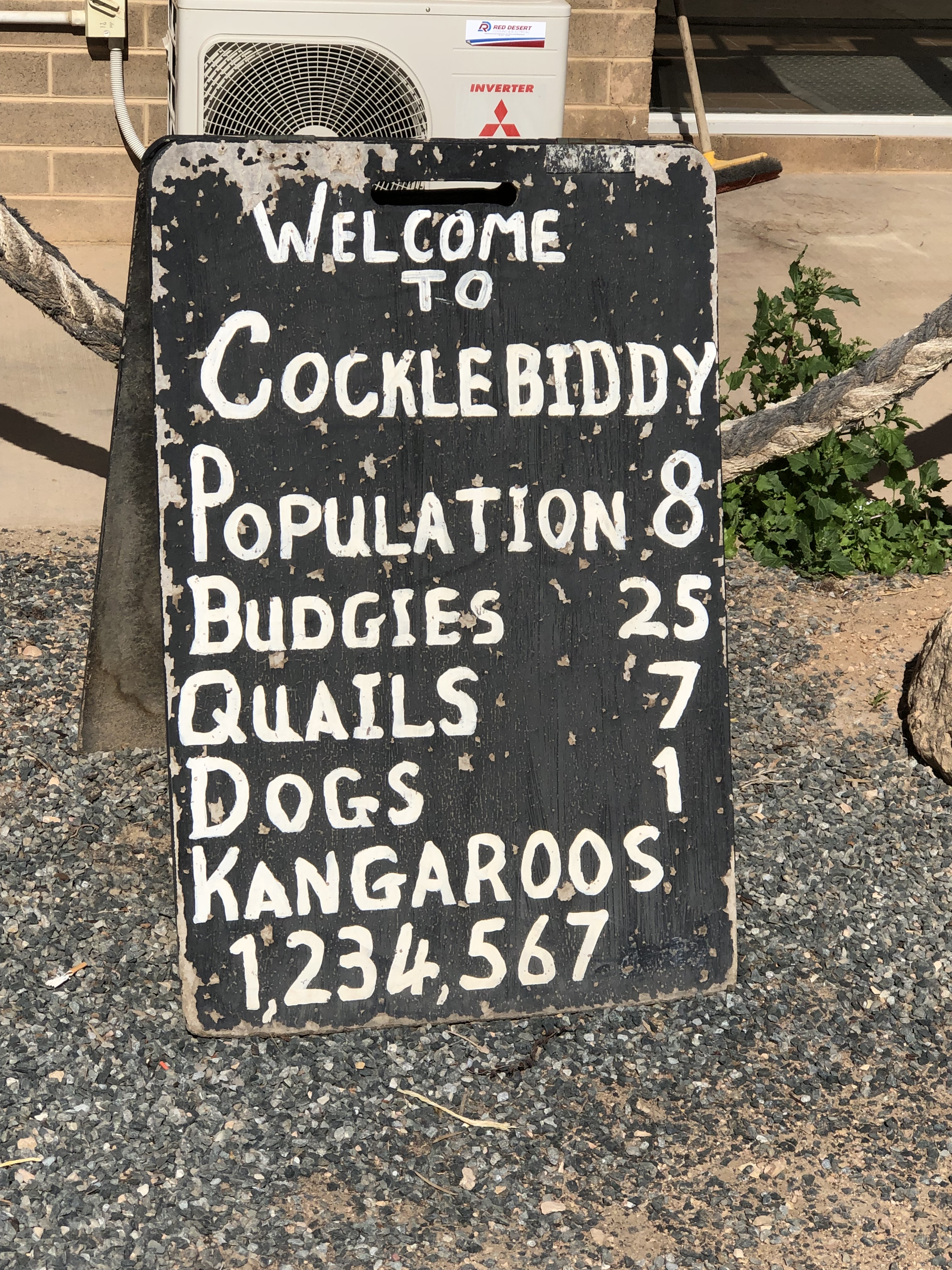
IMG_4322

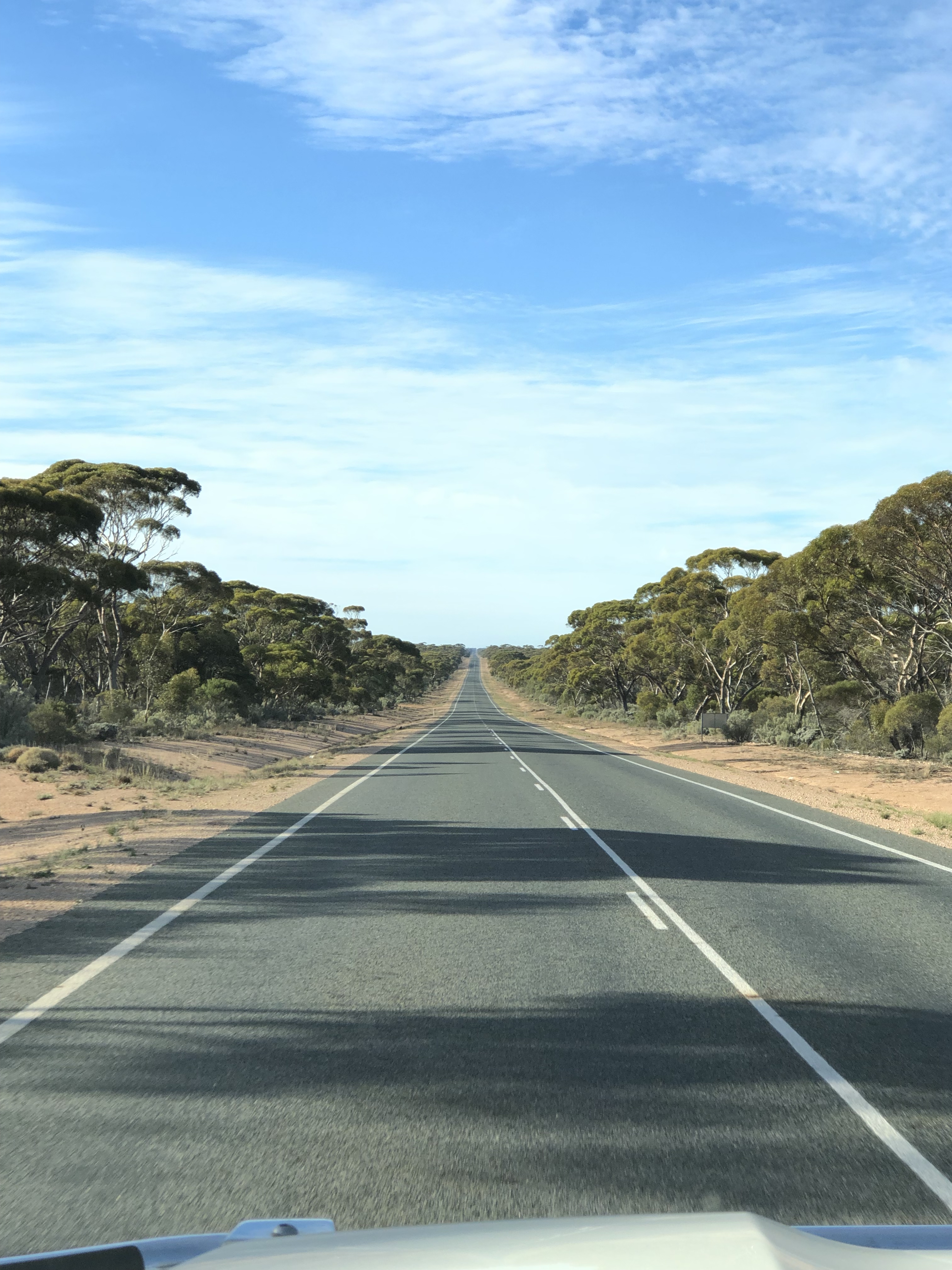
Leaving Fraser Station there was more – much more – of the straight road ahead!  There are a couple of road houses along the way and this one really sums up the loneliness of this part of the country

IMG_4324

We spent the night at Border Village where the Road House also has accommodation and a restaurant as well as a fuel stop and one of the holes for the Nullabor golf challenge.  I loved the Big Kangaroo – perfect for the overseas tourists and a bit of fun for us as well!

IMG_1743

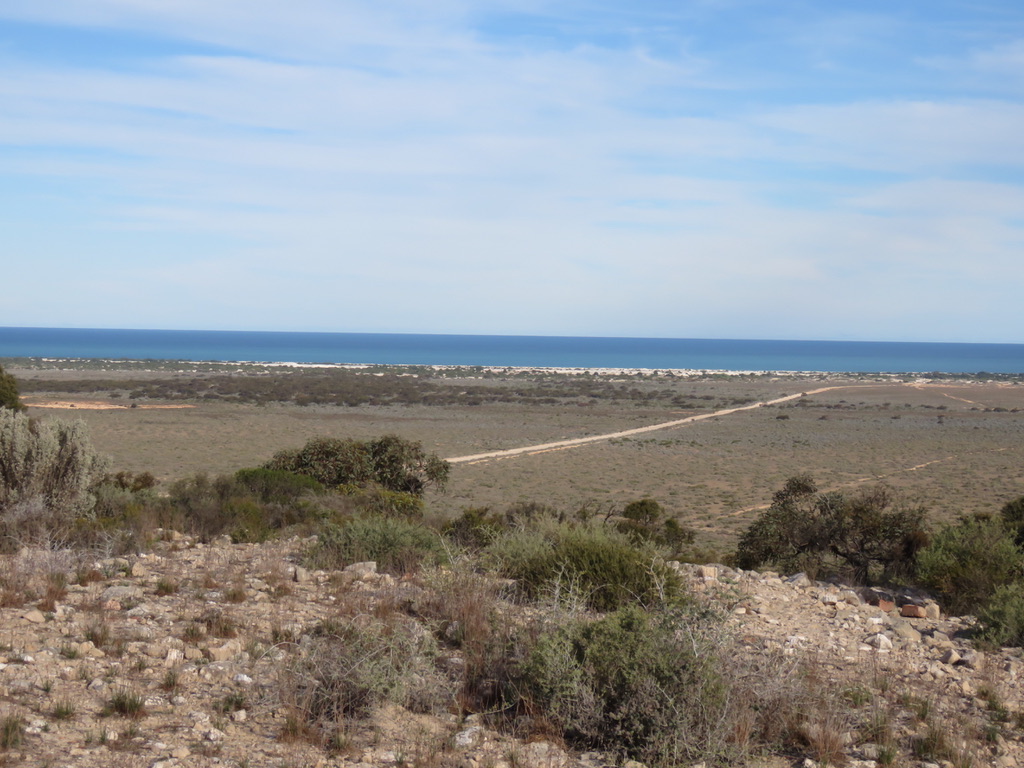
From here we also saw the Great Australian Bight from the cliffs near the Roadhouse

UNADJUSTEDNONRAW_thumb_7f8

Leaving Border Village we  drove the straight road until we came to the Bunda Cliffs – this geographical feature forms part of the longest uninterrupted line of sea cliffs in the world.  No other continent or country can match the cliffs for length of coastline. The early morning light gave us a beautiful view which soon became really awesome.

UNADJUSTEDNONRAW_thumb_7fb.jpg

UNADJUSTEDNONRAW_thumb_826.jpg

The cliffs are some 60 – 120 metres in height and very sheer.  At different times of the day they appear in extraordinary light.  I am sure they are magnificent from the air.

UNADJUSTEDNONRAW_thumb_804.jpg

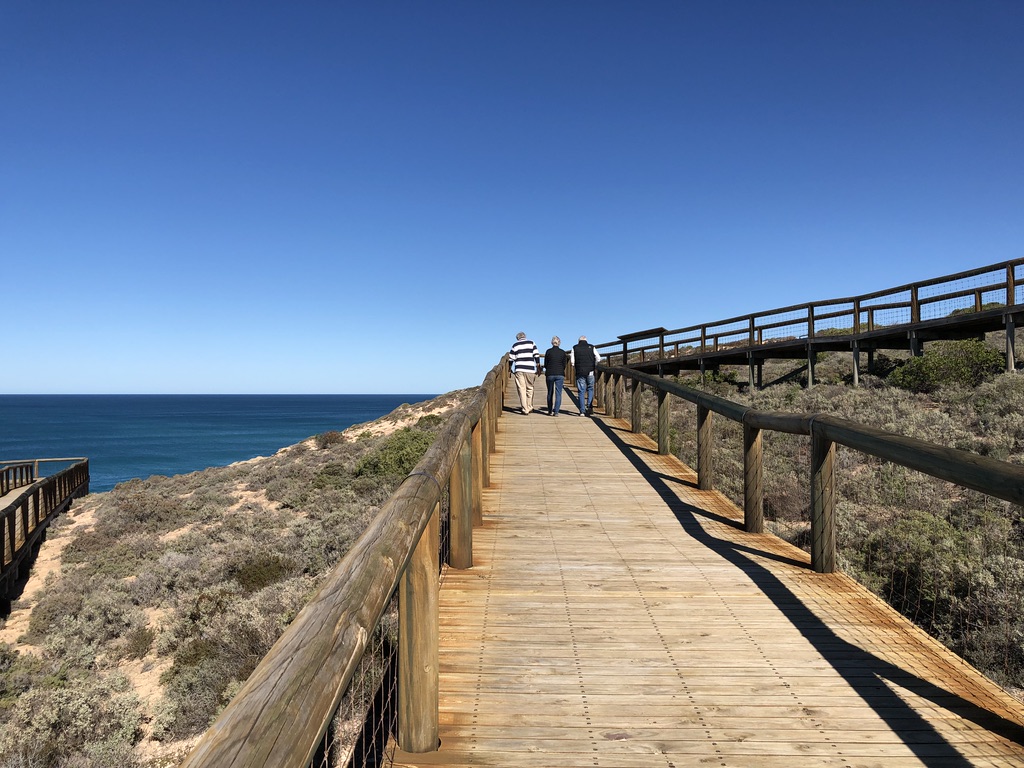
A little further out we came across the Head of the Bight – which is a whale watching centre on the far west coast of South Australia. Each year Southern Right Whales leave their feeding grounds in the Antarctic region and come north to give birth in warmer waters.  Sadly we were too early to witness these magnificent creatures, but fully appreciated the excellent viewing areas this centre provides.
UNADJUSTEDNONRAW_thumb_82a.jpg

UNADJUSTEDNONRAW_thumb_829.jpg

UNADJUSTEDNONRAW_thumb_828.jpg

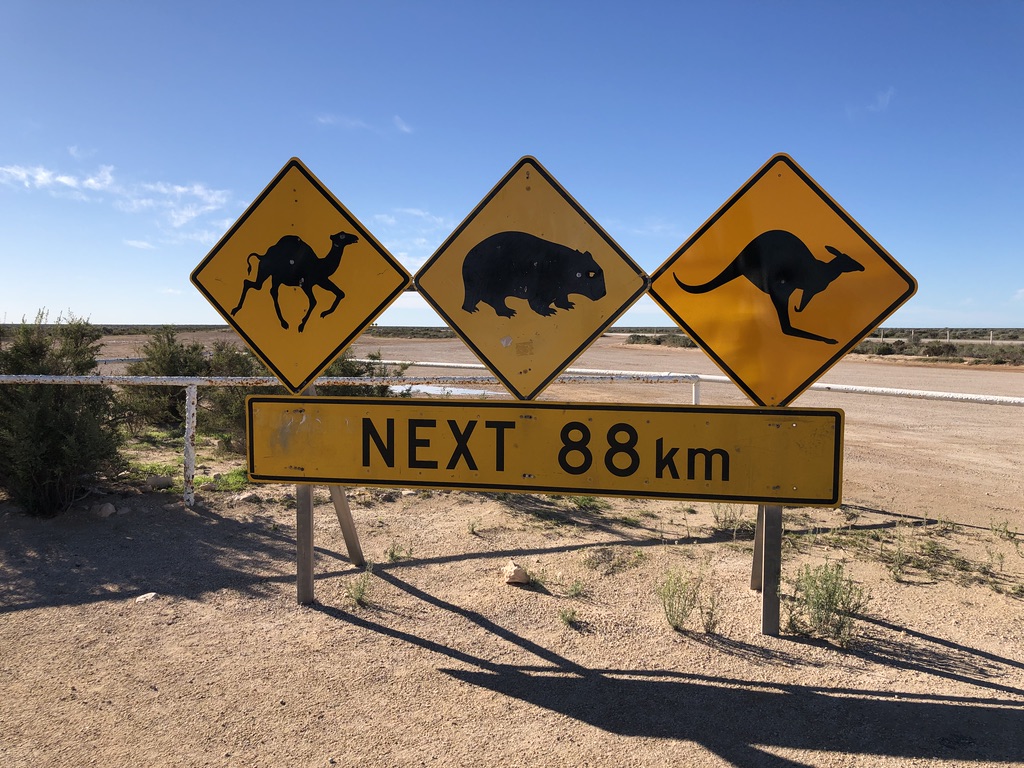
The road to Ceduna was long and we were well aware of “road kill” although with all the salt bush and low shrubs, the wallabies – for example – would not have found shade so we presumed that they were not around.  Then we saw this sign

UNADJUSTEDNONRAW_thumb_827.jpg

So they must have been somewhere!

Next stop – Ceduna and the Oyster Trail.


NEW ZEALAND – Rangiora and Akaroa

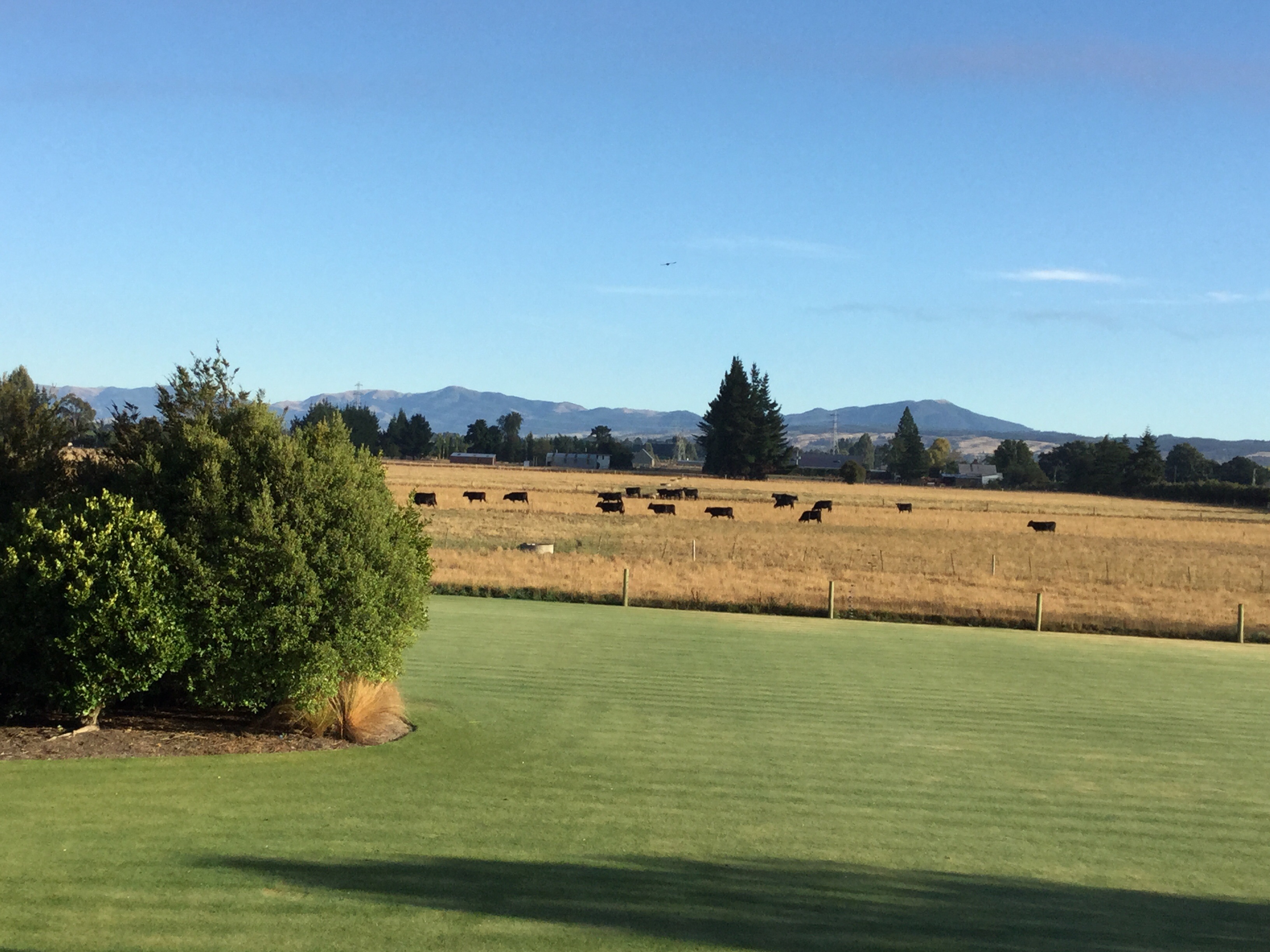
It has been ten years since we visited the land of the Long White Cloud and so our trip to see the Williams family was long overdue.  We arrived in Christchurch after a short flight from Sydney and spent the first couple of days at Rangiora with Ron and his daughter Zoe.  It was wonderful to be back at their peaceful retreat with a view of the Southern Alps and their cattle quietly grazing in the front paddock at the front of the house.

imageimage

The weather was superb and so on the first day we drove to Blacks Winery in Wairapa for a relaxed lunch outside with the beautiful hills all around and dotted with vines. The Chardonnay was pretty good too!

image

image

Then it was off to the pretty little town of Akaroa on the Banks Peninsula which is about an hour’s drive from Christchurch.  It is a stunning drive over the hills and the views were simply superb.

image

The town has a pretty harbour and has an interesting history.  French settlers arrived before the English and as a result the streets still bear French names as do many of the shops and restaurants and the majority of tourists appear to be French!

image

image

There is still a Maori influence as well and we went to a little settlement close by where there is a beautiful little wooden church built by the missionaries years ago and still used today.

image

image

New Zealand is known for its adventurous spirit and people here love to be physical whenever they can – this involves walking, cycling, swimming, water sports of all kinds, team sports and anything else you can think of.  At Akaroa there are many walks and “rambles” around the town, the harbour and the surrounding hills.  We went to one which is a Nature Reserve as well and the views were simply magnificent.  The park is guarded by a totem of the God Tawhiri Matea.

image        image

image

Akaroa, with its quaint houses, history and village like atmosphere will always remain a favourite place for me and hopefully there will be many more visits.

Magnetic Island – My Island Home

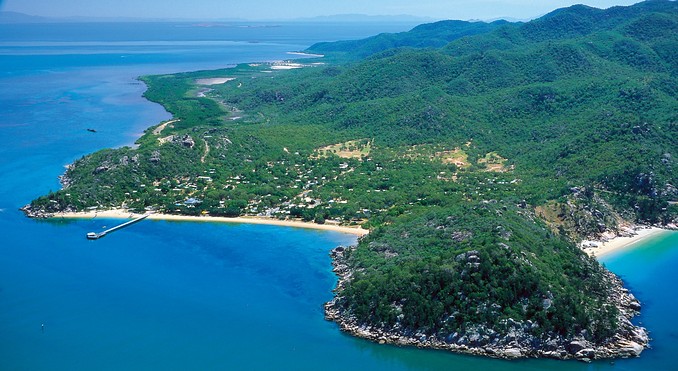
Situated just 8km off the coast of Townsville, North Queensland is my “island home”.  The place where we escape on weekends, spend holidays and enjoy the company of friends and family.  Where we indulge in the luxury of reading, hiking, swimming, cooking unusual dishes and where time really means not much.  We can do what we like, when we like.          210711114530magnetic-island

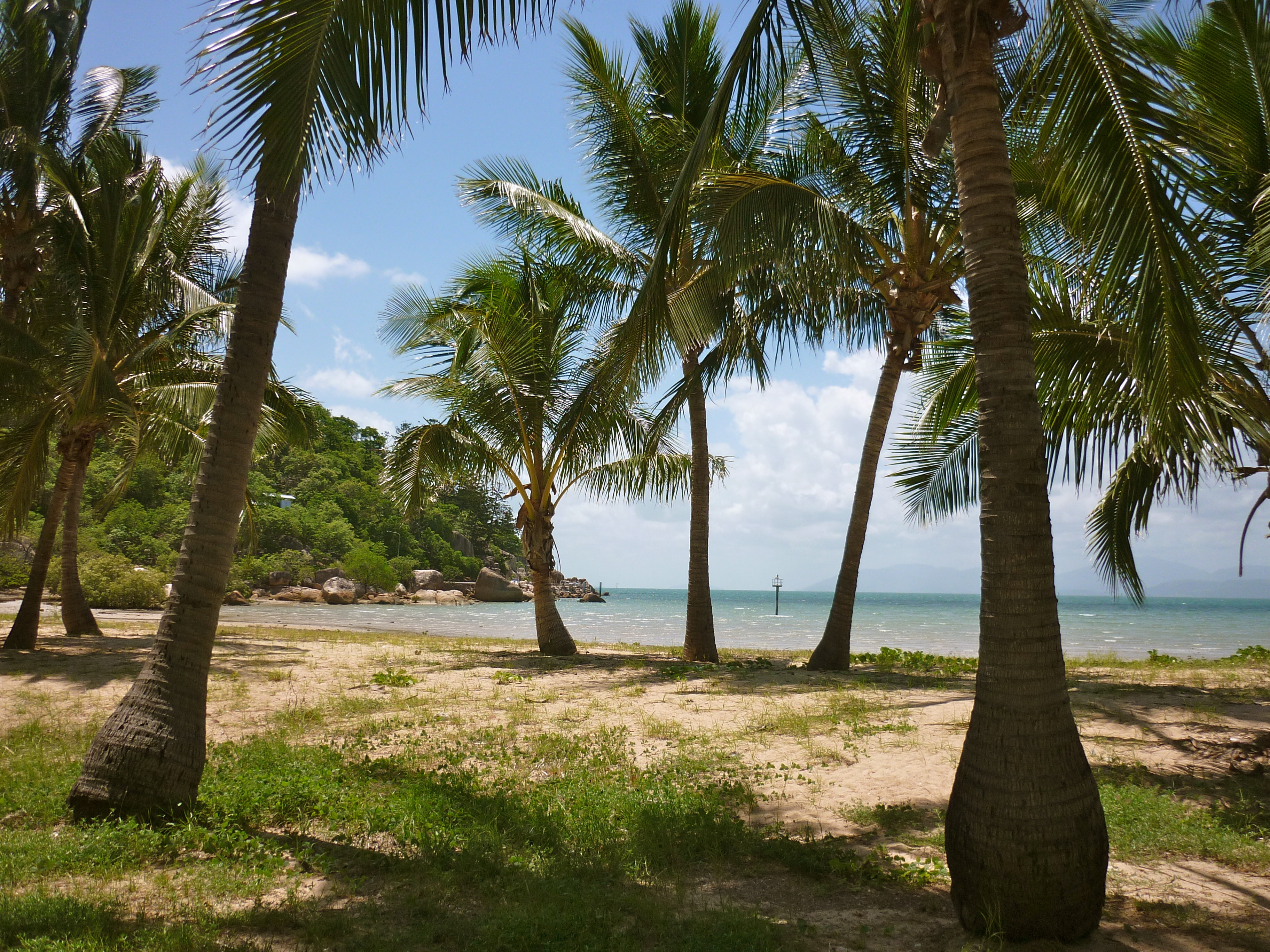
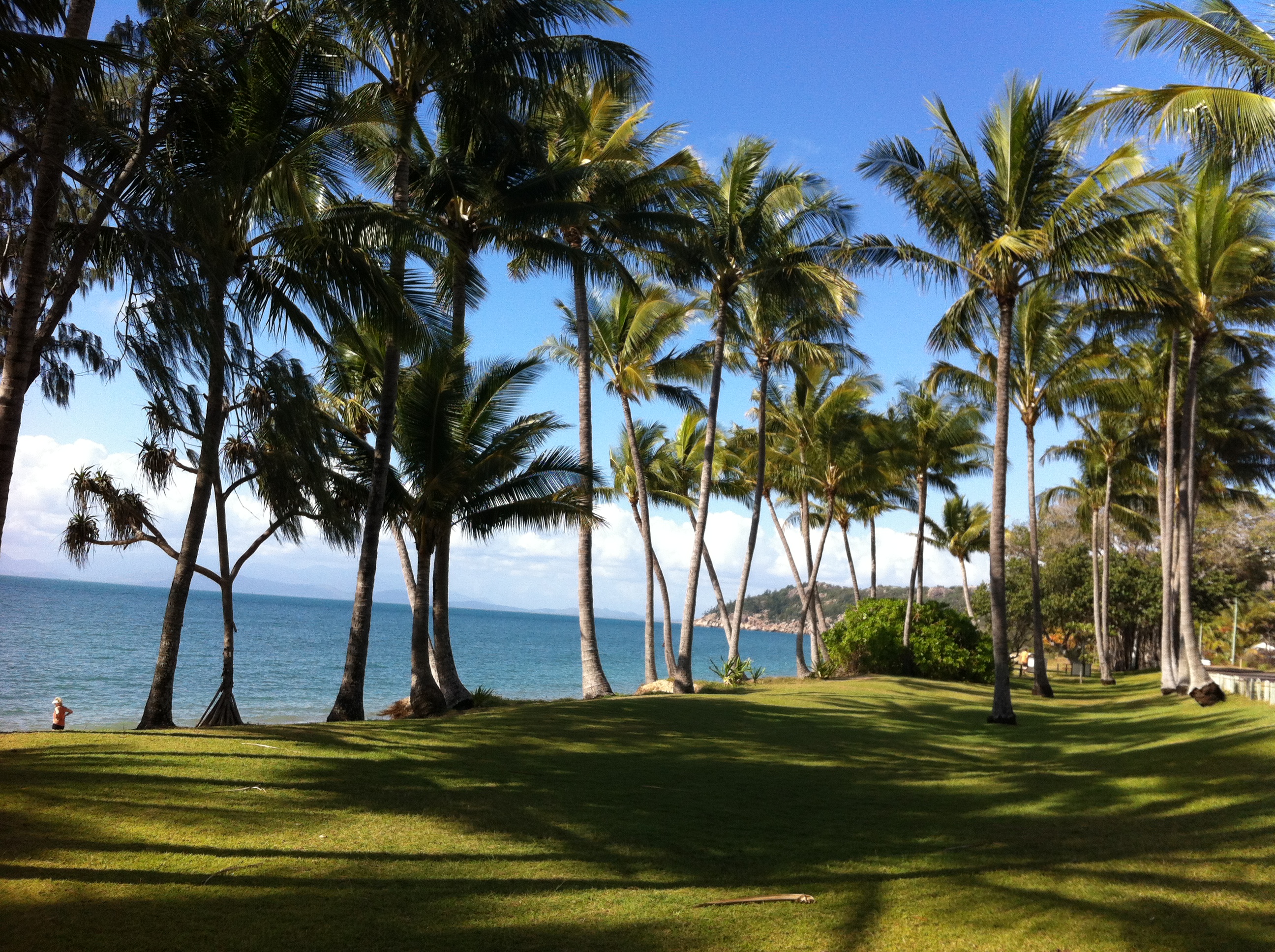
This beautiful island has 23 bays and beaches and much of it is National Park surrounded by Marine Parks with some beautiful fringing coral and sea life.  In winter we watch whales on their migration north from Antarctica and dolphins and turtles abound.

P1010686 P1010684P1000758 IMG_0979

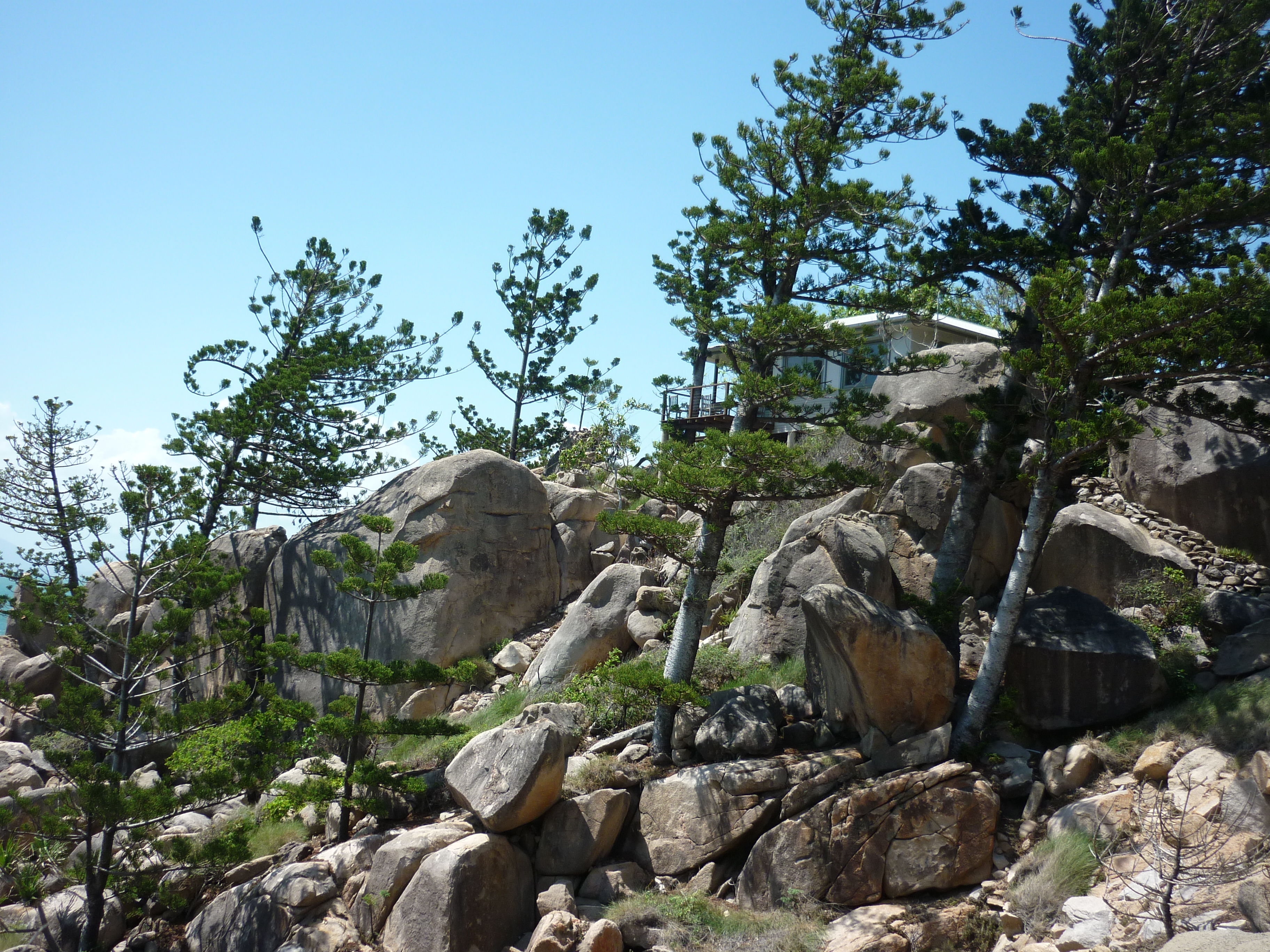
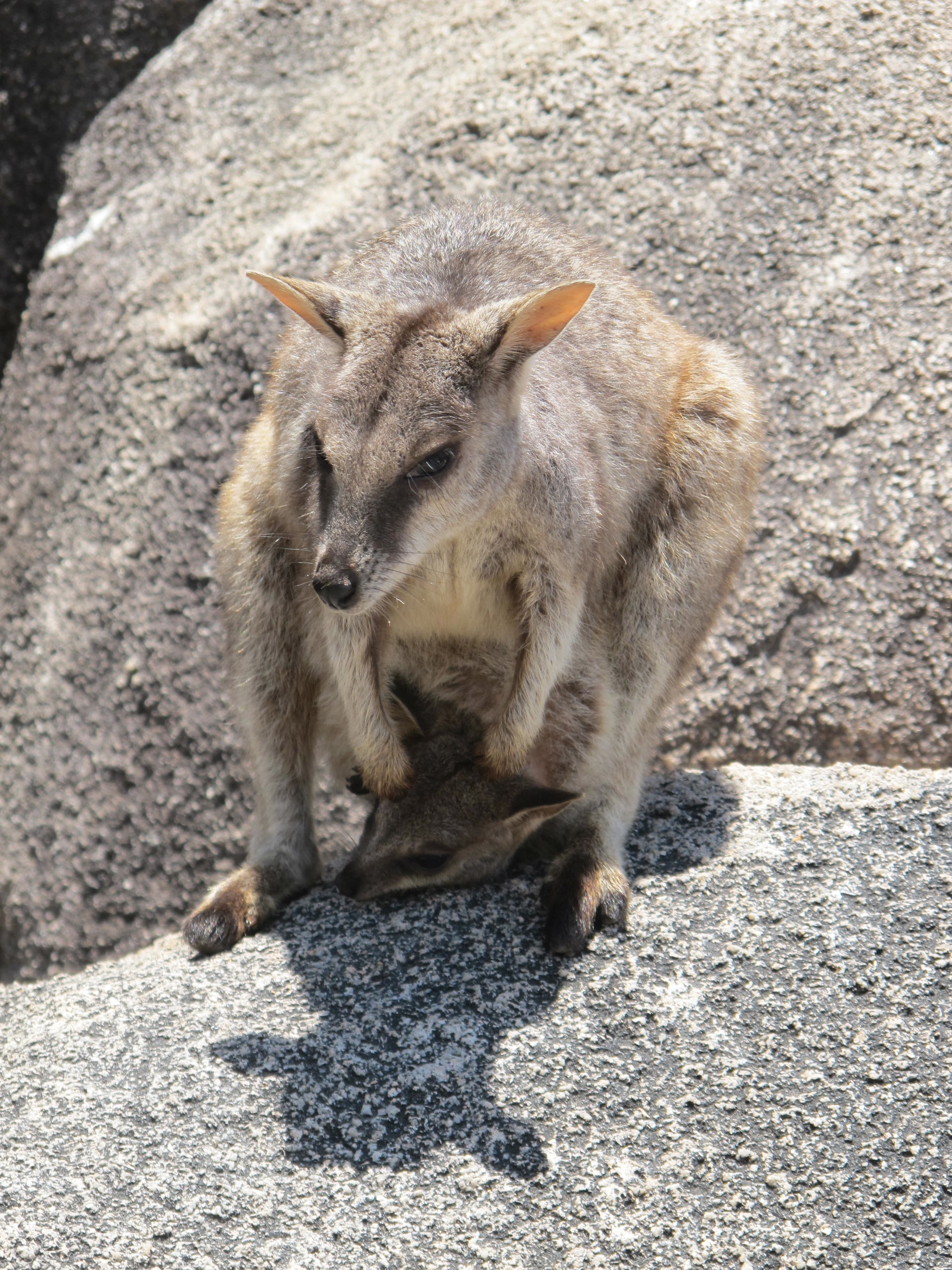
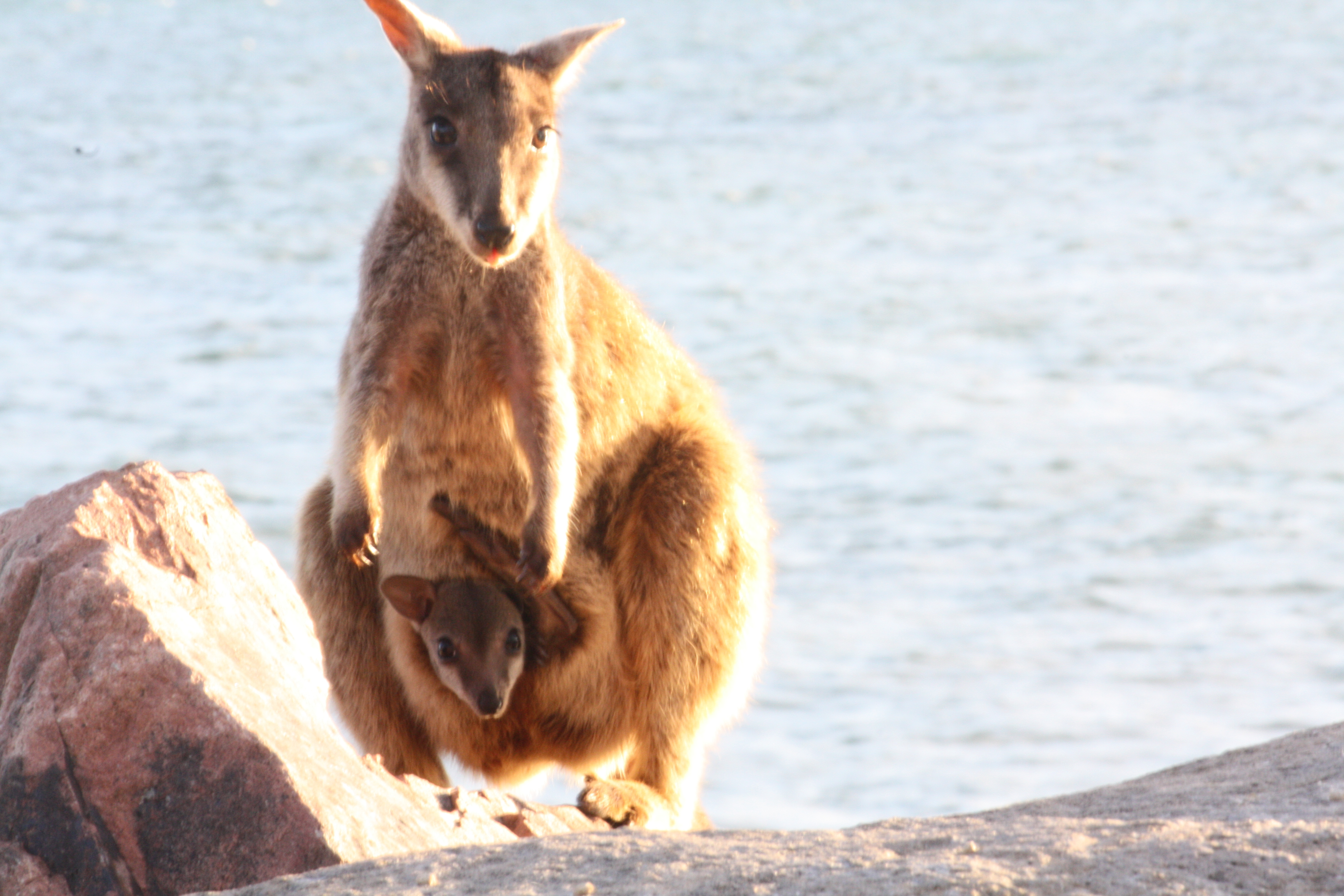
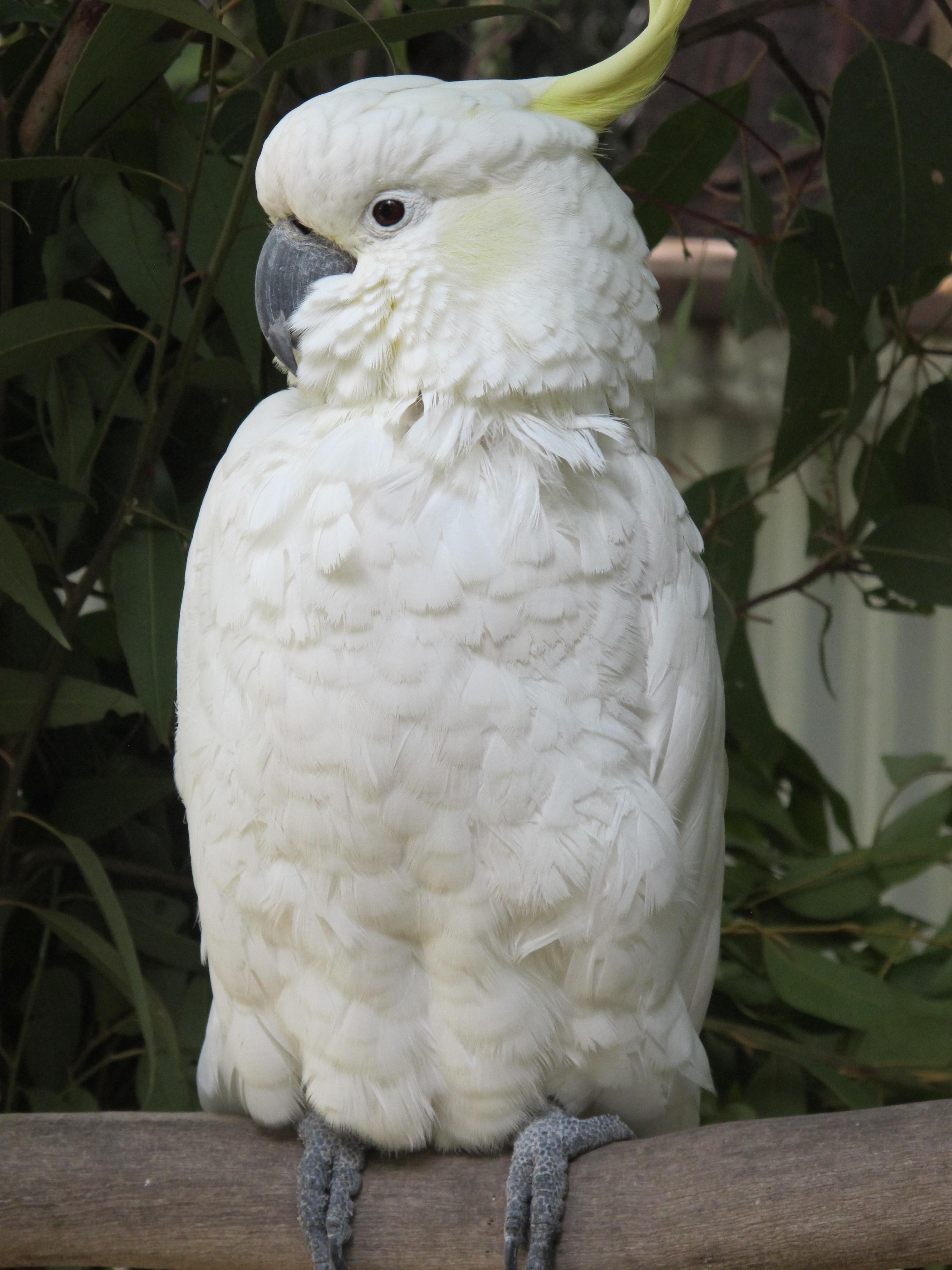
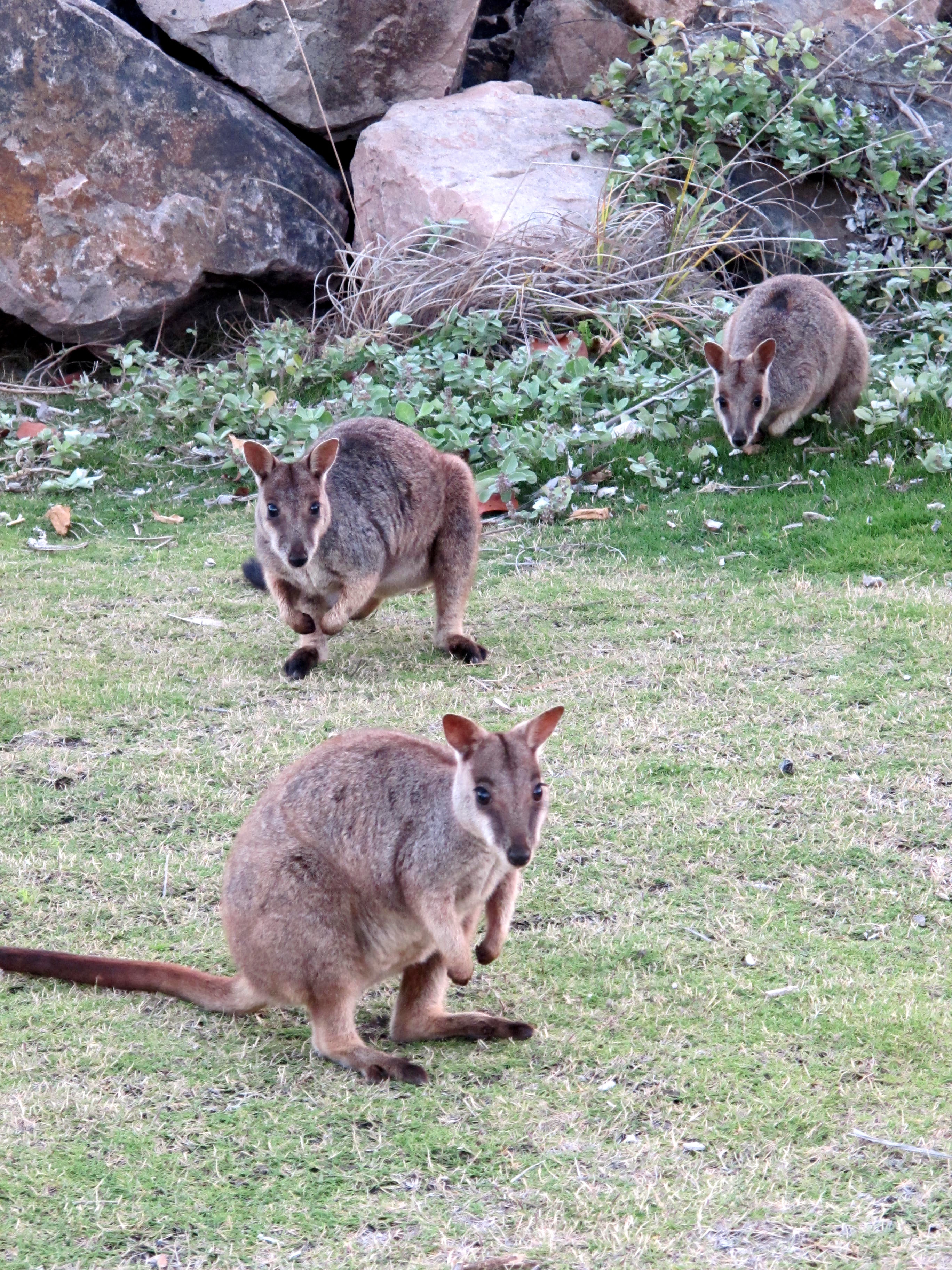
Huge granite boulders, hoop pines, eucalypt forest and patches of rainforest are found and of course, the resident wildlife is always there ……P1010682 IMG_4524 IMG_4458 IMG_4478 IMG_4850 IMG_8354 IMG_4949 IMG_4869 IMG_4859 IMG_4494Rosellas flock at dawn and sunset and greedily gobble up seeds thrown by residents.  The curlew looks on haughtily but doesn’t dare intercede.IMG_4451One morning a young kookaburra hopped onto our verandah and expected his breakfast – which he got – pieces of bacon which he slapped against the railings attempting to “kill it” before devouring.

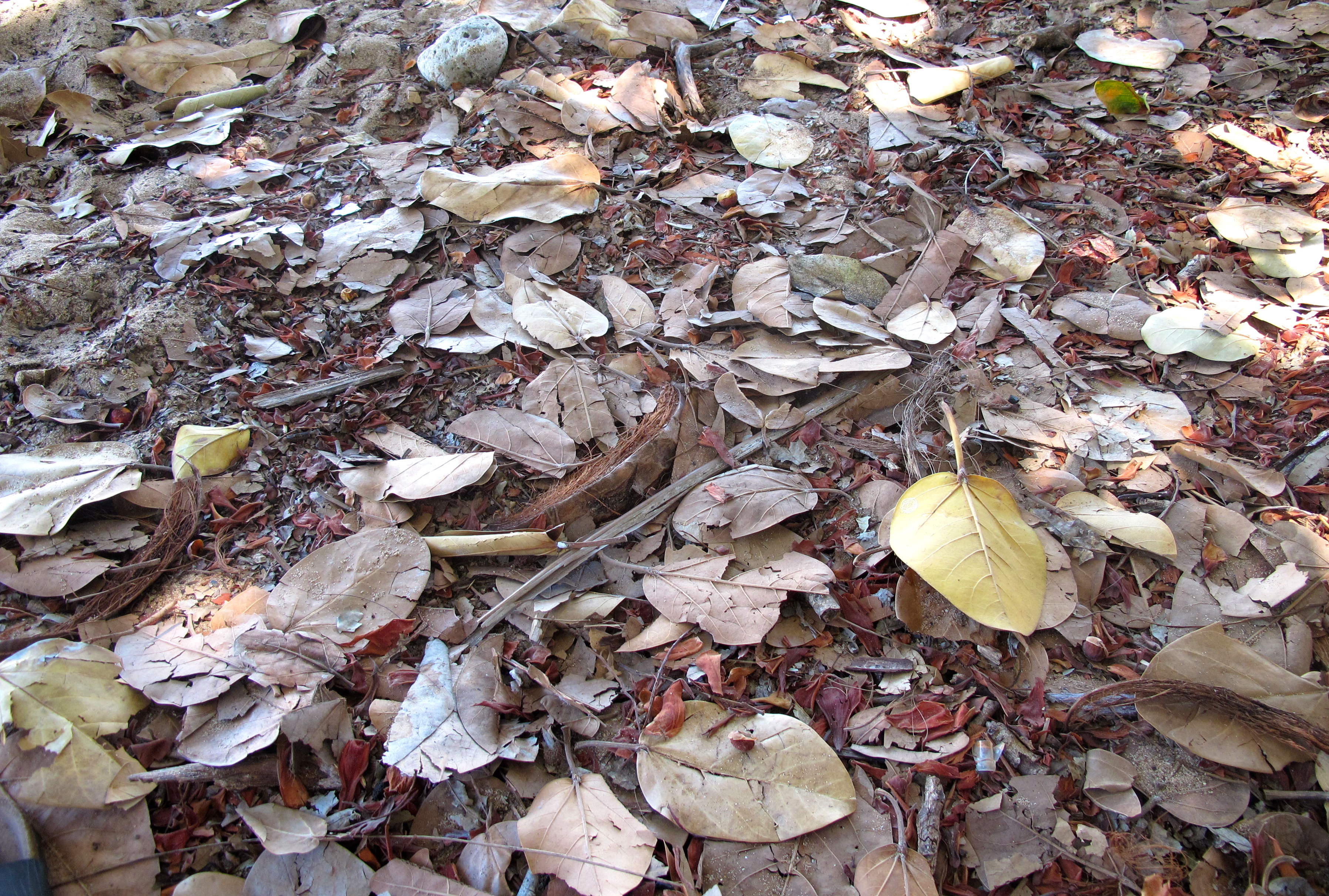
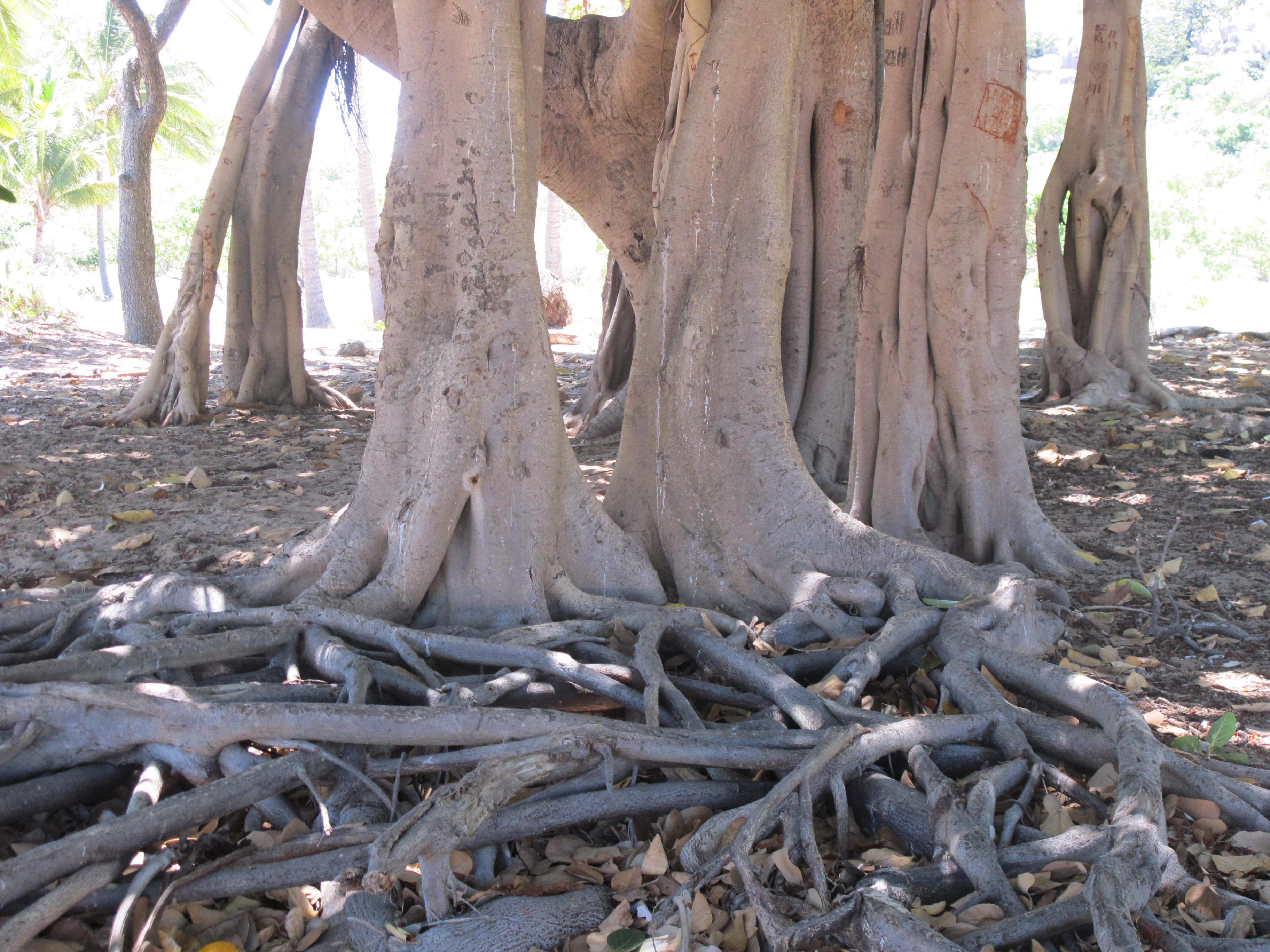
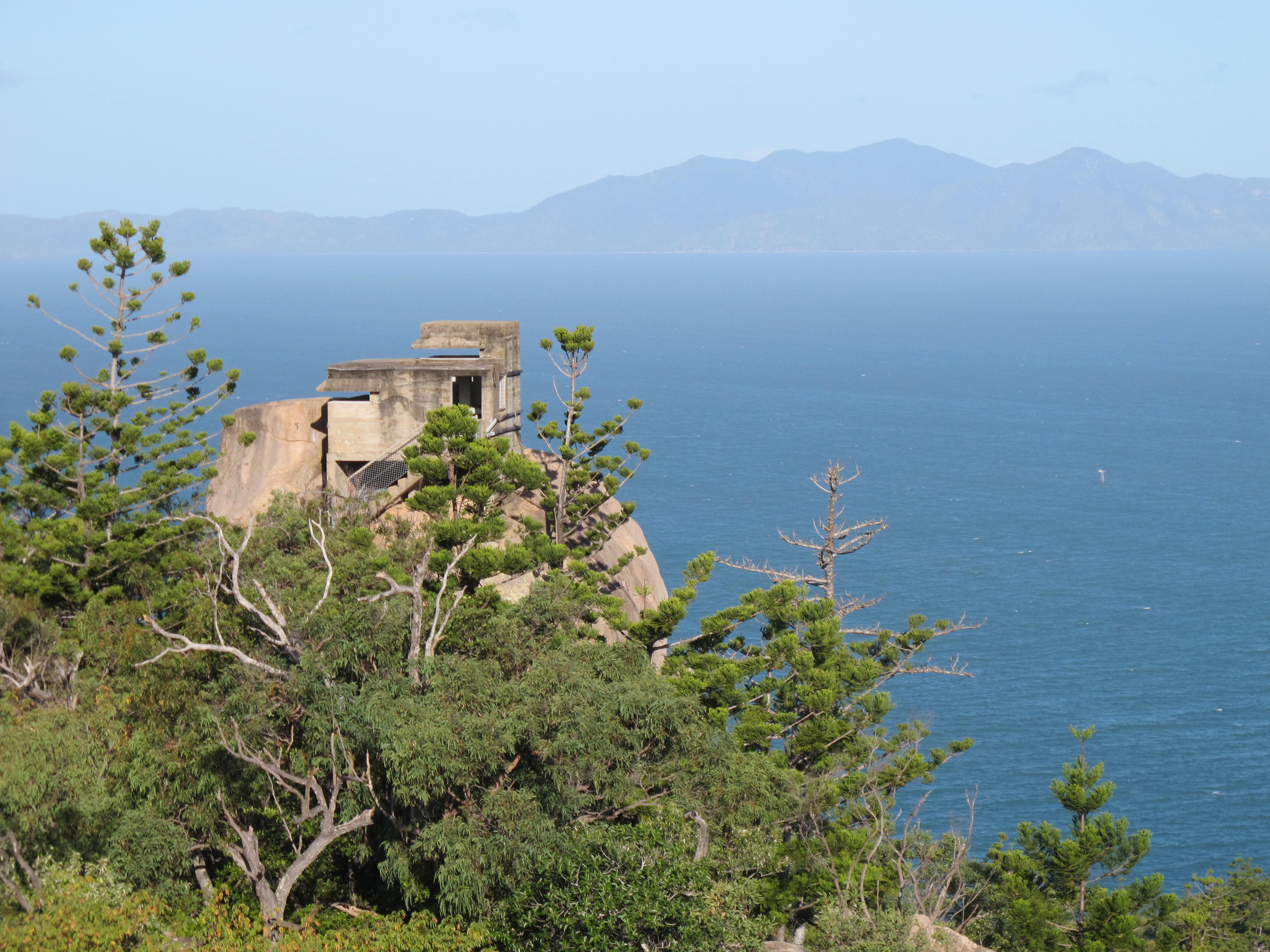
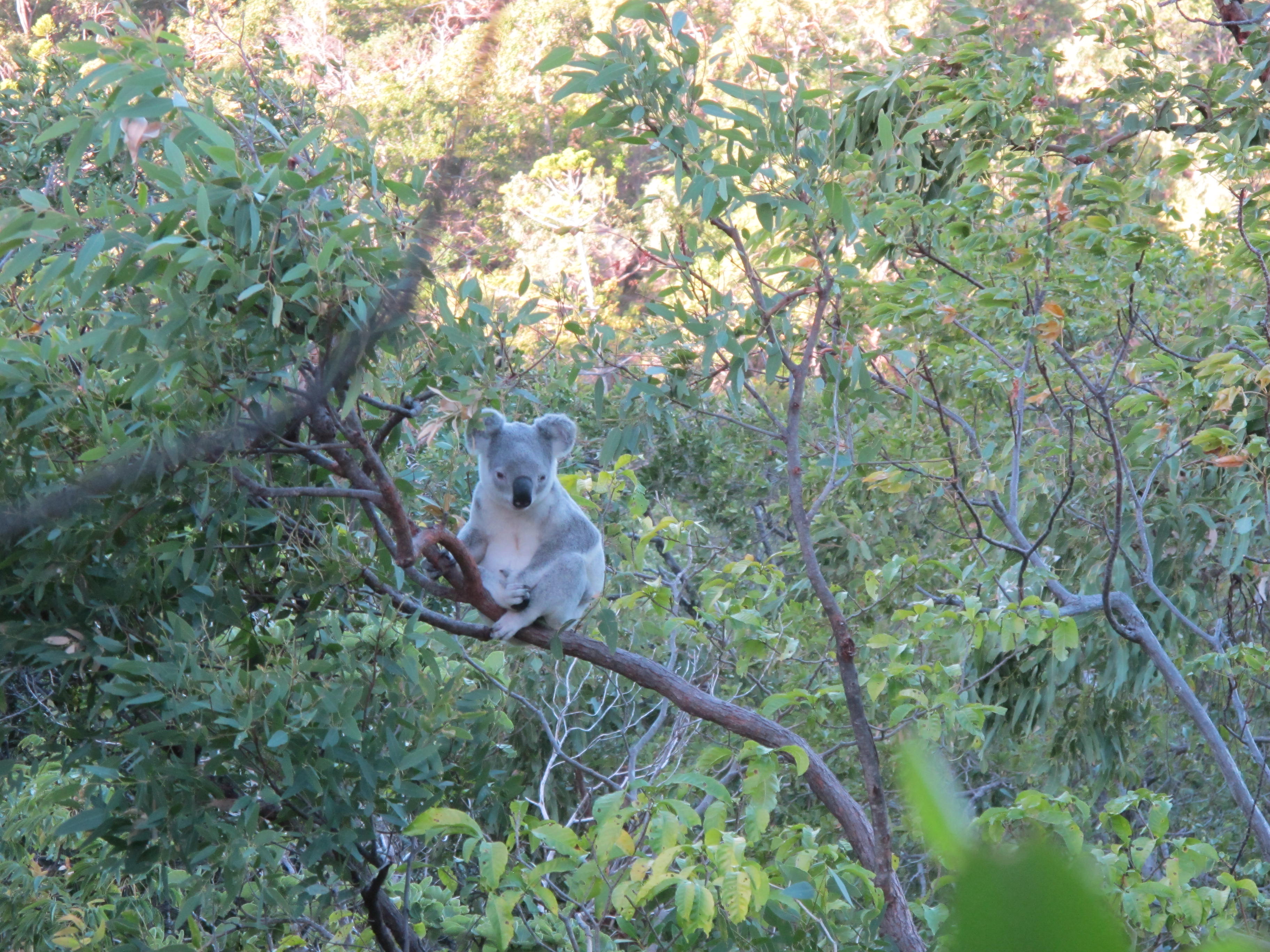
IMG_4520 IMG_4515 IMG_4838 IMG_4845There are some beautiful walks through the National Park, including one to the “Forts” – a series of structures which were lookout forts during the Second World War.  This is where you will often see koalas in the wild.  Textures and colours of trees and leaves never fail to amaze me.P1000759 IMG_4854

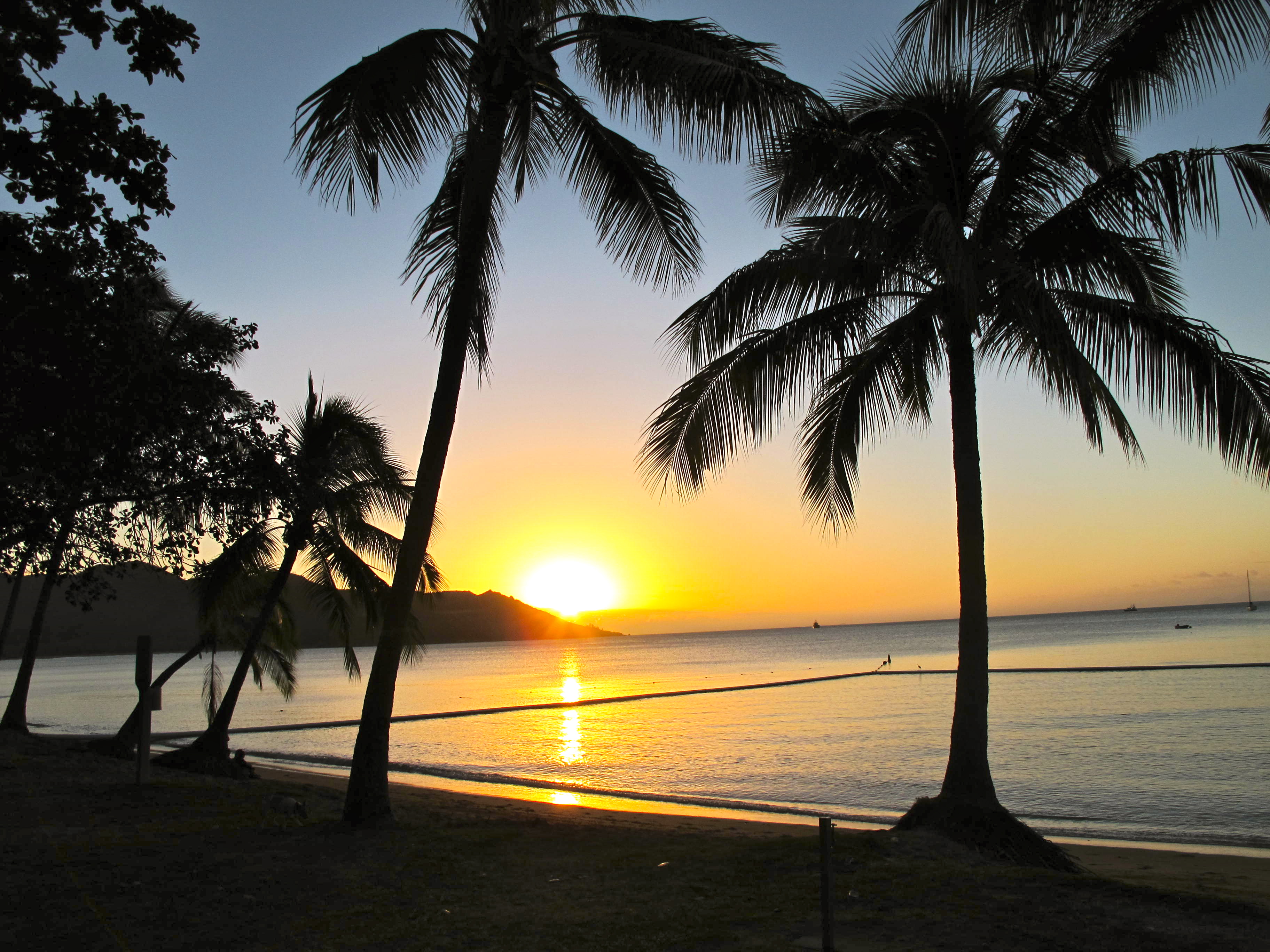
And finally the sunsets – always magnificent and there is nothing better than to enjoy a sundowner at the end of the day watching the sun sink into the horizon declaring the day is over and a new start awaits in the morning.

Welcome to my Island Home !