THE STRAIGHT ROAD CONTINUES – ALONG THE NULLARBOR

IMG_4322

Leaving Fraser Station there was more – much more – of the straight road ahead!  There are a couple of road houses along the way and this one really sums up the loneliness of this part of the country

IMG_4324

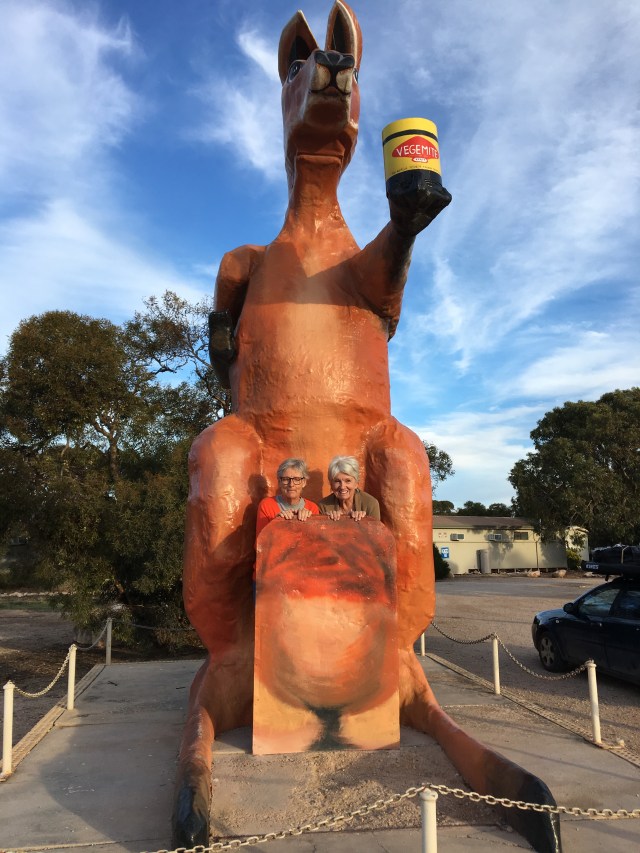
We spent the night at Border Village where the Road House also has accommodation and a restaurant as well as a fuel stop and one of the holes for the Nullabor golf challenge.  I loved the Big Kangaroo – perfect for the overseas tourists and a bit of fun for us as well!
IMG_1743

From here we also saw the Great Australian Bight from the cliffs near the Roadhouse

UNADJUSTEDNONRAW_thumb_7f8

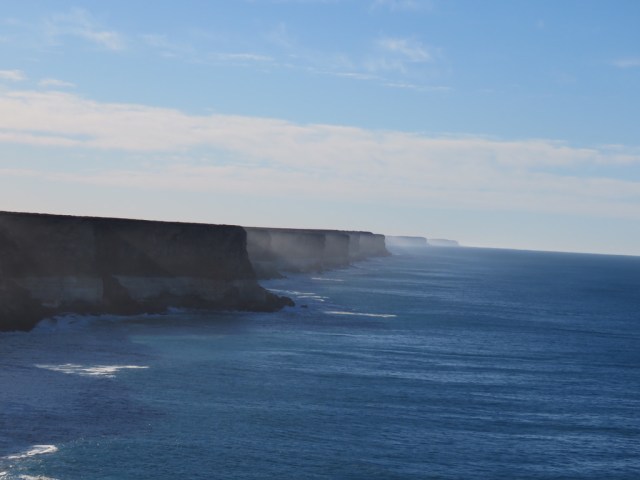
Leaving Border Village we  drove the straight road until we came to the Bunda Cliffs – this geographical feature forms part of the longest uninterrupted line of sea cliffs in the world.  No other continent or country can match the cliffs for length of coastline. The early morning light gave us a beautiful view which soon became really awesome.

UNADJUSTEDNONRAW_thumb_7fb.jpg

UNADJUSTEDNONRAW_thumb_826.jpg

The cliffs are some 60 – 120 metres in height and very sheer.  At different times of the day they appear in extraordinary light.  I am sure they are magnificent from the air.
UNADJUSTEDNONRAW_thumb_804.jpg

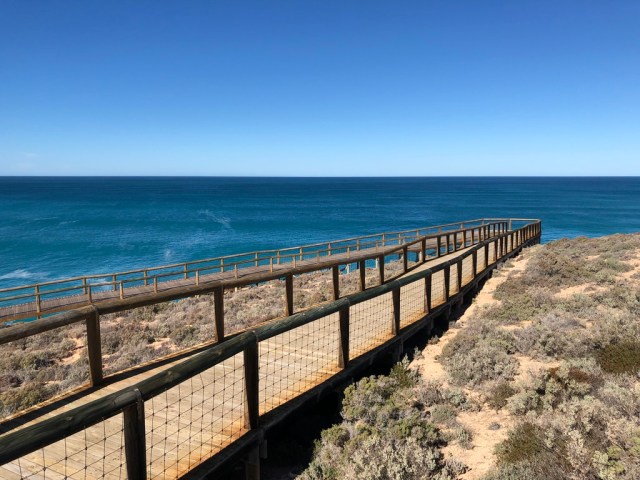
A little further out we came across the Head of the Bight – which is a whale watching centre on the far west coast of South Australia. Each year Southern Right Whales leave their feeding grounds in the Antarctic region and come north to give birth in warmer waters.  Sadly we were too early to witness these magnificent creatures, but fully appreciated the excellent viewing areas this centre provides.
UNADJUSTEDNONRAW_thumb_82a.jpg

UNADJUSTEDNONRAW_thumb_829.jpg

UNADJUSTEDNONRAW_thumb_828.jpg

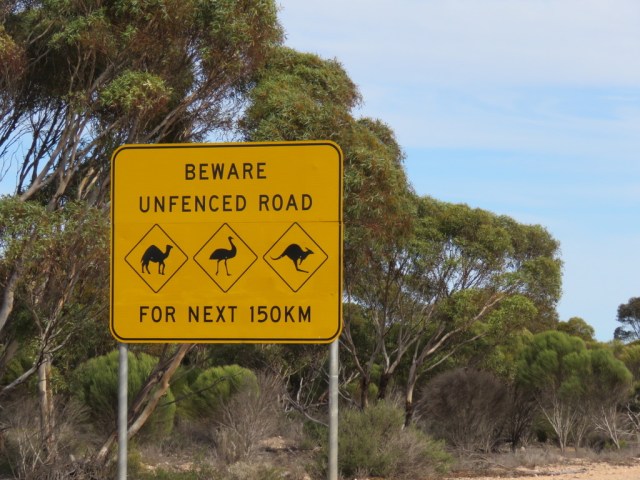
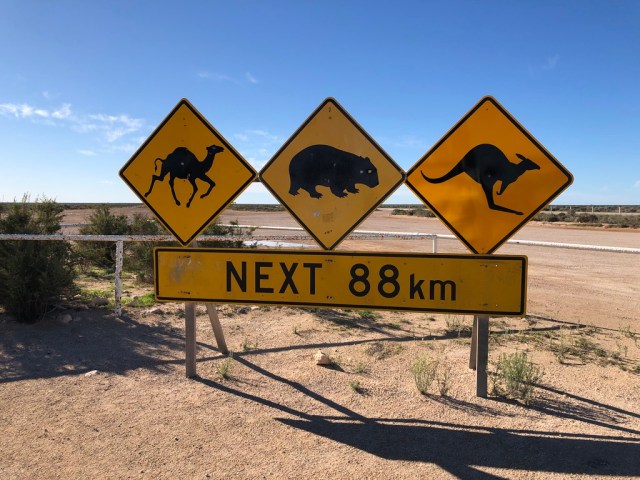
The road to Ceduna was long and we were well aware of “road kill” although with all the salt bush and low shrubs, the wallabies – for example – would not have found shade so we presumed that they were not around.  Then we saw this sign
UNADJUSTEDNONRAW_thumb_827.jpg

So they must have been somewhere!

Next stop – Ceduna and the Oyster Trail.


THE START OF THE NULLARBOR

UNADJUSTEDNONRAW_thumb_8c5.jpg

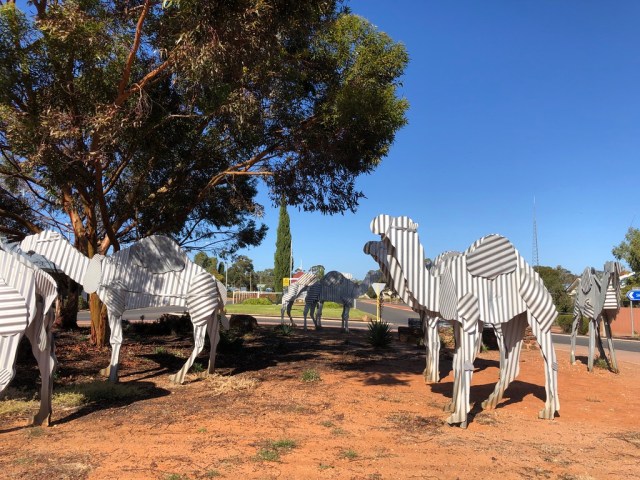
Camels have played a huge part in the history of the Outback and everywhere we have been from the North to the South and now here in the mid west, there have been heroic tales of explorers and pastoralists with teams of camels opening up the country.  Here, in Norseman, south of Kalgoorlie, the animals are honoured  in corrugated iron statues in the middle of the main street of the town.

Norseman is a small mining town at the very start of the drive across the Nullarbor Plain which is a flat, almost treeless, semi arid country stretching 1,100km from east to west.

The town was named after a horse called “Norseman” and belonging to a gold prospector named Laurie Sinclair.  He tied his horse to a tree near his camp one night and noticed in the morning that the horse had been pawing the ground making a hole in which he uncovered a piece of gold bearing quartz. Over the years gold has been mined here – once it was the second richest goldfield in Western Australia and today the Norseman Gold Mine is Australia’s longest continuously running gold mining operation and has been in operation for 78 years.

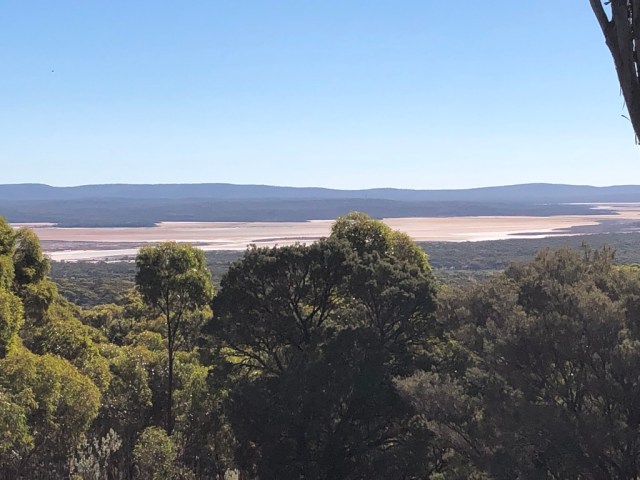
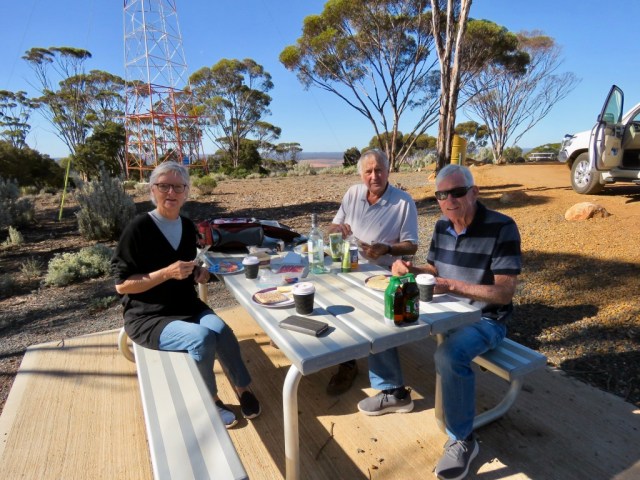
Beacon Hill Lookout gives a wonderful overview of the countryside around Norseman with 360 degree views.  We drove up and enjoyed a picnic lunch before starting the Nullarbor Crossing.

UNADJUSTEDNONRAW_thumb_7a6.jpg

IMG_4258

p51Io%kWQe25TYqQdSJpdA_thumb_772.jpg

Then we began the drive which was take us two days.  Along here is Australia’s longest straight road

UNADJUSTEDNONRAW_thumb_7f4.jpg

As well we had to watch for native animals and the very long road trains.

UNADJUSTEDNONRAW_thumb_7ef.jpg

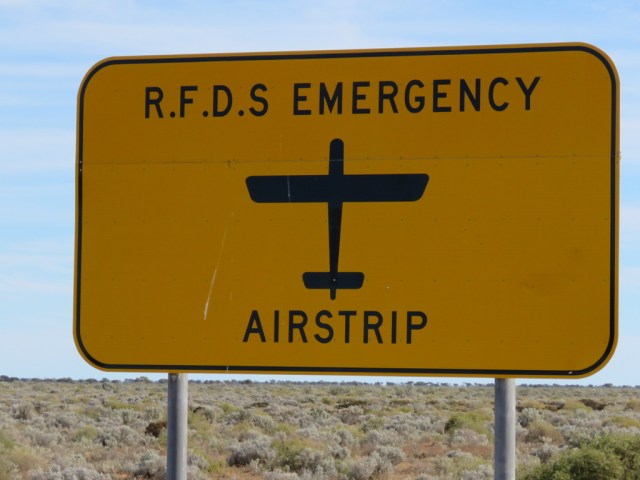
The Flying Doctor uses part of the road as an airstrip in emergencies and we came across several of these.

UNADJUSTEDNONRAW_thumb_7f5.jpg

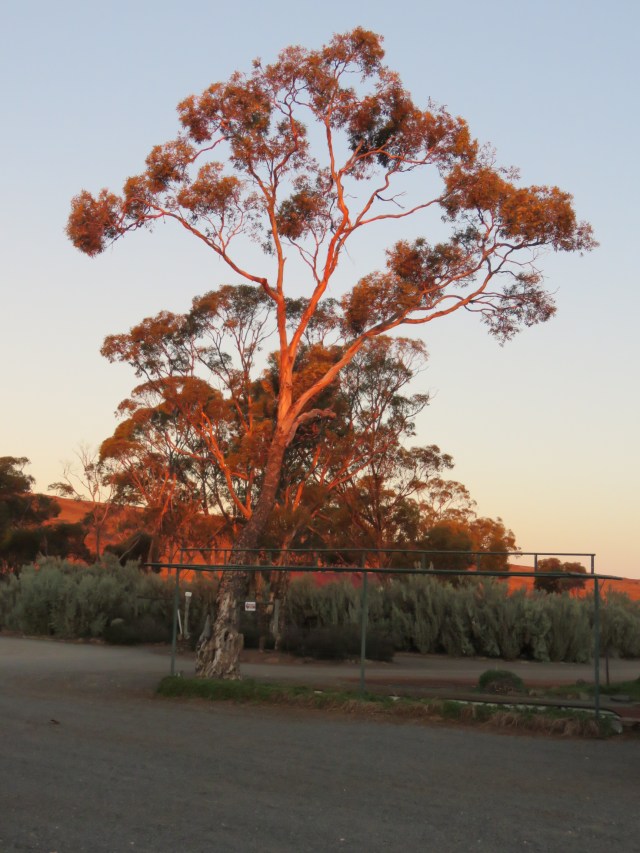
About 100km east of Norseman we found our lodgings for the night at the beautiful Fraser Range Station which is a working cattle station as well as providing tourist accommodation in the form of cabins, caravan park and camping grounds. The station is surrounded by the largest hardwood forest in the world.

UNADJUSTEDNONRAW_thumb_7aa.jpg

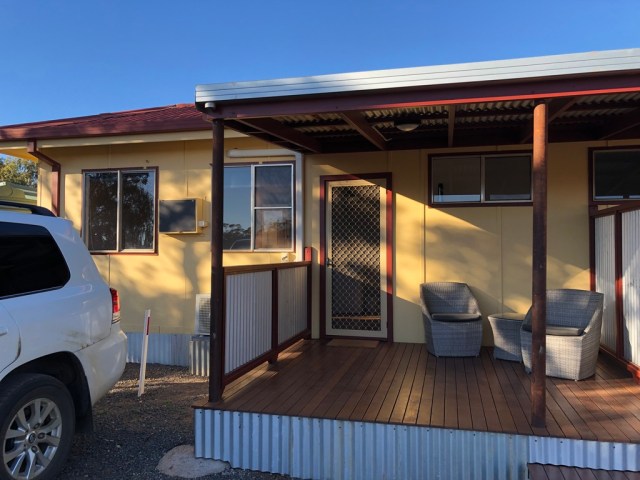
We had a cabin which was very comfortable and from which we could watch a glorious sunset and several wildlife visitors – emus, wallabies and lots of birds.

IMG_4060

UNADJUSTEDNONRAW_thumb_792.jpg

hWYpuZ3+Q1GmnMO3gWpoFQ_thumb_7ca.jpg

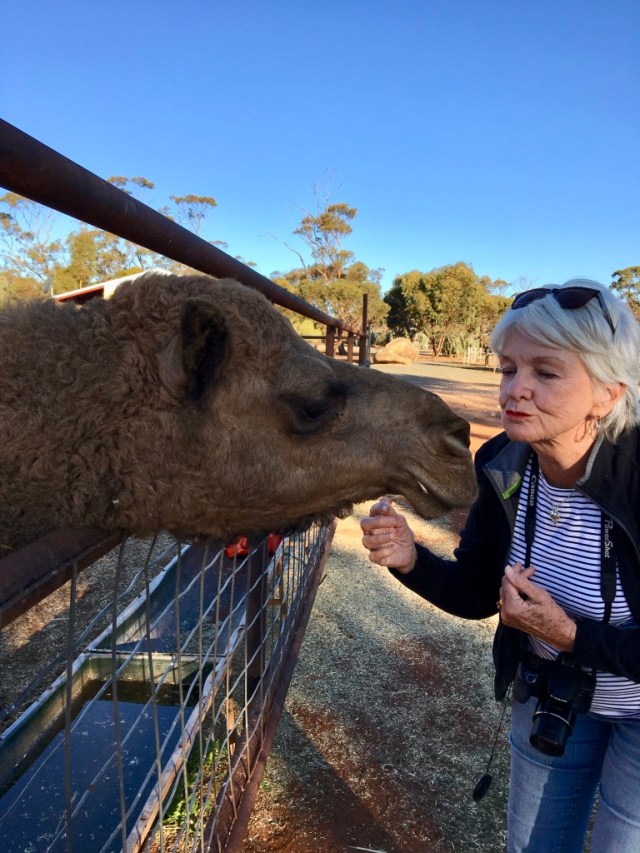
Taking a walk around the property we came across “Mr Squiggle” the pet camel whose best friend was a young steer!

UNADJUSTEDNONRAW_thumb_77a.jpg

9fE862DQSJi4WrK3QYxeNg_thumb_7ae.jpg

KKSlHFdaRwKUEdut8LJvWA_thumb_7b1.jpg

IMG_4033

And the baby camel was too cute!

We had a station dinner and a nightcap before bed with the prospect of more of the straight road in the morning!

UNADJUSTEDNONRAW_thumb_78c.jpg

And this is the gorgeous station garden on this treeless plain.