KANAZAWA – LITTLE KYOTO

I had heard that Kanazawa, located between the western mountain ranges of Honshu and the Sea of Japan, was often referred to as Little Kyoto. I was not disappointed. This is the most charming place and one which I sincerely hope we will visit again.

A Castle town with beautiful gardens, narrow streets, traditional precincts and some intriguing samurai houses, it is easy to walk around and explore several parts of the city in one day.

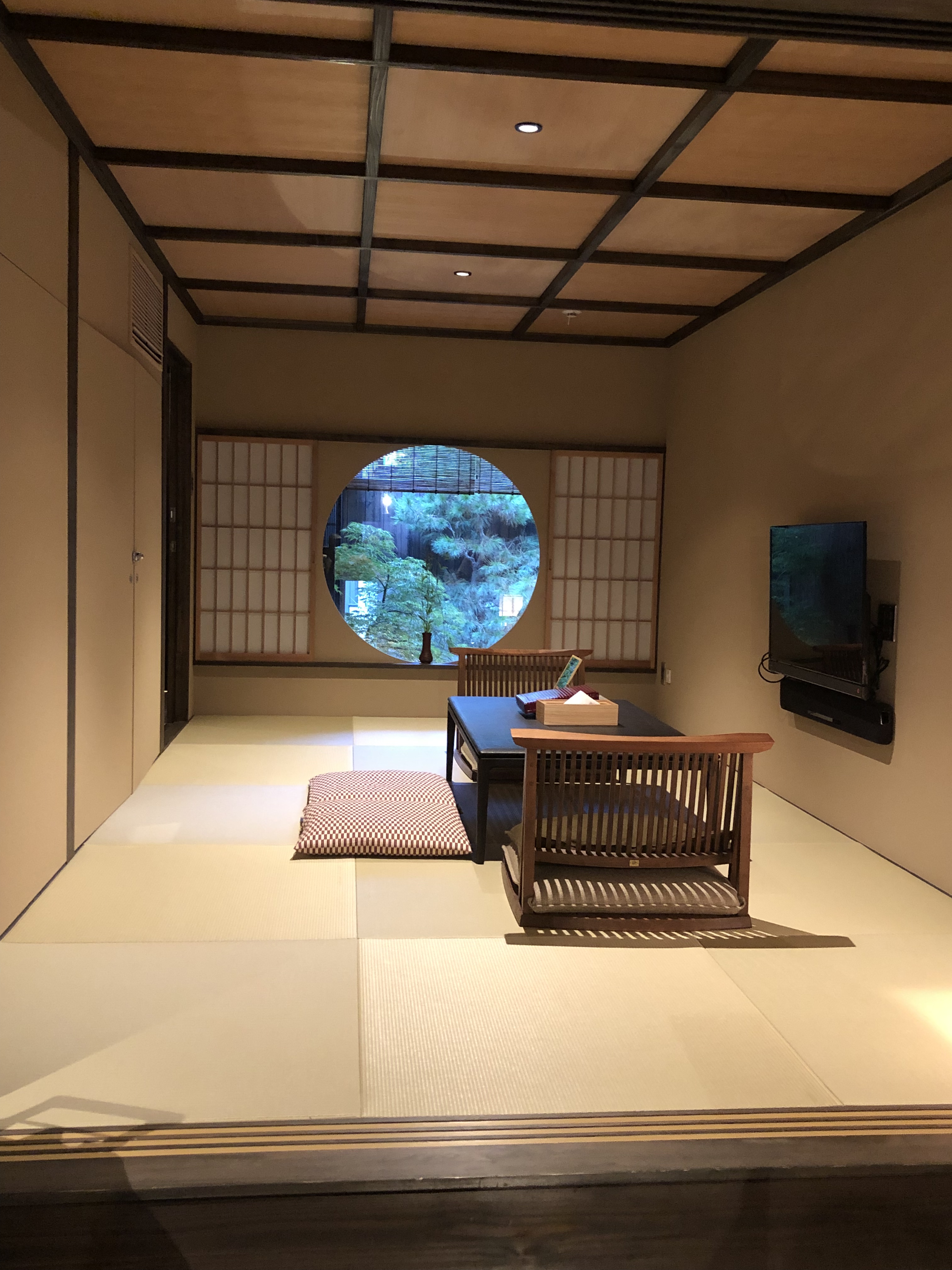
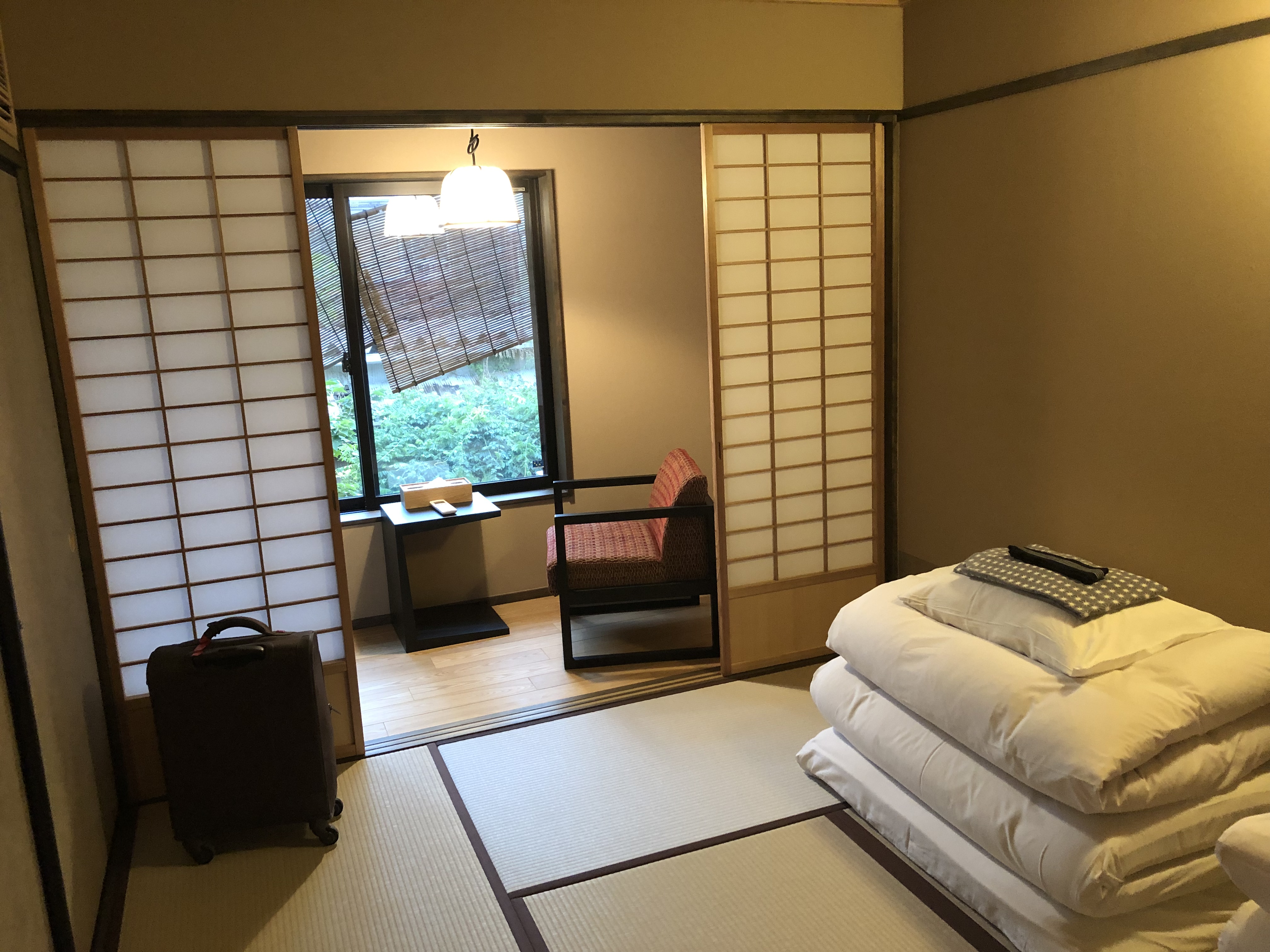
We stayed in a typical Japanese dwelling in a cute neighbourhood within walking distance of the station.

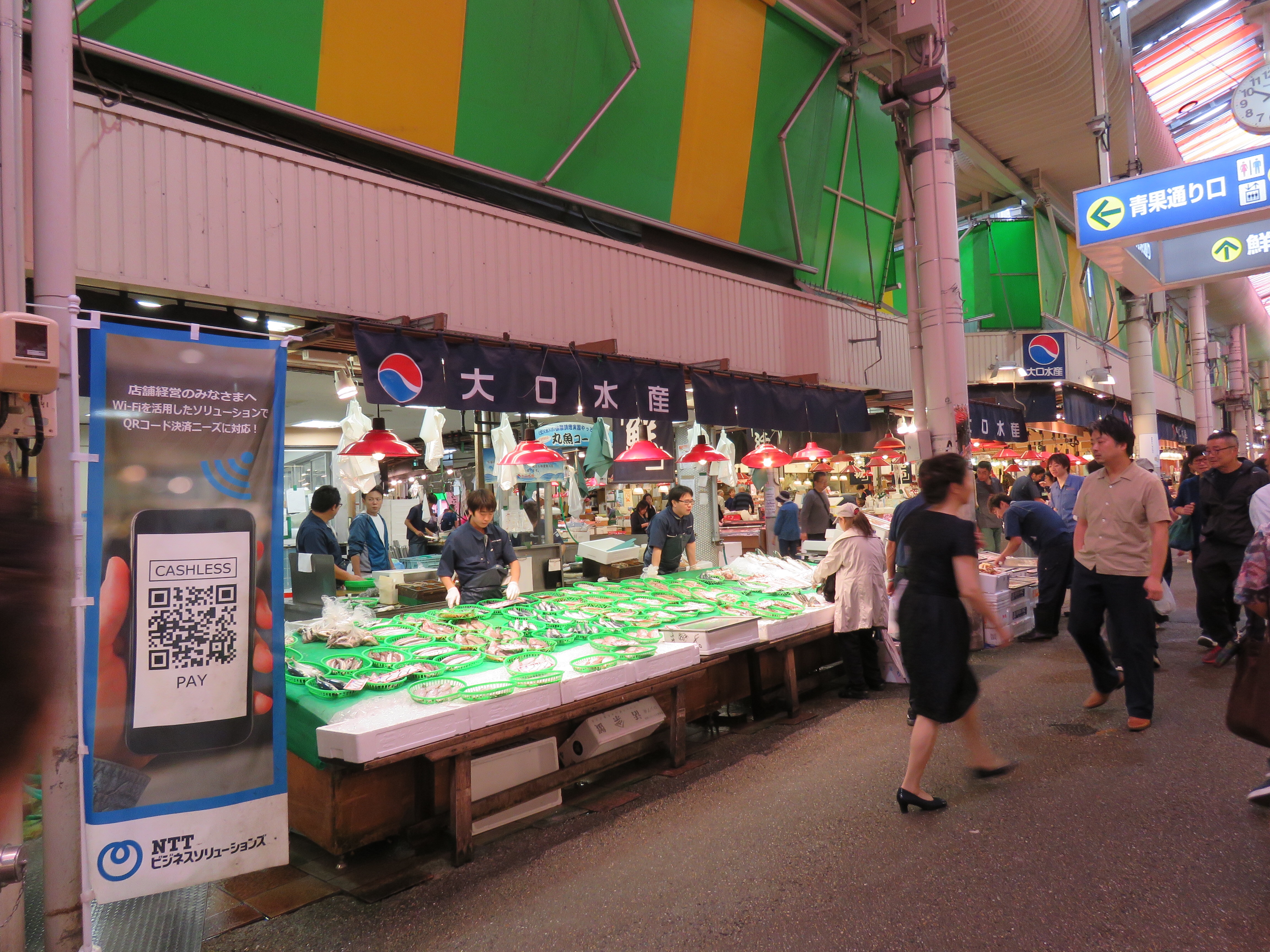
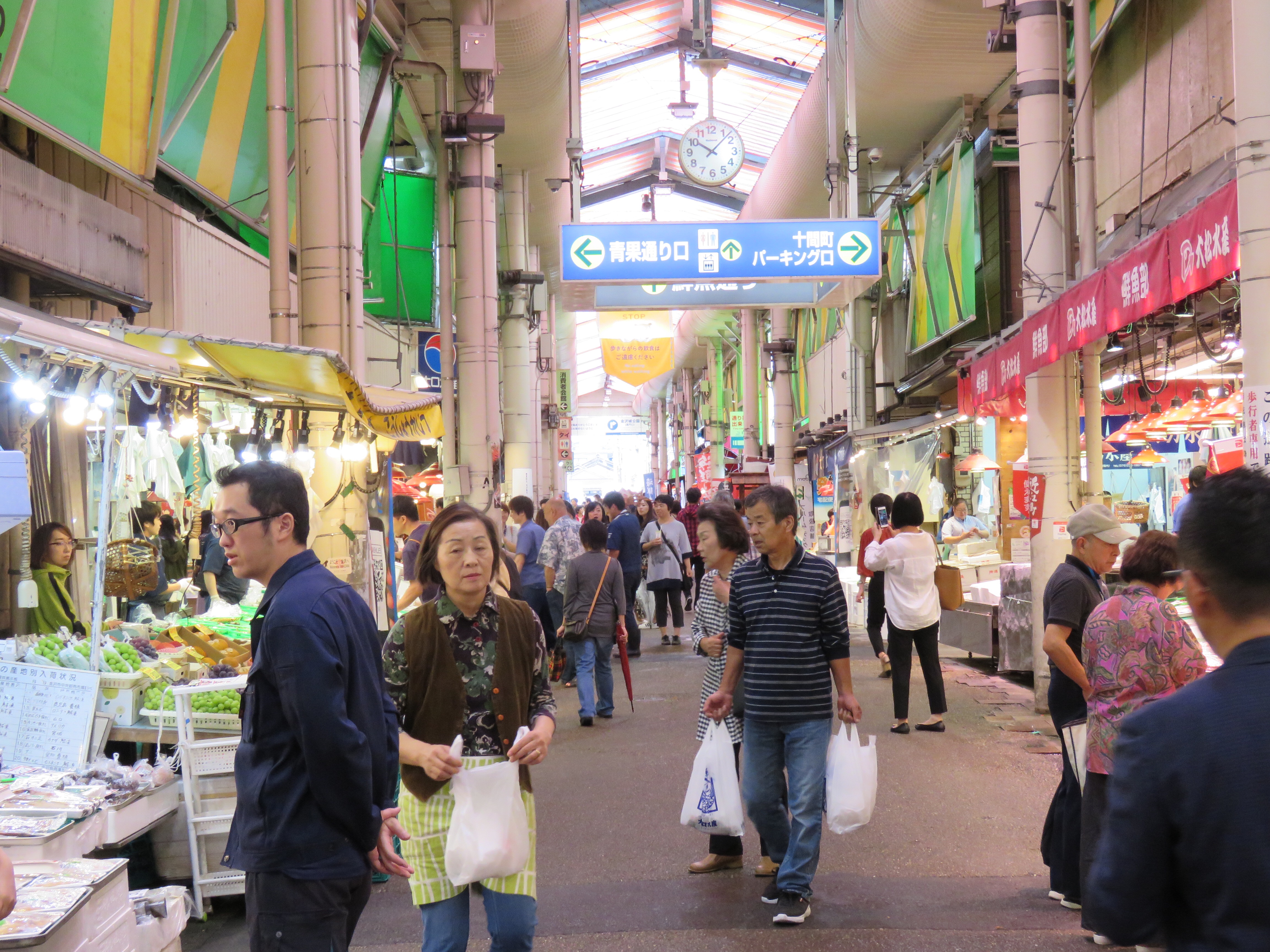
Familiarising ourselves with the area, we walked first to the Omicho Market which sells everything from fish to clothing.

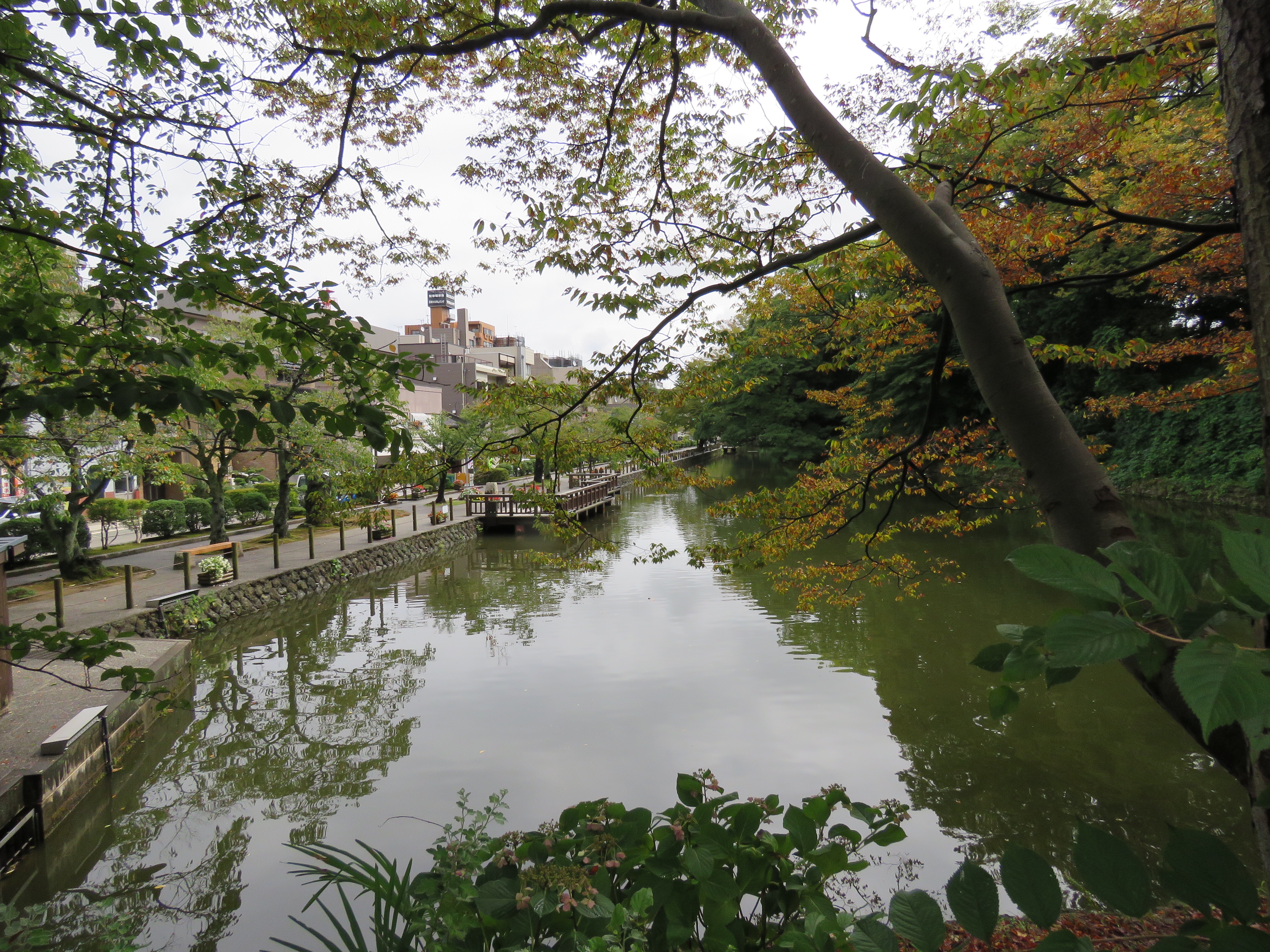
A short stroll further on and we found the magnificent Kanazawa Castle with its magnificent Kenrokuen Gardens. The gardens have been Heritage listed and are a place of serenity with winding streams, lakes, ponds and landscaping.

Moss was everywhere and many of the trees were centuries old.

Another quaint area is Higashi-Chaya-Gai which is an old area along the river where there are old samurai houses and narrow streets, lots of tiny restaurants and craft shops. We saw some Kimono clad ladies walking slowly along the street and immediately imagined ourselves back in time.

We saw a few ladies wearing kimono and one totally fascinated me and I wondered about the comfort of this type of dress – particularly on a bus one day when one lady was unable to lean back in her seat due to the obi behind!

It is the simple things that make a place memorable – and we will always remember Kanazawa with affection and hope to return one day in not too distant future.

SAPPORO – JAPAN’S NORTHERN CITY

Four days in Sapporo is not nearly enough! The city has a lovely feel to it – unhurried, clean and very friendly. It is easy to walk around and the public transport is very frequent, efficient and cheap. We didn’t get into the mountains but did visit the pretty little town of Otaru.

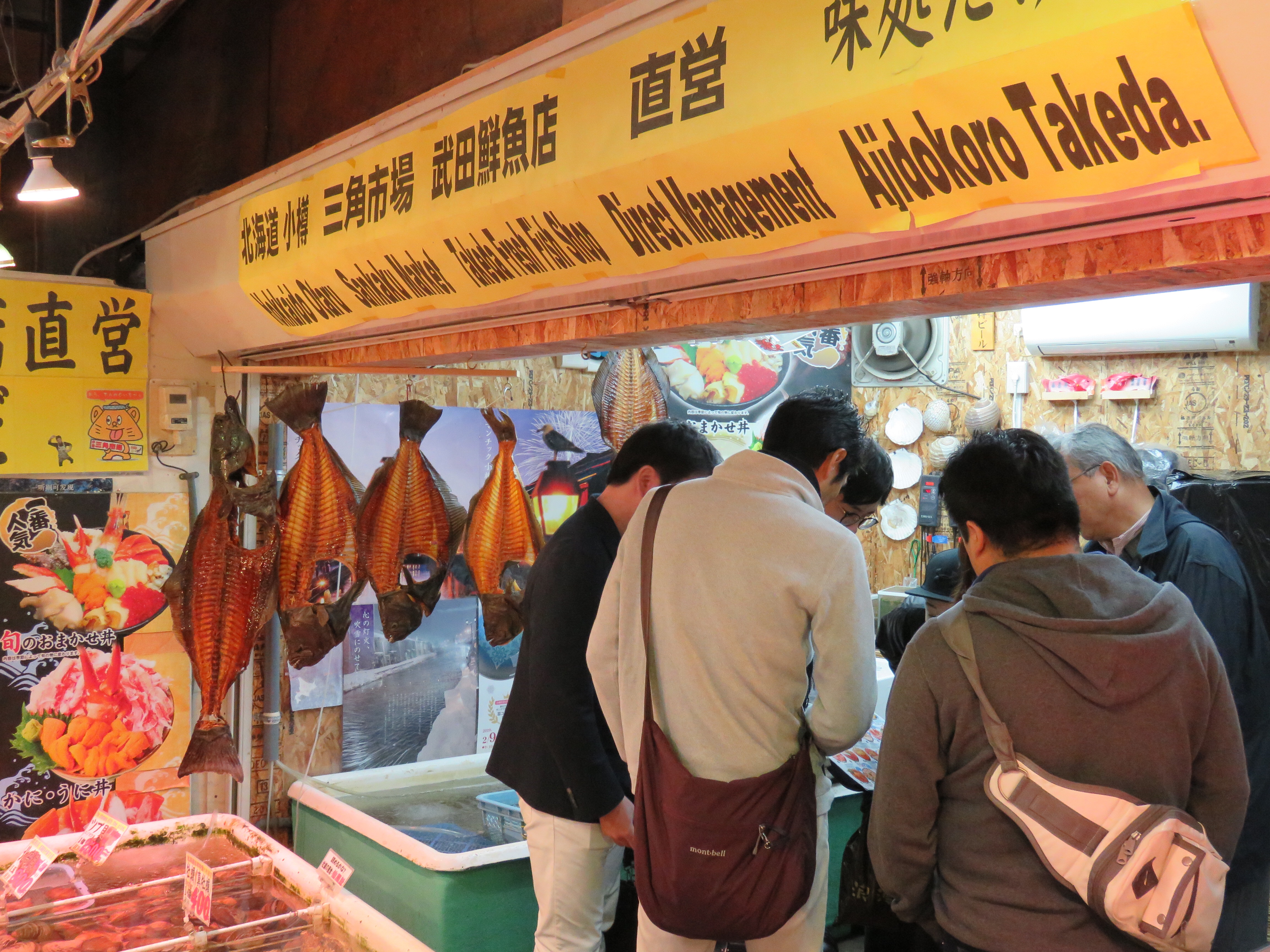
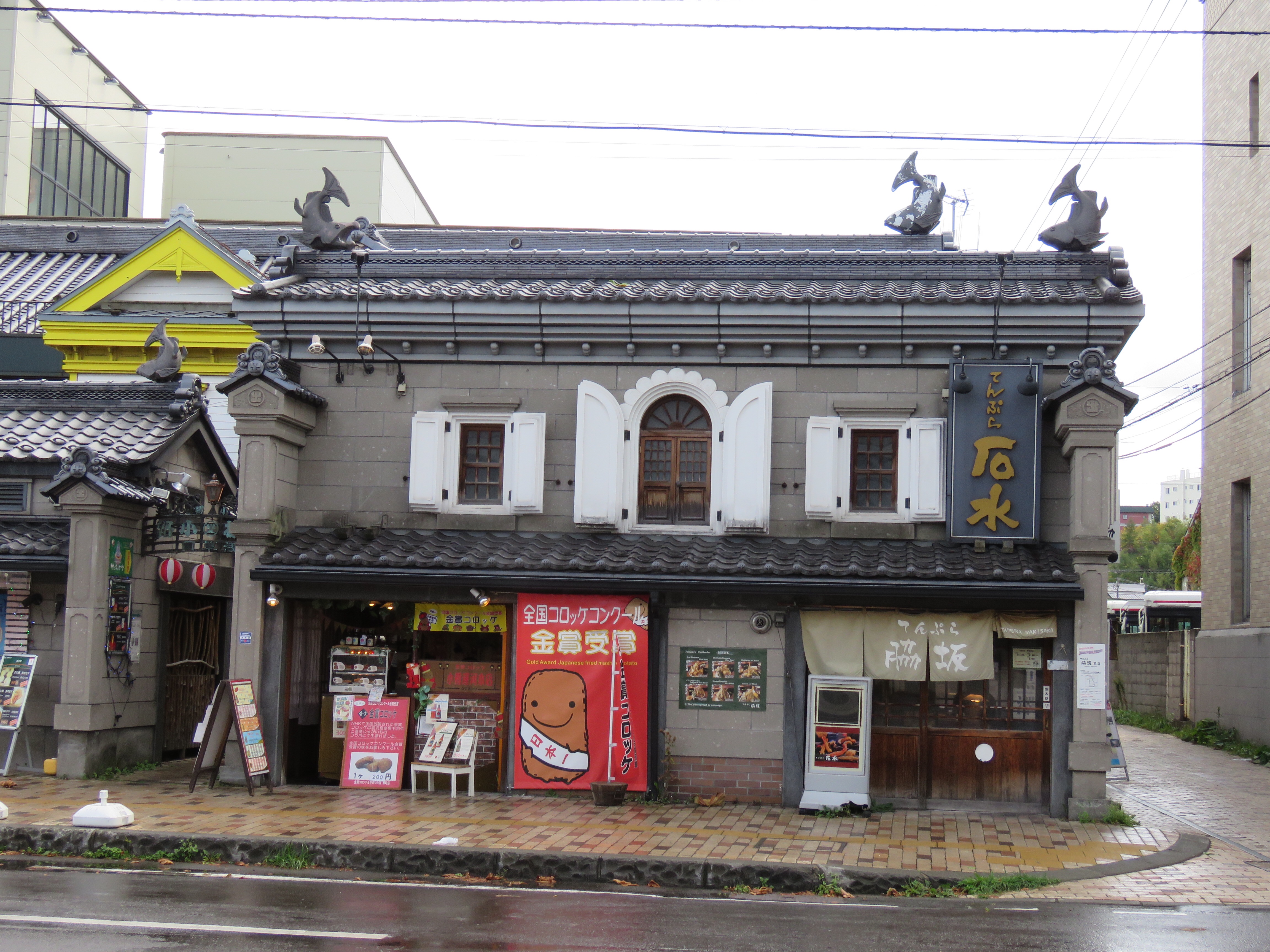
The local train to the port city runs several times an hour and the journey takes about 40 minutes. Otaru flourished from the Meiji to the Trisha Era and was known as “the entrance of the North”. It is a fun place to walk around and our first encounter was with the fish market, situated next to the station.

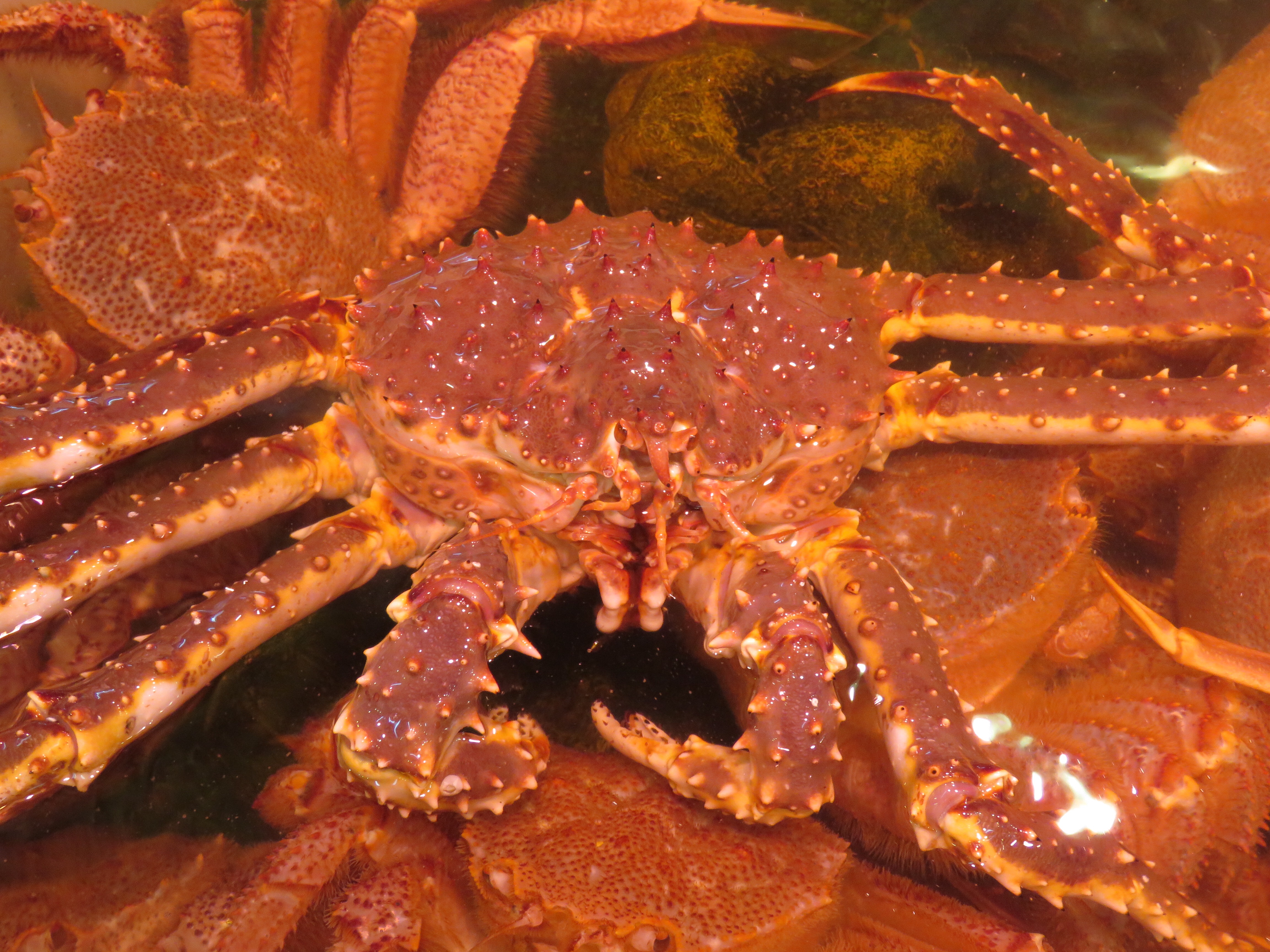
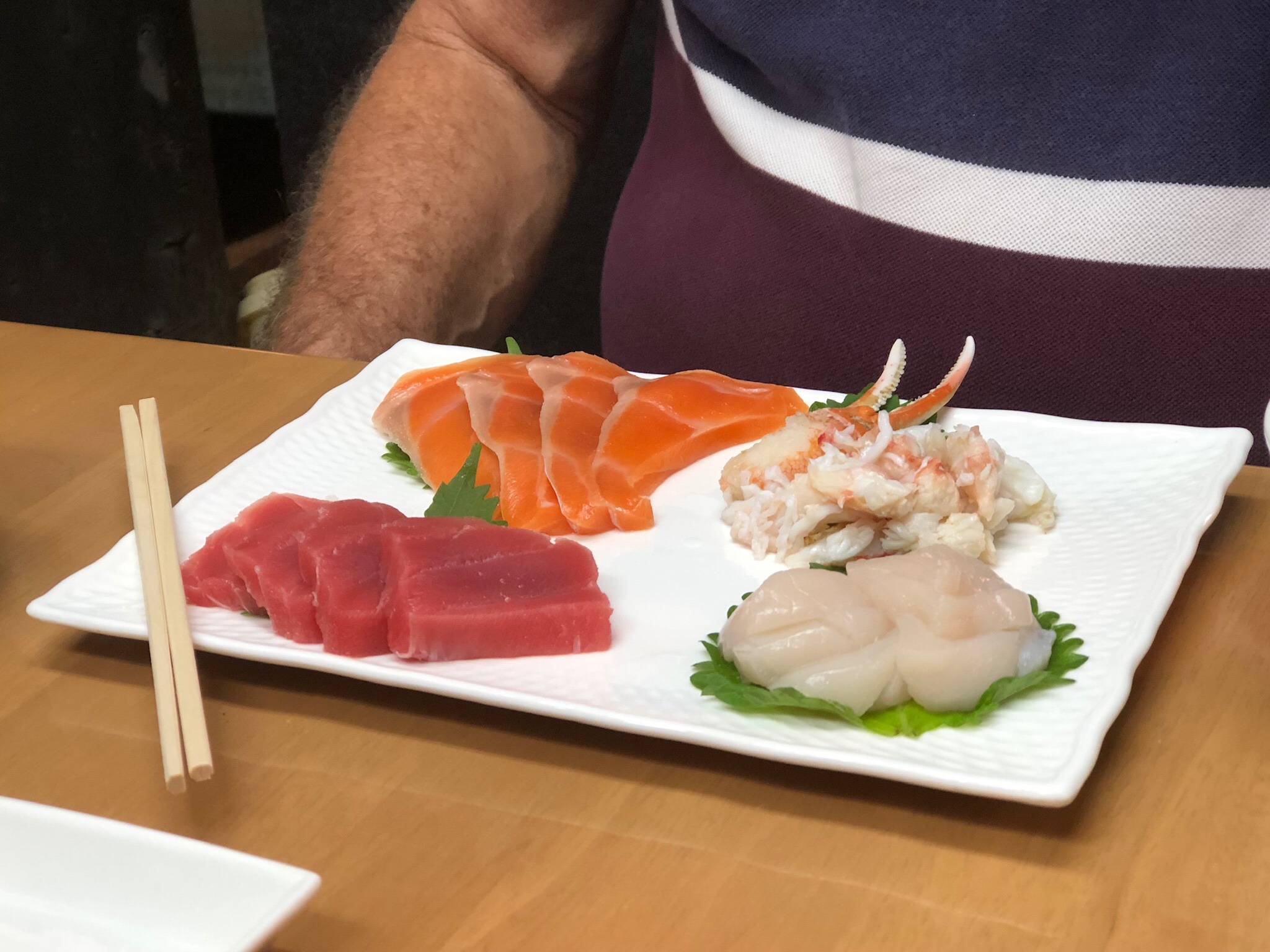
This is a popular place for the locals as well as visitors and the variety of seafood on offer is staggering. We found a little restaurant behind one of the stalls and had a wonderful lunch of sashimi and rice with roe – the roe is plentiful and is sold in jars and buckets!

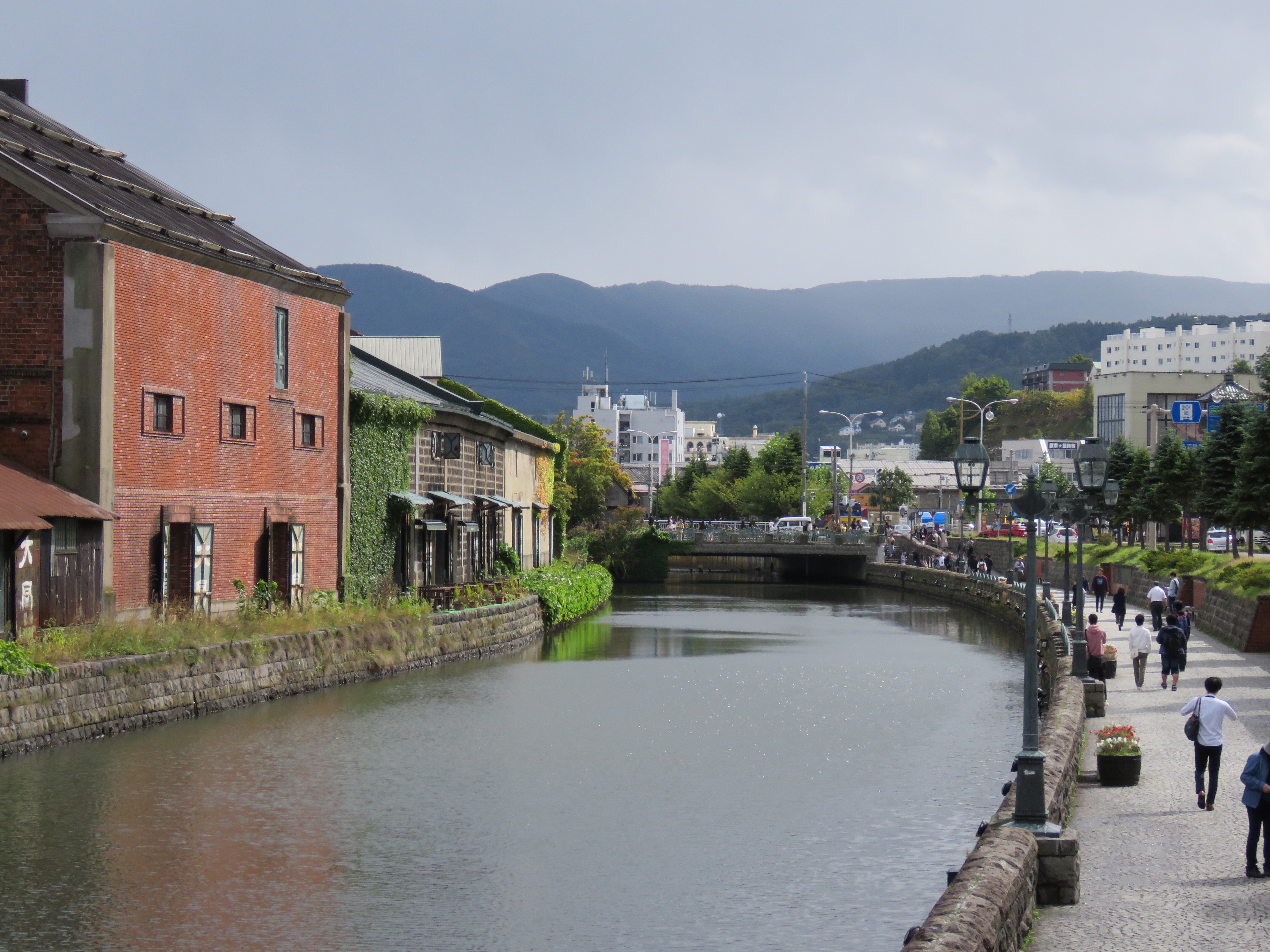
The Otaru Canal is a beautiful attraction and is reminiscent of days gone by. Old warehouses line the canal and are now shops and restaurants. There are other lovely historical buildings nearby which have been preserved and are also banks and offices.

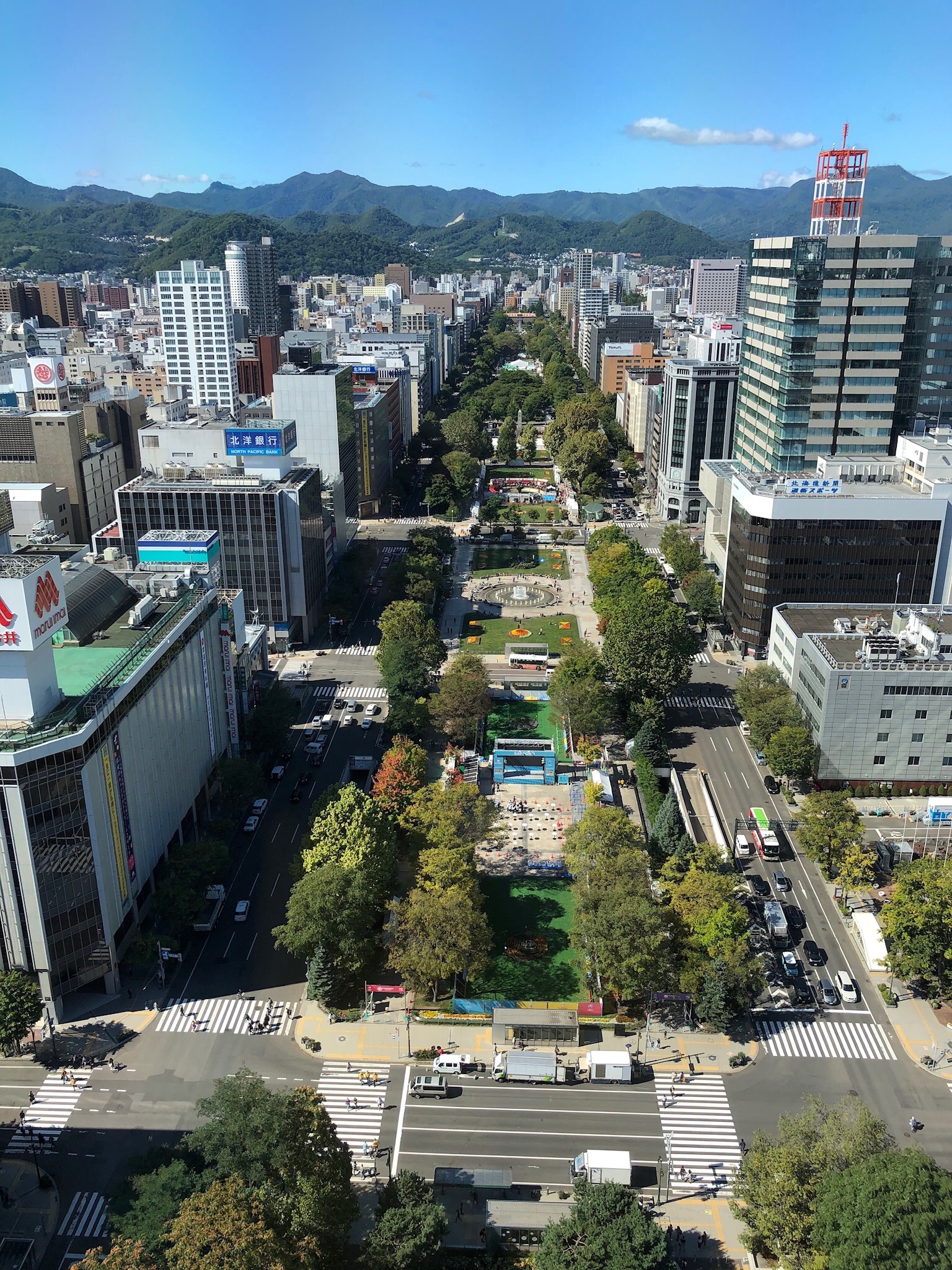
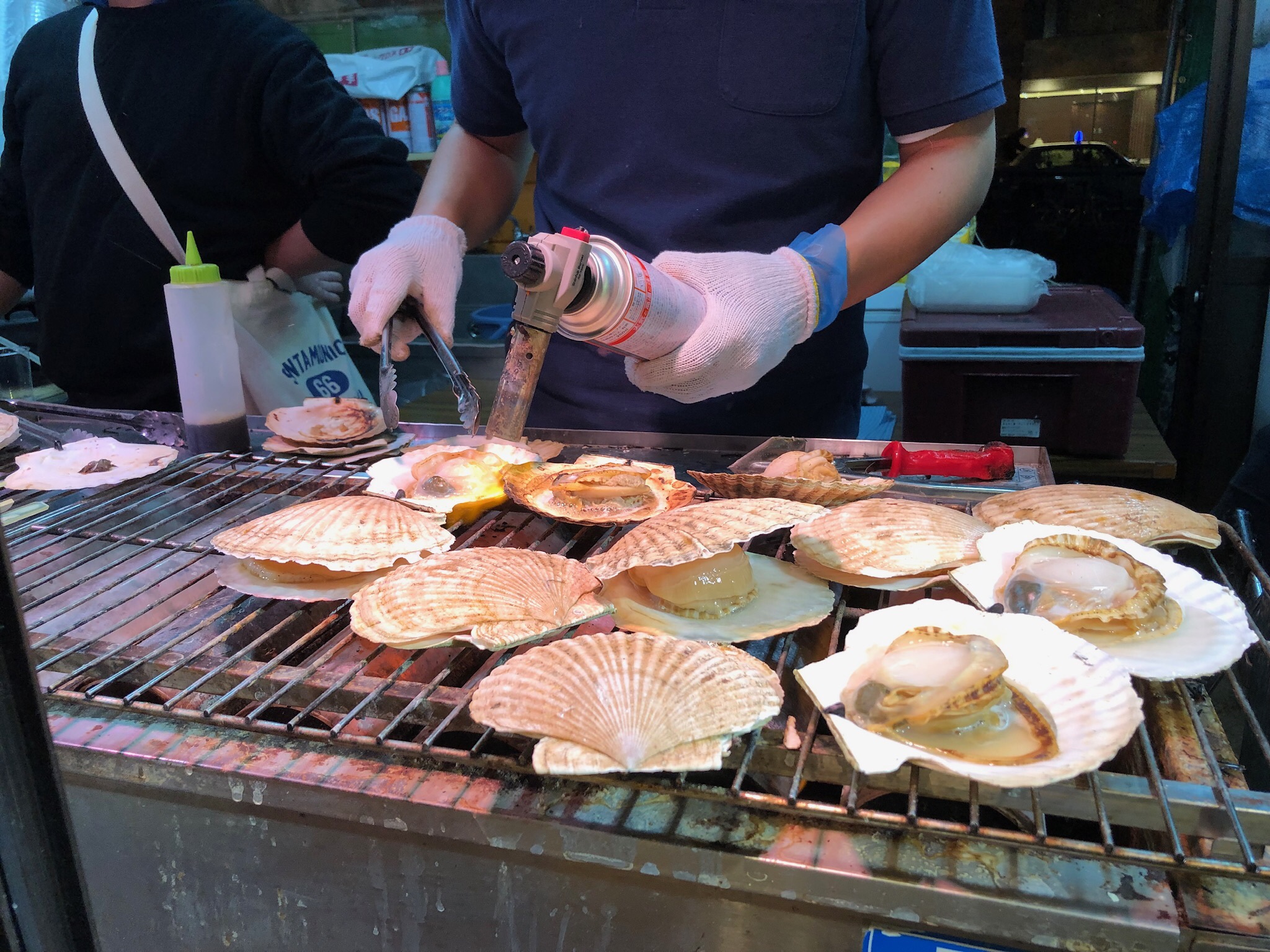
That night, back in Sapporo, we went to Odori Park where the Autumn Festival was in full swing with food and drink stalls and tents in abundance. We wandered through the Park and ate the biggest scallops we have ever seen

Plus other delicacies and ramen noodles – which is a speciality of Sapporo.

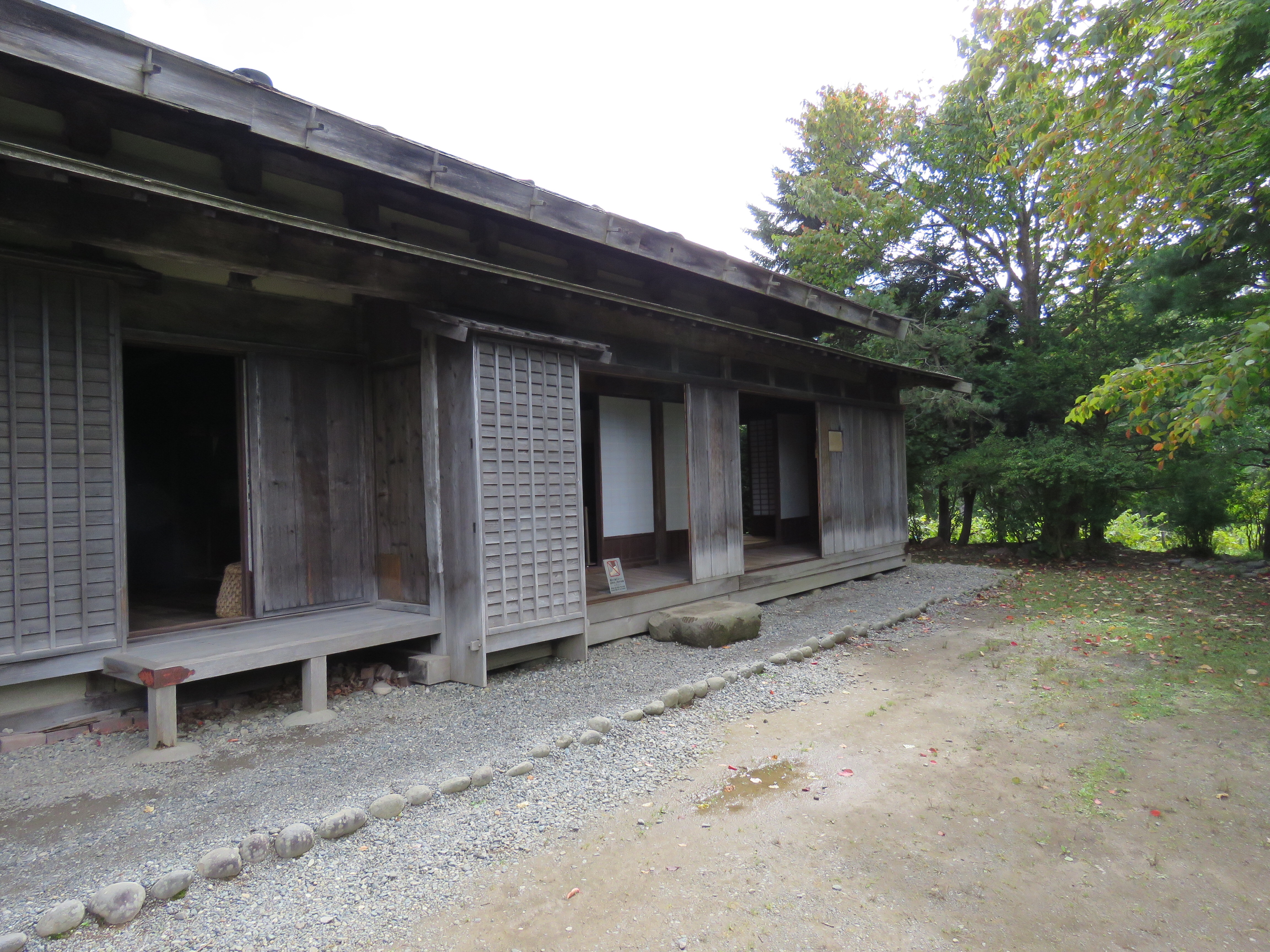
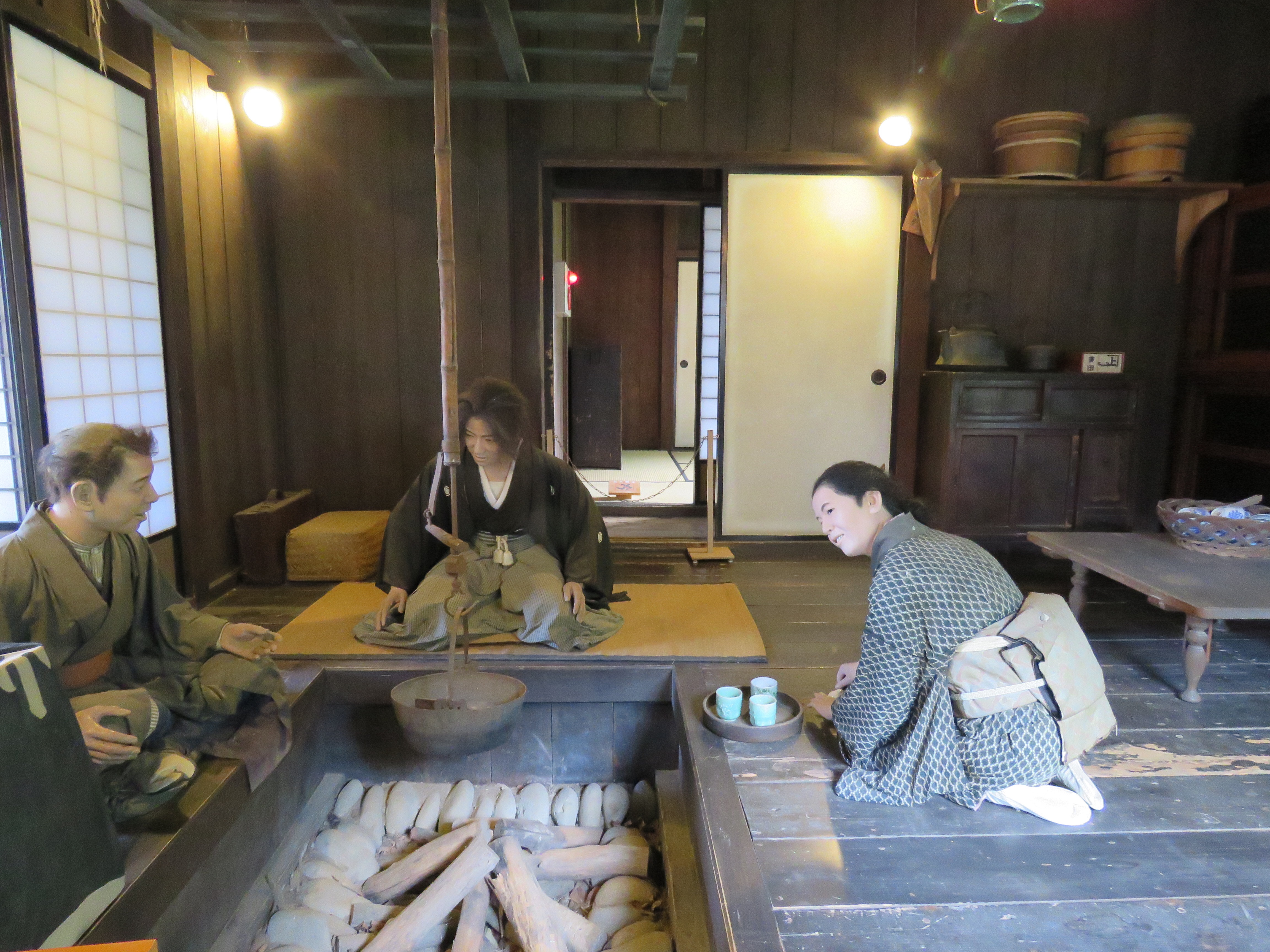
The Hokkaido Historic Village is an open air museum of relocated and restored buildings that represent the history of Hokkaido from 1868 to the 1920’s. We reached it by local train from Sapporo and on entering took a short ride around the village in a horse drawn tram. In all there are 52 buildings representing the Town, a Fishing Village, Farm Village and a Mountain Village. Each building shows the lifestyle of the people of that era.

It was easy to imagine life in those days – and wonderful to see local schoolchildren enjoying an excursion to learn about the history of their region.

HONG KONG – AND A TRIP DOWN MEMORY LANE

Hong Kong isn’t just all about shopping and crowds.  It is easy to get away from all of that and find some relatively quiet places whether by the beach or in the hills. This trip I wanted to do just that and revisit places I knew well as a child.  Things have changed, of course, but some things remain the same and then the memories come flooding back.

F2D49E2D-8366-4C87-80B0-04C90E7FEC8D

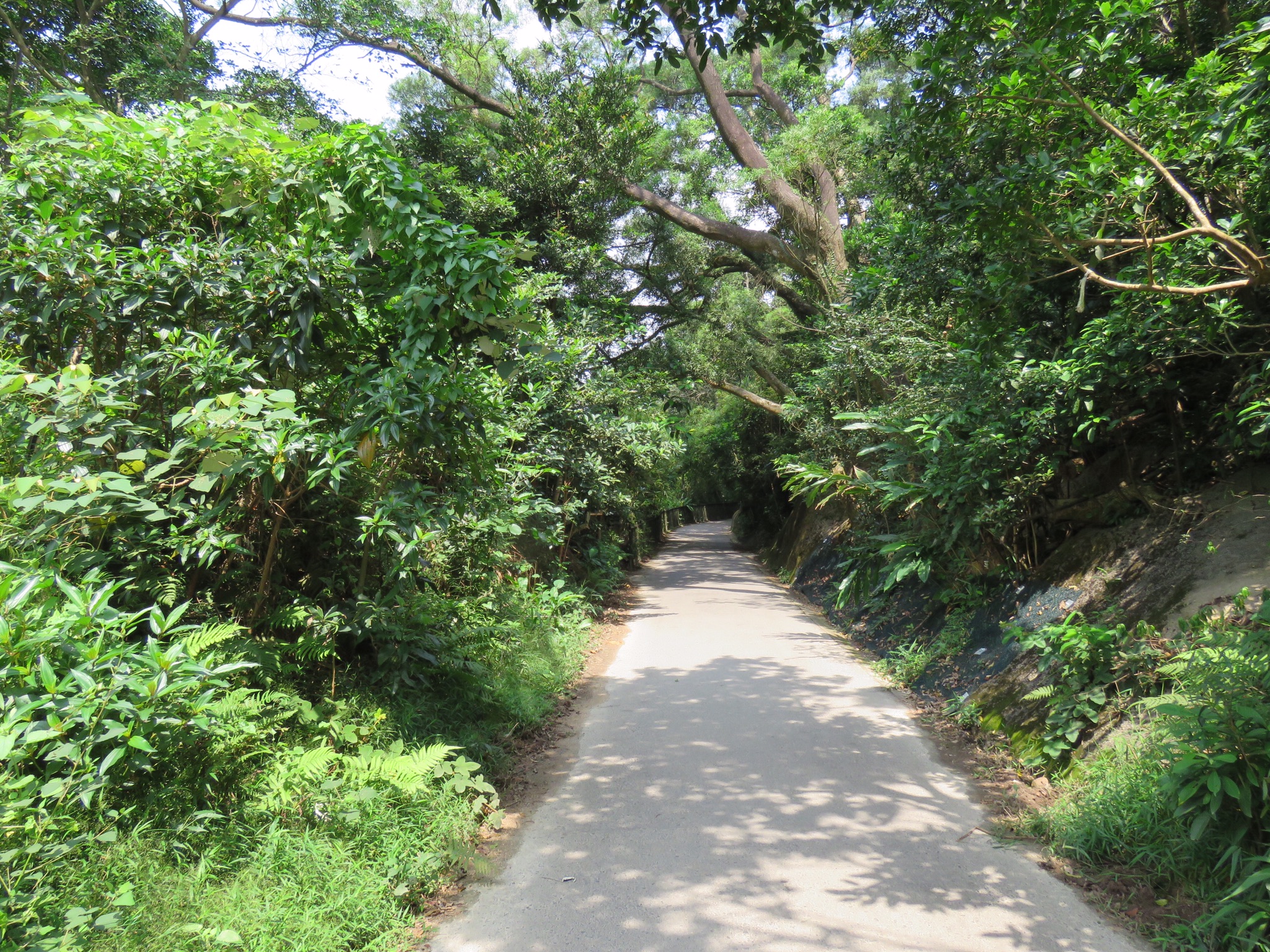
Far from the madding crowd and mayhem in the city below is a beautiful walk around the top of the Peak.  This is where we lived and today it is exactly as it was – quiet, peaceful and leafy.  It is much cooler than in the city and the views are stunning – but different to our day as the construction of multi storey buildings has filled the landscape below and the vista to the islands beyond is now hazy due to pollution.


9F2B496F-4223-482C-A682-8389FE87EBBA
A view from above

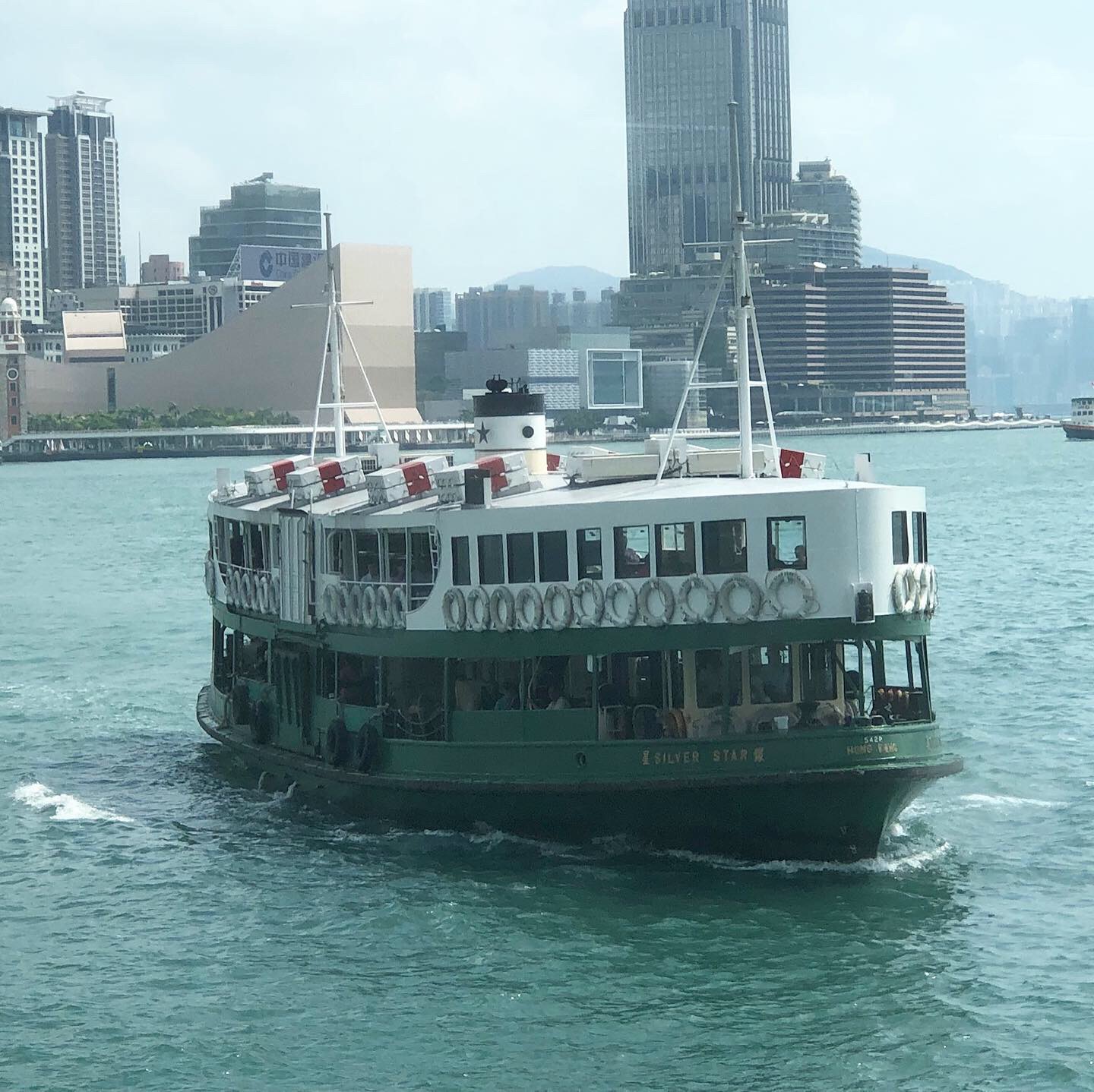
The Star Ferry has been crossing the harbour for decades and is, to my mind, the best way to go from one side to the other.  The trip takes no more than ten minutes and is a pleasant way to travel.  We did this so often as children – there were no cross harbour tunnels or MTR trains in those days.  A vehicular ferry was available to take cars and passengers and on weekends we would often “drive” to Castle Peak or the New Territories and part of the excitement of the day was taking the car ferry!

7BCCD05B-9432-48B7-BB45-C9C8CD321D2F

Kowloon today is so different from the island – it is a mixture of crowds, smells, hustle and bustle, jewellers, hawkers selling copy watches or handbags, tourists galore and shop after shop.  In spite of all this it was lovely to see a couple of colonial buildings preserved and now used as hotels or for retail.

19A3D7E1-1DC2-4FC8-BA1C-5E12E9D2566C

The Peninsula Hotel was another favourite and although the decor has changed, the lobby is still magnificent and the staircase – which featured in every Ball or formal event – is the same.

Towering skyscrapers dominate the waterfront and reclaimed land is making the harbour even smaller – however, I could still find the old Royal Hong Kong Yacht Club which seems to be dwarfed these days.

A bus ride to Stanley is always a great outing.   This little village was a quiet residential area with a small beach and good swimming.  There was also a market where we bought Christmas gifts and local wares. Today it is a really pleasant place to stroll along the waterfront, visit one of a number of cafes or restaurants and, of course, wander through the market.  There is a lot of history here as a Prisoner of War Camp was located in the village during the Japanese invasion of Hong Kong during the Second World War.

2D119B47-53AF-4B17-9EC3-FC8288AEC10D

Blake’s Pier, which used to be in the city and where we met to go out on launch picnics, has been relocated here and is used by many pleasure boats each weekend.

98A50832-2AA0-4B77-89F1-1B1CB862569A

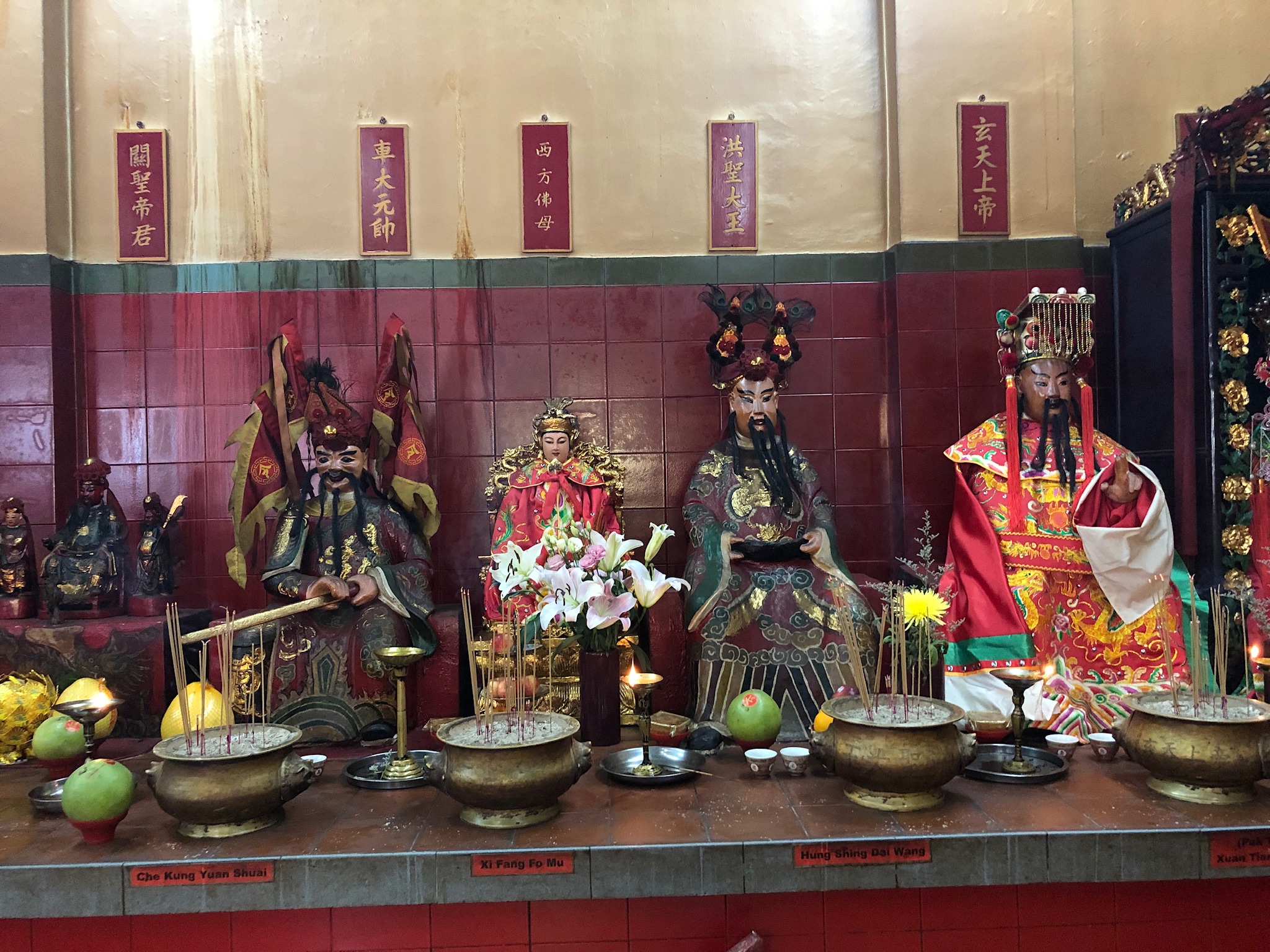
The beautiful little temple of Tin Hau, the Goddess of the Sea, features very much in the lives of local residents here.  On entering the temple the smell of joss sticks and the smoke wallowing all around is almost overwhelming.  There is a row of gods and goddesses on each side of Tin Hau and they seem to be watching you. To see the locals pay their respects and bow and pray is humbling and it is obvious that their beliefs are very strong.

96C5ACBE-BA2A-4B28-A79D-DC1A71A22BF7

3311DFD6-484D-4DD7-B5C5-5014E739D0AF

And finally there is the food – a plethora of choices, any number of cuisines but always present are noodles – oodles of noodles and it is fascinating to watch them being made!

A5744154-51F5-4065-BDF1-EEB22BA50DCE

ORPHEUS ISLAND, WHALES AND CLASSICAL MUSIC

It has been a busy few months since we returned from our road trip and sadly the blog has been neglected.  However, in a couple of weeks we are travelling to Japan for a month and so blogging will, once again, be on the agenda.  Meanwhile I thought I would reflect on a fabulous little trip I took in July to our beautiful Orpheus Island on the Great Barrier Reef.

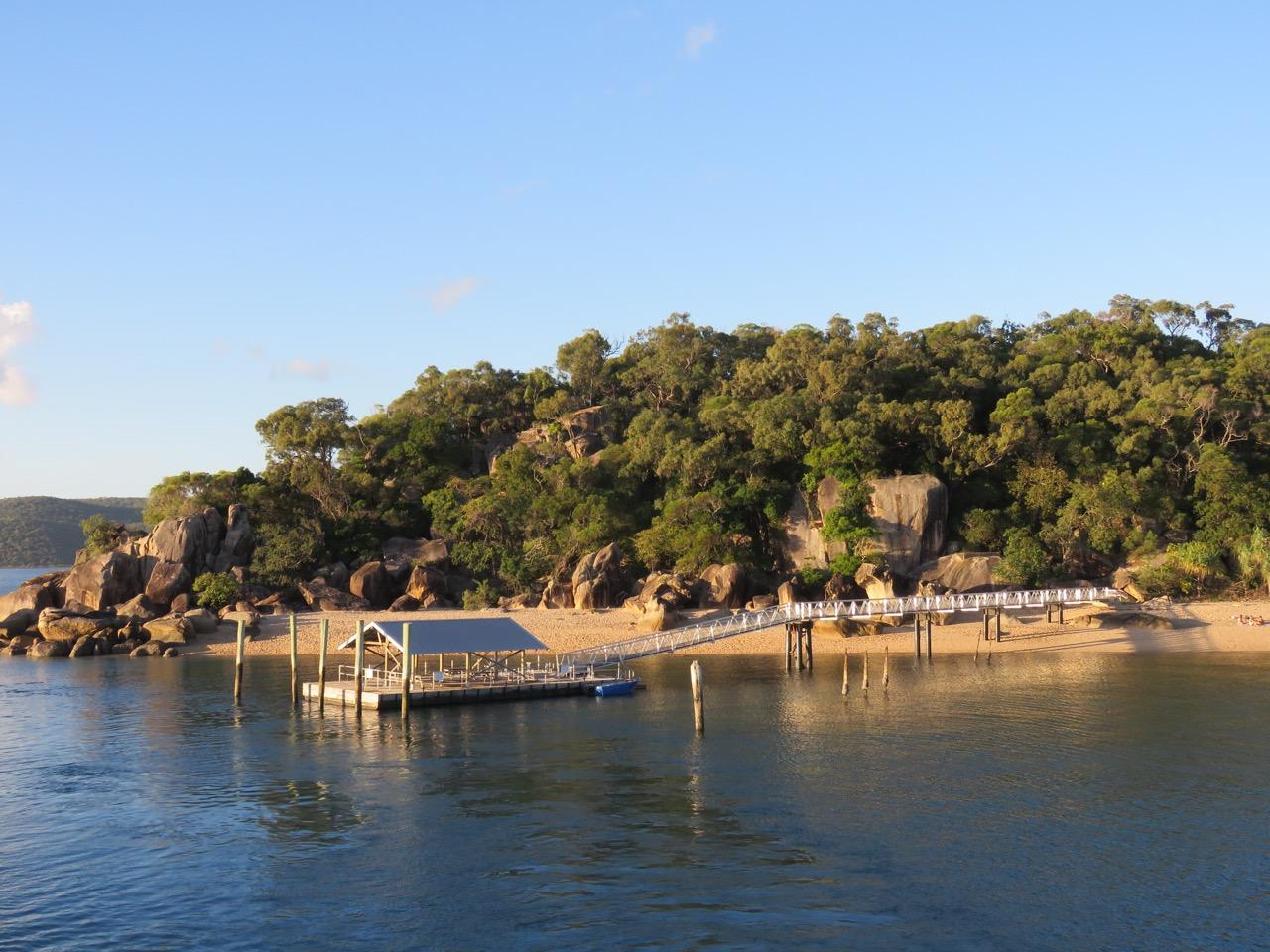
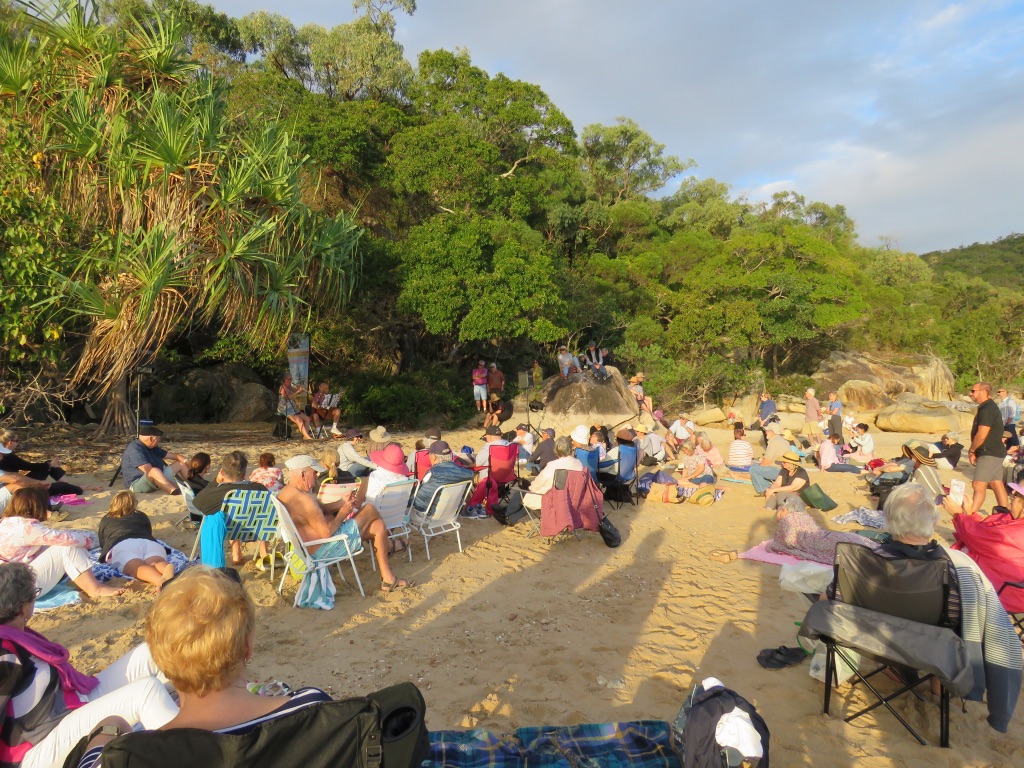
July is a wonderful month here in North Queensland.  It is winter and the weather is glorious with days of around 25C and cool nights.  There are many festivals and events planned for this time of year and one of my favourite is the Australian Festival of Chamber Music ( http://afcm.com.au ).  Now in its 29th year this Festival brings musicians from all over the world to perform here in Townsville in a variety of venues ranging from an intimate space at The Ville for Conversations and Music, to full blown concerts at the Civic Theatre as well as performances in Cathedrals, Schools, on Magnetic Island and even in the street.  A firm favourite, though, is the day trip to Orpheus Island, a small, secluded island in the middle of the Palm Island group about two hours from Townsville.  Here a few musicians play on the beach – their ‘stage’ being between large granite rocks, on the sand and shaded by large trees opposite the ocean with fantastic fringing coral all around. The audience can choose to either sit on the beach or the rocks to listen – or even to swim and watch the whole event from the warm waters of the Reef.

Yanks Jetty.jpg

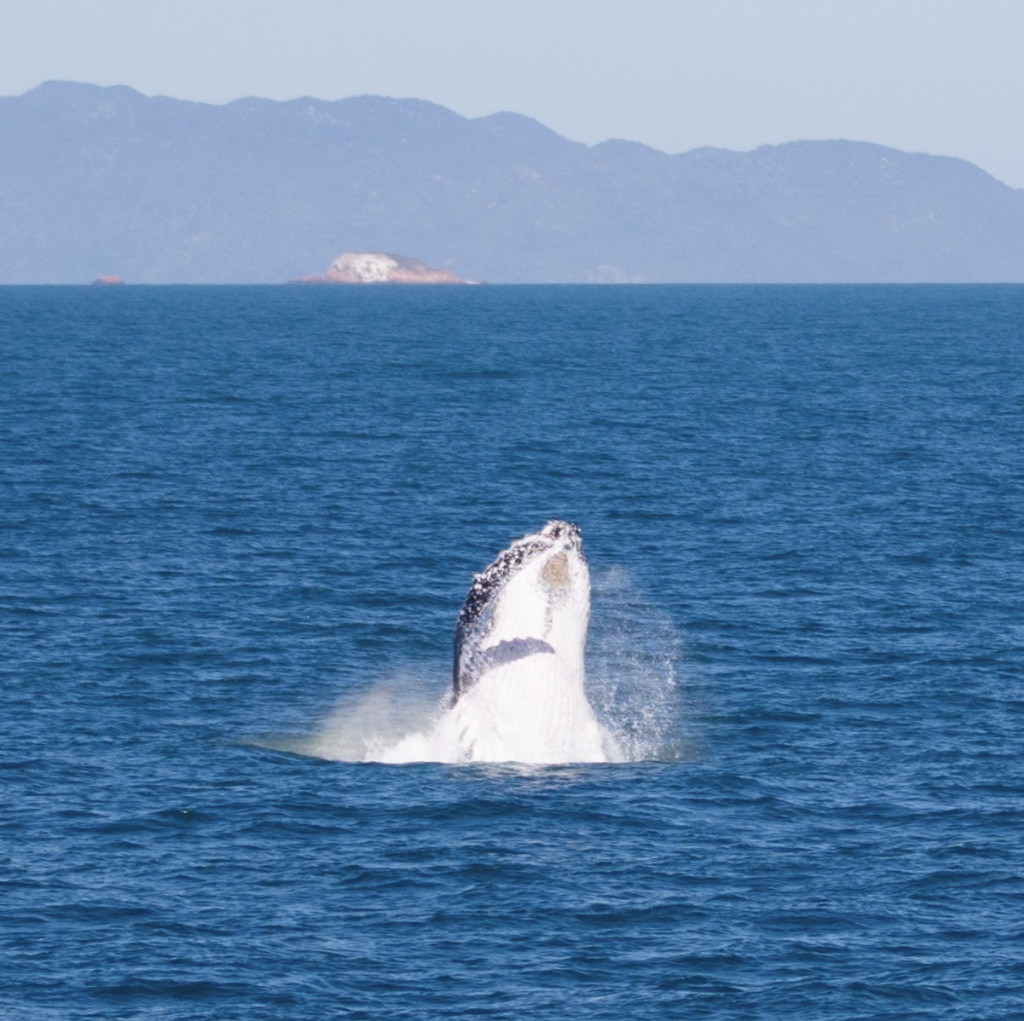
This part of the island is set apart from the very exclusive resort and the ferry arrives at Yanks Jetty onto the small beach at Hazard Bay. The trip across from Townsville passes several small islands, mostly uninhabited, and it is here that we watch for whales.  The Humpbacks come to this region every year to calve and fatten up the babies before returning to Antarctica in November to spend the summer months there.  This year was no different, we were lucky to see three of these magnificent creatures.

UNADJUSTEDNONRAW_thumb_97f.jpg

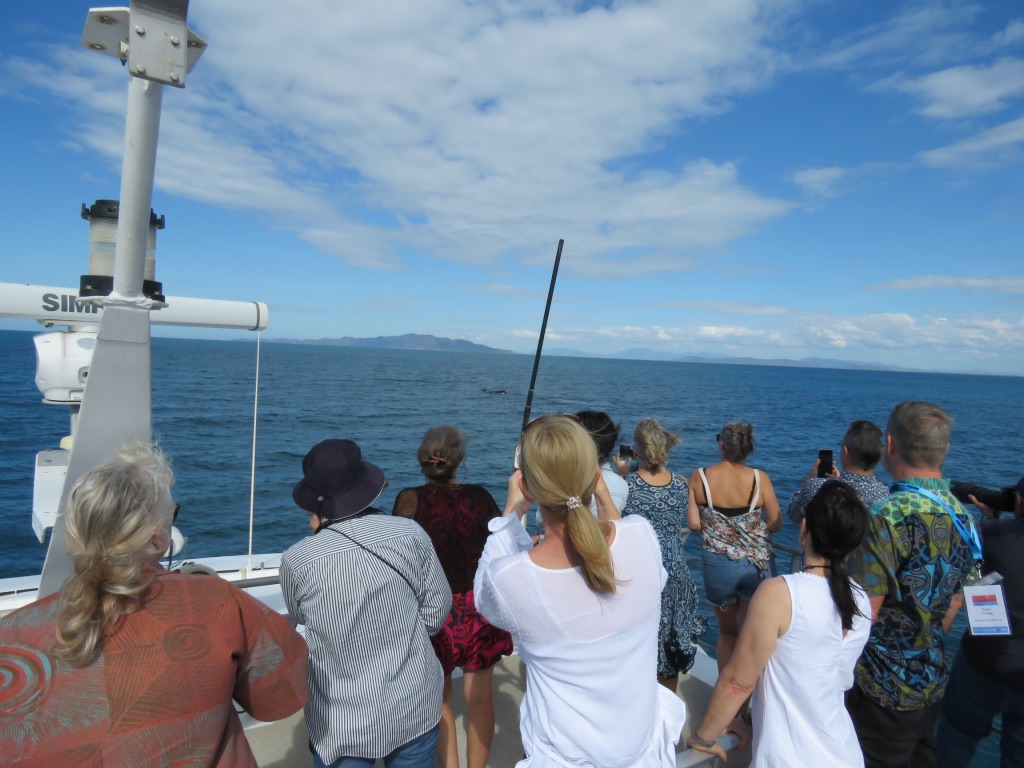
Excitement builds and everyone goes onto the top deck to try and spot the mother and calf – then suddenly she is there, right in front of you!

8iwYgyabSISf6m0gybrtYw_thumb_9bc.jpg

UNADJUSTEDNONRAW_thumb_9c1.jpg

RZCz27VsQUqR3awQmZjSug_thumb_9f3.jpg

6+boDU55TZmYeKXelUpk%w_thumb_9f2.jpg

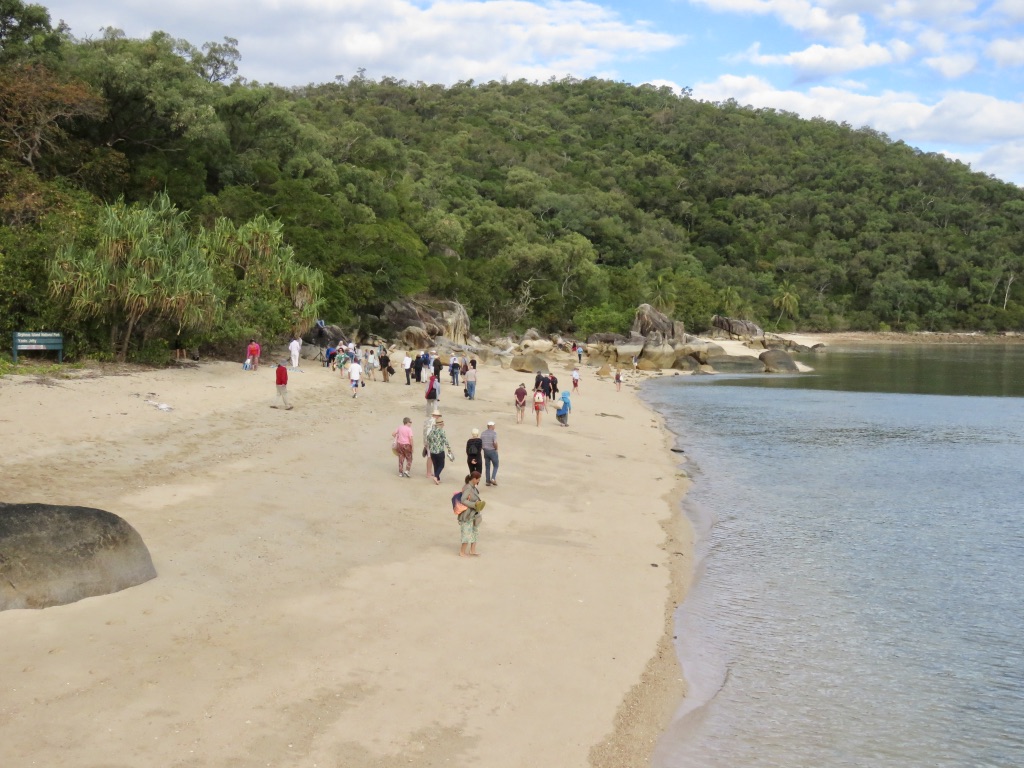
It is hard to leave the whales but the Captain has to start up the motors and continue on to our destination.  After all, we were all there for the concert (as well as the whales!). Once at the island everyone wanders onto the beach and selects a spot to sit – either in the shade or in the sun and just relax.

YfSUXWEbROeXz4pWQR885Q_thumb_9b2.jpg

UNADJUSTEDNONRAW_thumb_998.jpg

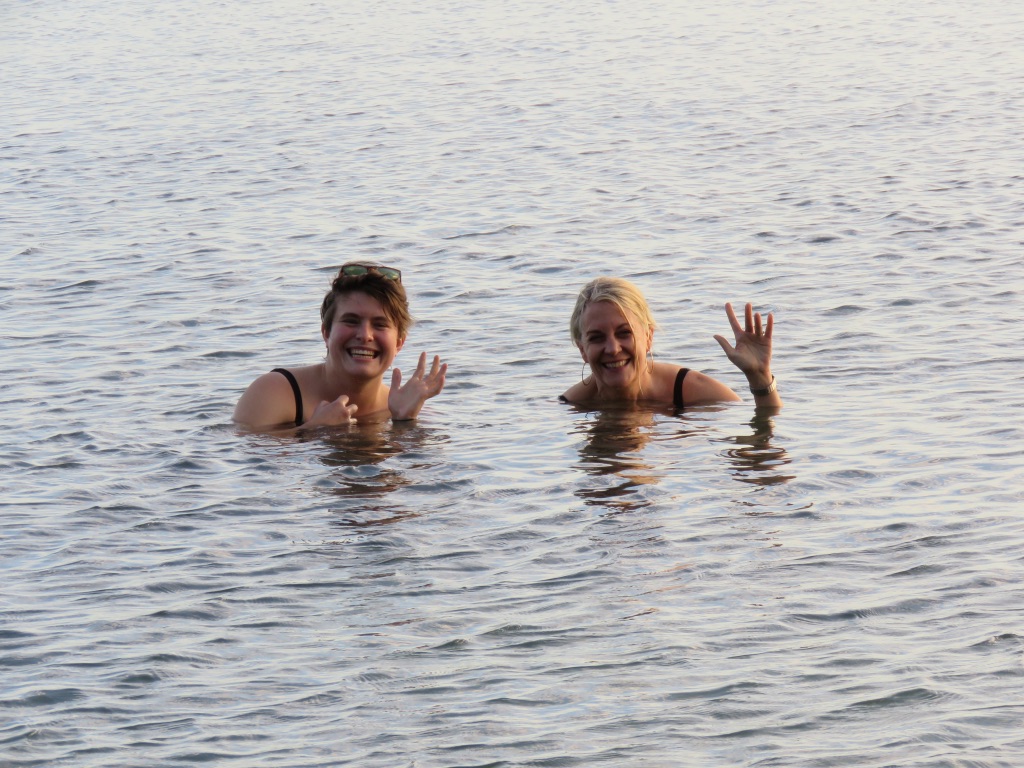
Some decide to swim or snorkel  – but for me, having lived in the tropics for a long time, it was a bit chilly this year!

UNADJUSTEDNONRAW_thumb_947.jpg

Among the performers was Wu Man – who played an ancient Chinese instrument called the Pipa – note the improvised music stand!

UNADJUSTEDNONRAW_thumb_96f.jpg

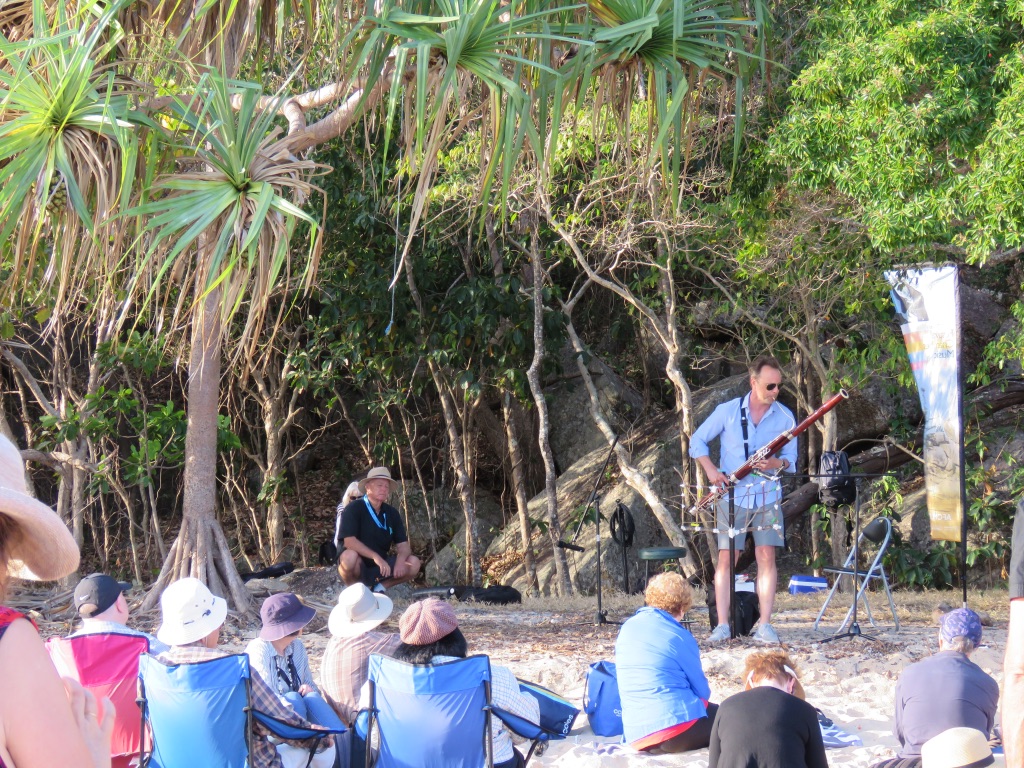
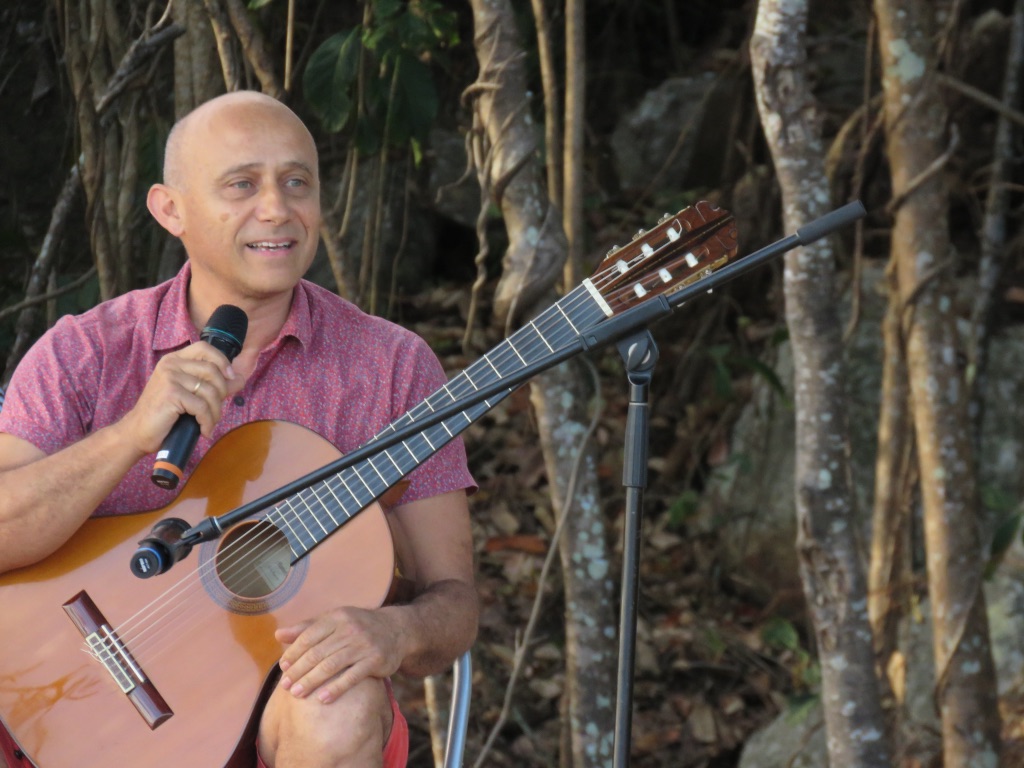
Rachel Clegg played the oboe, Roberto Carillo-Garcia was a dream on the guitar, Sally Walker was on the flute and Martin Kuuskmann played the bassoon. They were all excited about this unusual venue for the concert and loved the informality of it all.

UNADJUSTEDNONRAW_thumb_978.jpg

UNADJUSTEDNONRAW_thumb_981.jpg

UNADJUSTEDNONRAW_thumb_971.jpg

UNADJUSTEDNONRAW_thumb_997.jpgUNADJUSTEDNONRAW_thumb_9a5.jpg

UNADJUSTEDNONRAW_thumb_988.jpg

For these musicians, who hailed from the UK, Canary Islands, China/USA and Estonia/USA, the whole experience was one they will never forget.UNADJUSTEDNONRAW_thumb_9b0.jpgUNADJUSTEDNONRAW_thumb_9a2.jpg

Imagine sitting on a rock to listen to world class musicians! Or testing the water before you settle down to sublime music….

UNADJUSTEDNONRAW_thumb_965.jpg

Last year even the artists themselves couldn’t resist the water

IMG_9028.jpg

IMG_9054.jpg

IMG_0694.jpg

Finally it is time to board the boat and head back to town – along the way a fabulous dinner is served along with fine wines and small, tasty desserts.

UNADJUSTEDNONRAW_thumb_99a.jpgsByj2OtaTvO3ZC+mU2hqfA_thumb_958.jpg

Farewell Orpheus – until next year!

FROM THE OUTBACK TO THE COAST AND HOME


UNADJUSTEDNONRAW_thumb_912.jpg

Our last leg before home and quite a few kilometres to put in front of us yet but the roads are straight and there is little traffic compared to the coast road, so it is easier driving. We take breaks very couple of hours and at Coonamble stopped for a picnic by the (dry) river which was one of our favourite meals – sushi and sashimi from a sushi bar in Dubbo.

Bgl2hV3GRG+Luw%MP4HcSg_thumb_911.jpg

Country folk are proud of their towns and so many in this area have large, ugly wheat or grain silos by the side of the road.  One way to brighten up the vista is to engage an artist to create “Painted Silos”.  One very good example is at Weethalle where the art beckons you almost from the horizon!

UNADJUSTEDNONRAW_thumb_90d.jpg

It would be worthwhile doing a road trip just checking out all the painted silos!

On the Queensland border we found a typical outback pub – corrugated iron and hitching rails but with so much character.  This one is at Hebel and there were several old timers contemplating the world problems over the never ending glasses of beer!

t2J8IYl0RFmS8fzQ97Bn%A_thumb_919.jpg

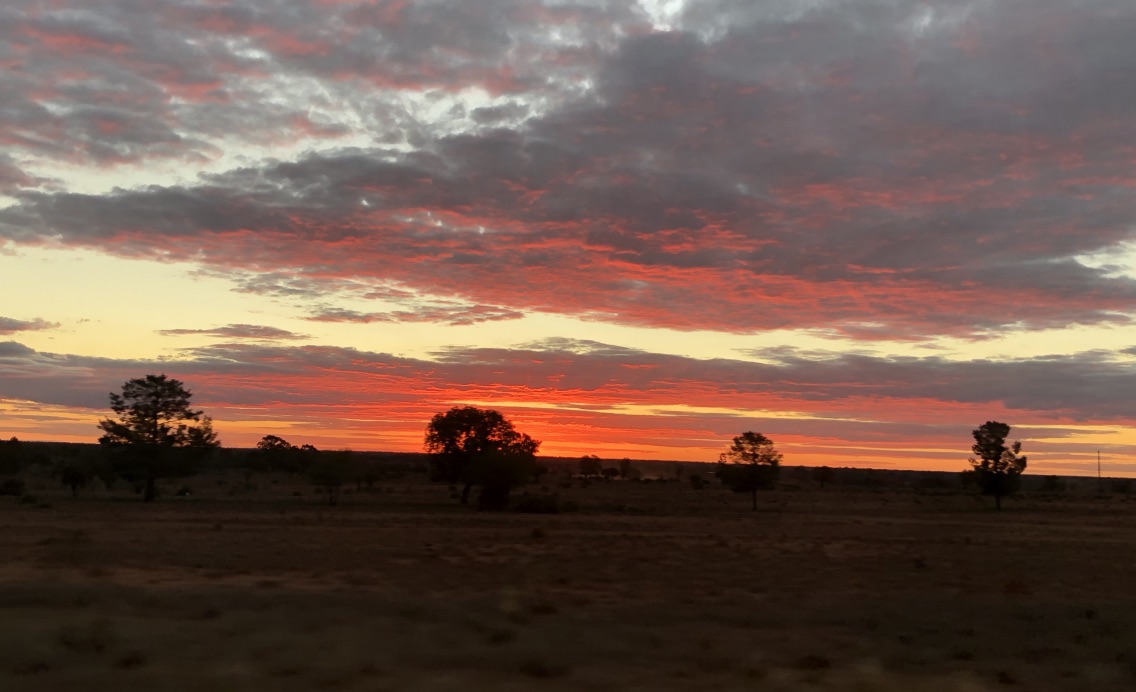
Soon it became dark and this always poses a problem whilst driving in the country as the kangaroos, wallabies, goats and sometimes pigs wander onto the sealed road or are attracted by the car lights.  There is always road kill at the side of the road so the message is “don’t drive at night” .  Nevertheless the sunsets in the outback are glorious and this one was no different.

UNADJUSTEDNONRAW_thumb_915.jpg

The clouds seemed to set the horizon alight, everything was still and it was total magic watching the colours change quite quickly before the sun dipped over the horizon altogether.

RwyKVhKQSAG8+5dlXE1xhA_thumb_917.jpg

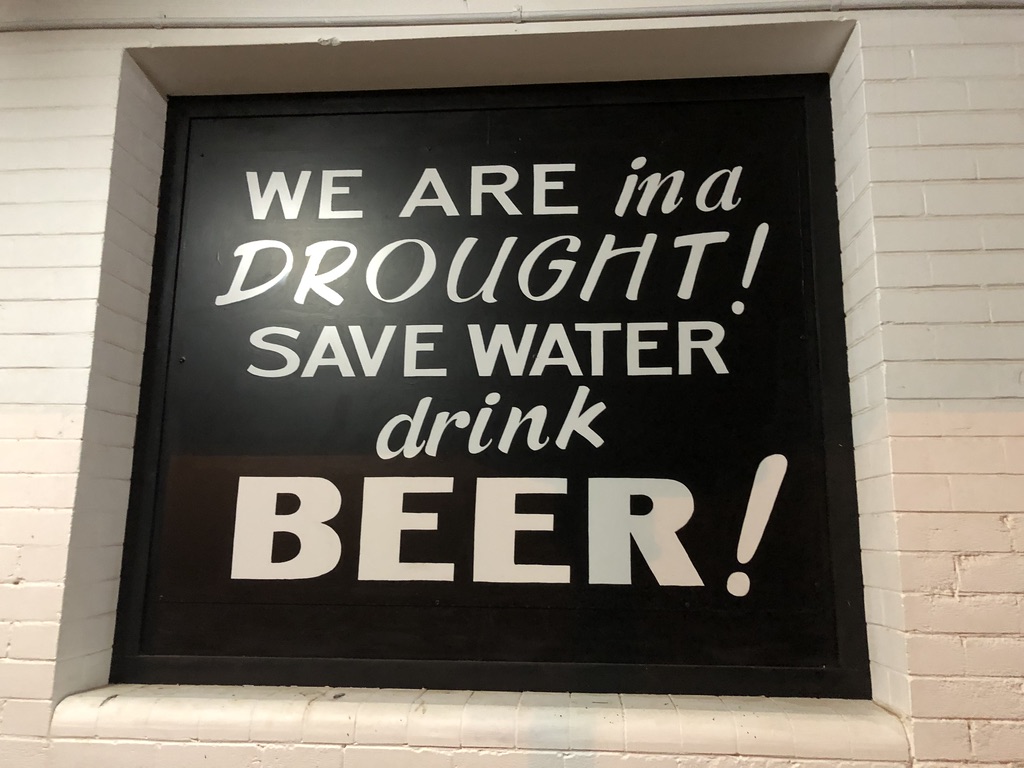
We spent the night in St George and had dinner at the local pub where the message was very clear to all and sundry

UNADJUSTEDNONRAW_thumb_918.jpg

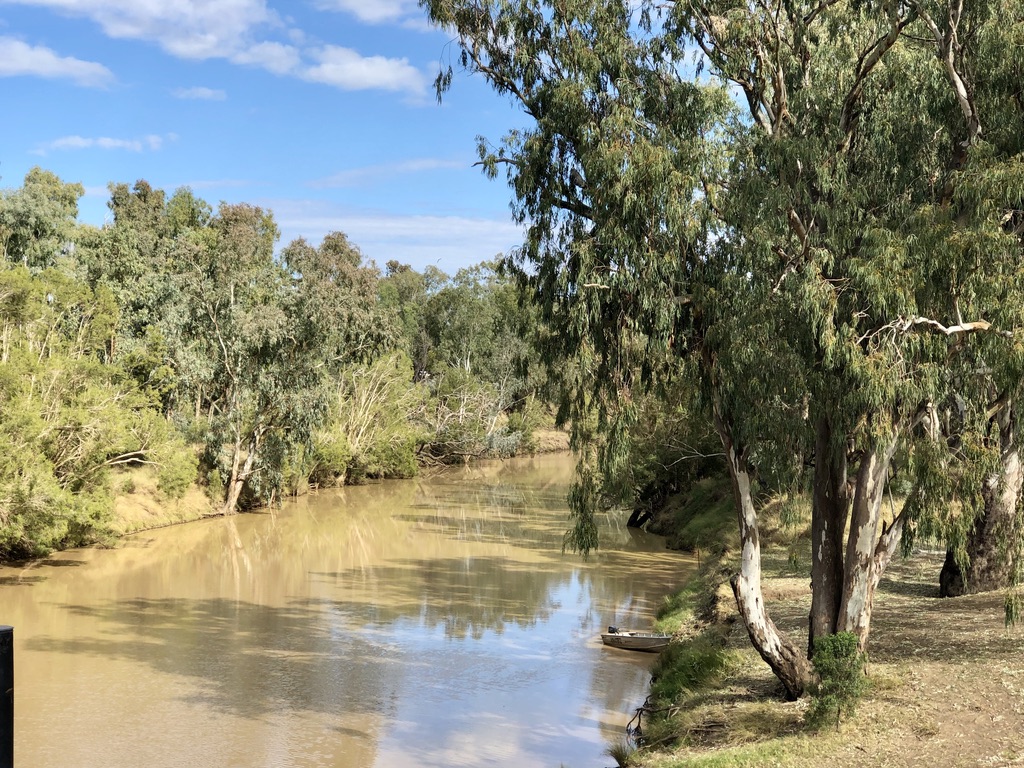
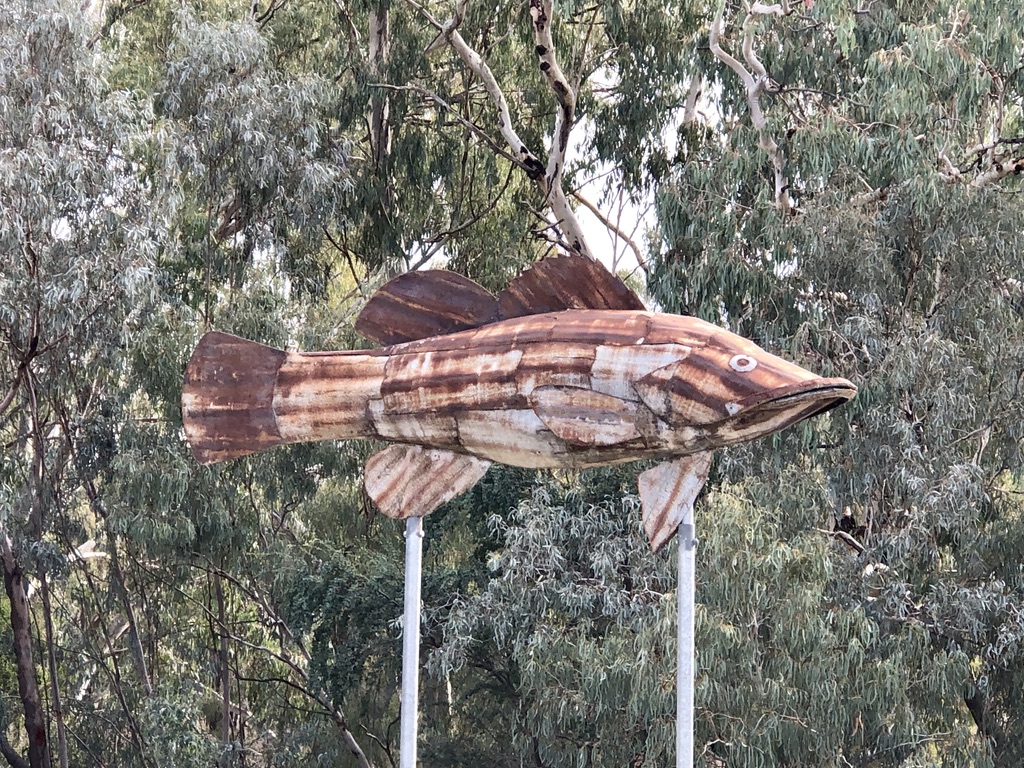
The next day we had a short break at Surat – a small rural town on the Balonne river and which has become known for its fishing and its park along the banks of the river.

UNADJUSTEDNONRAW_thumb_927.jpg

UNADJUSTEDNONRAW_thumb_922.jpg

UNADJUSTEDNONRAW_thumb_923.jpg

The area around is scenic and there are vast reserves of oil in the Surat Basin – as the website states: “Hydrocarbons in this part of the Surat Basin are generated in the underlying Bowen Basin Permian sequence and are liquids rich.  Oil is also trapped in the Triassic age Showgrounds Sandstone and in the Jurassic Age Evergreen Formation. It is estimated that the “potential recoverable resources” are between 200,000 and 300,000 barrels.” 

aE6u3gcKQFmbNdRS25d6pA_thumb_928.jpg

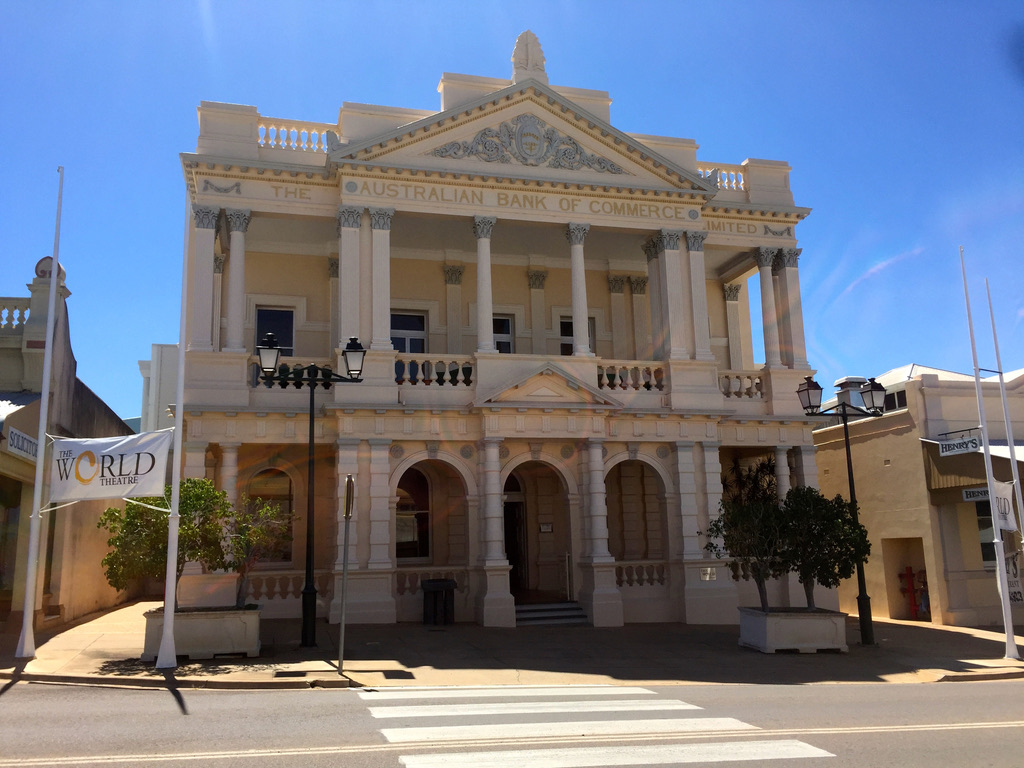
Our final stop just before we reached home was in the historic town of Charters Towers.  Beautiful heritage buildings line the main street and this is where the first stock exchange in Australia was built in 1888 and is indicative of the rise and fall of fortunes in the Charters Towers goldfields.  Today it is an Arcade of shops and cafes and is a perfect spot for a light lunch before resuming one’s journey.

IMG_4597

UNADJUSTEDNONRAW_thumb_92f.jpg

It has been a wonderful trip and an eye opening insight to the vastness of Australia.  We covered 17,500kms in just 7 weeks and yet there is more to see and experience.  What will remain foremost in our minds are the long, straight roads, the vast open country, rolling hills and fertile farmlands, cotton balls by the side of the road in the cotton growing area, the never ending sunsets both on the coast and in the outback, the Nullarbor cliffs and coastline, oysters and seafood, road trains and fabulous Kakadu  as well as all the Aboriginal history throughout the whole country. There are termite mounds by the thousands, millions of sheep and lambs, wallabies and wildlife and, of course, the fabulous little country towns and the welcoming people in every place.  This is Australia!

I can’t wait to go again!


ON THE ROAD WITH MORE VINES AND OLIVES

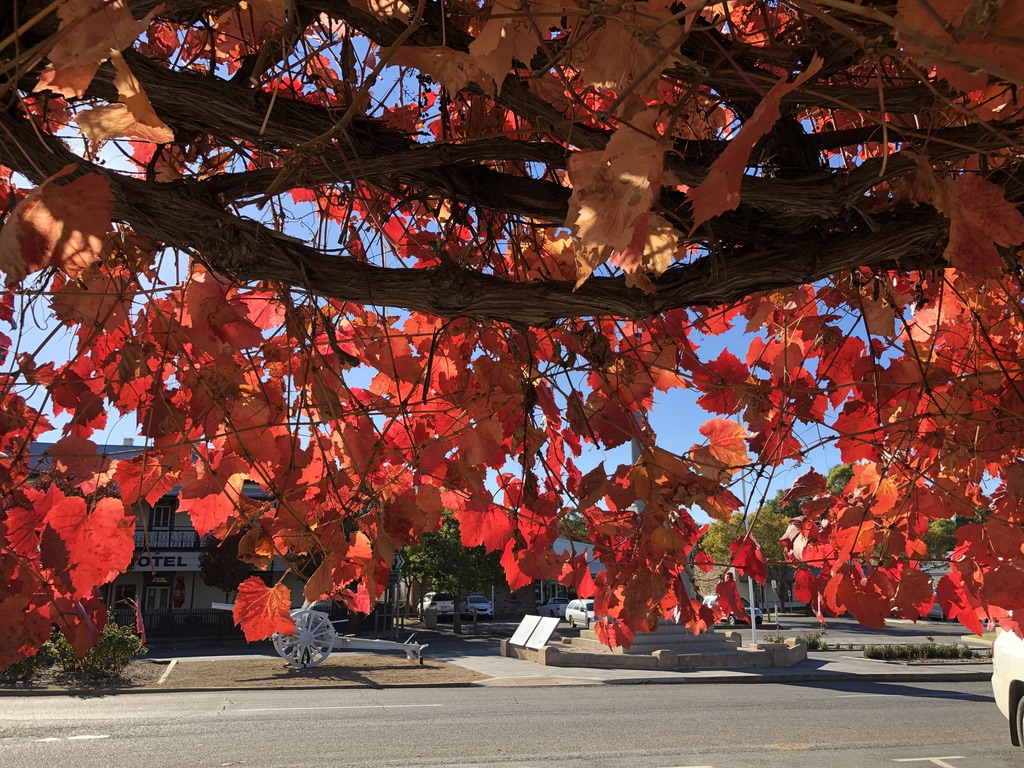
The Road Trip continues with over 14,000kms clocked up so far, we are feeling a little weary but still eager to discover and revisit places in South Australia.  Heritage towns definitely appeal and so we stopped at Burra – a small pastoral town in the mid north. It began as a mining township in 1851 and at one time supplied 5% of the world’s copper for 15 years. People came from Cornwall, Wales, Scotland and Germany  to work in the mines which closed in 1981.  It is a beautifully preserved town and it is here that the Burra Charter was adopted – this outlines the best practice standard for cultural heritage in Australia.

UNADJUSTEDNONRAW_thumb_8ec.jpg

Beautiful autumn colours are everywhere.

UNADJUSTEDNONRAW_thumb_8ed.jpg

The parks and gardens are relaxing and well maintained and tiny old miners’ cottages surround the lake in the middle of town.

UNADJUSTEDNONRAW_thumb_8ee.jpg

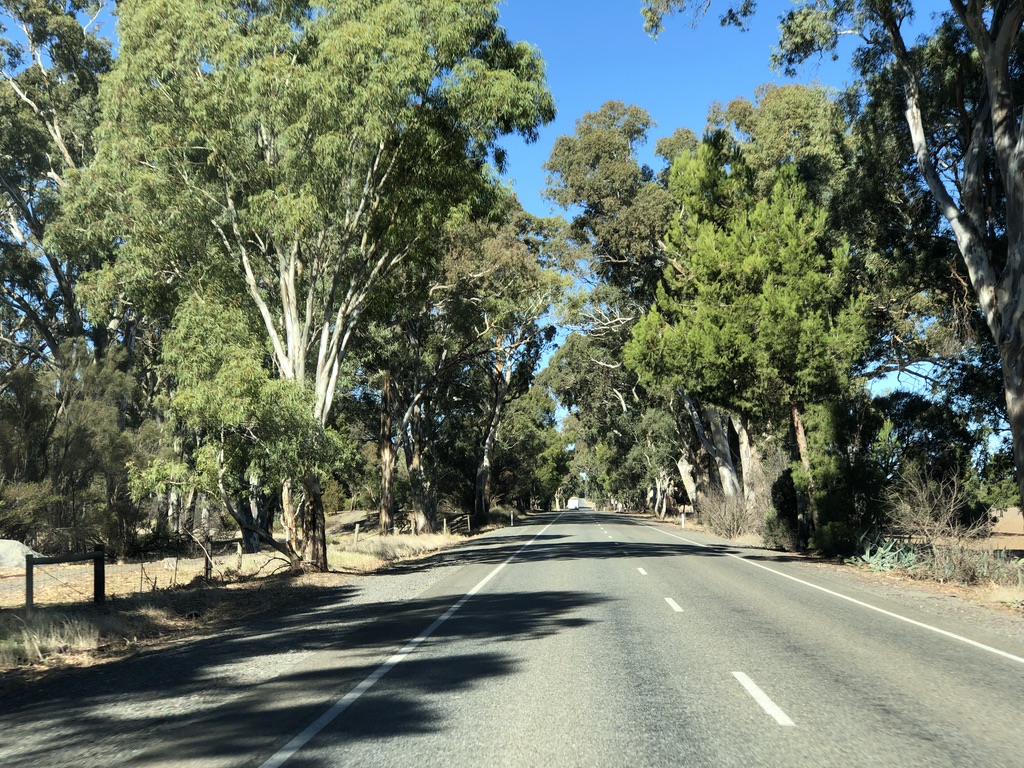
As we drove on the farming practices changed from wheat and sheep to vines and olives.  Beautiful trees line the highway and it is hard to believe this is the main thoroughfare to the city of Adelaide.

UNADJUSTEDNONRAW_thumb_8ef.jpg

Another pretty little town is Myponga – a very strange name and not easily forgotten!  Here we have a friend who grows olives and makes the most delicious olive oil and it is always a treat to visit.

UNADJUSTEDNONRAW_thumb_92e.jpg

UNADJUSTEDNONRAW_thumb_92d.jpg

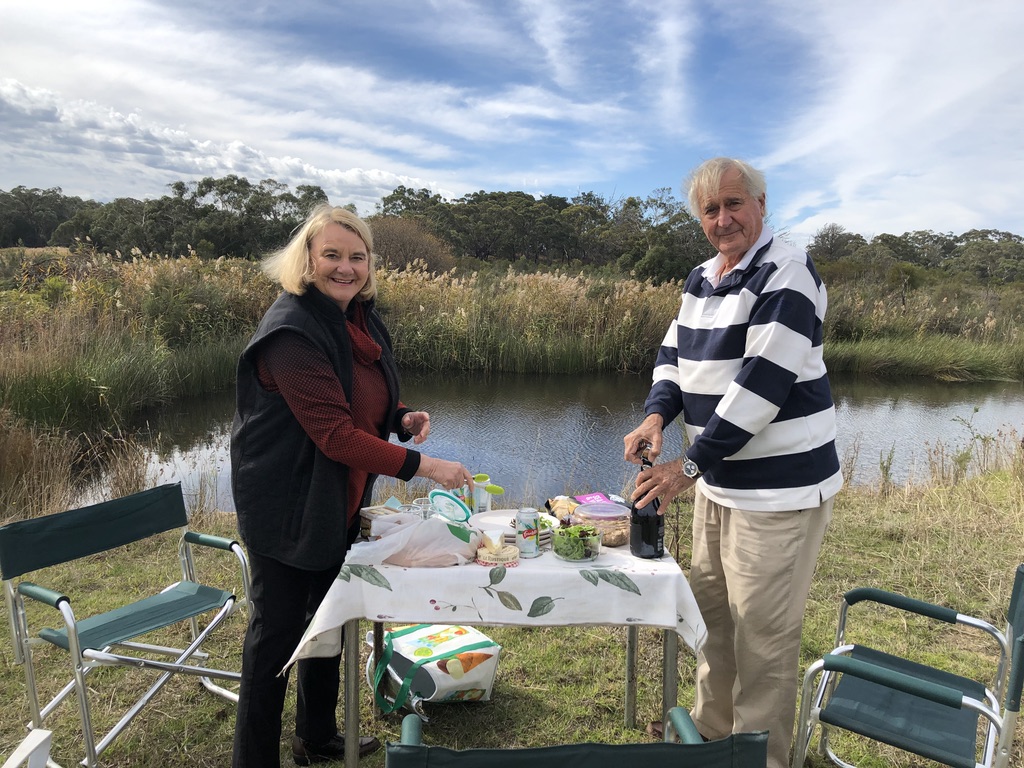
This time we had a picnic by the newly named Lake John – in memory of an old friend who loved this farm and is no longer with us.

UNADJUSTEDNONRAW_thumb_8f3.jpg

UNADJUSTEDNONRAW_thumb_8f5.jpg

Delicious fare of cold chicken, salads, cheeses and, of course, olives!

Not far from Myponga is the attractive little town of Victor Harbour which is on the coast and where, from the waterfront, horse drawn trams cross the causeway to Granite Island, home to a wild penguin colony.

k+S6CYuURISCXoVaoCALkQ_thumb_8f9.jpg

The beach is covered in seaweed at this time of year – perhaps another gourmet experience if it could be harvested and marketed for our palates!

zJ8Jh+KpRZ+deVQ8X+D7qA_thumb_8f8.jpg

However, the parks and beaches are wonderful for recreation and relaxation.

UNADJUSTEDNONRAW_thumb_8fa.jpg

UNADJUSTEDNONRAW_thumb_8fc.jpg

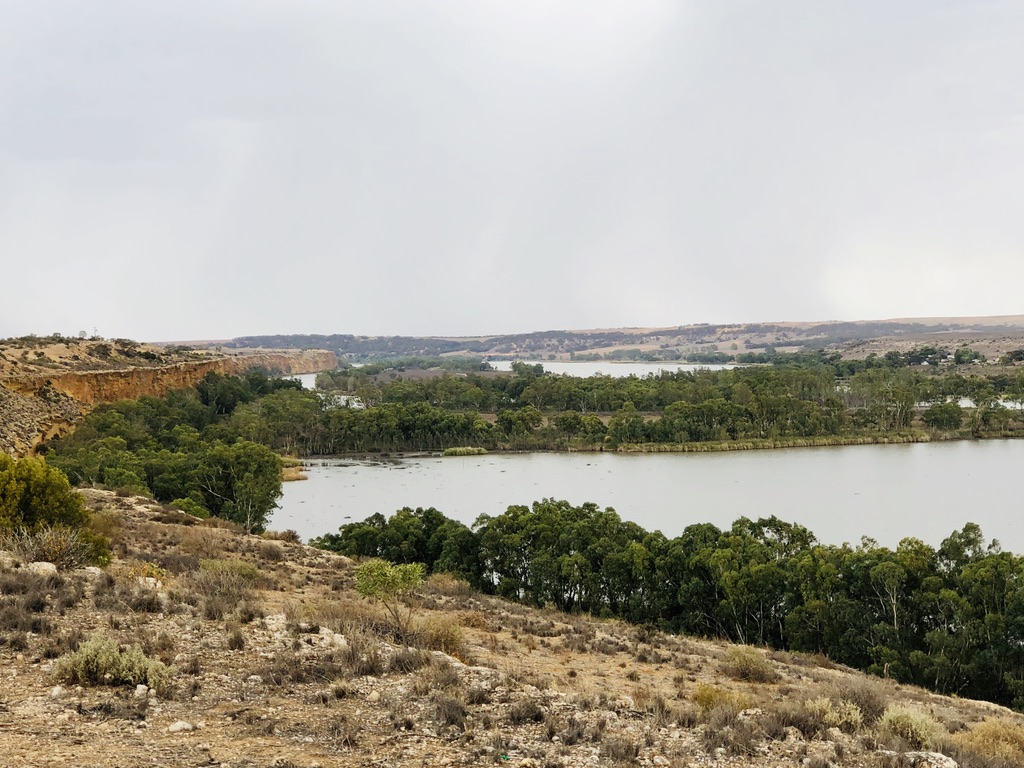
It was time to start heading north again and this time we drove along the Murray River seeing the views from the cliffs rather than on the water as we had done in a houseboat three years ago.

UNADJUSTEDNONRAW_thumb_902.jpg

c0qgQXbrTLCfi%6tNOEXsg_thumb_900.jpg

When it came time for a break we stopped at the river’s edge for a picnic and enjoyed the peace of the river and the birds.

UNADJUSTEDNONRAW_thumb_904.jpg

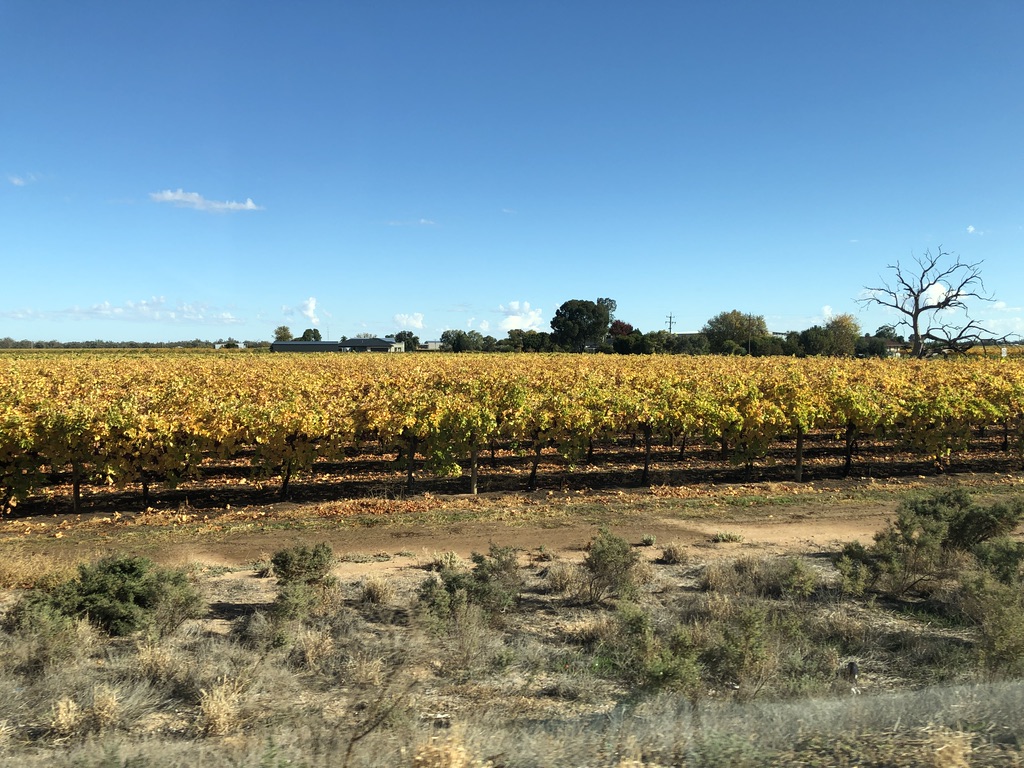
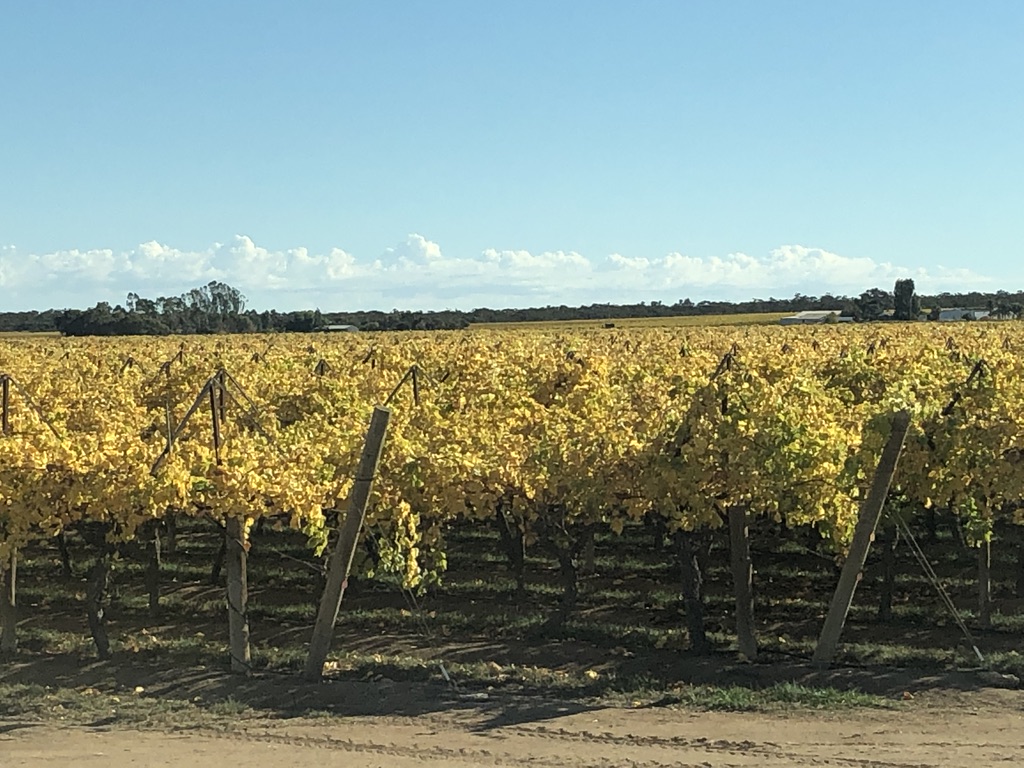
As we came closer to the New South Wales border, once again vines appeared and there were acres and acres of them as well as orchards and fruit processing plants.

UNADJUSTEDNONRAW_thumb_906.jpg

UNADJUSTEDNONRAW_thumb_908.jpg

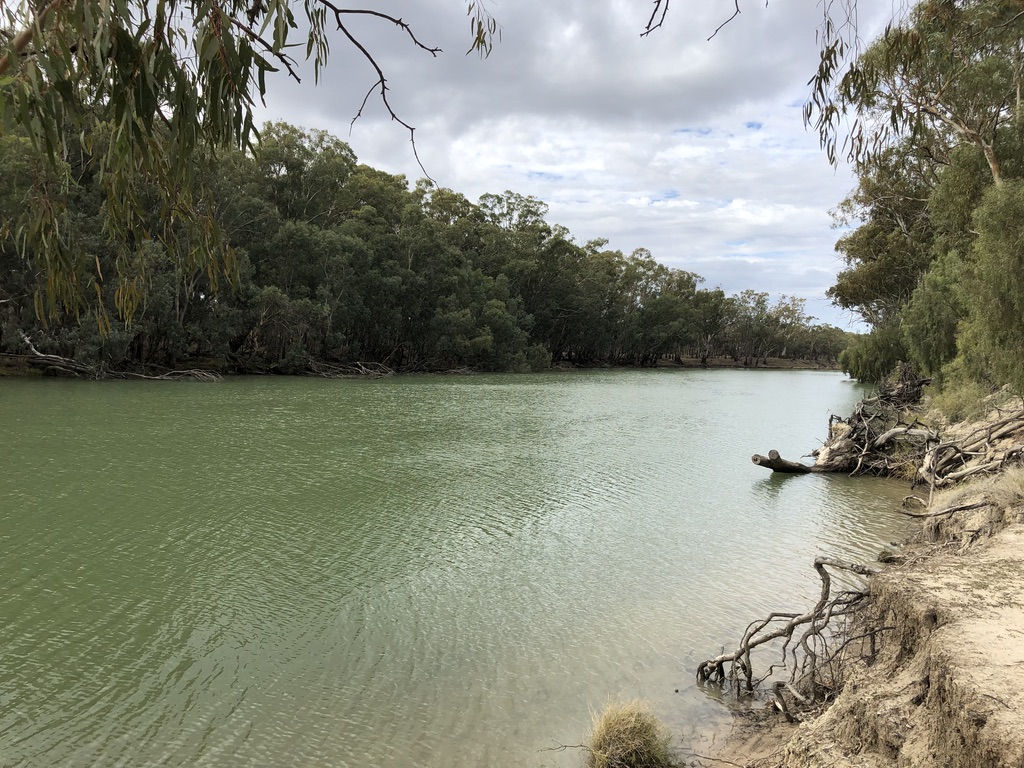
This area is home to the Murrumbidgee river, a major tributary of the Murray River and the second longest in Australia.  We found another quiet spot for a break here.

UNADJUSTEDNONRAW_thumb_90a.jpg

UNADJUSTEDNONRAW_thumb_90b.jpg

Now we are on the last leg of our trip and home beckons – but we have more than 1,350kms to go!


FROM OYSTERS TO VINEYARDS

UNADJUSTEDNONRAW_thumb_8d9.jpg

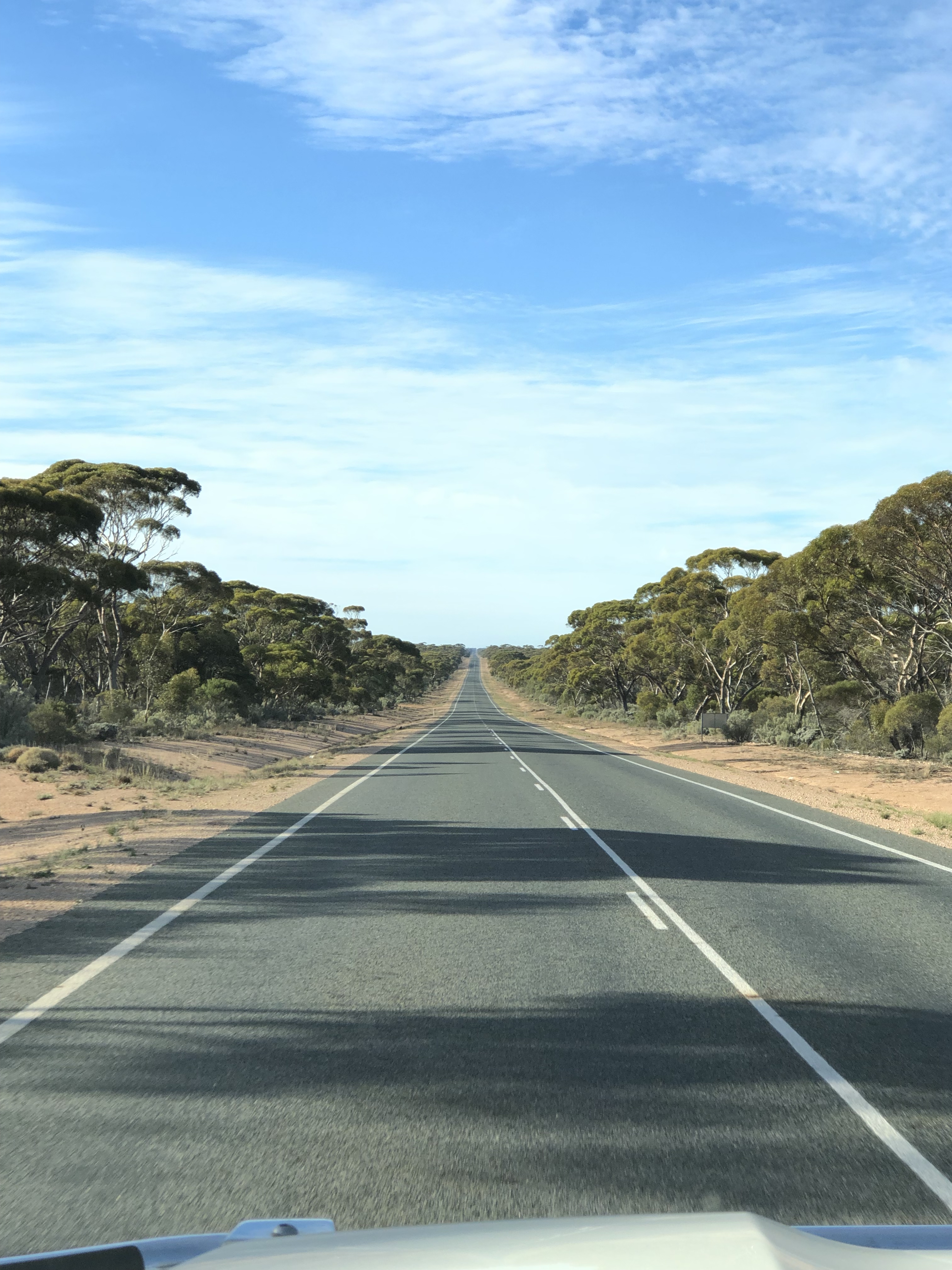
Another long, straight road awaited us for the next leg of the road trip – this time to finish with the Oyster Trail and get on to the vineyards.  A nice combination – oysters and wine!

Last stop on the Oyster road is Cowell – a pretty little town on the eastern side of the Eyre Peninsula and situated on Franklin Harbour. The waters are sheltered and are very popular for fishing – and oysters.  We found a shack close to the jetty which supplies oysters to various outlets in the town.  On entering we found the proprietor busy shucking the oysters which had just come in from the bay – so without further ado we purchased a couple of dozen and together with fresh lemons and in a cardboard box, we found a table in the park and indulged for lunch!  The verdict?  Excellent!

ZVruG8a7Ro6hdHDQW+sjMA_thumb_8c3.jpg

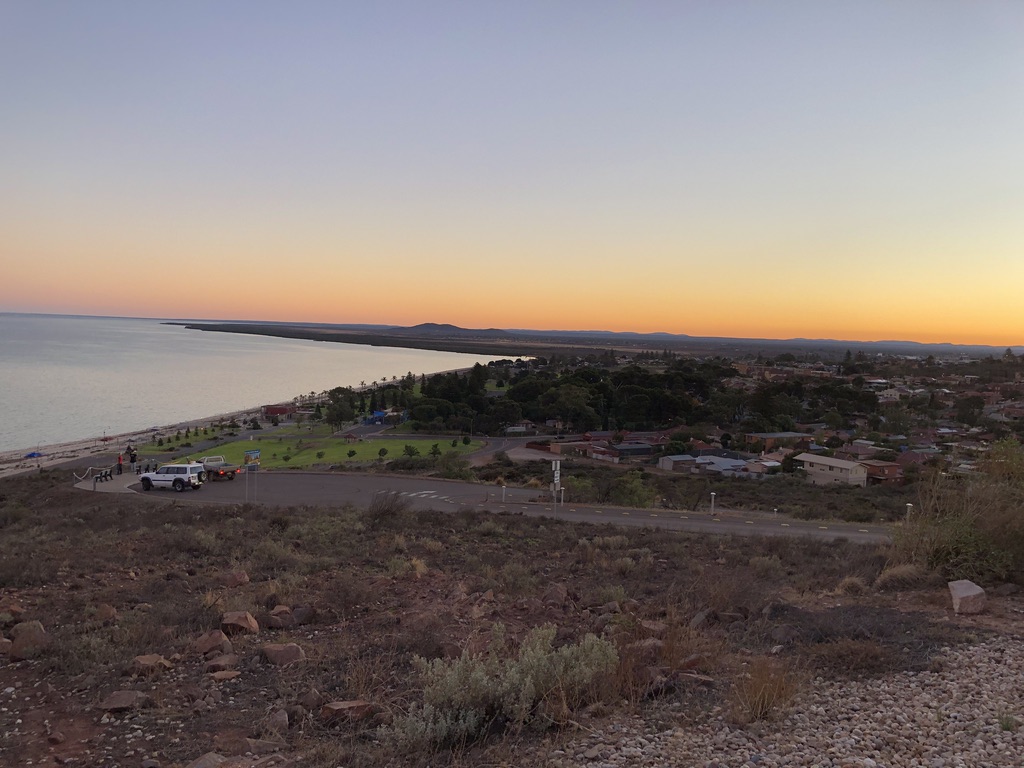
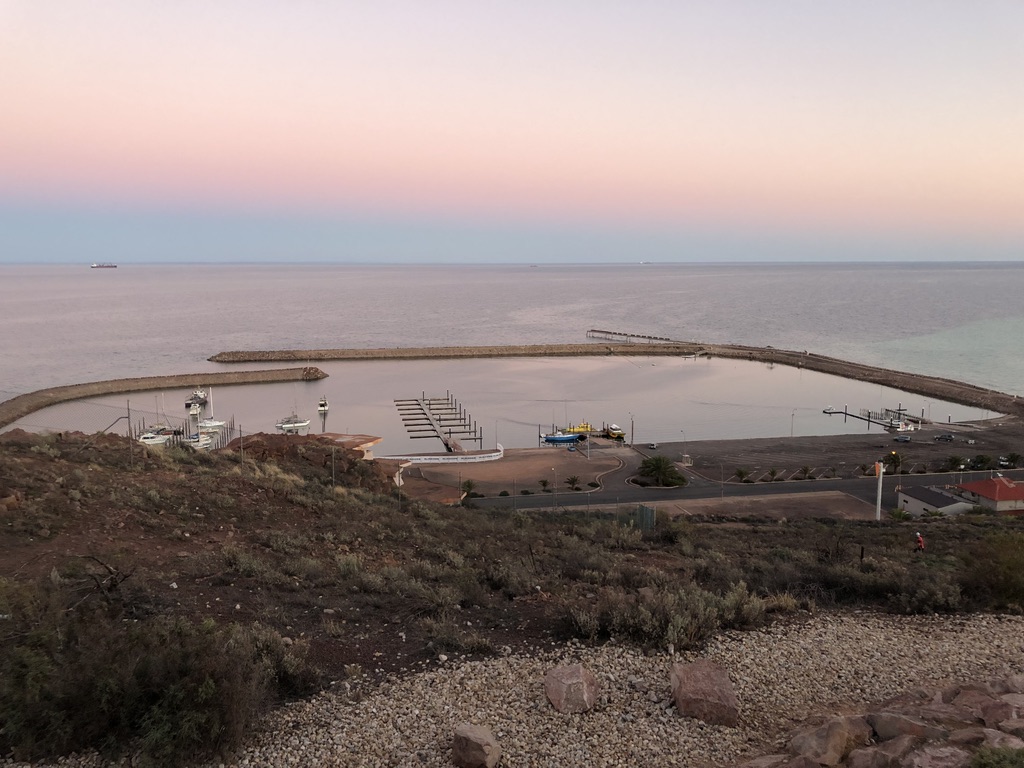
Our overnight stop on the way to the Clare Vallety Vineyards was the port town of Whyalla.  Named Hummock Hill in 1802 by Matthew Flinders, the town’s name officially changed to Whyalla in 1902 which is an Aboriginal name possibly meaning “water place”.  The steel industry here is over 100 years old but fishing is also of primary appeal. We were there just before sunset and went up to Hummocks Hill – a local lookout – to witness the change of colours.

UNADJUSTEDNONRAW_thumb_8da.jpg

UNADJUSTEDNONRAW_thumb_8db.jpg

UNADJUSTEDNONRAW_thumb_8dc.jpg

UNADJUSTEDNONRAW_thumb_8dd.jpg

The next day the road was clear and, for a lot of the way, was backed by the beautiful Flinders Ranges.

UNADJUSTEDNONRAW_thumb_8de.jpg

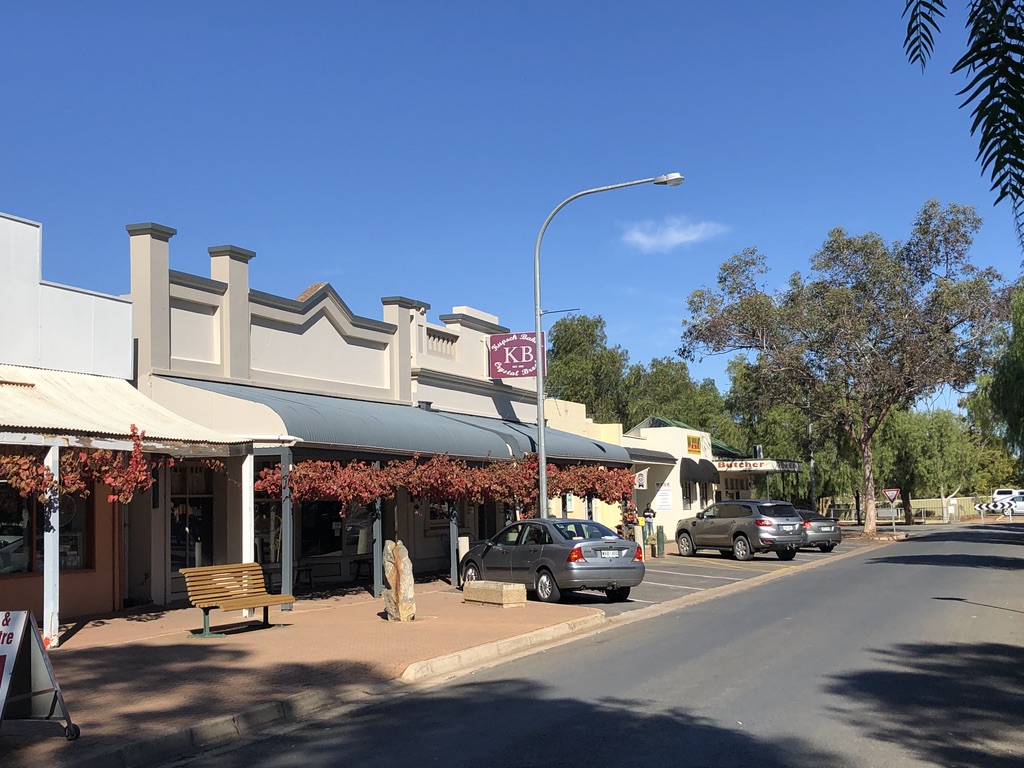
We drove through many little towns and villages but the one which captured us was Crystal Brook.  This quiet rural service centre is in the heart of South Australia’s most productive sheep and wheat country and has retained its charming historical links.

UNADJUSTEDNONRAW_thumb_8df.jpg

UNADJUSTEDNONRAW_thumb_8e0.jpg

UNADJUSTEDNONRAW_thumb_8e1.jpg

Beautiful shady peppercorn trees line the main street and there are several art pieces in iron, reminders of the part the camels played in this part of the country in the early years.

UNADJUSTEDNONRAW_thumb_8e2.jpg

IMG_4488

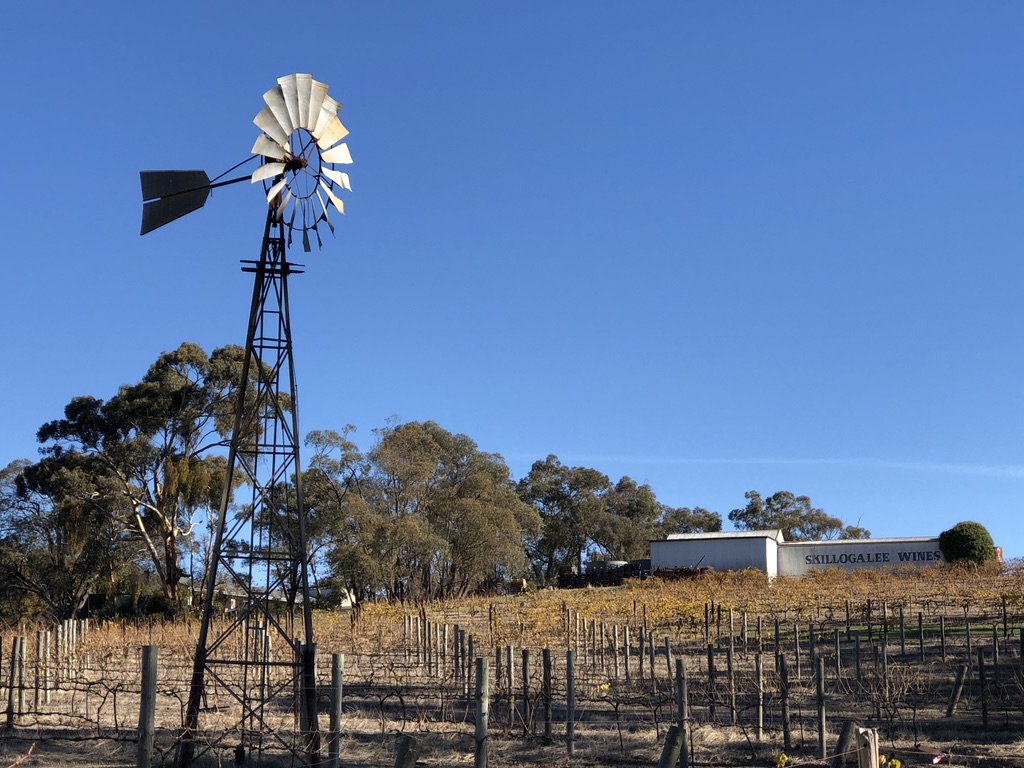
The Clare Valley is one of Australia’s oldest wine regions where there are heritage towns, boutique wineries, galleries and beautiful scenery.  We had booked lunch at the Skillogallee Winery where we had been before.  The vineyards here are resting – grapes picked and wine made but the vineyards still looked beautiful.

%gAxGg+fTt6jpa%M20OSLw_thumb_8ea.jpg

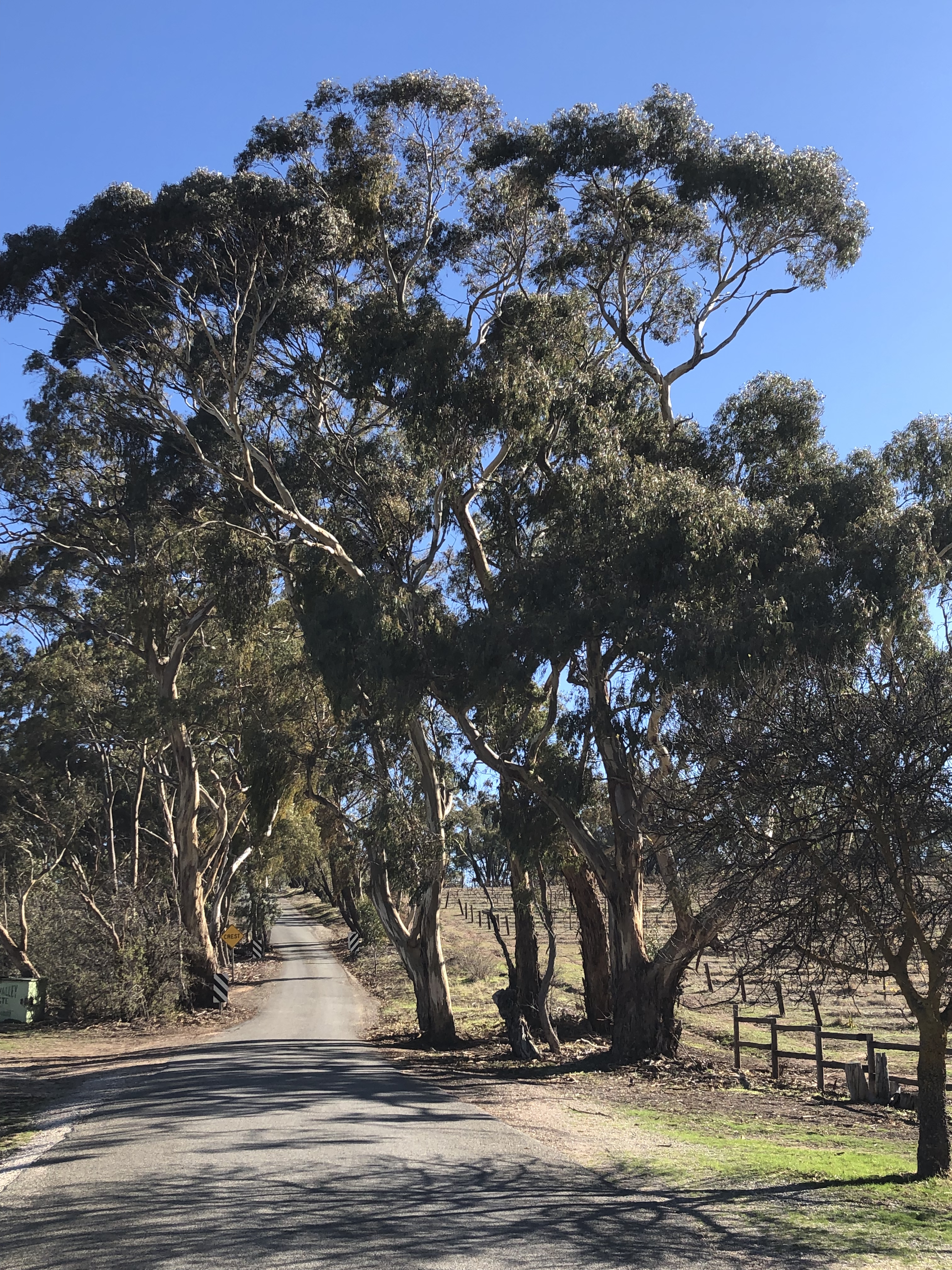
The road to the boutique winery is shady and winding at the end of which is the restaurant which seats both indoors as well as in the garden.

IMG_4495

UNADJUSTEDNONRAW_thumb_8e5.jpg

The menu features local produce with wine suggestions matched with each dish. Unable to resist the sashimi, I had, yet again, fabulous South Australian Kingfish and tuna served in a very artistic way.

UNADJUSTEDNONRAW_thumb_8e4.jpg

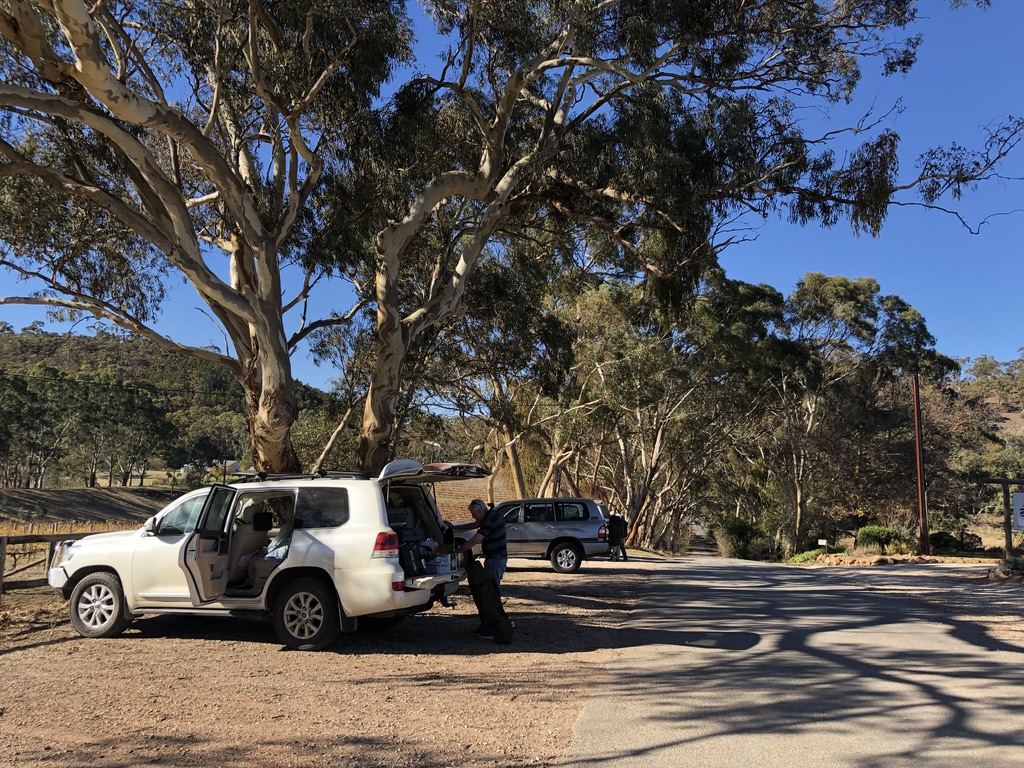
Then came the wine tasting and purchasing – thank goodness we had a large car !

UNADJUSTEDNONRAW_thumb_8e9.jpg

Staying in a little apartment in the centre of the town, we were perfectly placed for a choice of restaurants in the evening.  And that is what you do in these regions – eat great food and drink fabulous wine!

UNADJUSTEDNONRAW_thumb_8e7.jpg


THE OYSTER TRAIL AND PORT LINCOLN

Ceduna is the first major town at the end of the Nullarbor and its pristine waters produce excellent oysters and other quality seafood. It is also the start of the Oyster Drive which goes south to Port Lincoln and up the coast to Cowell.  We endeavoured to taste the oysters – which all taste very different – at each place!

First stop was Thevenard -four kilometres from Ceduna – where we found a little shack shucking fresh oysters for $12 dozen – so with a couple of dozen in the car we headed for a spot by the ocean to indulge.  They were good – very good!

IMG_4367

Next it was off to Smoky Bay, a small settlement where the oysters are also excellent but of a different taste altogether.

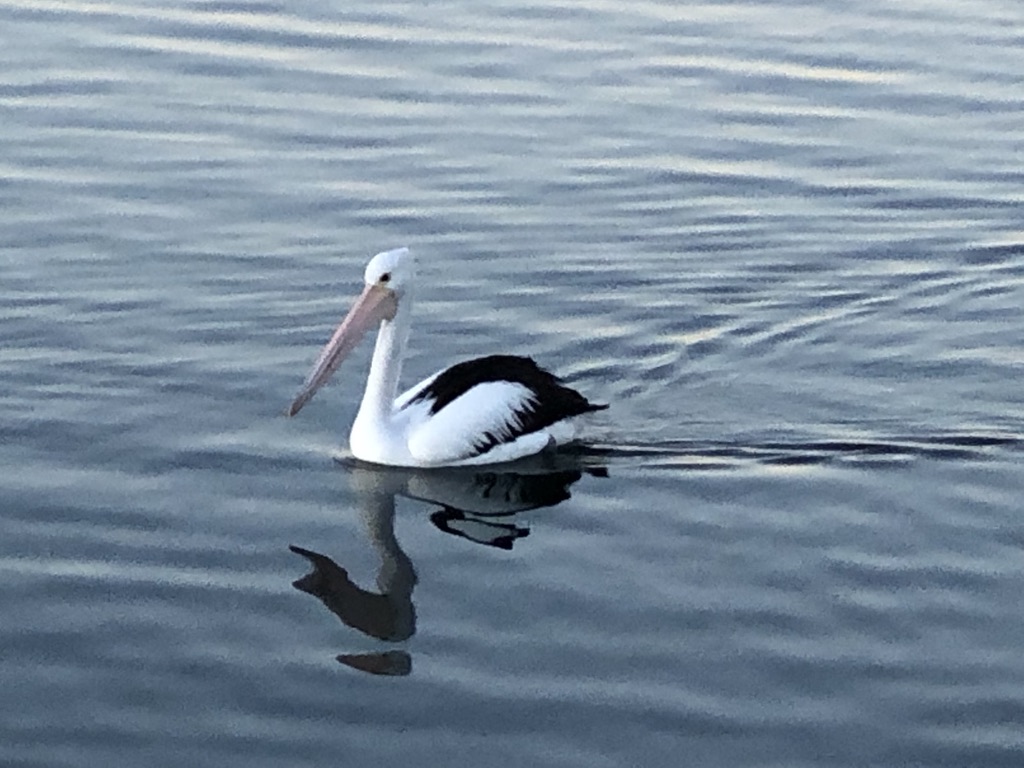
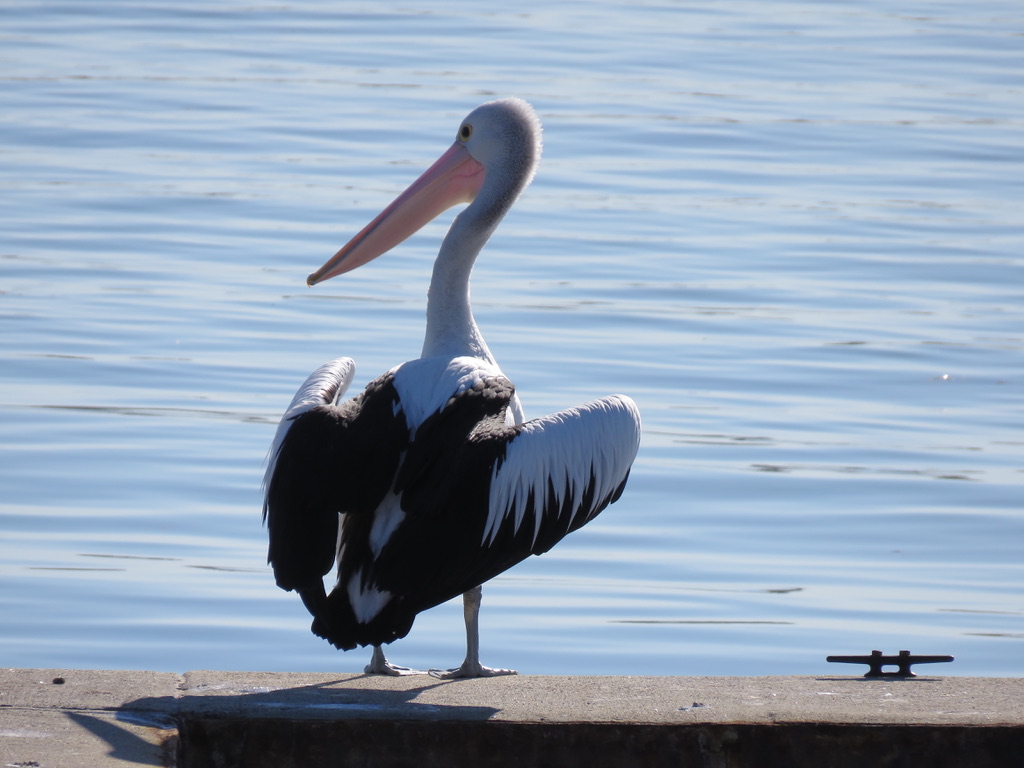
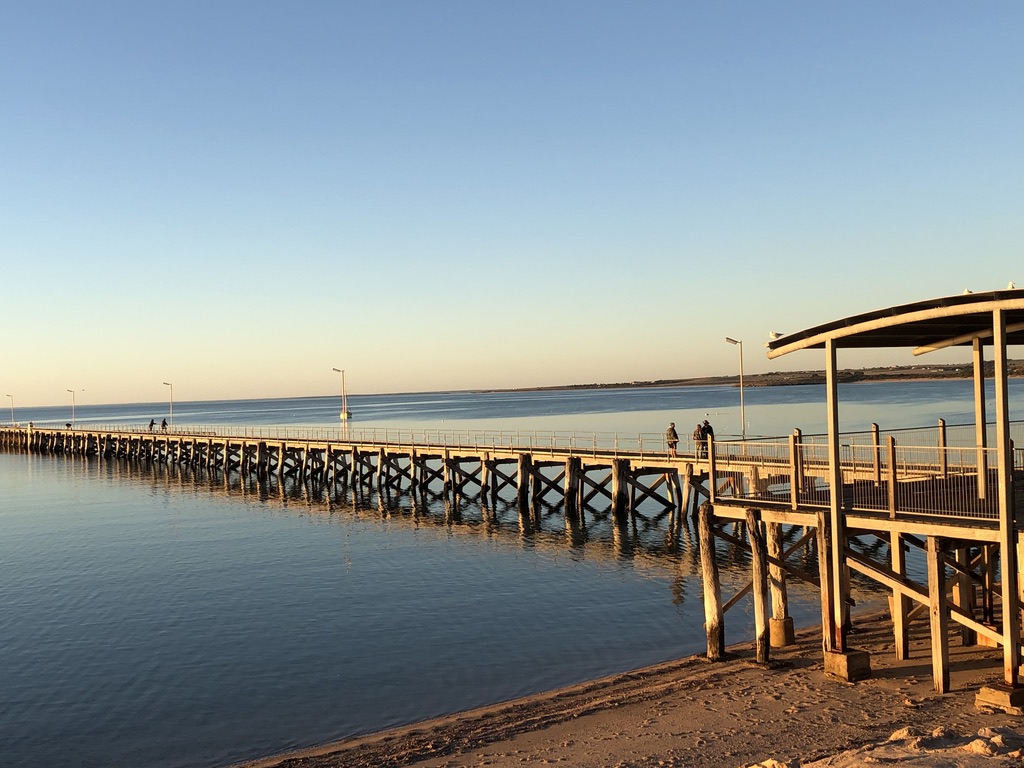
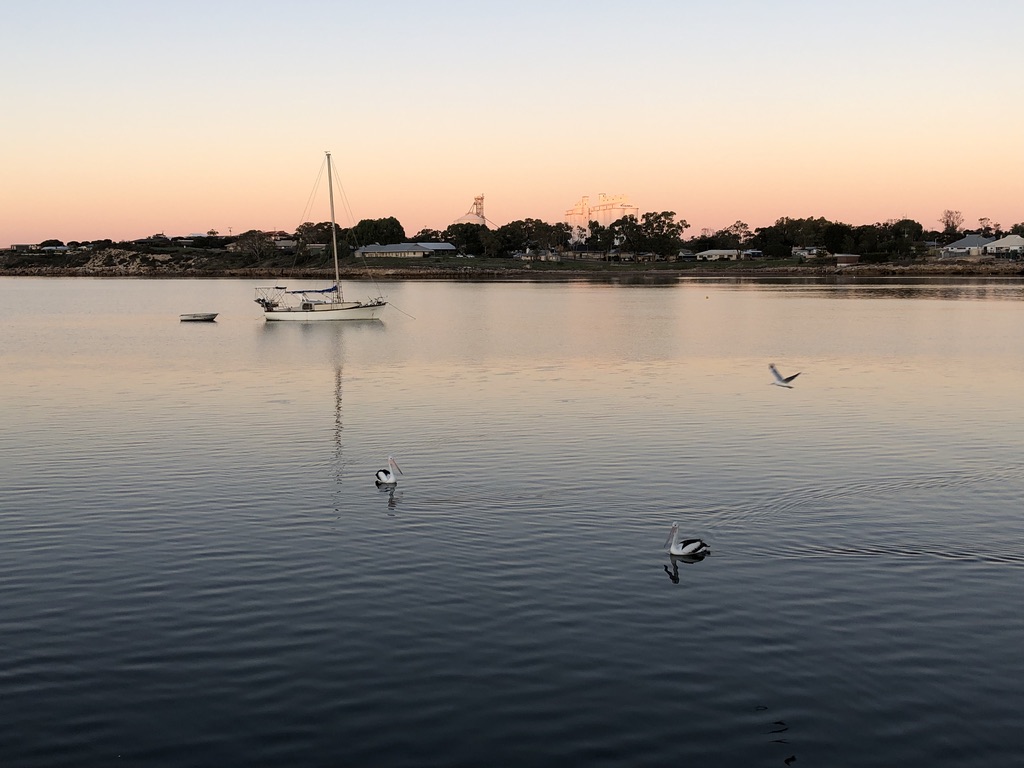
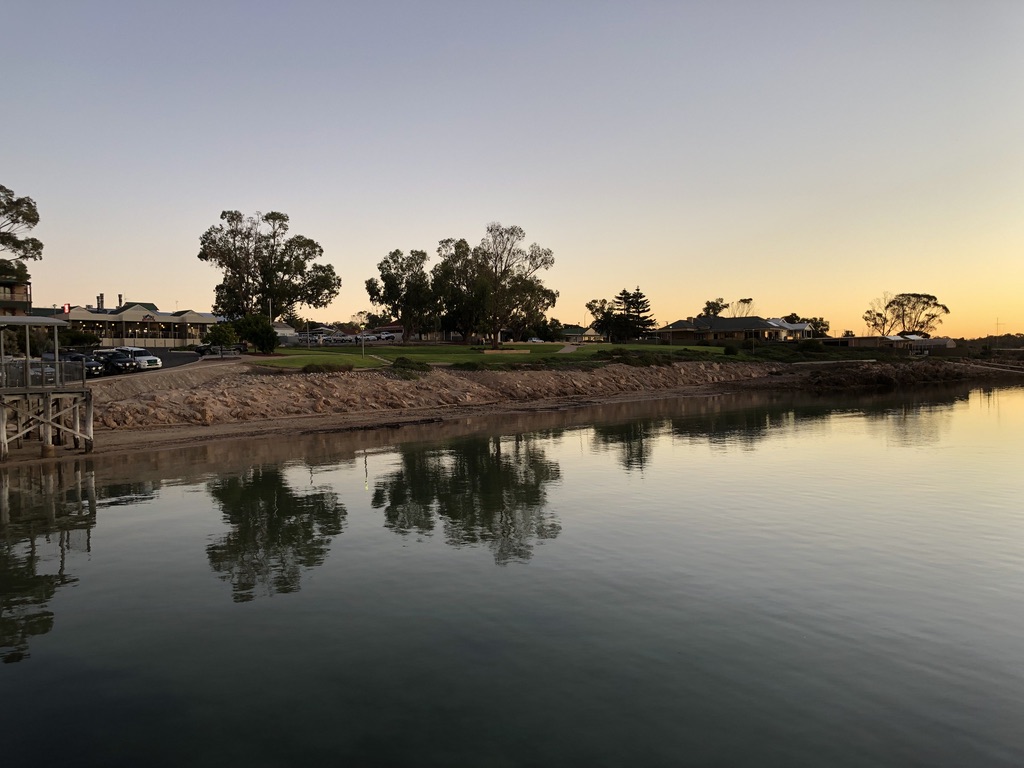
Streaky Bay was our overnight stop and here we witnessed one of the most beautiful, calm sunsets we have seen yet.  We walked along the jetty whee the locals were trying their luck fishing and the pelicans were ever hopeful!
UNADJUSTEDNONRAW_thumb_8c6.jpg

UNADJUSTEDNONRAW_thumb_8c7.jpg

UNADJUSTEDNONRAW_thumb_8c8.jpg

UNADJUSTEDNONRAW_thumb_8ca.jpg

As the sun set and the shadows deepened the reflections became more dramatic.
UNADJUSTEDNONRAW_thumb_8cb.jpg

Of course, more oysters were on the menu along with King George Whiting and Blue Swimmer Crab.

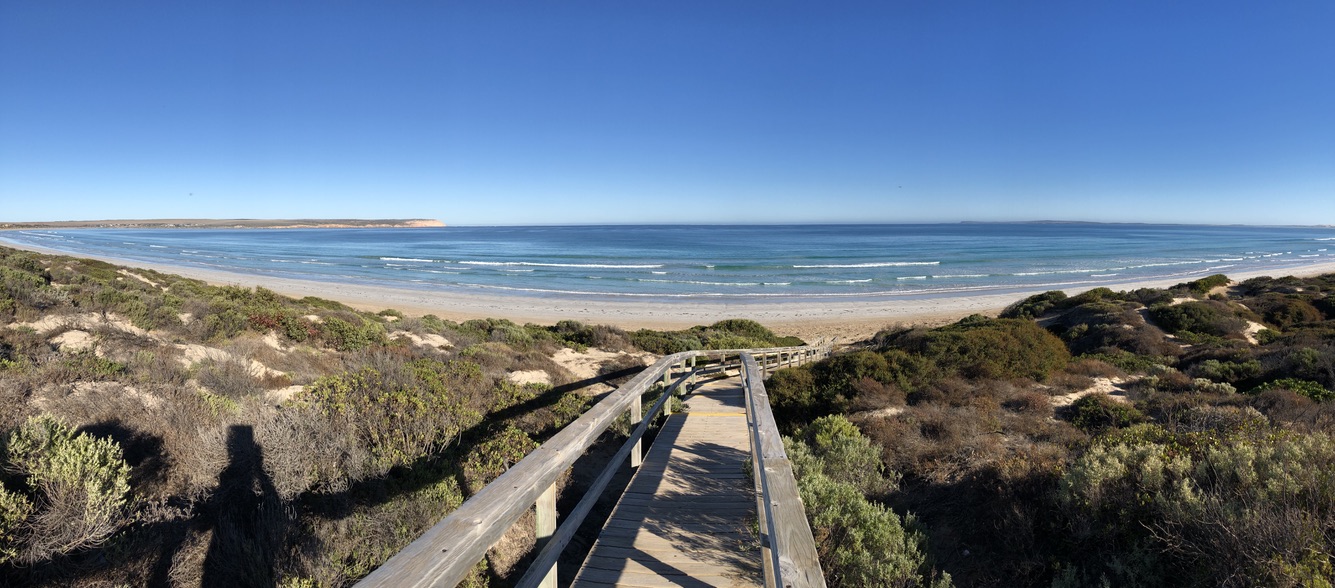
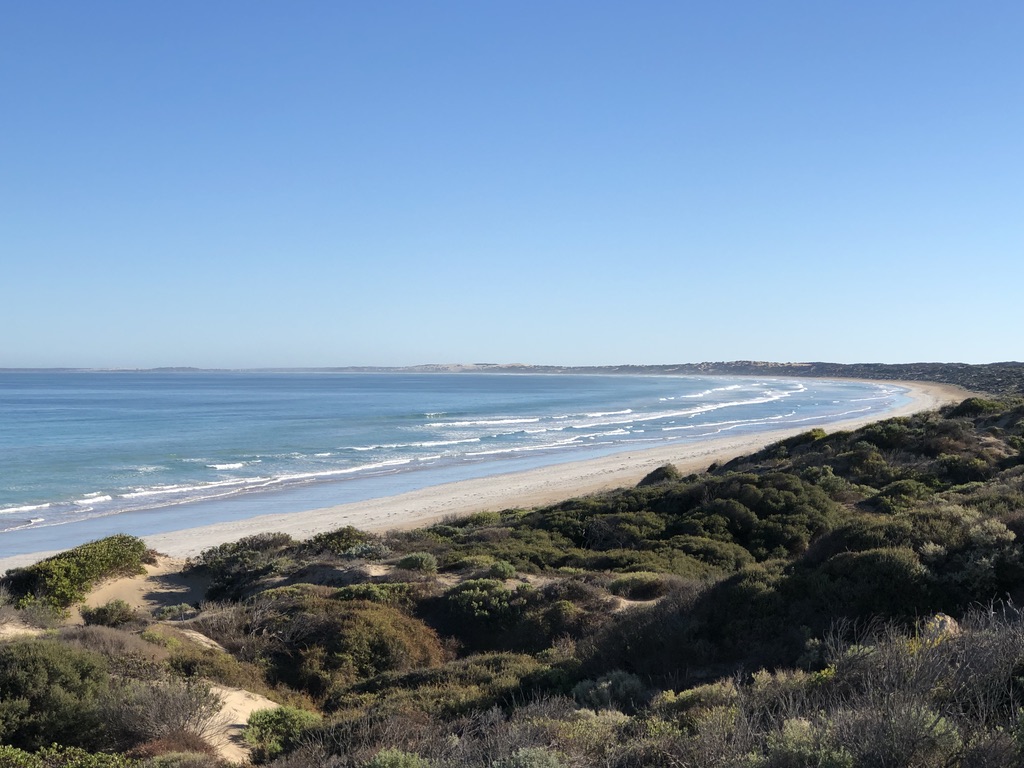
Next morning more beautiful coastal scenery awaited us at Sceale Bay which is a tiny community and is known for fishing and holiday recreations. The permanent population is 40 and that can triple in holiday periods;
UNADJUSTEDNONRAW_thumb_8cf.jpg

UNADJUSTEDNONRAW_thumb_8cd.jpg

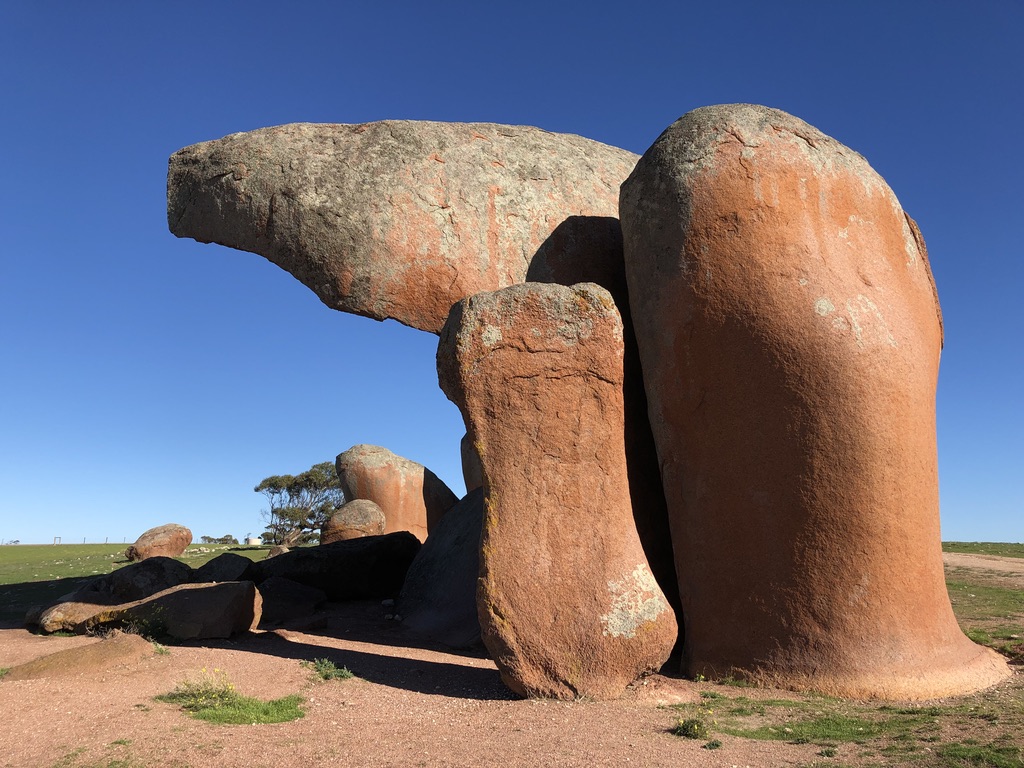
Coffin Bay is renowned for oysters and on the drive to our favourite restaurant there – 1802 Restaurant – we came across Murphy’s Haystacks which just appears out of nowhere on the landscape.  This 1500 million year old geological wonder is one of the most visited locations on the Eyre Peninsula and is actually on private property.  The unique form of pillars and boulders dates back 100,000 years and are ancient wind worn inselbergs.

UNADJUSTEDNONRAW_thumb_858.jpg

UNADJUSTEDNONRAW_thumb_8d7.jpg

They were buried by calcareous dunes about 30,000 years ago and subsequent erosion has revealed the pink granite forms standing on the hilltop today.
UNADJUSTEDNONRAW_thumb_8d1.jpg

UNADJUSTEDNONRAW_thumb_861.jpg

The local legend is that coach driver Charlie Mudge named Murphy’s Haystacks following a remark by a Scottish agricultural advisor who saw the landmark in the distance whilst travelling on the mail coach.  Shimmering like haystacks in the hot afternoon sun, he was very impressed with the sight and remarked “that man must harrow, look at all the hay he has saved!”

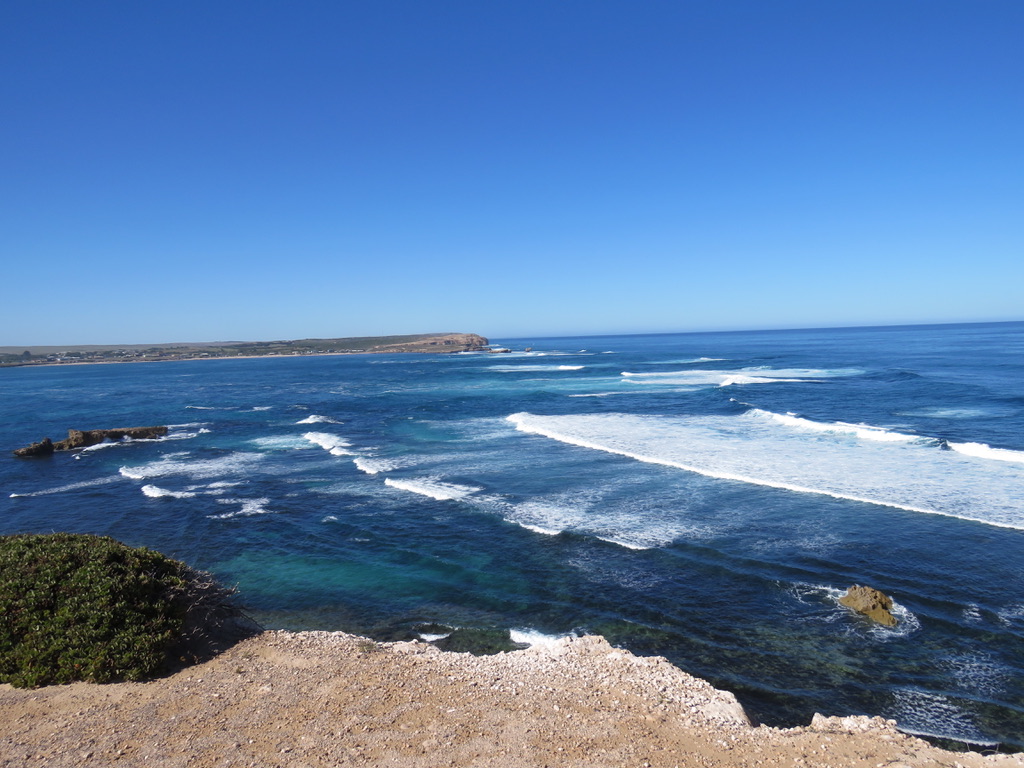
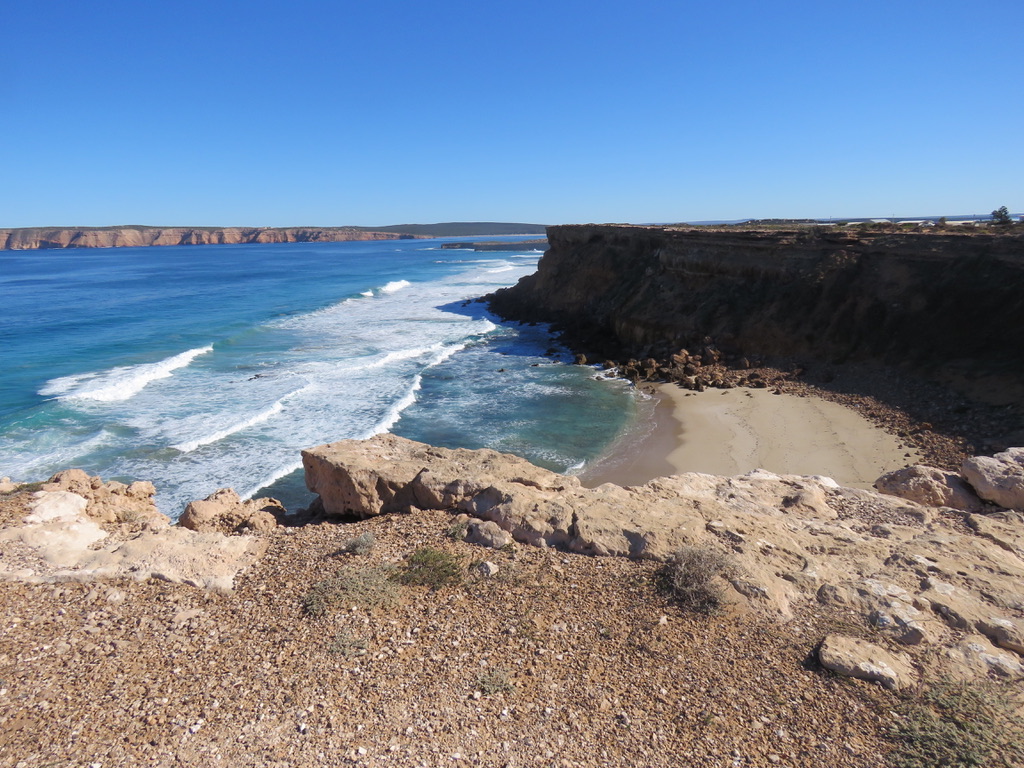
At Venus Bay we went to the Needle Eye Lookout for amazing views of towering rugged cliffs and beautiful beaches as well as pounding, rolling surf.

UNADJUSTEDNONRAW_thumb_869.jpg

UNADJUSTEDNONRAW_thumb_863.jpg

UNADJUSTEDNONRAW_thumb_86e.jpg

Here we spotted a pod of dolphins frolicking and playing in the surf.  An artist has carved his work on the granite rocks at the top of the cliff reminding everyone that this is tuna fishing territory.

UNADJUSTEDNONRAW_thumb_873.jpg

UNADJUSTEDNONRAW_thumb_872.jpg

More oysters awaited at Coffin Bay – and I have to admit that these are my favourite.  Not too large and salty, they are delicious and can be prepared in a variety of ways.

UNADJUSTEDNONRAW_thumb_8d5.jpg

Followed by raw tuna Asian style

UNADJUSTEDNONRAW_thumb_8d6.jpg

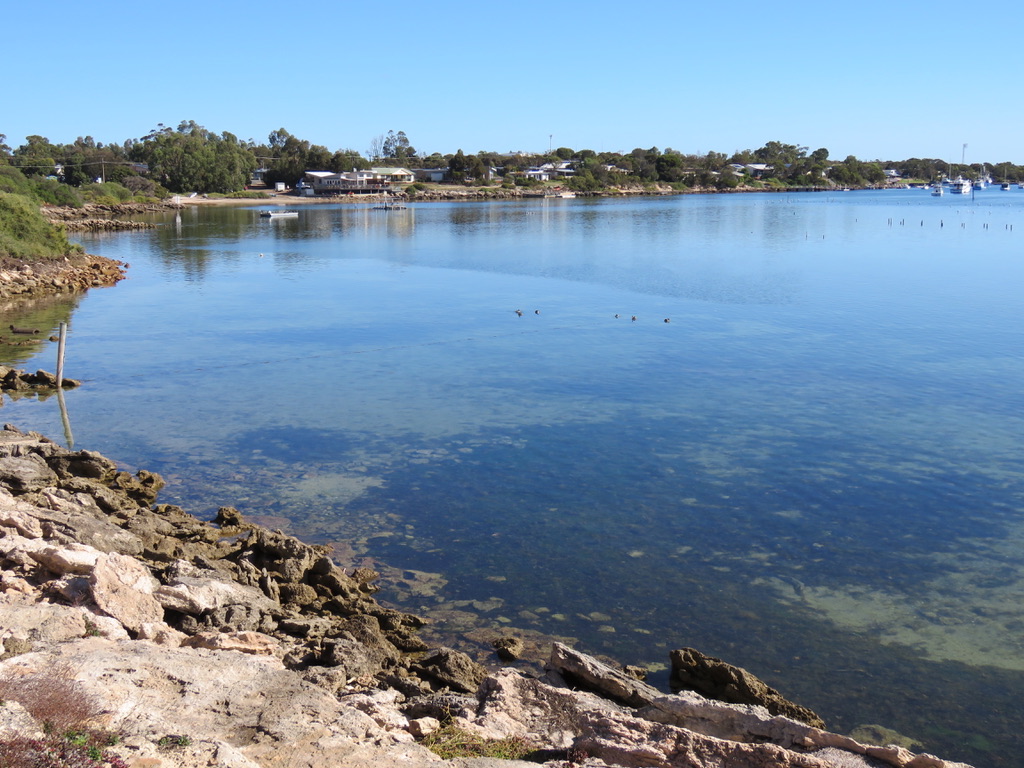
This place is an absolute must for anyone travelling along the Eyre Peninsula.  The town is sleepy but swells in holiday periods.  Lots of pelicans keep you company!
UNADJUSTEDNONRAW_thumb_87f.jpg

UNADJUSTEDNONRAW_thumb_882.jpg

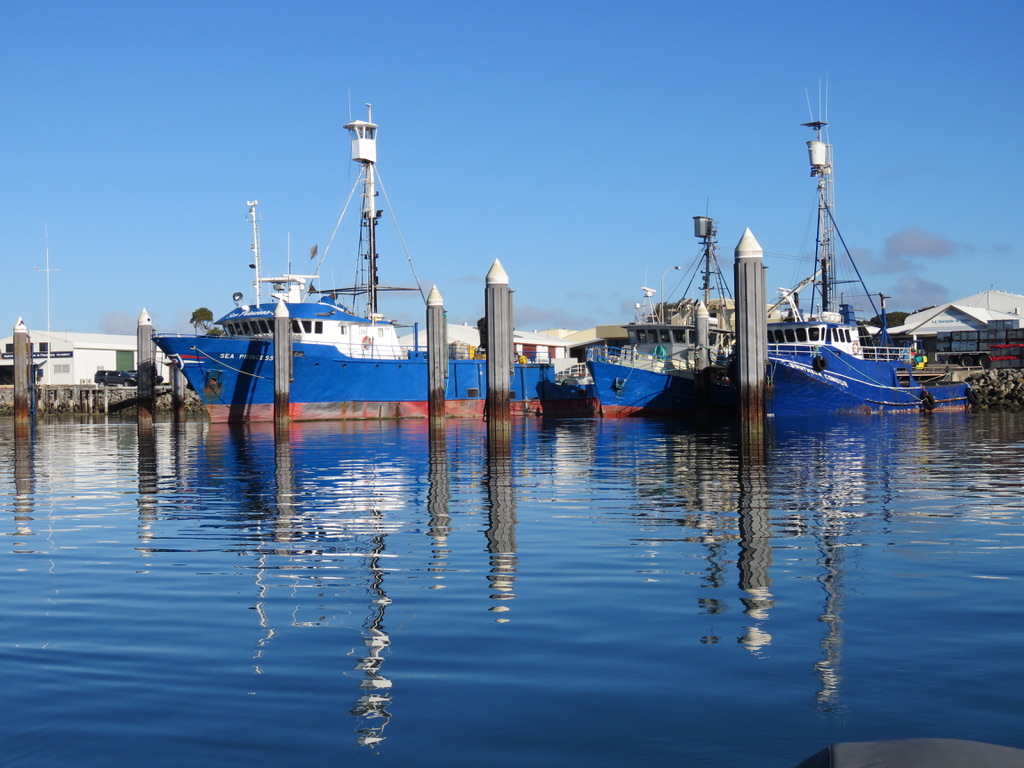
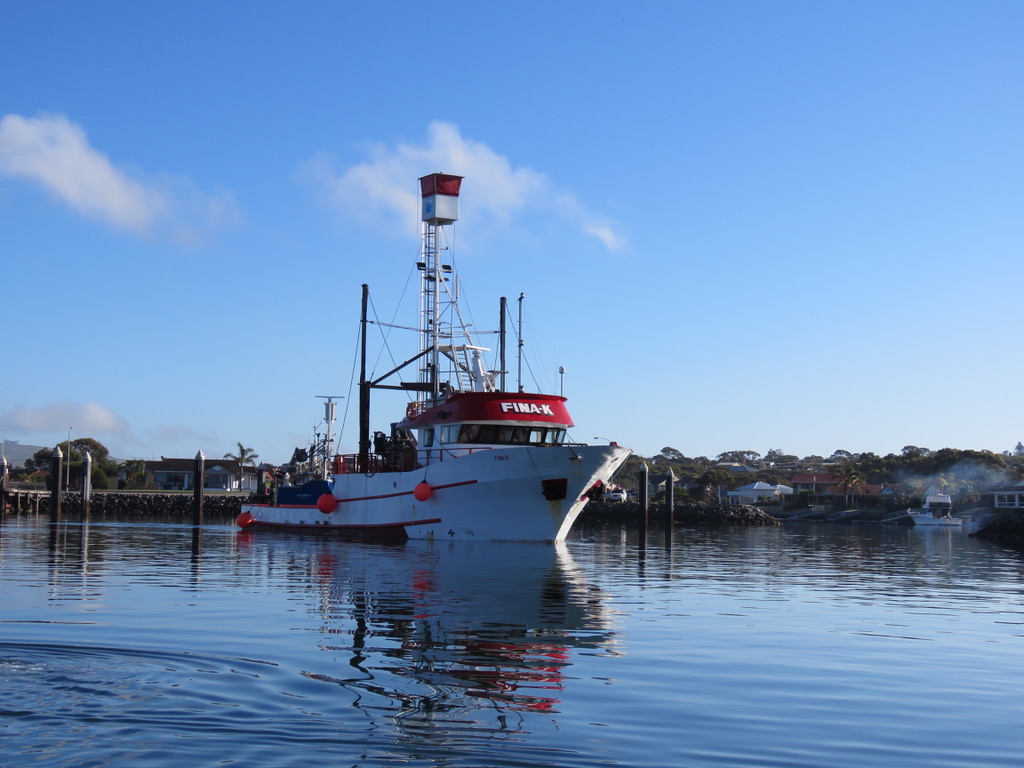
Port Lincoln was our final stop for the day.  This is a seafood lovers paradise with, it is said, the cleanest, freshest and most sought after seafood in the world.  Prized for its superb quality in sushi and sashimi, the majority of the southern bluefin tuna is exported to Japan with some available locally.  We decided to take a boat trip in Boston Bay to view the tuna and kingfish farms – now a multi million dollar business for the town.  The Marina is busy with fishing boats coming and going, some to catch sardines to feed the tuna in the farms, others to catch prawns and other fish.
UNADJUSTEDNONRAW_thumb_889.jpg

UNADJUSTEDNONRAW_thumb_886.jpg

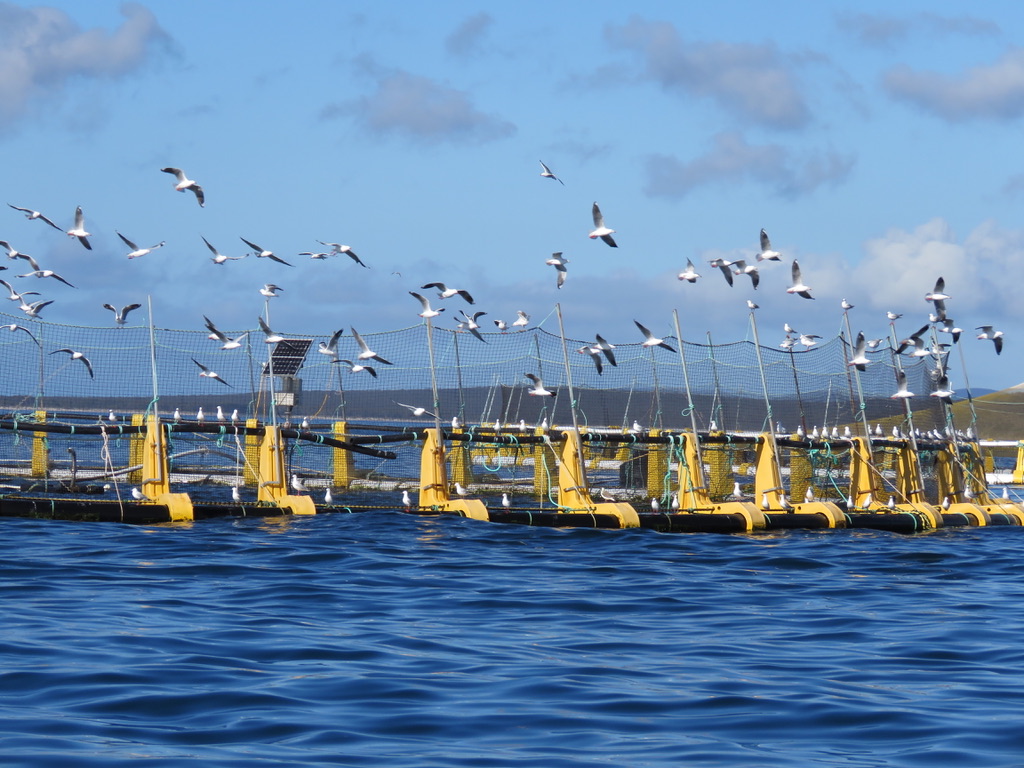
The farms are situated in the bay and the tuna are grown there before being caught and exported once they reach the required size.

UNADJUSTEDNONRAW_thumb_8bd.jpg

UNADJUSTEDNONRAW_thumb_894.jpg

Seabirds know when it is feeding time!

UNADJUSTEDNONRAW_thumb_891

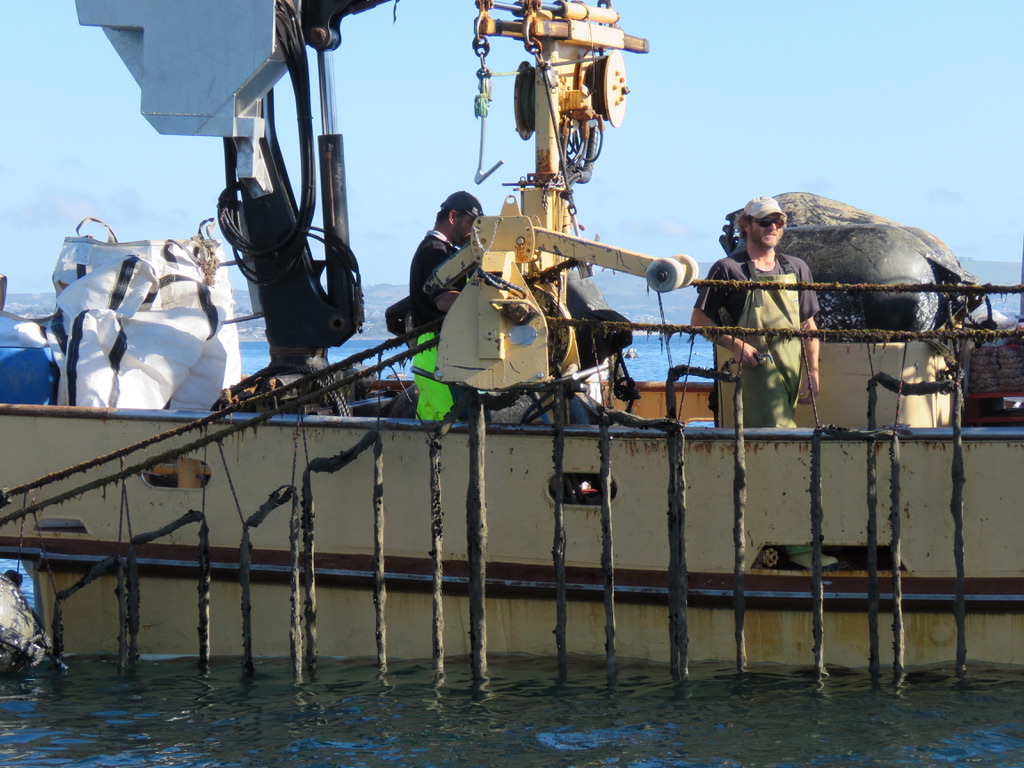
Mussels are also grown out here and are serviced daily by the fishermen.

UNADJUSTEDNONRAW_thumb_88f

UNADJUSTEDNONRAW_thumb_890

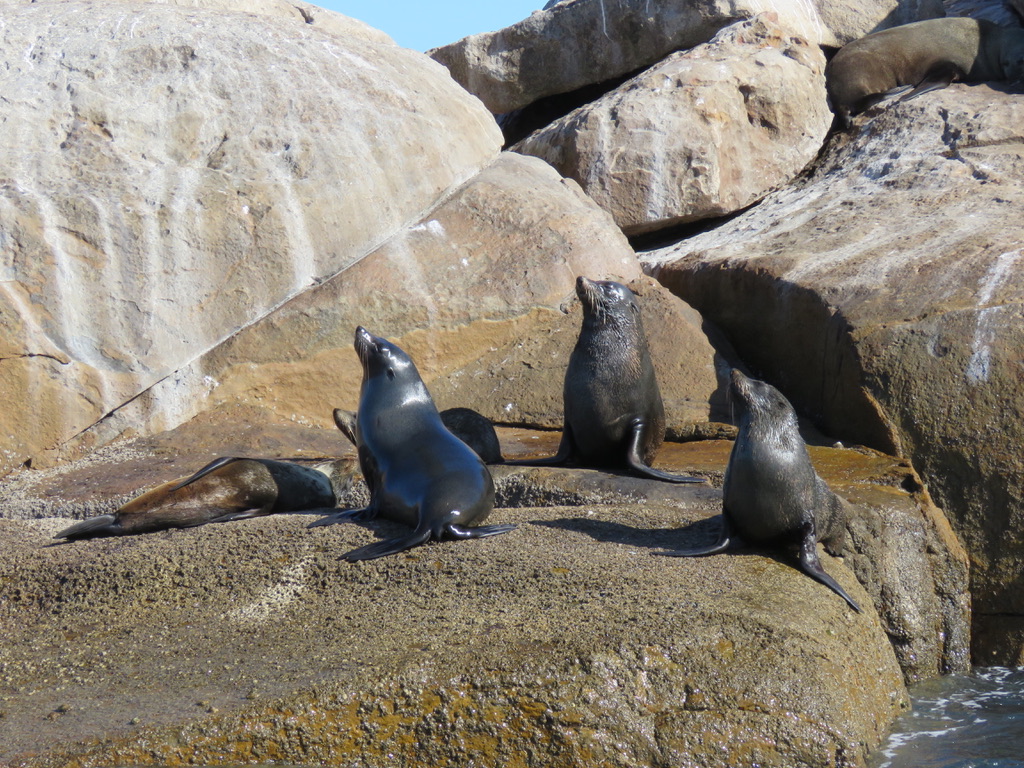
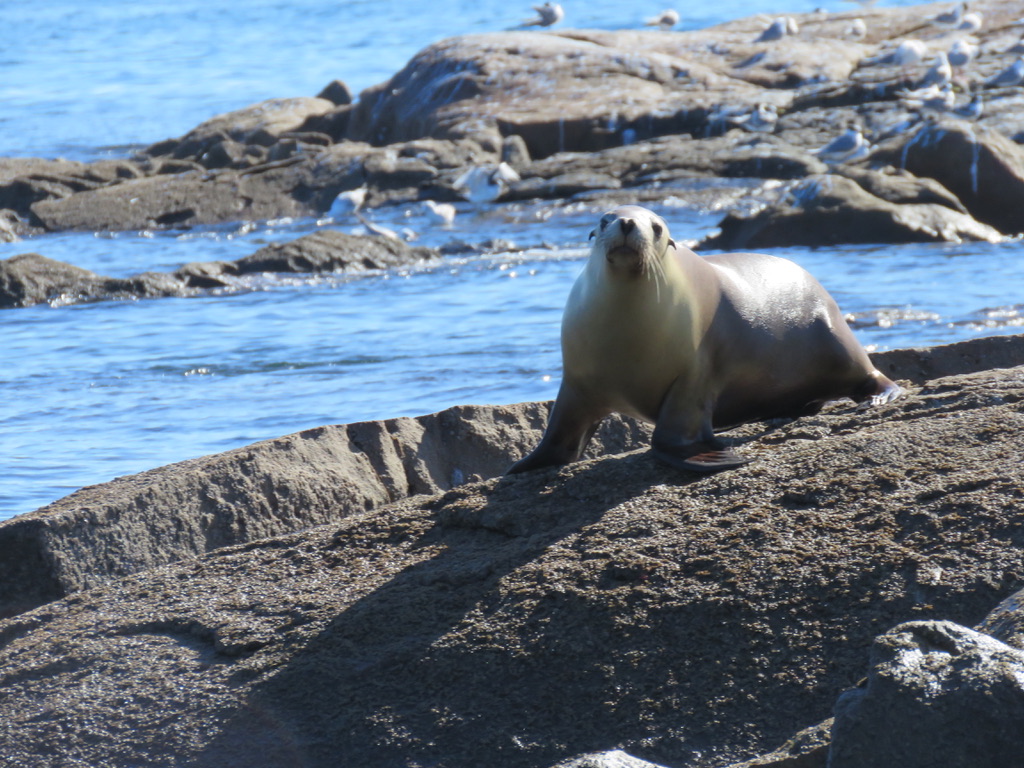
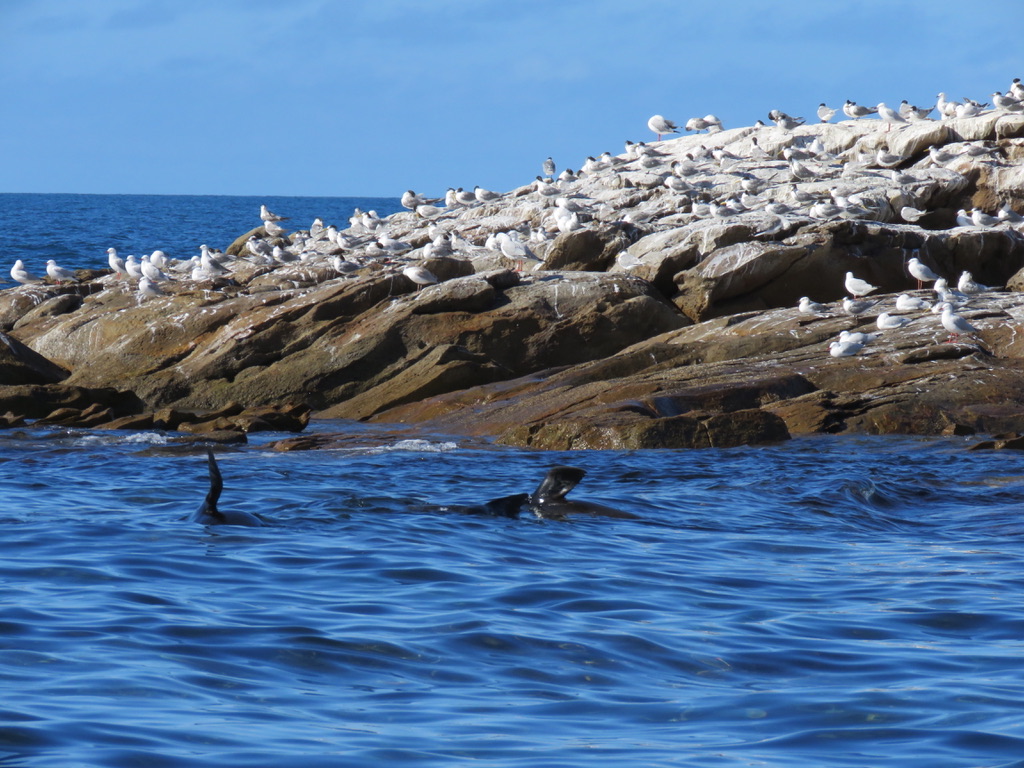
We took a little detour to an island where there is an enormous number of seabirds living alongside seals lots of seals many of which were having a roll about in the water.
UNADJUSTEDNONRAW_thumb_89a.jpg

3q38GEZSQ3+HKcYAeEWMYg_thumb_8a3.jpg

UNADJUSTEDNONRAW_thumb_8a6.jpgUNADJUSTEDNONRAW_thumb_8a9.jpg

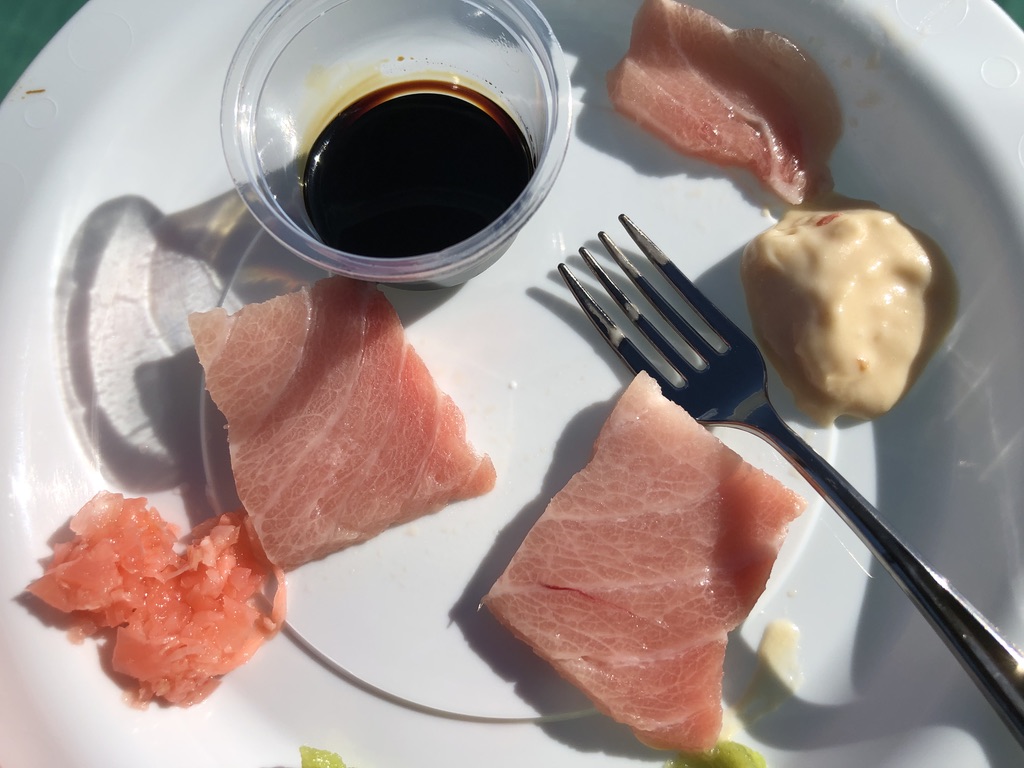
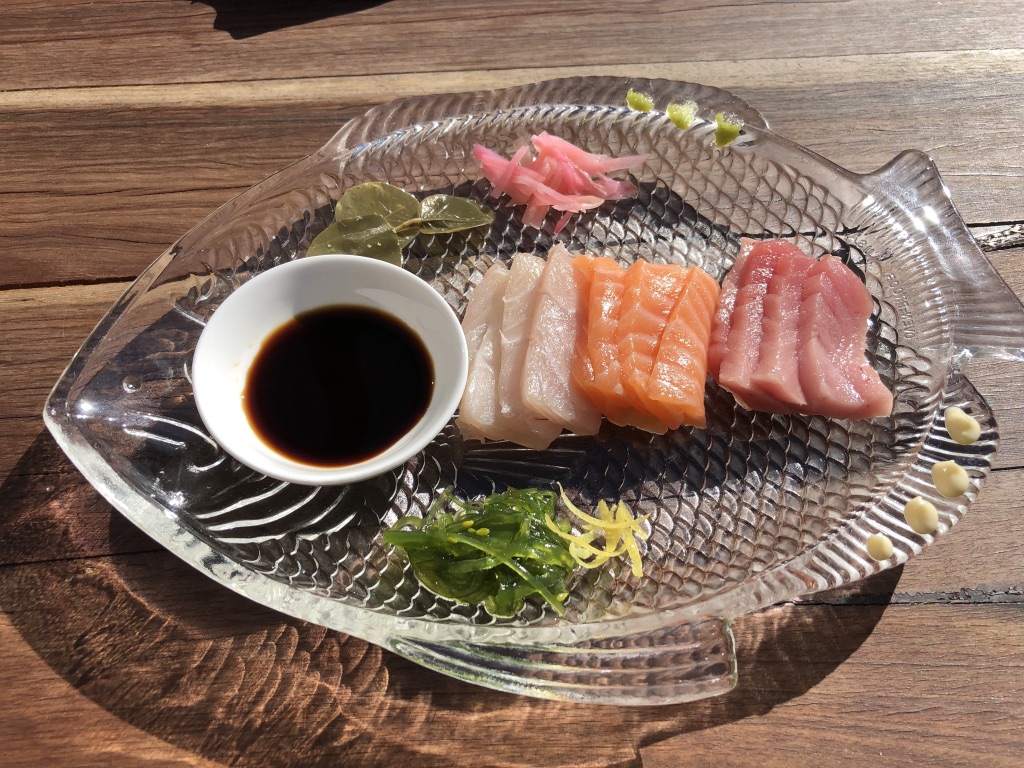
Finally we got to taste different sashimi – and shown the correct way to eat it!
UNADJUSTEDNONRAW_thumb_8c0.jpg

IMG_4242

Lunch consisted of…..you guessed it – Sashimi!
lFKu5y0dTX+ycMXiBdqVWw_thumb_8c1.jpg

Our oyster experience was not yet finished – more was to come tomorrow!


THE STRAIGHT ROAD CONTINUES – ALONG THE NULLARBOR

IMG_4322

Leaving Fraser Station there was more – much more – of the straight road ahead!  There are a couple of road houses along the way and this one really sums up the loneliness of this part of the country

IMG_4324

We spent the night at Border Village where the Road House also has accommodation and a restaurant as well as a fuel stop and one of the holes for the Nullabor golf challenge.  I loved the Big Kangaroo – perfect for the overseas tourists and a bit of fun for us as well!

IMG_1743

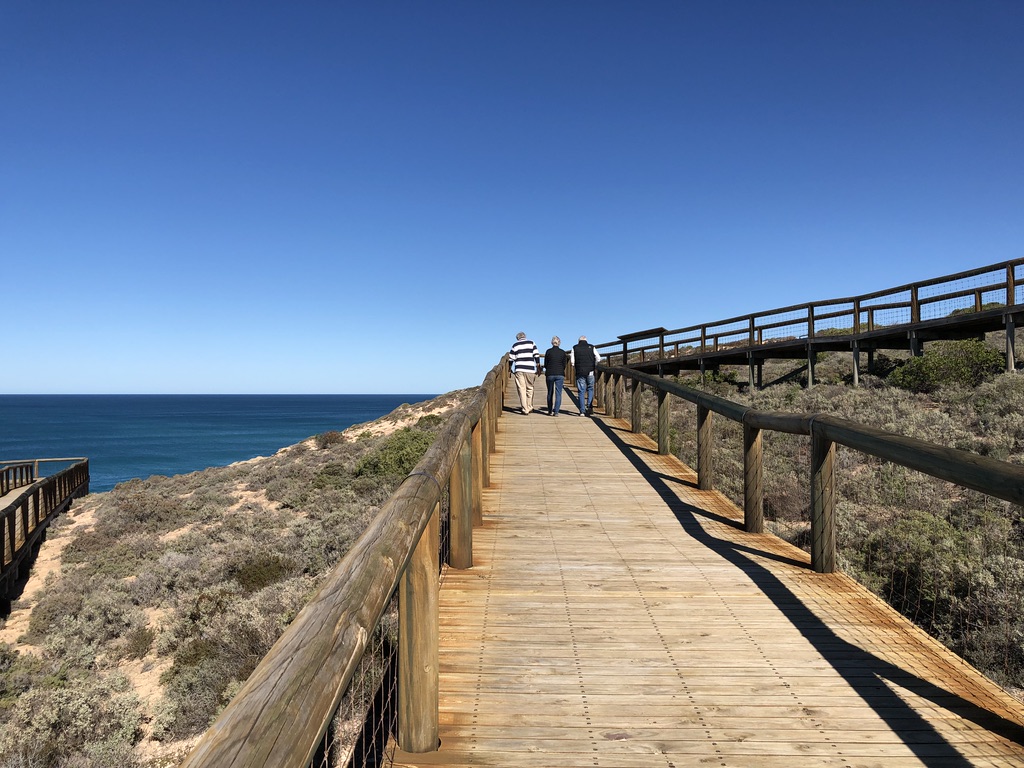
From here we also saw the Great Australian Bight from the cliffs near the Roadhouse

UNADJUSTEDNONRAW_thumb_7f8

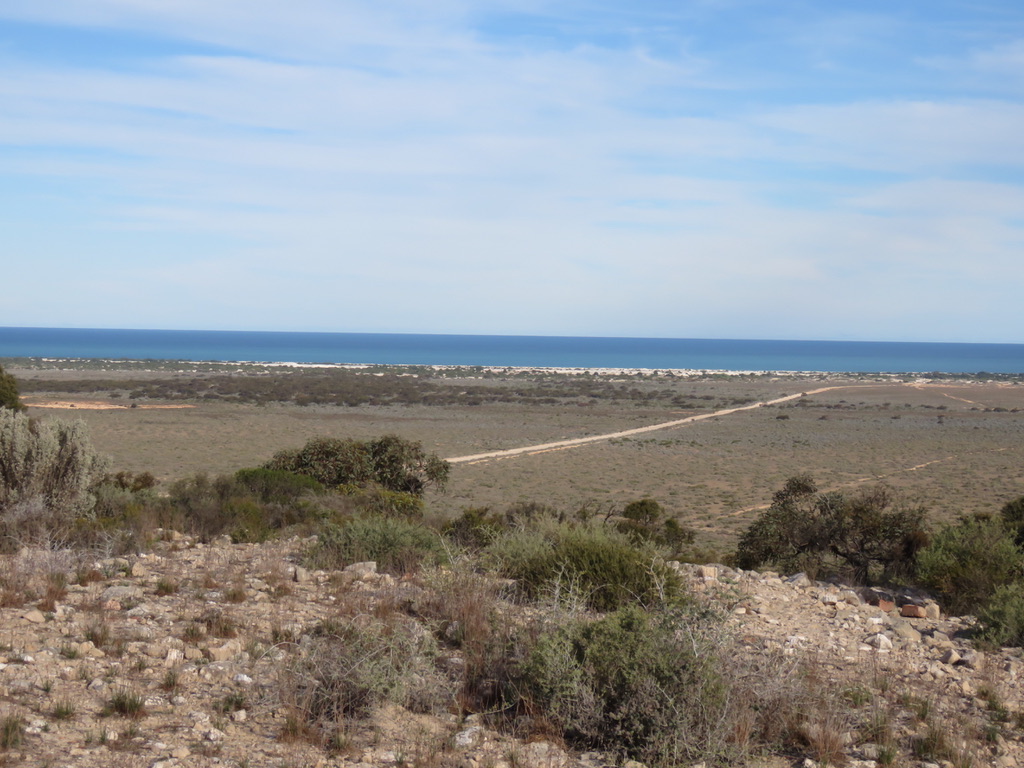
Leaving Border Village we  drove the straight road until we came to the Bunda Cliffs – this geographical feature forms part of the longest uninterrupted line of sea cliffs in the world.  No other continent or country can match the cliffs for length of coastline. The early morning light gave us a beautiful view which soon became really awesome.

UNADJUSTEDNONRAW_thumb_7fb.jpg

UNADJUSTEDNONRAW_thumb_826.jpg

The cliffs are some 60 – 120 metres in height and very sheer.  At different times of the day they appear in extraordinary light.  I am sure they are magnificent from the air.

UNADJUSTEDNONRAW_thumb_804.jpg

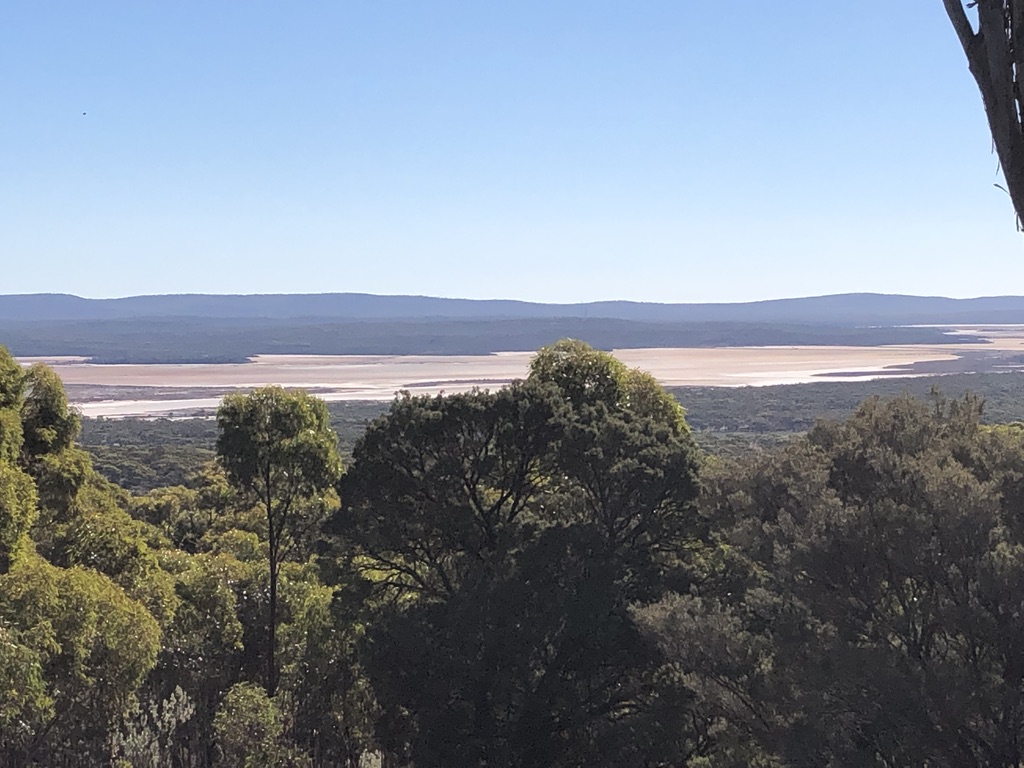
A little further out we came across the Head of the Bight – which is a whale watching centre on the far west coast of South Australia. Each year Southern Right Whales leave their feeding grounds in the Antarctic region and come north to give birth in warmer waters.  Sadly we were too early to witness these magnificent creatures, but fully appreciated the excellent viewing areas this centre provides.

UNADJUSTEDNONRAW_thumb_82a.jpg

UNADJUSTEDNONRAW_thumb_829.jpg

UNADJUSTEDNONRAW_thumb_828.jpg

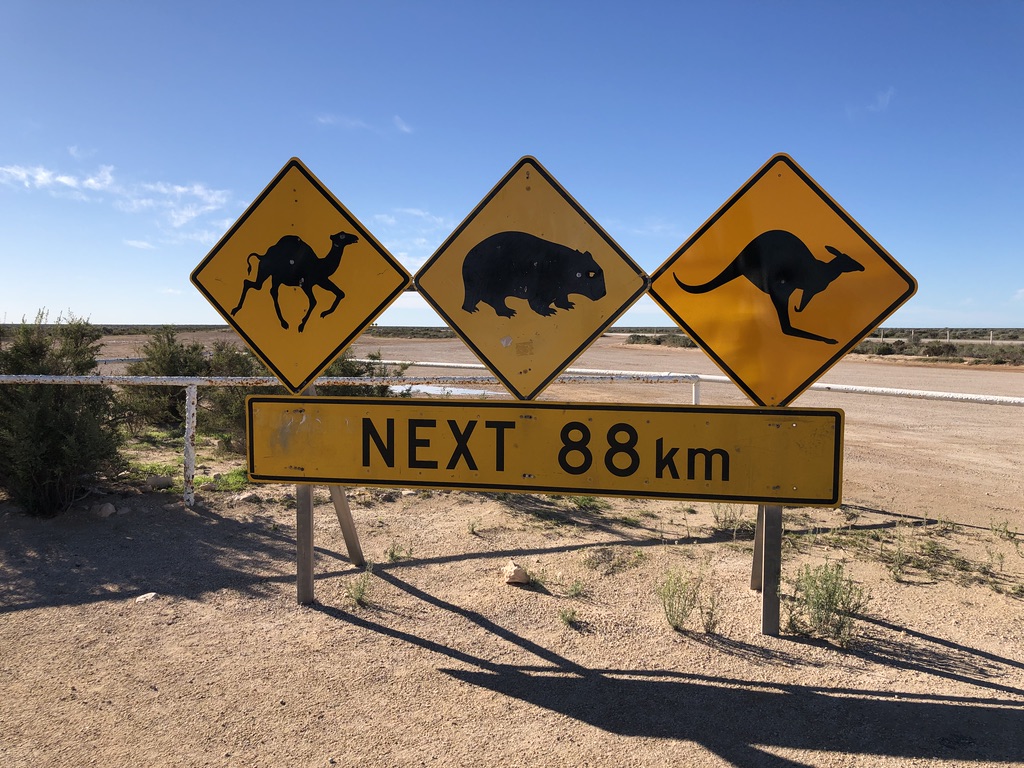
The road to Ceduna was long and we were well aware of “road kill” although with all the salt bush and low shrubs, the wallabies – for example – would not have found shade so we presumed that they were not around.  Then we saw this sign

UNADJUSTEDNONRAW_thumb_827.jpg

So they must have been somewhere!

Next stop – Ceduna and the Oyster Trail.


THE START OF THE NULLARBOR

UNADJUSTEDNONRAW_thumb_8c5.jpg

Camels have played a huge part in the history of the Outback and everywhere we have been from the North to the South and now here in the mid west, there have been heroic tales of explorers and pastoralists with teams of camels opening up the country.  Here, in Norseman, south of Kalgoorlie, the animals are honoured  in corrugated iron statues in the middle of the main street of the town.

Norseman is a small mining town at the very start of the drive across the Nullarbor Plain which is a flat, almost treeless, semi arid country stretching 1,100km from east to west.

The town was named after a horse called “Norseman” and belonging to a gold prospector named Laurie Sinclair.  He tied his horse to a tree near his camp one night and noticed in the morning that the horse had been pawing the ground making a hole in which he uncovered a piece of gold bearing quartz. Over the years gold has been mined here – once it was the second richest goldfield in Western Australia and today the Norseman Gold Mine is Australia’s longest continuously running gold mining operation and has been in operation for 78 years.

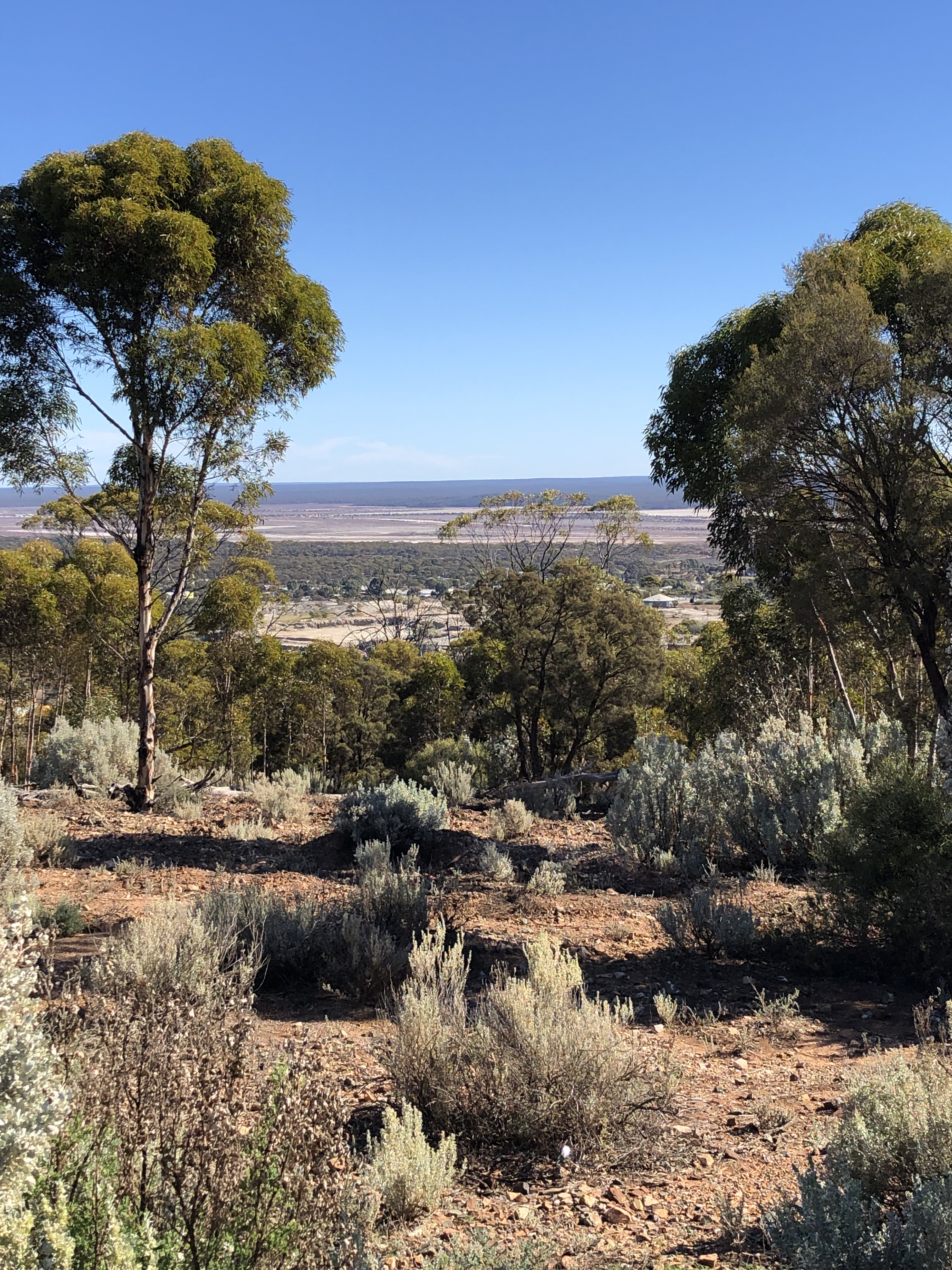
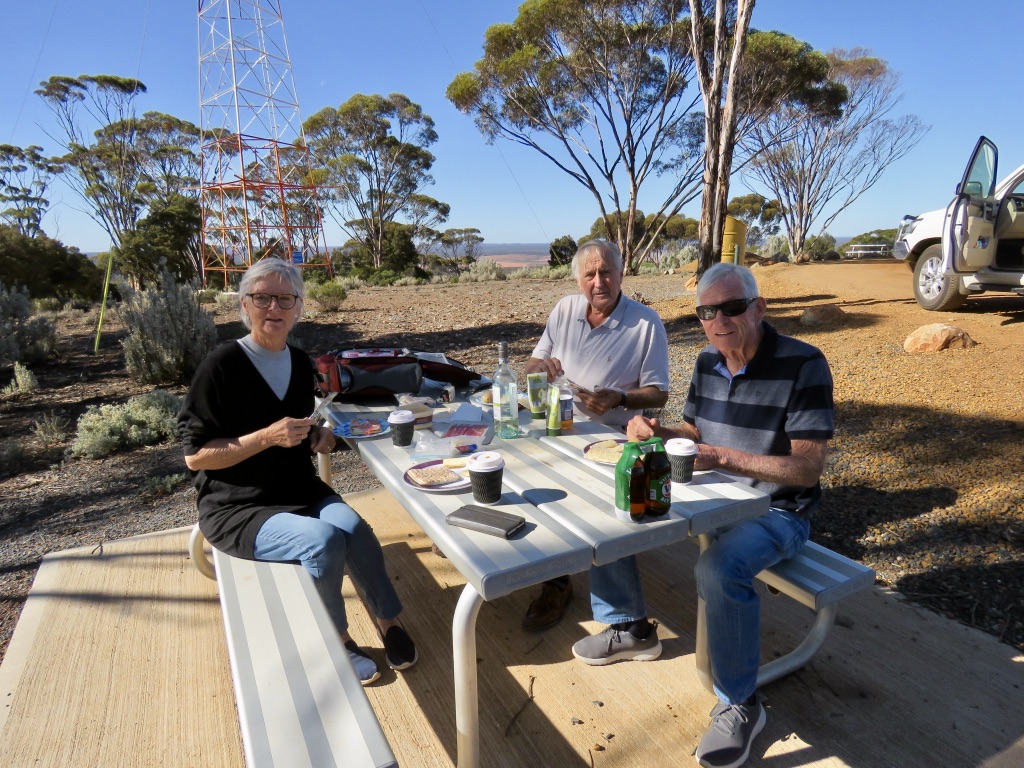
Beacon Hill Lookout gives a wonderful overview of the countryside around Norseman with 360 degree views.  We drove up and enjoyed a picnic lunch before starting the Nullarbor Crossing.

UNADJUSTEDNONRAW_thumb_7a6.jpg

IMG_4258

p51Io%kWQe25TYqQdSJpdA_thumb_772.jpg

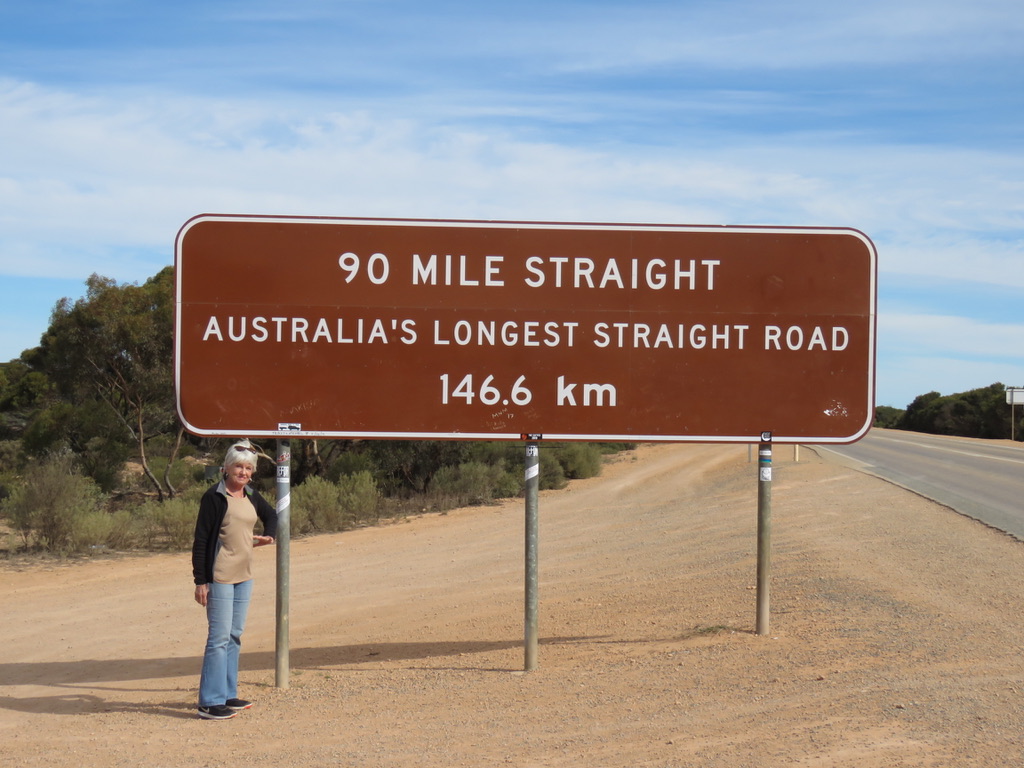
Then we began the drive which was take us two days.  Along here is Australia’s longest straight road

UNADJUSTEDNONRAW_thumb_7f4.jpg

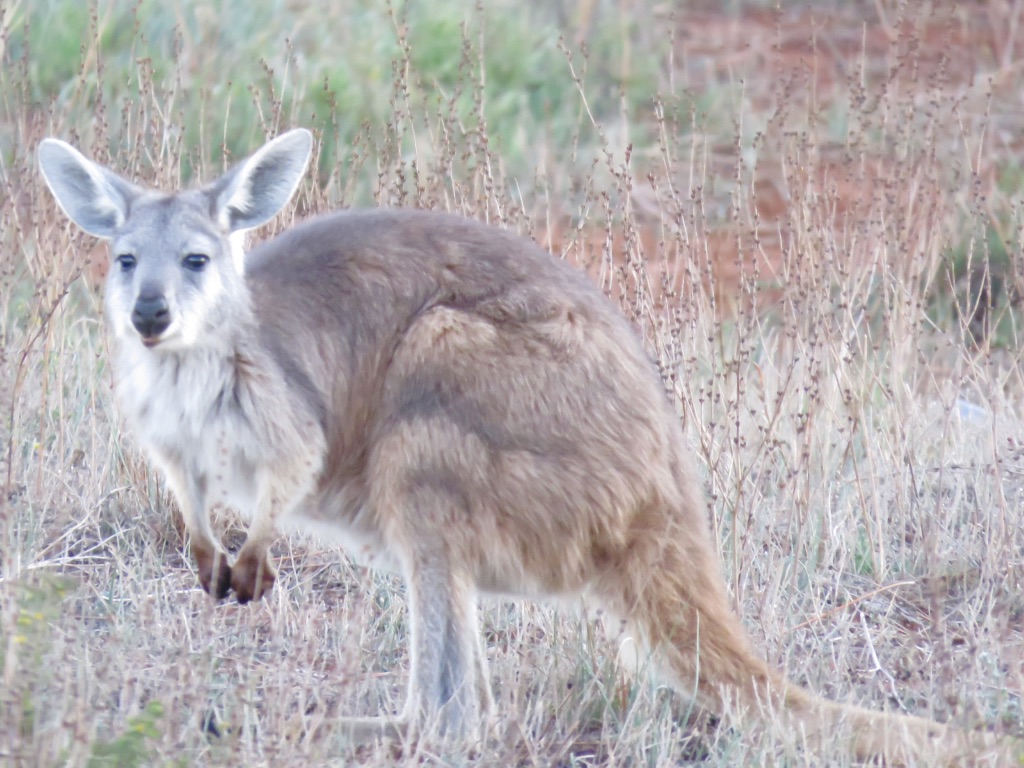
As well we had to watch for native animals and the very long road trains.

UNADJUSTEDNONRAW_thumb_7ef.jpg

The Flying Doctor uses part of the road as an airstrip in emergencies and we came across several of these.

UNADJUSTEDNONRAW_thumb_7f5.jpg

About 100km east of Norseman we found our lodgings for the night at the beautiful Fraser Range Station which is a working cattle station as well as providing tourist accommodation in the form of cabins, caravan park and camping grounds. The station is surrounded by the largest hardwood forest in the world.

UNADJUSTEDNONRAW_thumb_7aa.jpg

We had a cabin which was very comfortable and from which we could watch a glorious sunset and several wildlife visitors – emus, wallabies and lots of birds.

IMG_4060

UNADJUSTEDNONRAW_thumb_792.jpg

hWYpuZ3+Q1GmnMO3gWpoFQ_thumb_7ca.jpg

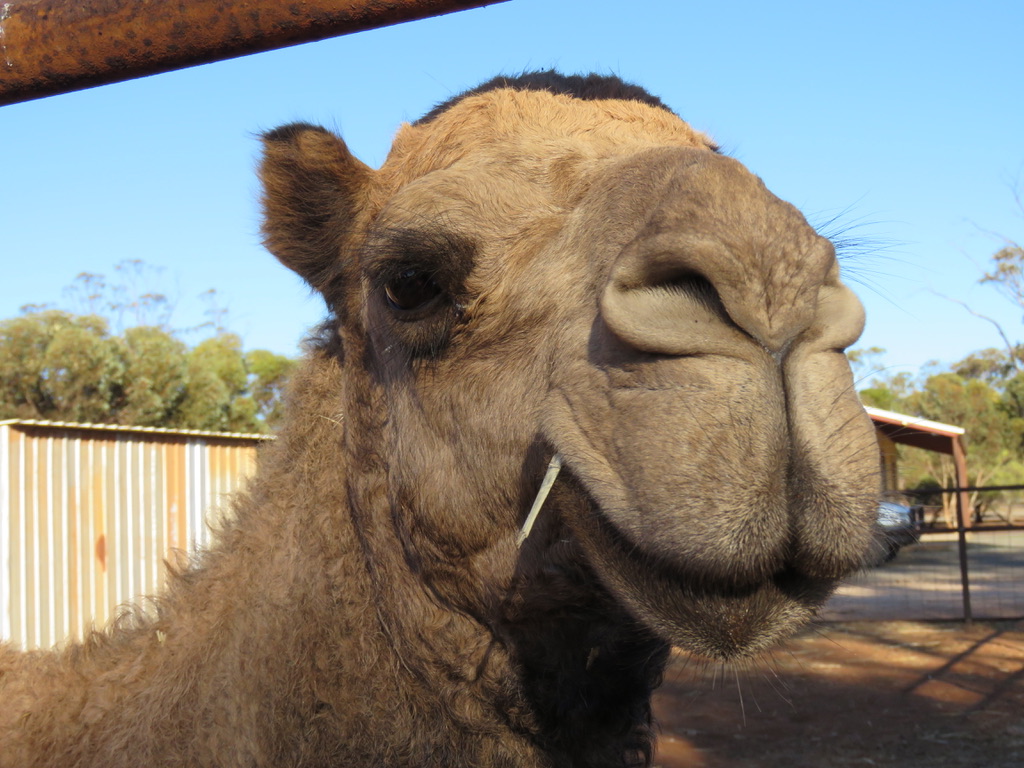
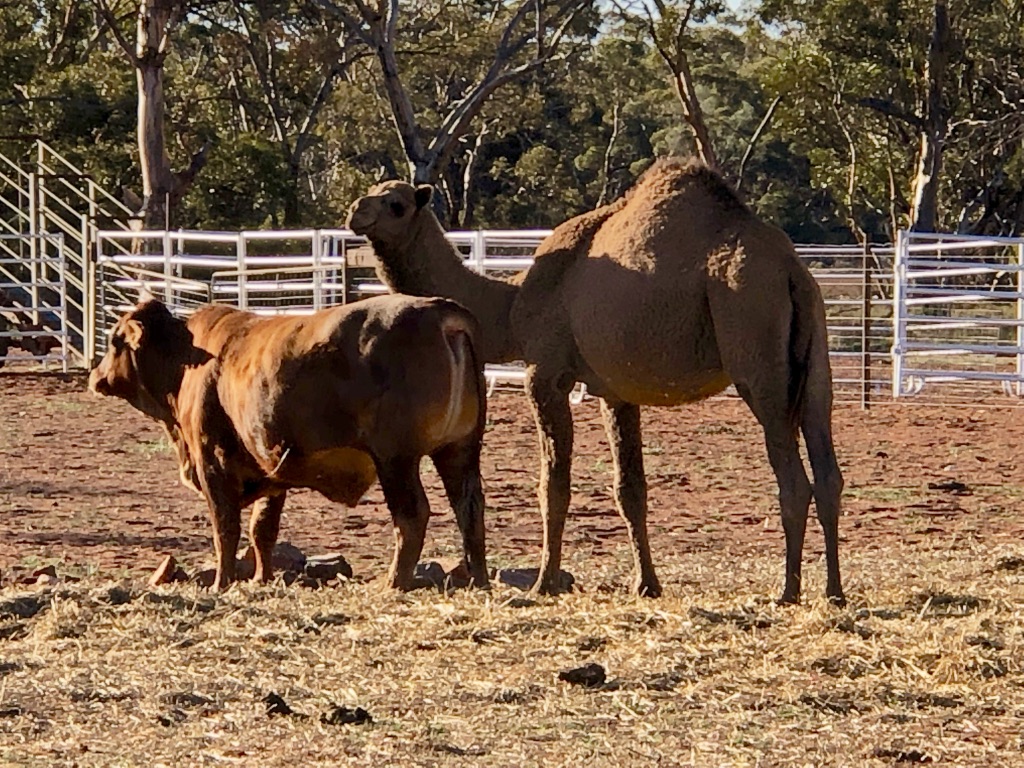
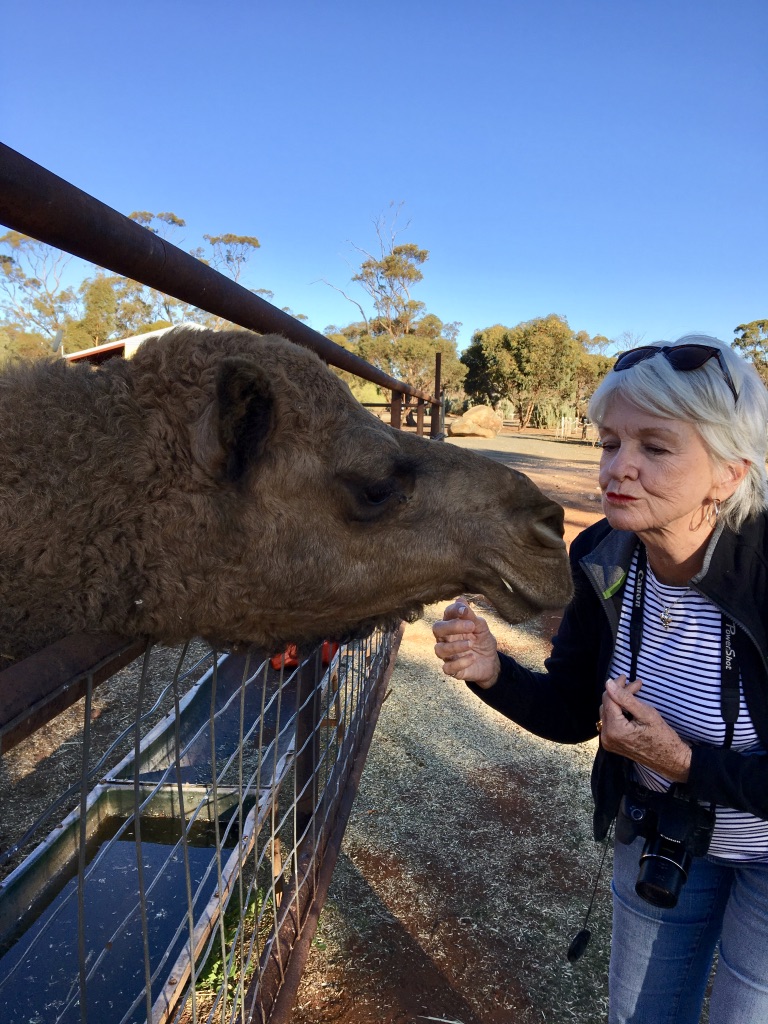
Taking a walk around the property we came across “Mr Squiggle” the pet camel whose best friend was a young steer!

UNADJUSTEDNONRAW_thumb_77a.jpg

9fE862DQSJi4WrK3QYxeNg_thumb_7ae.jpg

KKSlHFdaRwKUEdut8LJvWA_thumb_7b1.jpg

IMG_4033

And the baby camel was too cute!

We had a station dinner and a nightcap before bed with the prospect of more of the straight road in the morning!

UNADJUSTEDNONRAW_thumb_78c.jpg

And this is the gorgeous station garden on this treeless plain.