BHUTAN

The Real Shangri-La

DAY ONE: PARO

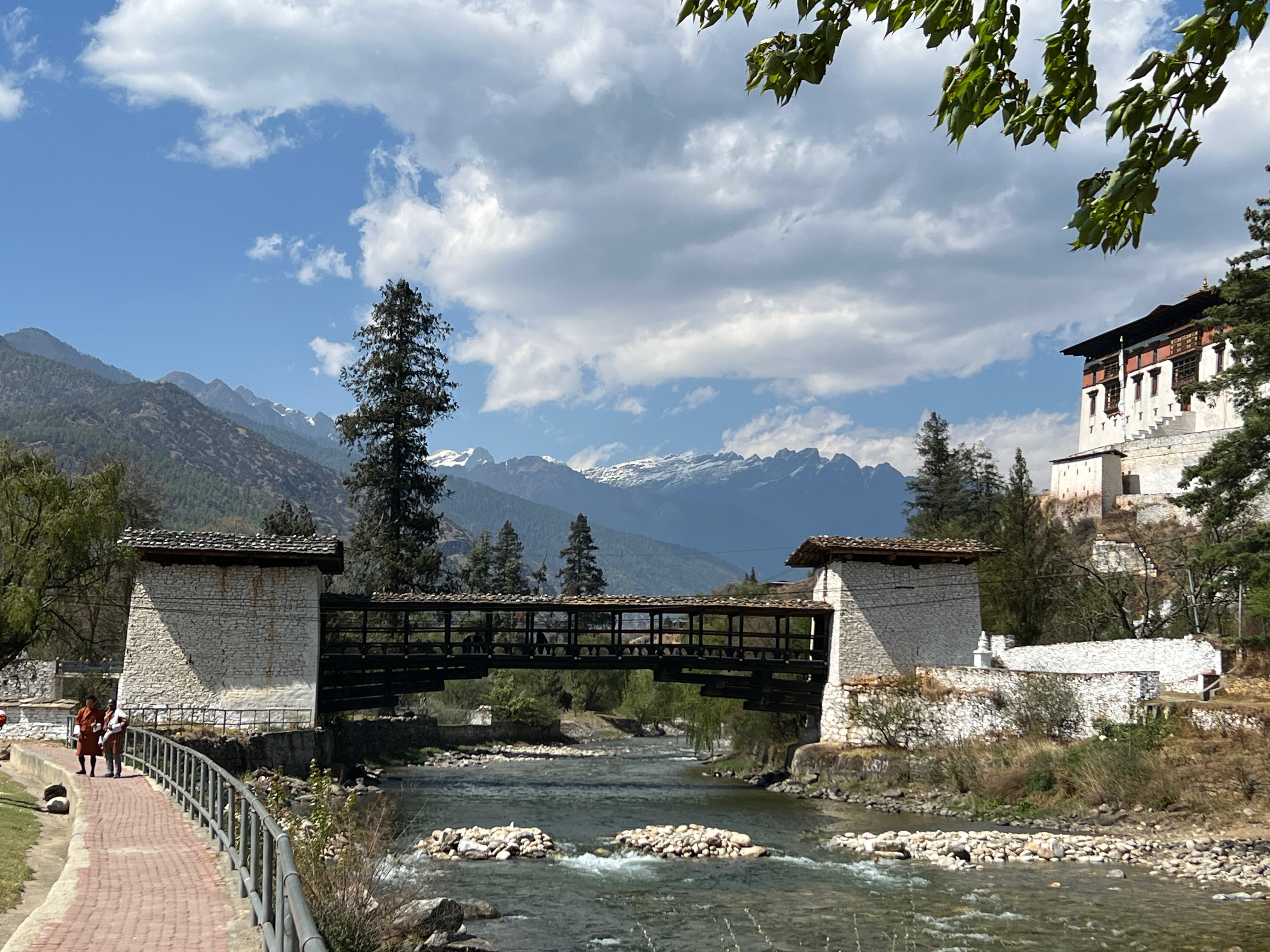
It has always been my dream to visit Bhutan, a tiny landlocked country about 300km long and 150km wide encompassing 46,500sq km. It’s northern boundary is Tibet and the rest is surrounded by India and the Himalayas. Tourism is relatively new and it was only in 1974 that the first foreign tourists were permitted to enter the country.

The story that started me on this journey was that of an American girl, Hope Cook, who married into the Royal Family in Sikkim, a tiny state in north eastern India. That was in 1963 and I thought it was the most romantic thing I had ever heard! Stories of life in the tiny Himalayan kingdom and how a westerner adapted to a strict Buddhist community fascinated me. From there I learned about Bhutan and later met several Sikkimese people through my work in tourism who spoke warmly of their little known neighbour.

Fast forward many years and as tourism opened up I had a yearning to experience for myself this beautiful country but it was expensive and difficult to get to. Life intervened and the dream was pushed from my mind until one day last year I read that Bhutan was opening to the world again after strict lockdown during Covid. Now was my chance!

My daughter and I finally landed in Paro in April this year. We did a lot of research and decided on an eight day trip covering the western part of the country. Travelling from Australia we flew first to Singapore, then Bangkok where we overnighted at the airport and finally an early morning flight to Paro with a short stop in Bagdogra in India.

Fellow passengers were a few other tourists from the US, Asia and Europe but mostly residents of Bhutan both expat and local as well as several Monks in their orange robes and carrying shopping bags of all sizes. I was surprised to find good old fashioned service on Drukair where the passenger mattered and was not just a number in a seat. The crew were friendly and willing to help in any way and our seats were spacious. I immediately fell in love with the language – Dzongkha – its soft, flowing melodious tones sounded just right in the PA announcements which were, naturally, followed in English. Dzongkha is one of 53 languages in the Tibetan language family and is the national language of Bhutan whilst the medium of instruction is English.

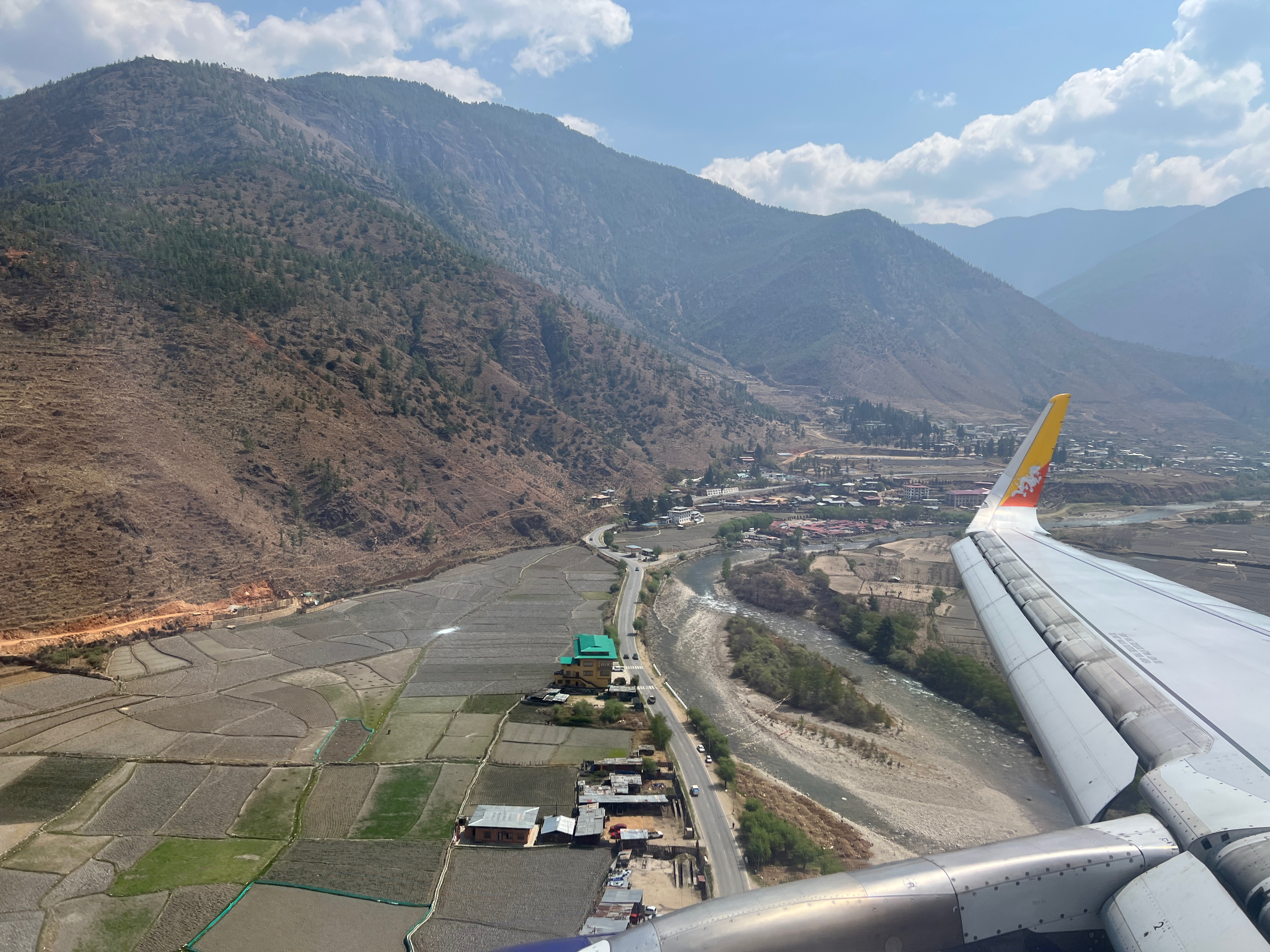
Paro International Airport is one of the world’s most dangerous airports and just a small handful of pilots are certified to make the manual by-daylight-only approach between 18,000 feet peaks, through a long, winding valley, and onto a runway that is only 7,431 feet long and visible for only moments before landing.  We had heard countless stories about the approach to Paro and as we flew between snow capped mountain peaks we began to feel some trepidation. Then, over the PA, came the Captain’s reassuring voice. “Please do not be alarmed” he said. “This looks hair raising but believe me, we have done it many times before!” With a collected sigh of relief, we settled down to admire the view and concentrate on the moment!
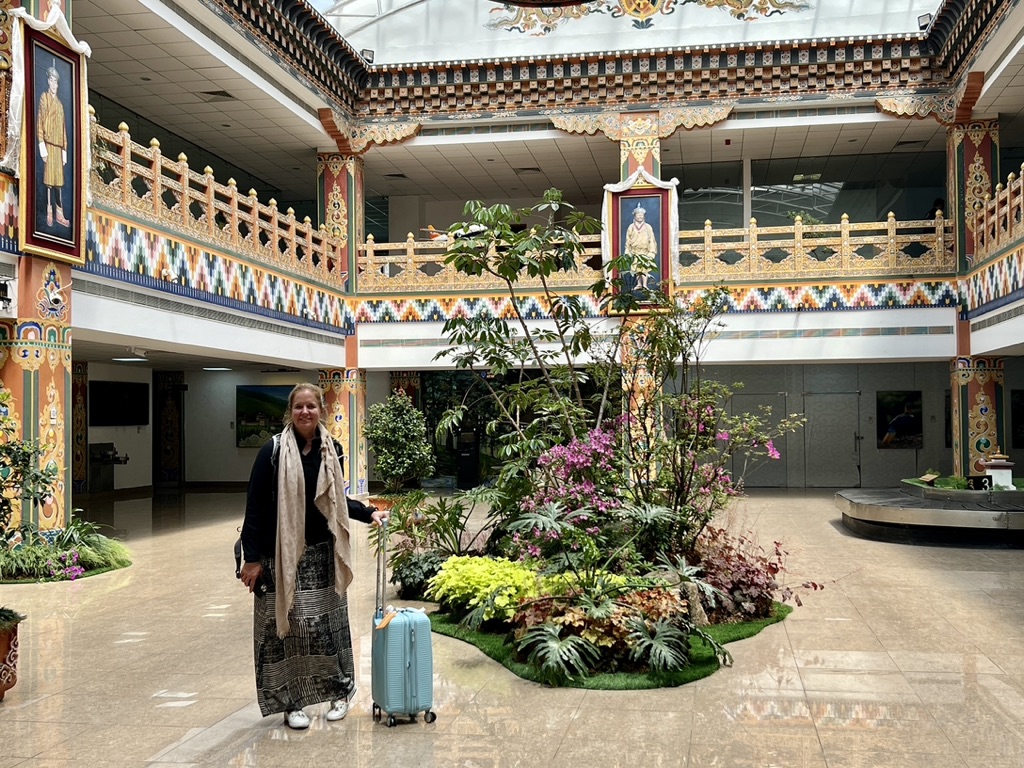
The first surprise came on disembarking the aircraft. There were no jet bridges, no airport traffic, no other aircraft. It was peaceful and serene. We disembarked via the stairs and walked across the tarmac to the beautiful little terminal full of plants and images of Bhutan’s Royal Family. Only one carousel carried checked luggage and there was only a small line at immigration. It was all so organised and there was absolutely no stress. Our guides met us at the entrance to the terminal and presented us with white silk welcome scarves. I felt totally at home!

Our guides were Chencho, the driver and Sonam, the guide and we had the luxury of a large four wheel drive vehicle for the whole of our stay. Inevitably our guides became our friends and we learned so much about Bhutanese customs and way of life. We were to stay at Como Uma Paro, a small hotel about fifteen minutes from the airport in the foothills.

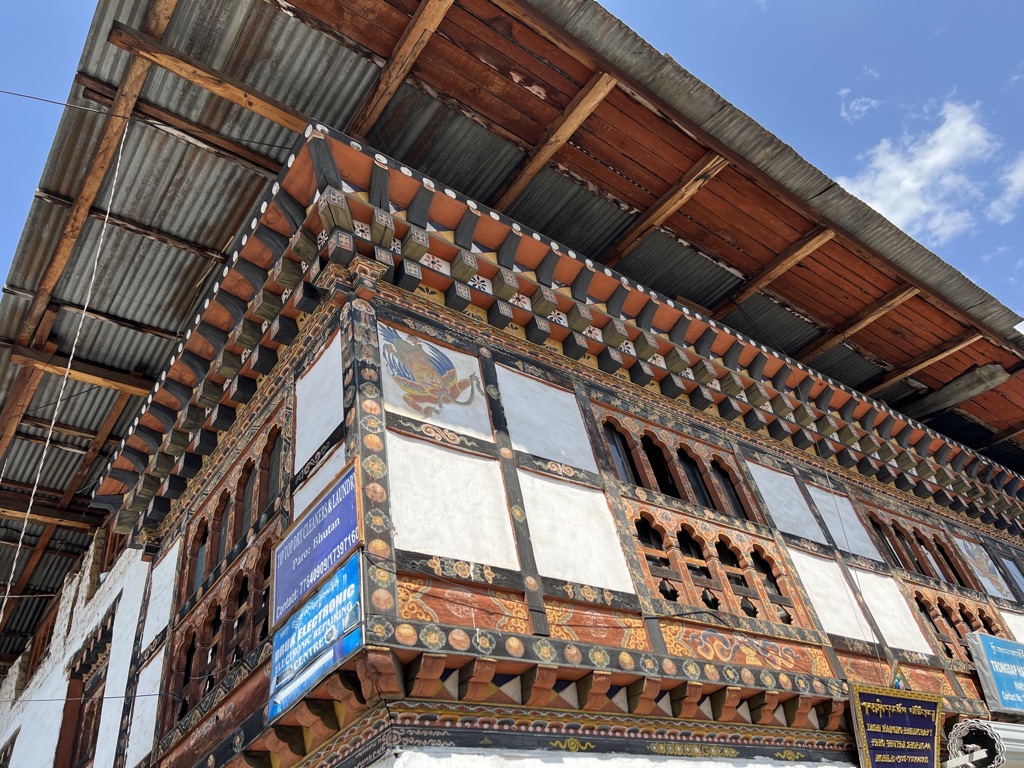
The lodge sits in the middle of a pine forest and is built in the traditional Bhutanese style of wood, stone and tiles. Windows are elaborate and painted with buddhist motifs and in traditional colours. The rooms are contemporary and ours had a stunning view of the valley and mountains beyond.

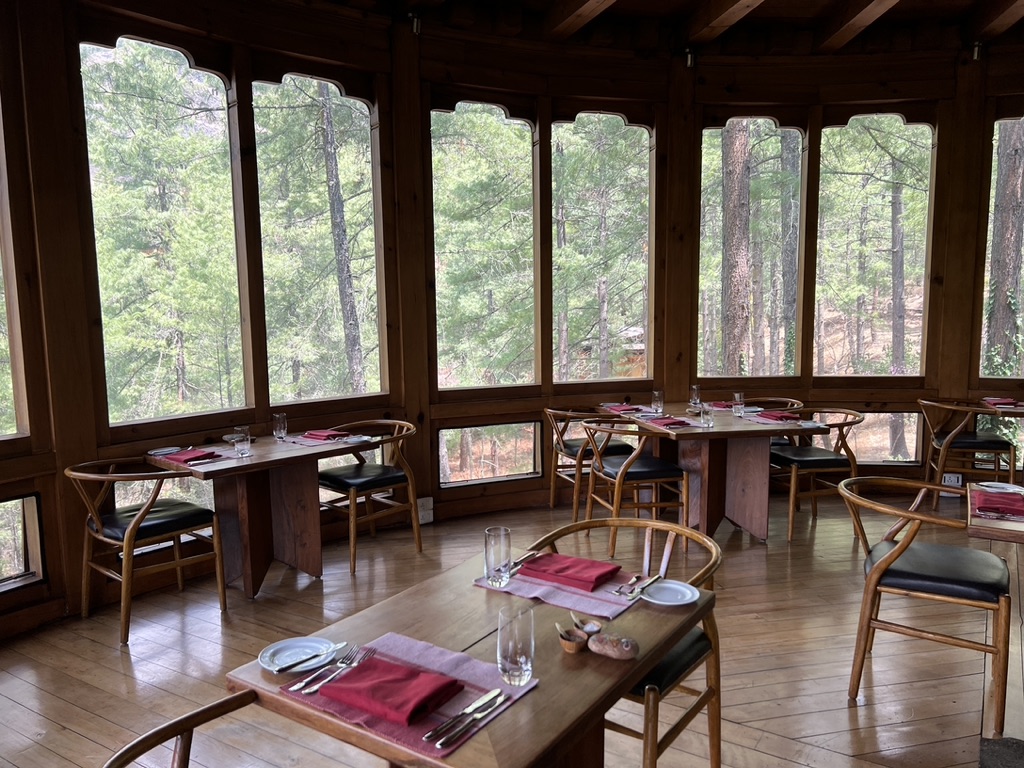
We had heard about the restaurant where we could have Bhutanese food or western style meals. We were not disappointed. It was sensational and sitting in the light filled room perched above the trees, we felt as though we were at one with nature. Apparently the King often calls in for lunch, quite unobtrusively, and sits amongst the guests many of whom would have no idea who he is. Unfortunately it didn’t happen during our visit but I was willing the gods who obviously took no notice!
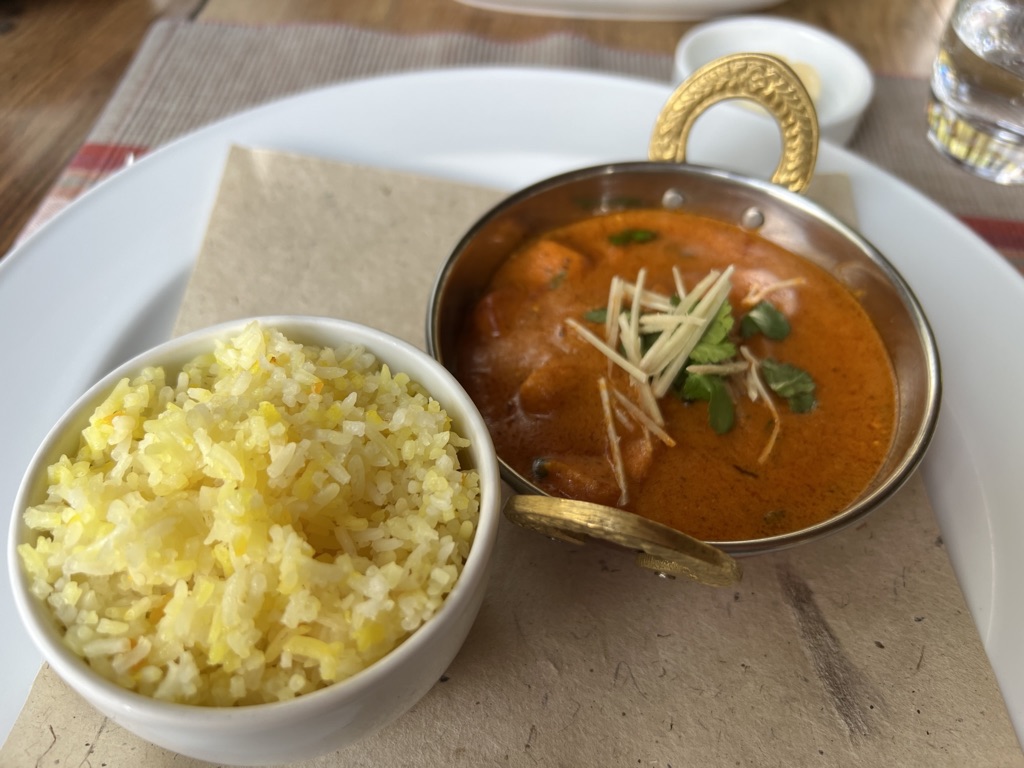
My favourite lunch was Paneer cheese in a delicious home made tomato herb sauce with local rice.

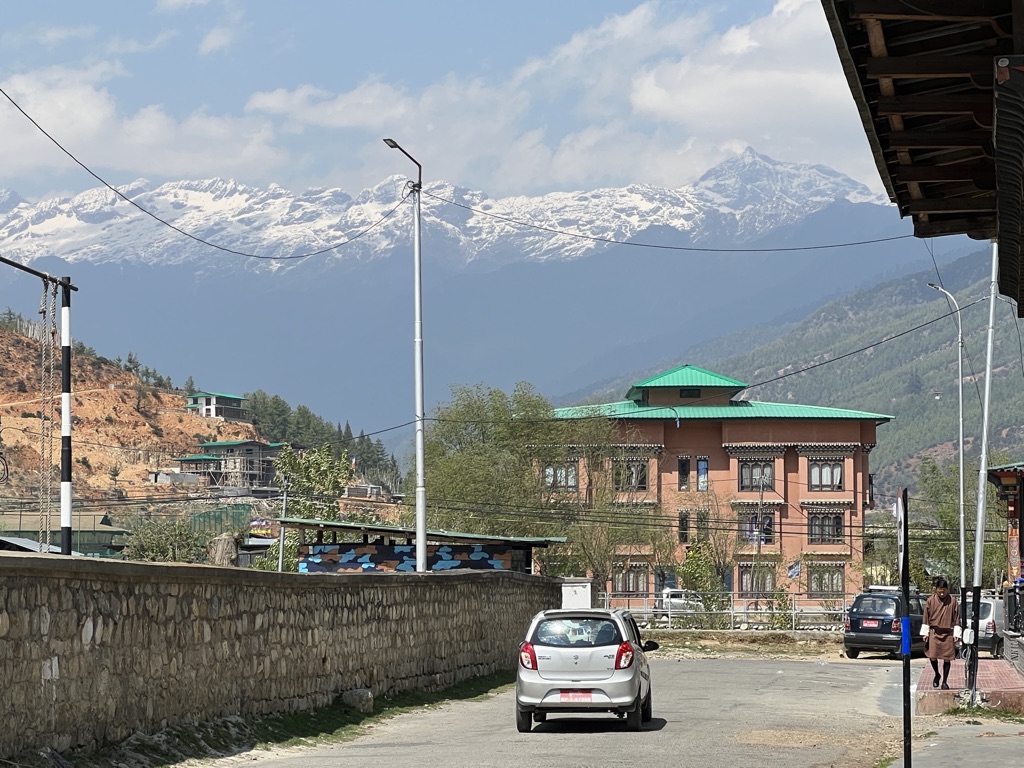
Adjusting to the altitude could be a problem for some. We were at 2,200 metres and at times I felt a shortness of breath. With this in mind Sonam and Chencho suggested we do a short walking tour of Paro town to familiarise ourselves. Here we found that buildings can be built no higher than 6 storeys and must be in the traditional style including wood carvings and paintings. This means the town has a very charming feel. There is little traffic and it seems as if life is in the slow lane. The streets are uneven and potholed, there are no crowds and the footpaths were broken in places. This does not deter from the overall impression one gets. Dogs are everywhere and are revered. They are well fed and mostly strays but everyone respects them and we found that even if one was lying in the middle of the road, the cars would go around rather than move it!

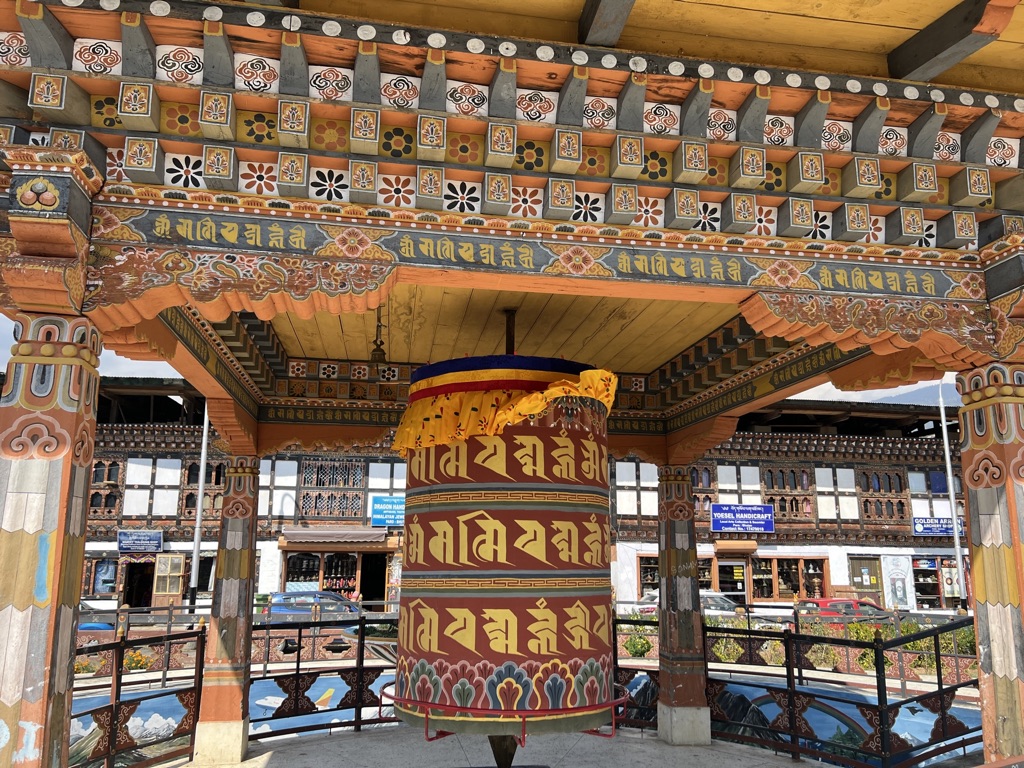
A huge prayer wheel sits in a shrine in the middle of Paro. This was the first of many we encountered during our stay in the country. Prayer wheels are a cylindrical wheel on a spindle made from metal, wood, stone or leather. These are beautifully embossed and contain a written prayer or mantra. Tibetan Buddhists use the prayer wheels to evoke good fortune and spirituality and may spin them several times a day or whenever they find one either in a temple, on the mountain side or in a small shrine in a village. The mantra is often “Om mani padme hung ” which one recites as the wheel is spun. It doesn’t take long to copy the locals and I quickly felt a sense of calm after spinning the wheel and murmuring the mantra.
We strolled through the town, in and out of various shops selling all manner of things including art and souvenirs. Weaving is a traditional art in Bhutan so Sonam took us to a small shop where a weaver was at work creating an incredibly intricate design. Watching her handling a myriad of threads in various colours was fascinating – how she managed to keep a pattern going was obviously after a lifetime of working at the loom, probably from childhood.
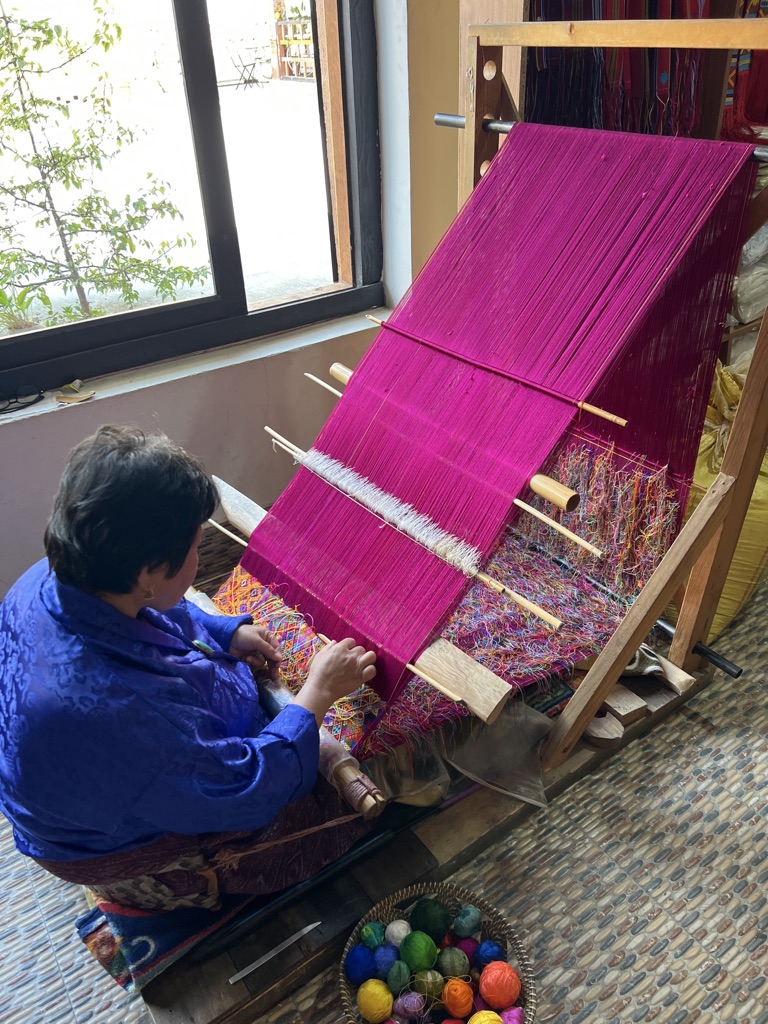
The shop was filled with the finished garments, jackets, scarves, lengths of fabric to make the kira (the female dress).
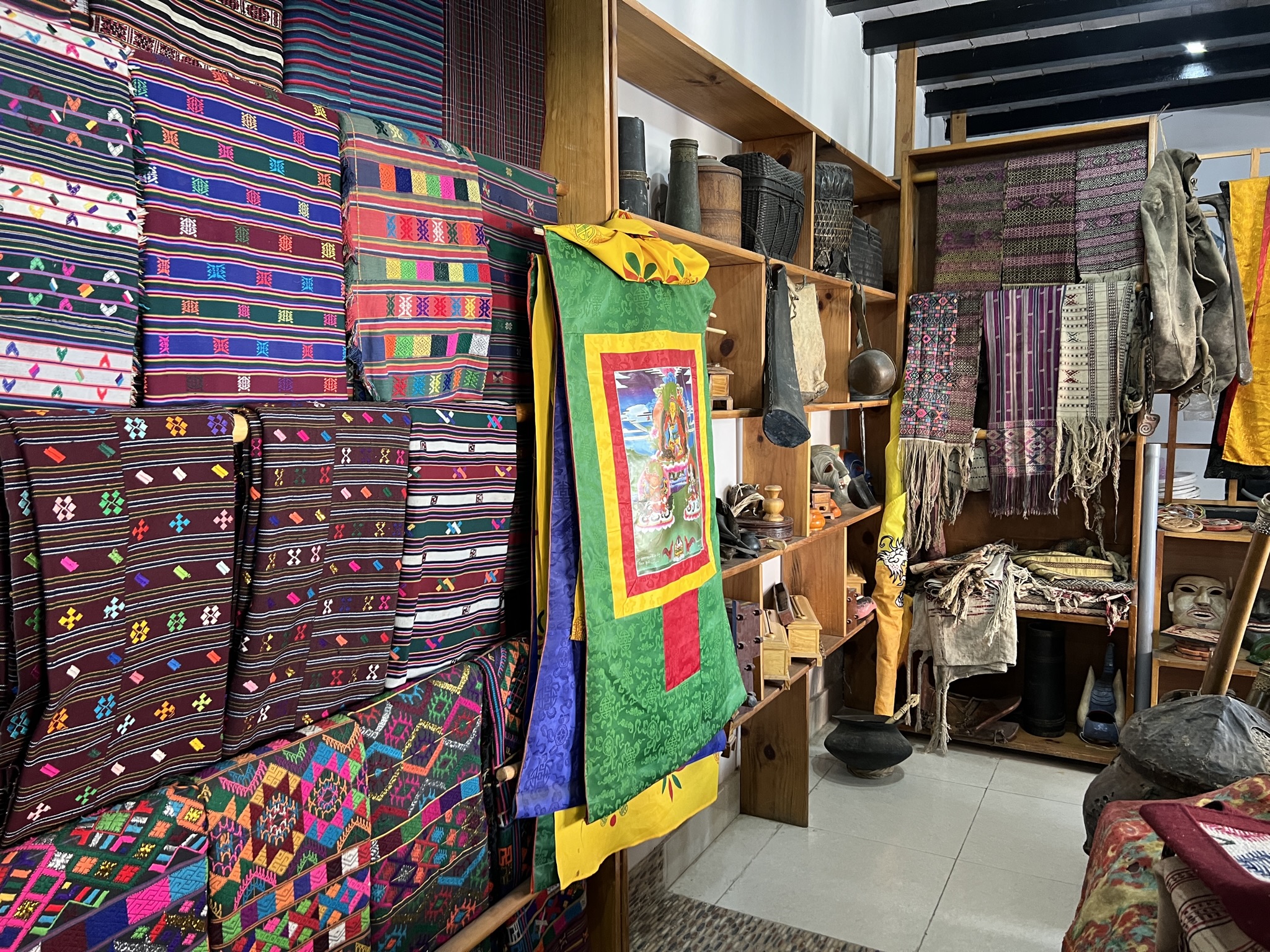
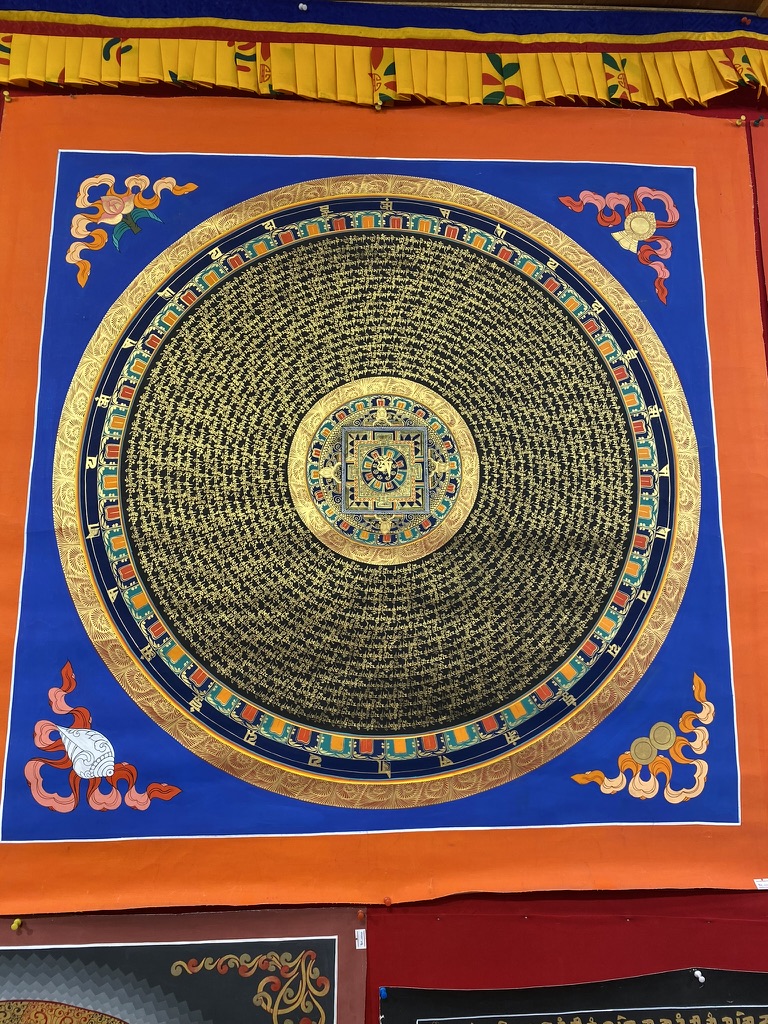
Then we went into a gallery where I was blown away by the beautiful and very intricate paintings depicting various gods and mantras.

BUDIR AND THE LITTLE BLACK CHURCH

AND AN ICELANDIC WEDDING

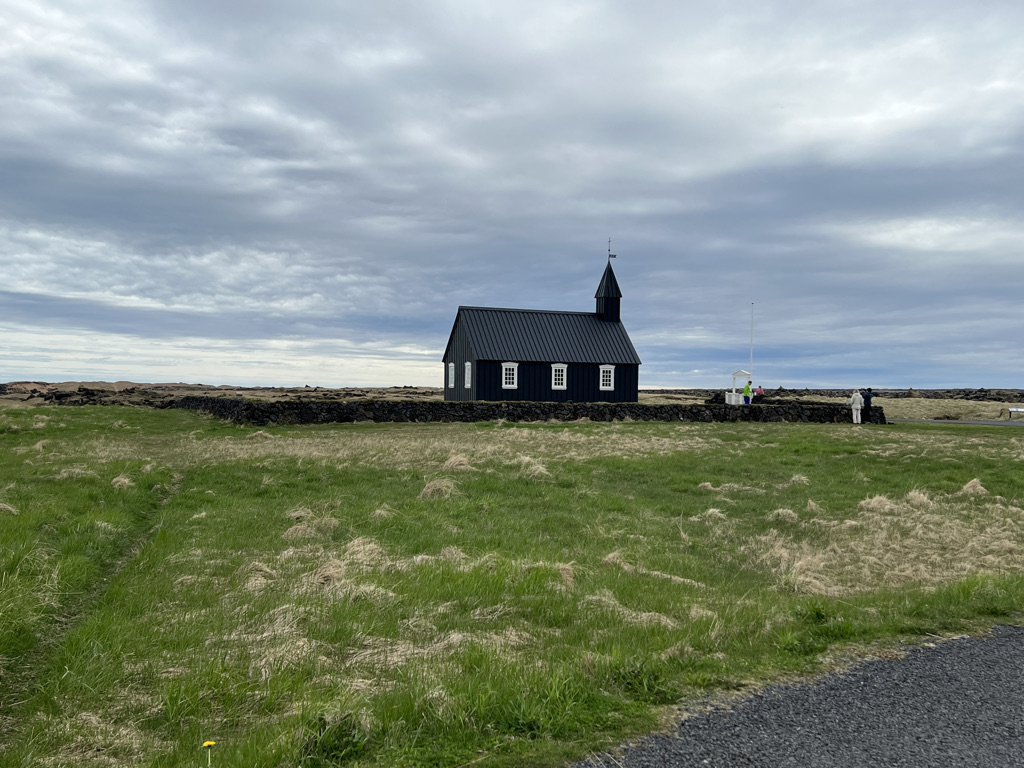
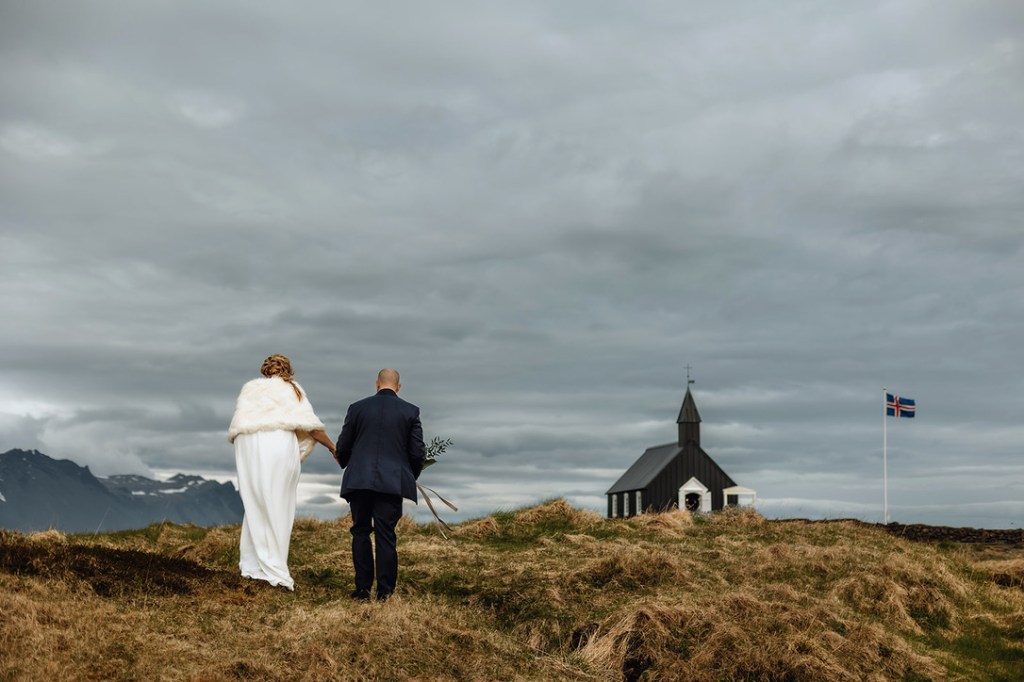
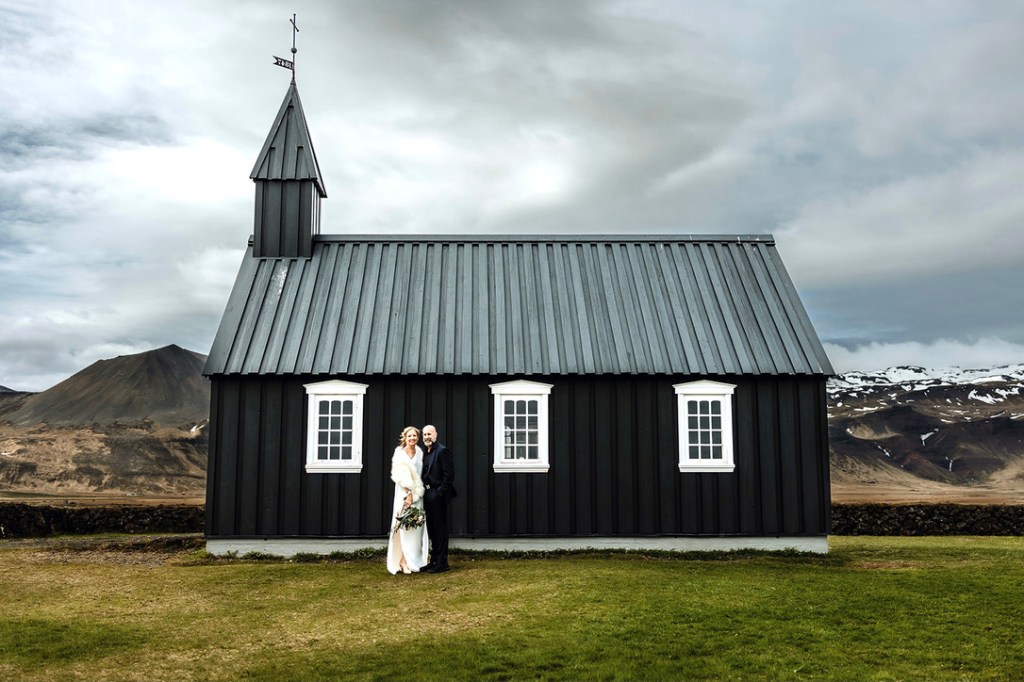
This beautiful little wooden church, painted black with pitch to protect it from the harsh Icelandic elements, is situated in the western part of Iceland on the Snaefellsnes Peninsula. It was here that my daughter and her fiance announced they had chosen for their wedding. To say that we were dumbfounded is an understatement. Iceland is about as far away from Australia as you can get and I had never heard of Budir or Snaefellsnes! Lots of research was undertaken, guests informed so arrangements could be made, bookings and reservations confirmed ….. and then Covid interrupted the best made plans. Fast forward two years later and we found ourselves – a much smaller group – in this surreal, dreamlike landscape.

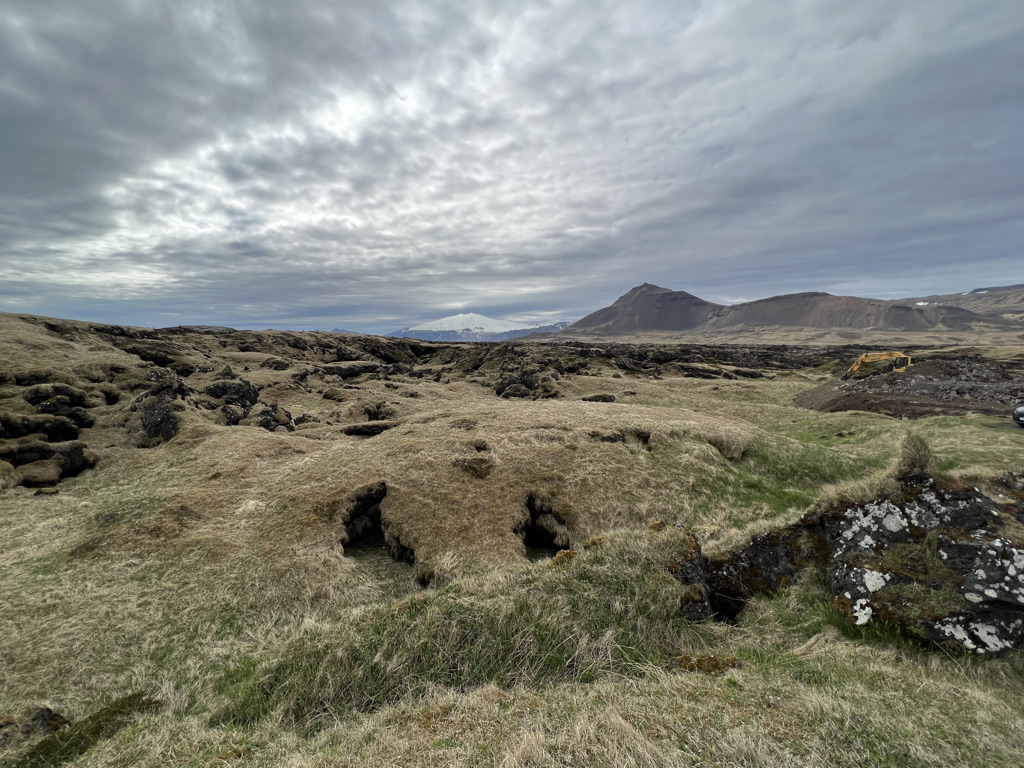
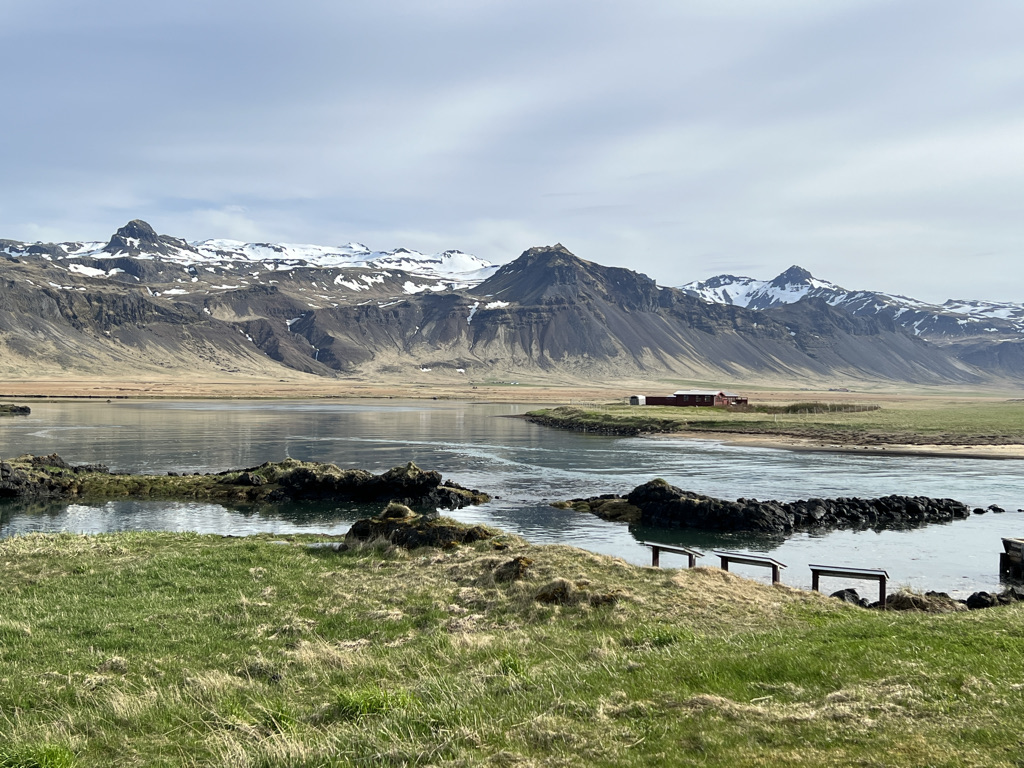
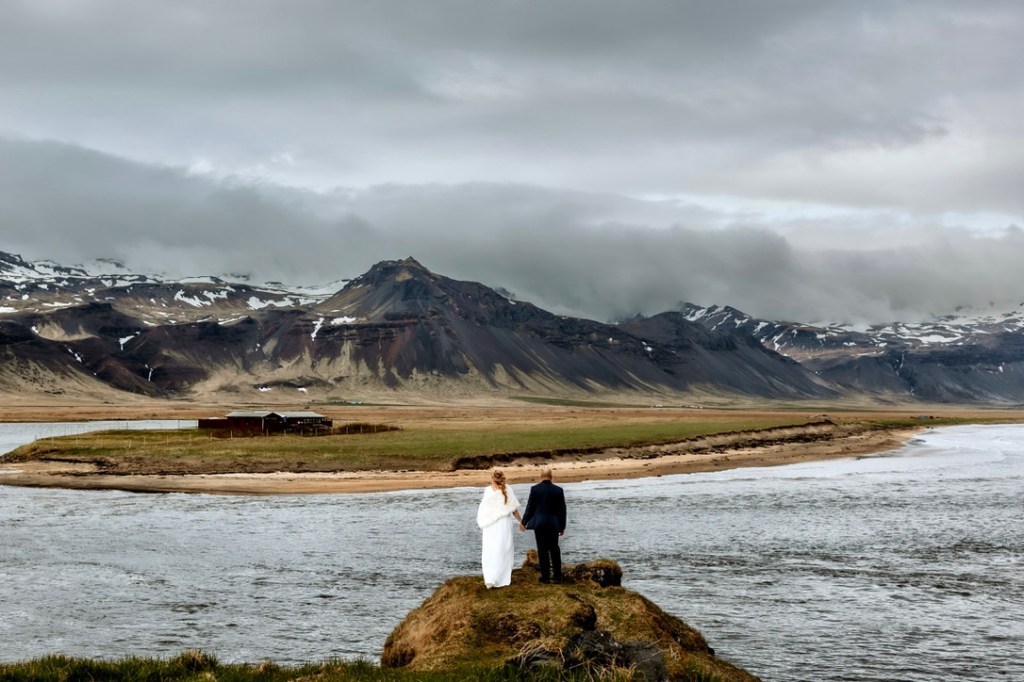
The Snaefellsnes area is west of Bogarfjordur in the western part of Iceland and about two hours from Reykjavik by road. It has been named “Iceland in Miniature” because so many national sites can be found in the area. It is surrounded by sea with beautiful cliff formations, small picturesque fishing villages, waterfalls and endless lava fields. These were new to me and in fact are the result of eruptions for thousands of years. The lava cooled forming rocks which eventually became covered in moss. The Black Church sits in the middle of a lava field which is known as Budahraun and there is a huge diversity of plant life, and to my amazement, beautiful ferns.

Originally the main function of Budir was to act as a fishing and trade hub for the region during the Danish trade monopoly. Today it is a tiny hamlet with only the church and a hotel close by. The first church was built in 1703 and at that time 120 people lived in the hamlet. The church was made of turf and over time fell into disrepair and was finally abolished by royal letter in 1816 due to its condition. We heard the story of a widow, Steinunn Sveinsdottir, who lived in Budir in the mid 19th Century and she applied for permission from the Church authorities to rebuild at Budir. They declined so she led and paid for the erection of the wooden church that is there today. It was finished in 1848 and a plaque claims the church was built without the help of the “Fathers”, in other words, without any help from the Lutheran Church. Steinunn died in 1854 aged 77 and she is buried in the cemetery next to the church where we saw her gravestone. The church and the story serves as a reminder of the strong Icelandic woman and her determination.

The plaque outside the church

We checked into the Hotel Budir which was fabulous. A lovely country hotel with breathtaking views of the Snaefellsjokull glacier and the Budir estuary which meanders into Faxafloi Bay where a number of seals reside and we spent joyous moments watching them frolic just outside the lounge windows and settling on the little beach below.

The Hotel has a wonderful restaurant which is apparently one of the best in Iceland. We had only just arrived in the country so had no comparisons really but what we found was absolutely amazing and the menu was varied and consisted of local produce. The staff went out of their way to help and the wedding reception was beautiful. The private dining room used for functions was on the first floor and had wonderful views.

The hotel is a 3 minute walk to the church which stands on a hill and the views are stunning. The morning of the wedding dawned bright and sunny but by late afternoon clouds had formed throwing the area in a different light. No matter where you looked, the scenery was magical.

Inside the church the guests settled on the tiny, narrow wooden pews and enjoyed the simplicity and folk art. The priest, a Lutheran Pastor from a nearby town, was welcoming and conducted the service in English but also read a poem and a text in Icelandic which somehow made this occasion unique quite apart from the setting. He also had a sense of humour which helped everyone relax.

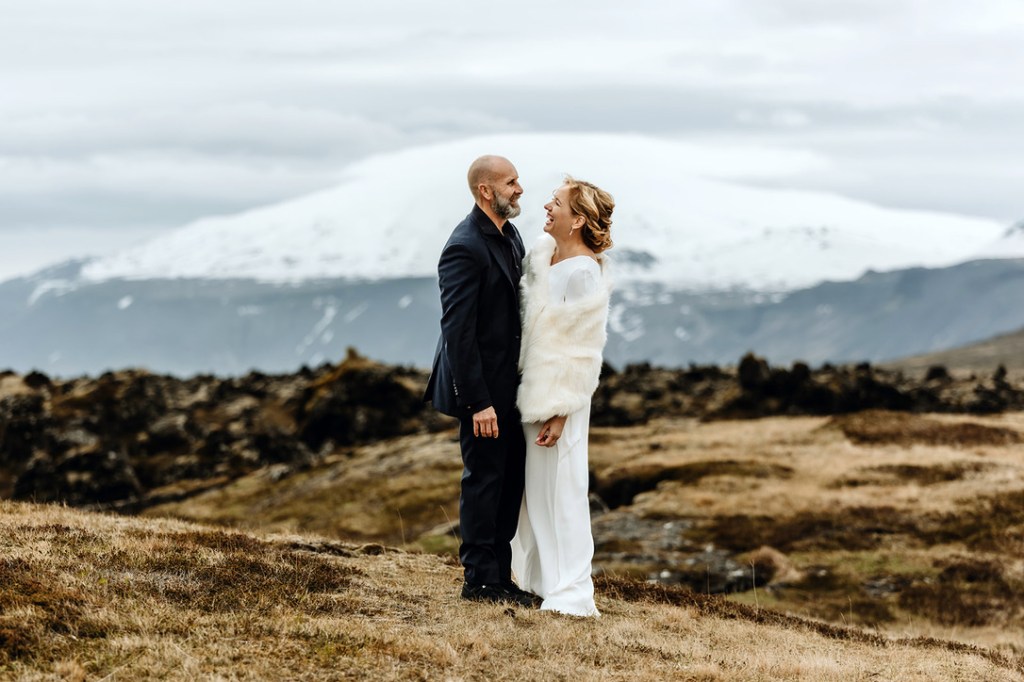
Obviously this place is a photographer’s dream and the photos later were taken with both the mountains in the background as well as the glacier, the little church yard, the gates and the rock wall and endless lava fields.

This area of the Snaefellsnes Peninsula will always be in my heart and the little Black Church and it’s legends will remain with us all forever.

FROM THE TROPICS TO ICELAND

Finally the time has come to travel again. Two and a half years seems a lifetime and life has changed immeasurably for me. However, one thing that that hasn’t changed is our desire to go to Iceland for a very special occasion. A family wedding that was planned for May 2020 is on the cards again! This time the guest list has reduced dramatically and holiday plans have been shortened but the location, the tiny settlement of Budir in Western Iceland, remains the same.

Hours of research have gone into this trip. We will be driving the Ring Road and have a huge list of things “not to be missed”. We will, of course, be unable to do it all but that’s OK – there is always another time except when you live on the other side of the planet, it is not quite so easy!

Right now my priority is packing. Trying to imagine temperatures below 10C when it is hot and sunny here is virtually impossible. Then there is the thought of a journey of 23+ hours. We decided to fly straight to Helsinki instead of having a stopover in Singapore because at the time of booking there were lots of restrictions regarding quarantine and Covid testing. Now that has been lifted but we will press on regardless.

So an adventure awaits – a total contrast to life as we know it in the tropics but with the prospect of seeing different animals – Icelandic sheep and horses plus puffins, whales and Artic foxes – and a stunning landscape with waterfalls, cliffs, volcanoes, glaciers, and geysers, not to mention the incredible folklore and history complete with elves and superstitions – I can hardly wait! Stay tuned.

COBBOLD GORGE – AND THE GLASS BRIDGE

AUSTRALIA’S NARROWEST GORGE

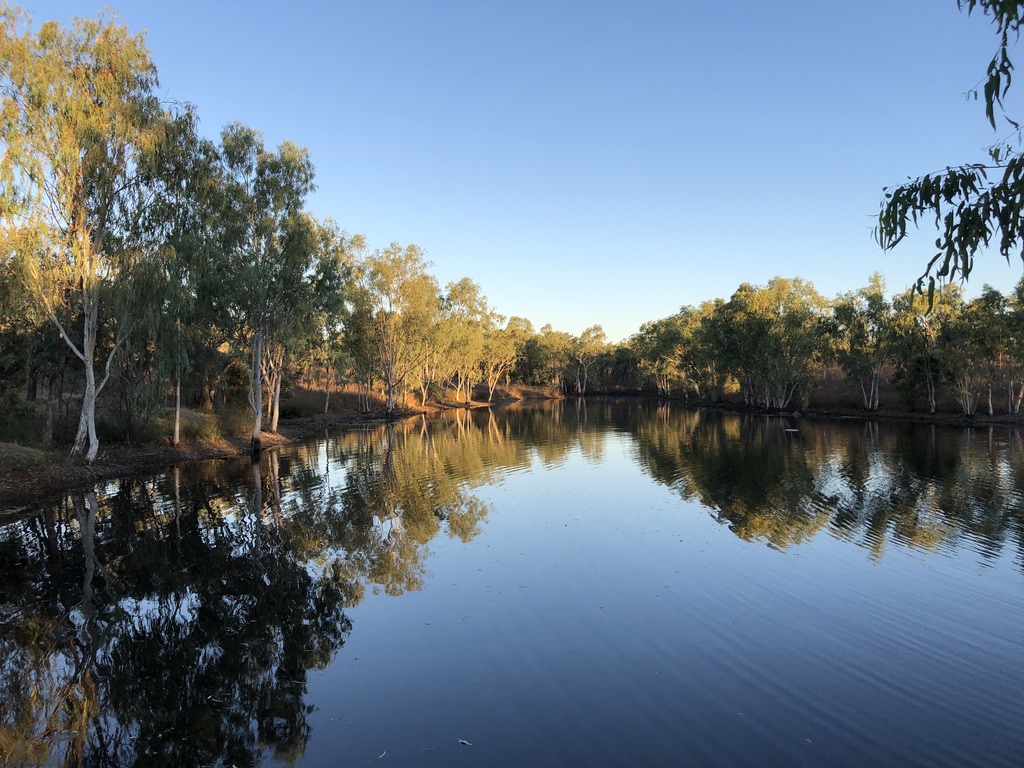
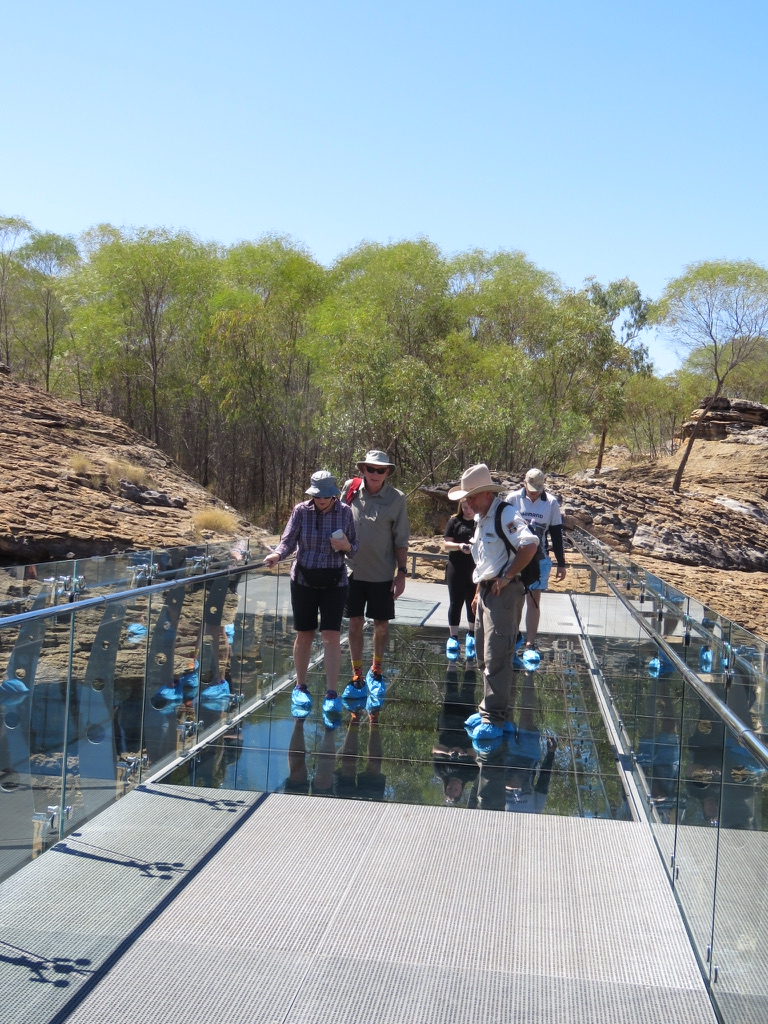
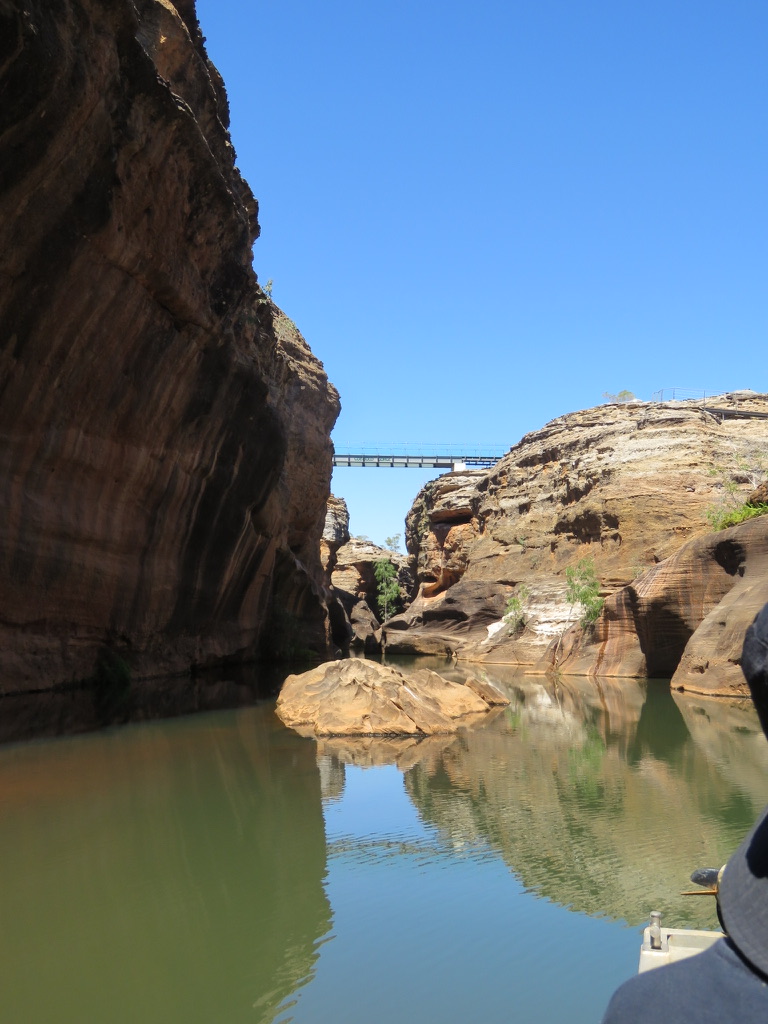
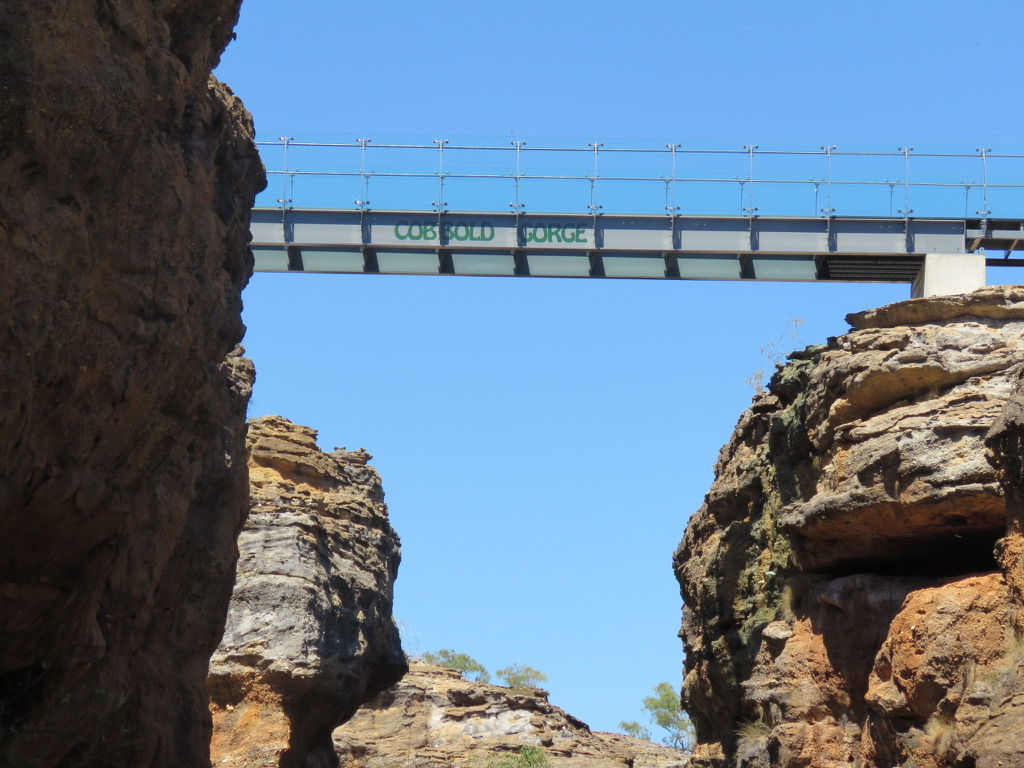
This was the second time we have visited Cobbold Gorge and it won’t be the last! A really spectacular location in the Gulf Savannah region, this is a breathtaking part of the Outback. We loved it the first time but since then a spectacular glass bridge has been built and is Australia’s first fully glass bridge spanning a 13 metre gap and with a 19 metre drop into the water below. I was thinking of the Grand Canyon bridge and wondered if it measured up but there is no comparison. This is just amazing because of the location and also because of the size – tiny compared to the Grand Canyon but equally impressive.

Cobbold Gorge Village http://cobboldgorge.com.au is part of Robin Hood Station which is a working cattle property and is a 6 hour drive from Townsville or Cairns. The drive itself is interesting through ancient geological landforms and small townships in the Gulf Savannah region. Forsayth is closest to the station and tours run to Cobbold Gorge from there as well.

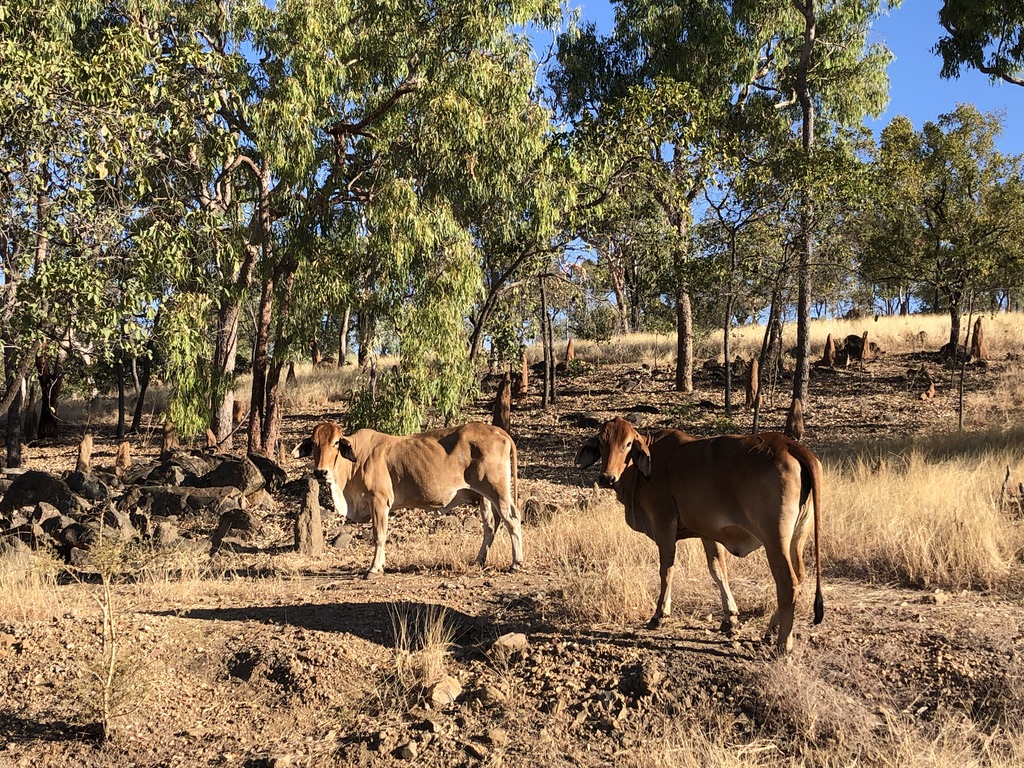
The cattle seem unperturbed by motorists on their way to the village and we passed many termite mounds of all sizes and shapes which stood out in the red earth. Wildlife was abundant – red and black cockatoos, lots of kangaroos and even wedge tailed eagles.

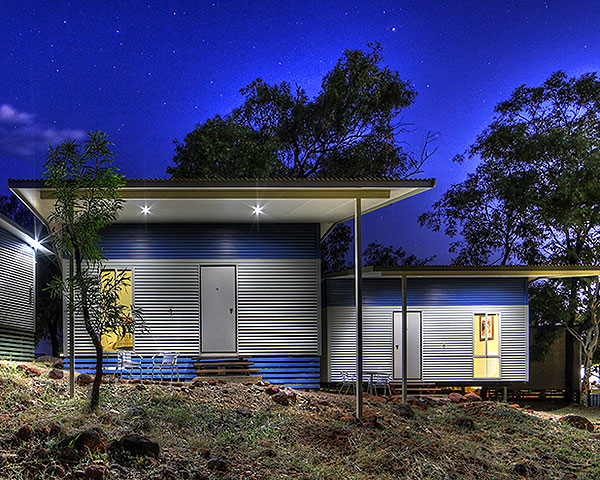
On arrival at the village we checked into our accommodation which was in the Boundary Huts – very comfortable, air conditioned rooms with ensuite and tea and coffee making facilities as well as little verandahs to sit and soak up the views.

(Photo by Cobbold Gorge Village)

There is a variety of accommodation to choose from and many arrive with caravans or campervans and are fully catered for in the nearby campground. We chose to dine at the restaurant which is located next to the swimming pool overlooking the lagoon. Great food, wonderful ambience and there was even a guest playing his guitar – what more could you want?

To visit the gorge you must do a tour with a Savannah Guide which takes 3 hours. A short bus ride takes you to the starting point for the walking/boat tour – our group was small and the guide very informative. We started with the walk which was about an hour and a half and began along the water’s edge and then up through interesting country and onto the sandstone escarpment. The guide pointed out various species of spiders with finely spun webs, hollows for wildlife and beautiful paperbarks.

What fascinated me was the “Soap Tree” – a very special tree nestled near the water’s edge with leaves that make “soap” and is apparently a godsend for those out in the bush with very few supplies. First you find the tree, then you gather the leaves and rubbing them between your hands, magical soap appears!

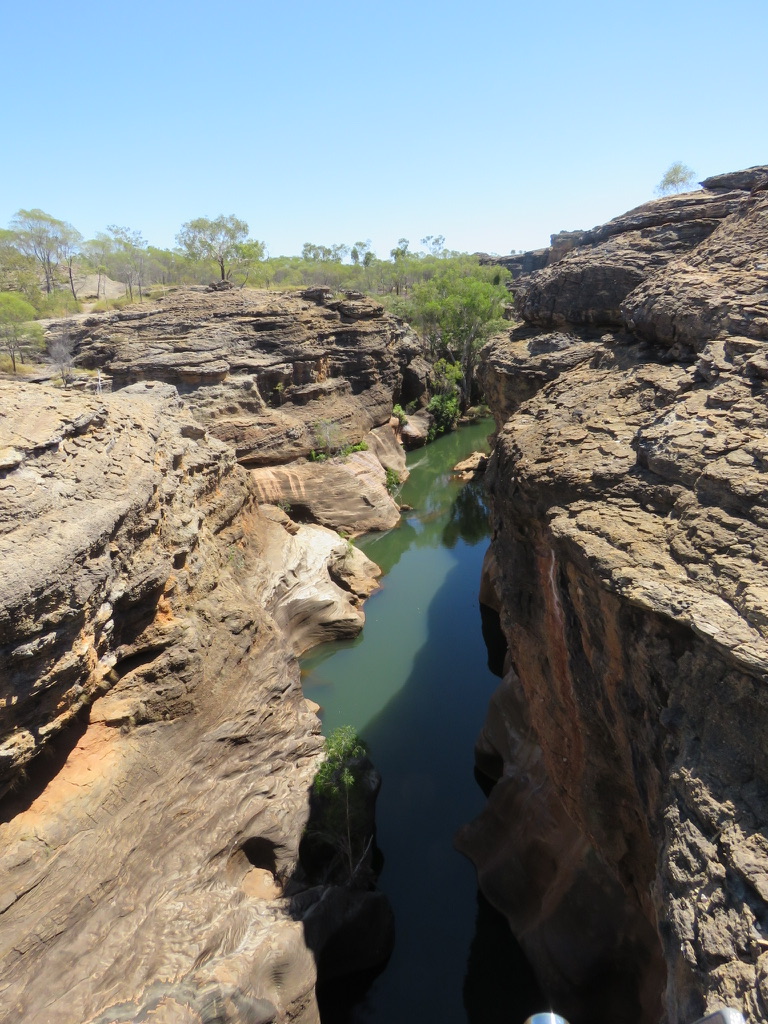
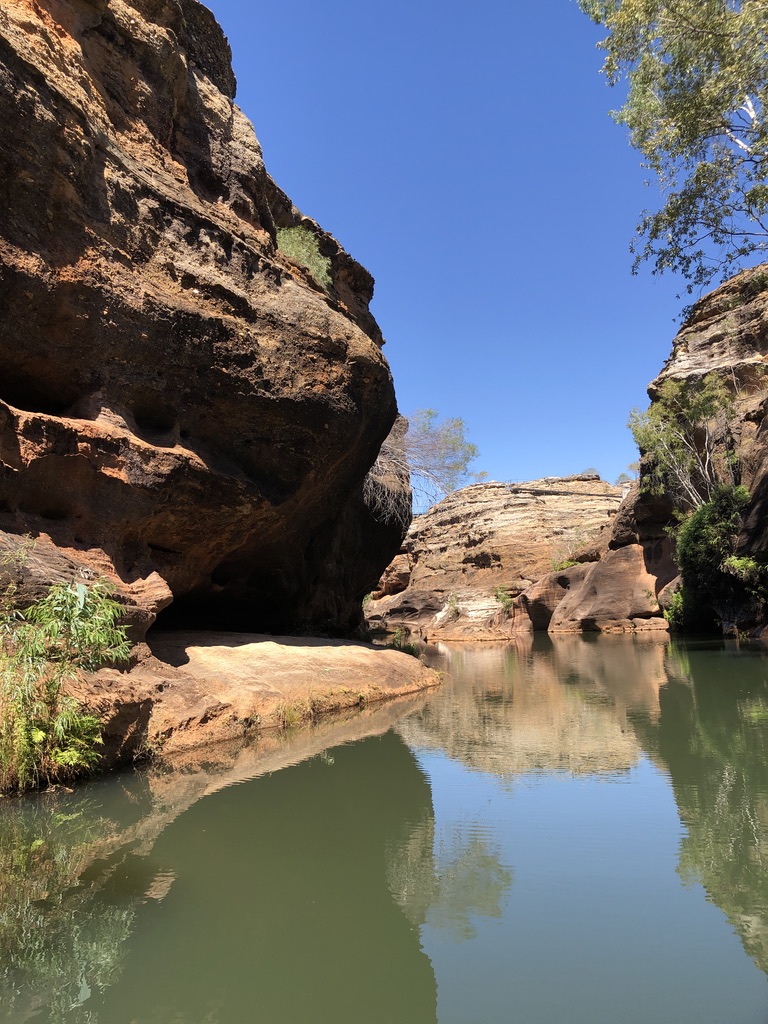
We climbed the escarpment and heard some of the history of the place and stories of the pioneers who first came to this part of the country. Then we walked across the ancient landform to a point at the top of the gorge where the bridge is located. The gorge is stunning with 30 metre sheer walls from the bottom of the water to the top of the escarpment. The bridge shimmered in the morning light and we had to put on special covers over our footwear so as not to scratch the glass before gingerly walking across!

Whilst admiring the view and becoming more confident about walking on glass, a small boat was silently gliding through the gorge below – this was another group who were to do the walk after the boat trip.

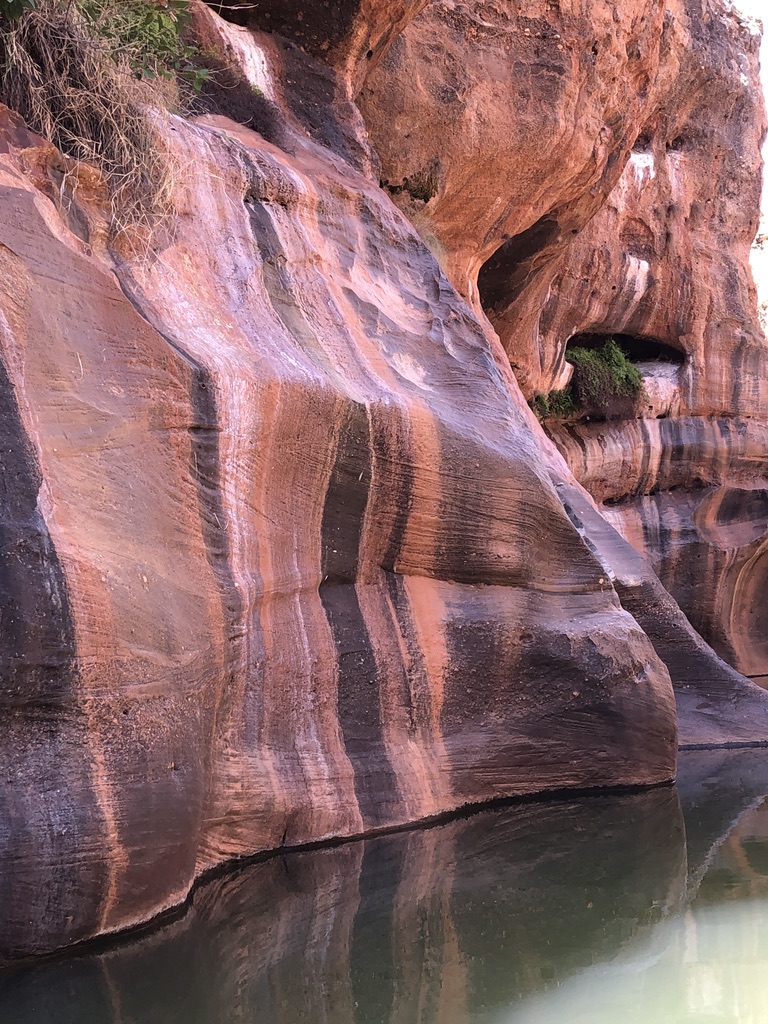
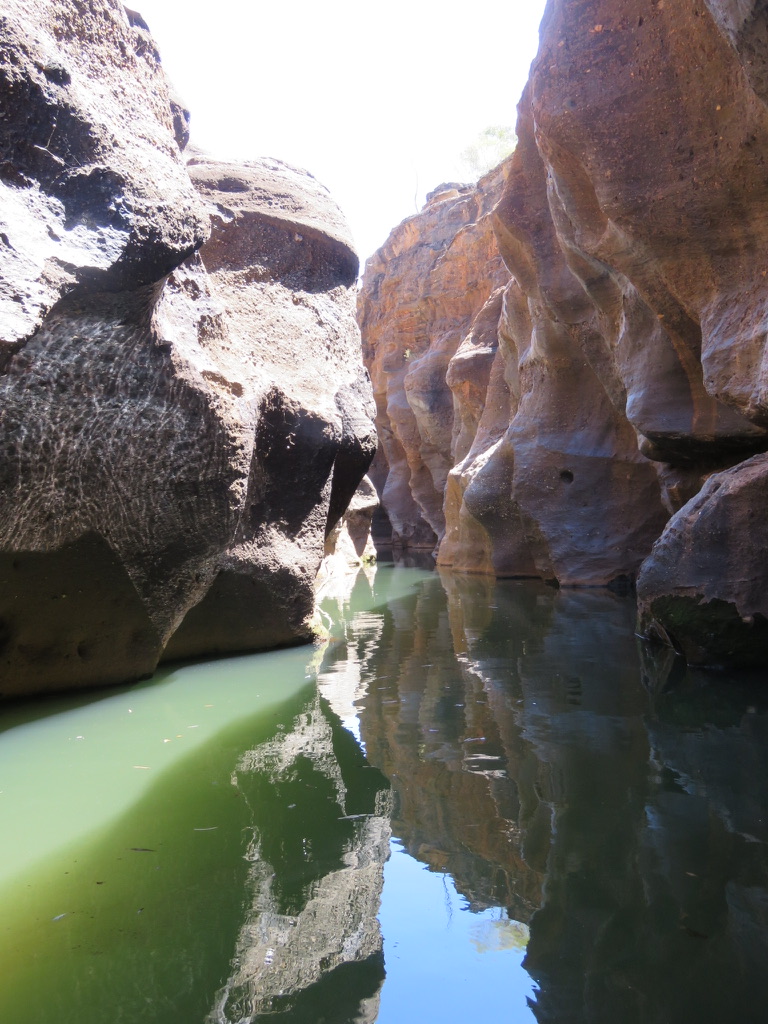
A short path down the escarpment to the water’s edge and it was time to do the electric boat trip – the guided cruise takes about 45 minutes and is a wonderful way to see this beautiful gorge. The boat is so silent and gliding past the sheer rocks which one could touch and then looking through the crystal clear water, it was a dream. There are fresh water crocodiles resident in this place, known as Johnson River Crocs they are harmless and just add to the mystique of the area.

We watched tiny spiders weaving webs and saw butterflies and dragonflies flitting through the rocks. At one point the guide pointed out a place he calls “Duck Rock” – it is the narrowest point of the gorge and only 2 metres across and thus he calls out “Duck” to avoid the looming overhang! Then we saw the bridge from the water – and how spectacular that was!

Back at the village and eager to find out more about the history of the station, I found a very informative poster about Francis Cobbold and I pondered his life and times and wondered what he would think now – hopefully he would be proud of the fact that so many have enjoyed this remarkable part of the outback thanks to the ongoing pioneering spirit of the Terry family of Robin Hood Station.

We had one final thing to do before we ventured on our road trip and that was to enjoy the Outback sunset from the Quartz Blow – a short distance from the village and down a fairly rough track we found a beautiful spot to sit and watch the sky turning yellow, then pink and finally vivid red whilst enjoying a glass of wine, beer and some nibbles. A perfect end to a perfect day and a great finale for our friends from WA.

LONGREACH – THE HEART OF OUTBACK QUEENSLAND

PIONEERS, EXPLORING, GLAMPING AND HERITAGE

Each time we visit Longreach, we discover something new in this heritage area. It’s an easy town to get around, no crowds, no traffic and limitless horizons. The skies are always clear and the air is crisp in winter and warm in summer. There is a lot to experience and with limited time available to us, we planned ahead and made the most of every moment. The big excitement for the kids was the glamping experience!

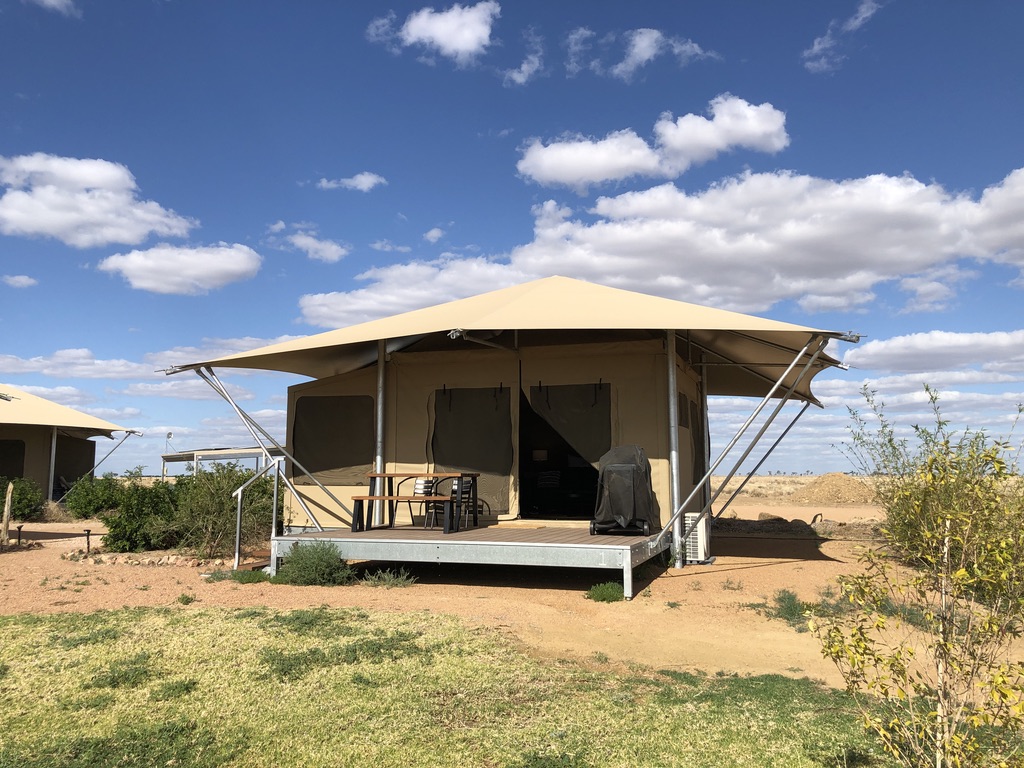
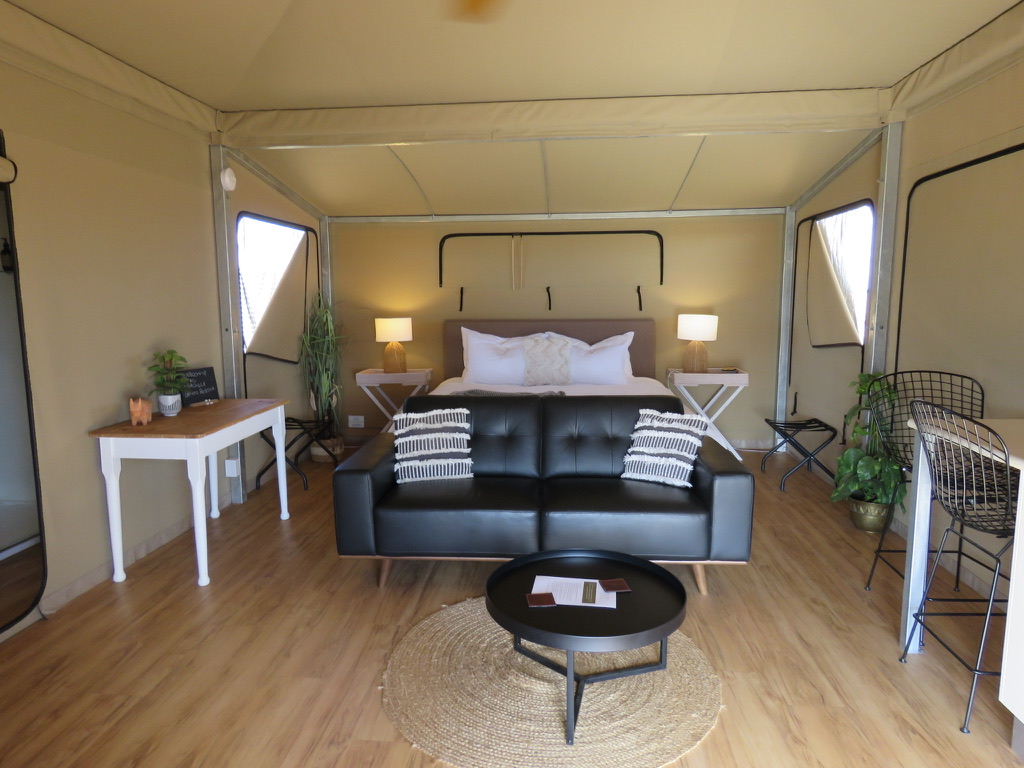
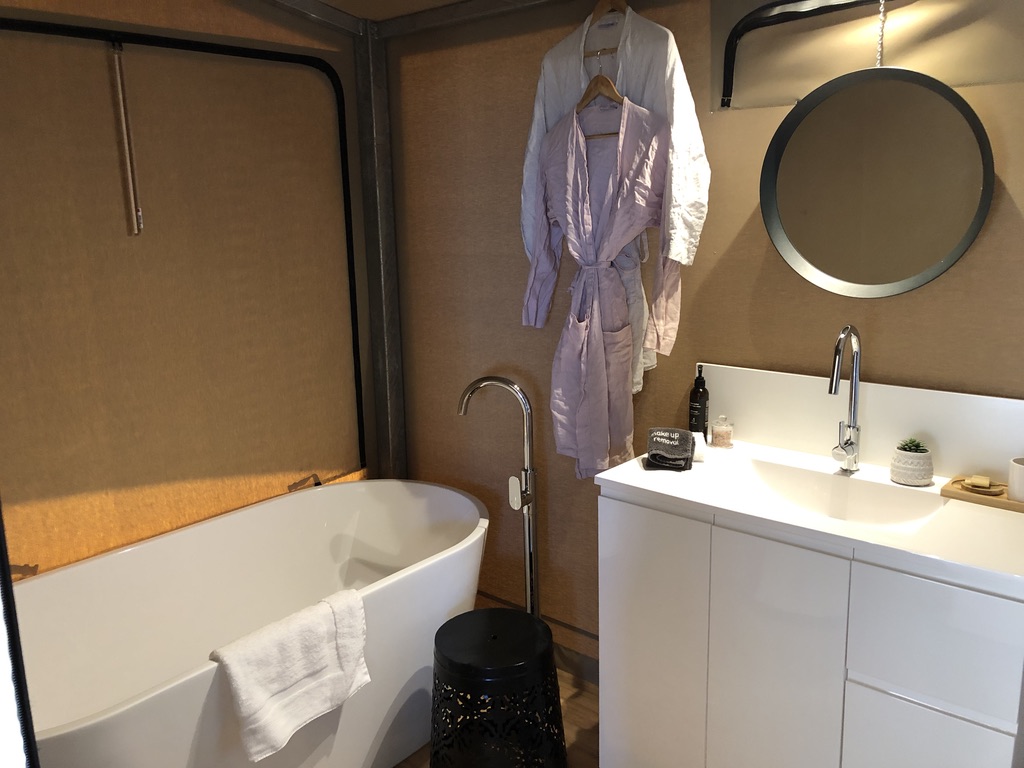
Mitchell Grass retreat http://mitchellgrassretreat.com.au is a tented glamping resort close to town on the Muttaburra Highway. We have stayed in many African safari tents over the years and this one rates very highly and, in fact, is super luxurious! There are 15 canvas tents which are either King or twin size all with ensuites and a private deck. We loved the fire pit in front and at night the kids roasted marshmallows whilst watching the night sky. Breakfast baskets are delivered to your room each day and are delicious. Self catering is easy with a mini kitchenette fully equipped and a barbecue at each room.

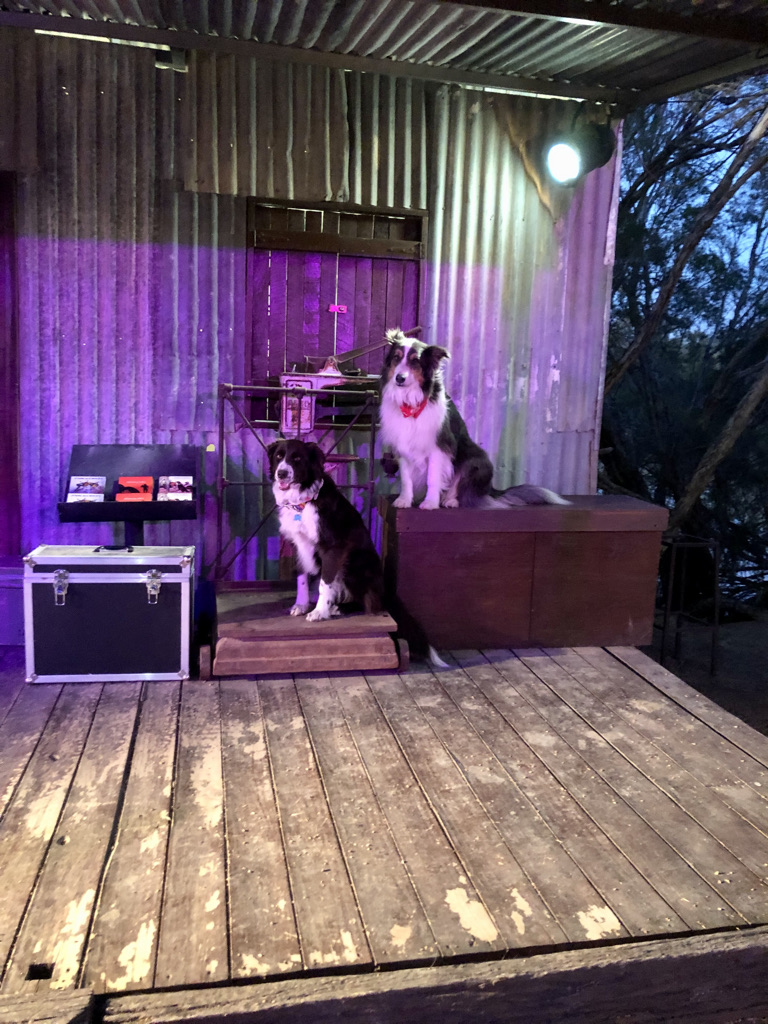
The first night we chose to go to Smithy’s Outback Dinner and Show on the banks of the Thomson River. The dinner was delicious – camp oven themed with damper and billy tea or wine and beer – followed by a show on the river stage. The performer told stories and sang songs all with a country theme. His two border collie dogs, although not part of the show, sat quietly on the stage and captivated everyone!

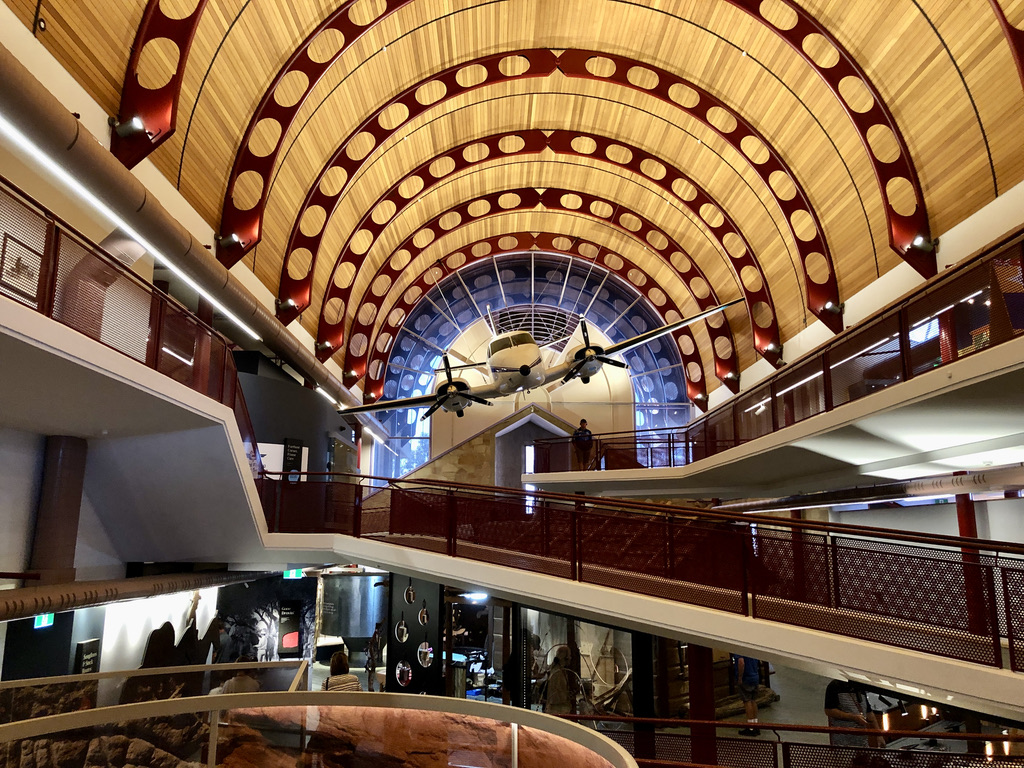
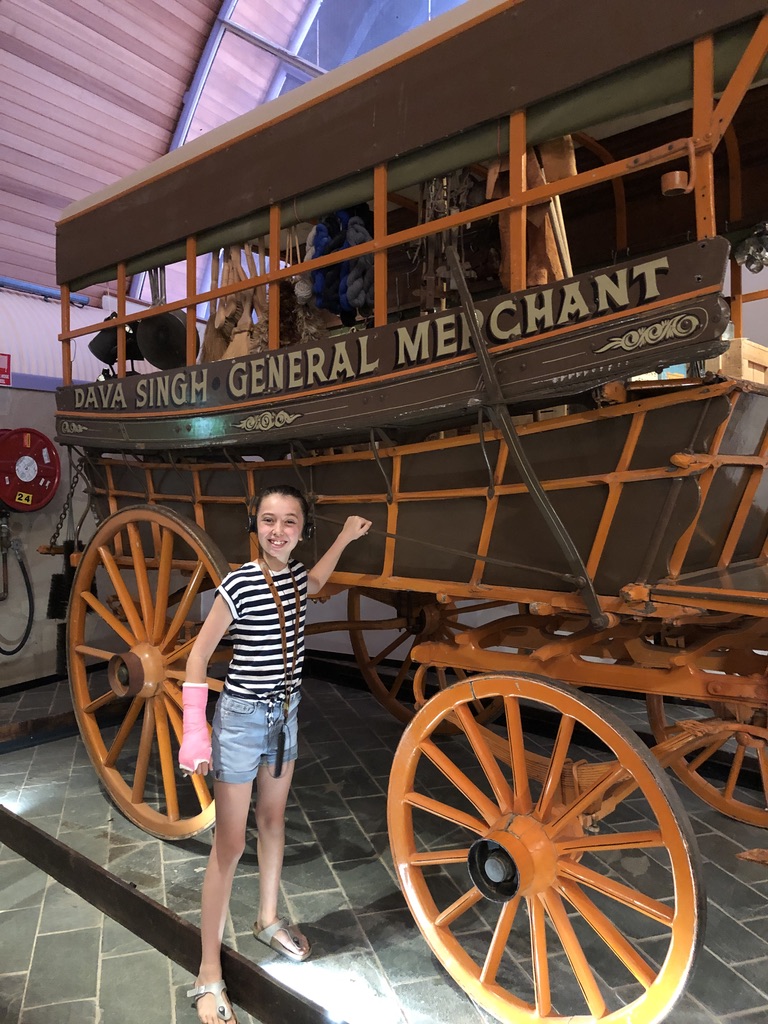
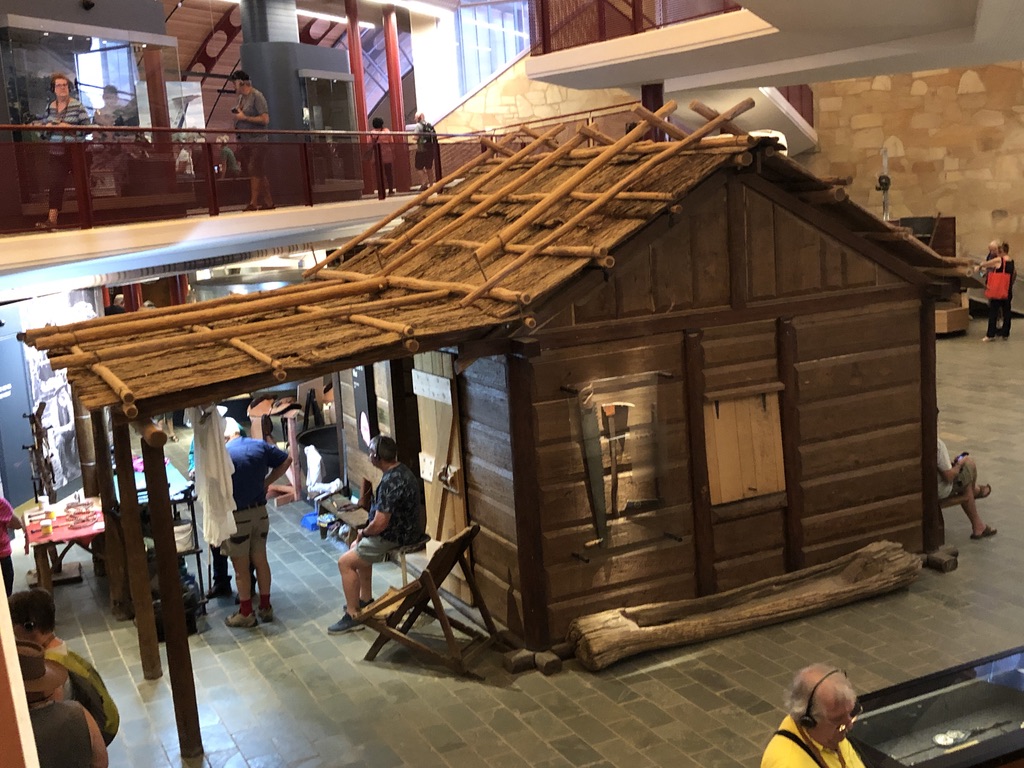
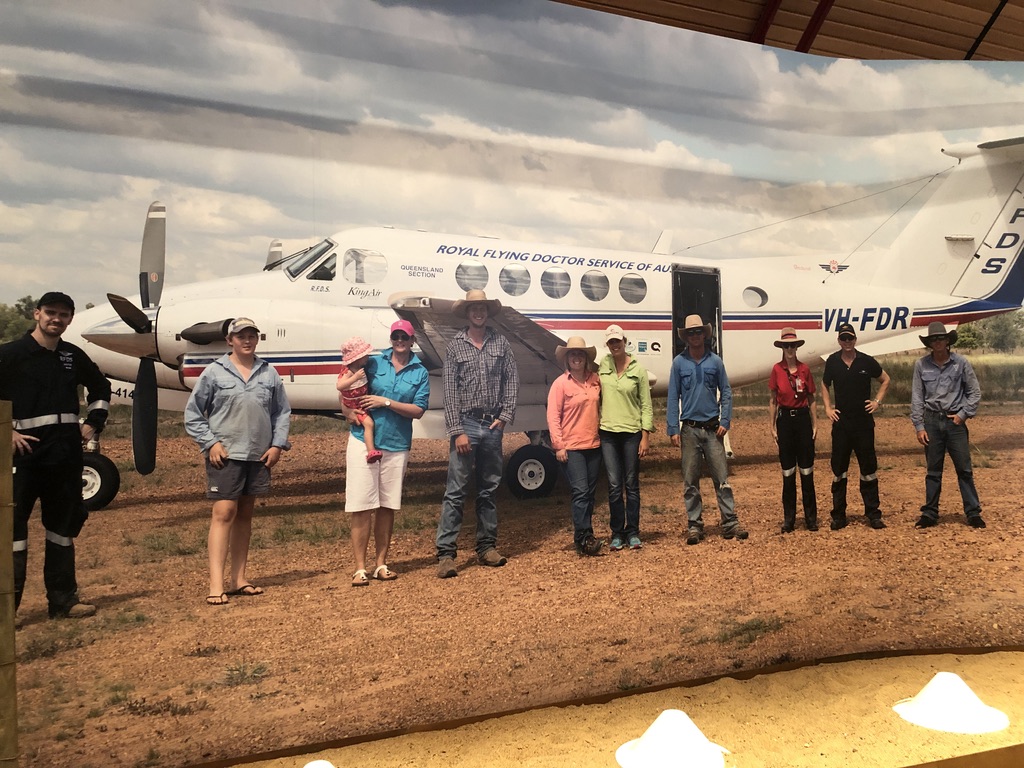
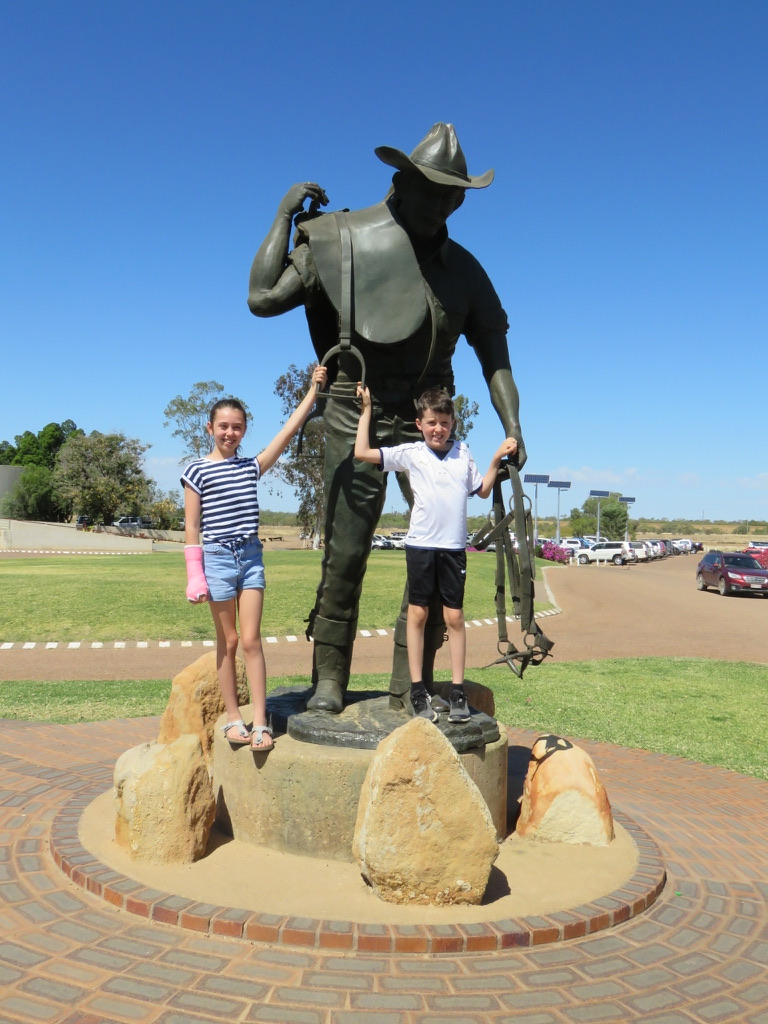
The Stockman’s Hall of Fame and Outback Heritage Centre was originally opened by the Queen in 1988 and was recently refurbished and reopened in April of this year. It has been modernised and has interactive and immersive experiences and is wonderful for all ages. It brings to life the rugged landscape of the outback, revealing the incredible and sometimes unknown stories of the everyday people who lived and worked on the stock routes. Allow lots of time for this!

After wandering around the museum for a couple of hours, it was nice to sit down in the outdoor theatre and watch the Outback Stockman’s Show. The Showman, Lachie Cosser tells the story of real life stockmen and women who work on the land today as well as telling tales of what it was like in the past. He had working dogs, horses, sheep and a quiet bull to entertain us and his young son gave a whip cracking display. http://stockmanshalloffame.com.au

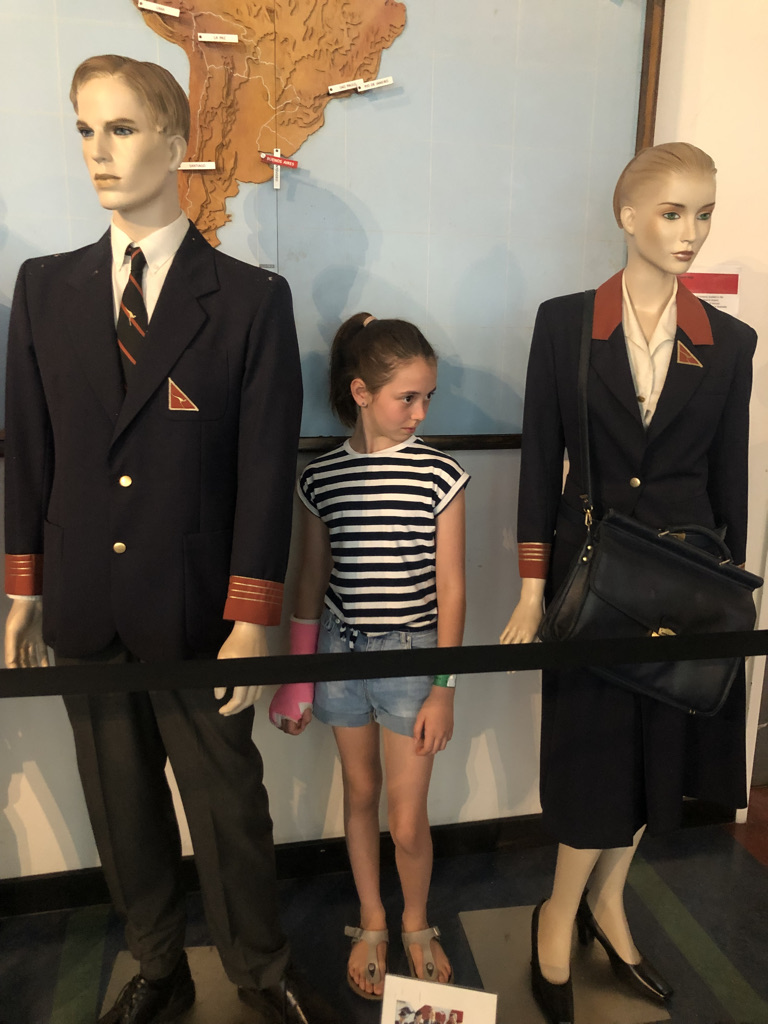
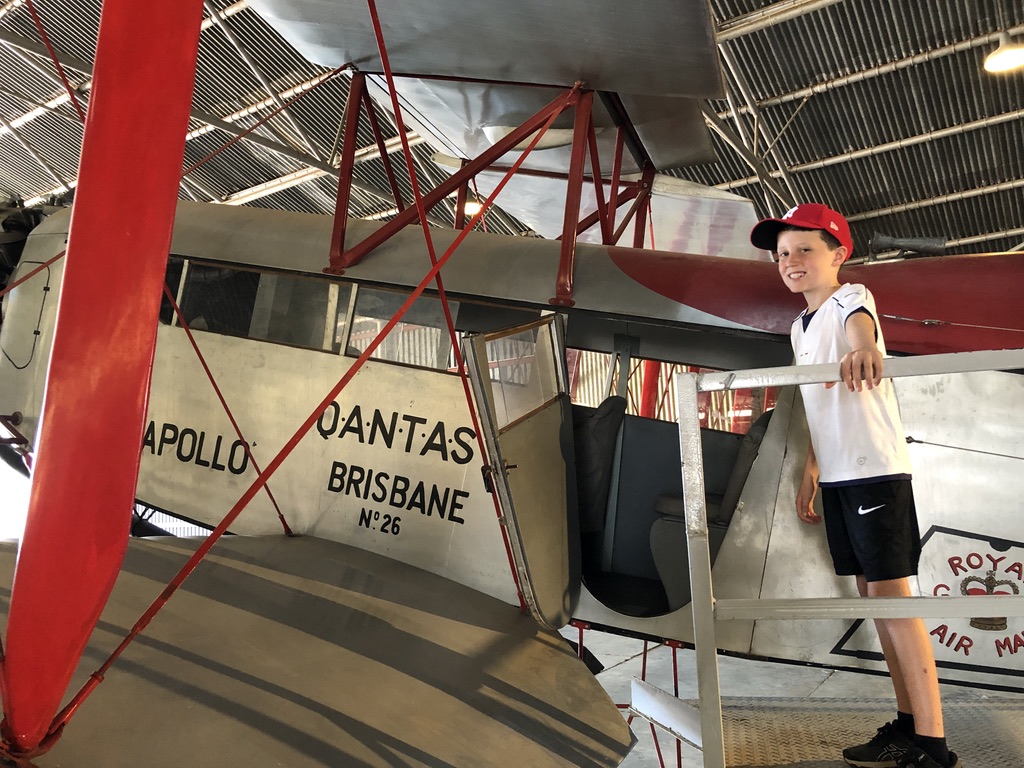
After a quick lunch in a very hip cafe serving both vegan and cafe style meals, we headed to the Qantas Founders Museum http://qfom.com.au. With so many different tours and experiences, it is important to book ahead. I was particularly interested in the main museum and the Catalina Display – these displays tell the story of Qantas from the outback days and what life was like in 1920’s outback Queensland to the present day. With so much to see – oral displays, video talks, artifacts and interactive exhibits you could easily spend a couple of hours here before going to the Aviation Park and walking through various aircraft.

Best time to visit this lovely outback town is probably in the winter months – at least for me – and we will definitely be back to check out some of the experiences we didn’t have time to do! I can honestly say that here there is something for everyone.

PRE-HISTORIC LIFE IN WESTERN QUEENSLAND

Dinosaurs and more dinosaurs!

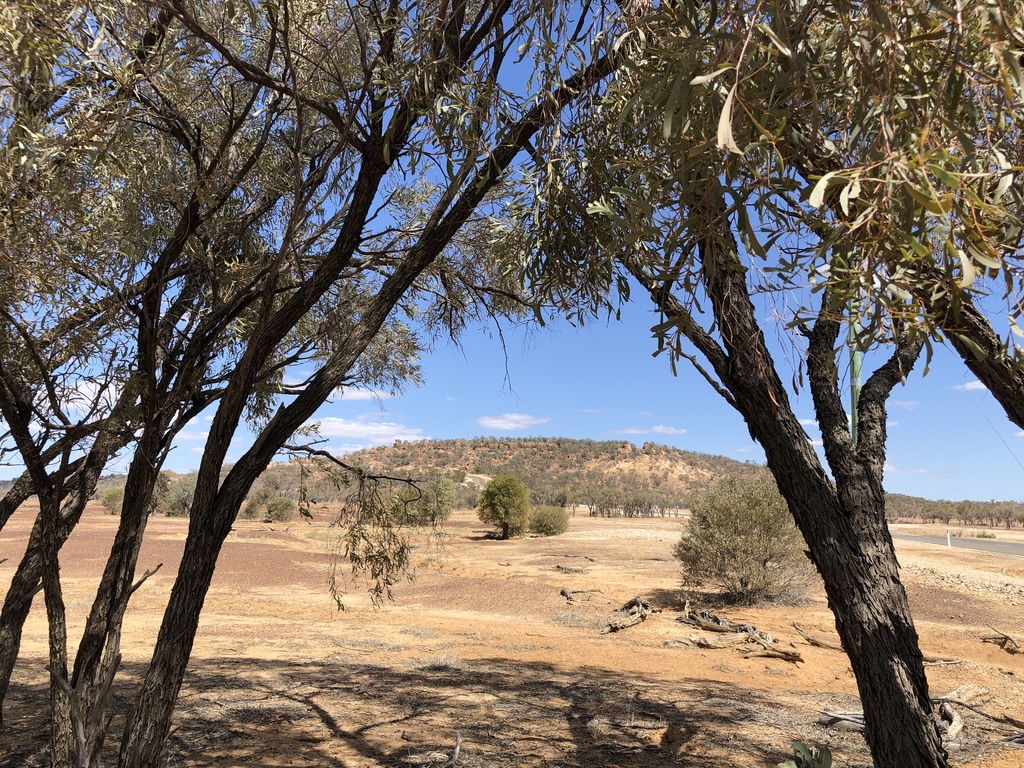
The Australian Age of Dinosaurs Museum of Natural History is located 24 km south of Winton on the “Jump Up”. Locals know this term but I discovered that The Jump-Up is a large mesa plateau that is approximately 270m above sea level and stands 75m above the surrounding land and forms part of a mesa formation called the Vindex Range. Like much of the Winton Shire, the Jump-Up is part of the Winton Formation, which is dated around 95-98 million years old.

We decided to go early so we could maximise our time taking in the various displays, movies and self guided walks as well as enjoying the stunning scenery and native flora and fauna. This museum holds the largest collection of Australian dinosaur fossils in the world.

From the start we were amazed at the location – the museum complex sits on 1800 hectares of spectacular mesa plateau and the scenery is vast with lots of walking trails and wildlife.

This is also a working dinosaur museum with the most productive Fossil Preparation Laboratory in the Southern Hemisphere, so we headed to the lab first to gain a little insight into the life of these pre historic creatures and the area they lived in 1000 million years ago.

A short stroll later took us back to the award winning Reception area which opened in 2012 and contains a shop, cafe, staff facilities and a Holotype room, also known as the Collection Room. Designed to blend into the surrounding Jump-Up rock, the building takes on the earthy hues and textures of the surrounding landscape. The concrete walls of the building were coloured and stamped with latex mats that were moulded from the rock surface of the Jump-Up rock.  A life sized, 5m long bronze statue of Australovenator (“Banjo”) stands at the entrance to the Reception Centre. 

The Collection Room is fitted with audio visual equipment which complements the guided tours by showing animation footage of western Queensland’s dinosaurs. This was fascinating and the children were captivated especially as the footage consists of excerpts from the documentary Monsters in the Outback – the video of which the kids watched in the car prior to our visit.

Then we hopped on the Noble Express shuttle – a little bus which took us to the Dinosaur Canyon Outpost and the March of the Titanosaurs exhibition.

The Outpost is perched on the cliff overlooking Dinosaur Canyon and includes 300 metres of elevated concrete pathway throughout the gorge below. Five outdoor galleries are positioned along the pathway, which resembles a treetop walk as it winds throughout massive boulders and thick vegetation below the rim of a gorge. The Dinosaur Canyon exhibits recreate life as it would have appeared during the Cretaceous Period including: Dinosaur Stampede, Pterodactylus Family, Kunbarrasaurus ieversi, Death in the Billabong and Valley of the Cycads. Australia’s first International Dark-sky sanctuary is here and the building is currently under construction. When finished it will be called the Gondwana Stars Observatory and will enable visitors to see the quality of the dark night skies without any threats due to its remote location.

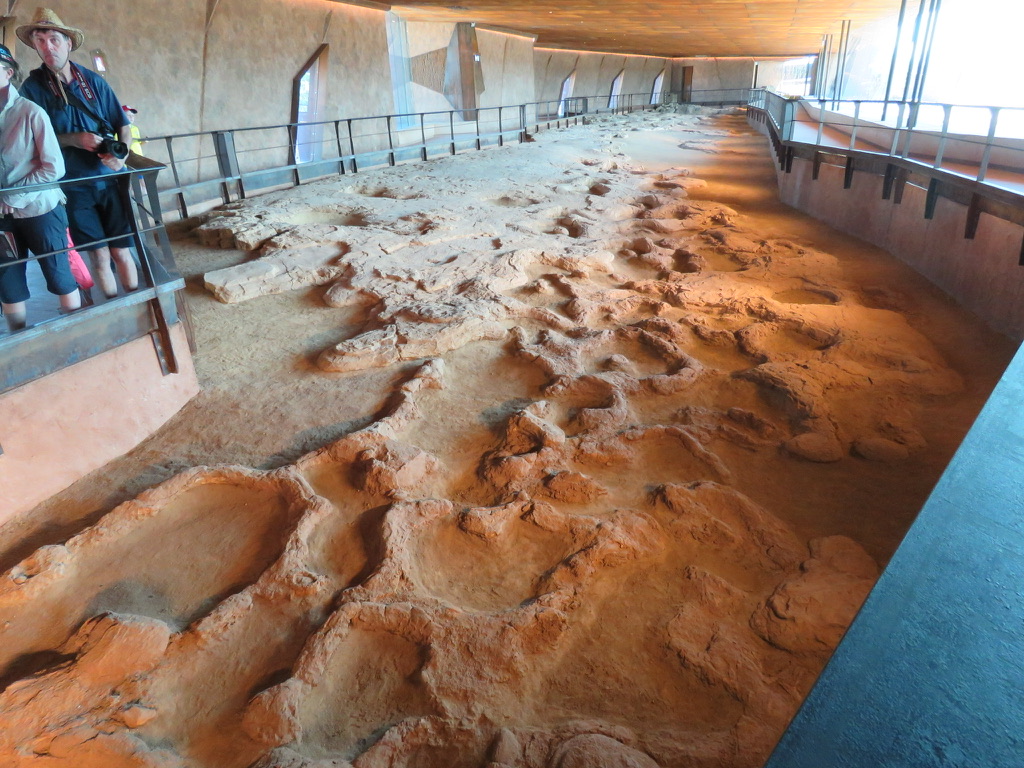
The March of the Titanosaurs exhibition is in a purpose built room which is temperature controlled and displays a 54 metre long Snake Creek tracksite which was discovered on a property near Winton.

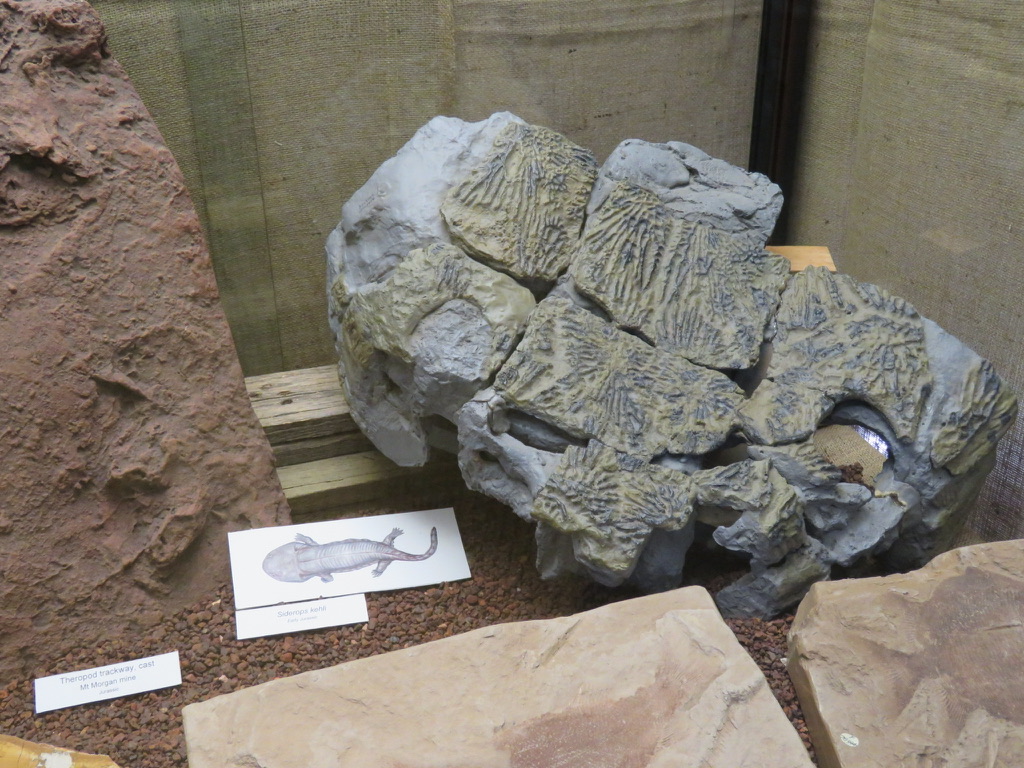
The tracksite was made when herds of sauropods roamed western Queensland, when the landscape was covered in temperate rainforests and muddy billabongs. The tour guide showed examples of footprints and other animal prints of a diverse ecosystem that included lungfish, small mammals, turtles, crocodiles, ornithopods and tiny therapods.

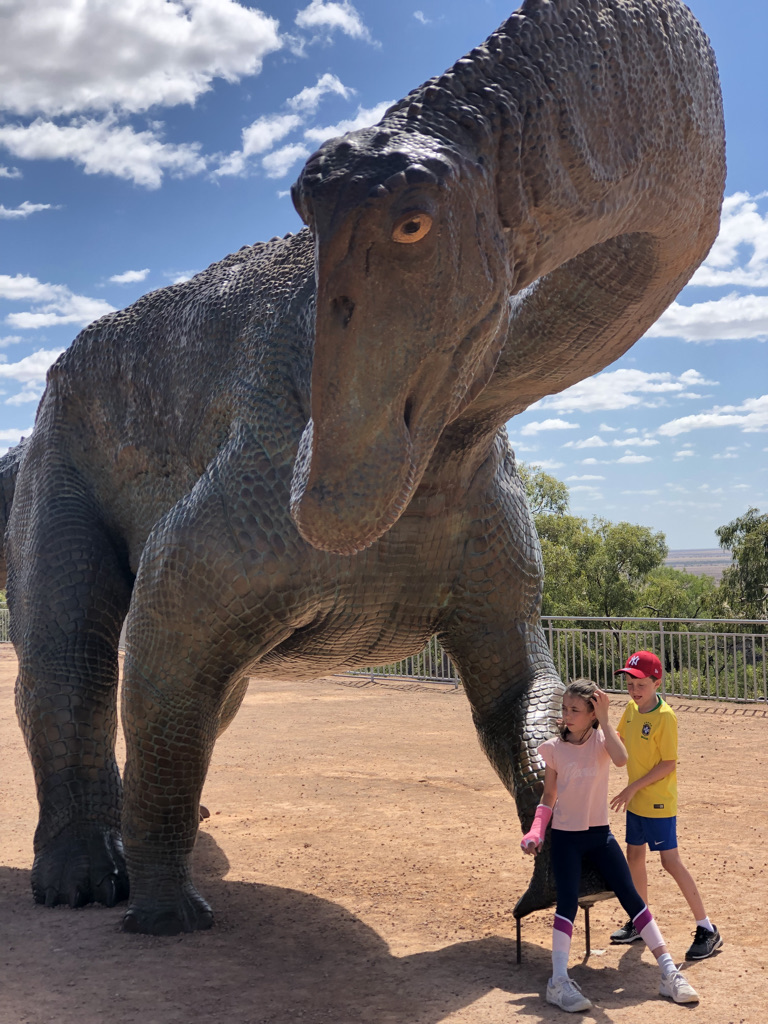
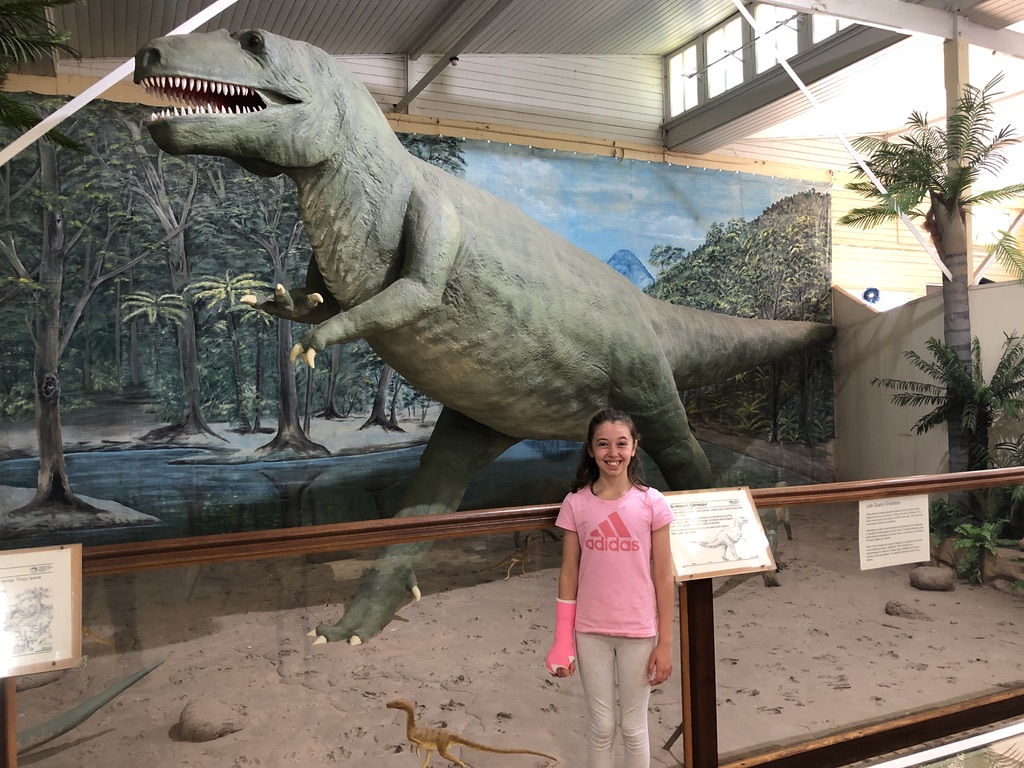
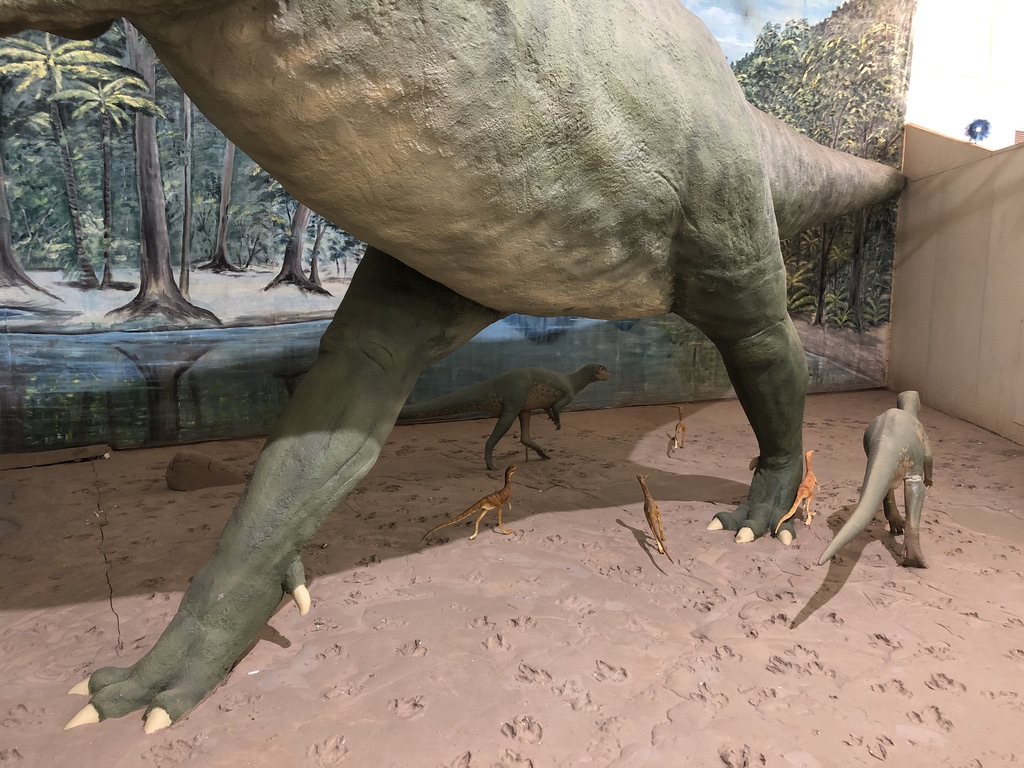
Outside was a life sized dinosaur with its young – something else to impress young and old alike!

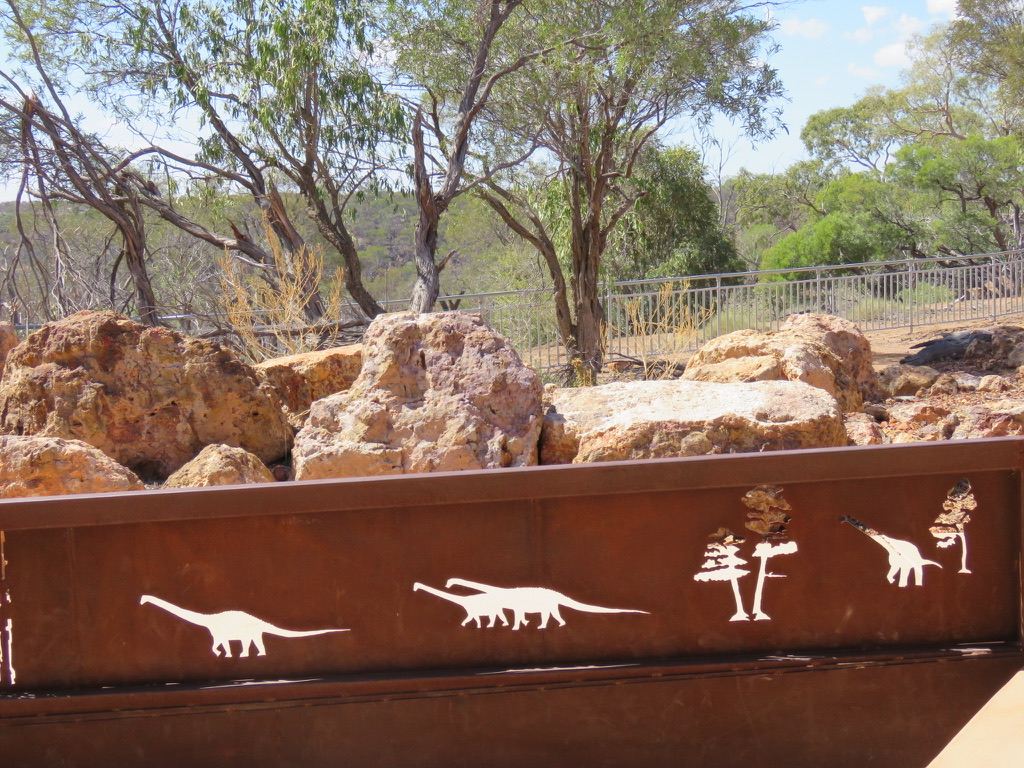
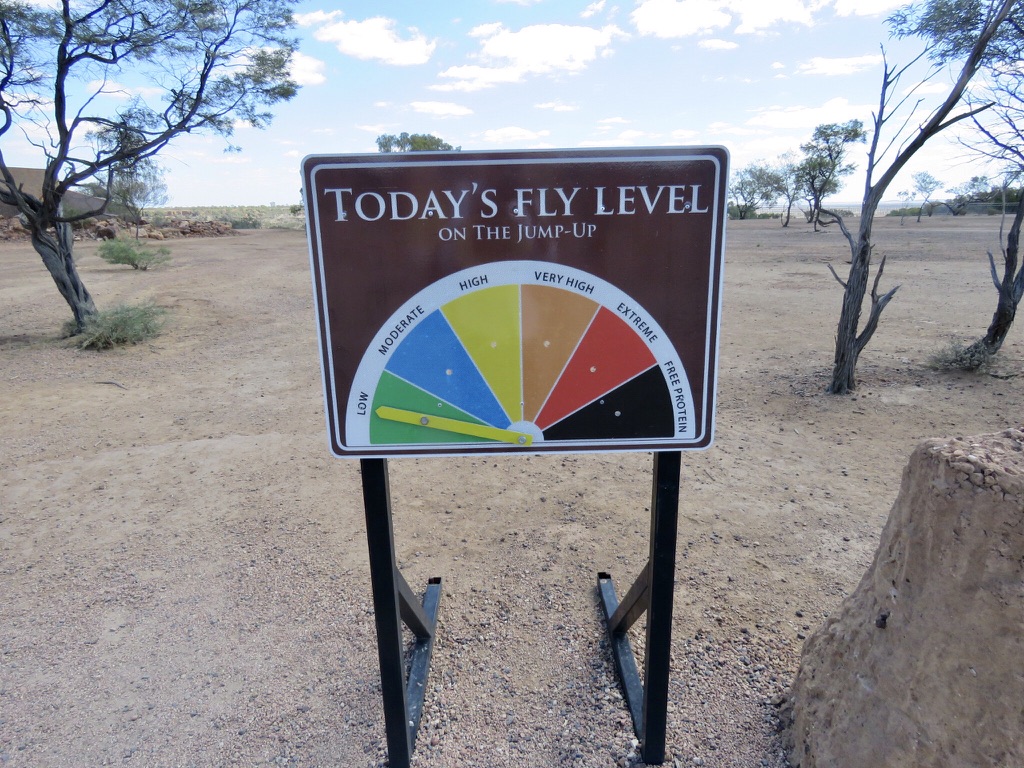
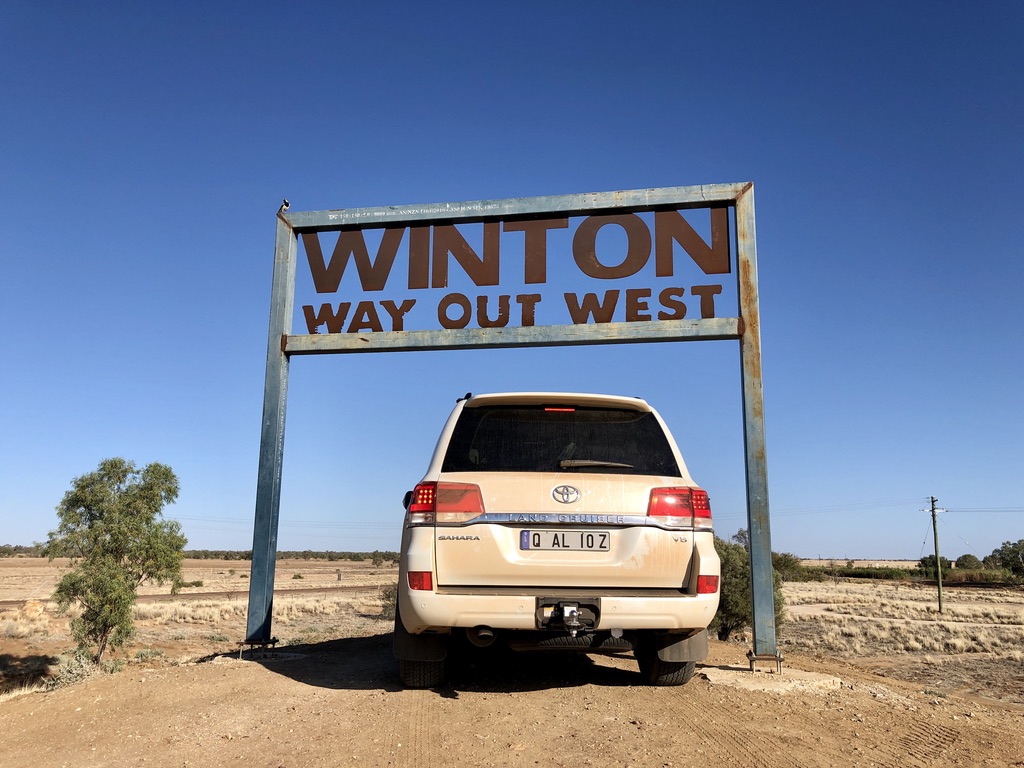
There is much to see and do hee so my advice is spend the day, take a picnic and try not to cram everything in at once. We were lucky to be there in August when the weather is beautiful – and loved this sign ….

I have no doubt that we will return to this fascinating part of Outback Queensland, after all it is right on our doorstep!

View of the Jump Up from the road into Winton.

THE DINOSAUR TRAIL

DISCOVERIES IN NORTH WEST QUEENSLAND – Richmond and Winton

Children the world over have all loved or been fascinated by Dinosaurs at some point in their childhood. With current Covid restrictions, we are limited as to where we can go but fortunately we live in Queensland, Australia and so it was a no brainer to have a little road trip and discover some of Australia’s dinosaur history.

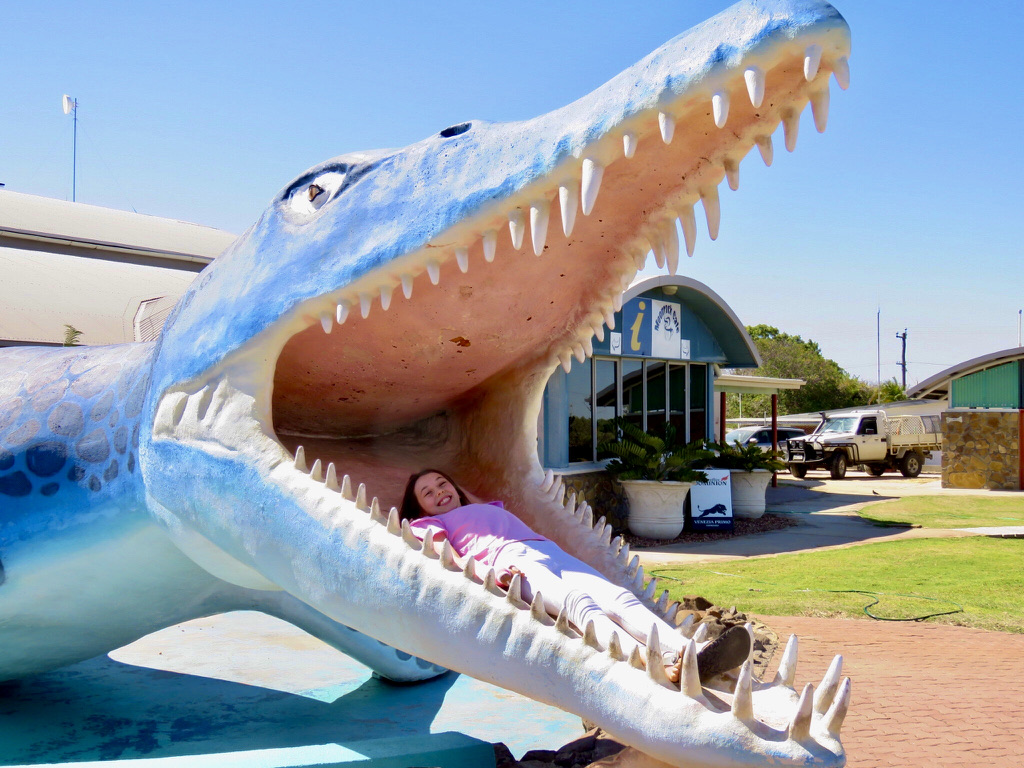
Our first stop was in Richmond, a small outback town some 490 km from Townsville and with a population of around 648 people. Once part of the vast inland sea in pre-historic times it is best known for its marine fossil discoveries and is a service centre for the surrounding pastoral industries. A small, privately owned museum named Kronosaurus Korner was our main focus and is well worth a visit. Here you can step back in time and watch prehistoric creatures come to life. Most of the collection in the museum were donated by local graziers, often discovered whilst mustering cattle and working the land. These marine fossils from the Early Cretaceous period include the 100-115 million year old (Aptian–Albian) remains of marine reptiles, dinosaurs, pterosaurs, birds, fishes, crustaceans, cephalopods, gastropods, bivalves, echinoderms, plants and trace fossils.

It is worth watching the short movie before self guiding through the museum as everything is well explained and the visit is really enjoyable – our little folk loved it all and took great delight in telling us all about what happened millions of years ago!

Life sized models are outside the museum and are a real drawcard.

Richmond takes pride in it’s “tidy town” title and it is certainly that. We loved the wide streets and colourful bougainvillea down the centre as well as the public rubbish bins cleverly disguised as dinosaurs!

After a comfortable night at the Ammonite Motel and breakfast in a small ‘at home’ restaurant located in an old Queenslander, we hit the road to Winton.

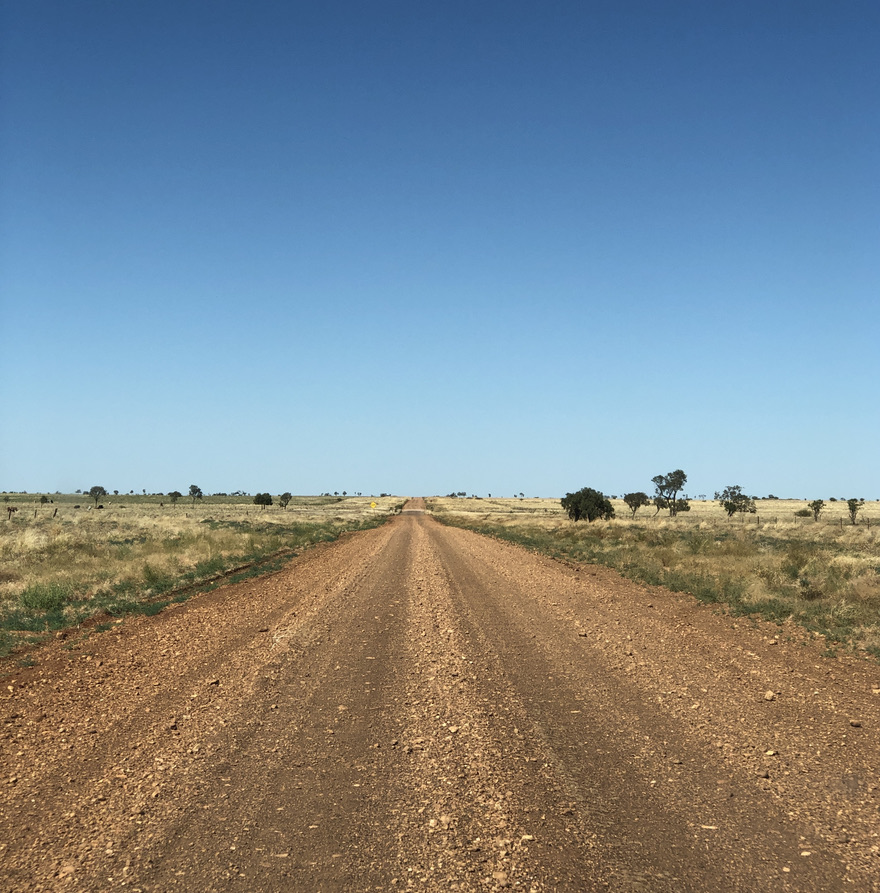
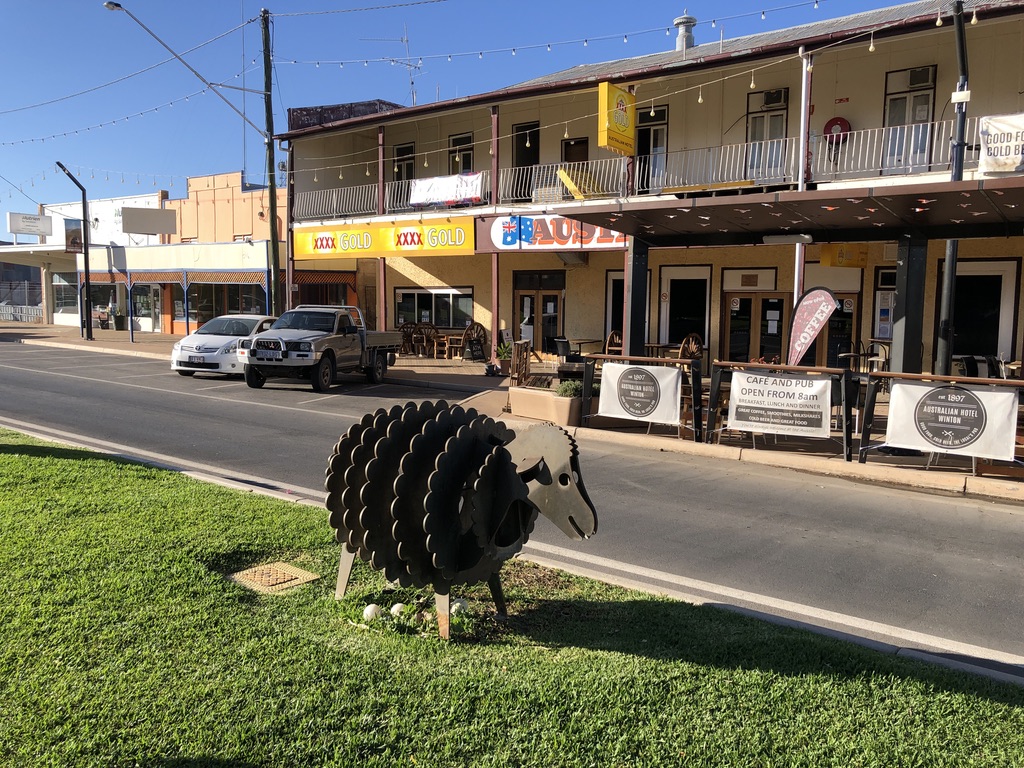
As part of the great inland sea millions of years ago, it is awe inspiring to drive along the endless straight road framed with colours of the outback. The blue sky, red gravel road, various hues of green and gold of the grasses make a beautiful picture and sometimes it is possible to see stock casually roaming the vast land. Winton is 278 kms from Richmond which made for an easy drive. A small outback town, it is known as the birthplace of “Waltzing Matilda” as well as the Dinosaur capital of Australia and the birthplace of Qantas. The main street of the town is wide and well kept with an attractive garden down the centre strip and iconic images throughout.

To give us a sense of history in this town, we decided to stay at the North Gregory Hotel which has been hosting visitors since 1899. However over the years the hotel was destroyed by two fires and was finally rebuilt in 1955. This hotel is a true Aussie battler, surviving fires, drought, and hardship, and was affectionately named Queen of the Outback. It was here at the Gregory on April 6, 1895, that Australia’s unofficial national anthem, Waltzing Matilda, was played in public for the first time. During the 1920s, secret meetings took place at the hotel, as Winton locals met to form a small airline called QANTAS. The 36th president of the United States, Lyndon B. Johnson, stayed here when his plane was forced to land in the Outback during World War 2.

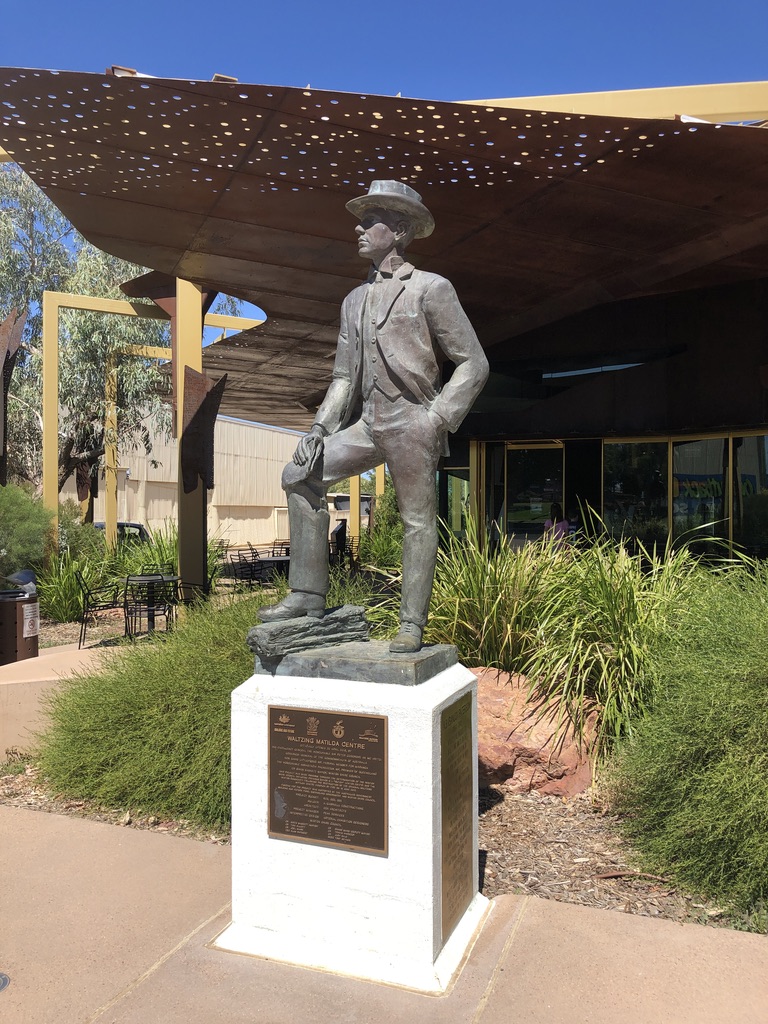
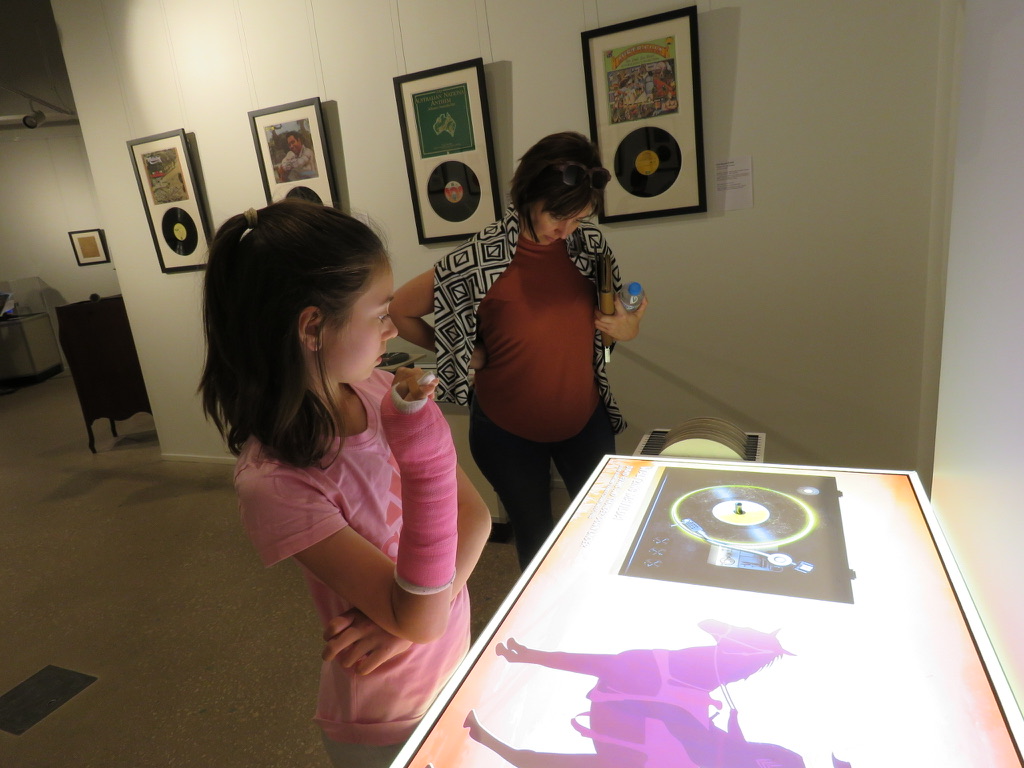
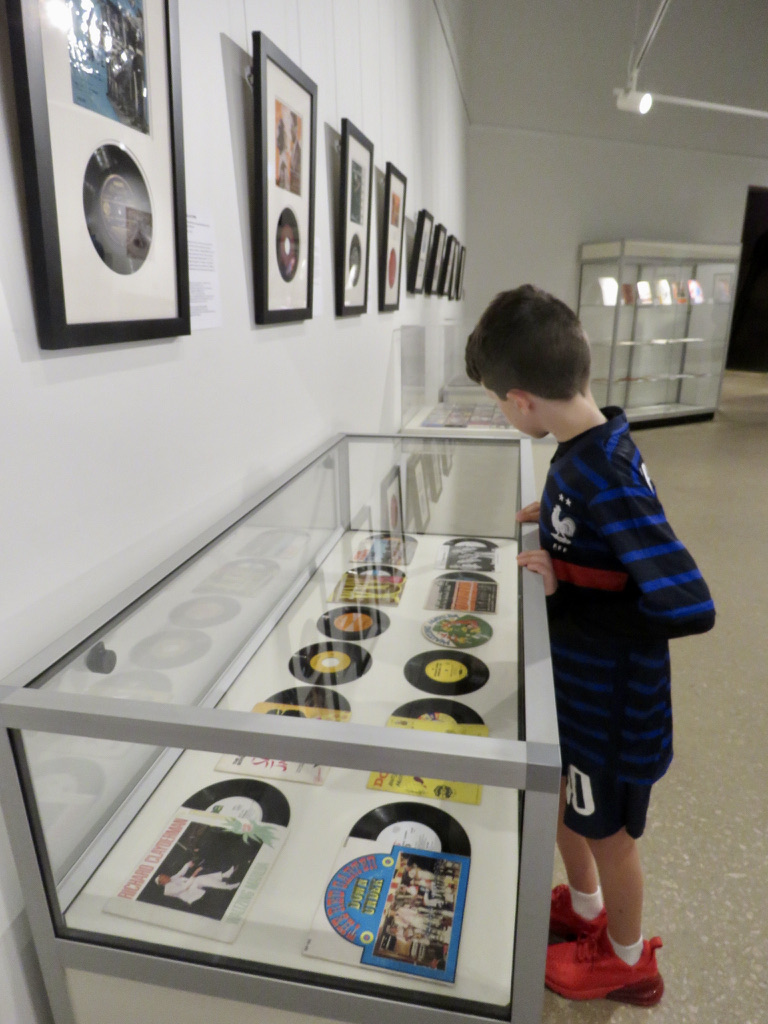
It was an easy walk to the Waltzing Matilda Centre which is the world’s first museum dedicated to a single song! Banjo Patterson wrote the words to the song and here we learned about his life as well as much, much more about the music. The children were fascinated to see Long Playing records as well as various types of players.

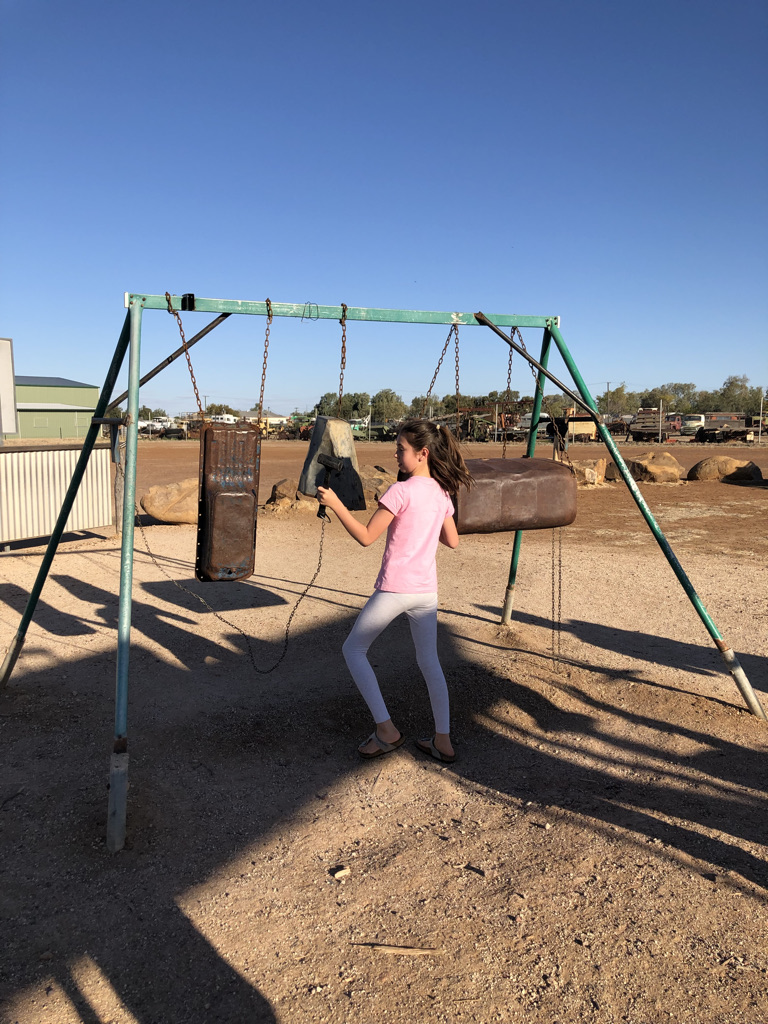
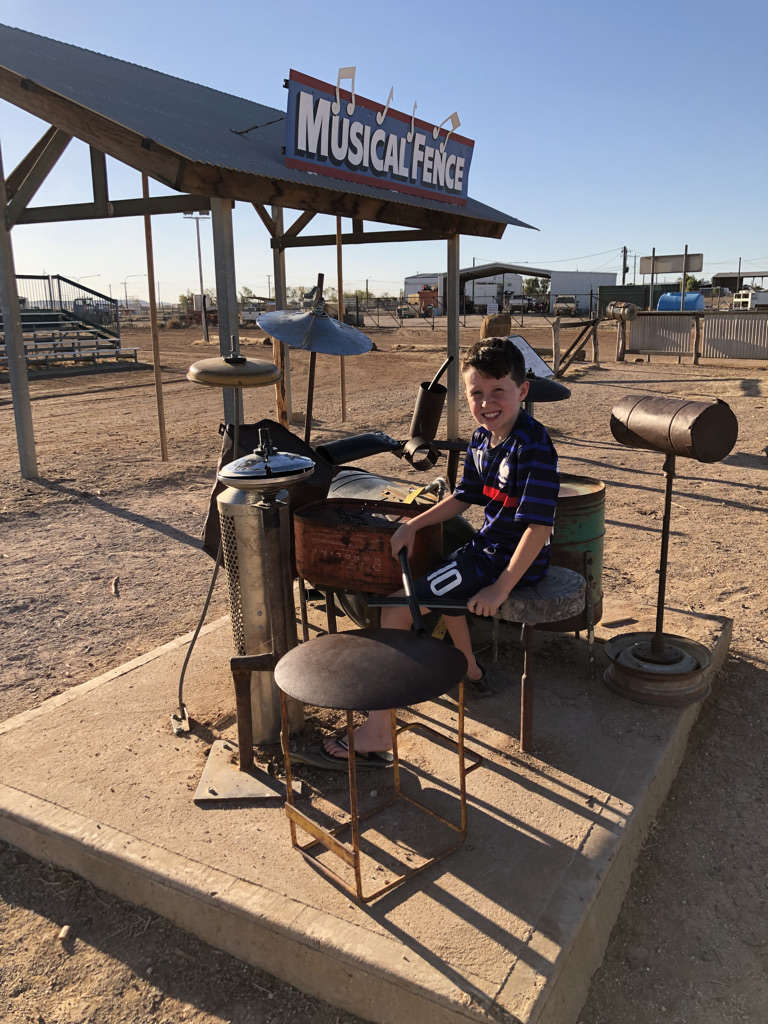
In keeping with the musical theme, we next visited the Musical Fence. This is the first permanent musical fence in the world and was designed by percussionist and composer Graeme Leak. It is a wire fence installation that can be played as a musical instrument and visitors of all ages are welcome to “have a bash” and create some music – and fun!
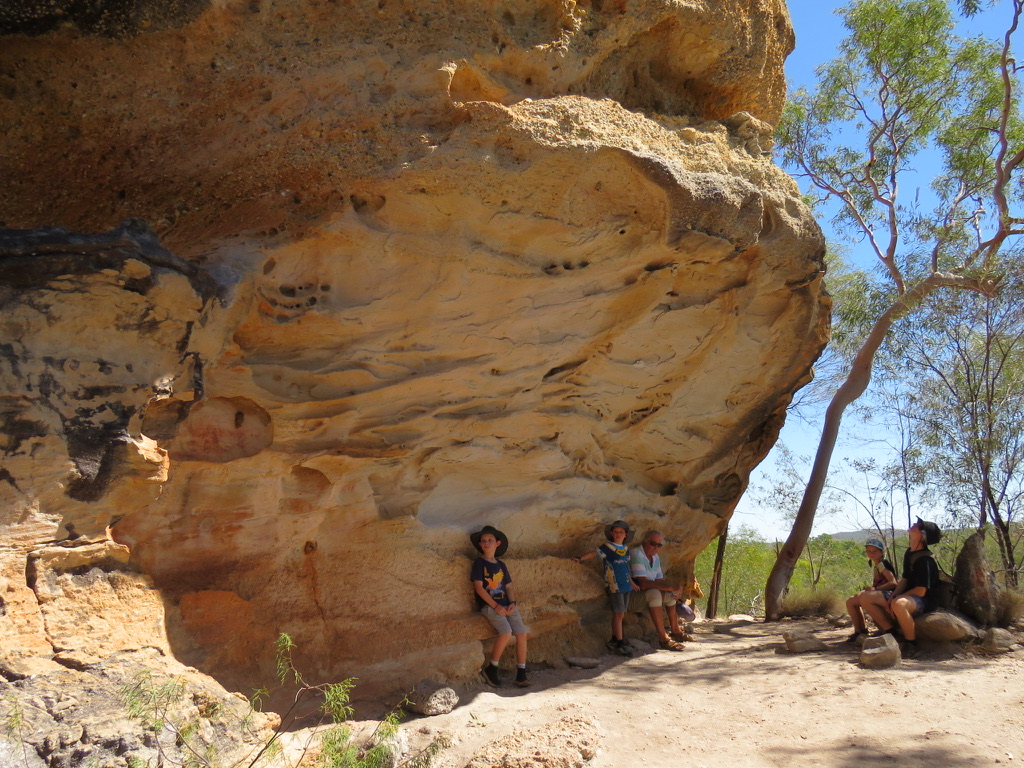
A small museum dedicated to dinosaurs is also on the main street and is worth a visit especially if you don’t get time to visit the new Australian Age of the Dinosaurs museum located just out of town. Here at the small museum life sized models of these pre historic creatures gives you a sense of the enormity of the living beings of the era.

Next it was time to visit the wonderful new museum “The Australian Age of the Dinosaurs” which is the subject of the next post.

CAMP ISLAND

YOUR OWN PRIVATE ISLAND IN THE WHITSUNDAYS

Unable to travel far in these Covid times, we decided it was about time to choose a little adventure in our own backyard and where better than a private island where you can be as active or as relaxed as you like. Camp Island ticked all the boxes and so our little party of eight set off for a three night escapade.

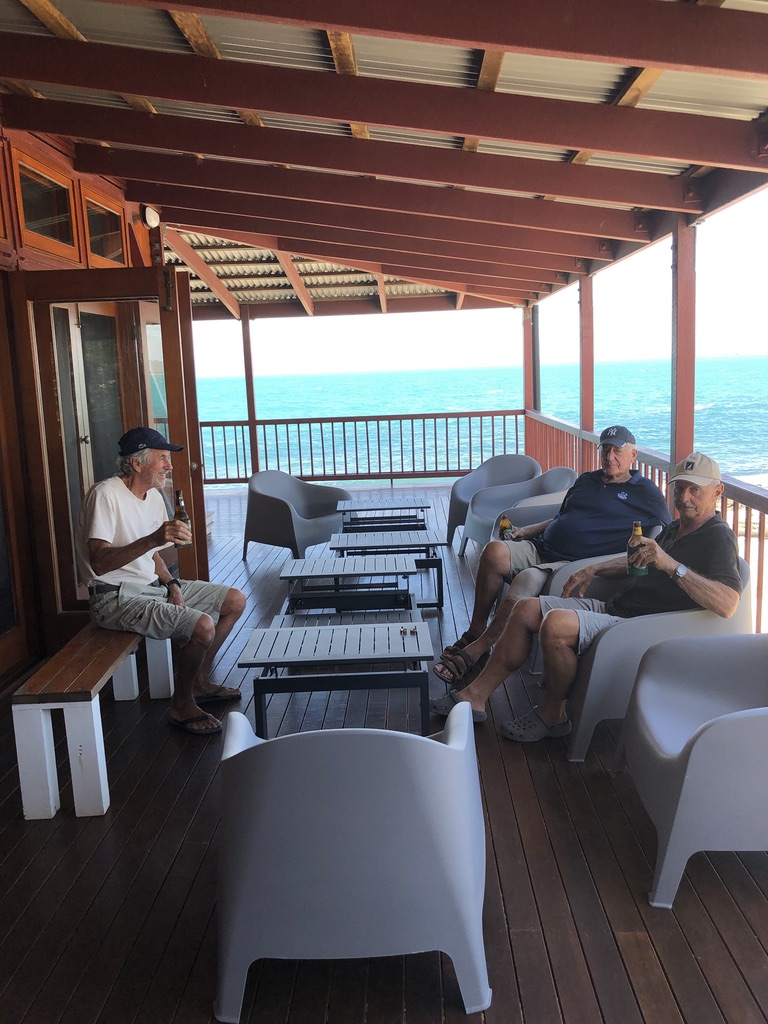
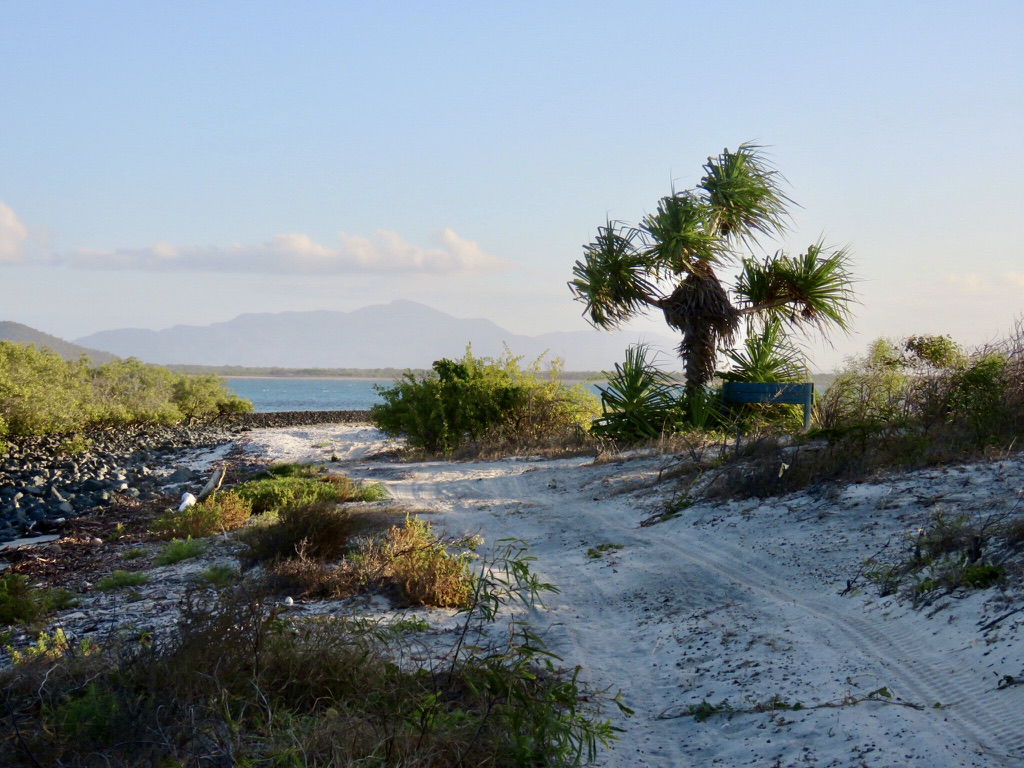
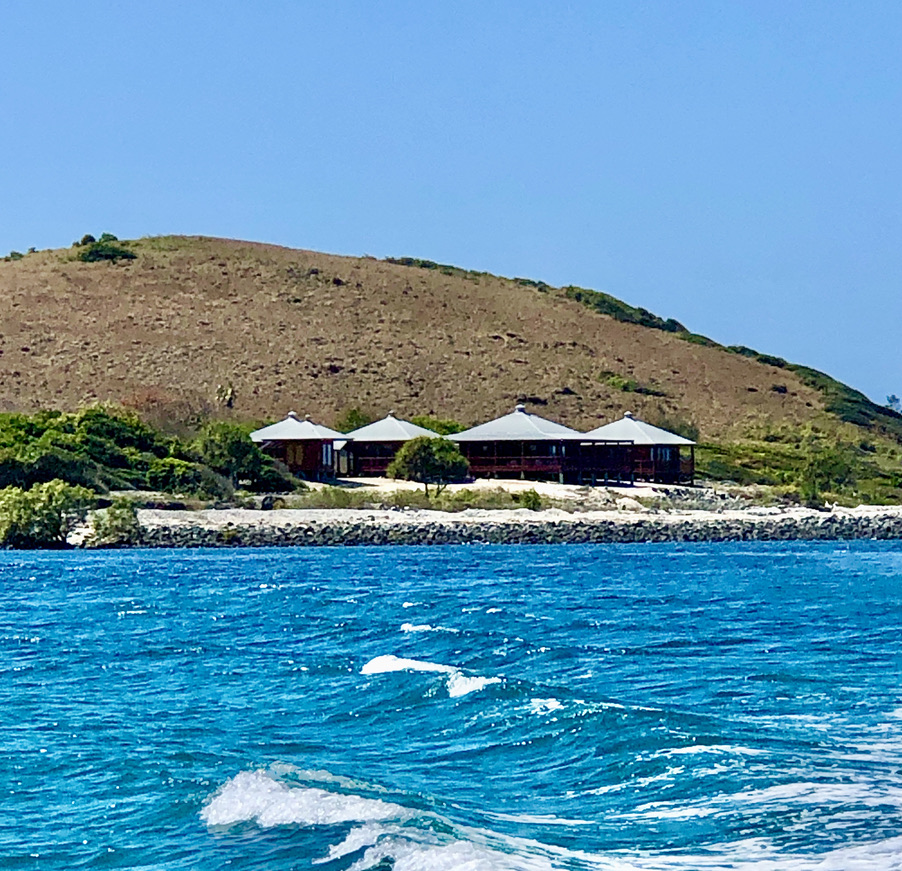
Located off the coastline at Guthalungra, halfway between Townsville and Airlie Beach, this 17.5 hectare island, part of Cape Upstart National Park, is the most northerly of the Whitsunday islands and comprises 2.4 hectares of leasehold property. Bookings are only for private groups of up to 8 people, this was the answer for us.  Accommodation is in four tasteful bungalows linked to a main area comprising a huge lounge/dining area and well equipped kitchen as well as a wrap around veranda with two hammocks and chairs for lounging completing the comfortable resort.

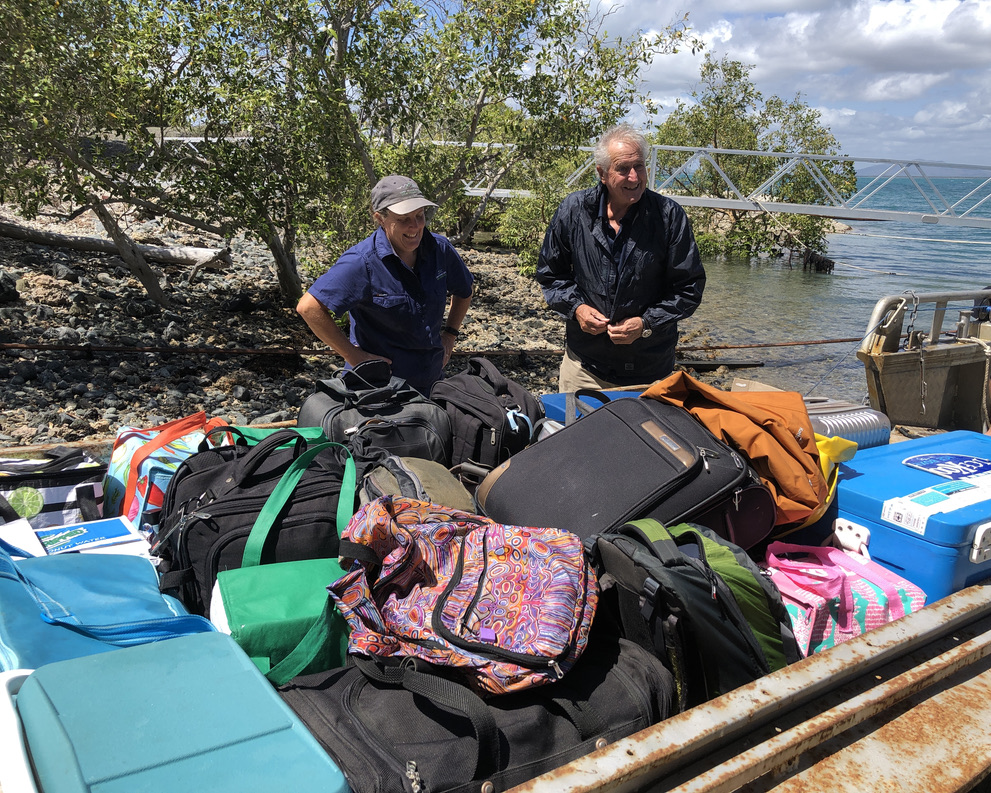
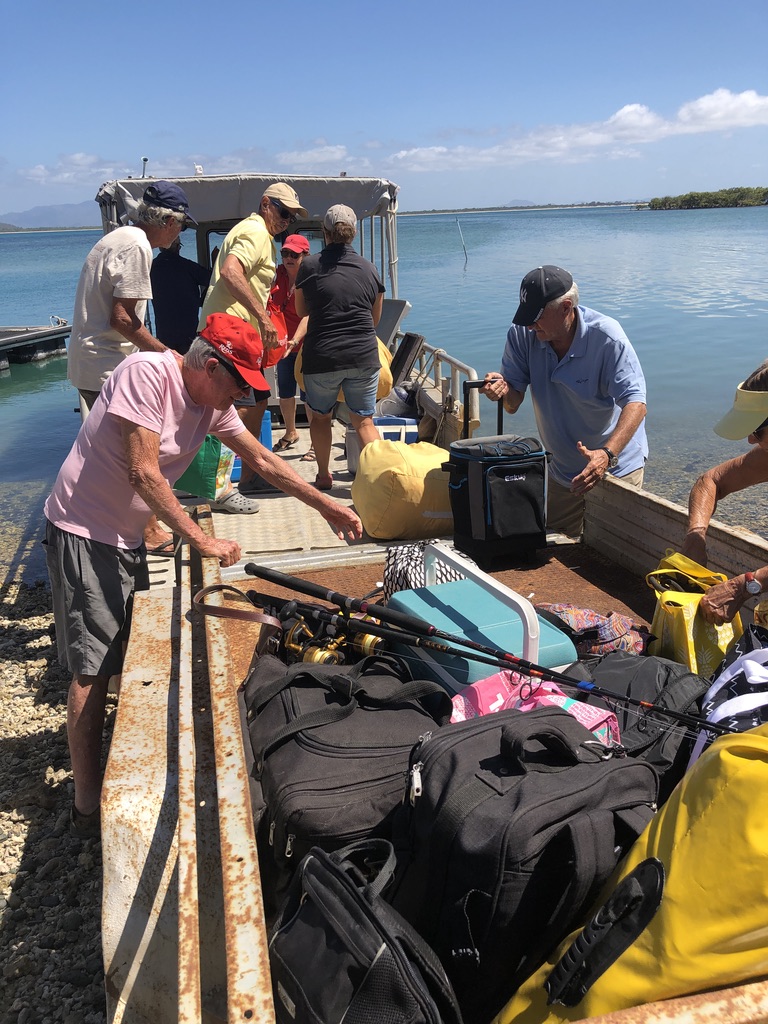
Access to the island is by helicopter or small barge from Guthalungra.  This was the start of our adventure. Meeting our hosts, Pete and Lizzie, at the boat ramp, we loaded all our provisions for the three days plus fishing rods, personal gear and liquid refreshments onto the barge, aptly named “Little Upstart”, and headed out through the mangroves and barramundi filled creeks of the Elliott River into Abbott Bay. The island is just three kilometres offshore and has to be negotiated at high tide because of the sand bars at the mouth of the river.

Landing on the island was easy and Pete’s little truck and trailer were waiting to transport the gear to the main lodge.

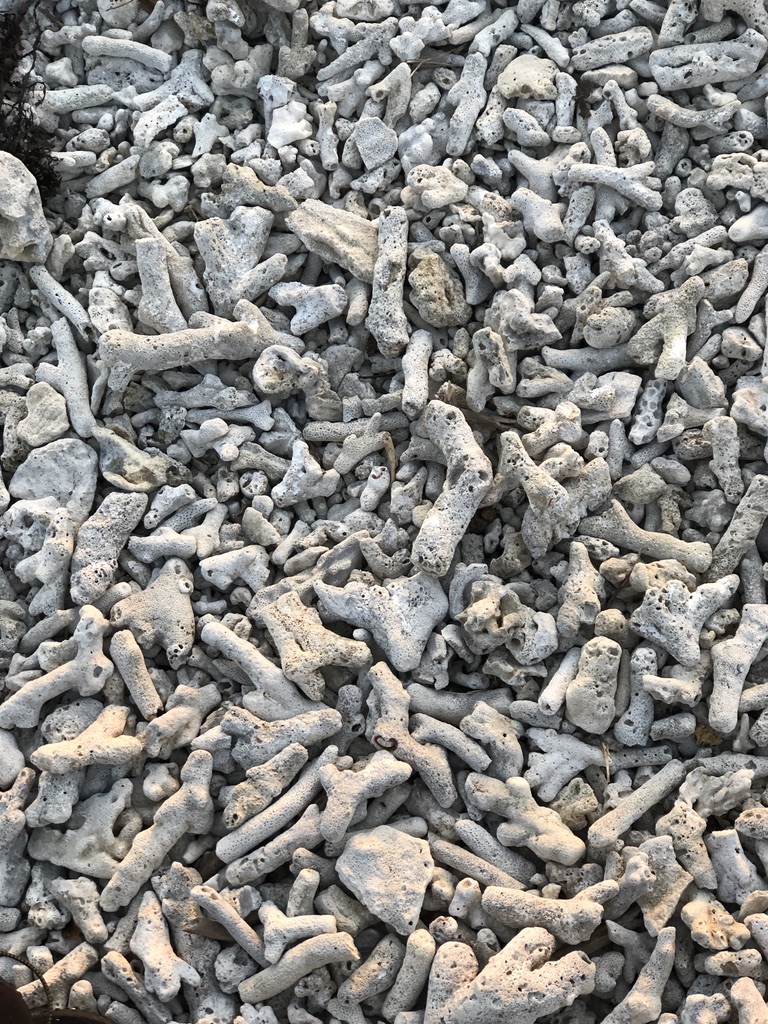
A short walk along a coral encrusted path and we were at the lodge and ready to install ourselves into our new home for the next few days.

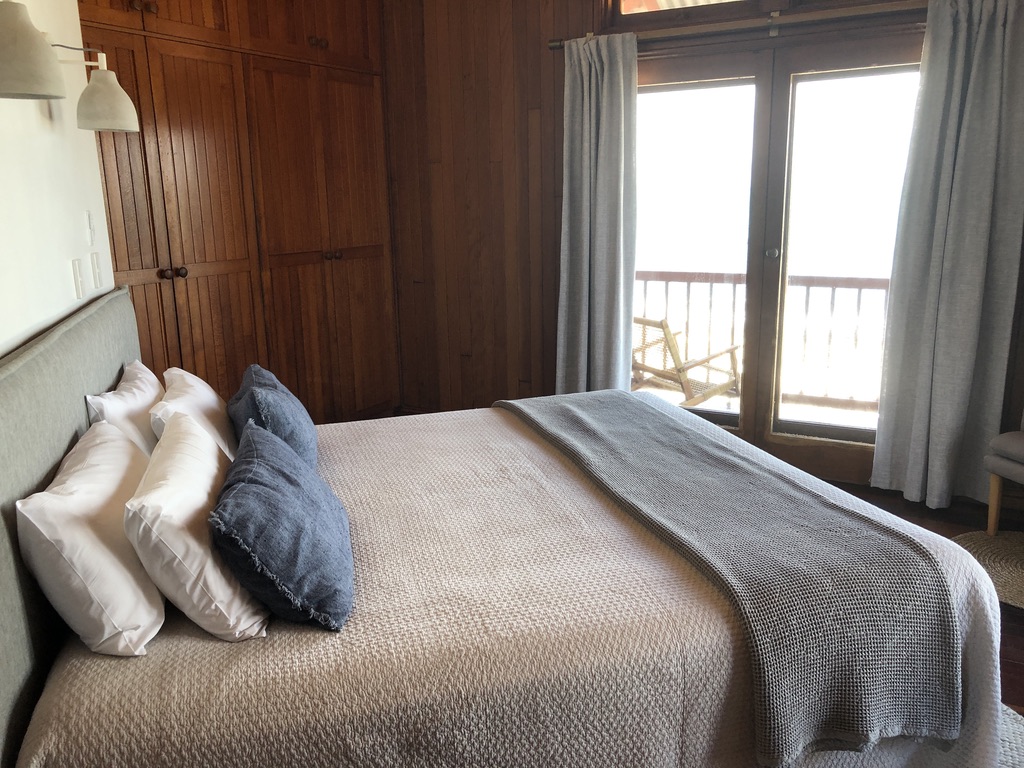
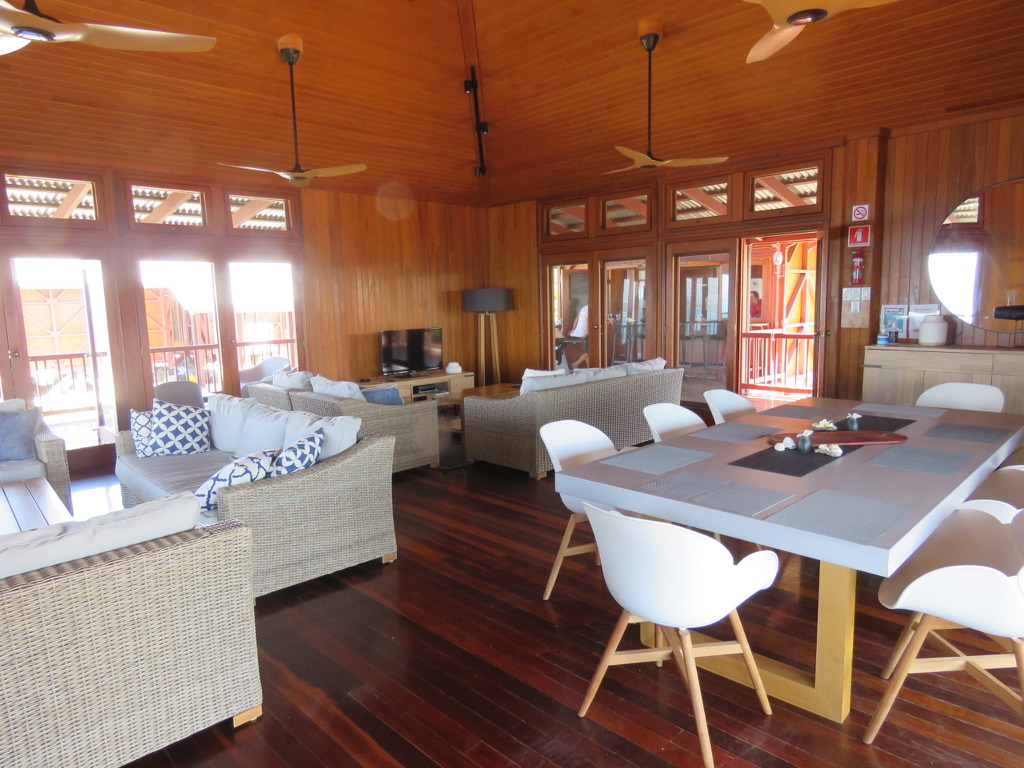
The timber bungalows are comfortable and all have ensuites, french doors opening onto little balconies and magical views across to the mainland. The main lodge has a very well equipped kitchen which was perfect for us as we were self catering. Sometimes guests choose to have a chef take care of all the food preparation and cuisine. The lounge area, with cosy sofas and armchairs as well as a dining table, doubles as an entertainment area with blue tooth soundbar and a television – used only for the sports fanatics in our group.

The island is surrounded by beautiful fringing reefs, coral shores and a sandy beach. Lizzie and Pete are more than happy to take guests fishing, snorkelling, paddle boarding or kayaking – in fact they encourage it. Some of our group went fishing along the reef one morning and although they didn’t have a huge catch – because of the windy conditions the day before – they came back more than happy. Another morning, calm and glass like water in the bay ensured a wonderful couple of hours kayaking and coral viewing.

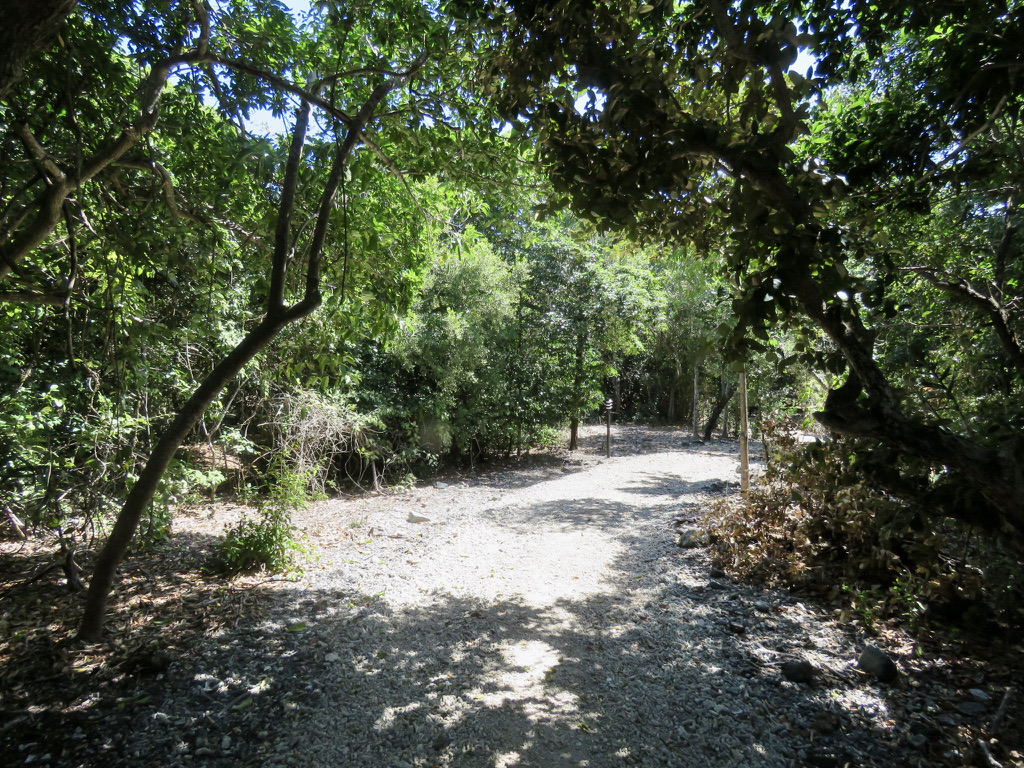
There are lots of walks around the tiny island and beautiful scenic spots, lots of untamed flora and fauna and many species of birds to observe. Each day we watched a pair of osprey hunting to feed the young in the nest which was right beside the path we walked along. Another day we found two little eggs on the edge of the path – still warm – but what sort of birds they were is a mystery.

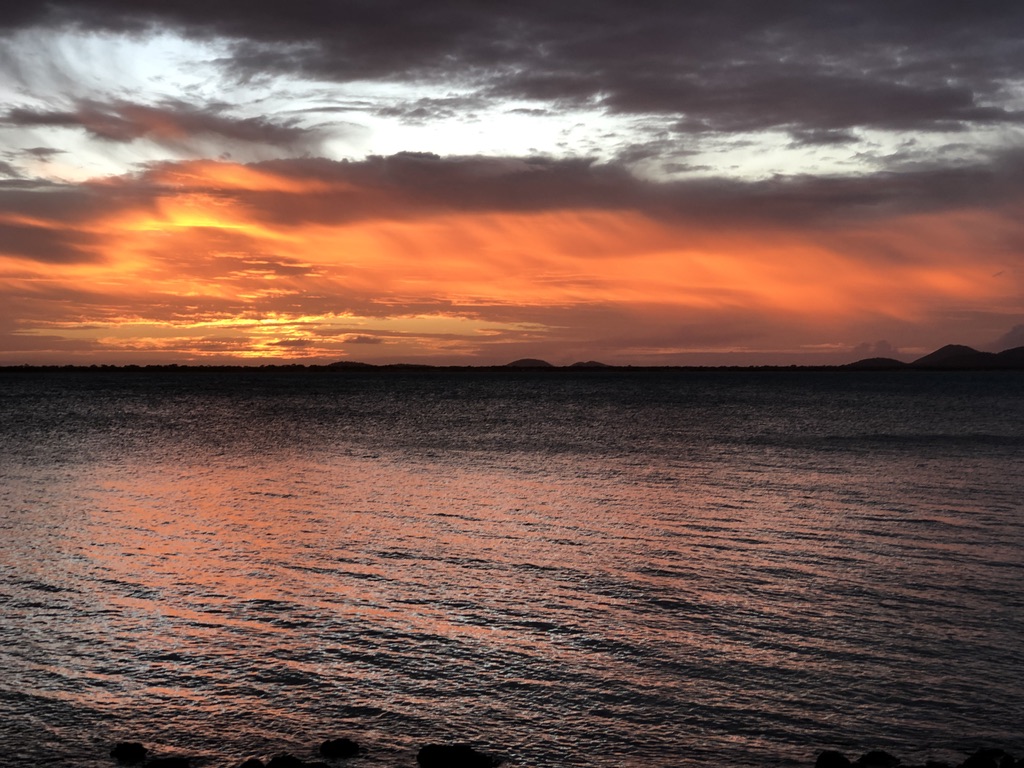
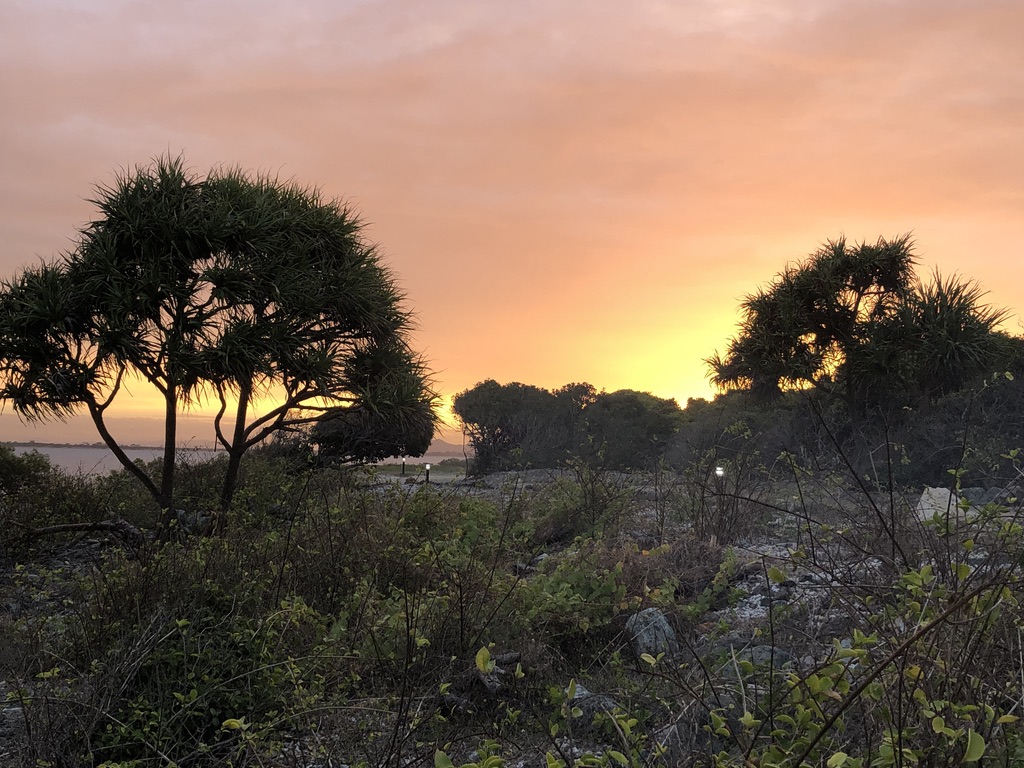
Sitting around a fire on a coral crusted beach, sundowner in hand, the sky turning a brilliant red before sinking down completely, is how we spent each evening of our stay. A huge fire pit built within the coral rubble and just in front of the bungalows gave us a warm and cosy feel watching first the sky and then becoming mesmerised by the dancing flames of the fire,

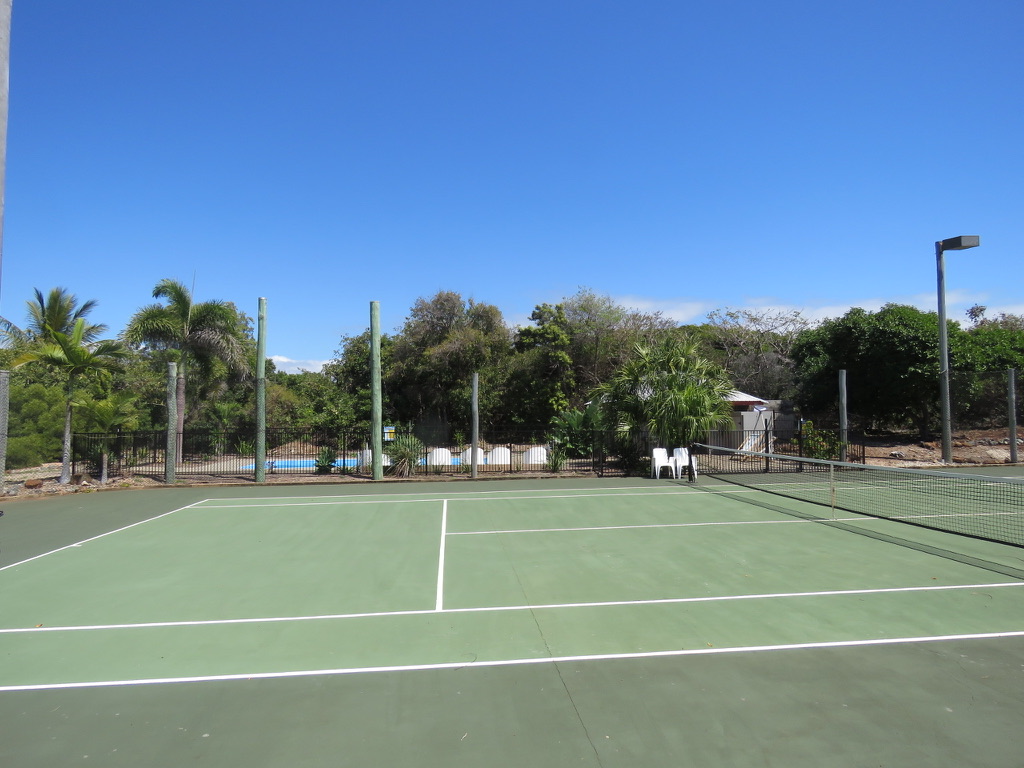
For those not inclined to be very active, there is a pool located behind the main lodge as well as a tennis court which provided some hilarity given that we were there during the time of the US Open championships! Personally I preferred a hammock on the front veranda, swaying gently in the breeze and reading a good book.

There is something Robinson Crusoe about this place – and the sense of isolation is sublime. However, all good things come to an end and our departure was as we arrived, via “Little Upstart” and a calm cruise along the waters of Abbott Bay. Sad to farewell Lizzie and Pete we all promised to be in touch and to meet up again either back on the island or on our own Magnetic island later in the year.

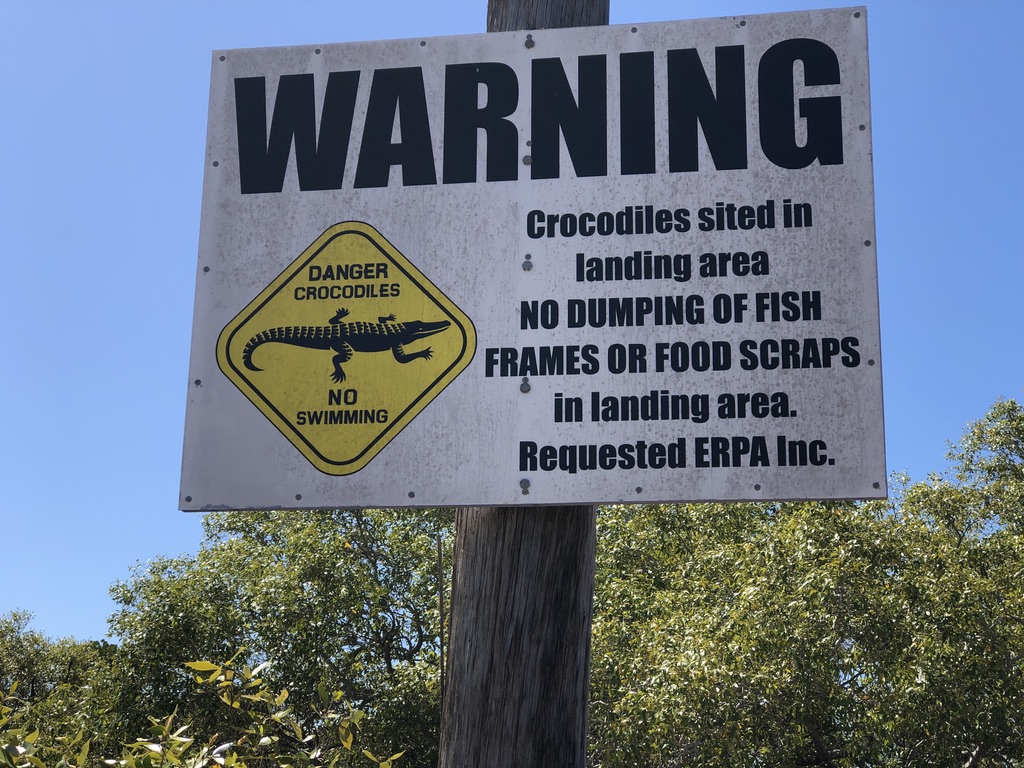
And a final warning once back in the mangroves at Guthalungra…….

RAVENSWOOD – A GHOST TOWN

It has been a few months since the last blog thanks to Covid 19 and all the restrictions placed on us.  At the start of the year I imagined the travel side of this blog would be all about Iceland.  Our trip was booked, the wedding planned and all was in place – until the Pandemic struck!  So, we are biding our time and hopefully will be able to get to Iceland in the future.

Meantime we are exploring our own backyard and last weekend we did a little road trip to Ravenswood.  This charming heritage listed township is 89 kilometres west of Charters Towers and was once a thriving gold mining town.  There are lots of stories and history is at every turn you make.  Apparently in 1868 whilst mustering cattle, a local pastoralist by the name of Marmaduke Curr stopped to have a drink of water from Elphinstone Creek and saw specks of gold at the bottom of his pannikin. The area quickly became part of the gold rush.  IN the boom era there were over 50 pubs and a population of over 5000.  Today it is a virtual ghost town with a population of around 255.

We set off on the 130 km drive from Townsville on an all bitumen road.  Recent rains had turned the country into a palette of greens and small farms with Brahmin cattle are interspersed along the route.  An hour and a half later we drove into the historic town.

Ravenswood
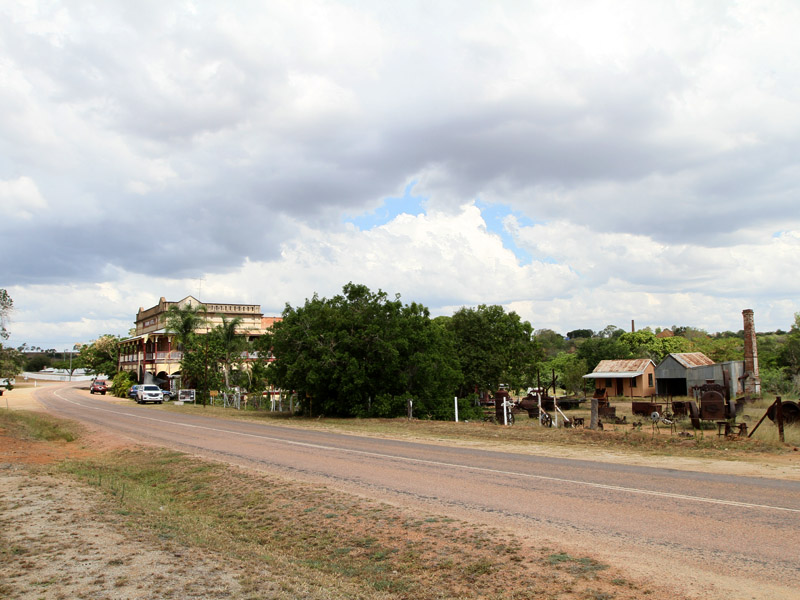
The main road into town

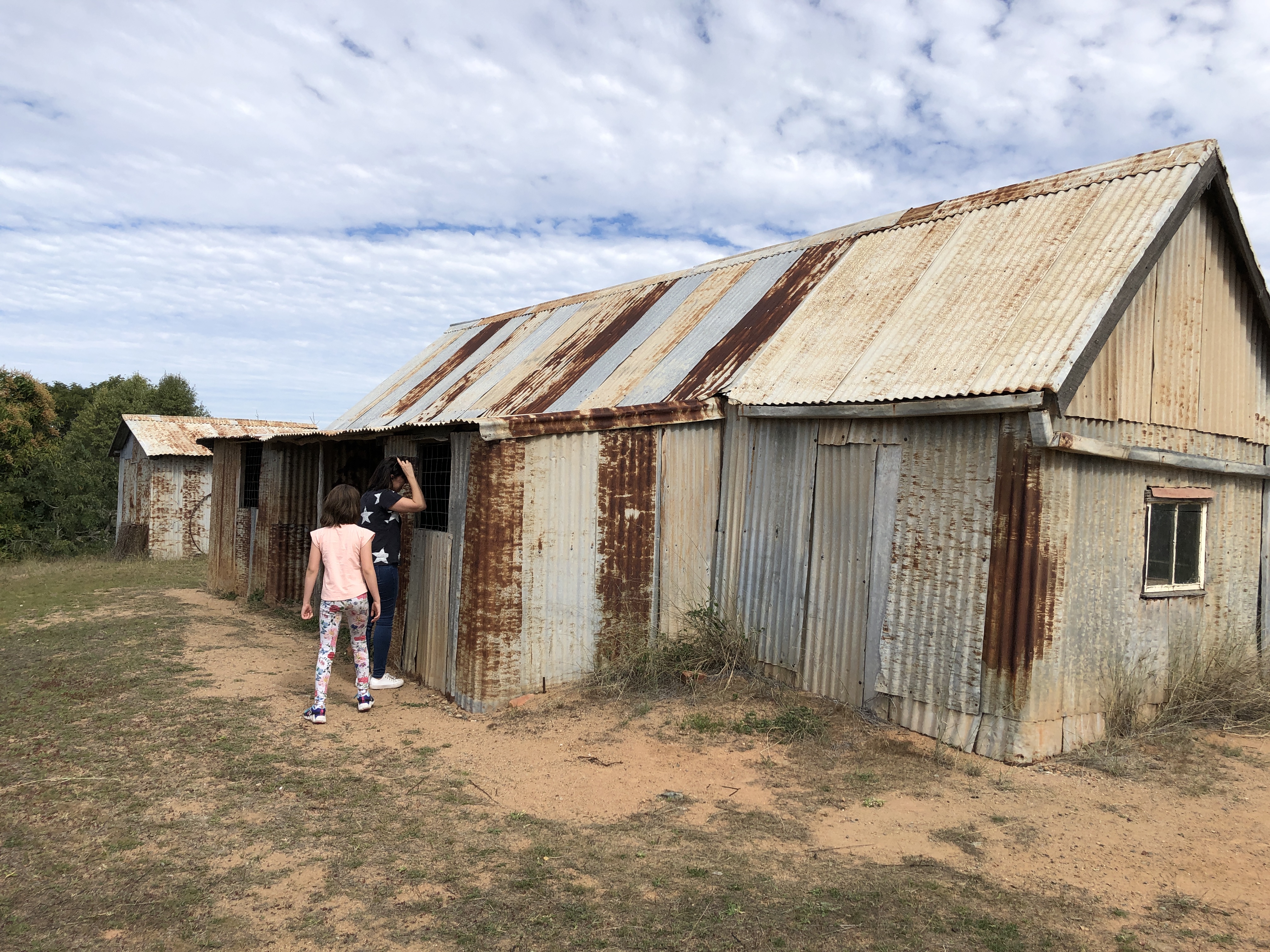
It was quiet and the first stop we made was at the Miner’s cottage – on the right in the above picture.  This was a brief history lesson for Bea – age 9 – who has not spent a lot of time in the bush and who was fascinated in the lives of the children at that time.

The last time I was here was years ago with my daughter’s school class and we visited the school at the time.  Bea was intrigued to know it was a one teacher school, with all students from years 1 – 7 in the same room and taught by the same teacher!  Then there were about 17 students in total.

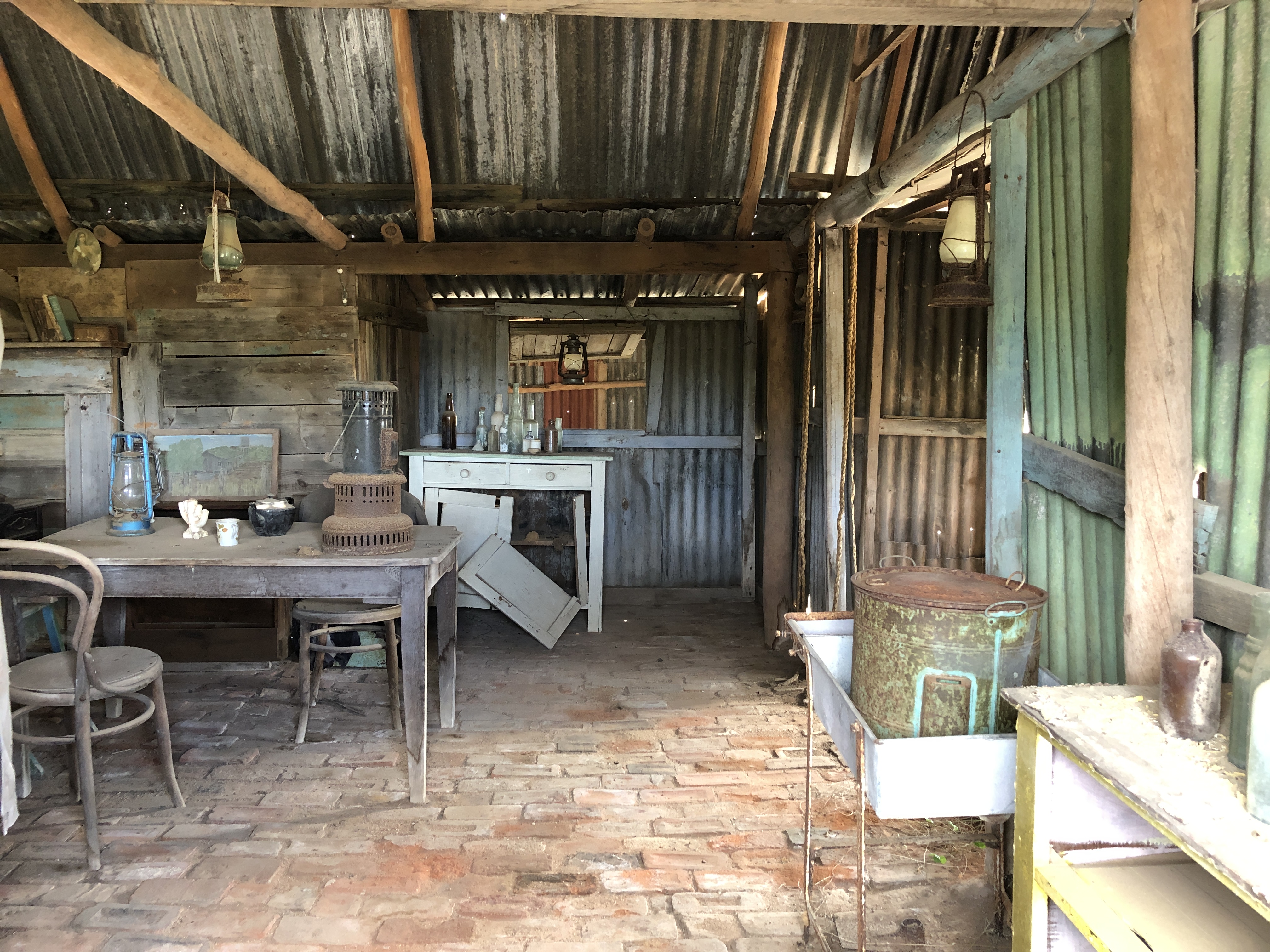
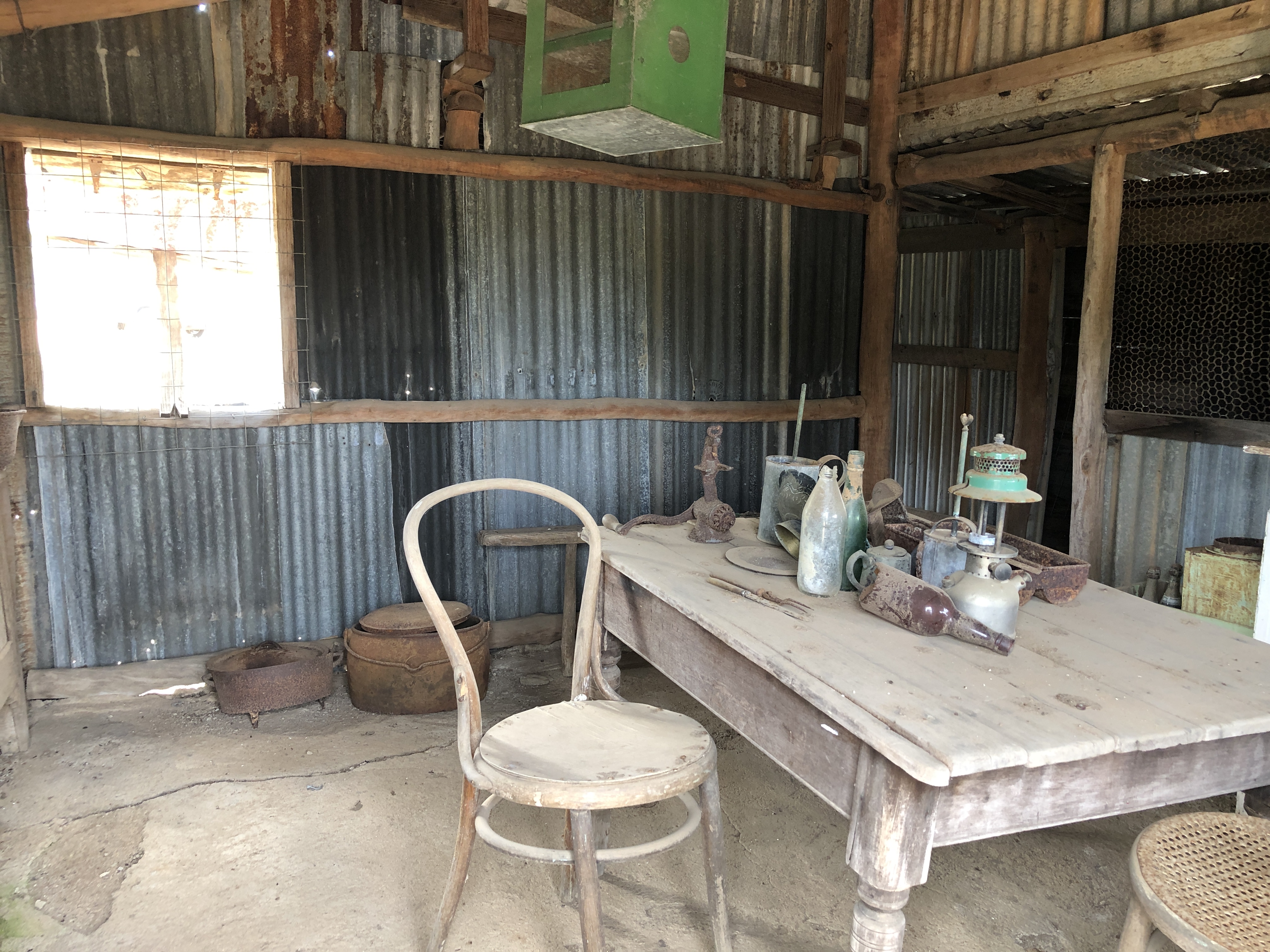
The old cottage is original and displays how the miner and his family would have lived in the late 1800’s.IMG_7253IMG_7254IMG_7257

The kitchen was an eye opener, as was the bedroom.  Seeing this made young Bea thankful for what she has at home!IMG_7255

Outside was the laundry and the outhouse – I had to marvel at the fortitude of the pioneers, both male and female, who sacrificed so much to live the dream of finding that large gold nugget. For many it was hardship and disappointment and for others there was success in measured amounts. This is related as well at the local cemetery where gravestones tell of mining and horse accidents, illness and child influenza.  Pioneers came from all over the world in search of a new life and many descendants are still in the area.

IMG_7267

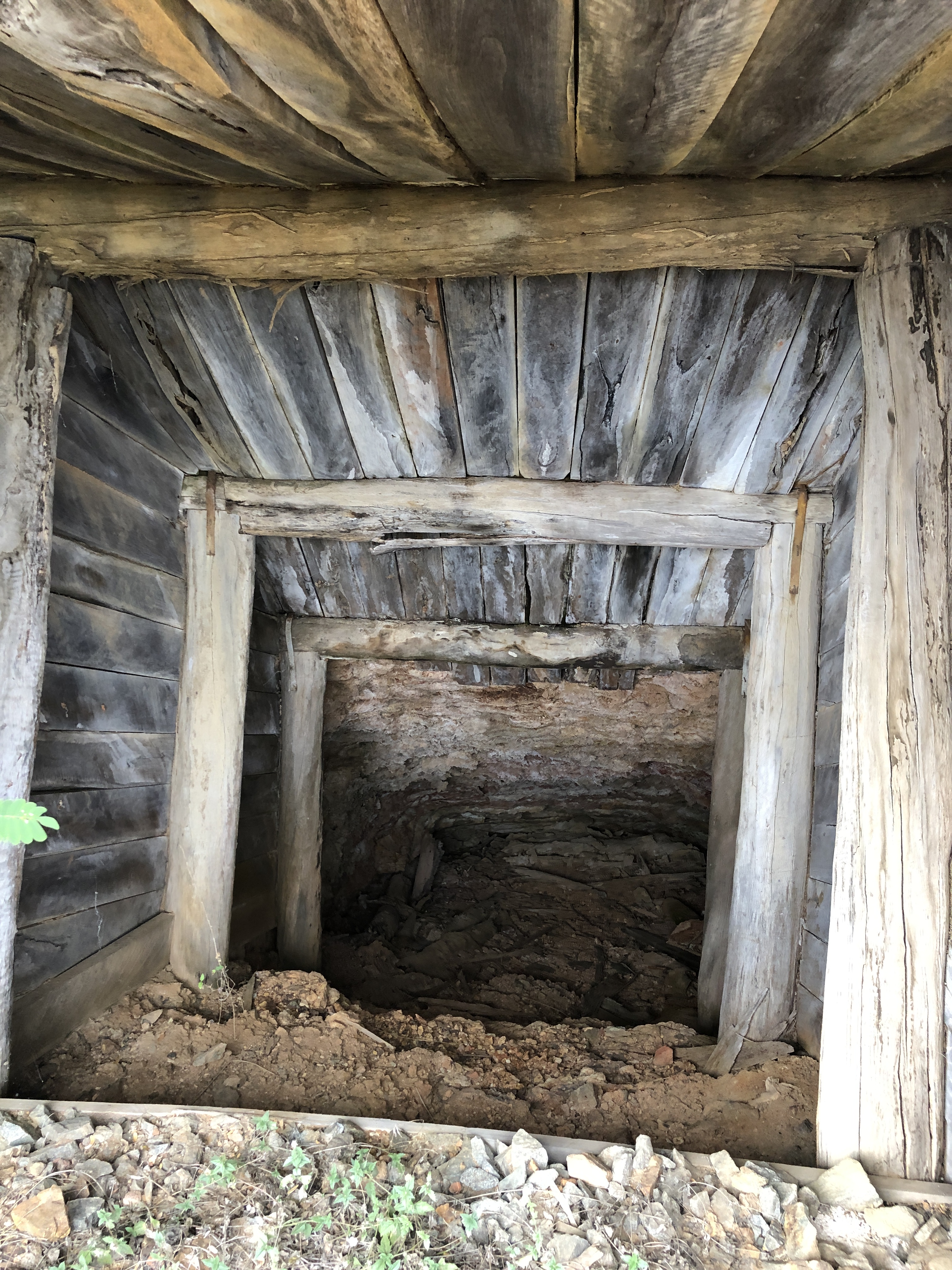
The old London Mine built between 1903 and 1915 consists of a headframe with mullock heaps to the north and south.  Today we can walk to the entrance and stare down and imagine the miners toiling in impossible circumstances years ago. There are old chimneys, rusting machinery and old shafts throughout the town making the journey an informative one, especially for eager young minds.

IMG_7264

IMG_7250

The quaint shops – no longer trading – show some of the merchandise that would have been available at the time.  A fun thing to do is to pose for a photograph outside and imagine you are out for a Sunday stroll in the early part of the century, dressed in your Sunday best and carrying a parasol for the sun.  Note the bag of money held by the male!

We had lunch at the historic Railway hotel where little has changed.  There are some original fittings and furniture, the ceilings are pressed metal and there are large french doors opening onto the verandas at the side.  It is possible to stay here and during the winter season it becomes quite busy with passing travellers keen to experience a night in the old town – along with ghosts and wildlife!

IMG_7268

We had a delicious home cooked lunch here and wallowed in the feeling of yesteryear.

On the way home we stopped at the White Blow Environmental park which is about 4km from town along the road to Ayr. The large quartz outcrop is a prominent feature of the park and is about 15 metres in height with a diameter of 45 meters and is the largest of several masses of quartz in the area. The quartz is estimated to be about 300 million years old.

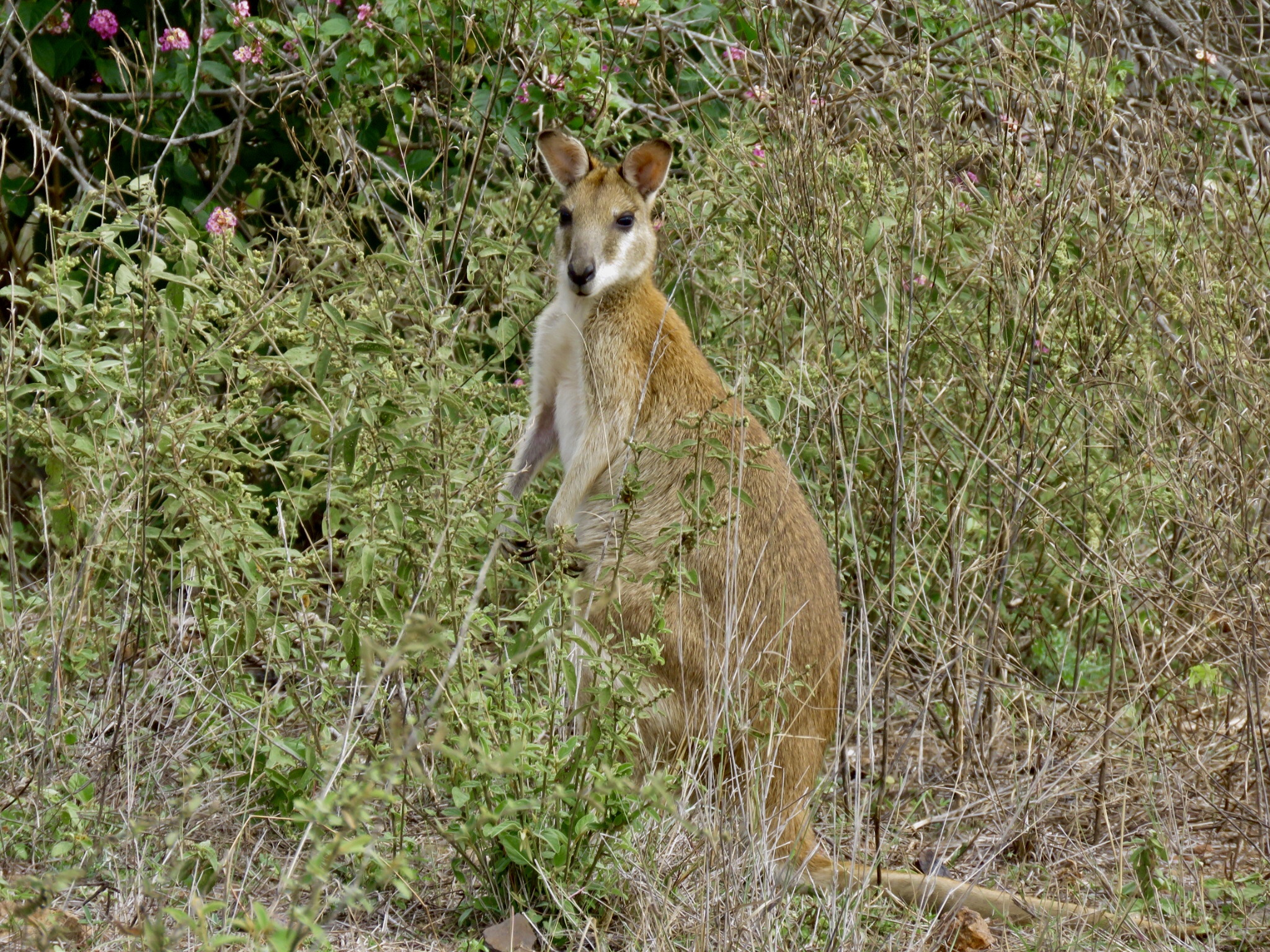
We took the road to Ayr which gave us spectacular views of the Leichhardt ranges and was devoid of any traffic.  We did see wildlife, including this curious little fellow out for a munch of newly grown grass.

Ravenswood Roo

An easy day trip and a little bit different.  Now to explore some more although the island calls this weekend!

ICEBERGS OF GREENLAND

At the moment we are in the midst of a heatwave.  Today it is 37C and the humidity is uncomfortably high.  That leads me to think about cooler places in the world and reminds me of a recent trip to Greenland where I became fascinated with Icebergs. Thinking about those floating, sculptured mountains of ice has a cooling effect on the mind and brings back memories of a wonderful holiday in Greenland – a place I definitely want to return to.

Every year 10,000 to 15,000 medium to large icebergs break off or calve from Greenland glaciers.  Our first encounter with these incredible lumps of frozen water cut through with green, turquoise or blue streaks was at Ilulissat, a lovely town on the west coast of Greenland.

Iceberg ilulissat town

Here we found the Ilulissat Icefjord which was declared a UNESCO World Heritage Site in 2004. First we took a helicopter over the Icefjord and saw the massive collection of icebergs which have calved from the Sermaq Kullalleq glacier one by one and then we hiked along the raised pathway to the edge of the coast and really saw these icebergs colliding with one another as they found their way out to sea.  There was a sound of popping air and crashing ice and it was awe inspiring.

Iceberg walkIceberg ilulissat

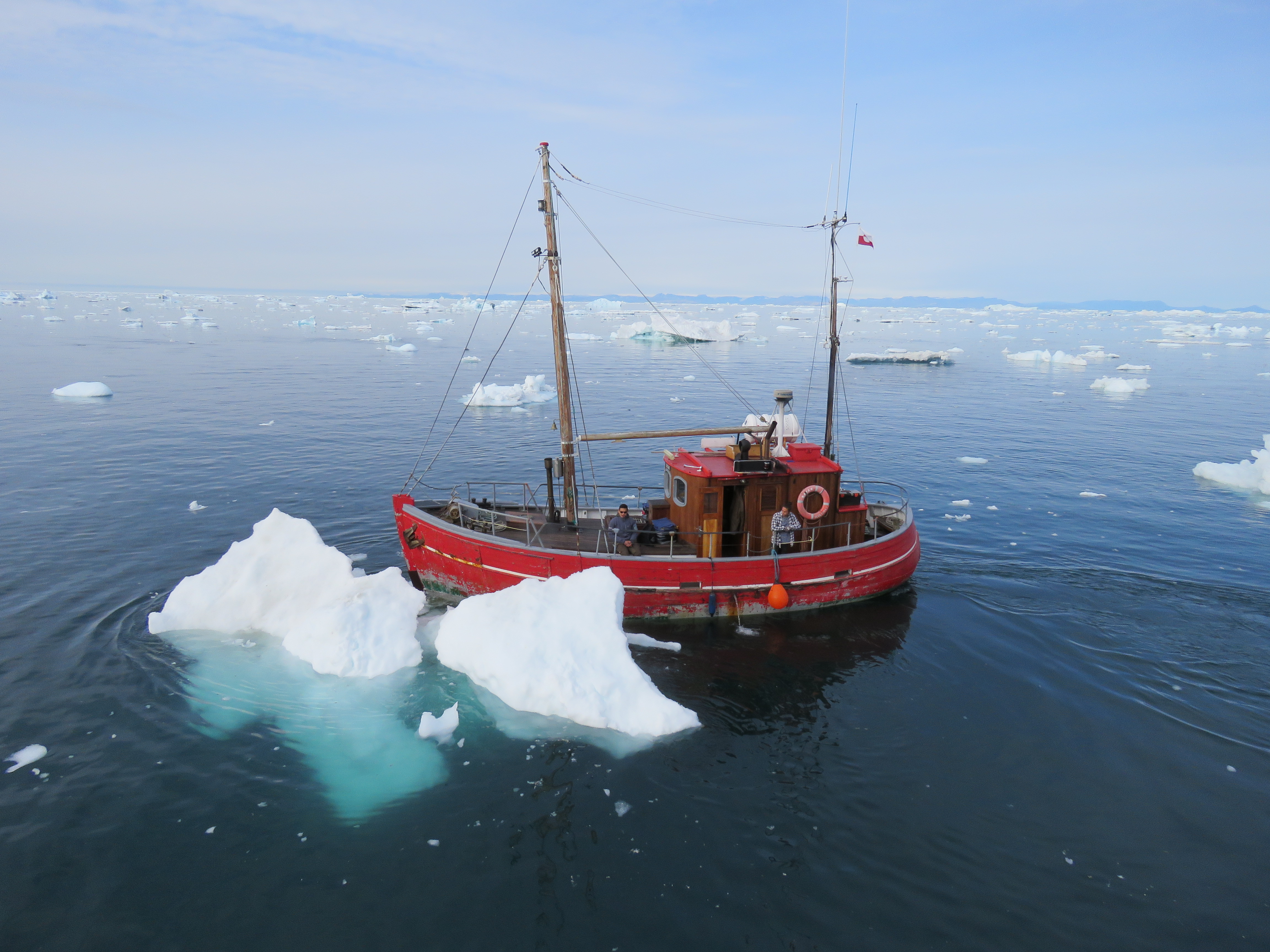
Later, on a small fishing boat we cruised around some of these majestic natural works of art and felt the incredible power of these huge, beautiful sculptures.

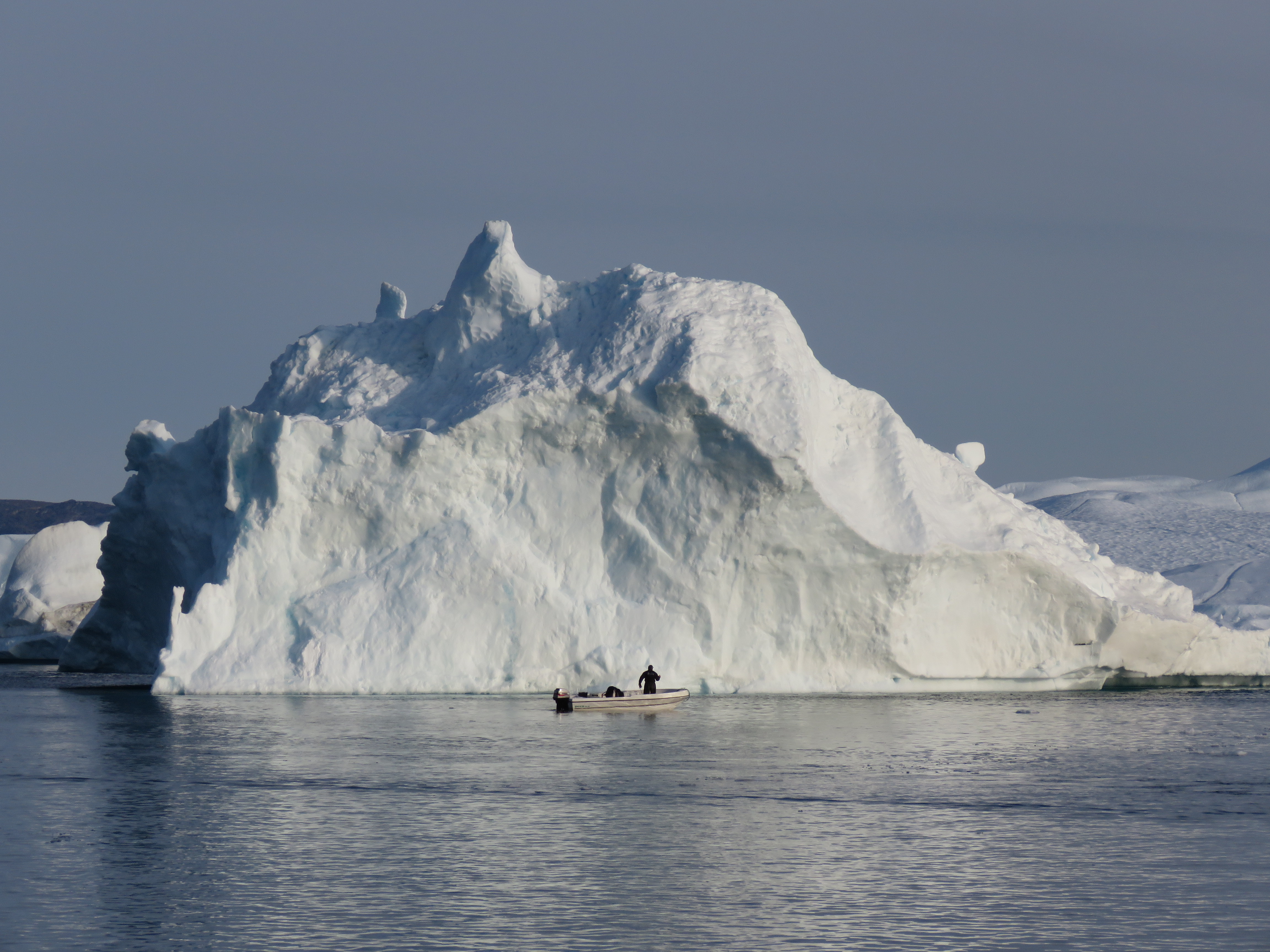
Iceberg persp

Here you can see the immensity of this iceberg alongside the small dinghy.  The tallest icebergs tower over the surface of the ocean and can correspond to a 15 storey building whilst others can be small, the size of a hut or smaller.

iceberg whale

Whales play in these waters and are often observed slowly cruising between the icebergs.

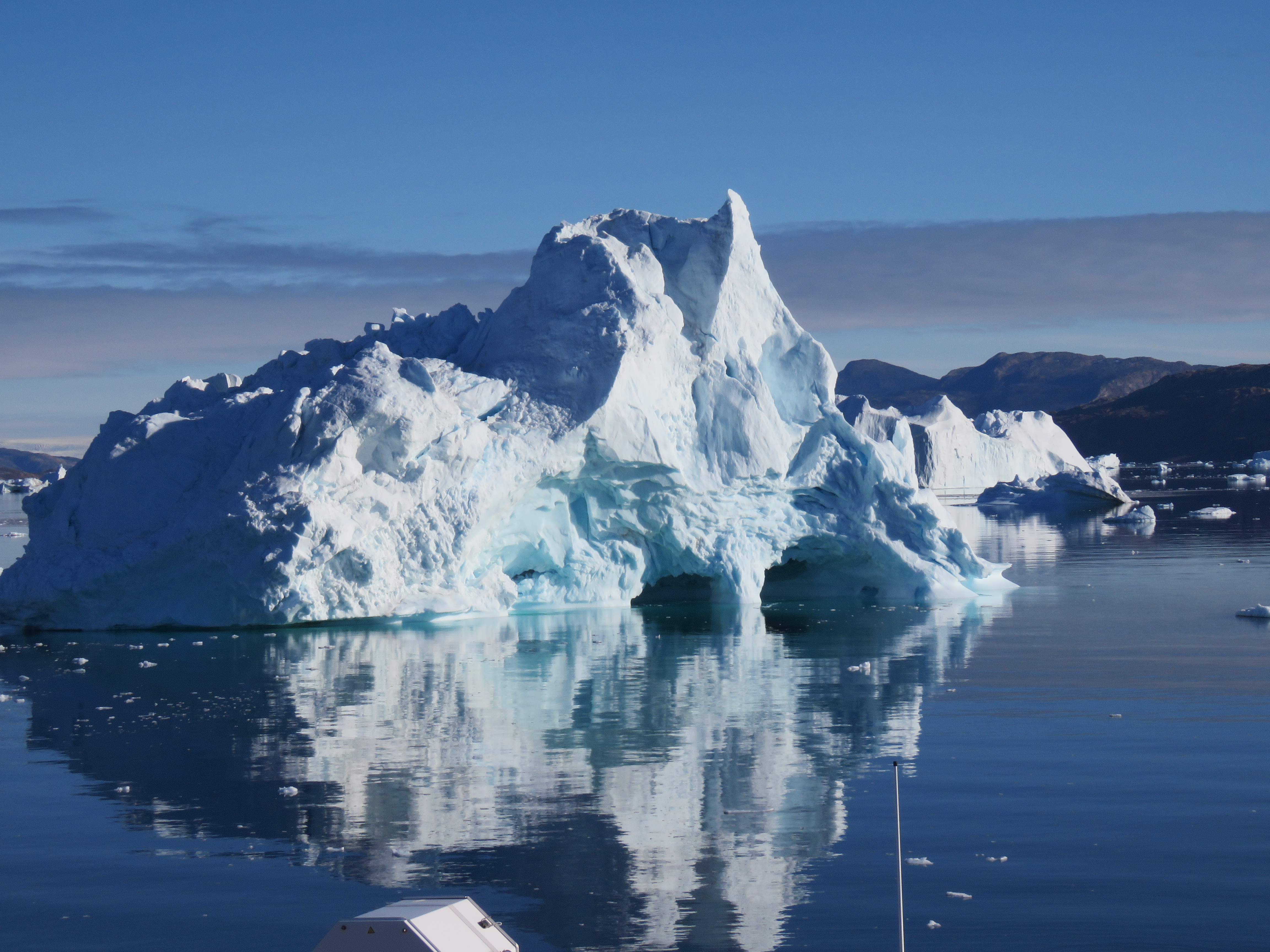
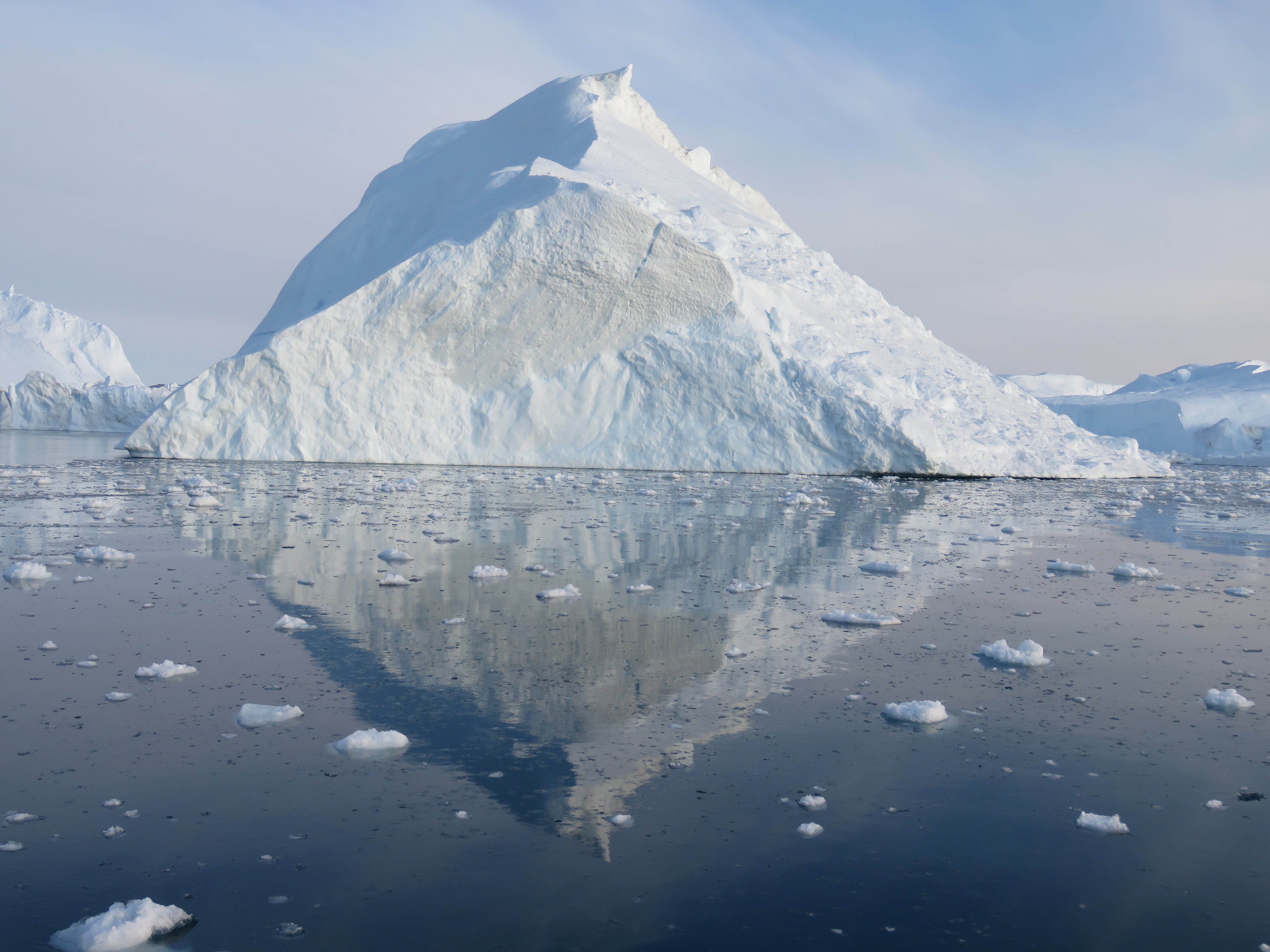
Iceberg reflection

The reflections are magnificent – at any time of day.  We were told that only 10% of the iceberg is visible above the water – which means this one must be incredible below!

Iceberg zodiac

Smaller ones get in the way of boats and the zodiacs from our ship often had to gently push them out of the way as they floated with the current.

It is said that the iceberg that sank the Titanic was probably born in Ilulissat.

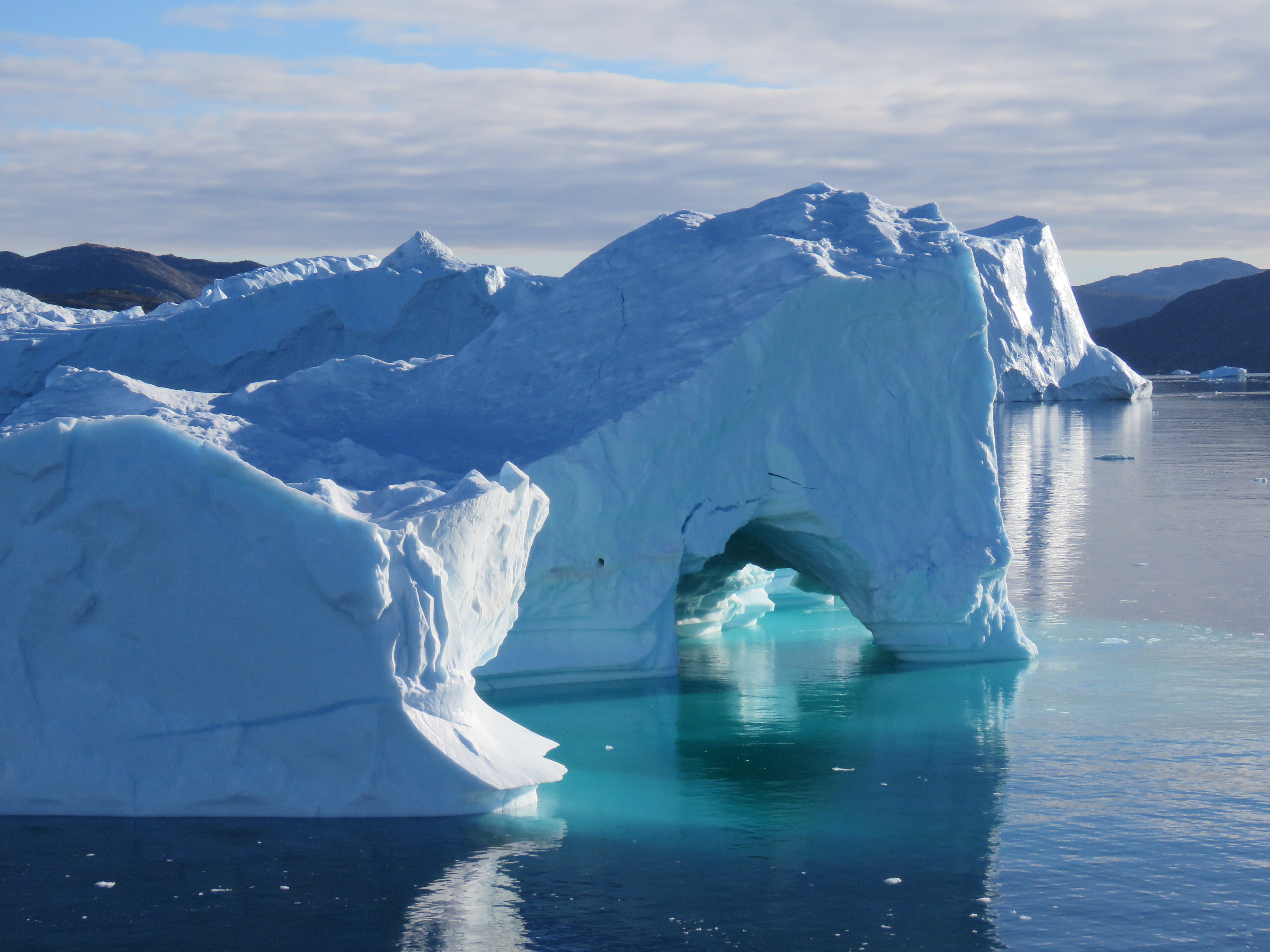
One day we cruised to Qagsserssuaq where there is a fantastic “garden of icebergs” . Here they are in all shapes and sizes and and some even had beautiful openings which would be tempting to sail through had we been in a smaller craft!

Iceberg8Iceberg9Iceberg02

Iceberg01Iceberg03Iceberg10

The ice cap is in a constant state of change and movement and every year it produces icebergs that are primarily formed in the sea from glaciers in the central and northwestern regions of Greenland.  Imagine a slow transformation from snowflake to ice during a period predating modern history and thousands of years later, we marvel at these amazing structures.  We heard constant cracking and rumbling echoes of icebergs calving wherever we went in Greenland – sometimes it sounded like a gunshot – and there is no telling where or when it might happen.  There is an almighty crash and the lump of ice falls into the ocean.  I wouldn’t like to think about being in a boat close by!

Iceberg12

We watched this fishing boat dodge several icebergs which threatened to interfere with his fishing.  It seems to be a way of life in Greenland.

Iceberg11

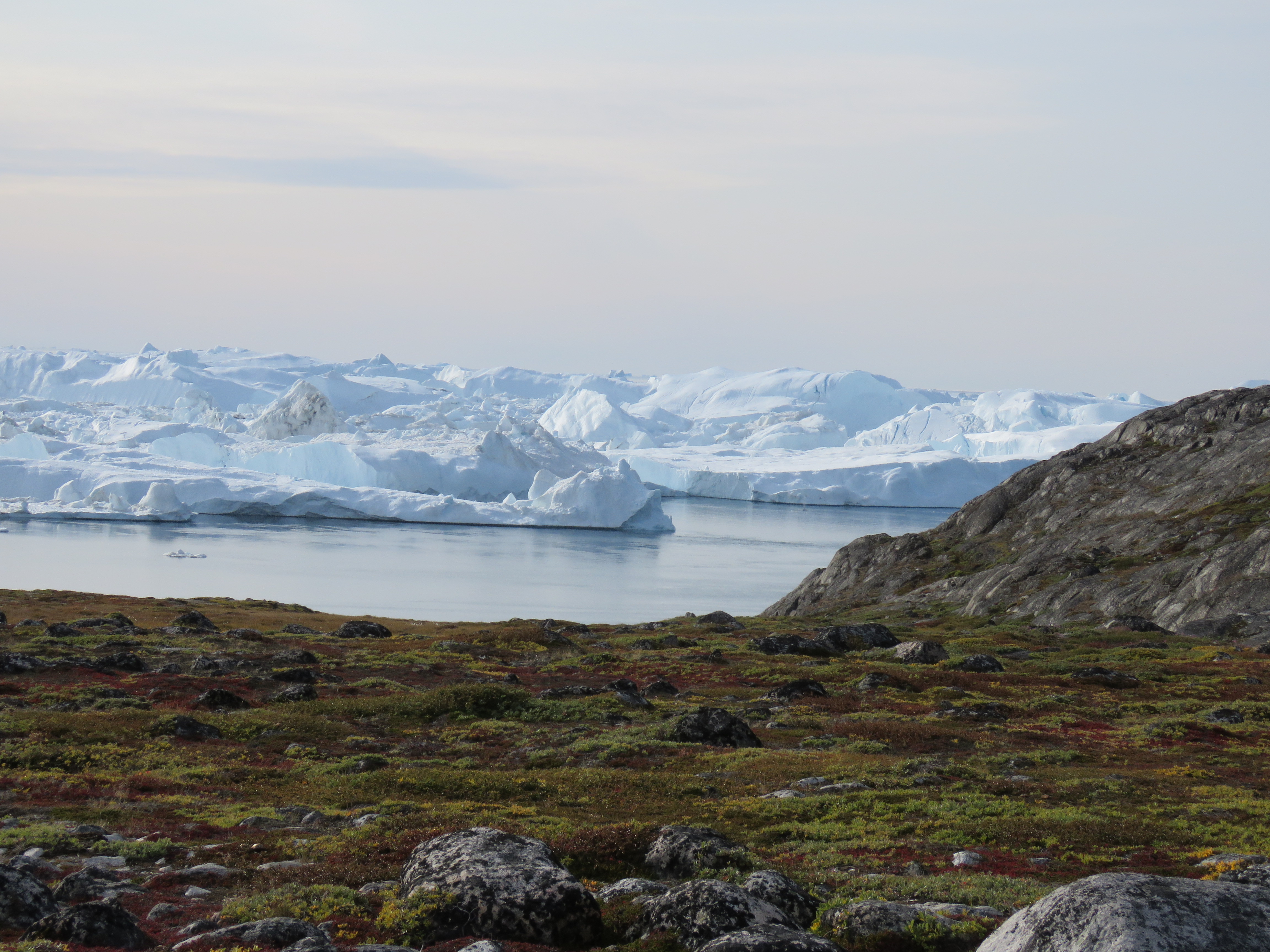
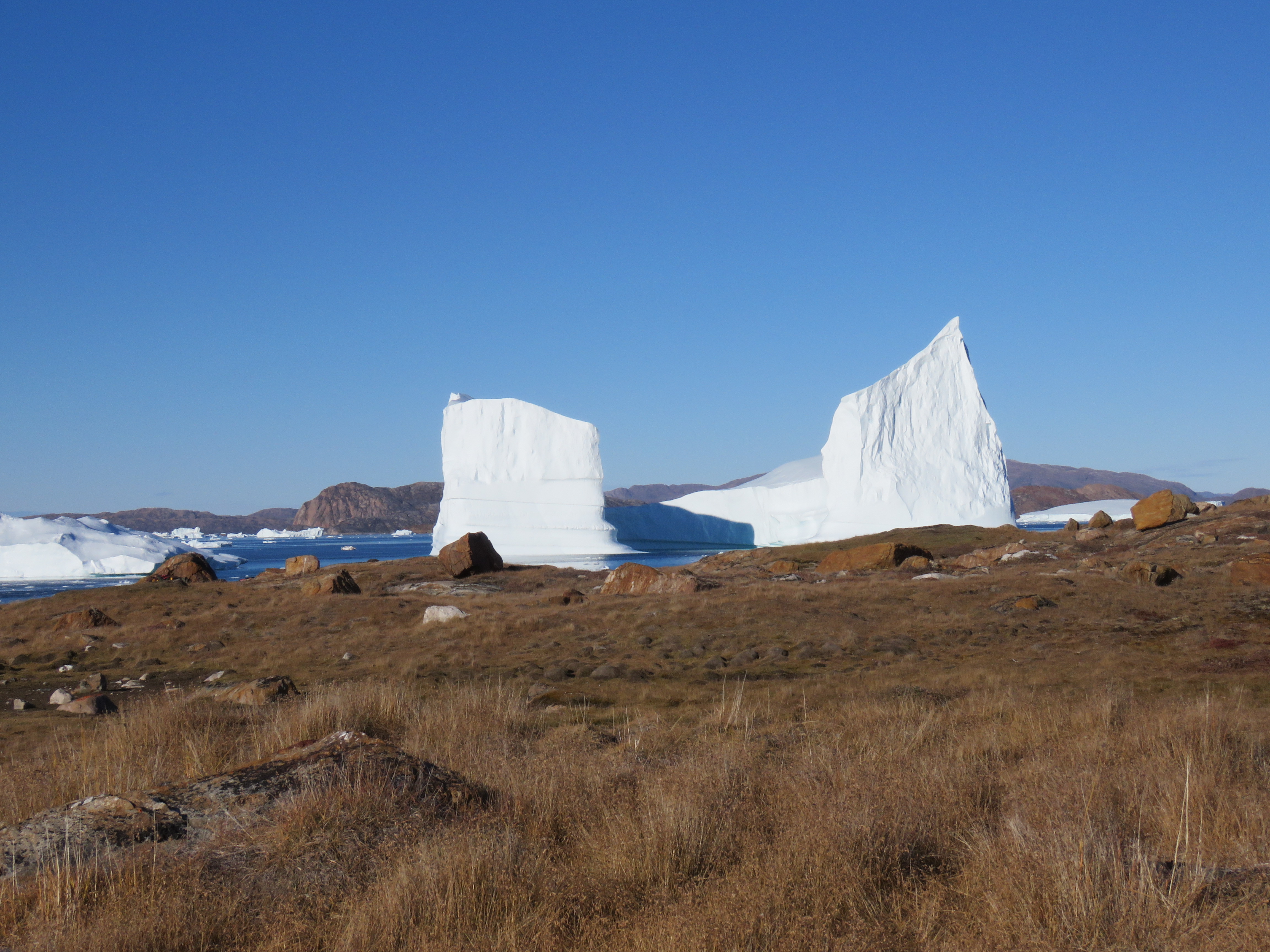
Even hiking in the tundra, the inevitable sight of large and small icebergs were present.

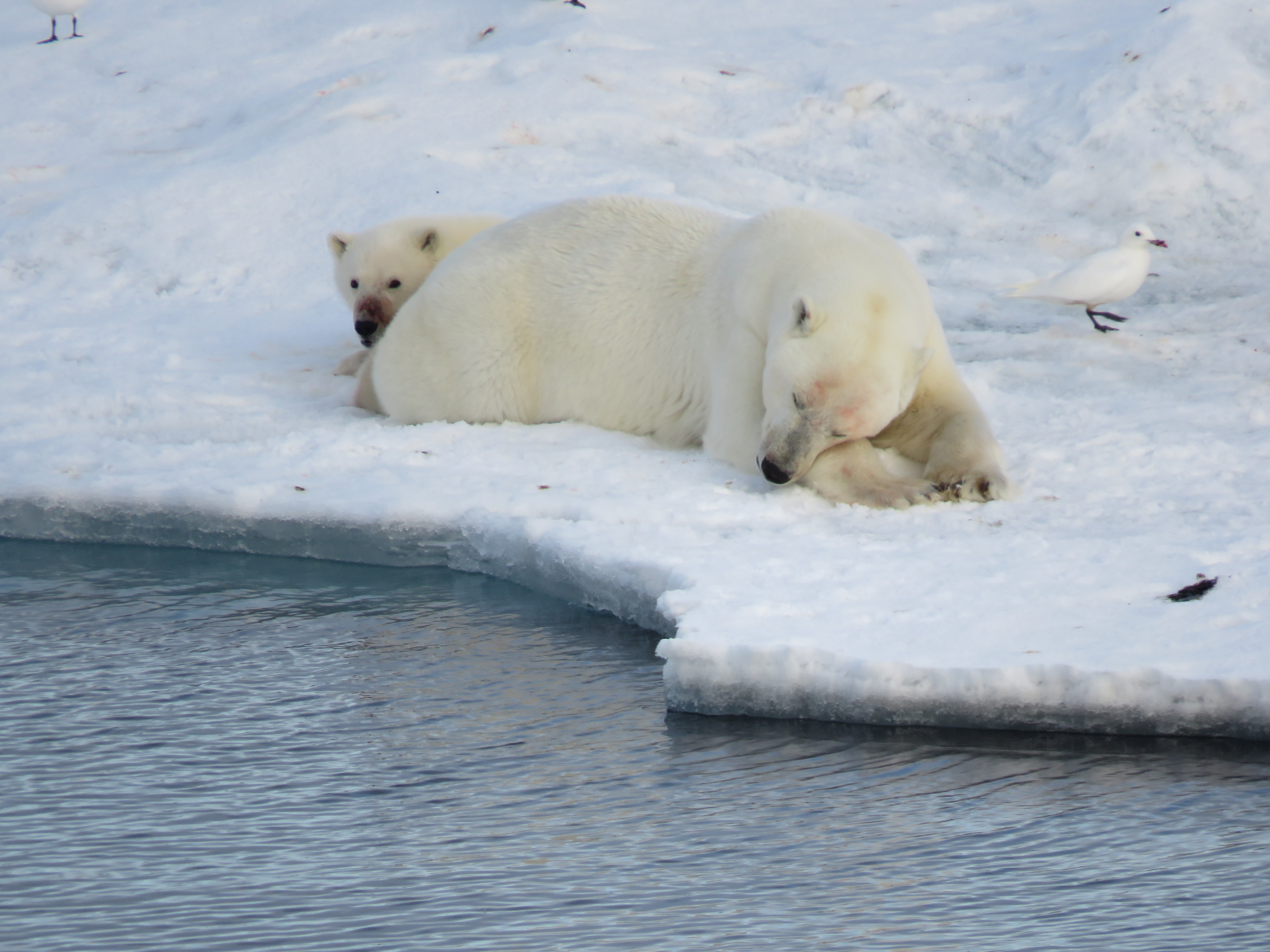
Polar bears have to be cautious in the summer months and many take refuge on icebergs.  We were lucky to find a polar bear and her cub on an ice floe having a meal of a freshly killed seal.  Bearing in mind the female polar bear weighs between 150 to 250 kg this piece of ice must have been very dense.  After observing the feeding ritual for some time, mother decided to have a rest and we moved on.  It was good see these bears were fat and healthy as we had heard sad tales of the opposite before we arrived.

Polar bear03Polar bear02Polar bear

My next trip is to Iceland in May and hopefully there will be lots more of these amazing works of nature to observe and wonder at.