

DAY FIVE : A PATH TO ENLIGHTENMENT
CHIMMI LHANKHANG, SANGCHEN DORJI NUNNERY, NALANDA TEACHING MONASTERY
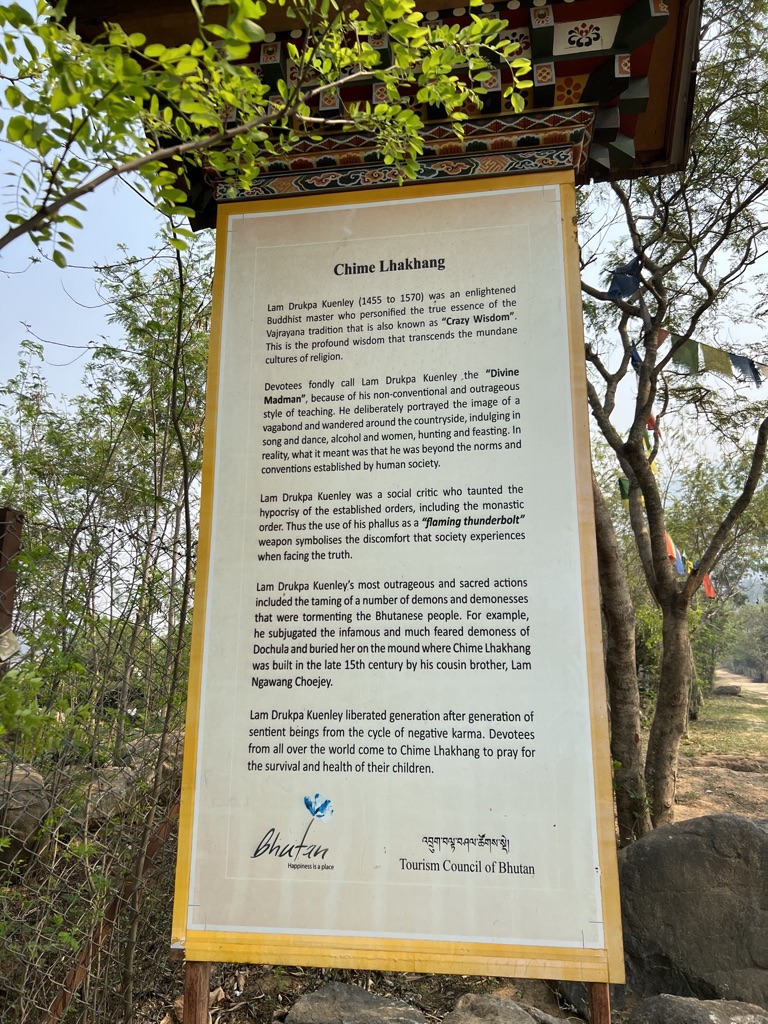
One of the reasons we wanted to spend time in Bhutan was in order to visit teaching institutions and some of the well known temples with fables attached. Today we were not disappointed. Our drive to the first temple was through lush fields, rice paddies, orchards and forests. Chimmi Lhankhang is a 15th century fertility temple dedicated to Drukpa Kuenley, a Tibetan Buddhist saint who is probably better known as the “Divine Madman”. We had already heard the story of this saint who went about the country dressed as a vagabond, indulged in alcohol and women, feasted and danced and generally behaved inappropriately. He was totally unconventional and disliked the hypocrisy of order – particularly monastic orders – and so used his phallus as a “flaming thunderbolt” weapon to challenge society and its discomfort in facing the truth. There are countless stories about his travels and deeds – all of them quite fantastic – but he liberated generations from negative energy and to this day many couples come to the temple to be blessed and to pray for their children. His bizarre and unorthodox teaching ways endeared him to the people and he is now the patron saint of Bhutan and considered one of the greatest spiritual teachers.
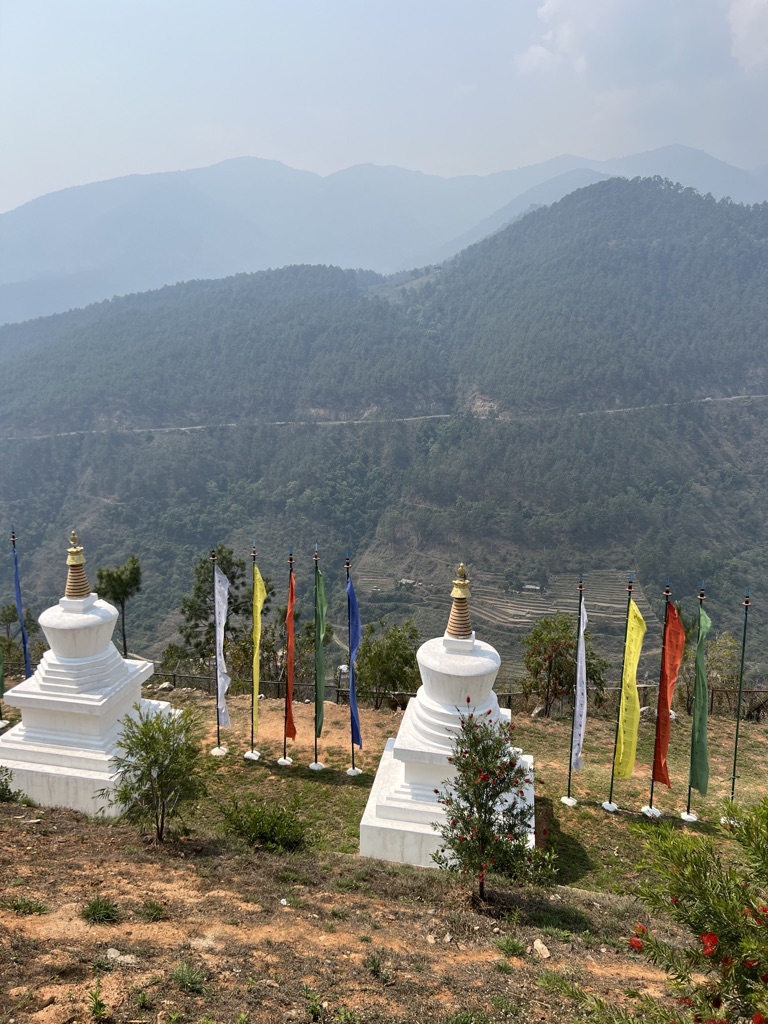
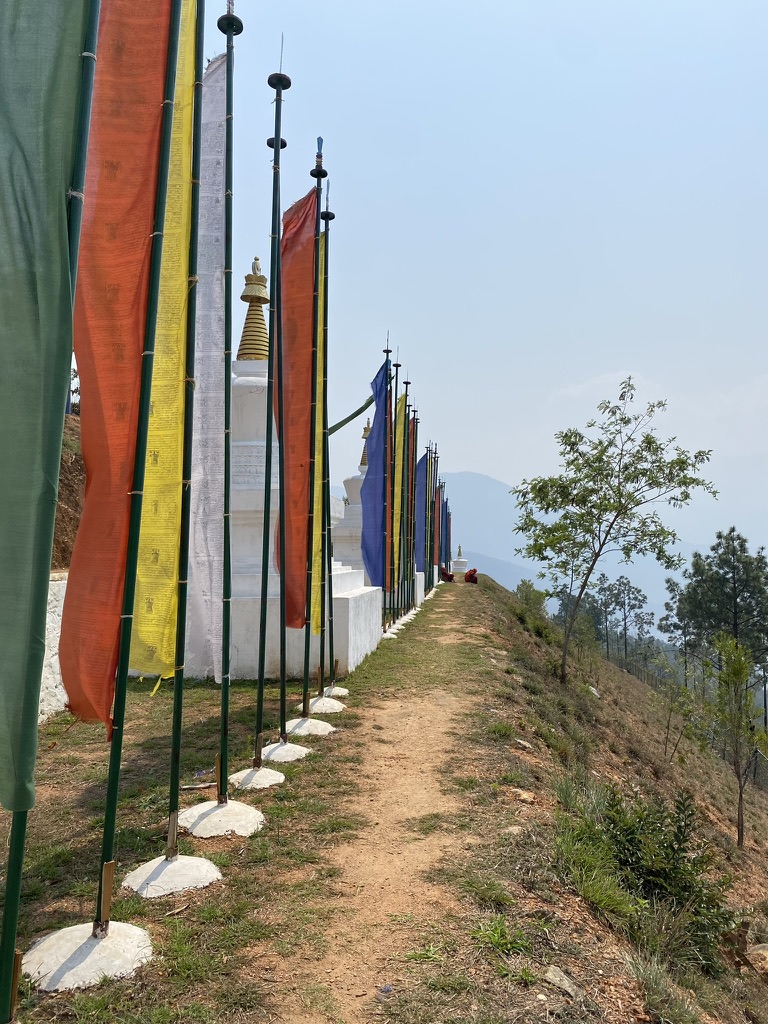
When we arrived at the temple we were greeted with the hollow sounds of trumpets – these long instruments are used by monks and nuns as a call to prayer. We walked the long path to the temple gates and found student monks practising on their instruments. Dressed in crimson and saffron robes they made an arresting sight in the temple garden – the stupas glistening in the early morning sunlight.



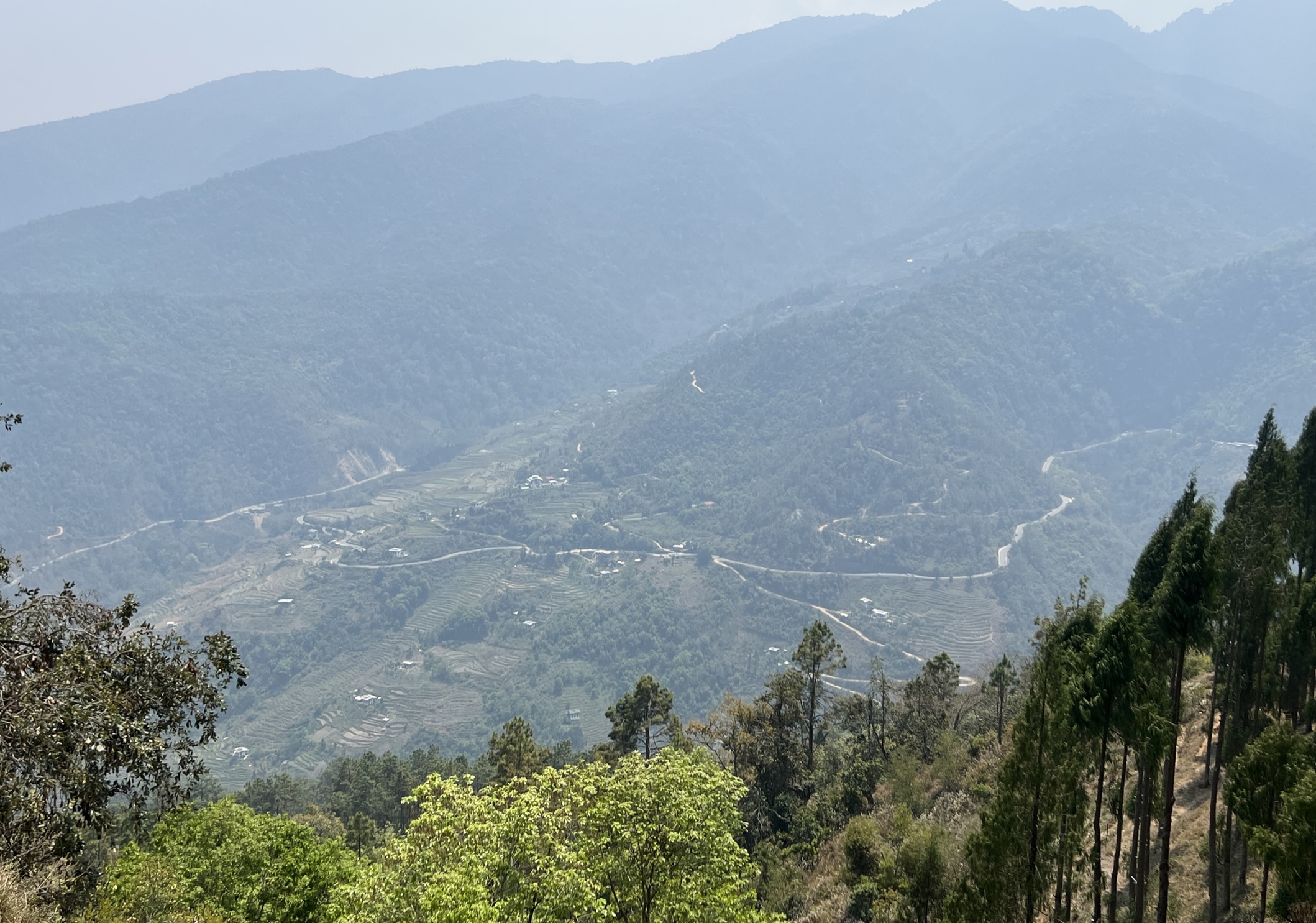
Across the valley we went to another place of peace and contemplation. This time it was the Sangchen Dorji Lhuendrup Nunnery. Situated on the edge of the mountain, the complex overlooks the Punakha valley and has stunning views. A large prayer wheel overlooks the hills and coloured prayer flags were fluttering in the breeze.


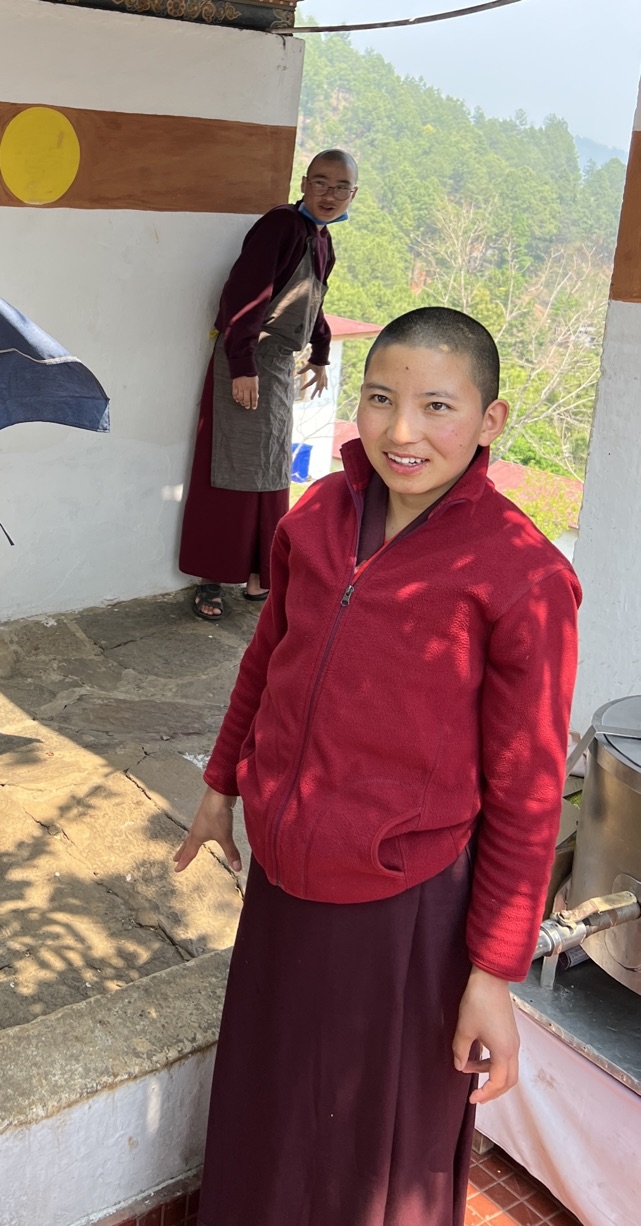
Along with teaching a spiritual life, the nuns are also taught many life skills such as tailoring, embroidery, thangka painting and statue making. Many of the women go onto normal lives with families or teaching others. It seemed to me that they were happy to devote several years of their lives in the nunnery and later make a decision about how to spend their time. When we arrived a group of nuns were having a mid morning break and making a very spicy chilli lime drink with fresh limes, chilli paste and betel leaves. It was overpowering and quite disgusting but they laughed at our distaste and added more chilli paste to the concoction!

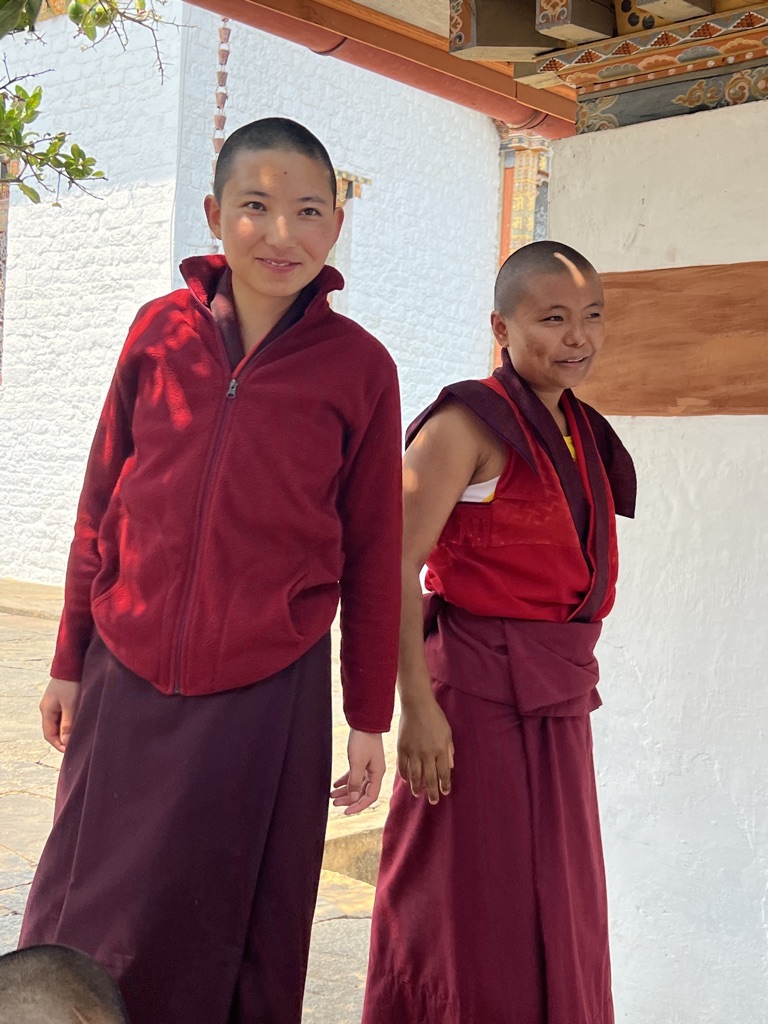

As at Chimmi Lhankhang, we found a couple of nuns practising their call to prayer on the trumpet like instruments. The courtyard was vast and the sound echoed throughout.

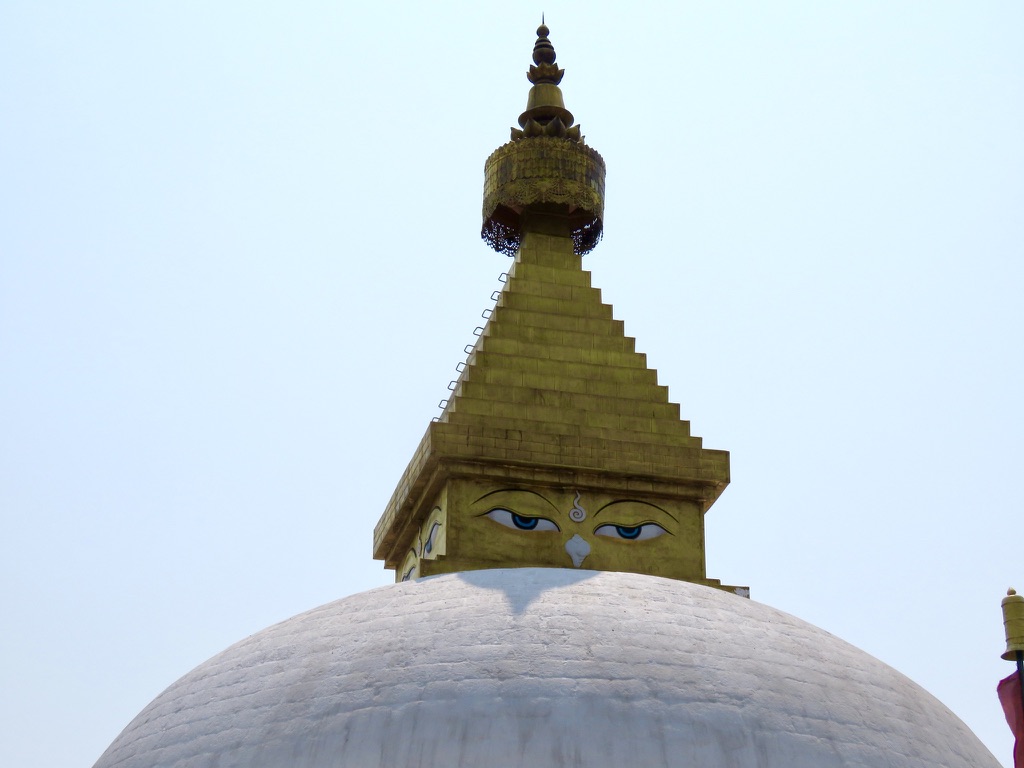
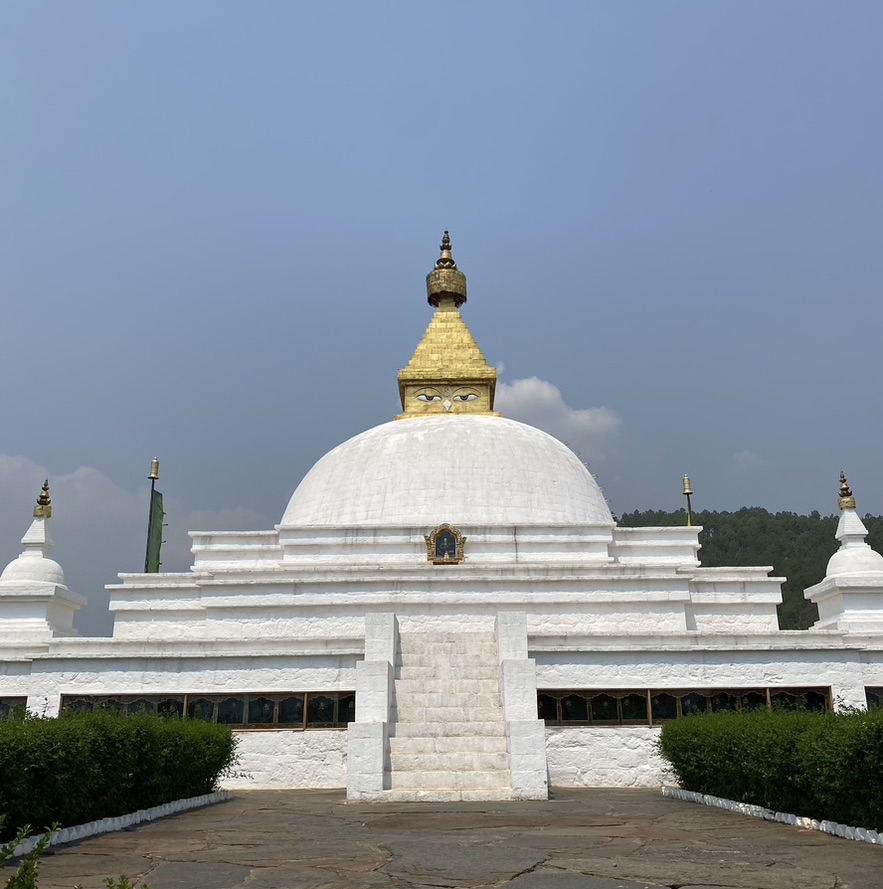
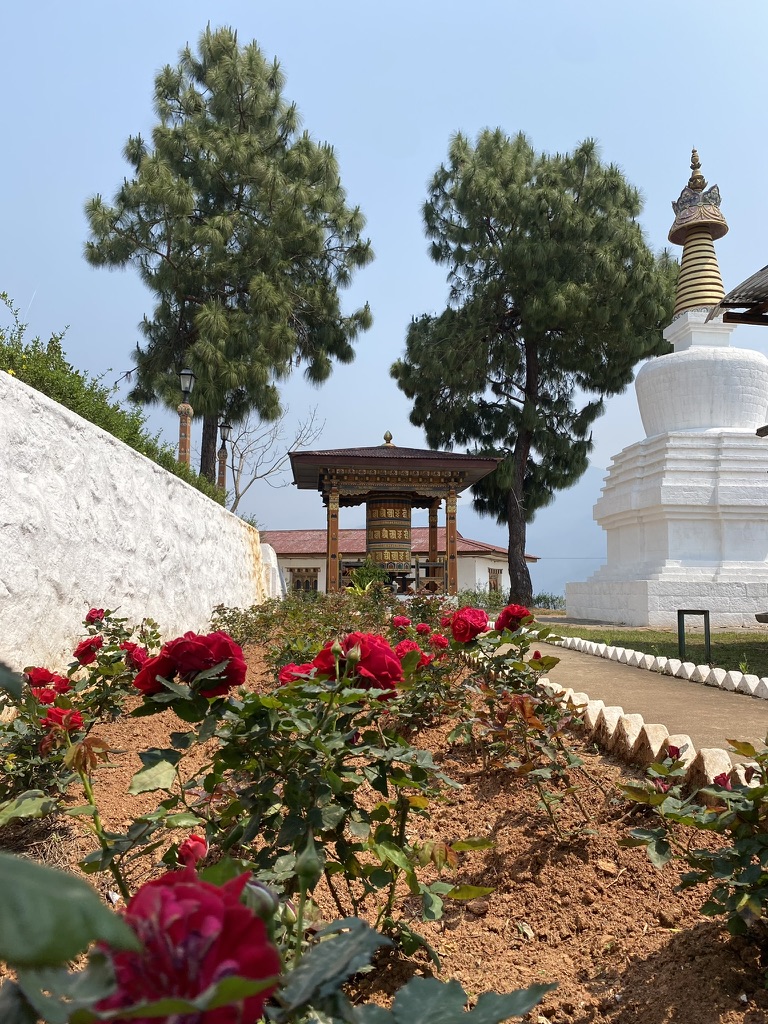
We were unable to access the library and teaching rooms as they were being used but we chatted to the nuns outside and wandered through the beautiful gardens full of rose bushes and other flowers. It was so neat and orderly.
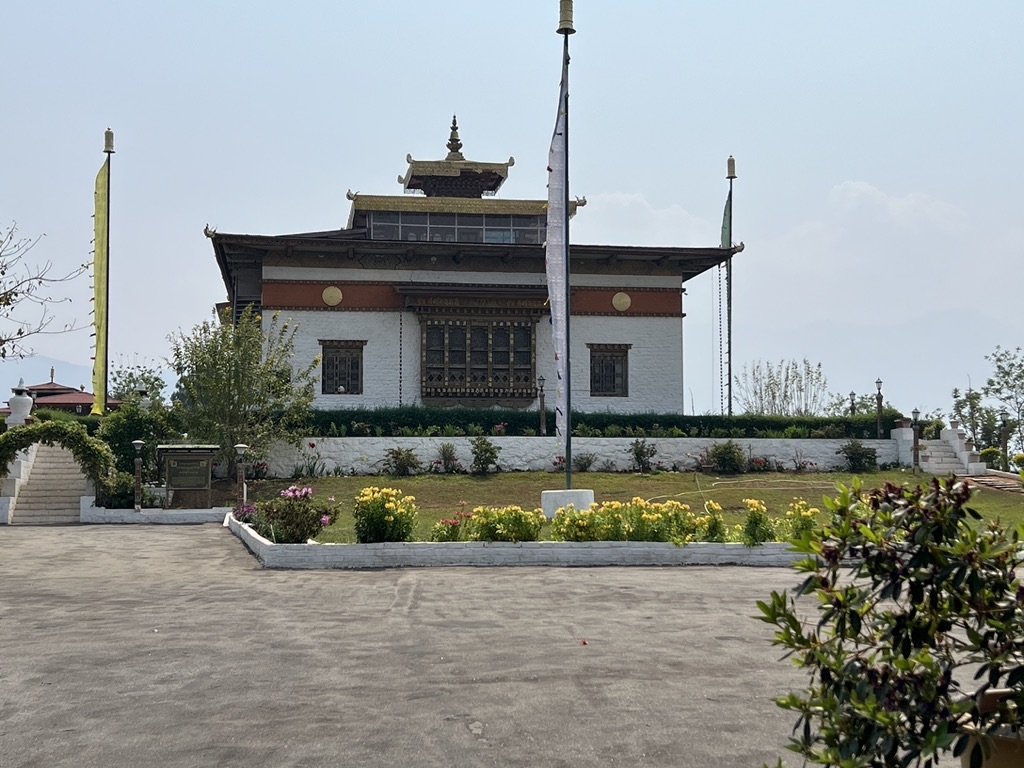
After a picnic lunch we drove to the Nalanda Buddhist Institute which has an interesting history and is now a “shedra” which means teaching monastery. It was founded in 1757 by Gyalwang Shakya Rinchen Rinpoche who is considered the reincarnation of Rechung Dorje Drakpa, a student of 11th century Tibetan Buddhism. Today the student monks range in age from 8 – 28 years and upon entering the school, some had reached a certain education level whilst others had had no education at all. Here they learn Buddhist philosophy, how to play ritual instruments and the making of ritual cakes called tormas.
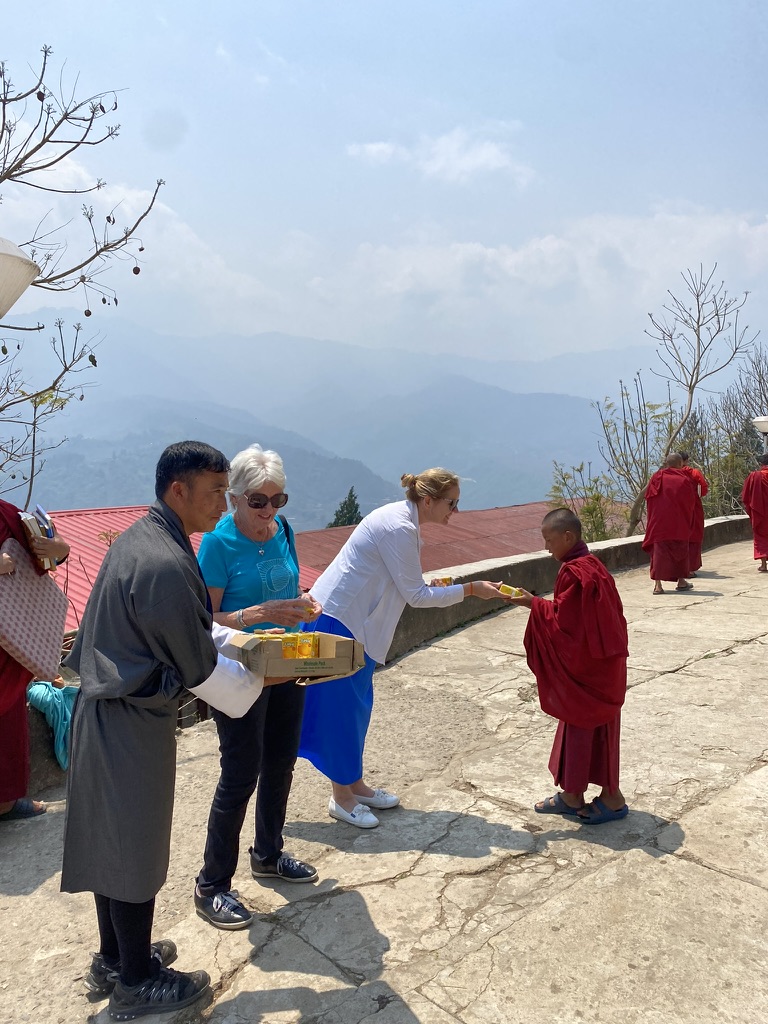
We met many of the students and offered them a traditional offering – in this case a small popper juice which the little ones loved – and then went into the temple climbing to the upper floor. The room overlooked the valley and was filled with statues and images of various gods. The altar was literally overflowing with offerings including some very elaborate cakes. These, we were told, are the ritual cakes and the young monk we spoke to was very proud to claim that he had made that particular cake. I was surprised that he spoke English so well and he told me that he loved to practise speaking and that they have English lessons every day from 7 – 8 pm. Subjects such as Buddhism, health and disease and basic science are taught in English. The next surprise we had was that there is a computer laboratory there and students are taught the basics of computer science and software although there is no internet connection there – yet!


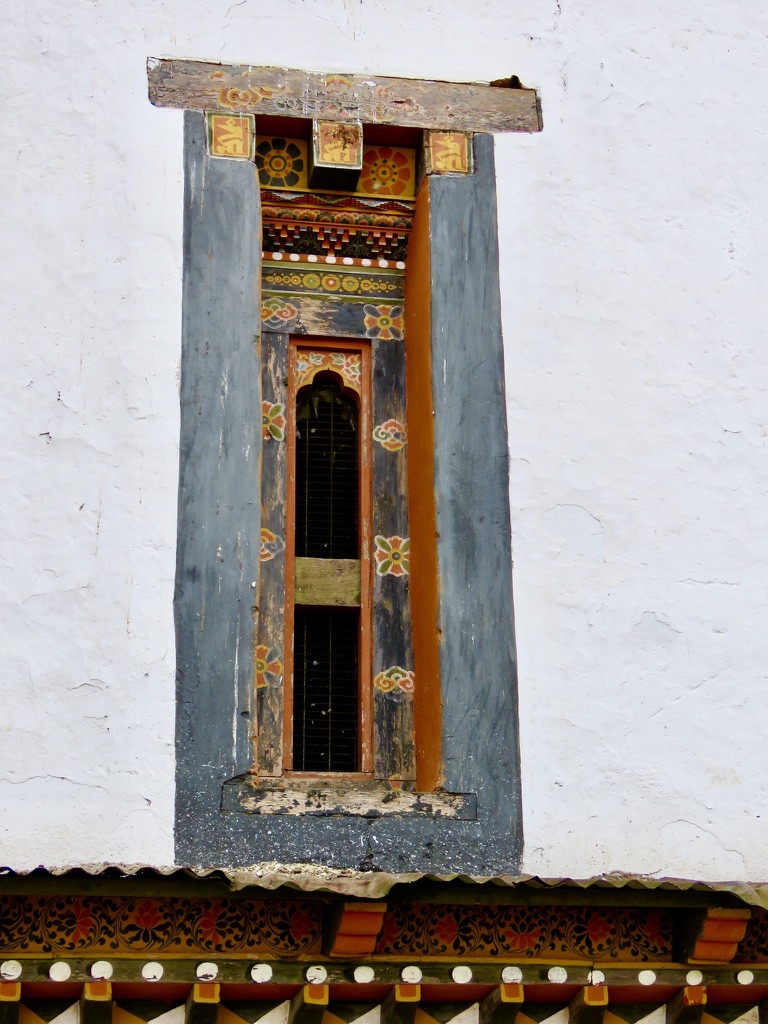
Our final stop on this interesting day was via a village nearby called Talo Village. We walked through the woods to a very old temple that sat in the midst of beautiful gardens. There were a lot of temple dogs playing on the grass and a few local people entering the temple. This temple does not allow visitors and is apparently very old which was evidenced by the painted windows and the old door. Chencho and Sonam entered to offer prayers whilst we stayed outside and played with the dogs!
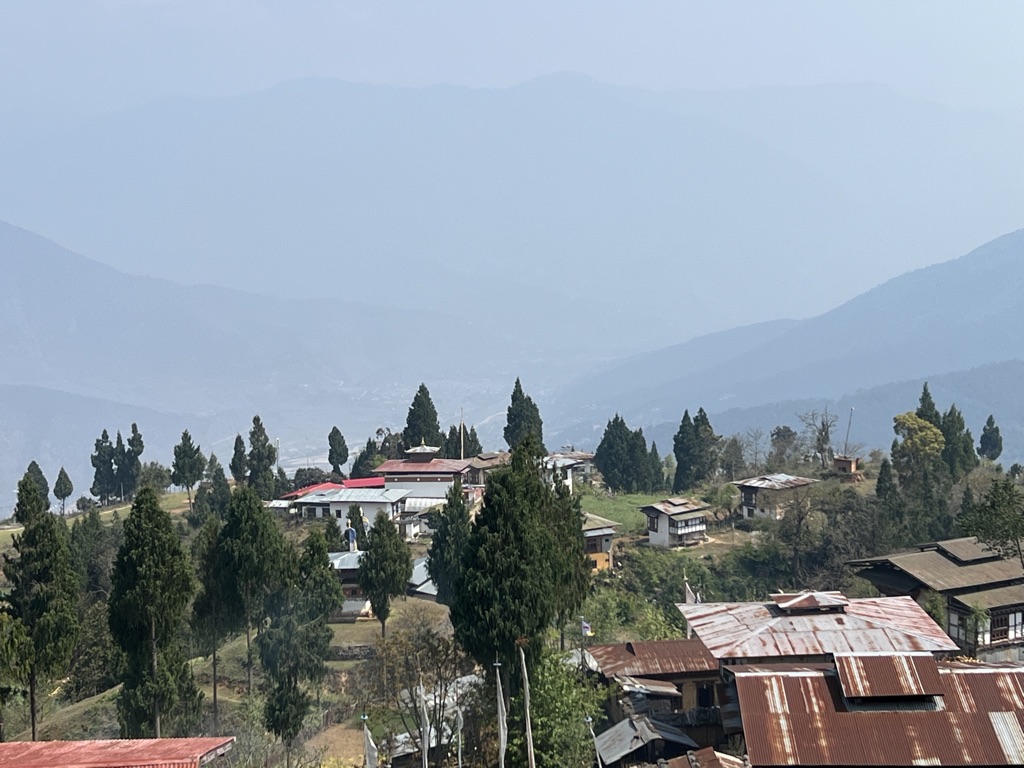


A fabulous day with so much information that we needed time to absorb it all so it was back to Punakha and the comfort of our room, ginger tea and a relax. Tomorrow is another day.
 IT'S ABOUT THE JOURNEY...........