THE ENDLESS ROAD TO THE COAST – CORAL BAY AND SHARK BAY

aBpuA+1VSoCAzdkvwULlPg_thumb_4b1.jpg

The distances here in Western Australia are so vast that it is almost beyond comprehension – even though we have driven over much of Australia over the years.  Here in the North West the road is endless and there is nothing to break it.  It was with great relief that we arrived at the tiny village of Coral Bay – and here we wanted to stay!
UNADJUSTEDNONRAW_thumb_45c

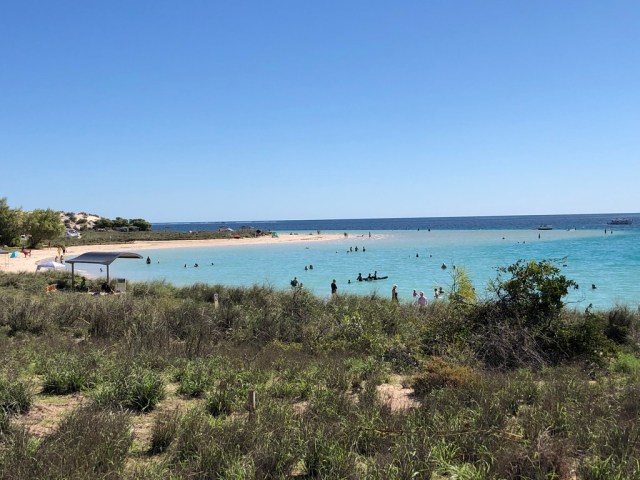
This tiny settlement is perfect for families and for people seeking relaxation or something more adventurous such as diving, fishing or snorkelling.  The beautiful coral reef is just metres from the shore and the beach has pristine white sand and is safe for even the tiniest tot.  We found ourselves in a cabin right on the foreshore

UNADJUSTEDNONRAW_thumb_462

And all we had to do was cross the road and we were on the beach and in the beautiful clear water.

UNADJUSTEDNONRAW_thumb_44c

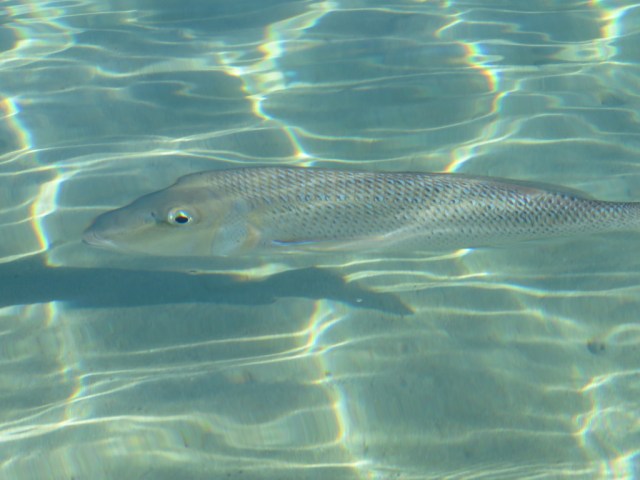
There is a platform for coral viewing or snorkelling and even early in the morning the fish were friendly and just weaving around our legs – probably looking for food!
UNADJUSTEDNONRAW_thumb_44f

UNADJUSTEDNONRAW_thumb_455

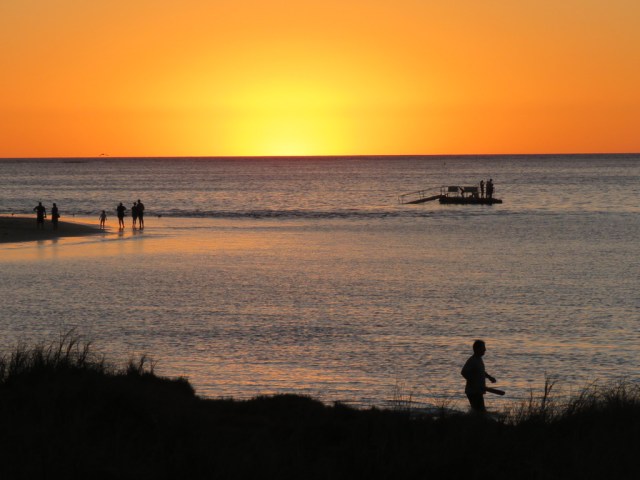
The sunsets here are glorious and with an aperitif in hand, gorgeous view and the total serenity of the place, that long, endless road was forgotten.

UNADJUSTEDNONRAW_thumb_464

UNADJUSTEDNONRAW_thumb_445

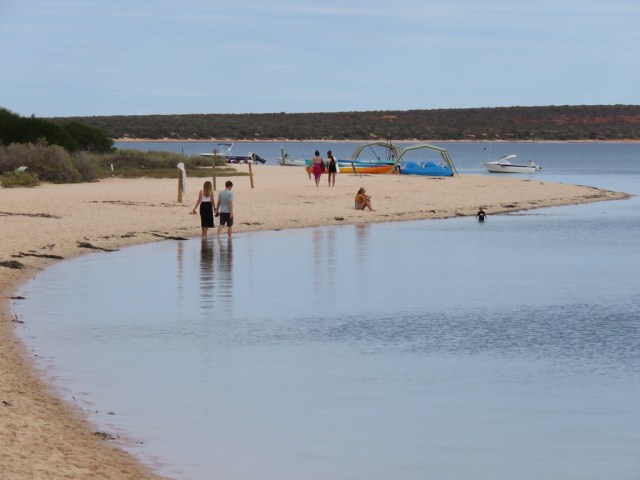
The next day we had a 420km drive to Shark Bay – or the little town of Denham. This is the most westerly point of the Australian continent and is on the UNESCO World Heritage list.  It has vast sea beds which are the largest in the world and which support the dugong population – which is also one of the largest in the world.  The Stromatolites are among the oldest forms of life on earth and it is possible to view them at low tide from a specially erected platform.  Apart from these features, we wanted to come here because of its proximity to Monkey Mia which is famous for its dolphin experience.

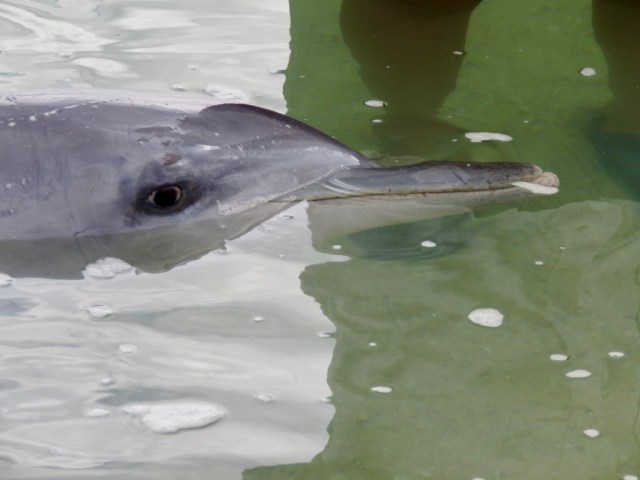
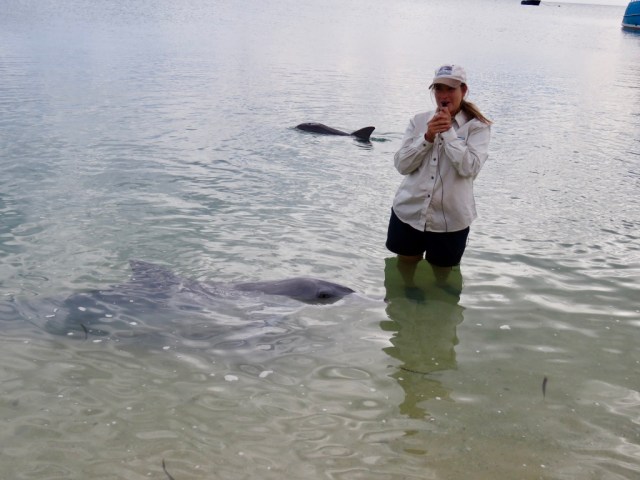
In the past visitors were able to swim and interact with the dolphins which came close to shore to be fed.  Today it is regulated by the Department of Wildlife because the lives of the dolphins were endangered by too much human interaction.  It is still a wonderful experience and the Wildlife Officer also gives a short talk about dolphin behaviour.
Ly5Q+3wSQPKqKSjWYjC0oA_thumb_49c

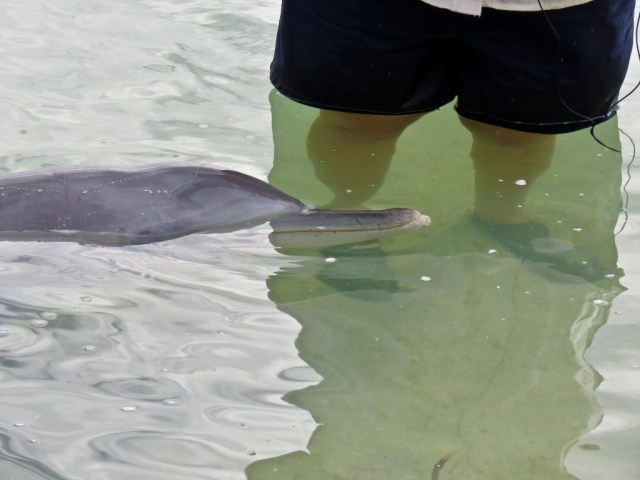
Feeding occurs in the morning and the amount of fish each dolphin gets is strictly monitored so they still have to go out into the wild to hunt.

usO51YLHTZquycV492Ylrw_thumb_49e

Bq6Zcw%tQma%XjSxcczPBw_thumb_497

XapEpX5kTA6Ftvyamrr35A_thumb_494

These are such beautiful creatures and I almost had the feeling that Piccolo was human when looking at her eye.

UNADJUSTEDNONRAW_thumb_496

Monkey Mia is a tiny place with just one caravan park/hotel and is where tourists come especially for the dolphins and perhaps a little fishing. There are boat trips on offer as well.
UNADJUSTEDNONRAW_thumb_4a2

OeQes6B6SLCNNVATzjCybg_thumb_4a1Denham is a great little town and was settled by Europeans first in the 1850’s who began pearling, pastoralism and guano mining.  The original inhabitants were the Aboriginal people – the Mulgana – who were here for thousands of years and evidence of their presence can be seen in cave shelters and shell middens around the peninsula.  It is said that they were probably the first Australian Aboriginals who had contact with European explorers who came in the 1600’s.

We walked along the foreshore and found a sweet little building which is a restaurant called The Old Pearler.  Deciding to have dinner there, we then discovered its interesting history.

rX1uT5oxQWitRwK2mt1lkQ_thumb_4a6

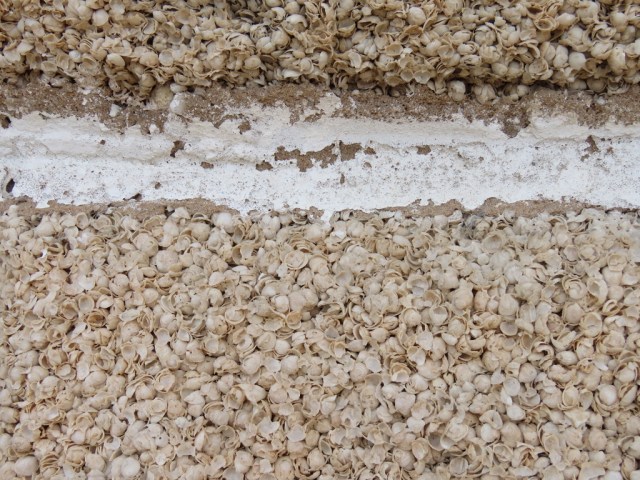
This is the only restaurant in the world to be built predominately of sea shells. The shells are essentially of the small molusc family being bonded together by pressure and calcium.  The shell stocks came from the Hamelin Pool area and blocks were cut by saw from the ground.  An Englishman, Tim Hargreaves, took three or four years in 1974 cutting and laying the shell blocks.
UNADJUSTEDNONRAW_thumb_4a7

Railway sleepers were used for doors and window frames and the tables were made of timber salvaged from the original Peron Station shearers quarters.  Various artefacts are on the walls inside and the acoustics are exceptional which is due to the myriad of air pockets in the shell blocks.  These also ensure there is coolness in the hot summers without resorting to fans or air conditioners.

IMG_3974

This is also the most westerly restaurant on the continent.  We had seafood both nights we visited and the crayfish was sensational.

Several years ago we visited the area on board “True North” and also went to Dirk Hartog island which is close to Denham as well as Steep Point.  This is a rugged area which is the westernmost point of mainland Australia.  Access is by 4 wheel drive only as the track is through sand dunes.  We were fortunate to land by boat and this time is it good to see from the land perspective. Steep Point is also a renowned land based game fishing place with over 320 species of fish caught off the point.  We saw fishers harness themselves to the cliff and then float their baits off the cliff using helium balloons.  They then hauled their catch up the cliffs – no easy task as a shark very often gets it first!

Anyone visiting this part of Western Australia simply has to disregard that long, long road and come to Denham.  I promise you will not be disappointed!


The Red Road Deep in the Kimberley

mme5c2bhS9mnbit%LJjwkg_thumb_338

The road to Fitzroy Crossing and beyond is long and parts of it are gravel and the soil very red.  This makes for quite stunning colours everywhere even though the car gets covered in a fine silt.

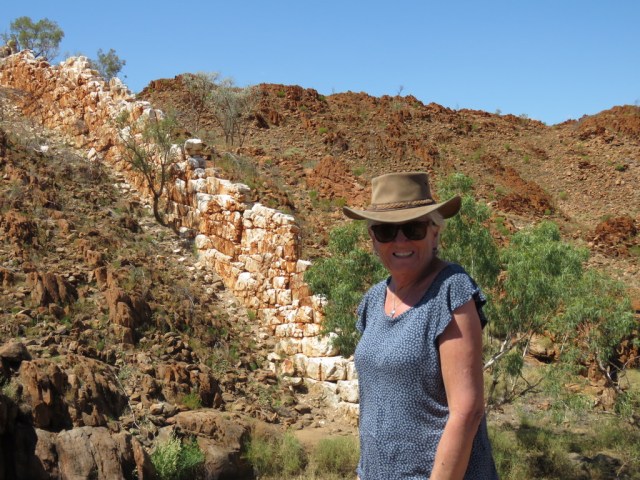
We had heard about China Wall near Hall’s Creek and decided to make a little detour to see what it was all about.  Located on a private property, we had to enter through the station gate and drive on a rough track for about six kilometres and suddenly, there it was!

UNADJUSTEDNONRAW_thumb_320

This was so surprising and is a natural vein of sub-vertical white quartz rising up to 6 metres above the surrounding country in some places.  It rises high out of the ground and then disappears again only to reappear further on.  Apparently it transects the country for many kilometres but we only saw this section.

UNADJUSTEDNONRAW_thumb_32f

Aborigines have a theory about how this came about but for us, it was just a fabulous little detour to witness a wall similar to the Great Wall only right here in the Outback!

UNADJUSTEDNONRAW_thumb_336

We came across many more termite mounds but these were a different shape and I have to admit a fascination for them.  A local told us that the Aborigines used them as a burial place for their dead by placing the remains of the deceased inside the mound which would then be sealed naturally by termite activity.  Thus these formations are sacred to many tribes and explains why, in some places especially in the Northern Territory, we saw mounds with clothes placed over them – a t shirt, cap or a dress.

UNADJUSTEDNONRAW_thumb_32b

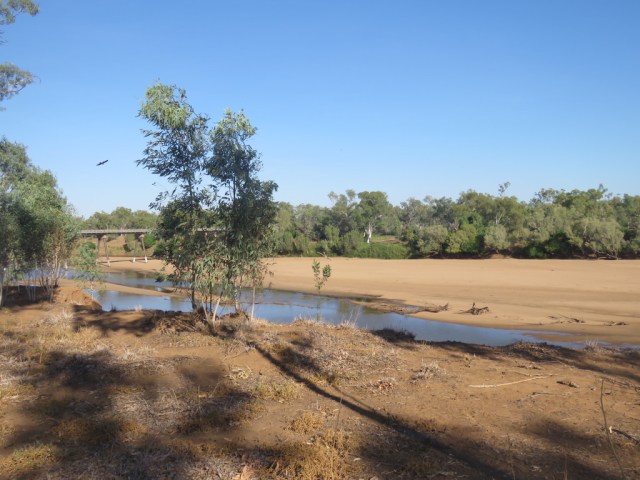
Fitzroy Crossing was our next stop and this place I remember from my road trip way back in 1969.  There wasn’t much there then but now it is quite a thriving community which serves the stations in the area – many of which are now owned by Indigenous groups.  It is very, very dry at the moment, so the mighty Fitzroy River looked a bit sad.

jGCePUs%S56bblOIYznXFQ_thumb_339

UNADJUSTEDNONRAW_thumb_33b

KXmIj9wFRYKVHn+hftfqDA_thumb_33c.jpg

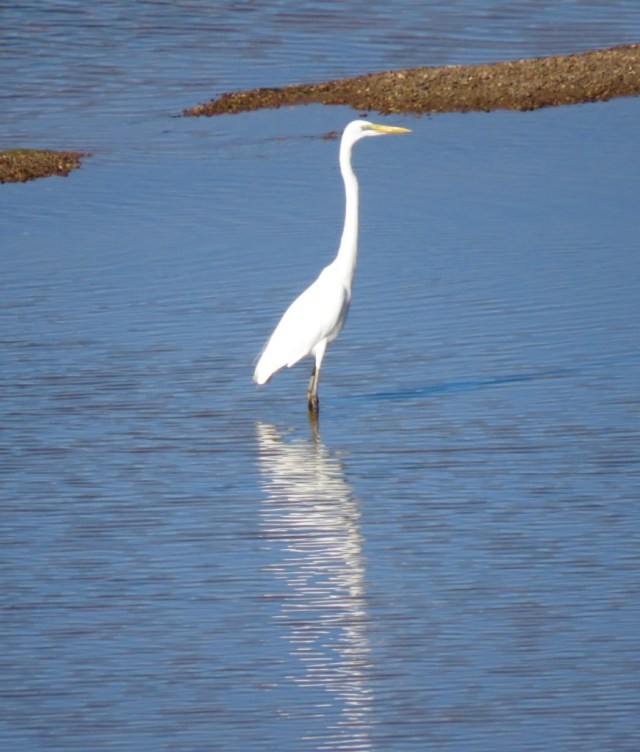
We did see some water birds making most of the calm conditions.

kQ8TI%9RRx6e1YjsHSKcTg_thumb_33d

glxb5TTMRdmK6rp0HXW0SQ_thumb_343

I also remember doing a little boat trip down Geikie Gorge when I stayed on Fossil Downs Station all those years ago.  The gorge runs through part of the station and I remember being awestruck by the cliffs and the colours of the rock.  Sadly there were no boat tours available yesterday but we walked down to the water’s edge and looked at Linyjiya Rock – or Old Man’s Rock – the story here from the Dreamtime is that an old, blind elder left his tribe to go wandering and drowned.  He sneezed and sighed before he sank to the bottom and it is said that if you sit quietly and listen, you will hear the sighs of the old man.

YFXTsFd6SOy7PoatcuFy4Q_thumb_349.jpg

We left the gorge and continued on the gravel road towards Tunnel Creek and Windjana Gorge before joining the Gibb River Road.  Along a very lonely stretch we came across a young man on a bicycle.  We stopped to see if he was OK only to learn that he was actually cycling to Kununurra some 550km away along the notoriously rough stretch of road.  No smooth riding for him!  We gave him cold water, learned he was from the UK and decided he must be mad – but a very happy mad man!

qB57ycTJTbqqC91CQbcxjA_thumb_352.jpg

This is Boab country and as we neared Tunnel Creek National Park we drove into a landscape peppered with black rocks, cliffs and hilly mounds.  This is an ancient 350 million year old Devonian Reef and is now part of the WA National Parks.

orlfWLkiQBCmY7nWSdPM5w_thumb_34d

wBSVyb05S4CS7iET+U3xdw_thumb_354

MjjkAi0STkuldLd2hEFSPg_thumb_353

Tunnel Creek itself is a 750m long underground water worn natural tunnel and it is possible to wade all the way through.  We opted to walk to the entrance and learn the stories that lie beneath the walls.

FHErkEKzSxWM0IpXmU2IEg_thumb_358

Jandamarra was a young man of the Banuba tribe at the time of white colonisation of the Kimberley.  He became entangled in a war between two worlds. He learnt English and worked with stock, horsemanship and shooting. However he became greatly attracted to the secret life of the Banuba male world of ritual, secret sites, mythology and  the law of the Banuba country.  He left the station and took up life with the tribe but then returned to station life, turning his back on his Aboriginality.  Finally he went back to the tribe and led a resistance against the settlers.  In 1894 he tragically shot his friend, the white policeman he had worked with for years, released prisoners and distributed weapons. An armed resistance followed and Jandmarra was killed here at Tunnel Creek. The area is obviously very sacred to the indigenous people but is also one of interest and history to everyone.

SPUG9PFyQUODgIR%rHV2aA_thumb_360

eYA9dbK1Q7u3Qp29728RSA_thumb_362

The entrance to the tunnel where Jandamarra hid

+aEhfJC4QhSAyxhVd%qQZQ_thumb_363

We went on to Windjana Gorge which is part of the Jandamarra story and is an open air gorge through the Lennard River.  There are beautiful rock formations and freshwater crocodiles, birds, bats and other wildlife as well as amazing fossils which I managed to find. The entrance to the gorge is narrow and would have been a perfect hideout for Jandamarra and his gang.

D72kmWdtTfi2t3gqxB8Mzw_thumb_370

IMG_3513

The gorge itself is quite dry but the little water there is had a few little crocodiles as well as a number of water birds searching for food.

The rock formations are impressive and the shady areas along the water are a respite from the intense heat of the day.

jamg7dxcQdqpfWq8uA5kqg_thumb_397

UNADJUSTEDNONRAW_thumb_371

With our minds full of history of the past and totally absorbed by the beauty of the area and tired from walking the trails, we went back to the car and headed on to our next stop – the little town of Derby.


The Road ahead to El Questro

The road is getting more picturesque as we journey on but  I have to admit that the tiny bush flies and the intense heat is quite trying at times. However all that is forgotten as we drive deeper into the Kimberley area.

UNADJUSTEDNONRAW_thumb_2f3

Our home for the next two days was a safari tent at Emma Gorge, part of the El Questro station.  We decided to go “glamping” after our wonderful adventures in Africa in similar accommodation.  We didn’t think about the heat this time!

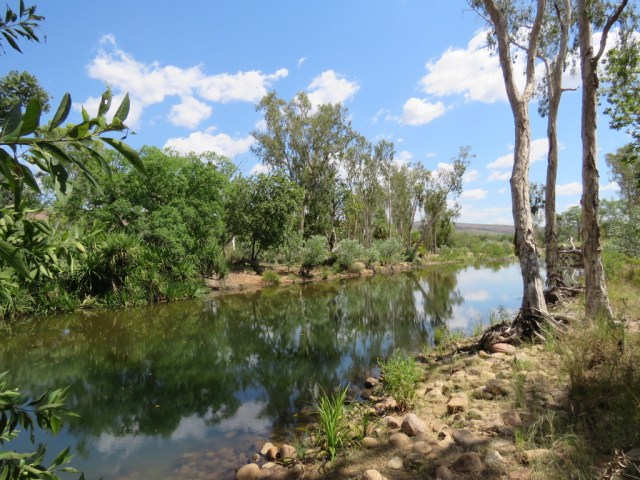
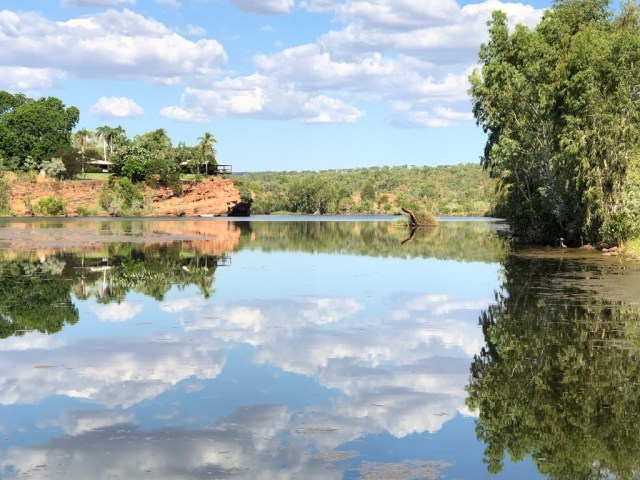
We organised a trip to Explosion Gorge and Branko’s lookout for sunset drinks but first we had to find a picnic spot to satisfy our hunger – it was lunchtime and the drive to El Questro station passes a beautiful waterhole called “Jackeroo Waterhole” and this was the ideal place to relax for half an hour before a bone shaking 4 wheel drive tour.

UNADJUSTEDNONRAW_thumb_2b2

The trip we booked is closed to public vehicles as the terrain is so rough.  We boarded an open safari type vehicle with six other guests and set off along the roughest track I have yet experienced!

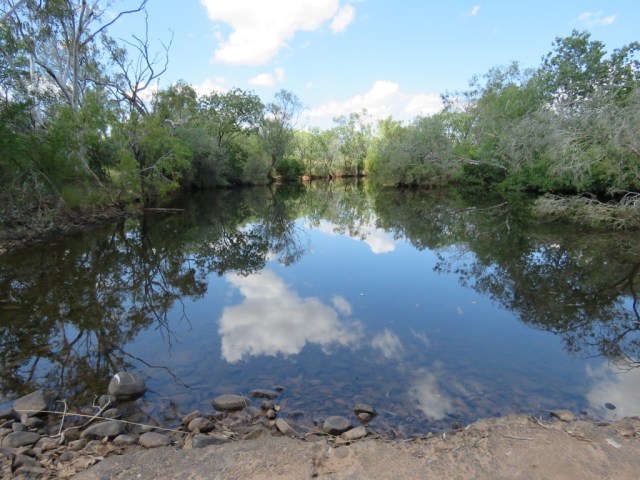
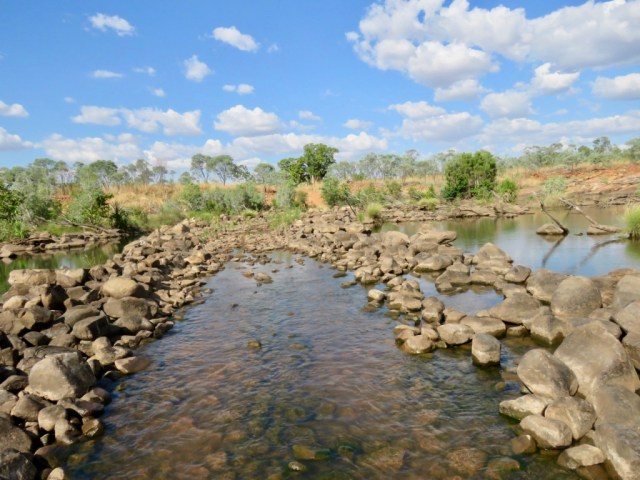
w1YIbcksTwKWzDMZIJVZog_thumb_2c0This also involved crossing a watercourse which appeared to me to be a river!
UNADJUSTEDNONRAW_thumb_2af

and then over some more stones

ucxD86GzSH2Oqqe0543WeQ_thumb_2bc

Then, whilst the vehicle was almost amphibious, we had a stunning view of the Homestead which is available for rent at over $3000 a night.  We were told it is pretty special and every comfort is provided with gourmet meals and staff included.

UNADJUSTEDNONRAW_thumb_2fc

The history of the station is interesting as it was a pastoral lease for many years and in 1991 a tall, handsome English aristocrat, named Will Burrell, arrived by helicopter and was interested in investing part of the fortune he inherited from his grandmother – the doyenne of the Penguin publishing empire.  He liked what he saw and bought the million acres as a working cattle ranch.  He intended to build a home for himself and envisioned a stylish getaway for adventurous travellers and ultimately a tourism venture with a range of accommodation from caravan park and camping to bungalows and tented cabins.  After a lot of hard work and millions of dollars his dream was realised and today it is a luxury wilderness park with a variety of tour options, guided walks and self drive itineraries.  It is now owned by an American company and open only from April to October because of weather conditions.

Our guide, Tommy, took us first to the great Boab tree where the Durack family camped in 1863 whilst droving their cattle from New South Wales to the Kimberley.  The tree has the Durack carved initials and has increased in size over the years.

UNADJUSTEDNONRAW_thumb_2b4

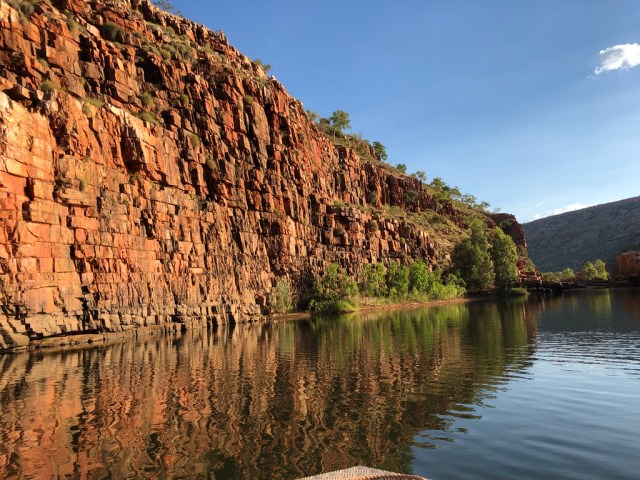
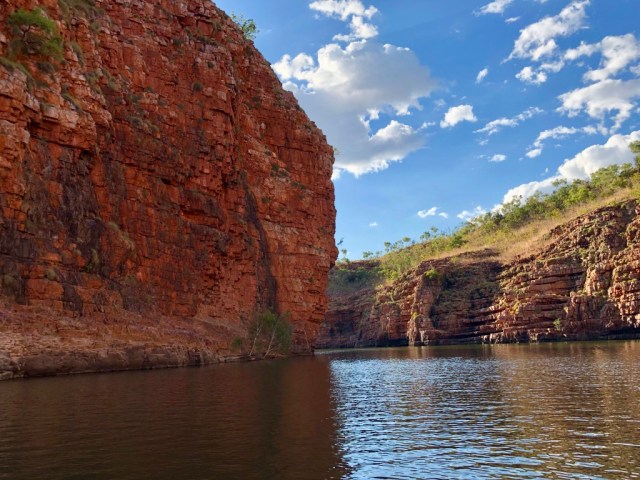
A very rough drive some time later brought us to Explosion Gorge where we left the vehicle and boarded a small punt for an hour on the water

UNADJUSTEDNONRAW_thumb_308

The colours are truly amazing and the red of the rock contrasted with the blue water and the varying hues of green of the bush.

Zc0pqxVvTpO5Q71X21nTcg_thumb_304UNADJUSTEDNONRAW_thumb_2ccIMG_3398

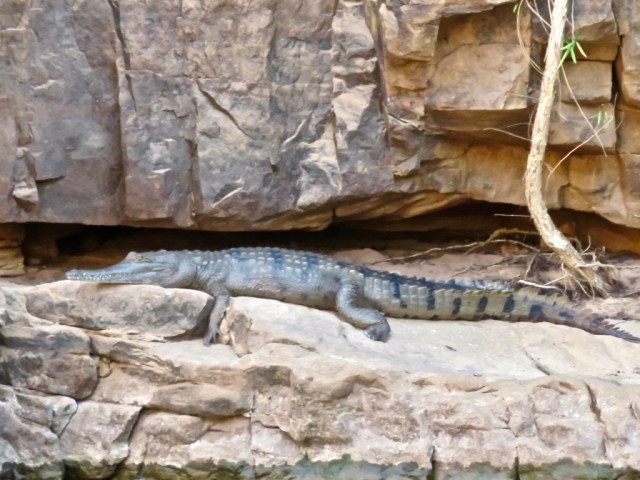
Then we spied a young freshwater crocodile just basking in the sun on the ledge.  He remained motionless for some time and then suddenly slid into the water with a huge splash.

pOS0wdGVQAGTXu9Cba3Ziw_thumb_2da

The name “Explosion Gorge” came about because Will Burrell apparently found a cache of dynamite one day and decided to go fishing.  What better to attract the fish than an explosive such as dynamite so he lit it and the rest is history!

On the rough ride to our sunset lookout we came across a beautiful nest made by a bower bird and in such a safe location that it can never be attacked by prey or fire.

VGnRZC09TXymNKOxyOt+cQ_thumb_2c4

A winding road led to the top of an escarpment where a plateau gave us an amazing view of the river and the whole landscape of the area.

Ytj5%7TKQ4WrUoVu9labVw_thumb_30c

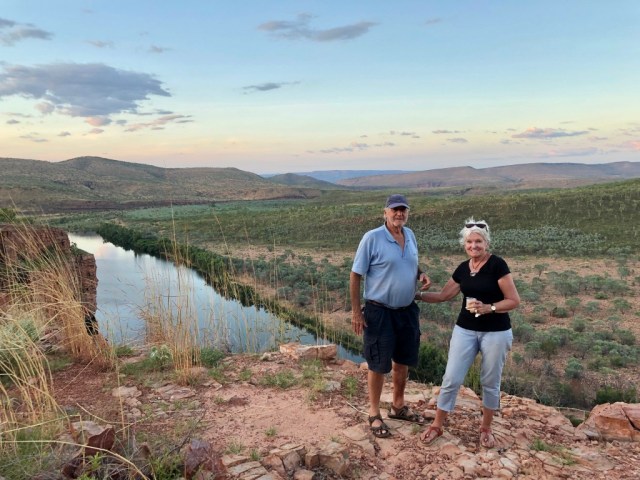
The colours began to change as the sun sank lower and out came the champagne and beers – very welcome after the dusty drive!

N8MTZ5AKTbuqk3MaCJhrew_thumb_312

The moon reflected on the water before night fell making this a very special place.


The Road is Straight – Mt. Isa to Katherine

UNADJUSTEDNONRAW_thumb_d9.jpg

Two days of roads like this – we are now in Katherine in the Northern Territory and I am more in awe than ever of the Road Train drivers.  The distances are immense and the landscape from Mt. Isa to Katherine rarely changes.  Just flat nothing and occasionally a few trees or scrub.  Some of the roads are unfenced which means cattle wander across at night and often get hit by a vehicle so dead animals line the side of the road, particularly from Tennant Creek to Katherine.

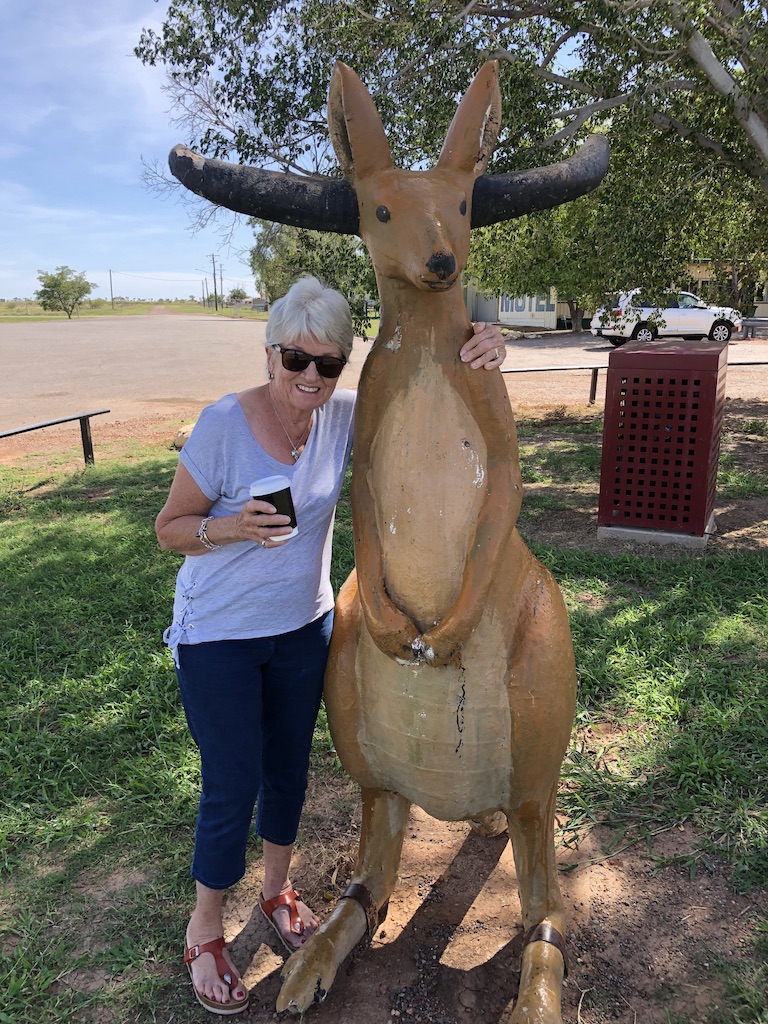
The border is just after Camooweal where we stopped for a quick coffee at the roadhouse and I met Skippy…….


UNADJUSTEDNONRAW_thumb_d3.jpg

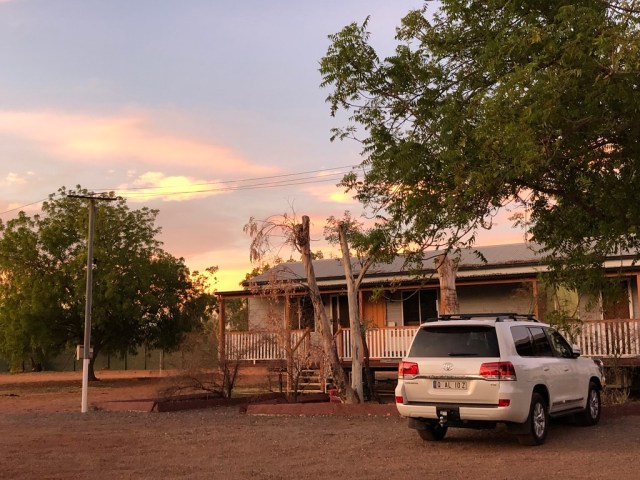
We decided to stay the night at Three Ways Roadhouse which meant we covered over 700km that day and this was a good choice.  We had a comfortable motel style room with air conditioning – essential as it was stinking hot and the flies were unbearable! One plus was the sunset – it was simply amazing and became more vivid as the minutes ticked by.

UNADJUSTEDNONRAW_thumb_d4.jpg

UNADJUSTEDNONRAW_thumb_d5.jpg

Dinner at the Roadhouse Bar was interesting meeting locals and a couple of truck drivers.  We were convinced we had made the right decision to stay here after numerous stories about Tennant Creek and the problems with crime which is rampant at the moment.

We set off bright and early and came across quite a few cattle grazing quietly.  I just had to stop at a waterhole and capture a young calf having a drink.

QVUJCR%JTS+HiNEAKDaRpQ_thumb_b8.jpg

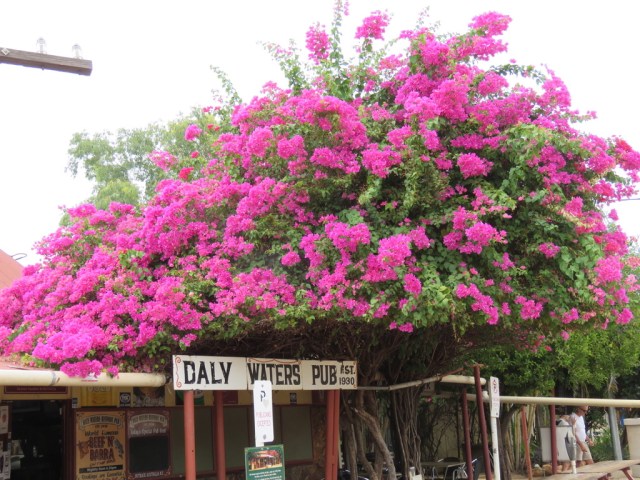
Then it was on to Katherine but not without a stop at the iconic Daly Waters Pub.

UNADJUSTEDNONRAW_thumb_bc.jpg

This has to be seen to be believed. The bar is draped with hundreds of bras in every size and colour.  The legend is that a coach driver had a bet with his female passengers and they decided to leave their mark – and the tradition has apparently continued!  The walls are lined with mementoes and outside the bark shed hang thousands of thongs!

HxDLV45FT0SzqV5HUrQKNw_thumb_bd.jpg

zdWFpbgeRcaBS5OtsOGvHA_thumb_be.jpg

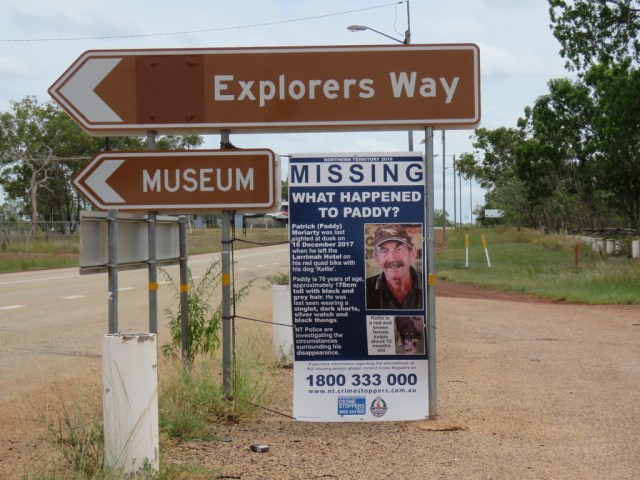
This area is famous for locals with attitude and many stories to tell.  Recently the country has been fascinated about the disappearance of a well liked local in Larrimah, just up the road from Daly Waters.  No body has been found, neither has his dog and lots of theories abound but so far no one has been charged with anything.  It seems this mystery will go on.  A popular Podcast throws light on the story and it seems people are still talking about Paddy and are still looking for him.  Of course, we had to stop and investigate for ourselves!

UNADJUSTEDNONRAW_thumb_c0.jpg

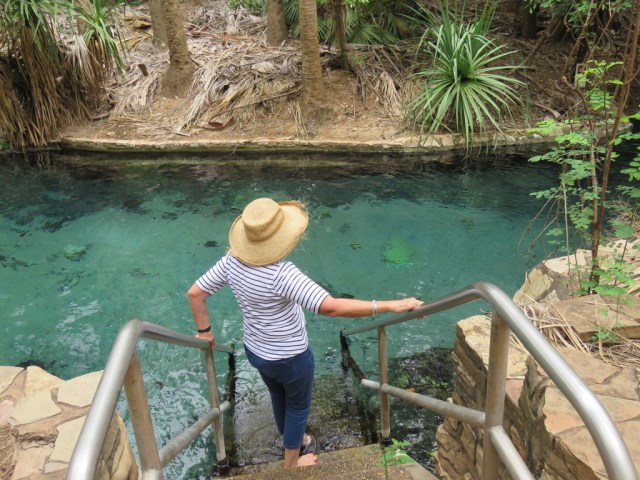
With that story firmly in our minds we drove on to Mataranka where the thermal Pool in the National Park is a constant 34C and flows from Rainbow Springs at an amazing 30.5million litres a day.

UNADJUSTEDNONRAW_thumb_c8.jpg

UNADJUSTEDNONRAW_thumb_ca.jpg

Mataranka is known as the “Capital of the Never Never” and was home to Aeneas and Jeannie Gunn at the turn of the century.  Jeannie wrote the book “We of the Never Never” which has become a classic and a film was made in 1981.  A replica of the homestead was made for the film and stands in the park today as a little museum.  I was fascinated by the history and constantly wonder how women coped with the hardships of the day dressed in all the flowing skirts and long sleeves which were expected of “ladies” .  I complained about the heat and flies today and I was wearing much lighter clothing.  It kind of puts things into perspective somewhat!

oMiRkSyRThO98odrNdvldg_thumb_c2.jpg


UNADJUSTEDNONRAW_thumb_c3.jpg

So now we are here in Katherine and tomorrow will visit the famous Nitmiluk Gorge.  There is a rich indigenous and pioneer history here so a visit to the cultural centre is planned as well as the art gallery.  First of all tonight we will see what dinner awaits – crocodile steaks perhaps?


On The Road Again -Townsville to Mt Isa

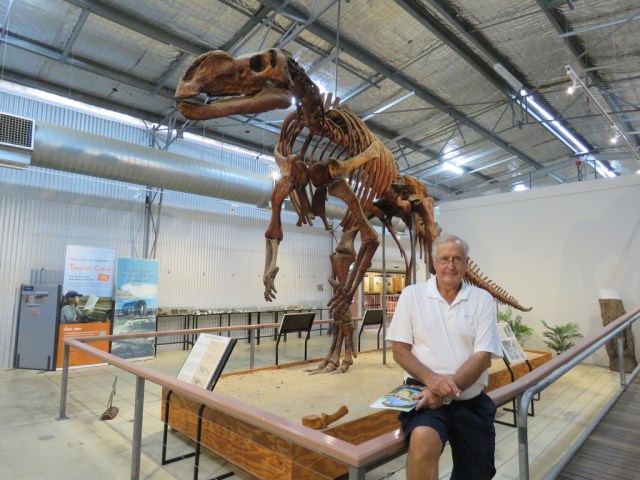
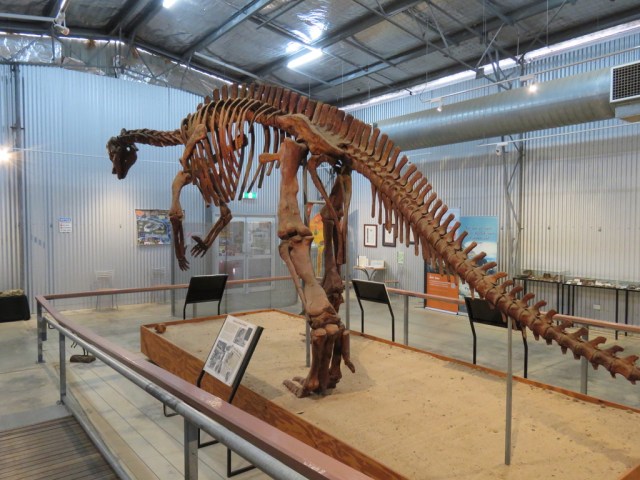
It has been two days of discovery. The 904 km drive took us through the charming town of Charters Towers with its many historical buildings and on to Hughenden where we visited the Fossil and Dinosaur Museum and were introduced to the world of dinosaurs and palaeontologists. The huge reconstruction of the Muttaburrasaurus  takes pride of place in the gallery along with smaller replicas of flying creatures, underwater dinosaurs and lots of ammonites.

UNADJUSTEDNONRAW_thumb_af.jpg

UNADJUSTEDNONRAW_thumb_b2.jpg

Next stop was Richmond where we called into the Kronosaurus Korner which is reputed to be Australia’s premier marine fossil museum.  This is an unforgettable prehistoric adventure and a very realistic movie showed us how the great inland sea which covered this area 100 million years ago has left behind an intriguing story of the creatures of the Earth’s Evolution.  I have to say this was a surprise in this tiny outback town and whereas I am not overjoyed with looking at a large number of rocks, the whole story was presented in such a wonderful way that I left totally converted and feeling so intrigued about all this prehistoric history that I pondered about it for the rest of the day!

The drive to Julia Creek was uninteresting – flat, open country with few trees and very straight roads.  Now I understand why – this was an inland sea!

We have come across a couple of hundred Road Trains over the past two days, all heading for Townsville and the port and carrying massive loads of copper and iron ore.  I am in total awe of the drivers of these huge vehicles and spent quite some time chatting to a young man who spends his time driving from Townsville to Darwin and back.  This is his truck – and the bullbar was taller than I am!

UNADJUSTEDNONRAW_thumb_a3.jpg

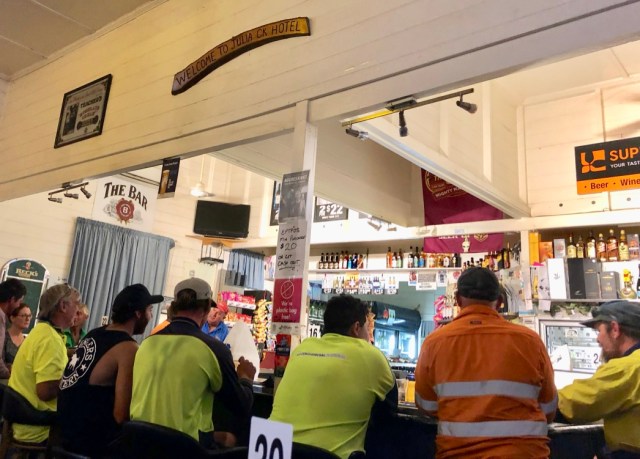
We spent the night in Julia Creek which is such a quiet little town totally inhabited by millions of bushflies.  They are horrendous.  We walked to the pub where we decided to have a meal.  The place was buzzing, not with flies but mostly with workers all dressed in their Hi-Viz shirts and enjoying a beer after a hard day repairing both the roads and the railway lines after the floods. 8x3DLgaJRU6LnfuL5dImEA_thumb_a1.jpg

Leaving Julia Creek and heading for Cloncurry the landscape changed – gently rolling hills and granite outcrops, massive gum trees overlooking creeks and riverbeds and lush feed for the cattle everywhere.  More discoveries awaited us.  The Mary Kathleen Uranium Mine was located near here and is now closed but a very well presented museum tells the story and there is a wonderful display of gemstones.  Here we also found out a lot more about the ill fated Burke and Wills, found some fascinating history about the Pioneers of the area and learned that Cloncurry is the birthplace of the Royal Flying Doctor Service.  This fabulous little museum tells about the history of outback aviation, medicine and radio as well as the School of the Air.

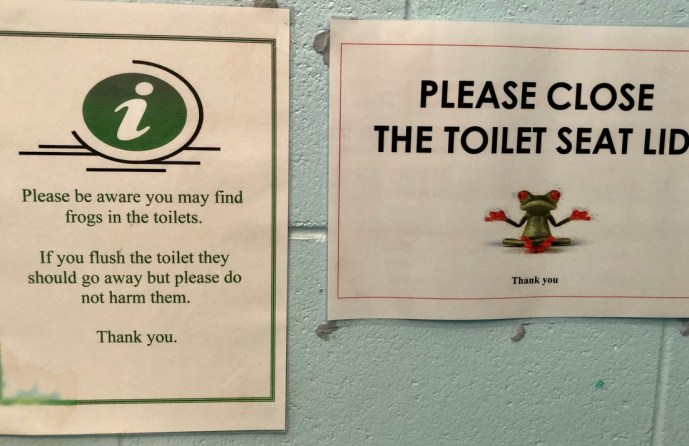
All this information was almost to overload level and so I decided to have a little break and wandered over to the garden where the Rest Rooms are located.  Imagine my surprise to see this:

0jr9OaoHSSqoPl+MqDIdyQ_thumb_a5.jpg

Once inside I found this:UNADJUSTEDNONRAW_thumb_a7.jpg

This is life in the Outback !

And now here we are in the mining town of Mt Isa – tomorrow we are crossing into the Northern Territory and I am sure more surprises await.  Stay tuned!

A ROAD TRIP – THEN AND NOW

It has been almost three years since I wrote a blog – time has intervened in lots of ways and in spite of all my good intentions, the blog suffered even though we have made several wonderful trips since then. Intentions have been renewed and as we are about to embark on a huge road trip, I started to reflect on a similar one I made way back in 1969 – dare I say it “50 years ago”.

We will leave next week to drive to Darwin via Mt. Isa and then to Kakadu and on to the Kimberleys and the North West staying in places such as Lake Argyle, Derby, El Questro, Karijini National Park and down the coast to Perth, on to Albany and Esperance in the south west and then across the 1200 kms of the Nullarbor to South Australia, Adelaide and finally homeward bound through the bush. All this is anticipated to take about 7 weeks and quite a lot of forward planning has taken place.

In 1969, newly arrived from the UK, I was invited to make a trip from Perth to Darwin and down to Alice Springs and Ayers Rock. Of course I jumped at the chance, little knowing the hazards or what to expect. I had never even been in the bush before! I set off with a friend in an old Holden Panel Van with a roof rack on top holding gerry cans of fuel as well as our suitcases and water, our mattresses in the back along with food supplies and a stove. The road to Geraldton – some 400km – was sealed but the rest – all 11,300 km (or 7000 miles) was gravel or just plain red dirt. There were no fuel stops along the way after Geraldton.  I never paused to think about breakdowns or wrecked tyres……….

12-14-2013_3

The first time we needed to refuel I was told to get up on the roof, attach the hose to the gerry can and siphon the fuel down to the petrol tank.  Of course, I had never done this before and the result was a mouthful of fuel at the first attempt!

We drove many kilometres and stayed in remote bush clearings or on the coast and from time to time stayed on stations such as Fossil Downs, Frazier Downs and others near Derby and in the Gulf.  These were owned by friends of my friend and so I was lucky enough to experience life on huge stations – some larger than small countries in Europe. It was all mind boggling for a young 22 year old fresh from London and working for a film company.

Staying near Broome we visited the town often and got to know several locals.  I was fascinated by the story of the Japanese pearl divers and the influx of Asians all of whom seemed familiar to me after growing up in the Far East.  The children especially charmed me and we visited several schools and Missions all along the coast.

We had lots of adventures, staked a couple of tyres on lonely outback roads, met some fascinating people from the bush, learned a lot about Aboriginal folklore and The Dreamtime, appreciated the beauty of the rugged coastline and witnessed the birth of Kununurra and the Ord River project.  All these memories are imprinted on my mind and I wonder what I will feel revisiting some of these places.

When we arrived in Darwin we decided to go on to Alice Springs and Ayers Rock.  Tourists were not nearly as numerous then and at times we felt we had the place to ourselves.  The Resort was yet to be built and roads were very basic.  Back in Darwin we couldn’t face the long drive back so bought a couple of berths on the State Shipping Service ocean trader plying between Perth and Darwin

The ship was called the Koojarra and we spent ten days relaxing on the high seas with our trusty van in the hold! Calling in at various ports en route, we were able to go ashore and explore more of the coastal towns we had driven through just weeks before.

Koojarra

Now it is time to explore once again – but in a little more comfort this time and with many more facilities along the route including “glamping tents” and caravan parks.