SAPPORO – JAPAN’S NORTHERN CITY

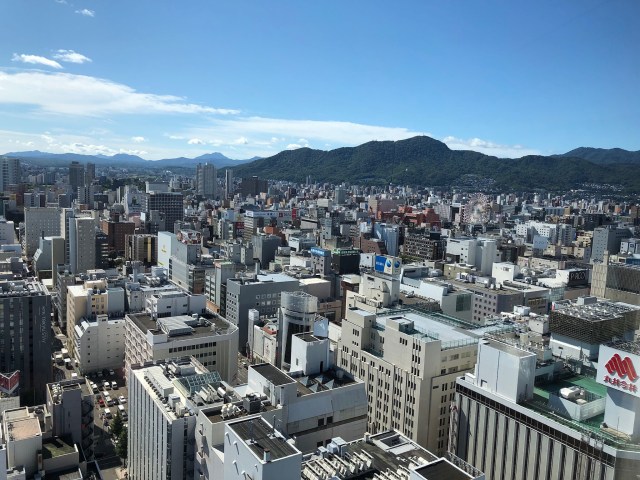
Four days in Sapporo is not nearly enough! The city has a lovely feel to it – unhurried, clean and very friendly. It is easy to walk around and the public transport is very frequent, efficient and cheap. We didn’t get into the mountains but did visit the pretty little town of Otaru.

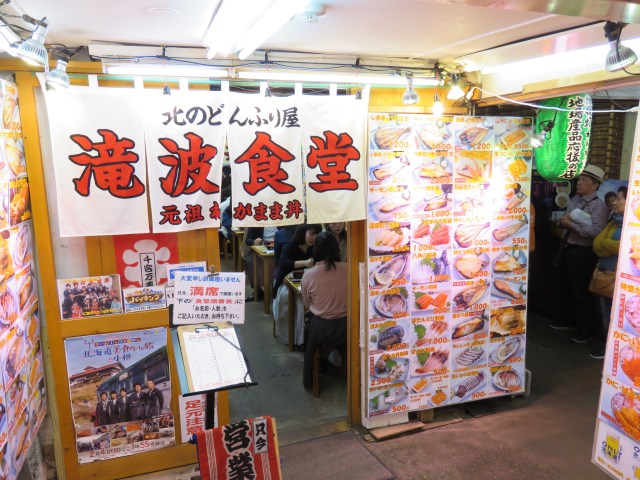
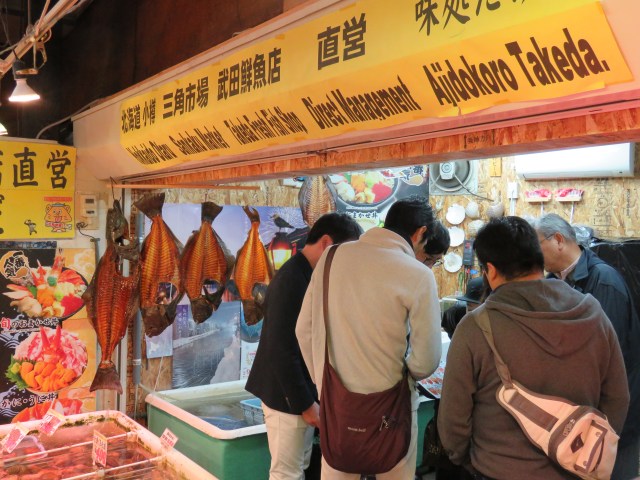
The local train to the port city runs several times an hour and the journey takes about 40 minutes. Otaru flourished from the Meiji to the Trisha Era and was known as “the entrance of the North”. It is a fun place to walk around and our first encounter was with the fish market, situated next to the station.
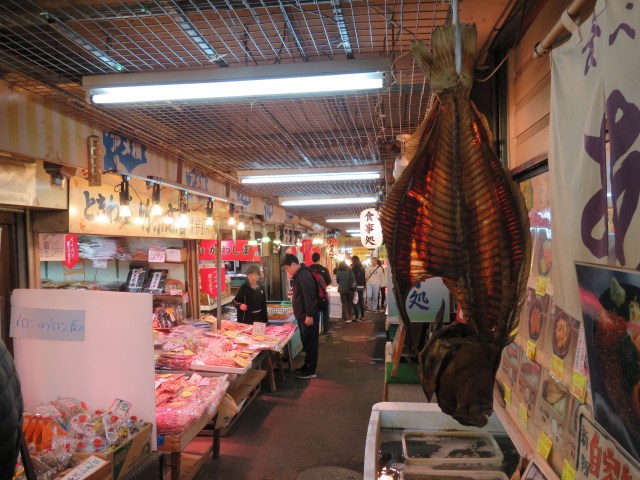
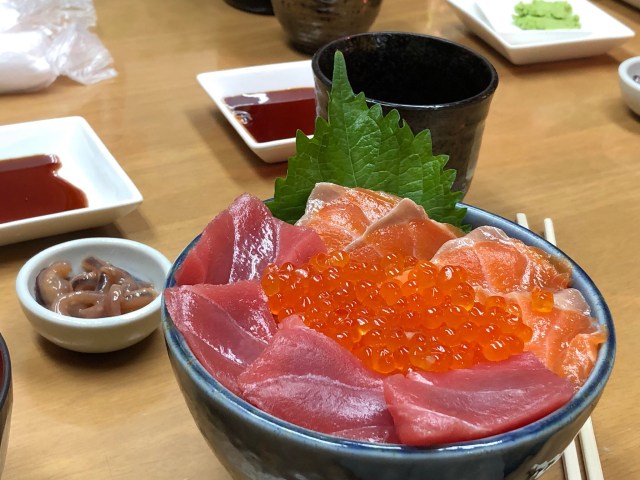
This is a popular place for the locals as well as visitors and the variety of seafood on offer is staggering. We found a little restaurant behind one of the stalls and had a wonderful lunch of sashimi and rice with roe – the roe is plentiful and is sold in jars and buckets!
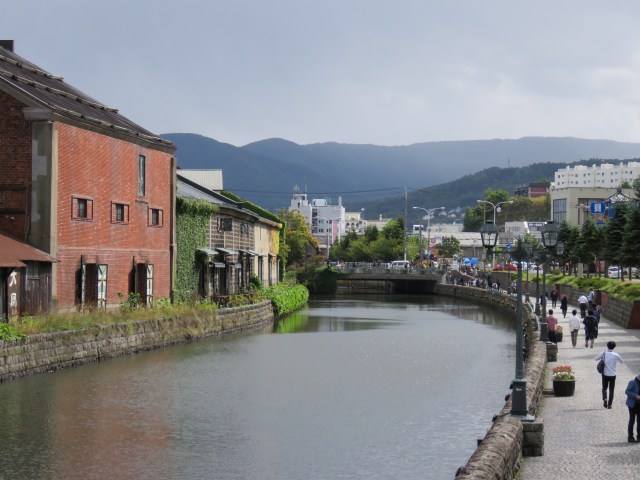
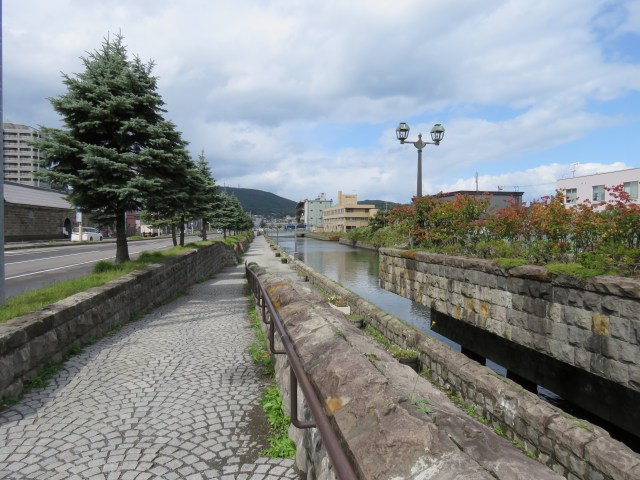
The Otaru Canal is a beautiful attraction and is reminiscent of days gone by. Old warehouses line the canal and are now shops and restaurants. There are other lovely historical buildings nearby which have been preserved and are also banks and offices.
That night, back in Sapporo, we went to Odori Park where the Autumn Festival was in full swing with food and drink stalls and tents in abundance. We wandered through the Park and ate the biggest scallops we have ever seen

Plus other delicacies and ramen noodles – which is a speciality of Sapporo.

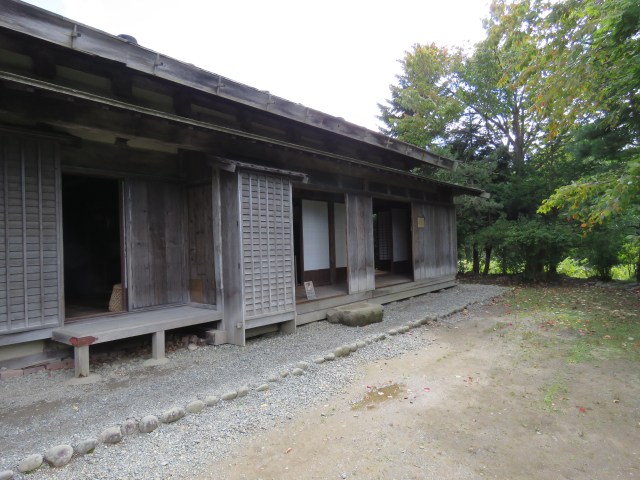
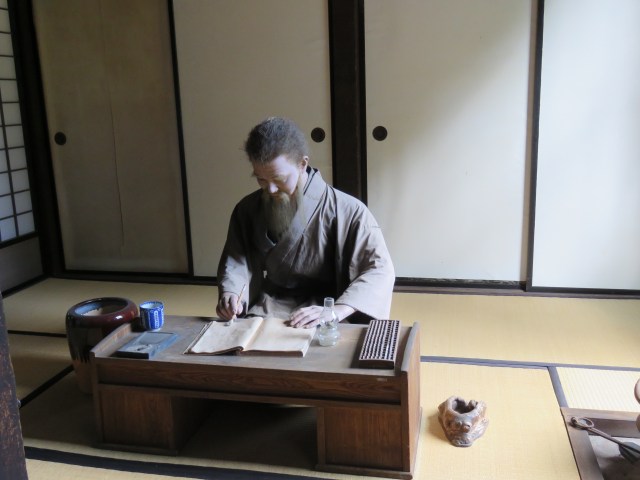
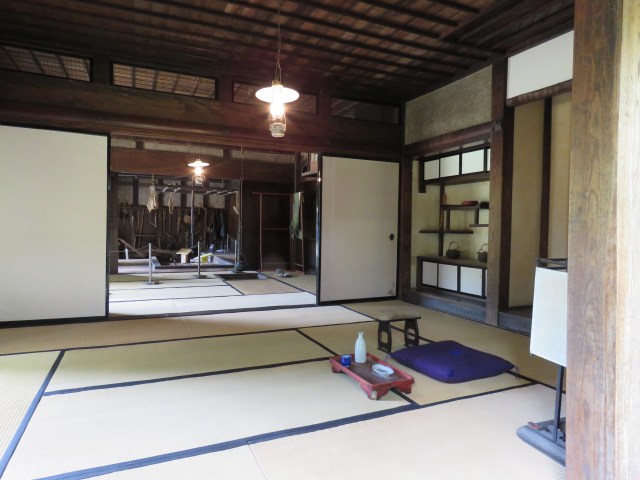
The Hokkaido Historic Village is an open air museum of relocated and restored buildings that represent the history of Hokkaido from 1868 to the 1920’s. We reached it by local train from Sapporo and on entering took a short ride around the village in a horse drawn tram. In all there are 52 buildings representing the Town, a Fishing Village, Farm Village and a Mountain Village. Each building shows the lifestyle of the people of that era.
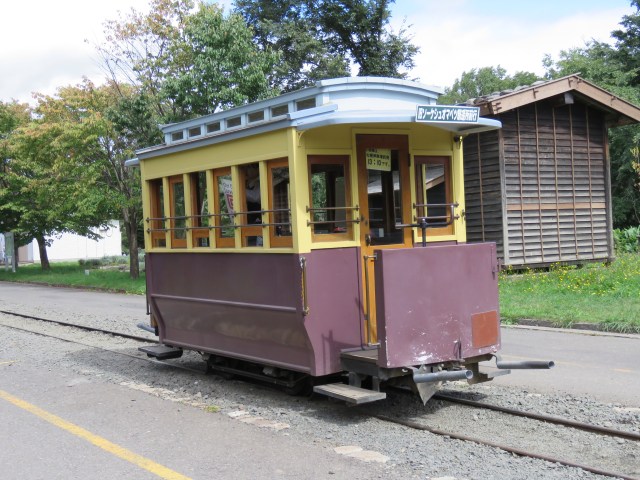
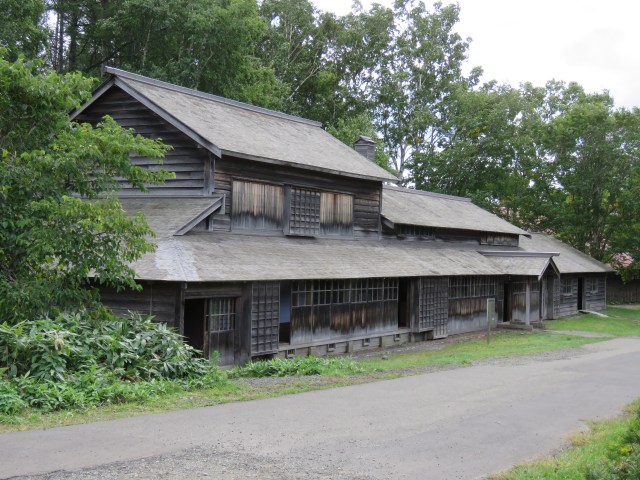
It was easy to imagine life in those days – and wonderful to see local schoolchildren enjoying an excursion to learn about the history of their region.

WORLD WAR II HISTORY IN THE TOP END

During World War II Darwin became the first mainland state in Australia to come under direct attack from the Japanese when it was the target of over 64 air raids causing huge devastation and many casualties.  The attacks were totally unexpected at the time – in fact the sight of some 180 aircraft over the city caused many to believe the Americans had come to help.  Instead, the bombing began and caught everyone unawares.

Much of this unique military history is preserved and scattered around the city. We drove to the East Point Military Reserve which is a beautifully tended area with picnic bays and shady rest points from which you can get a view of the city of Darwin across the bay.

CbF5SYNuSTinDS0vM3MxrQ_thumb_187.jpg

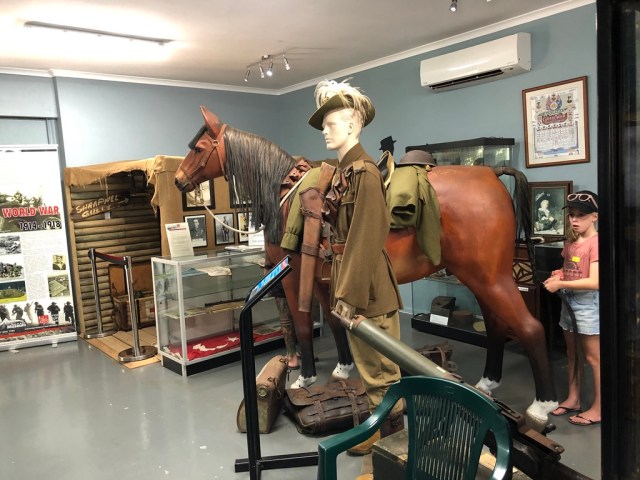
This is where the Darwin Military Museum is located – some 8 kms from the city centre – and it is absolutely incredible with fantastic relics, photographs, displays, interactive stories and a very realistic film about the day Darwin was bombed.  UNADJUSTEDNONRAW_thumb_1c2.jpg

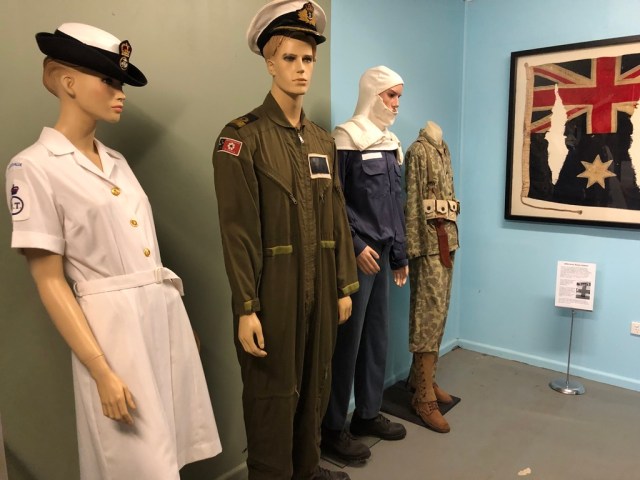
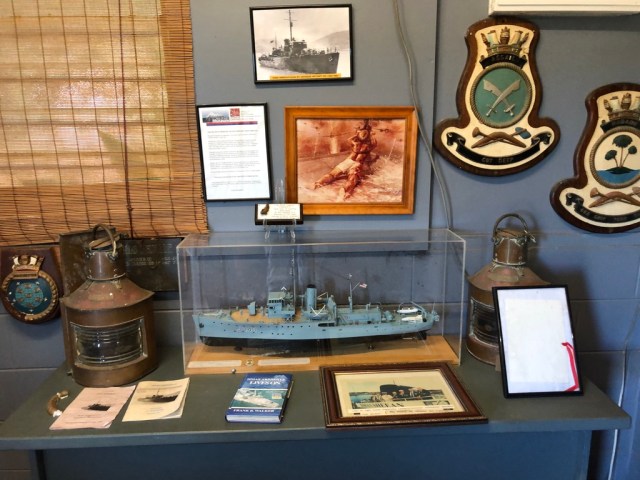
Outside there are numerous displays set up in huts and hangars portraying the various roles the Army, Navy and Airforce played.

UNADJUSTEDNONRAW_thumb_1b6.jpgUNADJUSTEDNONRAW_thumb_1b7.jpg

UNADJUSTEDNONRAW_thumb_1bc.jpg

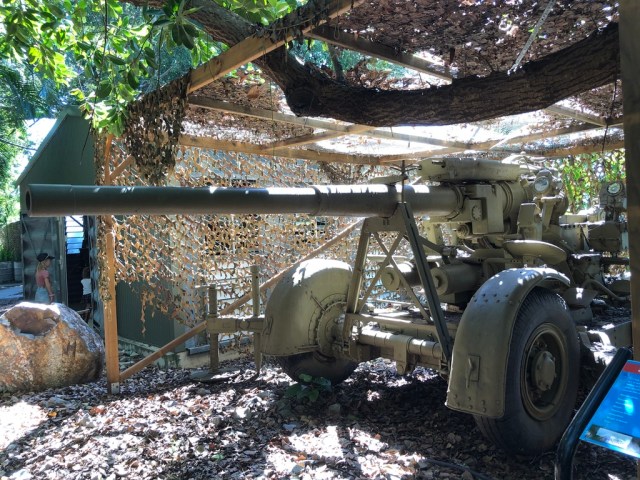
Guns, trucks, ammunition magazines and camouflaged vehicles also take pride of place in the grounds

UNADJUSTEDNONRAW_thumb_1ba.jpg


UNADJUSTEDNONRAW_thumb_1b8.jpg

One story which brought me to tears was of the selfless courage and bravery shown by a young gunner on board a ship the day the bombing occurred.  He was strapped to his gun, had been hit and the ship was going down but he continued to fire allowing some of his mates to dive into the water and perhaps survive – he was fatally wounded whilst firing his gun – and he was 27 days short of his 19th birthday. The photo on the wall shows a painting of him firing whilst wounded.  In later years the Navy honoured his bravery by naming a ship after him.

UNADJUSTEDNONRAW_thumb_1a7.jpg

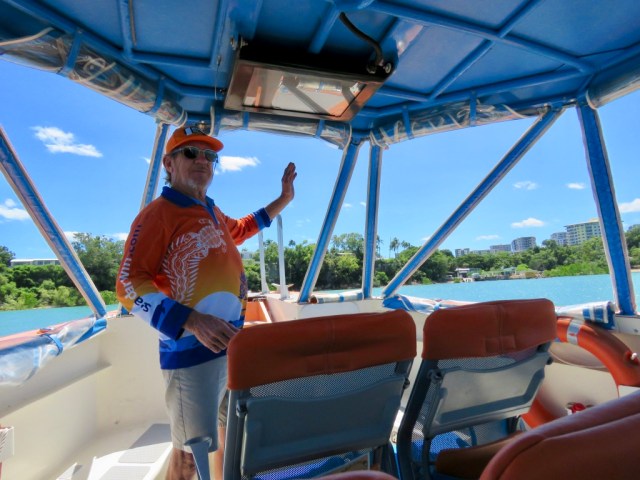
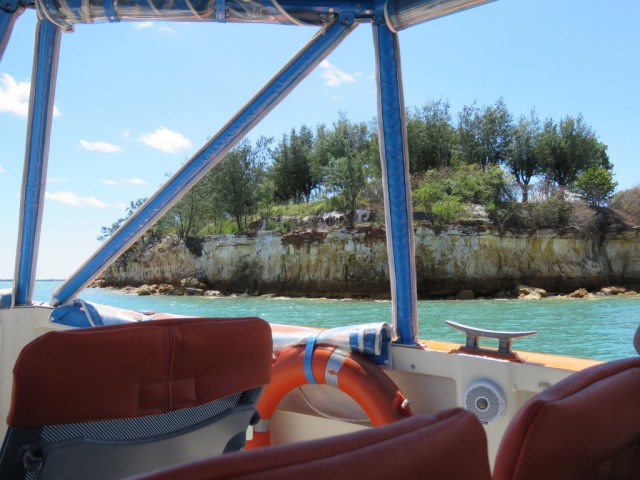
Following this visit we then joined Sea Darwin for a one hour tour of the harbour showing where the action occurred and where several wrecks are located including the USS Peary.  The commentary included some stories which have since been related by survivors of the attacks.

dFF%PLRXT9qEecR2igt0Ug_thumb_191.jpg

UNADJUSTEDNONRAW_thumb_192.jpg

Various tunnels and lookout posts were pointed out and we had a really good perspective from the sea.

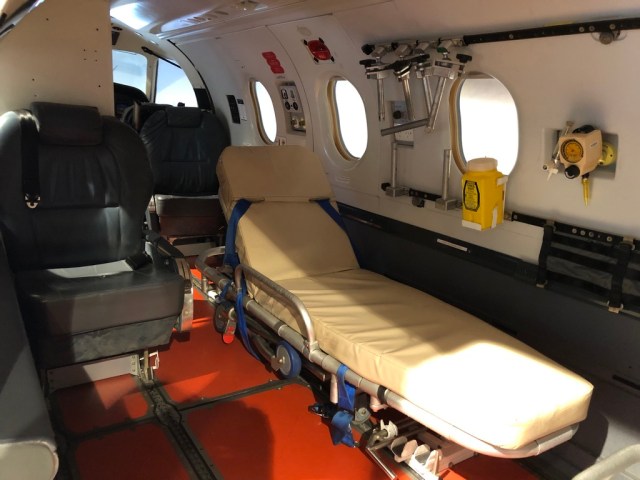
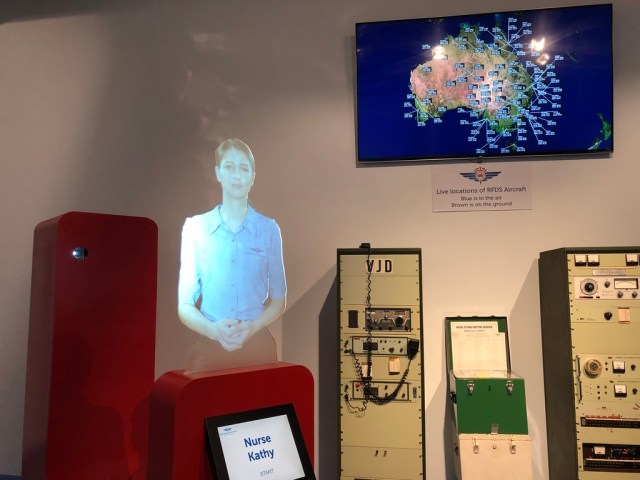
Finally we visited the RFDS (Royal Flying Doctor Service) museum on the wharf which not only gave the history of the Service (which we also saw in Cloncurry, where it all began) but also were able to board a plane as well as see a map of Australia showing where all 73 aircraft are currently located. This is, of course, constantly moving as many flights are in operation day to day.

UNADJUSTEDNONRAW_thumb_1c1.jpgUNADJUSTEDNONRAW_thumb_1be.jpg


UNADJUSTEDNONRAW_thumb_1c0.jpg

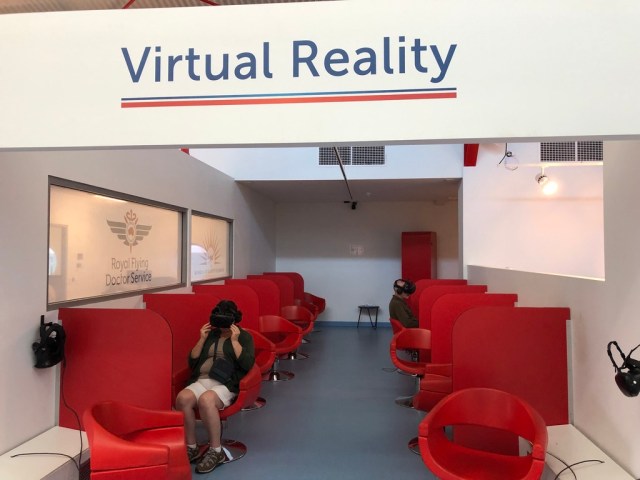
There is also an excellent interpretation of the bombing of Darwin which is shown by Hologram film as well as by Virtual Reality.

UNADJUSTEDNONRAW_thumb_1bd.jpg

This was the most amazing experience.  One moment you are flying in the plane with a  pilot shooting down the Japanese, the next you are wallowing in the sea with boiling timber, metal and oil all around.  Bombs are flying everywhere and as you spin around and look up and down, the whole scene becomes so real that it is quite terrifying at times!

Interactive mini ghosts tell their story – including that of the first Japanese Pilot captured in Australia – Hajime Toyoshima.  There is a full size replica Japanese Zero aircraft hanging from the ceiling and a replica of Camilla, the Flying Boat that escaped from Darwin Harbour during the raid.

For those interested in World War II history in Australia, Darwin is most definitely a place to visit as you can certainly have a very powerful, immersive and interactive experience at several locations.