EXPLORING BAYS AND FIORDS OF SOUTH GEORGIA

MORE SEALS, PENGUINS, ALBATROSS AMID GLACIERS AND FIORDS
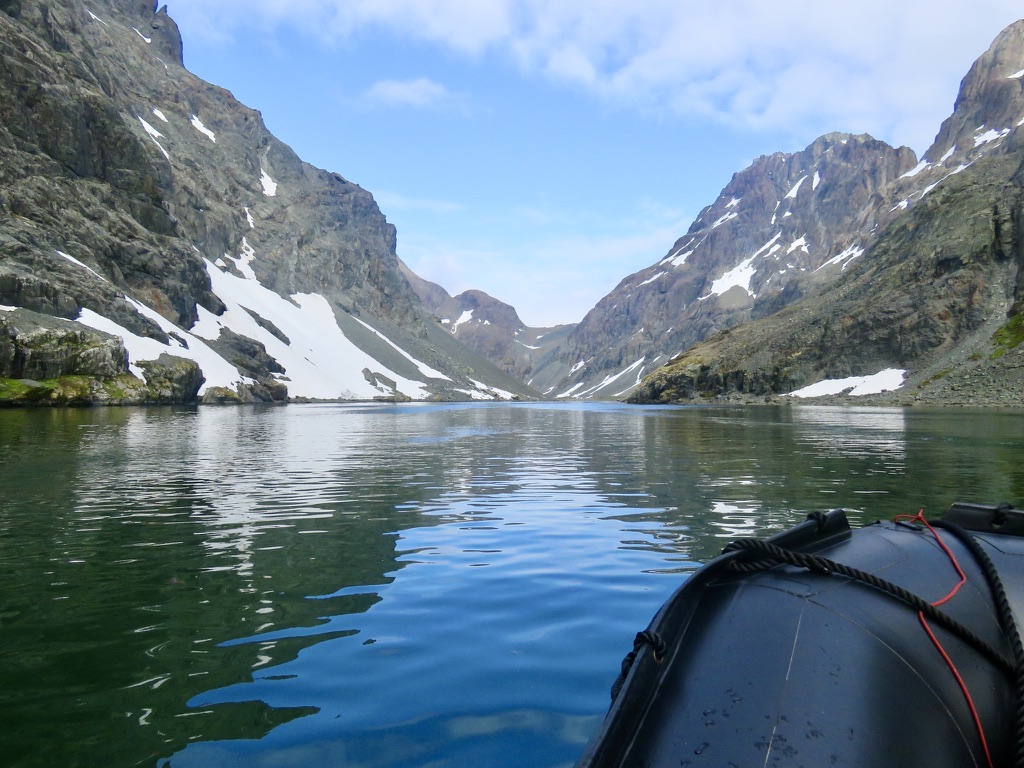
One of the exciting activities on an Antarctic expedition is exploring in the zodiacs. To the south of the island of South Georgia there are a few bays with spectacular backdrops. Amongst these are Golden Harbour which is a small bay that leads to the Bertrab Glacier. The bay is called as such because the cliffs around the bay shine yellow in the hour after sunrise and again before sunset. We were lucky to witness this and found the beach ringing with the cries of king penguins, gentoo penguins and elephant seals all of whom like to breed in the sheltered bay. Add to this the cries of the sooty albatross who come here every year to mate and raise their chicks.

At nearby Larsen Harbour we found our first Weddell seal – these seals are amongst the largest of the species and are commonly found on ice fastened to land. They gather in small groups around cracks and holes within the ice and in the winter they stay in the water to avoid blizzards with only their heads poking through breathing holes in the ice. When on land they are often found lying on their sides. Some populations breed on land, which is why we found a couple in South Georgia. Normally they live on the ice and around ice holes and cracks underwater. They forage and feed on fish, squid, octopus and prawns and can stay underwater for up to 45 minutes to an hour. They are placid and the more we heard about their habits and lives, the more fascinating they became especially as it is rare to see them on land.

Having a snooze in the sunlight

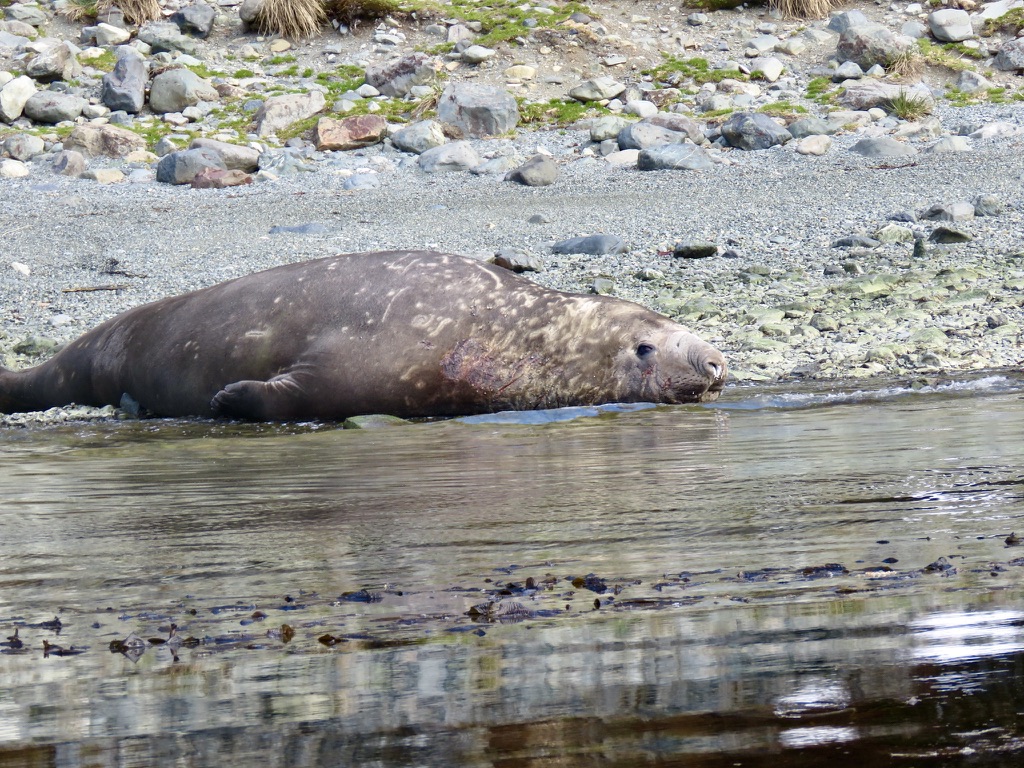
Living in harmony with the Weddell seals are the elephant seals – and these are also huge creatures and were just lying in the shallows and were not bothered by our zodiac or the little penguins close by.

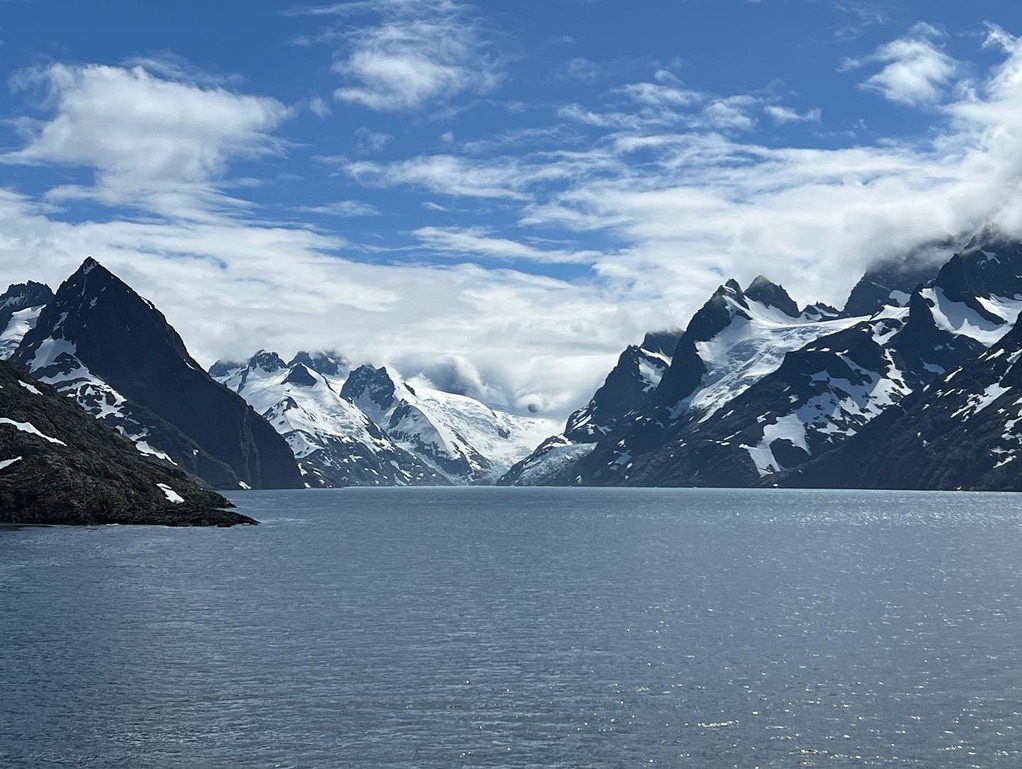
Approaching the Drygalski Fjord, the ship found safe anchorage and we set off for a trip in the zodiac getting close to the glacier and the waterfalls as well as the wildlife. The Fjord lies just a short distance from Cape Disappointment which was named by Captain James Cook when he rounded it in 1775 to learn he was circumnavigating an island and had not, after all, discovered the fabled southern continent. The fjord is 14 km long and sits above an important geological faultline. The mountains on the southern side are covered with the Risting and Jenkins glaciers which slowly pour into the head of the fjord.
There is a feeling of amazement when riding in the zodiac among huge mountains, hearing the birds’ cries above and seeing the waterfalls fall into the fjord while on the other side, the glacier sits majestically. Our guide asked us to sit silently for several minutes to absorb the quietness and beauty all around. A roar of what sounded like thunder pierced the silence and then a small avalanche up in the mountains occurred with tons of snow tumbling down. This apparently happens regularly at this time of year, the start of summer and warmer temperatures after a long, cold winter.

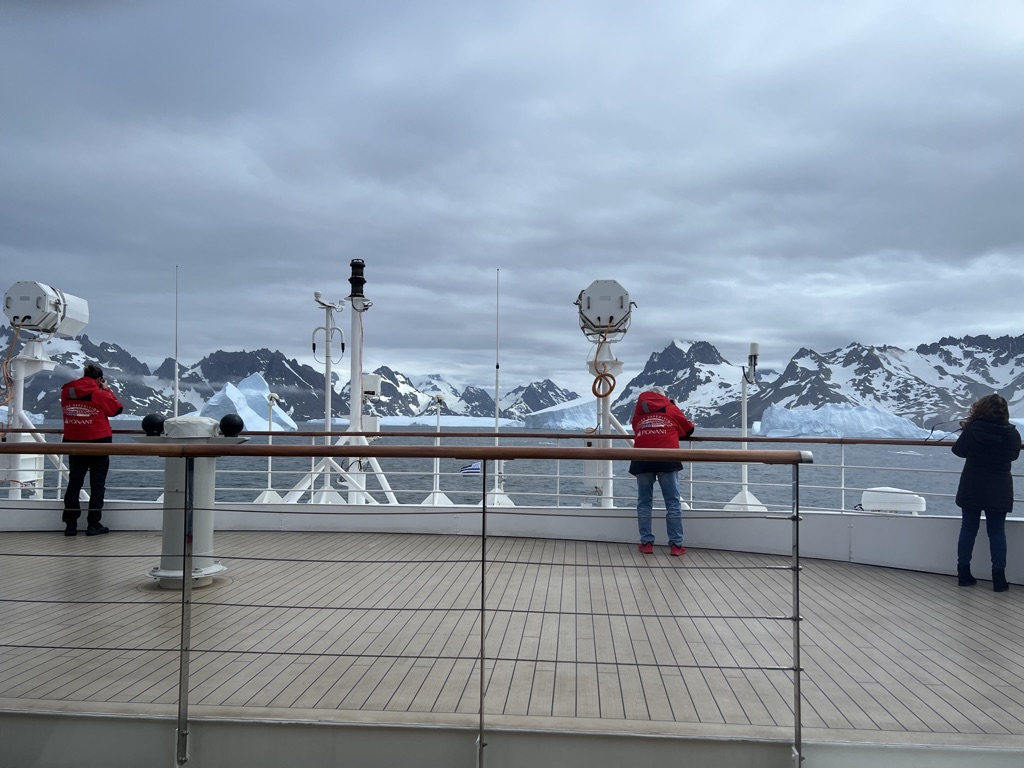
At the mouth of the fjord was a large iceberg – one of many we encountered later in the trip but first we had to cross the infamous Drake Passage to reach the Antarctic Peninsula.

ICEBERGS OF GREENLAND

At the moment we are in the midst of a heatwave.  Today it is 37C and the humidity is uncomfortably high.  That leads me to think about cooler places in the world and reminds me of a recent trip to Greenland where I became fascinated with Icebergs. Thinking about those floating, sculptured mountains of ice has a cooling effect on the mind and brings back memories of a wonderful holiday in Greenland – a place I definitely want to return to.

Every year 10,000 to 15,000 medium to large icebergs break off or calve from Greenland glaciers.  Our first encounter with these incredible lumps of frozen water cut through with green, turquoise or blue streaks was at Ilulissat, a lovely town on the west coast of Greenland.

Iceberg ilulissat town

Here we found the Ilulissat Icefjord which was declared a UNESCO World Heritage Site in 2004. First we took a helicopter over the Icefjord and saw the massive collection of icebergs which have calved from the Sermaq Kullalleq glacier one by one and then we hiked along the raised pathway to the edge of the coast and really saw these icebergs colliding with one another as they found their way out to sea.  There was a sound of popping air and crashing ice and it was awe inspiring.

Iceberg walkIceberg ilulissat

Later, on a small fishing boat we cruised around some of these majestic natural works of art and felt the incredible power of these huge, beautiful sculptures.

Iceberg persp

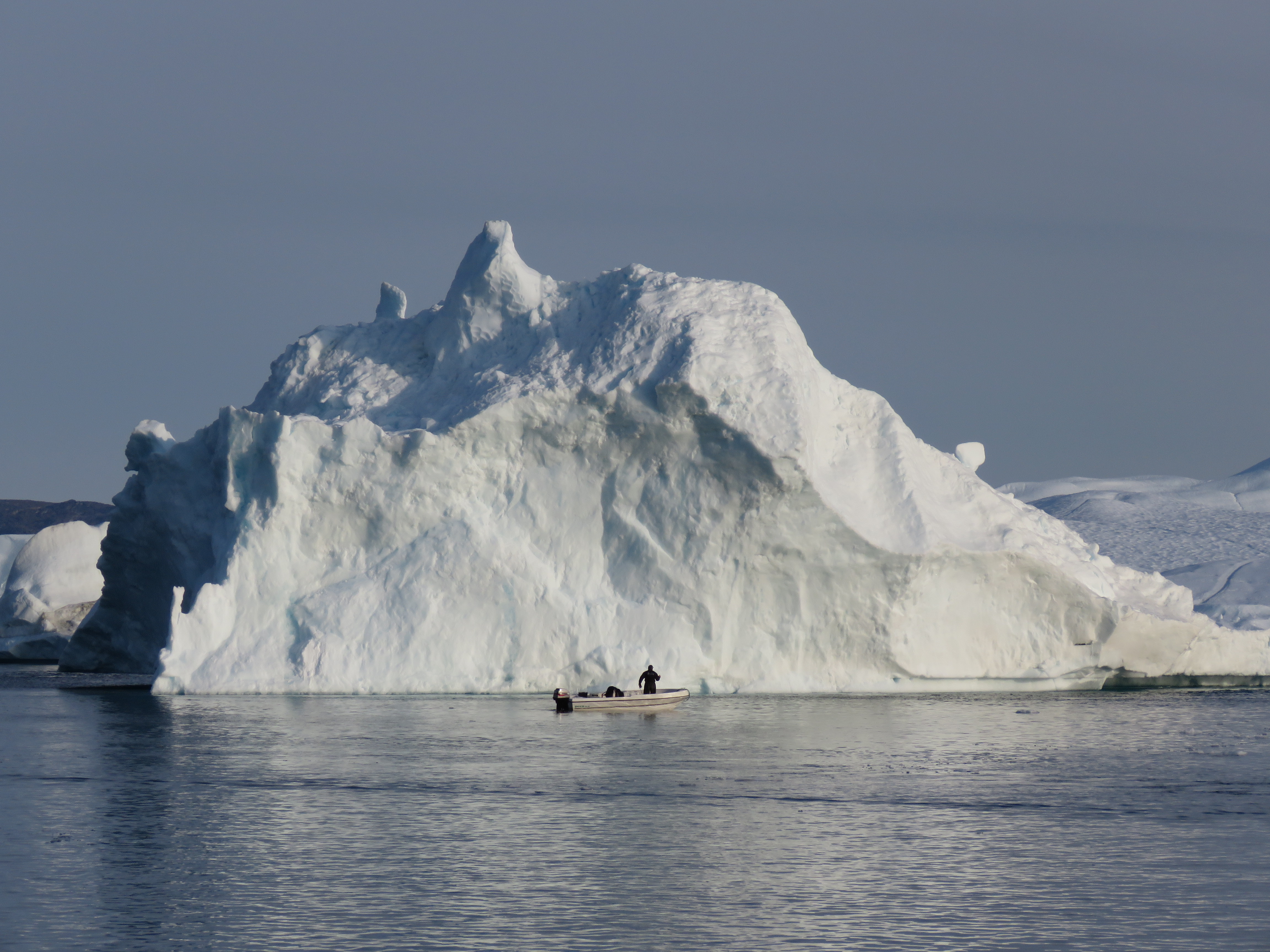
Here you can see the immensity of this iceberg alongside the small dinghy.  The tallest icebergs tower over the surface of the ocean and can correspond to a 15 storey building whilst others can be small, the size of a hut or smaller.

iceberg whale

Whales play in these waters and are often observed slowly cruising between the icebergs.

Iceberg reflection

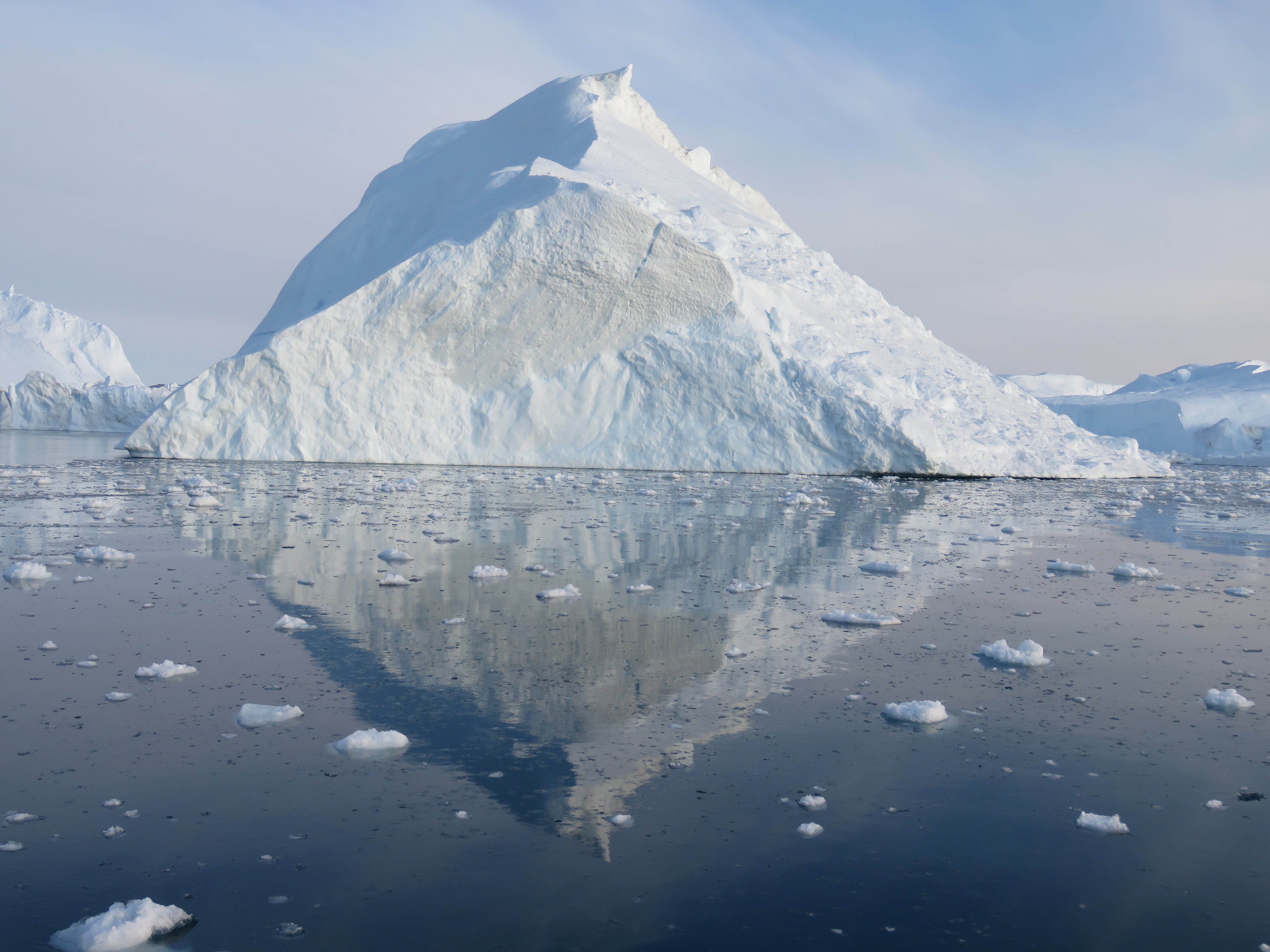
The reflections are magnificent – at any time of day.  We were told that only 10% of the iceberg is visible above the water – which means this one must be incredible below!

Iceberg zodiac

Smaller ones get in the way of boats and the zodiacs from our ship often had to gently push them out of the way as they floated with the current.

It is said that the iceberg that sank the Titanic was probably born in Ilulissat.

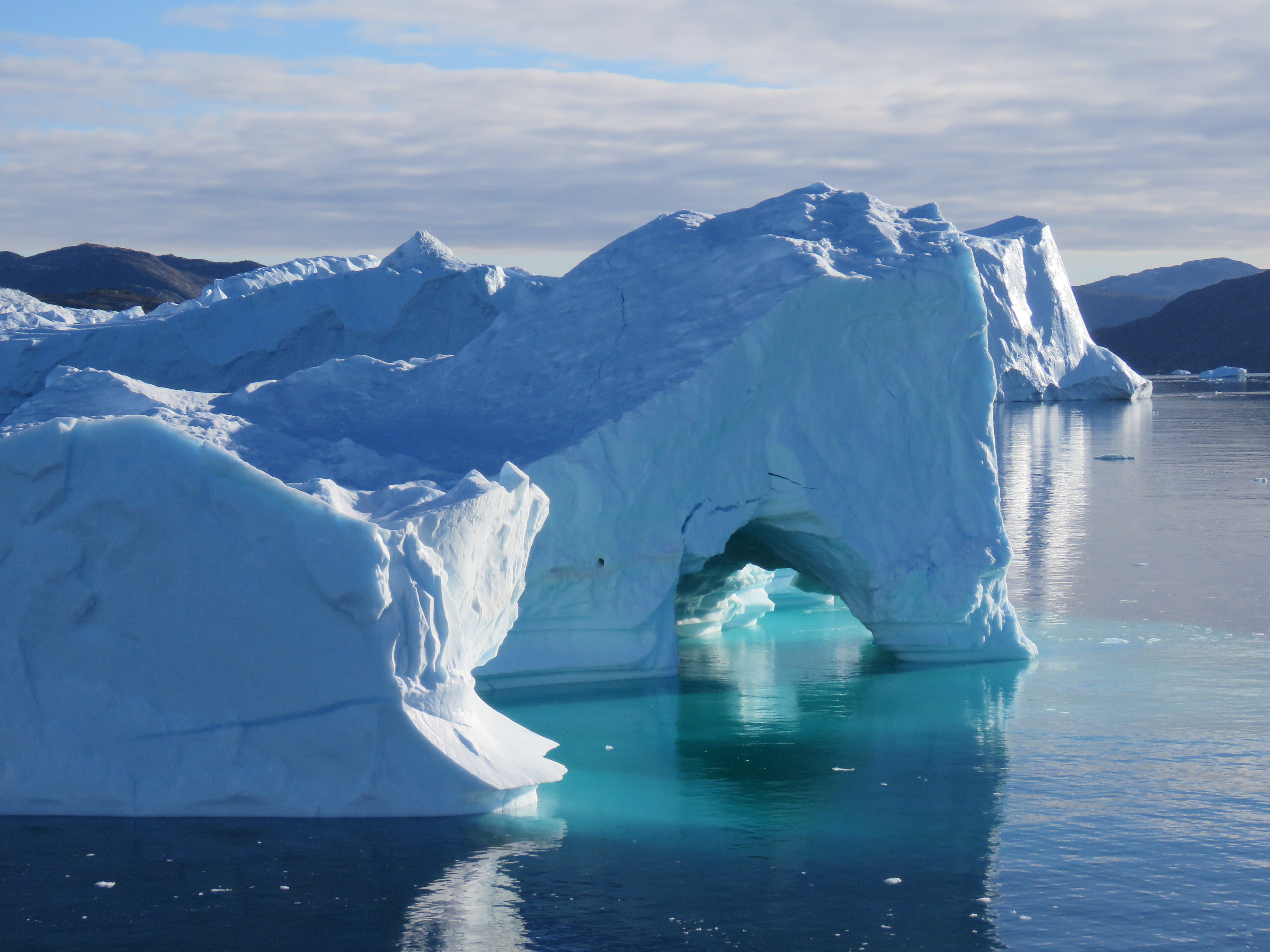
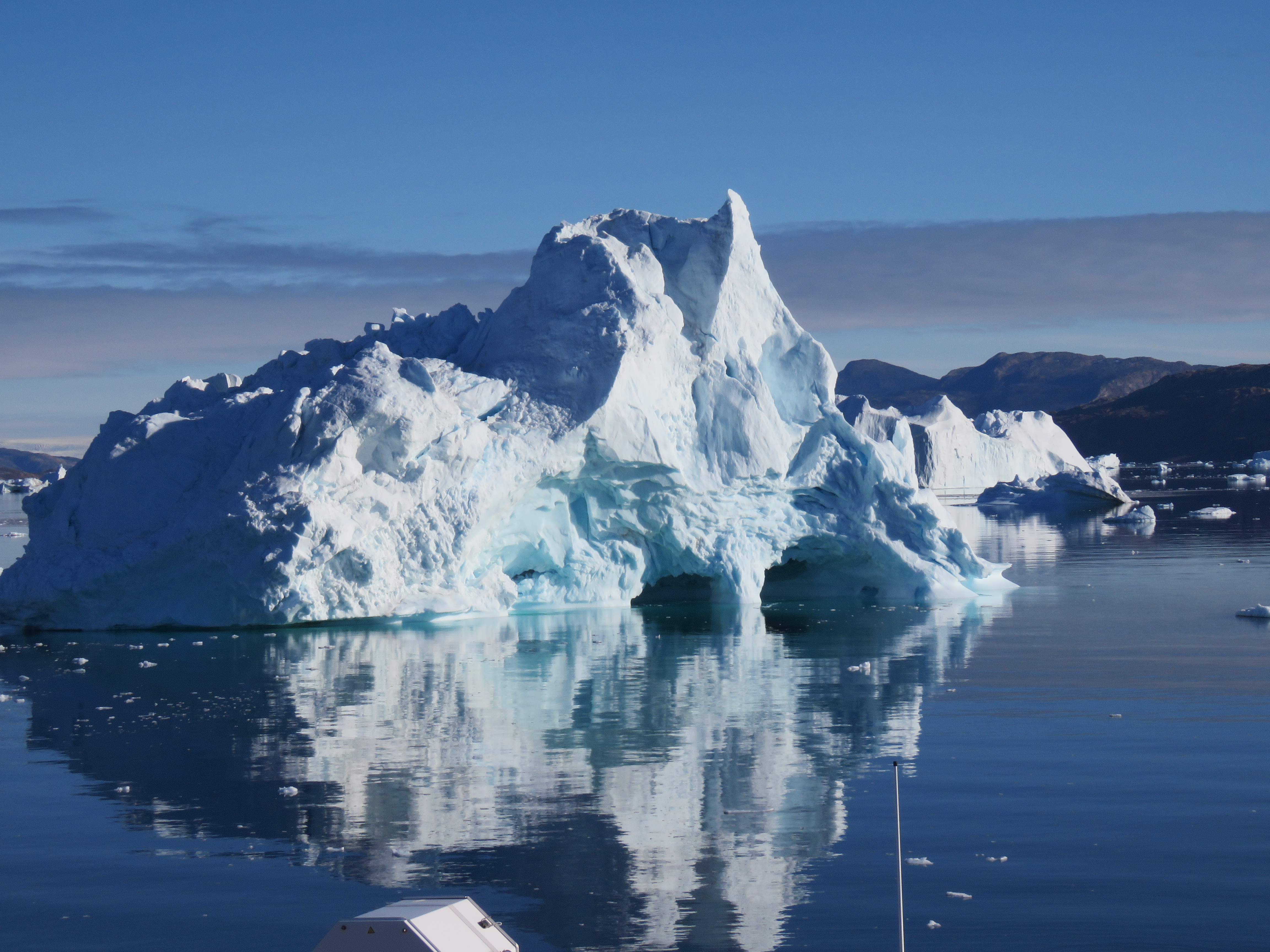
One day we cruised to Qagsserssuaq where there is a fantastic “garden of icebergs” . Here they are in all shapes and sizes and and some even had beautiful openings which would be tempting to sail through had we been in a smaller craft!

Iceberg8Iceberg9Iceberg02

Iceberg01Iceberg03Iceberg10

The ice cap is in a constant state of change and movement and every year it produces icebergs that are primarily formed in the sea from glaciers in the central and northwestern regions of Greenland.  Imagine a slow transformation from snowflake to ice during a period predating modern history and thousands of years later, we marvel at these amazing structures.  We heard constant cracking and rumbling echoes of icebergs calving wherever we went in Greenland – sometimes it sounded like a gunshot – and there is no telling where or when it might happen.  There is an almighty crash and the lump of ice falls into the ocean.  I wouldn’t like to think about being in a boat close by!

Iceberg12

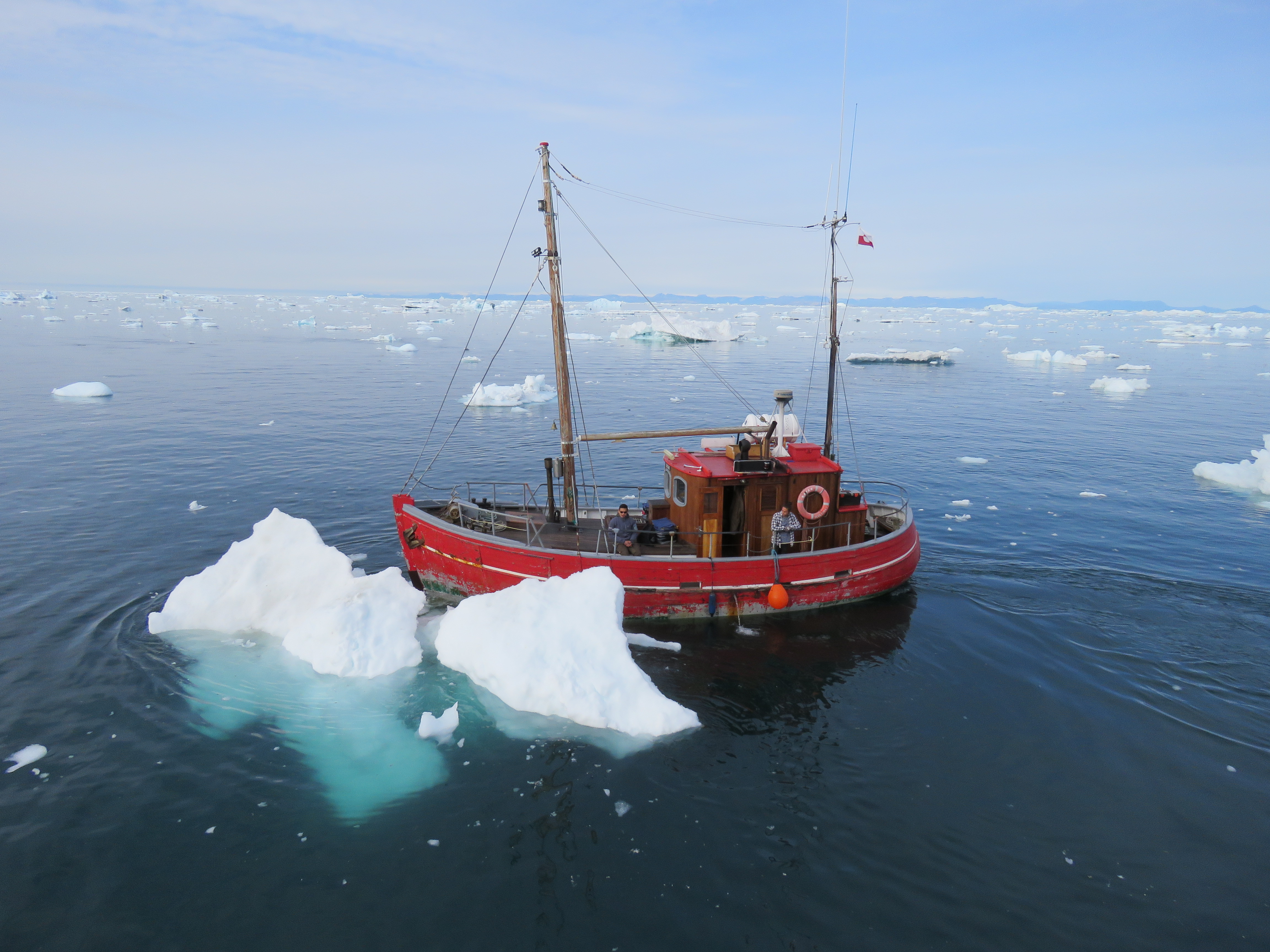
We watched this fishing boat dodge several icebergs which threatened to interfere with his fishing.  It seems to be a way of life in Greenland.

Iceberg11

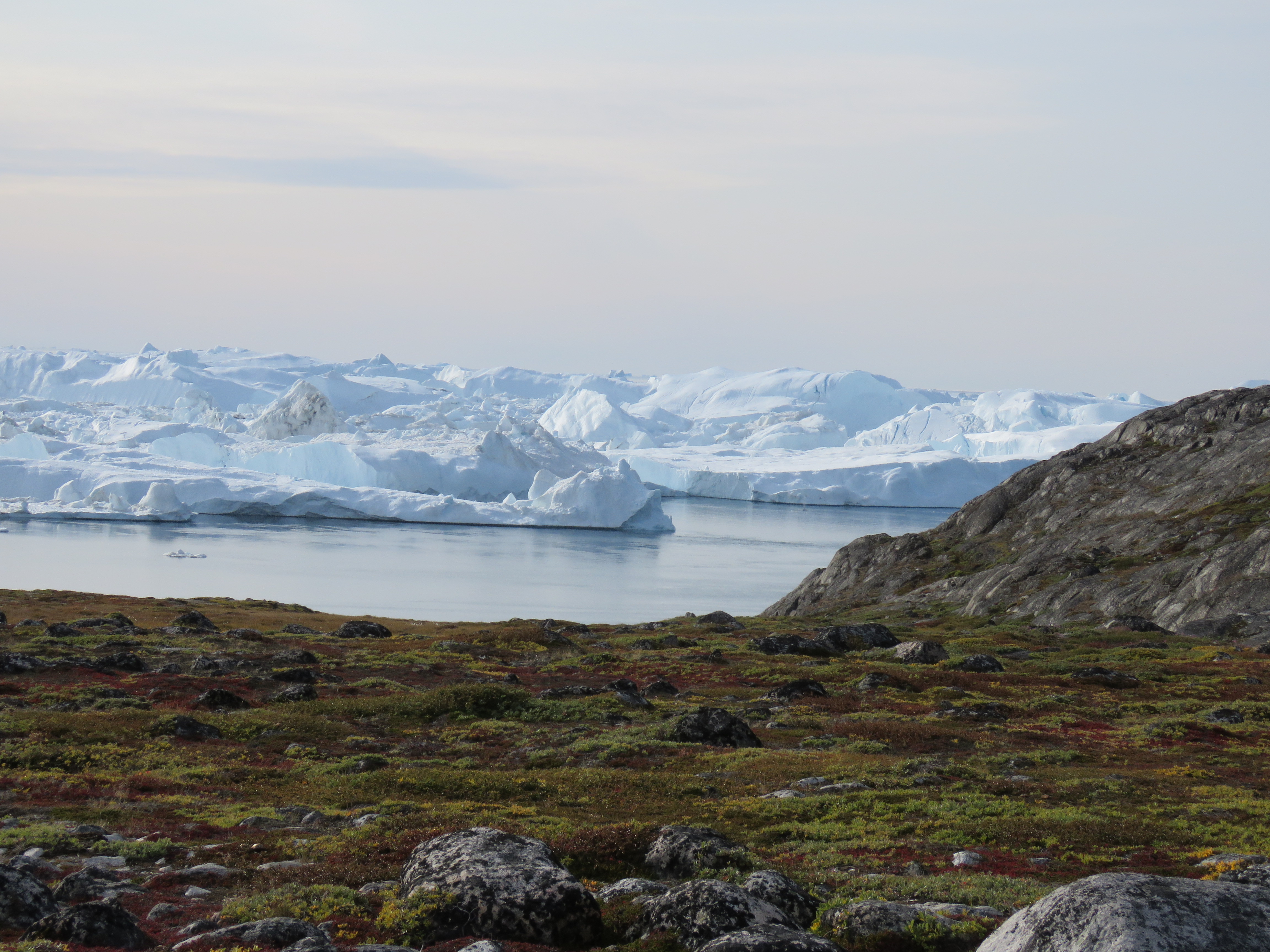
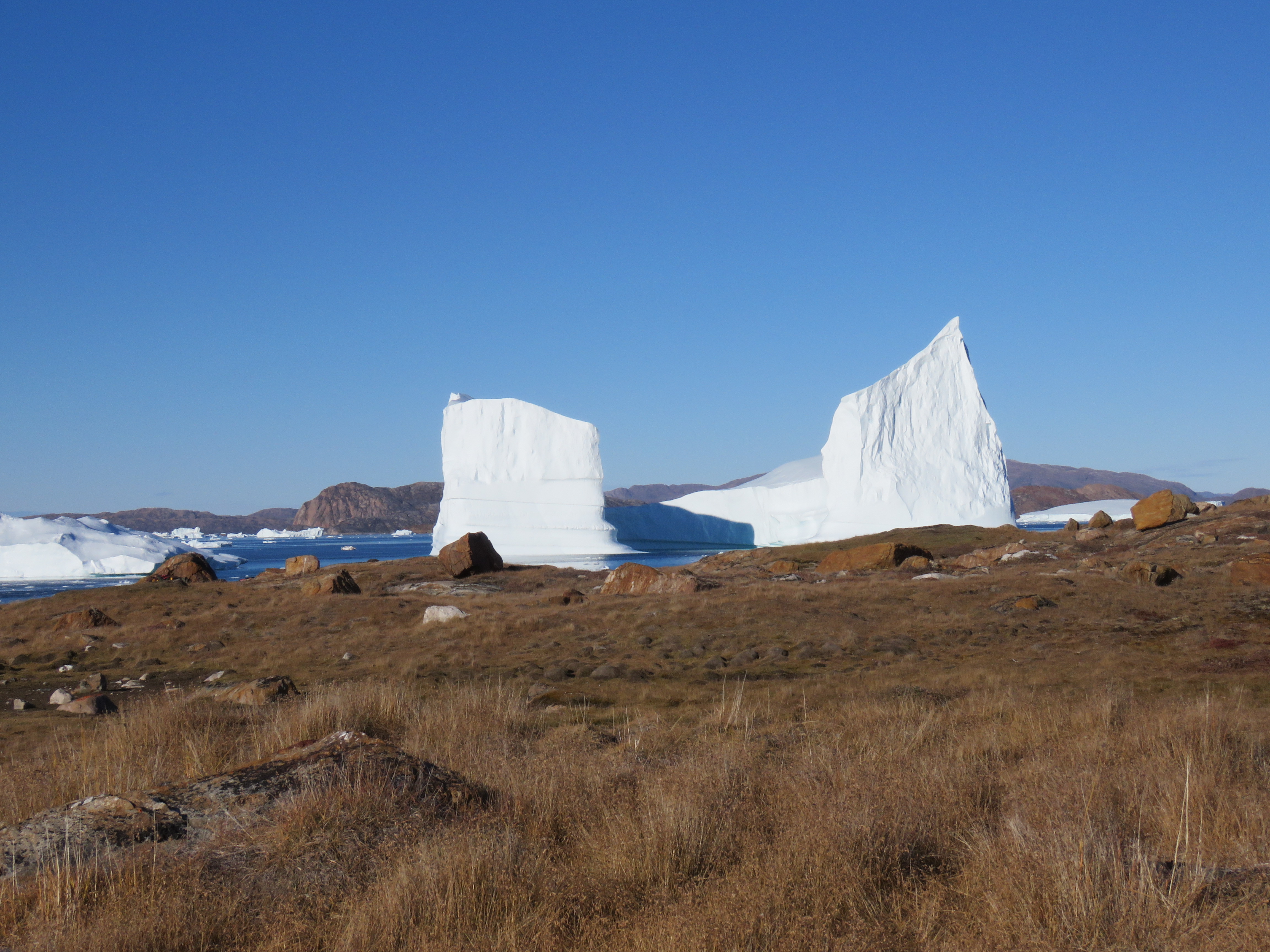
Even hiking in the tundra, the inevitable sight of large and small icebergs were present.

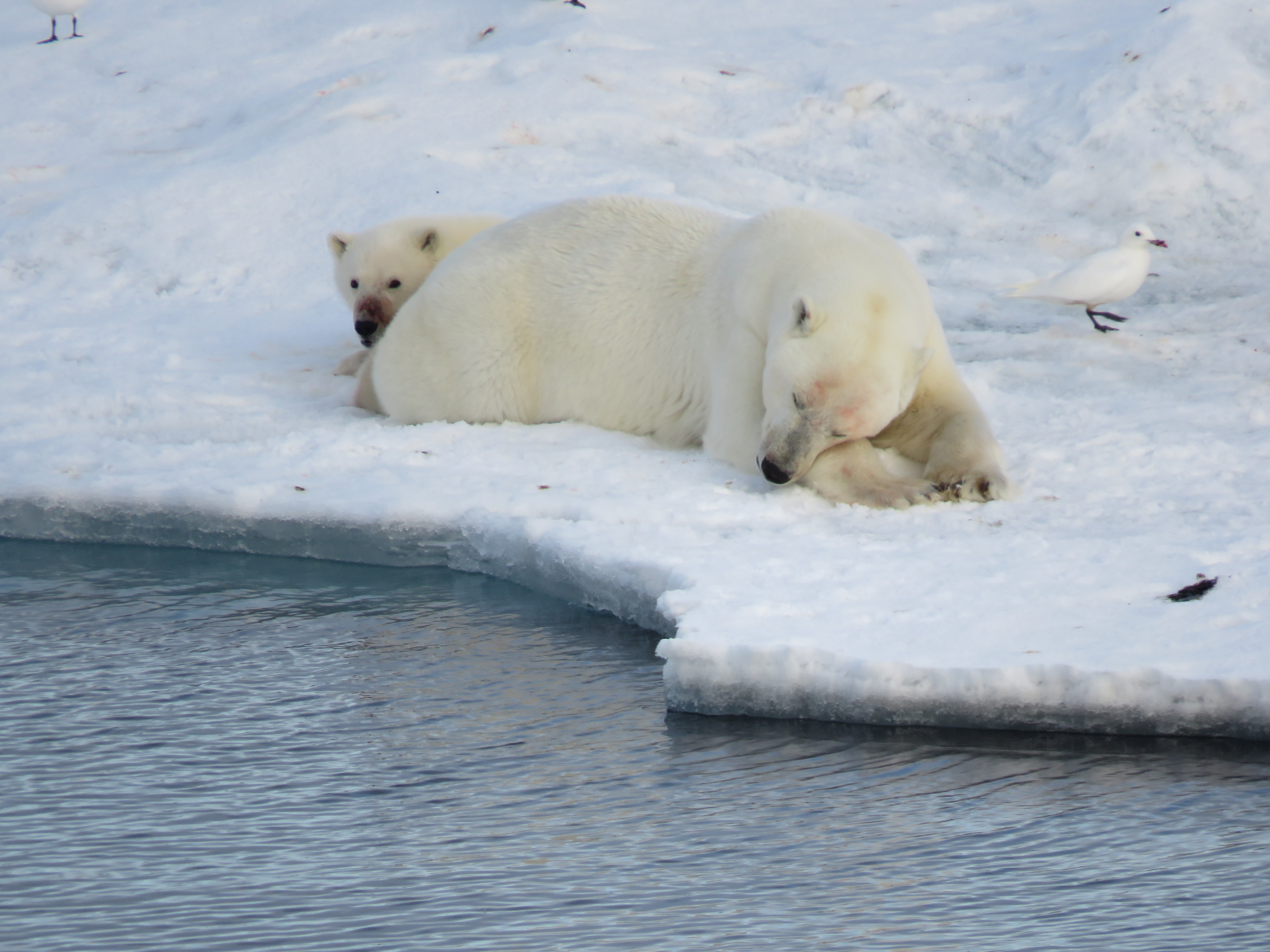
Polar bears have to be cautious in the summer months and many take refuge on icebergs.  We were lucky to find a polar bear and her cub on an ice floe having a meal of a freshly killed seal.  Bearing in mind the female polar bear weighs between 150 to 250 kg this piece of ice must have been very dense.  After observing the feeding ritual for some time, mother decided to have a rest and we moved on.  It was good see these bears were fat and healthy as we had heard sad tales of the opposite before we arrived.

Polar bear03Polar bear02Polar bear

My next trip is to Iceland in May and hopefully there will be lots more of these amazing works of nature to observe and wonder at.