
I love delving into the history of places we visit and New Zealand has a rich story dating back to the early explorers and even before. One place which should be on every New Zealand visitors’ “must see” list is the Waitangi Treaty Grounds at Pahia in the Bay of Islands. Here the Maori chiefs first signed their accord with the British Crown and the Treaty is New Zealand’s founding document.
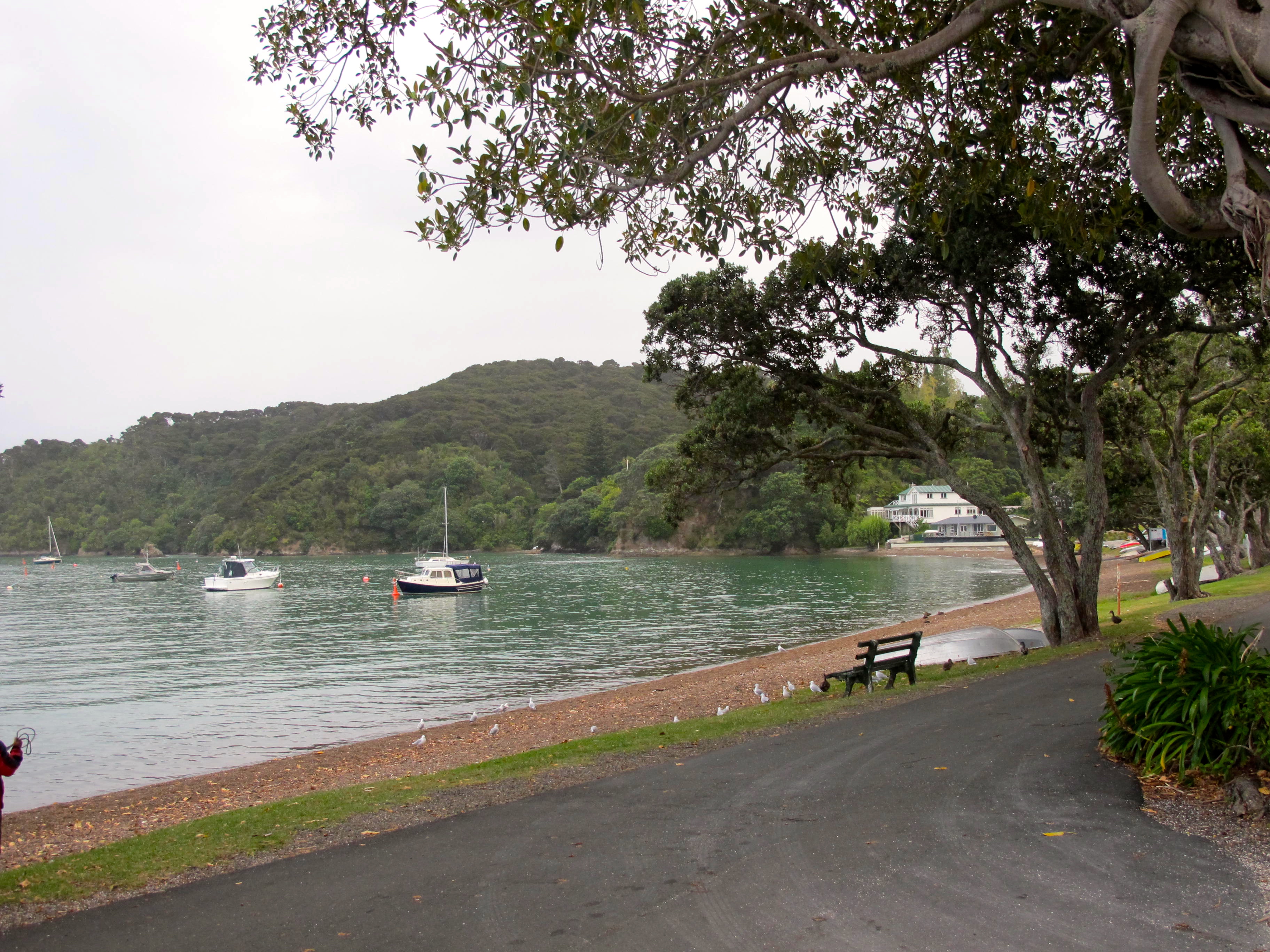
We took the little ferry across the Bay to Pahia and walked along the foreshore to the Grounds. Here we learnt a little about Maori history and culture and visited the Treaty House.
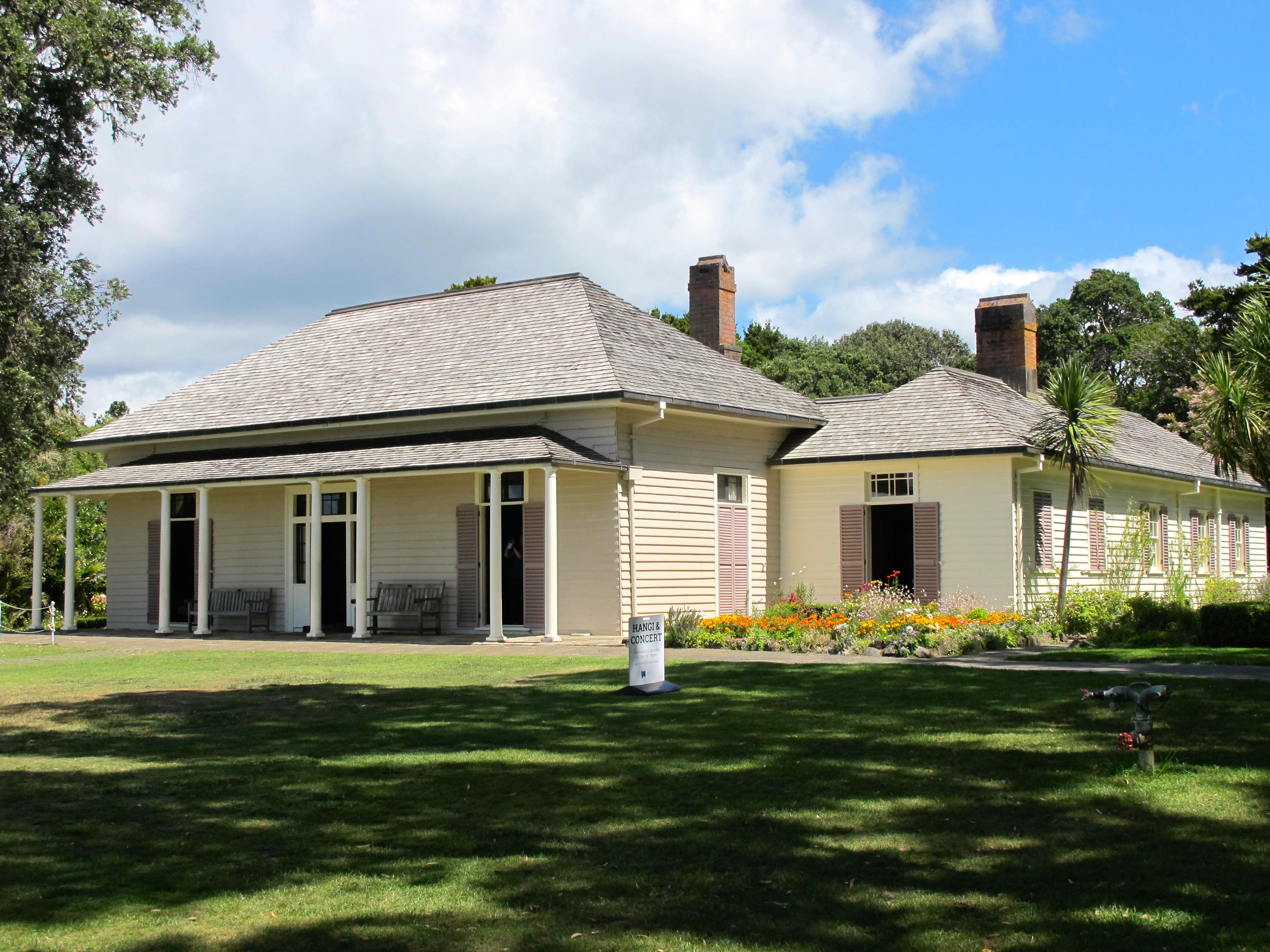
From 1833 to 1840 this was the official British Residency and the home of James Busby and his wife and six children. It is now a fascinating museum which brought to life the times in which the family lived.
Next we saw the world’s longest ceremonial war canoe which is 35 metres long and needs a minimum of 76 paddlers to handle it safely.

The canoes are launched every year on 6 February as part of the Waitangi Day celebrations. A special covered hut has been built so the canoe can be launched directly into the water.
The carved Meeting House is a beautiful building intricately carved and faces the Treaty House which symbolises the partnership between Maori and the British Crown.

We saw a short cultural performance here and a haka was performed before we entered – the idea to frighten alien people years ago and I have to admit, had I been there in those times, I would have taken to my heels very quickly!


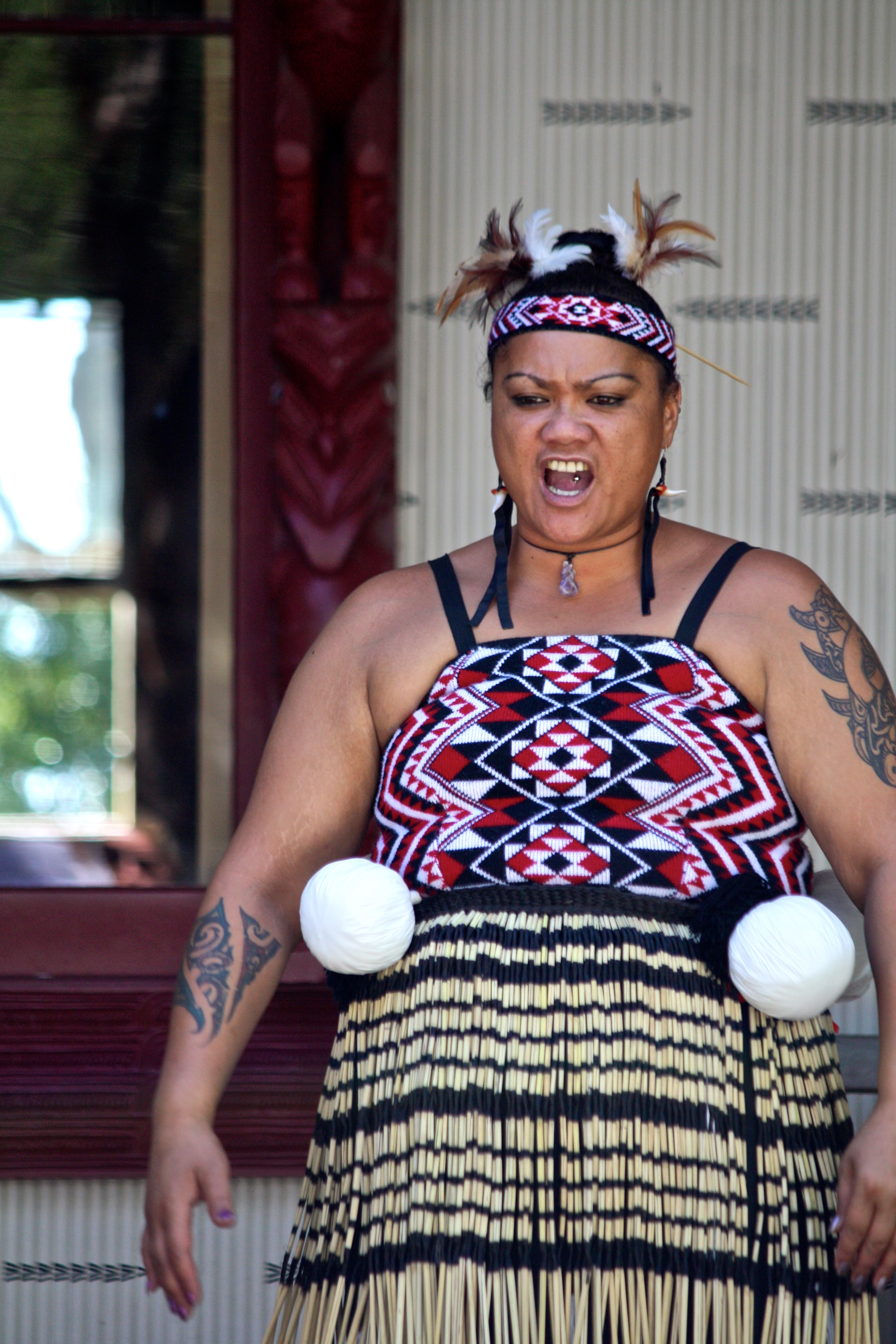
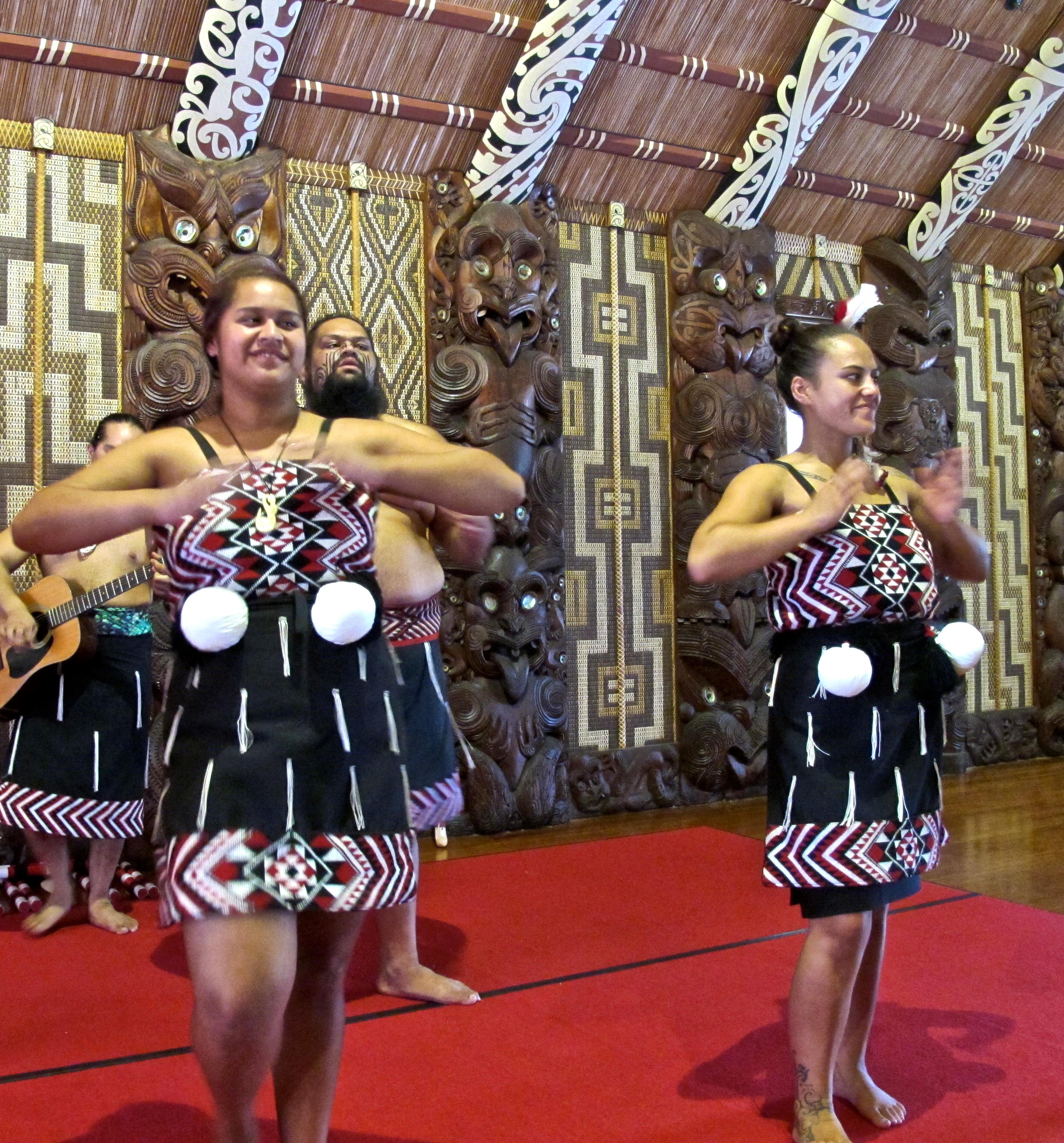
Afterwards we made friends but I was reluctant to get too close to the big guy!

The Flagstaff marks the spot where the Treaty was signed on 6 February 1840 and today flies the flags of the United Tribes of New Zealand, The Union Flag from 1840 and the New Zealand Flag.

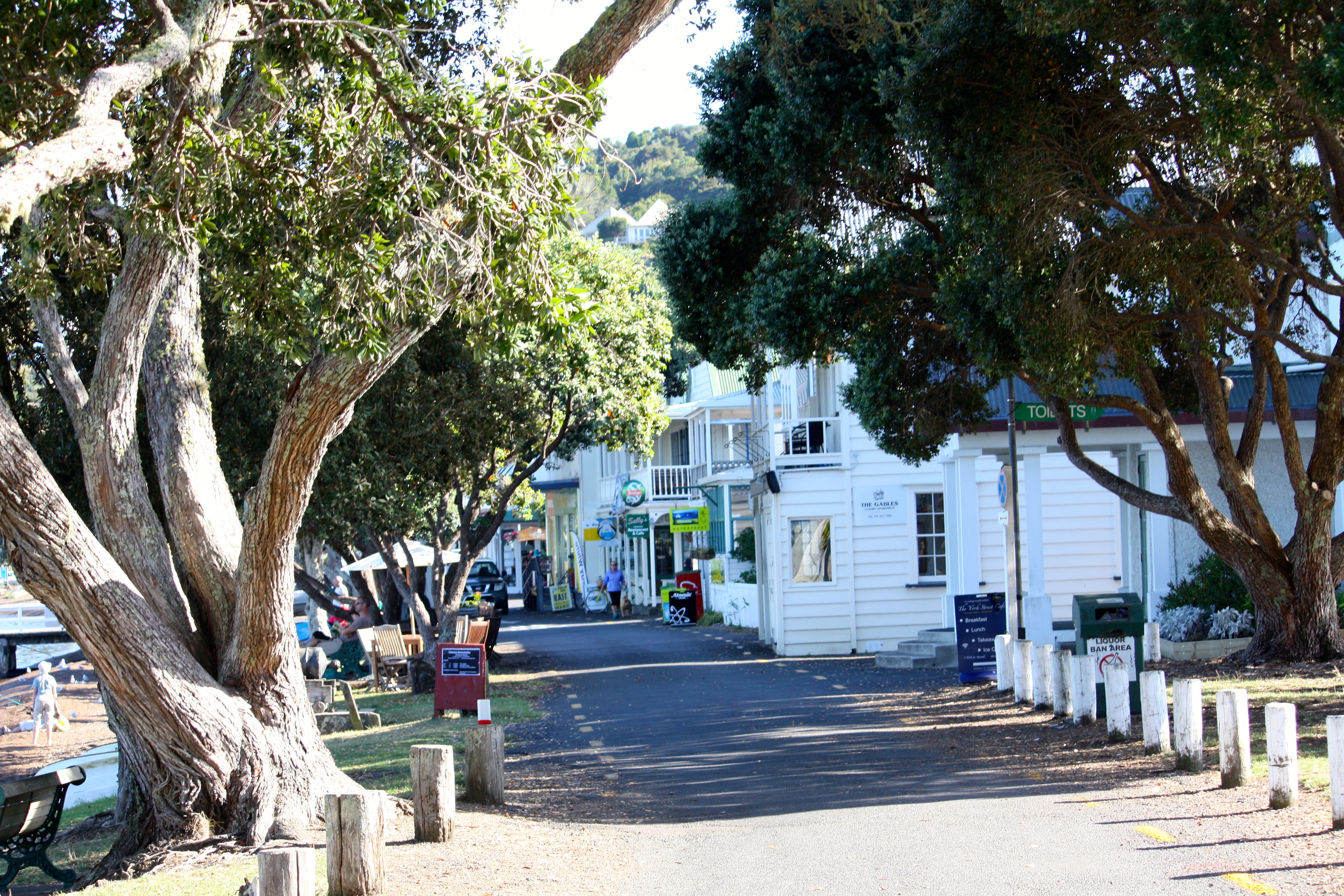
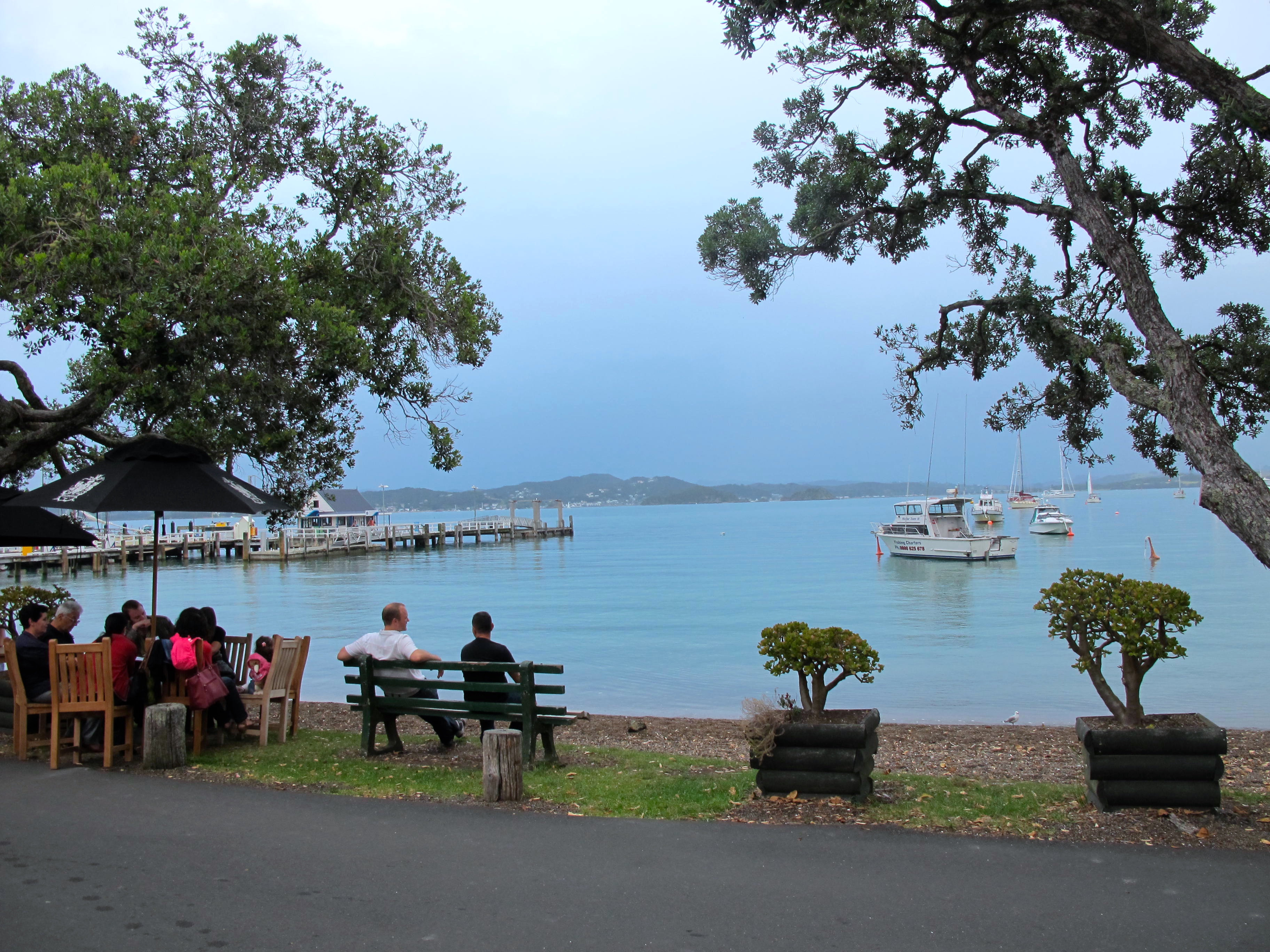
Busting with historical data and real stories, we made our way back along the coast road to catch the ferry back to Russell and a quiet dinner on the beach.



 IT'S ABOUT THE JOURNEY...........