ANZAC DAY ON MAGNETIC ISLAND

We were on the island last weekend and Saturday happened to Anzac Day – a day where Australians honour all those who gave their lives in various wars.  This year was special as it is 100 years since the landing at Gallipoli, and the first major military action fought by Australian and New Zealand forces during the First World War. In the lead up to the 25th April there were many stories, documentaries and tales of the men who went to Turkey to fight for their country and of those who didn’t return.

Each year a Dawn Service is held in cities and towns around the country.  On Magnetic Island, beautiful Alma Bay was the location for the service.  We decided to walk to the park – some 2 km away –  the trail hugs the coastline and is normally a beautiful walk.  However, it was dark and so we powered along and were amazed at the crowd that had already assembled at the cenotaph by 5 a.m.

anzac day  2012 6

The honour guard stood motionless at the cenotaph and a parade of servicemen and women marched to the park from the nearby RSL.  There was silence everywhere and at 5.30am a gunfire salute hailed from two landing craft anchored in the bay.  The staccato sound of shots, followed by silence and then more shots brought to life what the men must have faced in the dark one hundred years ago.

IMG_1396


The service began and the sun slowly rose over the bay.  The atmosphere was solemn and very moving as dawn arrived and the birds sang a chorus.  Rarely have I seen such a large crowd of all age groups totally rapt in the proceedings.

image

As it became light, the landing craft became more apparent and the bay was bathed in a golden light.

image


Finally, when the service ended and the dignitaries dispersed, we were left to ponder on the significance of the day.  I wandered down to the water and captured a shot which said it all – a lone swimmer in the bay with the landing craft of war in the distance.

image


WONDERFUL WAITANGI – NEW ZEALAND

I love delving into the history of places we visit and New Zealand has a rich story dating back to the early explorers and even before.  One place which should be on every New Zealand visitors’ “must see” list is the Waitangi Treaty Grounds at Pahia in the Bay of Islands.  Here the Maori chiefs first signed their accord with the British Crown and the Treaty is New Zealand’s founding document.

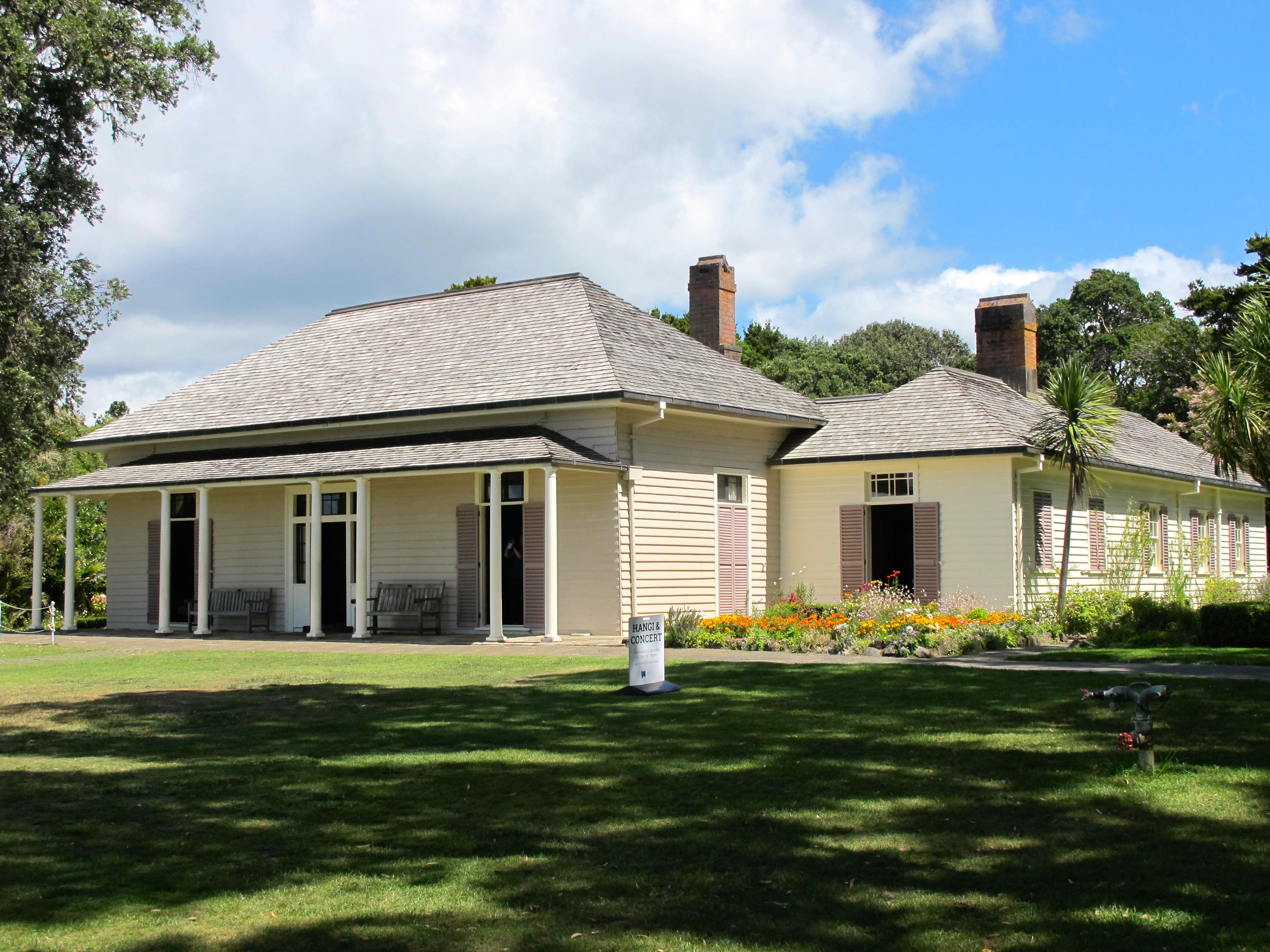
We took the little ferry across the Bay to Pahia and walked along the foreshore to the Grounds.  Here we learnt a little about Maori history and culture and visited the Treaty House.

IMG_5164

From 1833 to 1840 this was the official British Residency and the home of James Busby and his wife and six children.  It is now a fascinating museum which brought to life the times in which the family lived.

Next we saw the world’s longest ceremonial war canoe which is 35 metres long and needs a minimum of 76 paddlers to handle it safely.

IMG_5157

The canoes are launched every year on 6 February as part of the Waitangi Day celebrations.  A special covered hut has been built so the canoe can be launched directly into the water.

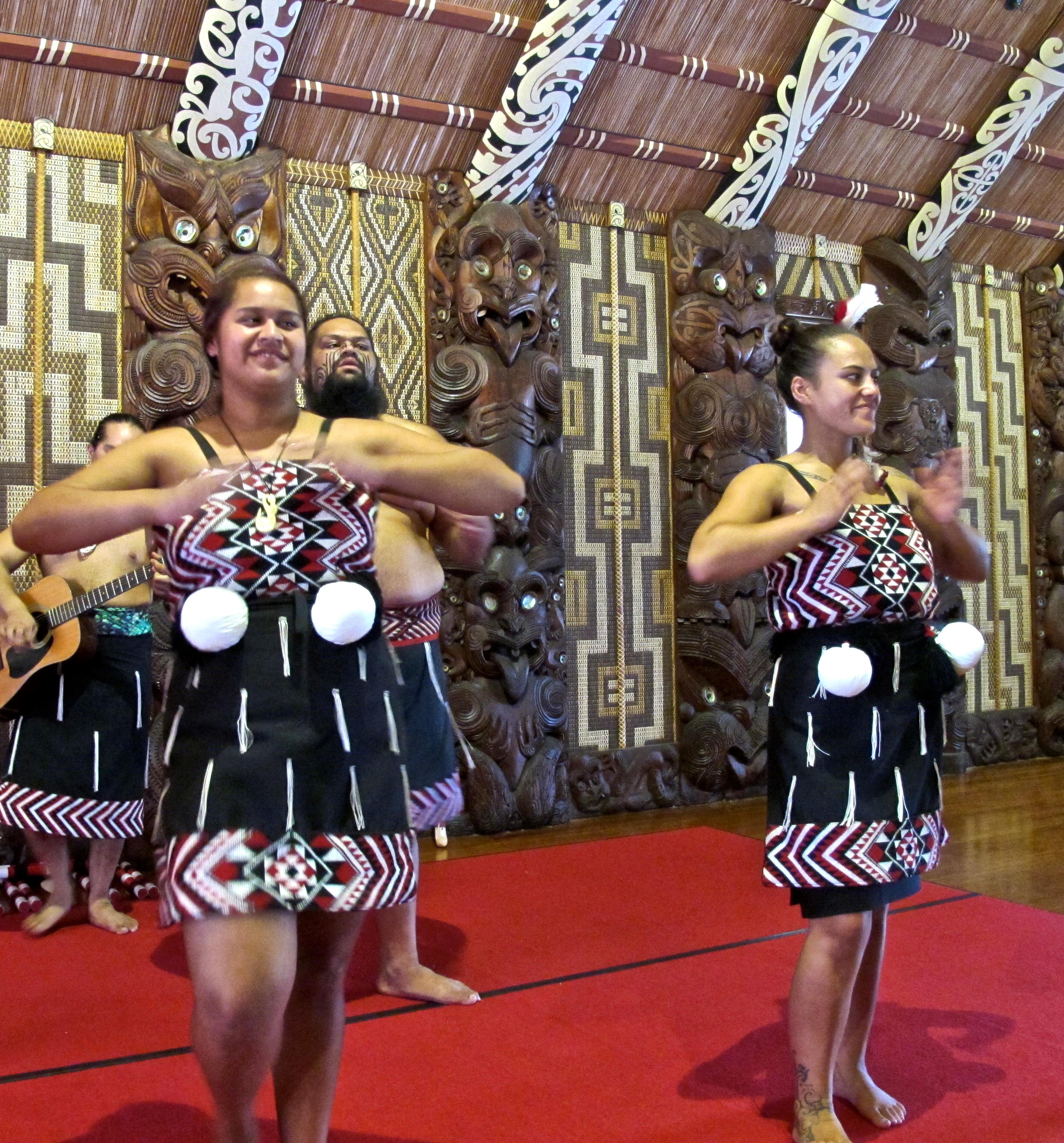
The carved Meeting House is a beautiful building intricately carved and faces the Treaty House which symbolises the partnership between Maori and the British Crown.

IMG_5166

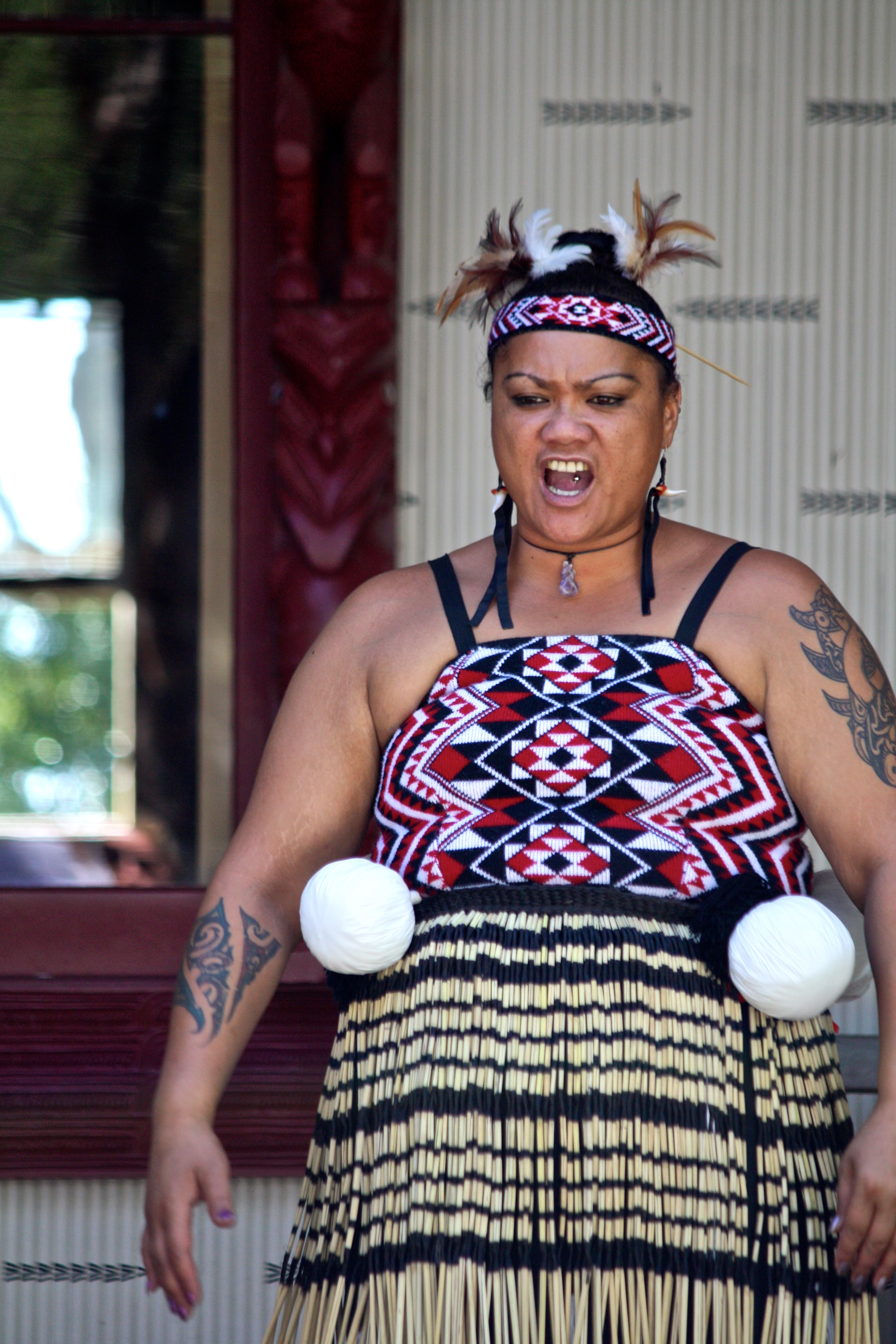
We saw a short cultural performance here and a haka was performed before we entered – the idea to frighten alien people years ago and I have to admit, had I been there in those times, I would have taken to my heels very quickly!

IMG_8430

IMG_8437 IMG_8439 IMG_5171

Afterwards we made friends but I was reluctant to get too close to the big guy!

IMG_5190

The Flagstaff marks the spot where the Treaty was signed on 6 February 1840 and today flies the flags of the United Tribes of New Zealand, The Union Flag from 1840 and the New Zealand Flag.

IMG_5162

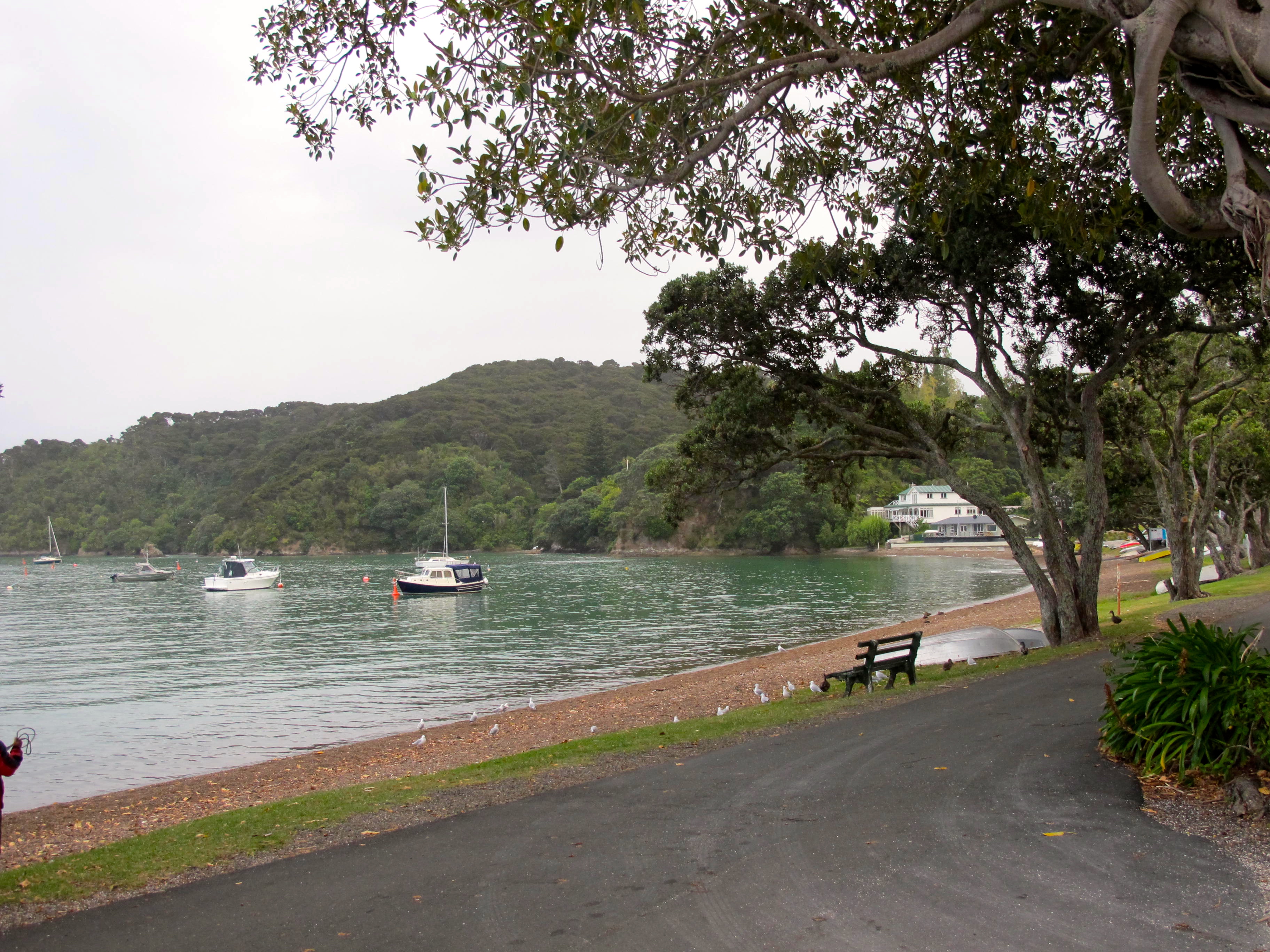
Busting with historical data and real stories, we made our way back along the coast road to catch the ferry back to Russell and a quiet dinner on the beach.

IMG_8429

RUSSELL in the BAY OF ISLANDS, NEW ZEALAND

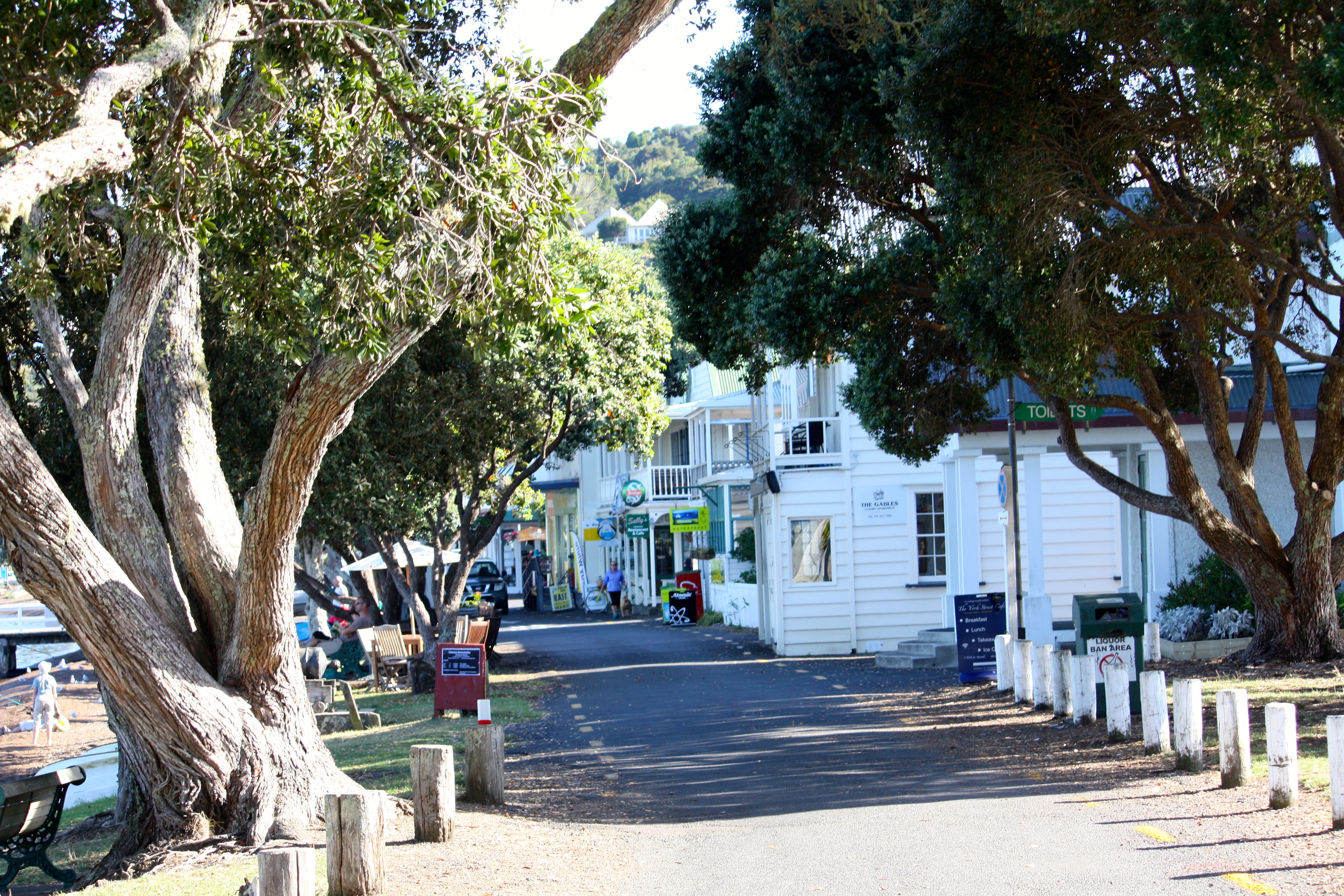
Russell, also known as Kororareka, is a charming little seaside town which has an interesting history.  It was the country’s first seaport and also the first European settlement.  There are many historic buildings and we spent several happy hours wandering through the Museums and learning about the former “hellhole of the Pacific” named because it was a shoreline destination for whalers, traders and seamen during the 19th century.

IMG_8399 IMG_5142 IMG_5143 IMG_5152

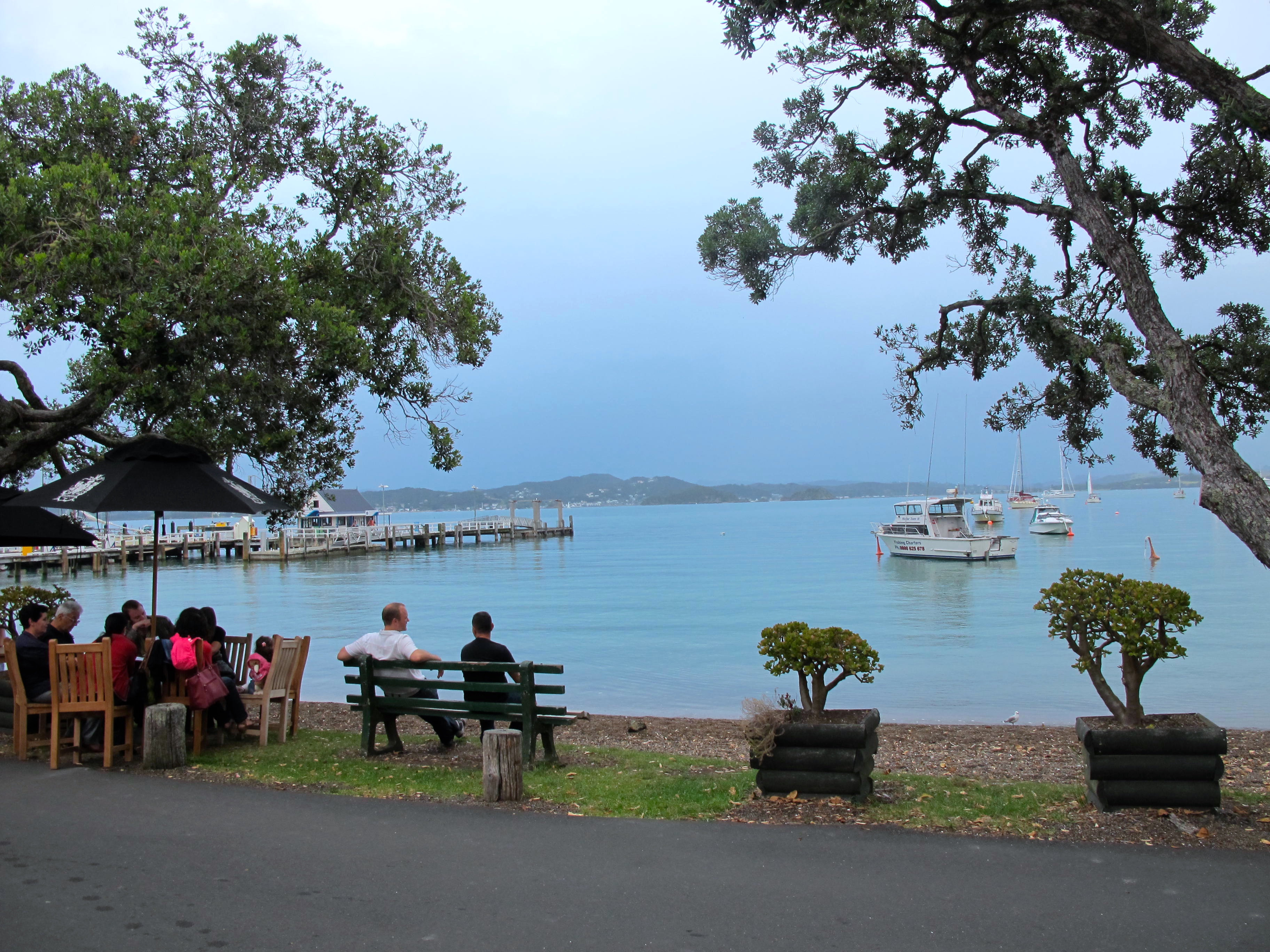
The Duke of Marlborough Hotel, the oldest hotel in the town has been restored and is in a perfect position for dining on the waterfront.  Tables have also been set under the trees by the beach and we watched a couple of beautiful sunsets from there.

IMG_5154

The little passenger ferry runs continually across the bay to Pahia.

IMG_8403


Legend says that a chief wounded in battle asked for penguin and after drinking some of the broth, murmured “Ka reka te korora” (how sweet is the penguin). The town was named Russell in 1884.  Many of the original buildings remain and a fine example is the Catholic Mission “Pompallier” which was built in 1841 and used as a printery, tannery and storehouse for the Marist Brothers.  The building is made of rammed earth and has been restored as a working museum where every aspect of tanning, printing and binding is described and in some cases visitors can participate with hands on.  The garden is magnificent and was created first of all to grow vegetables to feed the residents and then as a peaceful place to contemplate.

IMG_5148

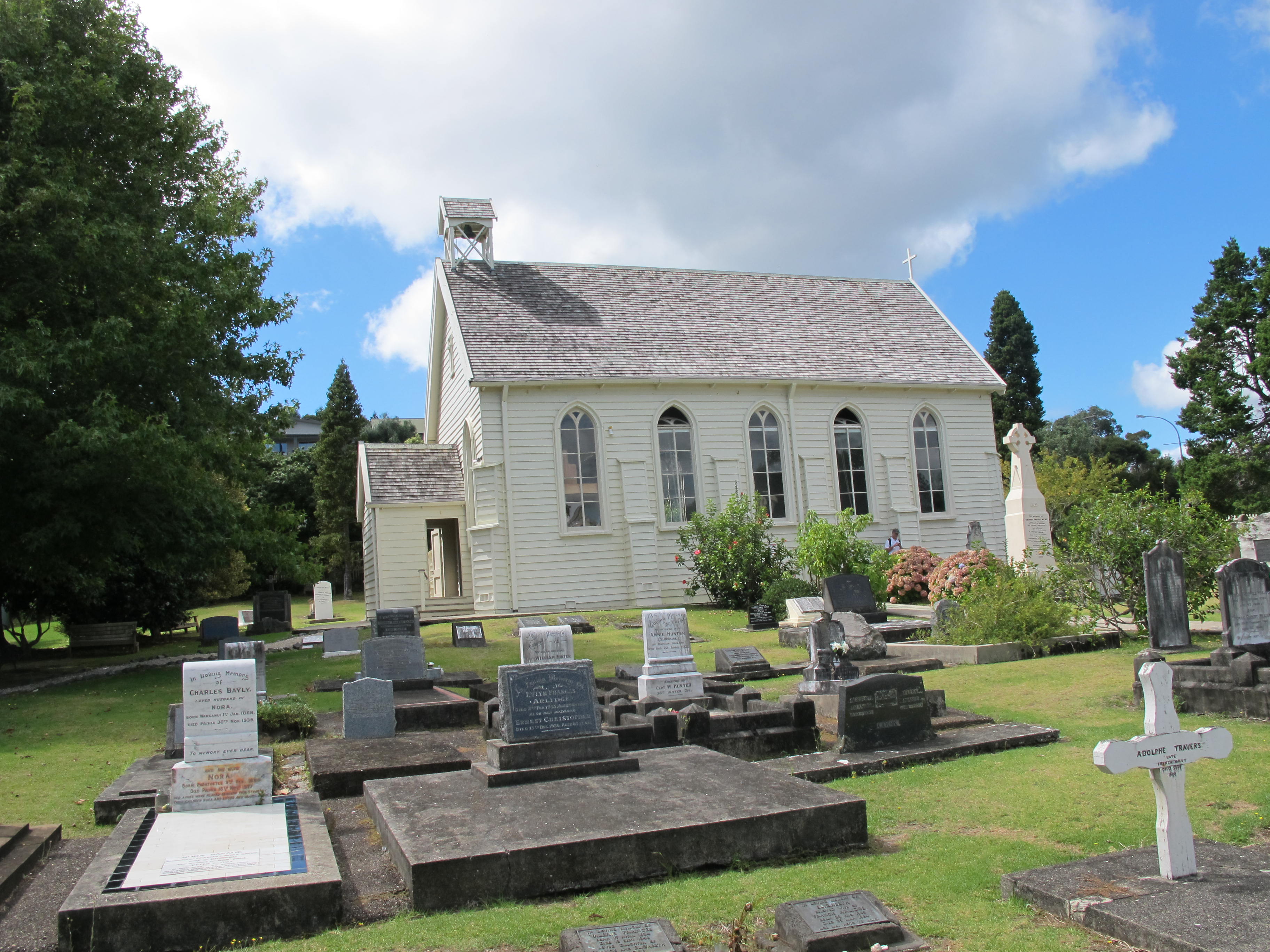
The oldest existing Church in New Zealand is in Russell and is worth a visit if only to see the musket ball holes from the New Zealand land wars!

IMG_5151


We spent three nights here and could have stayed longer.  More history is to be had at Waitangi, across the bay, and we spent another fascinating day there, but that’s another story…..

Reflections on Magnetic Island and Times Past

Magnetic Island is a jewel in North Queensland’s crown and I look forward to each weekend when we can take the ferry across the bay and completely relax in our little paradise.

 P1000159

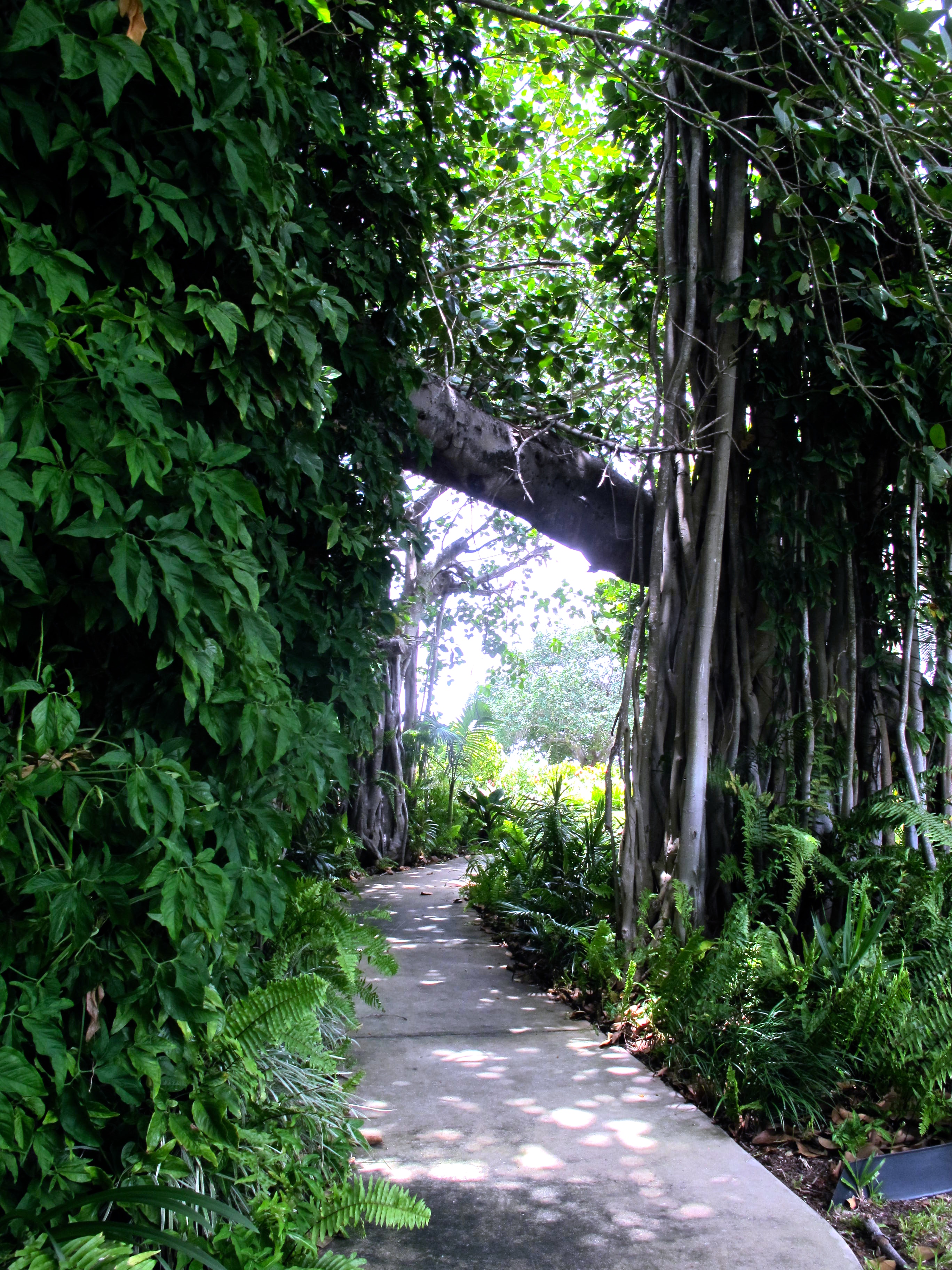
Last weekend I started to think more about the first white settlers who came to the island. We were walking along the shady path by the beach at Picnic Bay, which in itself is worth a visit. The old banyan fig trees that line the shore are fascinating with huge aerial roots and plenty of climbing opportunities for children who can let their imaginations run wild. There have been plenty of stories of goblins and fairies, dragons and monsters lurking deep in the twisted branches and all the while the cockatoos screech and play above looking for seed pods.

IMG_5066

IMG_5064

IMG_5057IMG_5059

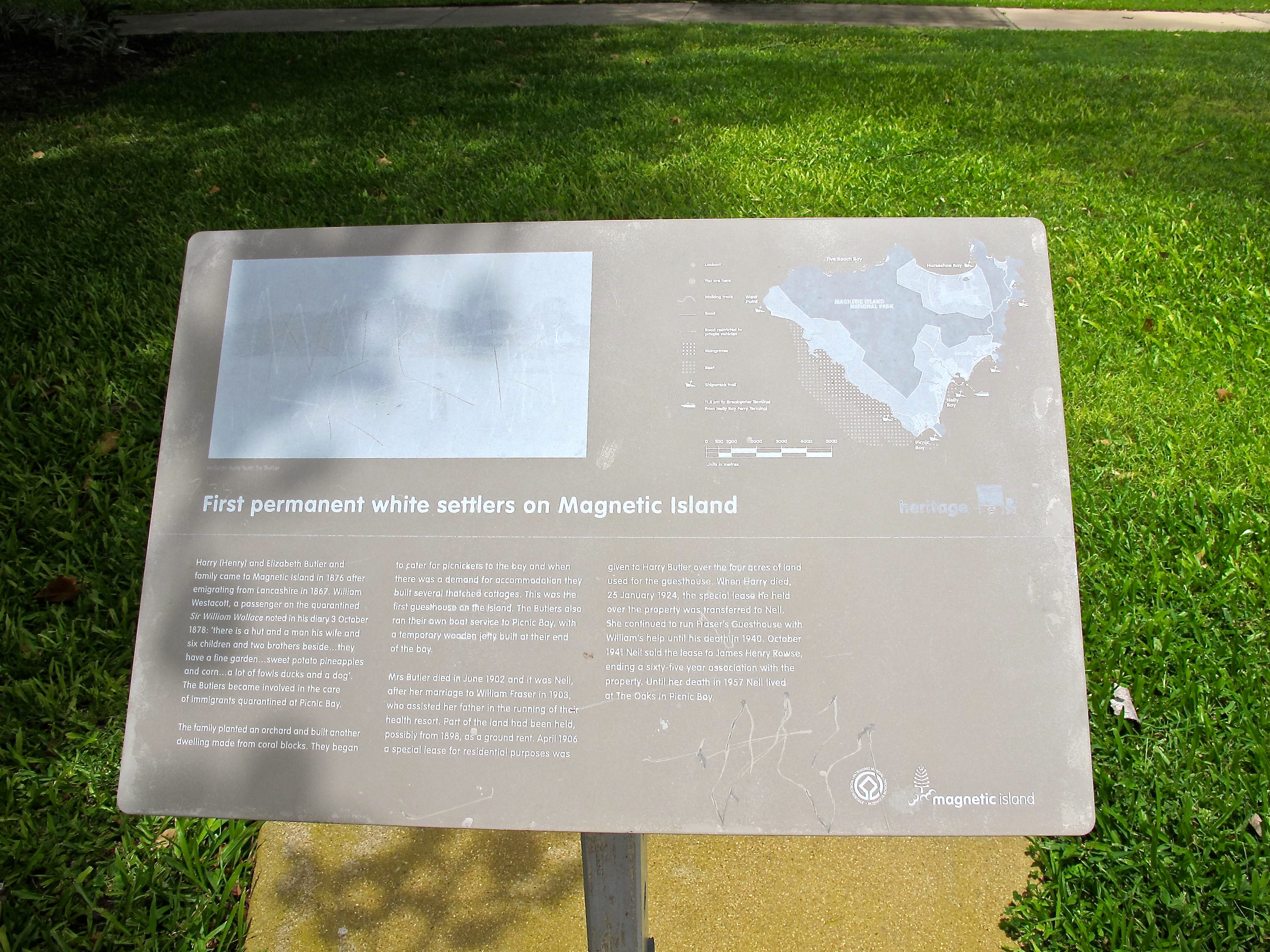
At the end of the walk there is a plaque remembering the life of the first known white settler. Harry Butler came to the island in 1876 after emigrating from Lancashire in northern England in 1867. My own family ancestors were also from Lancashire and at that time the county was important for it’s cotton mills and the industry arising from cotton. The countryside was beautiful and there were small villages and farms where people lived either from farming or spinning and weaving, which was done at home. They would send their bolts of cloth to the mill or factory via canal boat and canals criss-crossed the county with longboats providing much needed transport for coal and produce. The cities were grimy and crowded and living conditions harsh. I wondered about Harry Butler bringing his family across the oceans to the unknown and then choosing to settle on a small island off the mainland where there was nothing except opportunity.

IMG_5053

Life would have been tough. A passenger, William Westacott, on a quarantined vessel Sir William Wallace noted in his diary on 3rd October 1878 : ‘there is a hut and a man, his wife and six children and two brothers beside…..they have a fine garden….sweet potato, pineapples and corn …a lot of fowls, ducks and a dog.’ I tried to imagine Elizabeth Butler working in her garden in long skirts and heavy shoes in the heat and humidity of the tropical summer. Her English roses complexion would have suffered under the harsh sun in spite of large hats which were always worn. How different it must have seemed to them after Lancashire. Perhaps they thought it was their own little paradise.

IMG_5060

The family planted an orchard and built another hut made from coral blocks and began to cater for people who came across from the mainland for picnics. Eventually they built thatched cottages so people could stay overnight and then, recognising the demand, they ran their own boat service to Picnic Bay from the mainland and built a temporary wooden jetty.

Thus began the first tourism venture on the island.