The Red Road to Lake Argyle


UNADJUSTEDNONRAW_thumb_225.jpg

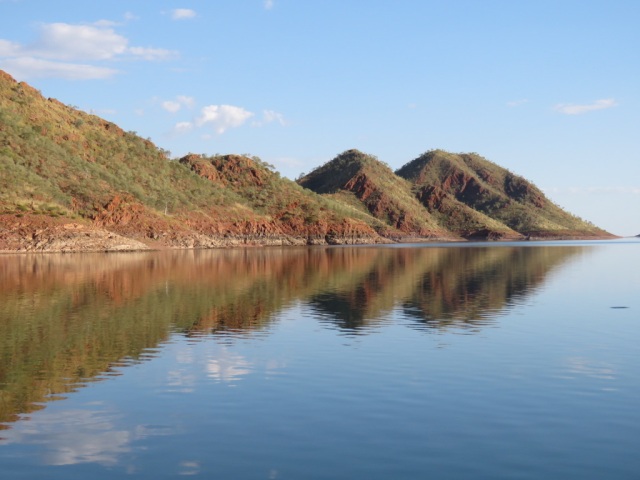
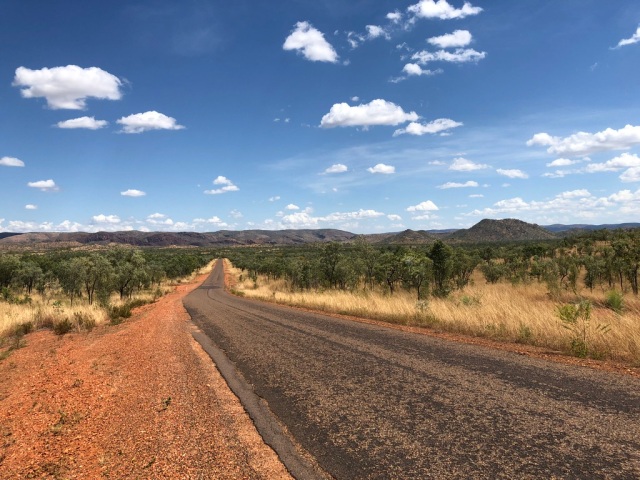
The scenery is now changing on this Big Loop around Australia and the road to Lake Argyle turns off the highway and winds through the stunning Carr Boyd ranges.  At every turn there is an amazing view and the colours of the soil together with the golden grasses and deep green of the thick shrubs would make an artist’s eyes water.
UNADJUSTEDNONRAW_thumb_215.jpg

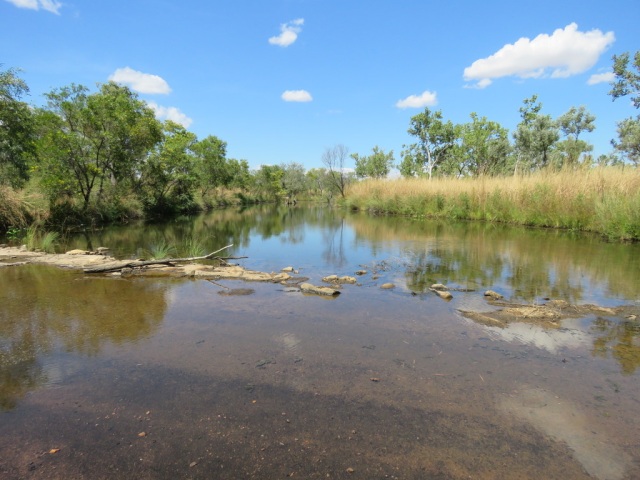
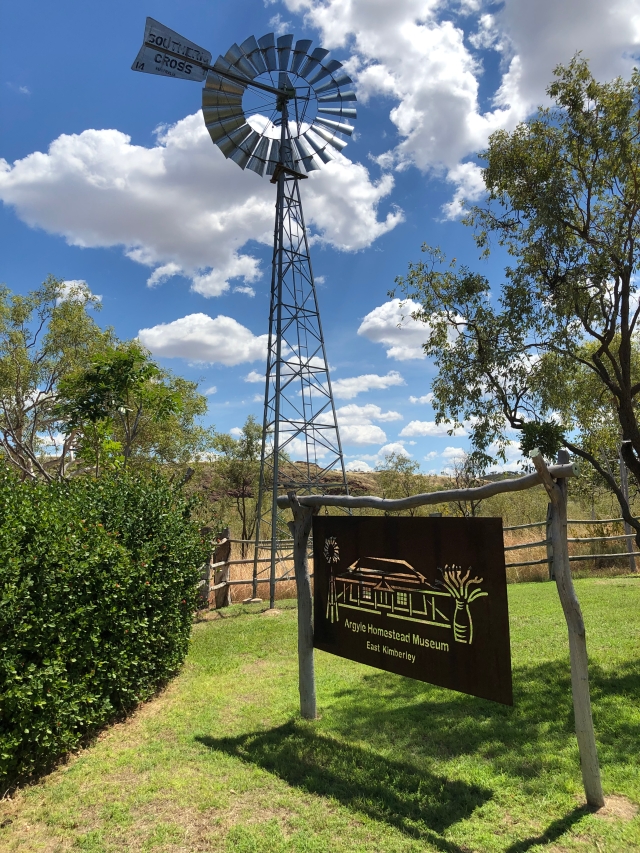
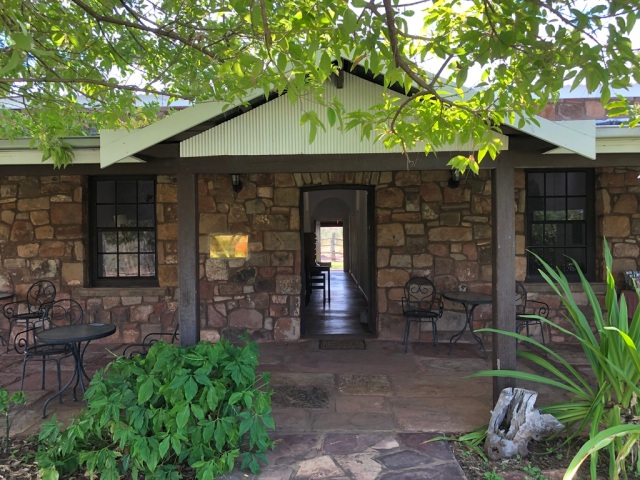
We crossed several water courses  and finally came to the historic Argyle Downs Homestead.  The home of the Durack family, this house was removed stone by stone when the property was flooded as part of the Ord River Irrigation Scheme and the formation of Lake Argyle.  Now it has been rebuilt and  and become a museum which serves as a reminder of the huge contribution that the family made in the pastoral industry of the North West.
IMG_3686 2

UNADJUSTEDNONRAW_thumb_226.jpgUNADJUSTEDNONRAW_thumb_1e9.jpg

Lake Argyle is Australia’s largest freshwater lake with a surface area of over 1000 sq. km and has a shoreline of 900kms. It is now home to around 26 species of native fish, 30,000 freshwater crocodiles and three varieties of freshwater tortoise.  Hard to imagine that is was all once pastoral land which was home to native people, pastoralists and wildlife.

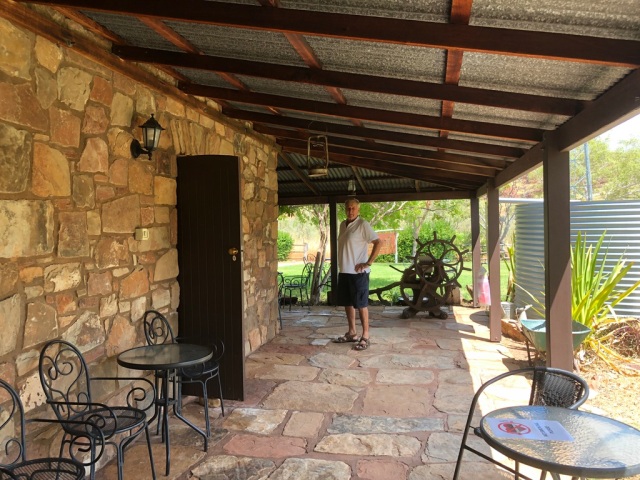
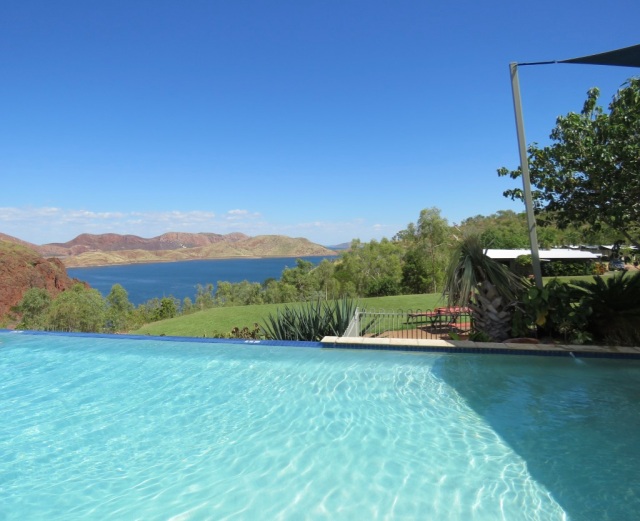
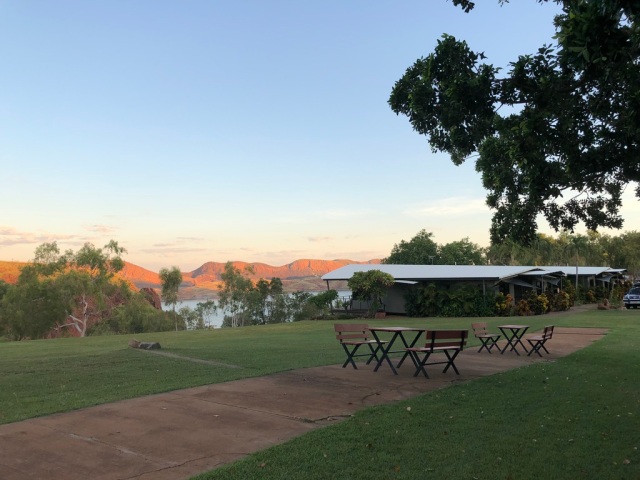
We stayed at the Lake Argyle Resort which has a beautiful infinity pool with views across the ranges and over the valley.
u3t2q9btTPOpbTCP4l20XA_thumb_217

In the evenings the setting sun gives a golden glow to the landscape visible from every part of the property.
UNADJUSTEDNONRAW_thumb_22e.jpg

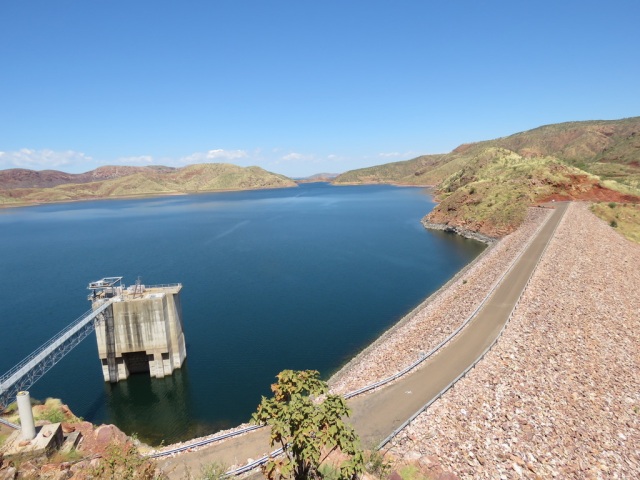
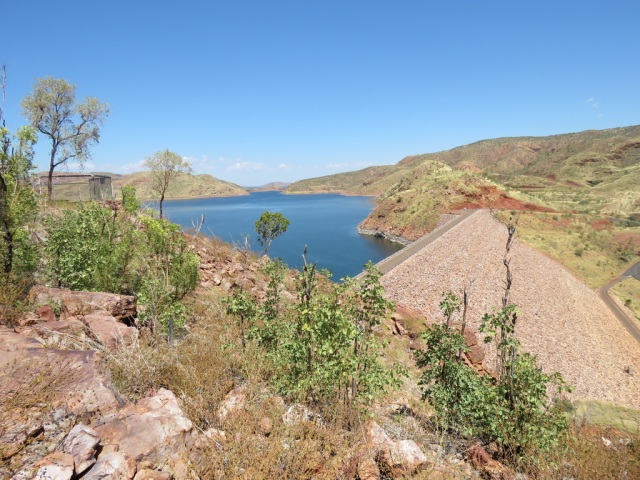
A great way to learn about Lake Argyle and the huge project undertaken some fifty years ago is to take a sunset cruise.  We set off with an introductory talk and an explanation about the building of the dam wall which, in itself, was an amazing feat.
UNADJUSTEDNONRAW_thumb_252.jpg

UNADJUSTEDNONRAW_thumb_251.jpg

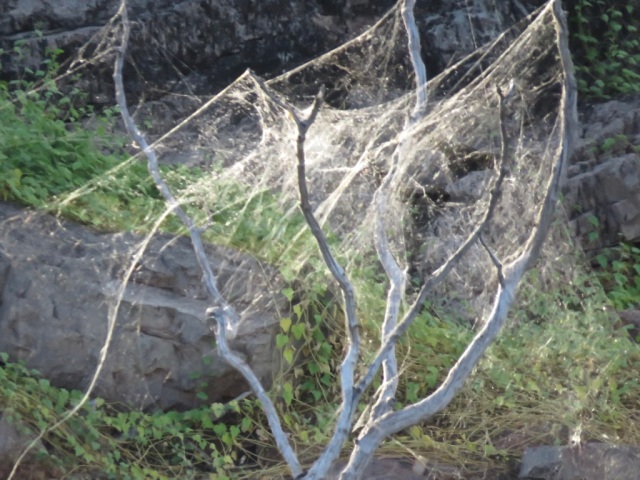
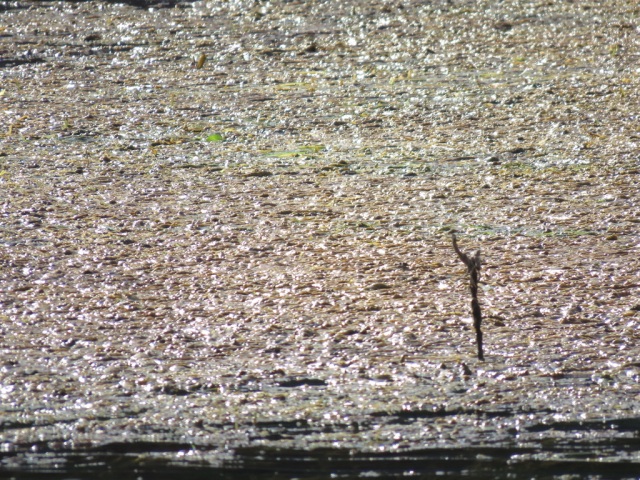
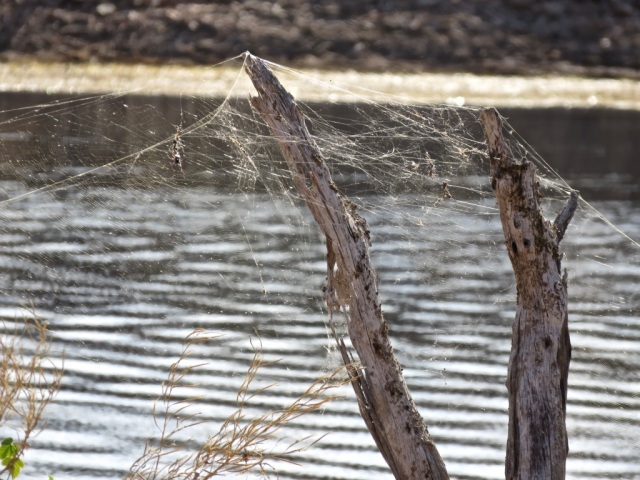
Then it was a calm cruise across the massive lake watching for wildlife and, of course, the crocodiles!  A sheen across the water and in the trees at one particular spot revealed the story of the Golden Orb spider. This spider never leaves the web and spins a web made of silk like thread which is extremely strong and has been made into a silk fabric. Scientists are now working on making a synthetic prototype which may be used in the future.
UNADJUSTEDNONRAW_thumb_25f.jpg

E%VxWwUeTaewRe3Hcsxk6w_thumb_26d.jpg

3Nq1JPc5TnCRfYdl+UR%uQ_thumb_27c.jpg

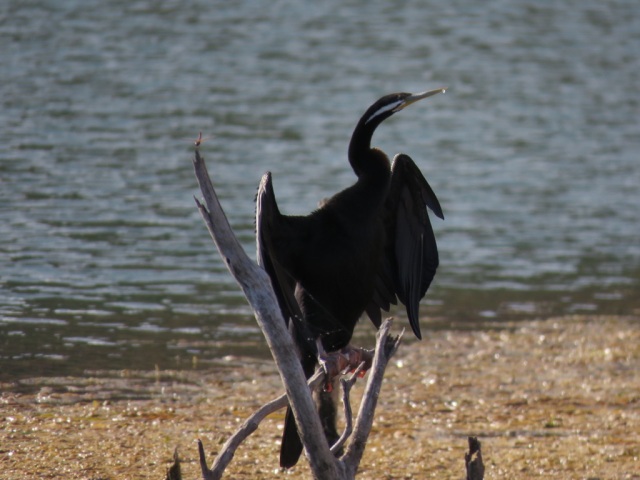
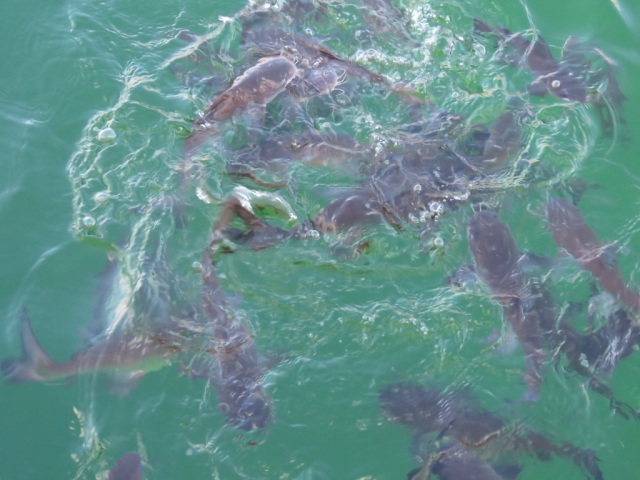
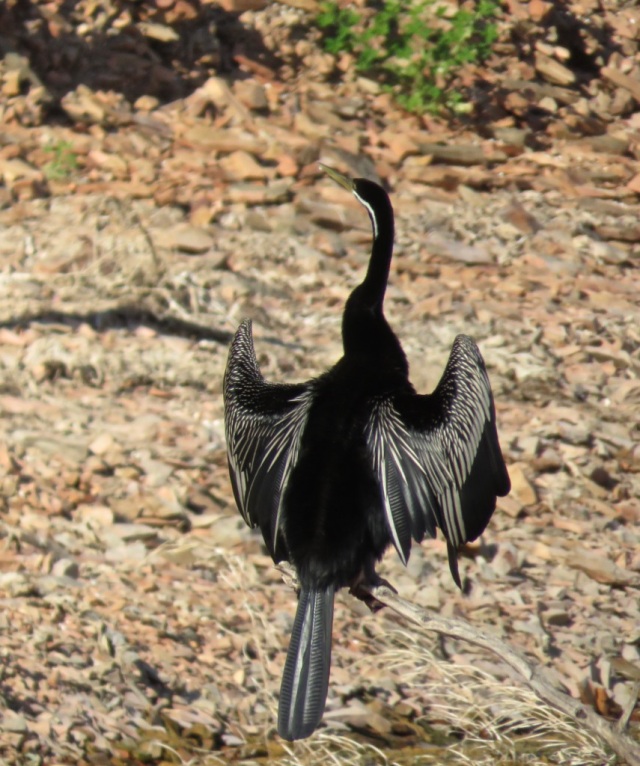
We spotted a variety of water birds waiting for their prey and did a spot of fish feeding
1xDtkfrMQiSQDjXOUAf88A_thumb_266.jpg

UNADJUSTEDNONRAW_thumb_26f.jpg

UNADJUSTEDNONRAW_thumb_281.jpg

UNADJUSTEDNONRAW_thumb_28e.jpg

UNADJUSTEDNONRAW_thumb_23b.jpg

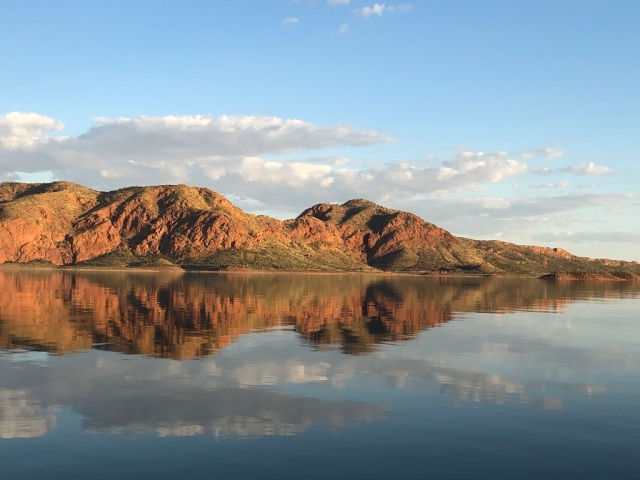
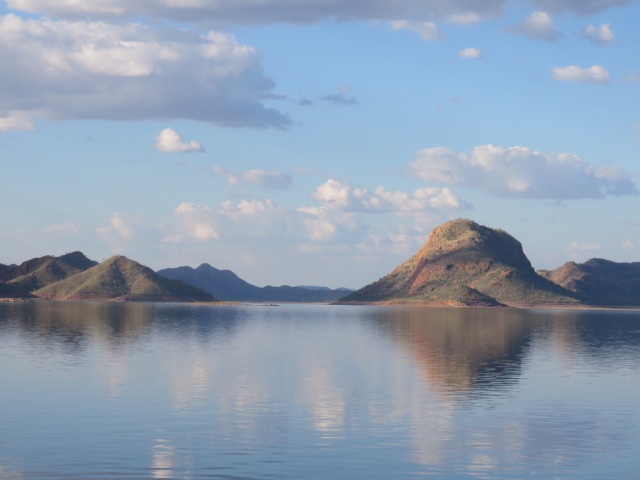
The lake throws incredible reflections during the afternoon and today, being so calm, was the perfect example of this.
UNADJUSTEDNONRAW_thumb_292.jpg


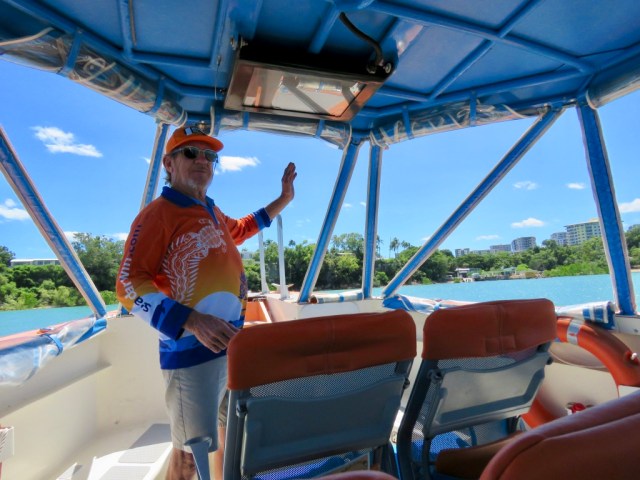
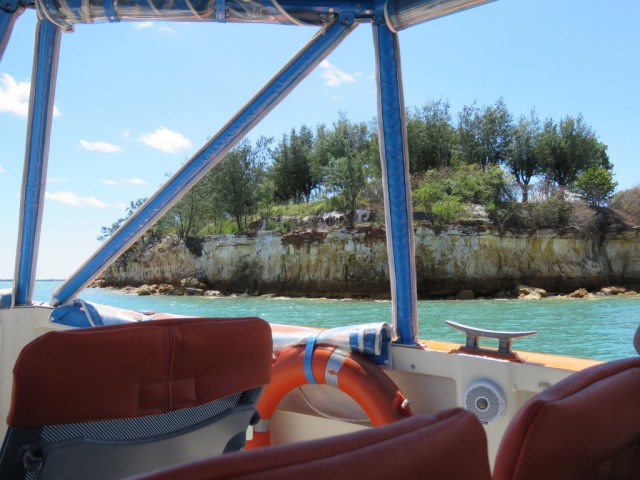
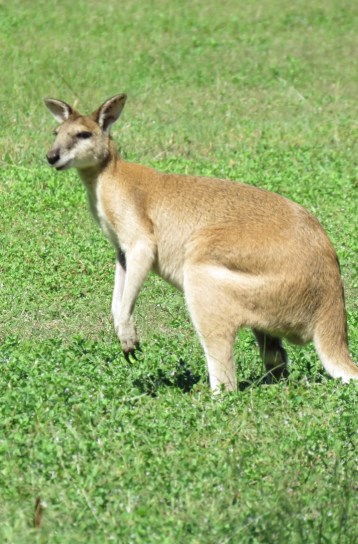
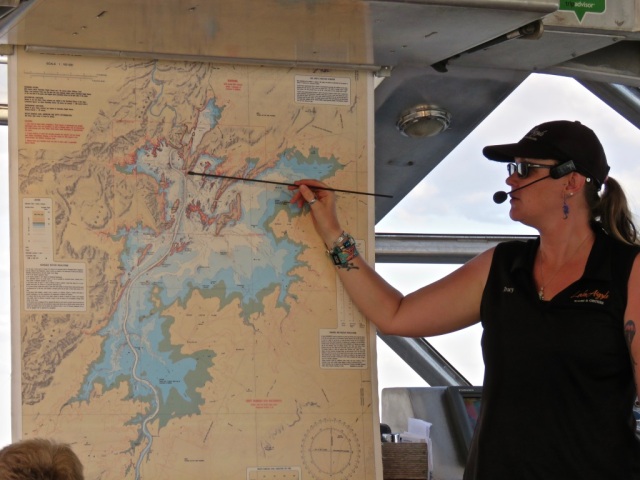
Our Guide and Skipper, Tracy, then gave a history of the area and the massive project which also resulted in several little islands being formed.  She took us to “The Bay of Islands” and nudged the boat up onto the shore.  Several little Walleroos came to investigate knowing that this was “feeding time”.
4VphF9o0Sb+3M%IUc1XebQ_thumb_296.jpg

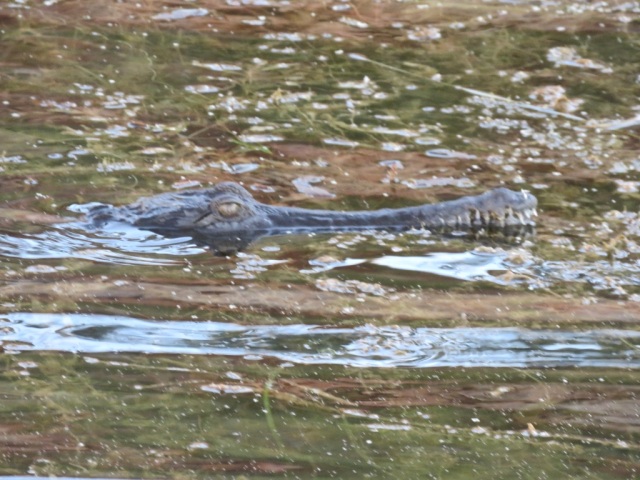
Then we spied a freshwater crocodile – these have longer more pointed snouts than their fearsome saltwater cousins and said to be shy of humans.  Nevertheless, I don’t think I would like to get tangled up with one.
9N75mGRaRBSx9lOgL4AcWg_thumb_2a2.jpg

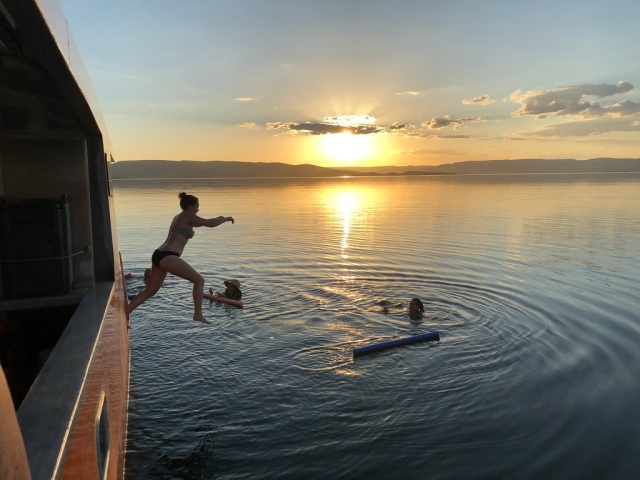
Having said that, Tracy motored to a bay she takes people swimming at and encouraged us all to take a dip.  Crocodiles or not, we jumped in and felt the beautifully soft water cool us down very quickly.
UNADJUSTEDNONRAW_thumb_23f.jpg

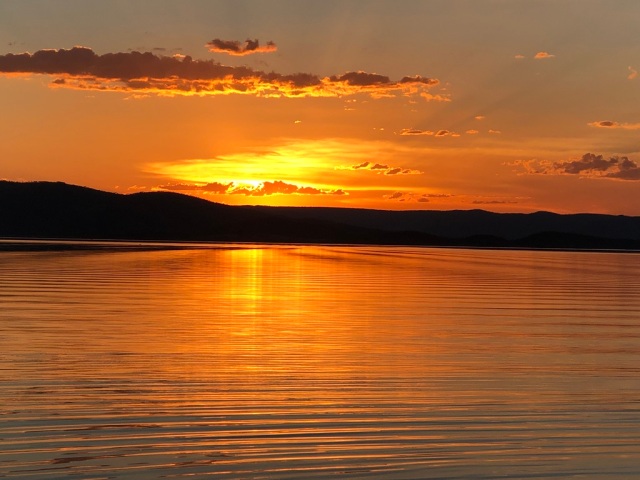
The sun began to set and it was a magical time of day.  With champagne or beer in hand it was the end of a day on Lake Argyle.
UNADJUSTEDNONRAW_thumb_244.jpg


Straight Road to Timber Creek

UNADJUSTEDNONRAW_thumb_218.jpg

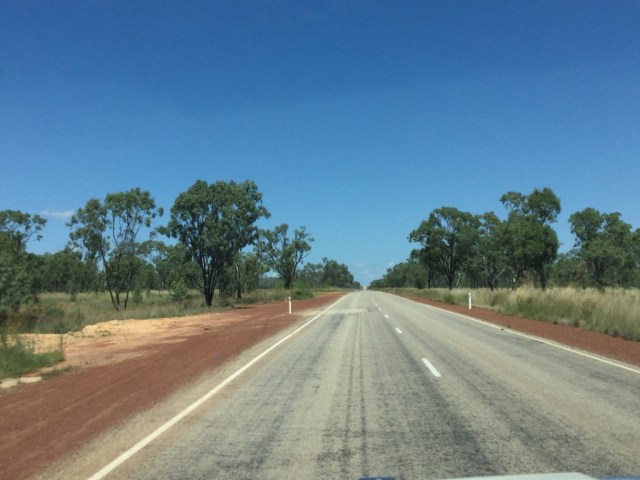
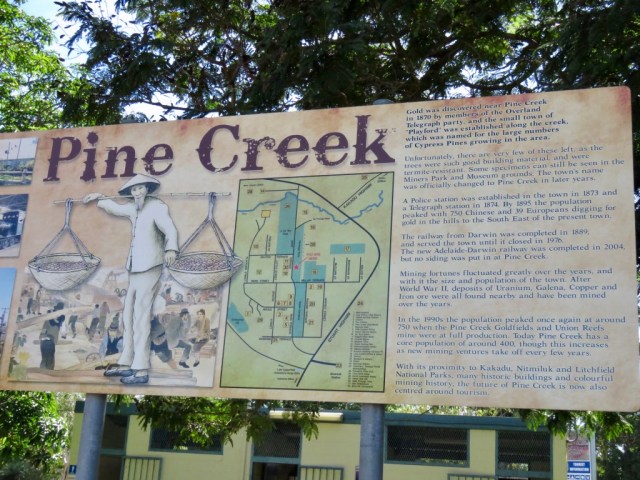
The endless blue skies and long straight road led us out of Darwin south towards Katherine.  First we stopped at Pine Creek, a small town with a historical past.  I was interested to see that at one time the Chinese well outnumbered the Europeans who were all there for the Gold Rush.

35+53liATrK7HJ2UPkqSig_thumb_1c3.jpg

Today it is a quiet town which services the tourist industry mainly. However, it is a good stopping point to take a small rest before conquering many more kilometres.

IMG_3203.JPG

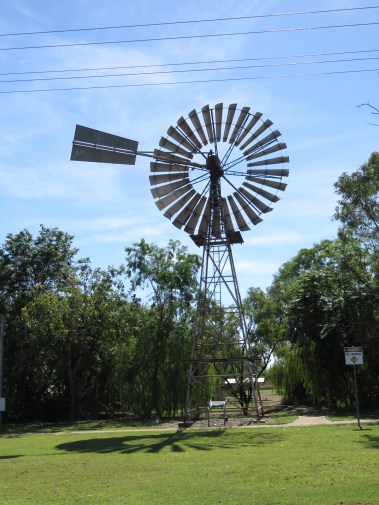
The iconic windmill which was so common in the past and now is seen less often in favour of solar power.

The next stop was Victoria River Roadhouse which also has accommodation and where many keen fishermen make their base before setting off on the Victoria River for barramundi.  It was very hot, very dry and there were lots of flies, so I was keen to keep moving but not before we called in for a chat with the owners.  Someone has a great sense of humour – see below:

gqhi728WTtSqZWLnqL7qHg_thumb_1c5.jpg

UNADJUSTEDNONRAW_thumb_1ca.jpg

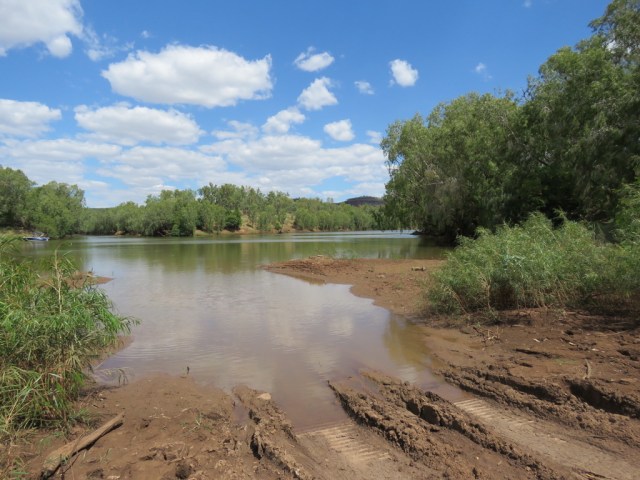
Crocodiles live here so no swimming and great care is taken to put boats in and out of the water.

D8%oZ8MRSLigOnVfnCivJQ_thumb_1c8.jpg

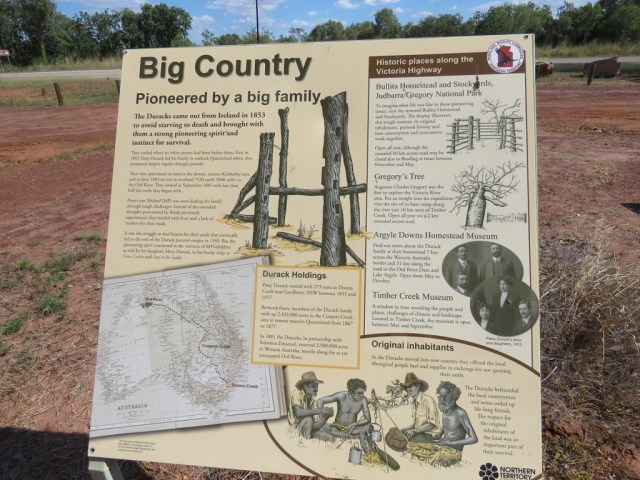
The road began to curve after this and the scenery started to change to hills and escarpments. A nice change from the flat terrain we had become accustomed to. Now we are in The Big Country and this is where the Durack Family made their mark by settling on leases in the Northern Territory and walking hundreds of cattle up here from Queensland.  Several books have been written about the family at this time – the most well known being “Kings in Grass Castles” by Mary Durack.

UNADJUSTEDNONRAW_thumb_1cd.jpg

Finally we arrived at Timber Creek after some 610km from Darwin. It was a relief to find the Hotel/Motel/Caravan Park and the big surprise was the amazing location.  In a dry, dusty landscape, this was a little oasis.

xwCKR4lIRaOtoZDYYaYcAw_thumb_1d5.jpg

UNADJUSTEDNONRAW_thumb_1d4.jpg

Lovely grassy areas where children could play and shady barbecue and picnic areas were dotted around all with the creek in the background.  8MECkBhQRf6lNkFEZH4Y6g_thumb_1f4.jpgOHnUrFO0SL2qqMlSA%2fdg_thumb_1f2.jpg

UNADJUSTEDNONRAW_thumb_1fb.jpg

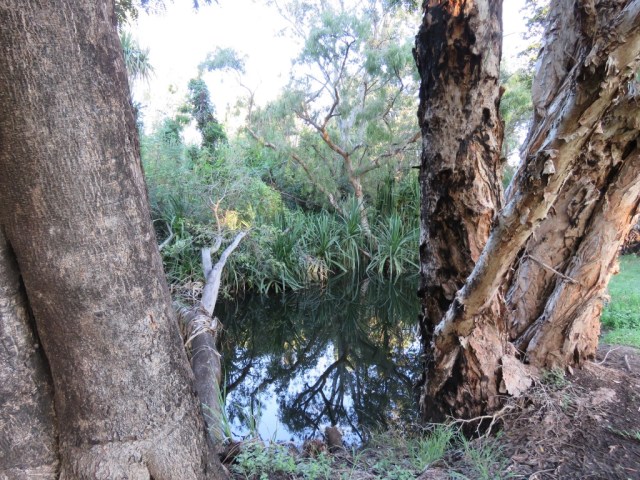
Huge timber trees along the creek edge obviously gave the place its name and the creek now has several resident freshwater crocodiles.  Wandering down to the water’s edge I was amazed to see quite a large croc just slowly surface from what seemed the calmest millpond.  There was absolutely no indication that the reptile was there!

UNADJUSTEDNONRAW_thumb_1d3.jpgDkiEgurOQwSHOmsHiNcj5g_thumb_201.jpg

Other residents of this gorgeous place are the fruit bats – of which we have lots in North Queensland and consider them a pest – however there are some people who think they are “cute”.

COQNBDOTTM+Rj4E0gMJgGg_thumb_1f8.jpg

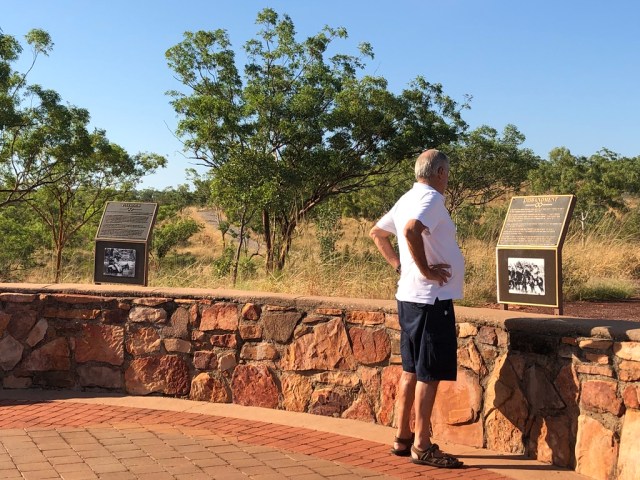
This morning we drove up to a lookout and learned the story of the “Nackeroos” – The North Australian Observation Unit (NAOU)  or “Curtin’s Cowboys” which was formed in March 1942 after  the bombing of Darwin and was made up of a group of soldiers and Aboriginal guides who patrolled Northern Australia looking for signs of enemy activity.  They operated in small groups and most of the patrols were on horseback. They lived in the harsh bush conditions and were aided by Aboriginal locals who had knowledge of the area. Their story is inspiring and a monument has been built to honour them.

UNADJUSTEDNONRAW_thumb_1d9.jpg

IMG_3670.jpg

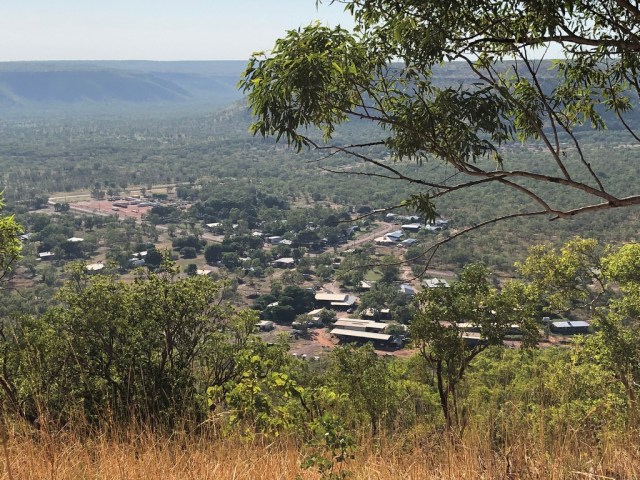
From this location is a great view of the town of Timber Creek and the Victoria River in the distance.

UNADJUSTEDNONRAW_thumb_1de.jpg

UNADJUSTEDNONRAW_thumb_1d8.jpg

Now it is on to Western Australia and Lake Argyle in the Kimberley – the road changes from here on!


WORLD WAR II HISTORY IN THE TOP END

During World War II Darwin became the first mainland state in Australia to come under direct attack from the Japanese when it was the target of over 64 air raids causing huge devastation and many casualties.  The attacks were totally unexpected at the time – in fact the sight of some 180 aircraft over the city caused many to believe the Americans had come to help.  Instead, the bombing began and caught everyone unawares.

Much of this unique military history is preserved and scattered around the city. We drove to the East Point Military Reserve which is a beautifully tended area with picnic bays and shady rest points from which you can get a view of the city of Darwin across the bay.

CbF5SYNuSTinDS0vM3MxrQ_thumb_187.jpg

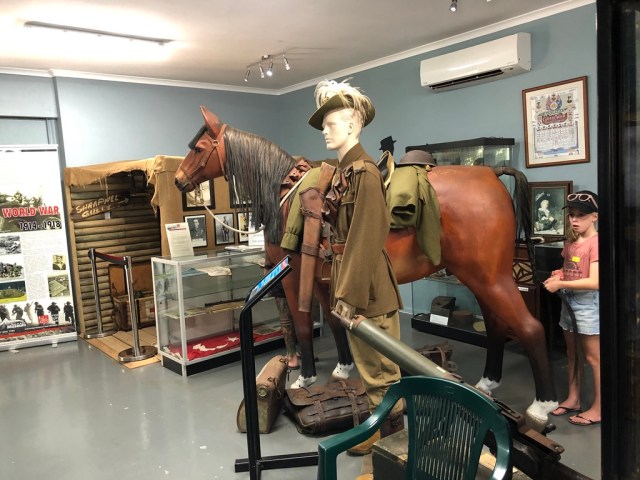
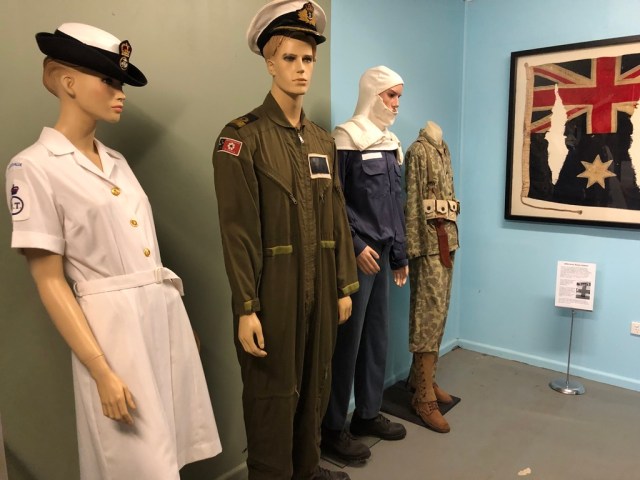
This is where the Darwin Military Museum is located – some 8 kms from the city centre – and it is absolutely incredible with fantastic relics, photographs, displays, interactive stories and a very realistic film about the day Darwin was bombed.  UNADJUSTEDNONRAW_thumb_1c2.jpg

Outside there are numerous displays set up in huts and hangars portraying the various roles the Army, Navy and Airforce played.

UNADJUSTEDNONRAW_thumb_1b6.jpgUNADJUSTEDNONRAW_thumb_1b7.jpg

UNADJUSTEDNONRAW_thumb_1bc.jpg

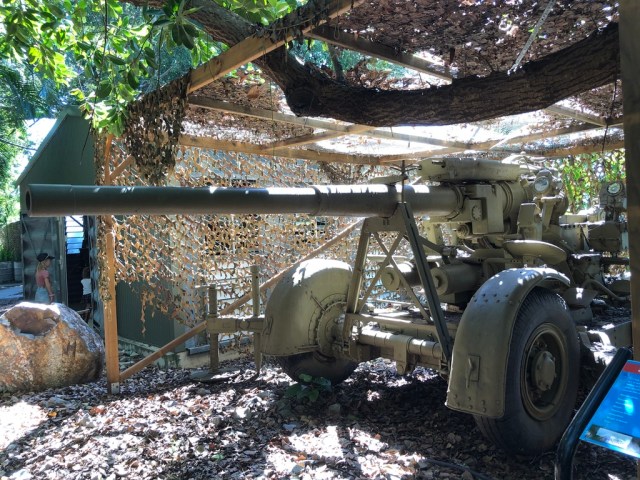
Guns, trucks, ammunition magazines and camouflaged vehicles also take pride of place in the grounds

UNADJUSTEDNONRAW_thumb_1ba.jpg


UNADJUSTEDNONRAW_thumb_1b8.jpg

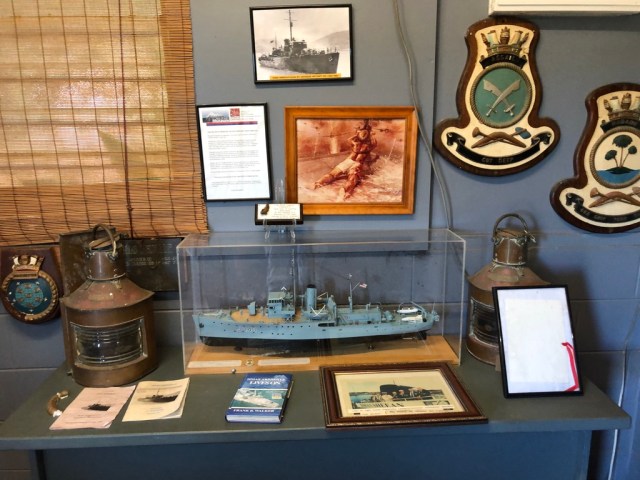
One story which brought me to tears was of the selfless courage and bravery shown by a young gunner on board a ship the day the bombing occurred.  He was strapped to his gun, had been hit and the ship was going down but he continued to fire allowing some of his mates to dive into the water and perhaps survive – he was fatally wounded whilst firing his gun – and he was 27 days short of his 19th birthday. The photo on the wall shows a painting of him firing whilst wounded.  In later years the Navy honoured his bravery by naming a ship after him.

UNADJUSTEDNONRAW_thumb_1a7.jpg

Following this visit we then joined Sea Darwin for a one hour tour of the harbour showing where the action occurred and where several wrecks are located including the USS Peary.  The commentary included some stories which have since been related by survivors of the attacks.

dFF%PLRXT9qEecR2igt0Ug_thumb_191.jpg

UNADJUSTEDNONRAW_thumb_192.jpg

Various tunnels and lookout posts were pointed out and we had a really good perspective from the sea.

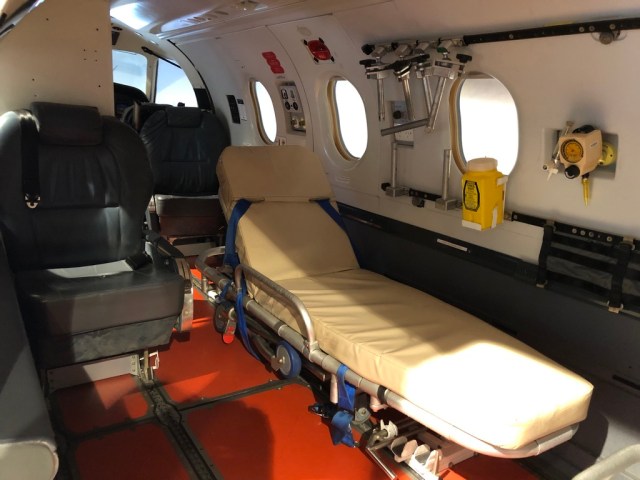
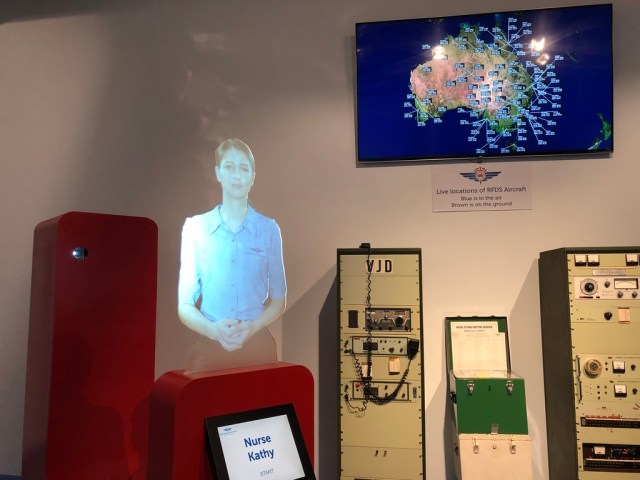
Finally we visited the RFDS (Royal Flying Doctor Service) museum on the wharf which not only gave the history of the Service (which we also saw in Cloncurry, where it all began) but also were able to board a plane as well as see a map of Australia showing where all 73 aircraft are currently located. This is, of course, constantly moving as many flights are in operation day to day.

UNADJUSTEDNONRAW_thumb_1c1.jpgUNADJUSTEDNONRAW_thumb_1be.jpg


UNADJUSTEDNONRAW_thumb_1c0.jpg

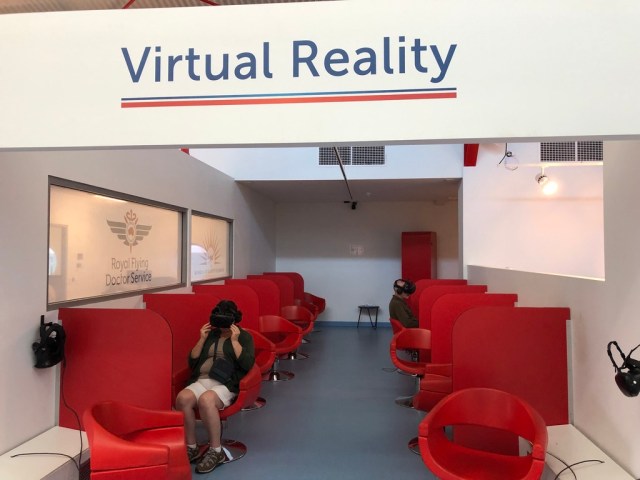
There is also an excellent interpretation of the bombing of Darwin which is shown by Hologram film as well as by Virtual Reality.

UNADJUSTEDNONRAW_thumb_1bd.jpg

This was the most amazing experience.  One moment you are flying in the plane with a  pilot shooting down the Japanese, the next you are wallowing in the sea with boiling timber, metal and oil all around.  Bombs are flying everywhere and as you spin around and look up and down, the whole scene becomes so real that it is quite terrifying at times!

Interactive mini ghosts tell their story – including that of the first Japanese Pilot captured in Australia – Hajime Toyoshima.  There is a full size replica Japanese Zero aircraft hanging from the ceiling and a replica of Camilla, the Flying Boat that escaped from Darwin Harbour during the raid.

For those interested in World War II history in Australia, Darwin is most definitely a place to visit as you can certainly have a very powerful, immersive and interactive experience at several locations.


The Road Leads to Darwin

Darwin, known as The Gateway to Northern Australia, is a lovely tropical city.  With so much history to devour, you really need several days here.  Then there are  the world famous markets, festivals, cafes and a thriving arts scene and yet things move at a slower pace than down south and I can’t help feeling this would be a great place to settle for a while.

QG2KVwDMTMiDRqtTot2Jwg_thumb_1a4.jpg

For a start there are fabulous sunsets and this one is from the balcony of a friend’s apartment very close to the city.  There don’t seem to be traffic problems and on a drive to the museum yesterday this is what we came across :

+9CcVvcXQby+BokdNCADMQ_thumb_185.jpg


FAe4PuxpQMuoSa0T%EUrSQ_thumb_186.jpg

Hardly what you expect to see in the middle of a city!

We walked along the Esplanade and came to The Waterfront area which is both residential and recreational with a big wave pool and swimming lagoon and a park for the kids.

UNADJUSTEDNONRAW_thumb_1a9.jpg

5pApV90HTUaOQTinrD%0%w_thumb_1aa.jpg

There are restaurants galore and we settled for a coffee before walking back – with the bonus of a lift to take us back up to the Esplanade thus avoiding the slog of walking up the hill in the heat!

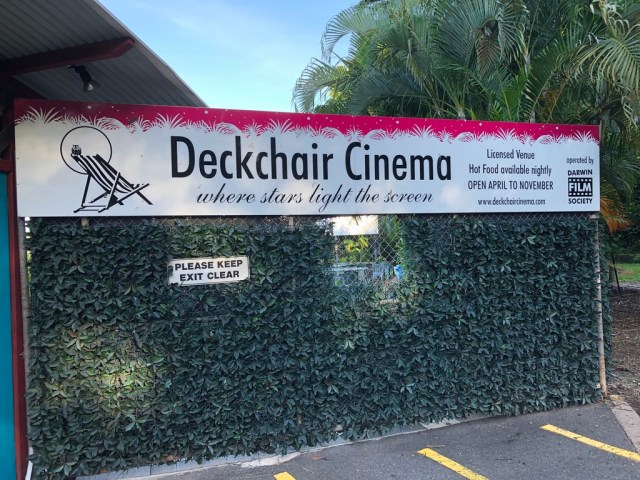
One activity the Darwinites love apparently is the Deckchair Cinema.  This is down by the water and screens films nightly with a bar and restaurant food available if you don’t want to bring a picnic. How tropical is that?!

UNADJUSTEDNONRAW_thumb_1a8.jpg

F0WgnzexRzGE8niBvbO7wA_thumb_1a3.jpg

Keen to see the MAGNT (Museum and Art Gallery Northern Territory) we drove through the attractive seaside suburb of Fannie Bay and past the Botanical Gardens to find the Northern Territory’s premier cultural organisation set in a scenic coastal location at Bullocky Point with a restaurant/cafe alongside with views over the bay. The museum features collections of art from the region as well as natural science, history and culture. There is a lot of local history and there is a huge exhibit featuring Cyclone Tracey which devastated the city on Christmas Eve in 1974.
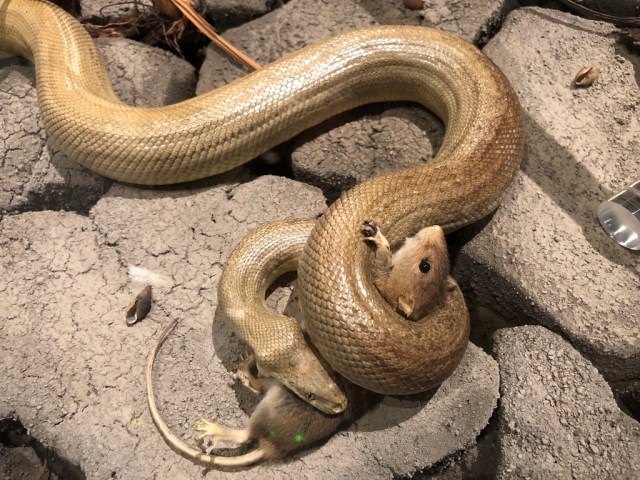
The collection of animals, insects, reptiles, shells and sea life is huge and it is all presented so well and the exhibits are so real that it is easy to imagine all this outside in the environment.

UNADJUSTEDNONRAW_thumb_1af.jpg

UNADJUSTEDNONRAW_thumb_1b0.jpg

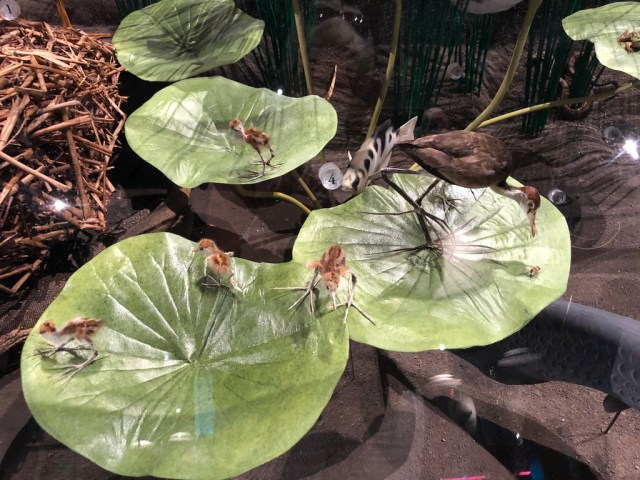
This is the little Jacana and babies – we saw several in Kakadu but they are shy and elusive so to be able to gaze upon these without missing anything is a real bonus.

IMG_3599


UNADJUSTEDNONRAW_thumb_1a5.jpg

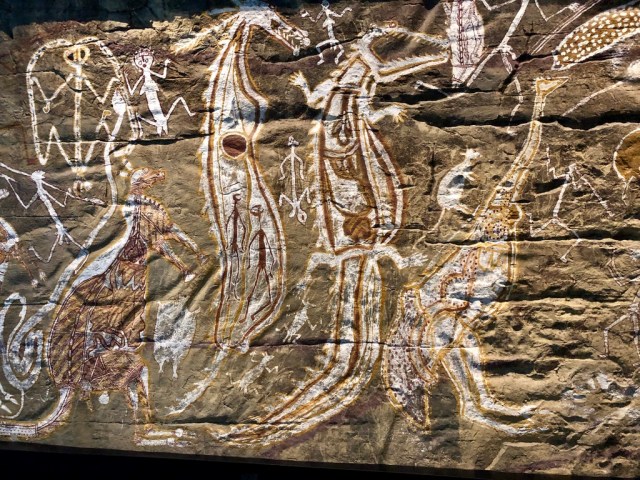
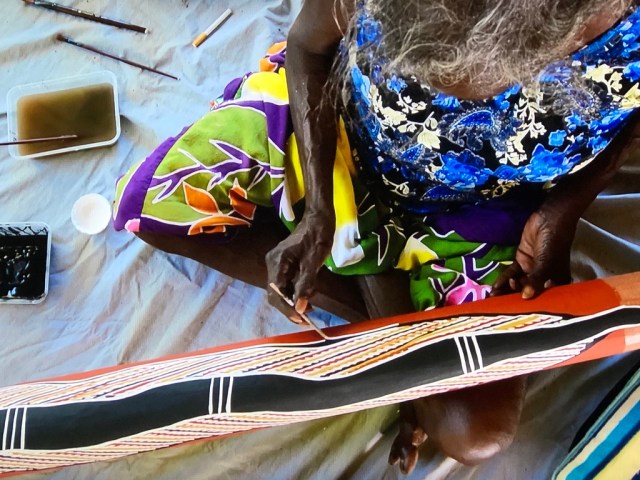
Some fascinating aboriginal art is presented along with comprehensive explanations and even a desert artist shows her skill with a paintbrush fashioned from the tail hair of a dog – her intricate and steady lines were quite amazing.  Her hand never faltered.

UNADJUSTEDNONRAW_thumb_1b3.jpg

One immersive exhibition tells the story of the didgeridoo – or yidaki as it is known here. It illustrates the importance of the instrument in Aboriginal life and culture and begins with exploring a stringybark forest to find the right tree and then carving the yidaki and finally experiencing the mesmerising power of the sounds.  The painting on the wood – as shown above – all has significance to the owner, the artist and the tribe.  I actually felt goosebumps at the end of the performance.
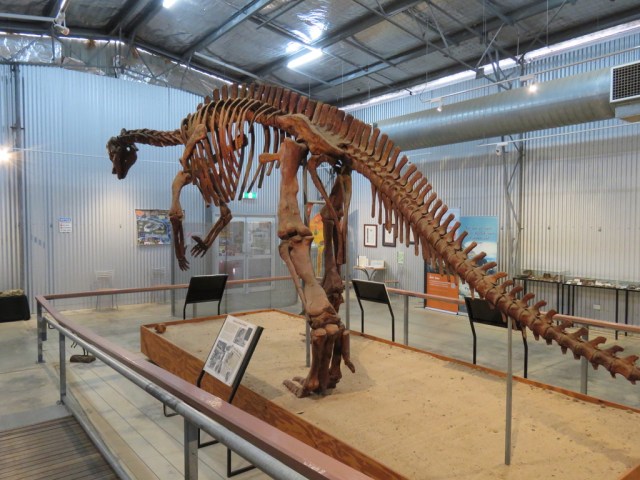
And for those who are fascinated by dinosaurs this prehistoric skeleton is that of a giant goose – something I am sure 6 year old Hamish would love to see!

UNADJUSTEDNONRAW_thumb_1ae.jpg

Tomorrow we will immerse ourselves in the era of World War 2 in Darwin and there is much to see and experience.

The Road leads to Kakadu

When you think of Kakadu the image conjured immediately is one of huge open spaces, billabongs, birds, buffaloes and crocodiles.  Kakadu is all of that – and more.  It covers 20,000 square kilometres and is on the U.N.E.S.C.O World Heritage List in recognition of both its outstanding natural values and as a living cultural landscape.  Certainly one gets the feeling on entering the Park that this is a special place.  Aboriginal people have inhabited Kakadu continuously for more than 65,000 years and ancient rock art shows long extinct animals, abundant wildlife, landscapes and stories which deliver a profound experience for visitors.  We found all this explained very thoroughly at the Visitor Centre and again at the Warradjan Cultural Centre nearby which is totally fascinating and not to be missed.

We stayed in Jabiru at the uniquely shaped Crocodile Hotel – now indigenous owned and very distinctive in the landscape.

Croc Hotel04.jpg

The restaurant served bush tucker as well as international food and the barramundi rolled in lemon myrtle was mouthwateringly delicious!  There is also an excellent Aboriginal Art gallery there with numerous paintings I really wanted!

We found that we were somewhat limited in the places we wanted to go to because of the recent ‘Big Wet’ and there was an awful lot of water about with lots of roads and turn offs closed.  One activity that runs all year round – with different departure points according to the amount of water on the road or in the river – is Yellow Water Billabong Cruises.  We decided to do the morning cruise which was led by an Aboriginal guide with very strong connections to the Park.  He knew everything about it and even where to spot the elusive crocodiles and the hundreds of different species of birdlife.

UNADJUSTEDNONRAW_thumb_15d.jpg

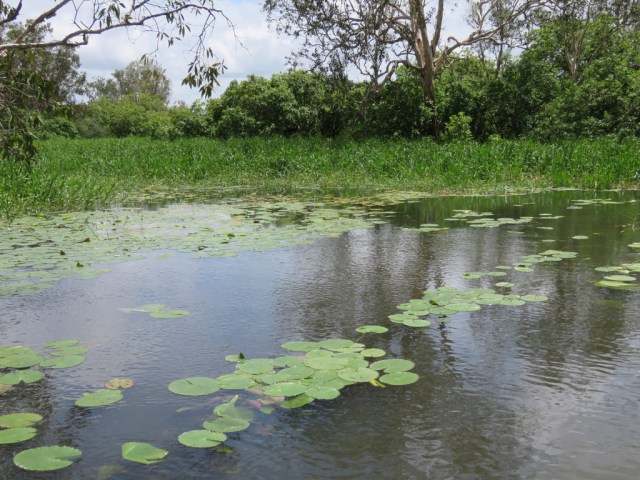
The cruise lasted an hour and a half and we were not disappointed.  It was breathtakingly beautiful as we cruised along the river, through the billabong and across wetlands thick with water lilies, grasses and lotus plants.

X9j0Q2+fQmCZfNA%it8heA_thumb_147.jpg

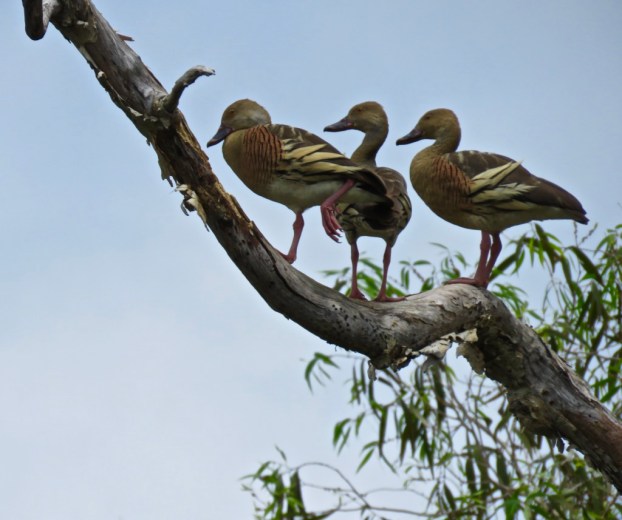
Then we found birds of all types including the whistling duck – the flock resting high in the trees and some on the lowlands.

eWR4N4zaT5qNMVDWipRTCw_thumb_12c.jpg

FZQu0xp3SGCBVLRIPZy4lQ_thumb_136.jpg

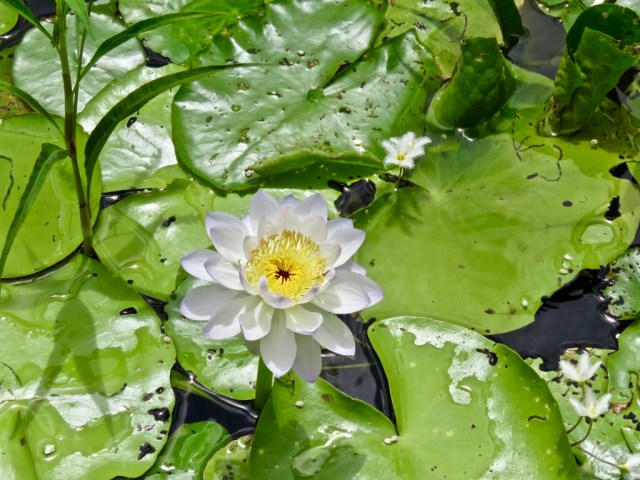
Beautiful lotus flowers and water lilies were everywhere and our Guide explained how the local people pick them and use every part either for food or for craft – as, for example, the inner silk fibres used to make fabric.

jxQr0NGHRYmNCu%635TR6Q_thumb_127.jpg

UNADJUSTEDNONRAW_thumb_11f.jpg

Several water birds were waiting in the reeds to catch bugs or fish and they in turn were in danger of becoming a meal themselves for the resident crocs!

UNADJUSTEDNONRAW_thumb_14f.jpg


UNADJUSTEDNONRAW_thumb_152.jpgBwV9O4llQqaBNXqXlqMfzg_thumb_140.jpgUNADJUSTEDNONRAW_thumb_144.jpg

Then, to the delight of passengers, the Guide found a young male croc cruising quietly down the waterway, at times he submerged himself and it was impossible to tell where he would surface.  For a reptile that is so huge, it is amazing how they can make themselves almost invisible and disappear without a trace.

UNADJUSTEDNONRAW_thumb_15c.jpgi8vSRLd1RmqdyZCvx3ElxA_thumb_15a.jpg

We learned more about Bush tucker and the different plants that grow around or in the water – essential for survival in the Bush.  I actually have a new respect for the bushmen and their ancient way of life.


UNADJUSTEDNONRAW_thumb_160.jpg

This is actually a road in the dry season.  We were really feeling that we wanted to get more out of the Kakadu experience so we opted for an early morning Scenic Flight with Kakadu Air.  At least we would see the waterfalls and the ‘stone country’ as well as get an idea of the vastness of the area.

jGeCB1Z6SeG82D0R1xVpgg_thumb_177.jpg

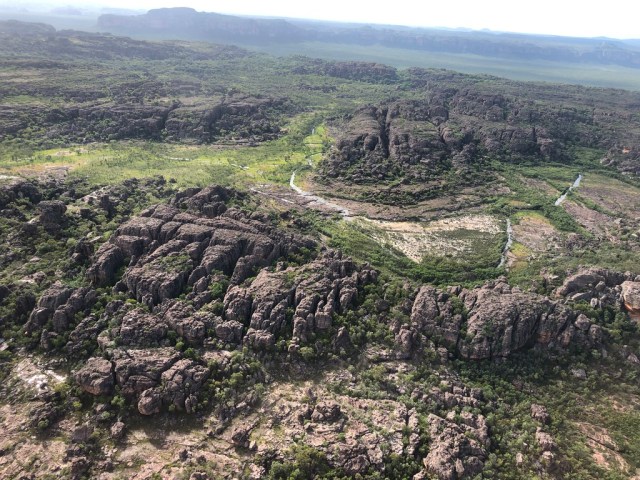
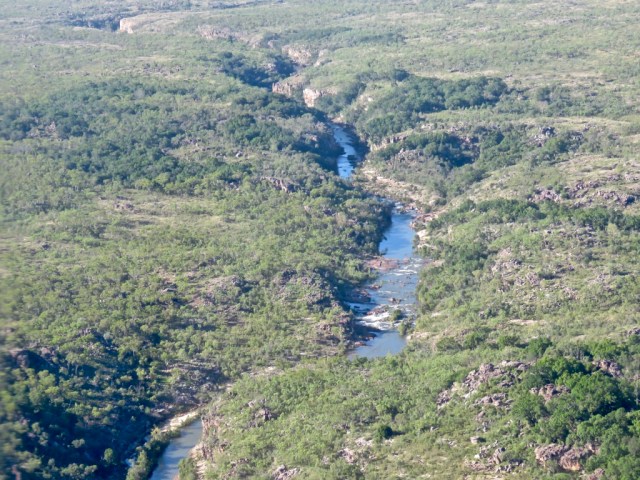
Our pilot was Henry – a young Kiwi who has fallen under the spell of flying in Kakadu.  He took us to the edge of the Park and into Arnhem Land as well as over Jim Jim Falls and Twin Falls, the spectacular escarpments and the vast wetlands west of Jabiru.

mE17QZ1HSyO5B2ANC4bUFA_thumb_163.jpg

VOFzOhBiRjSCowqGijixNg_thumb_16d.jpg

UNADJUSTEDNONRAW_thumb_172.jpg74XxqeLpR6a94HBL52O8ig_thumb_165.jpg

yom11VsjRxKrfcJaAoYOTA_thumb_181.jpg

From the air we could see all six of the Top End’s ecosystems – wetlands, savanna woodlands, tidal flats, hills, floodplains as well as the amazing escarpments.  The wet season up here is truly amazing.  I was thinking of the early inhabitants of this area, their stories and how they respect the earth, the country and its spirit. Somehow it gets into your own psyche.

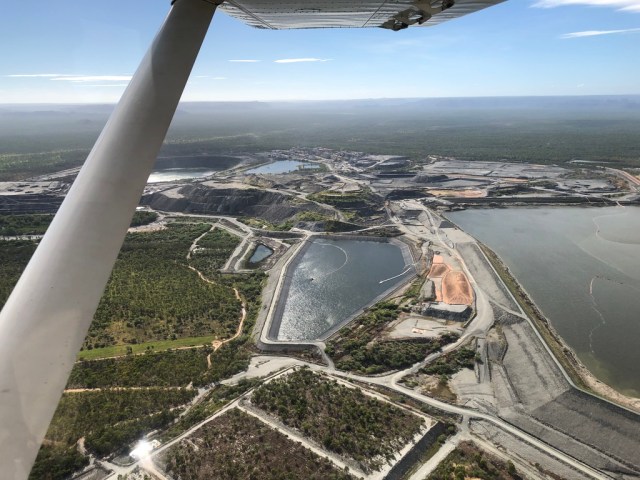
Finally, on the way back to Jabiru we flew over the Ranger Uranium mine which is in the process of closing down.  It was thanks to the mining company ERA that the township of Jabiru was built some years ago and our Guide mentioned that it has benefited the area and the people and for that they are grateful.UNADJUSTEDNONRAW_thumb_175.jpgUNADJUSTEDNONRAW_thumb_174.jpg

However, the mine has done its job and now it is time to listen to the country, see the birds and wildlife and watch quietly in this special place called Kakadu.

UNADJUSTEDNONRAW_thumb_176.jpg


The Road continues – Katherine to Jabiru

Katherine was a bit of a surprise. It holds great historical significance to local Aborigines (who make up 60% of the population) as it is where the lands of three tribes – the Dagoman, Jawoyn and Wardaman people – meet and has been an important meeting place for thousands of years.  Sadly the Cultural Centre was closed as it was the weekend but we learned a lot from the guide on the Gorge Tour.

Katherine Gorge – now known as Nitmiluk Gorge is absolutely beautiful.  Apparently “Luk” means “Place” and “nit” means “Cicada” thus the whole area is the place of cicadas.  I have to admit I didn’t hear any but legends abound.

UNADJUSTEDNONRAW_thumb_e7.jpg

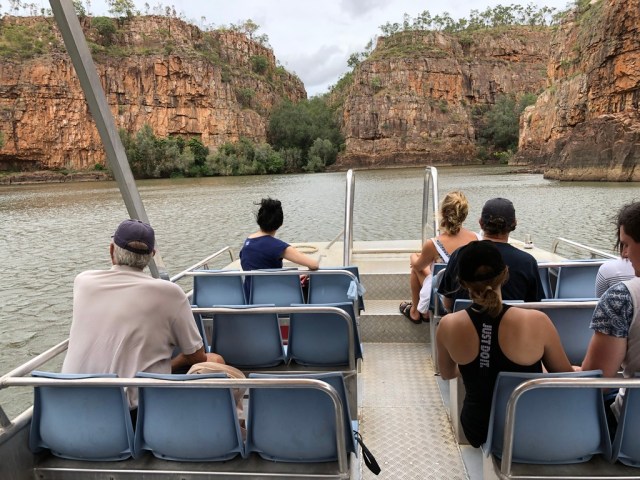
We had a very informative tour for two hours through two of the thirteen gorges which are of immense significance to the traditional owners, the Jawoyn people as home to the spirits of creation.  Quietly motoring through the first gorge leaves one with a sense of peace and belonging.

UNADJUSTEDNONRAW_thumb_113.jpg

Then we reached a crossing point where we had to change boats as the water level was low.  Here more surprises awaited – ancient rock art.

EIz4zDEbRiaII+wSjfyYIQ_thumb_f2.jpg

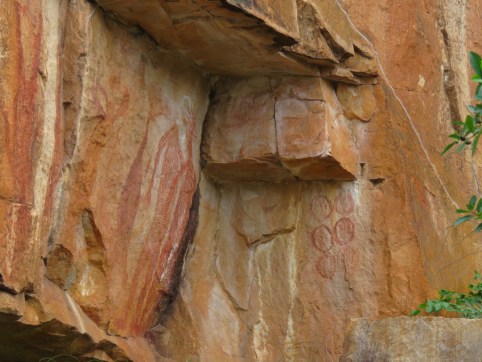
Some of the paintings were hard to find until they were pointed out and unlike many sites, these were not in caves but under overhanging rocks so they were sheltered over the years.  The estimate is that they are more than 10,000 years old but that may well change to be older.

7odrPYBRQQe3QR3TARXGAg_thumb_f7.jpg

One painting depicted circles which told the people that bush potatoes were growing in the area.  Another showed a figure upside down – apparently he was a sinner who had done very bad things in his life and would be forever remembered this way!

UNADJUSTEDNONRAW_thumb_f5.jpg

Huge sandstone cliffs line the river and in places there are sandy beaches and a lot of vegetation.  Mostly freshwater crocodiles live here but in the wet season huge salties come in and have to be removed by the Park Rangers under a special program which relocates them mostly to Darwin to farms.


UNADJUSTEDNONRAW_thumb_103.jpg

This is Jedda’s Rock – made famous by the 1950’s film and is about 62 metres in height.

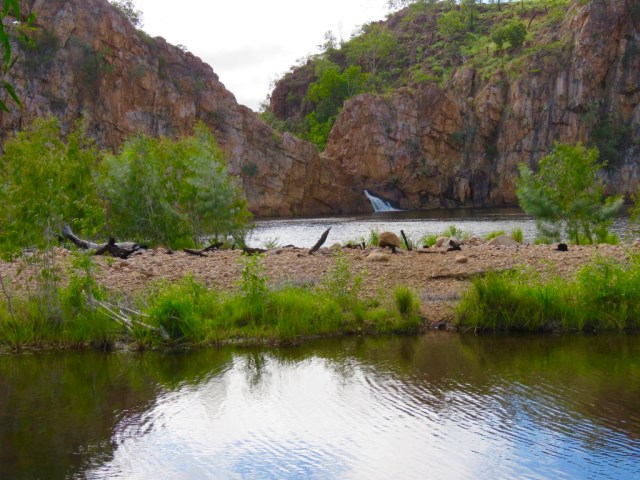
Close to Katherine on the road to Pine Creek is the beautiful Edith Falls – we called in and found the most delightful little park with a large waterhole and a special swimming area – away from the crocodiles!

tuPBQG50RFmE6Ef6nyT6Bg_thumb_109.jpg

Notices are everywhere up here but one thing I have learned over the years is that Freshwater crocodiles are more afraid of us than we are of them and I have swam in waterholes with them – albeit keeping well out of their way!

UNADJUSTEDNONRAW_thumb_108.jpg

UNADJUSTEDNONRAW_thumb_10b.jpg

There are lots of walks around Edith Falls and they are well marked and very well maintained.  In fact the Park is a credit to the caretakers.

The road to Jabiru is excellent with lush country all around – there has been a massive amount of rain in recent days and so the creeks and billabongs are full.  The road was devoid of traffic and at times we felt we were the only beings on the planet – wide open spaces, beautiful waterholes, no wildlife except the odd young dingo and a huge silence.

UNADJUSTEDNONRAW_thumb_105.jpg

Then we came across “Termite Country” – these have to be seen to be believed.  As they say – everything is larger than life and twice as vivid in the Territory!

UNADJUSTEDNONRAW_thumb_10e.jpg

Now we are about to explore Kakadu – or what we can due to the amount of water everywhere.  I think perhaps a flight would be the best way ……..


The Road is Straight – Mt. Isa to Katherine

UNADJUSTEDNONRAW_thumb_d9.jpg

Two days of roads like this – we are now in Katherine in the Northern Territory and I am more in awe than ever of the Road Train drivers.  The distances are immense and the landscape from Mt. Isa to Katherine rarely changes.  Just flat nothing and occasionally a few trees or scrub.  Some of the roads are unfenced which means cattle wander across at night and often get hit by a vehicle so dead animals line the side of the road, particularly from Tennant Creek to Katherine.

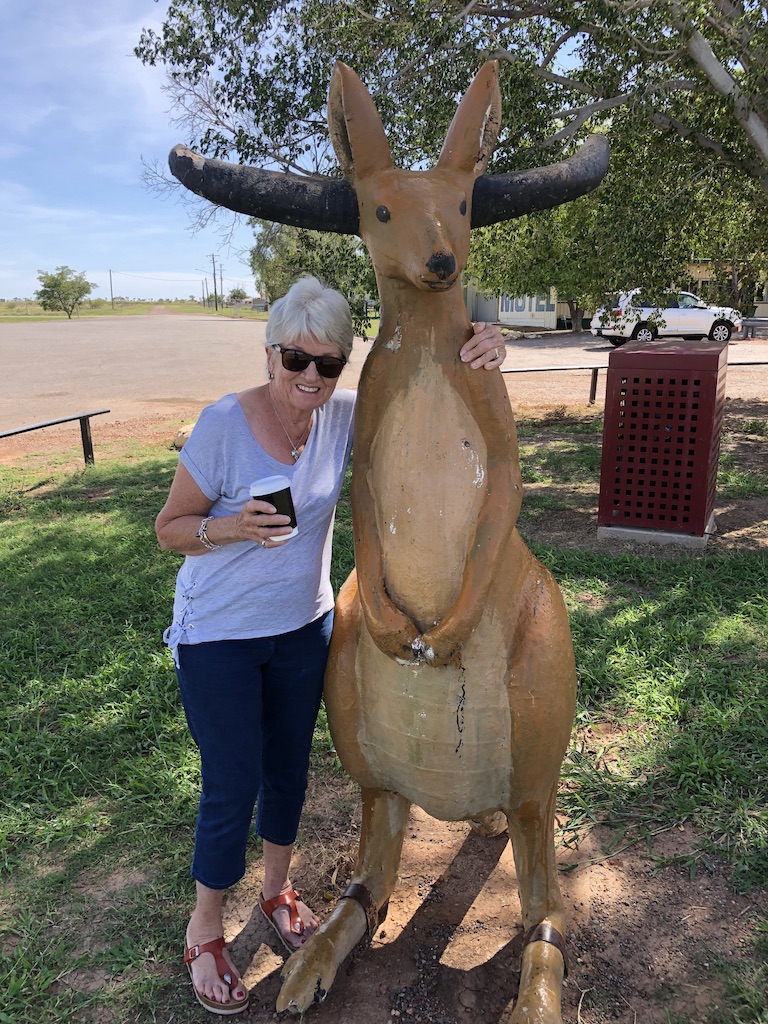
The border is just after Camooweal where we stopped for a quick coffee at the roadhouse and I met Skippy…….


UNADJUSTEDNONRAW_thumb_d3.jpg

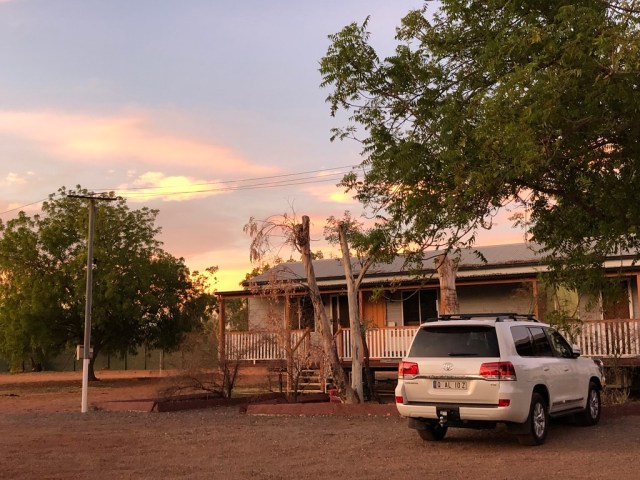
We decided to stay the night at Three Ways Roadhouse which meant we covered over 700km that day and this was a good choice.  We had a comfortable motel style room with air conditioning – essential as it was stinking hot and the flies were unbearable! One plus was the sunset – it was simply amazing and became more vivid as the minutes ticked by.

UNADJUSTEDNONRAW_thumb_d4.jpg

UNADJUSTEDNONRAW_thumb_d5.jpg

Dinner at the Roadhouse Bar was interesting meeting locals and a couple of truck drivers.  We were convinced we had made the right decision to stay here after numerous stories about Tennant Creek and the problems with crime which is rampant at the moment.

We set off bright and early and came across quite a few cattle grazing quietly.  I just had to stop at a waterhole and capture a young calf having a drink.

QVUJCR%JTS+HiNEAKDaRpQ_thumb_b8.jpg

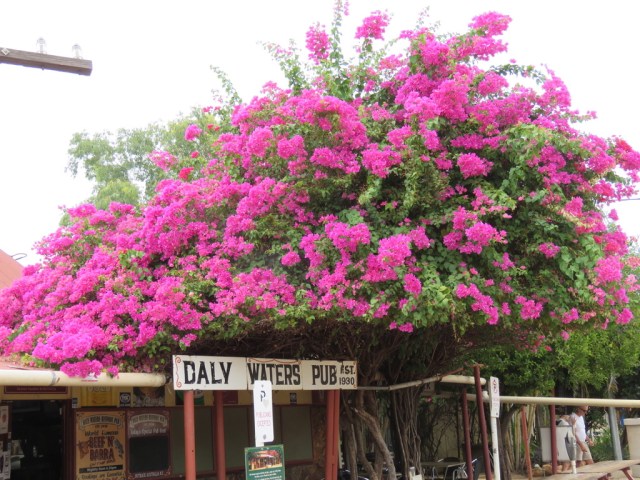
Then it was on to Katherine but not without a stop at the iconic Daly Waters Pub.

UNADJUSTEDNONRAW_thumb_bc.jpg

This has to be seen to be believed. The bar is draped with hundreds of bras in every size and colour.  The legend is that a coach driver had a bet with his female passengers and they decided to leave their mark – and the tradition has apparently continued!  The walls are lined with mementoes and outside the bark shed hang thousands of thongs!

HxDLV45FT0SzqV5HUrQKNw_thumb_bd.jpg

zdWFpbgeRcaBS5OtsOGvHA_thumb_be.jpg

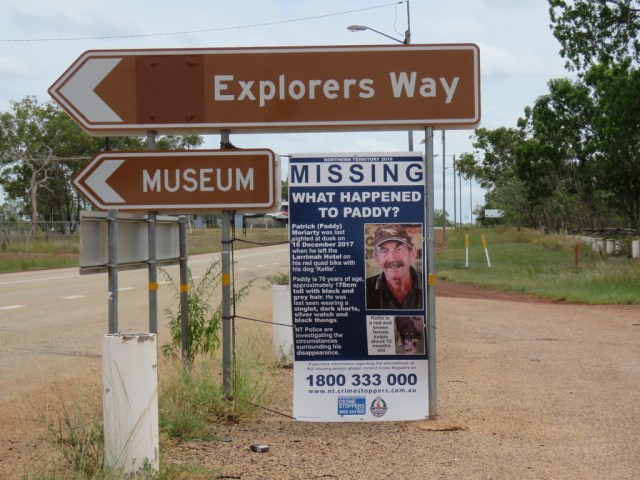
This area is famous for locals with attitude and many stories to tell.  Recently the country has been fascinated about the disappearance of a well liked local in Larrimah, just up the road from Daly Waters.  No body has been found, neither has his dog and lots of theories abound but so far no one has been charged with anything.  It seems this mystery will go on.  A popular Podcast throws light on the story and it seems people are still talking about Paddy and are still looking for him.  Of course, we had to stop and investigate for ourselves!

UNADJUSTEDNONRAW_thumb_c0.jpg

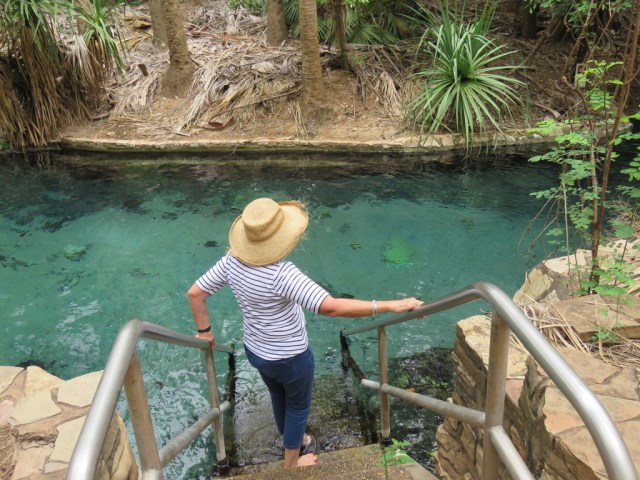
With that story firmly in our minds we drove on to Mataranka where the thermal Pool in the National Park is a constant 34C and flows from Rainbow Springs at an amazing 30.5million litres a day.

UNADJUSTEDNONRAW_thumb_c8.jpg

UNADJUSTEDNONRAW_thumb_ca.jpg

Mataranka is known as the “Capital of the Never Never” and was home to Aeneas and Jeannie Gunn at the turn of the century.  Jeannie wrote the book “We of the Never Never” which has become a classic and a film was made in 1981.  A replica of the homestead was made for the film and stands in the park today as a little museum.  I was fascinated by the history and constantly wonder how women coped with the hardships of the day dressed in all the flowing skirts and long sleeves which were expected of “ladies” .  I complained about the heat and flies today and I was wearing much lighter clothing.  It kind of puts things into perspective somewhat!

oMiRkSyRThO98odrNdvldg_thumb_c2.jpg


UNADJUSTEDNONRAW_thumb_c3.jpg

So now we are here in Katherine and tomorrow will visit the famous Nitmiluk Gorge.  There is a rich indigenous and pioneer history here so a visit to the cultural centre is planned as well as the art gallery.  First of all tonight we will see what dinner awaits – crocodile steaks perhaps?


On The Road Again -Townsville to Mt Isa

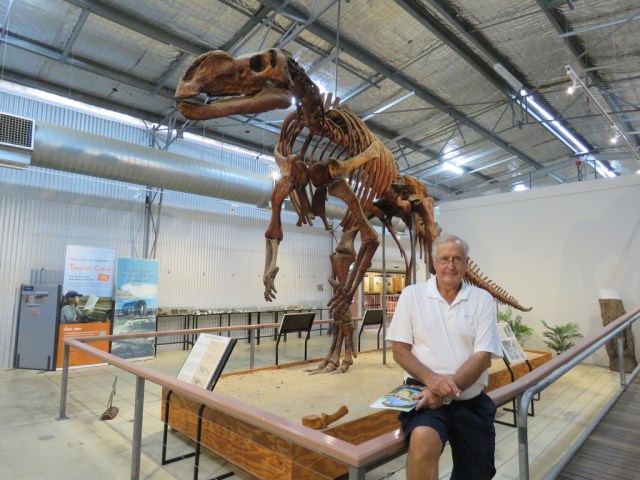
It has been two days of discovery. The 904 km drive took us through the charming town of Charters Towers with its many historical buildings and on to Hughenden where we visited the Fossil and Dinosaur Museum and were introduced to the world of dinosaurs and palaeontologists. The huge reconstruction of the Muttaburrasaurus  takes pride of place in the gallery along with smaller replicas of flying creatures, underwater dinosaurs and lots of ammonites.

UNADJUSTEDNONRAW_thumb_af.jpg

UNADJUSTEDNONRAW_thumb_b2.jpg

Next stop was Richmond where we called into the Kronosaurus Korner which is reputed to be Australia’s premier marine fossil museum.  This is an unforgettable prehistoric adventure and a very realistic movie showed us how the great inland sea which covered this area 100 million years ago has left behind an intriguing story of the creatures of the Earth’s Evolution.  I have to say this was a surprise in this tiny outback town and whereas I am not overjoyed with looking at a large number of rocks, the whole story was presented in such a wonderful way that I left totally converted and feeling so intrigued about all this prehistoric history that I pondered about it for the rest of the day!

The drive to Julia Creek was uninteresting – flat, open country with few trees and very straight roads.  Now I understand why – this was an inland sea!

We have come across a couple of hundred Road Trains over the past two days, all heading for Townsville and the port and carrying massive loads of copper and iron ore.  I am in total awe of the drivers of these huge vehicles and spent quite some time chatting to a young man who spends his time driving from Townsville to Darwin and back.  This is his truck – and the bullbar was taller than I am!

UNADJUSTEDNONRAW_thumb_a3.jpg

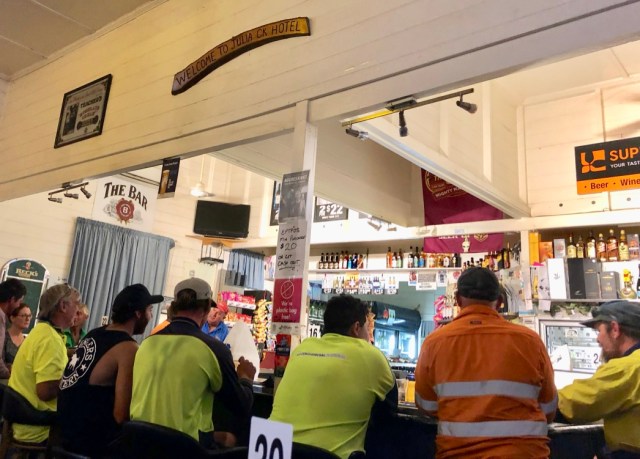
We spent the night in Julia Creek which is such a quiet little town totally inhabited by millions of bushflies.  They are horrendous.  We walked to the pub where we decided to have a meal.  The place was buzzing, not with flies but mostly with workers all dressed in their Hi-Viz shirts and enjoying a beer after a hard day repairing both the roads and the railway lines after the floods. 8x3DLgaJRU6LnfuL5dImEA_thumb_a1.jpg

Leaving Julia Creek and heading for Cloncurry the landscape changed – gently rolling hills and granite outcrops, massive gum trees overlooking creeks and riverbeds and lush feed for the cattle everywhere.  More discoveries awaited us.  The Mary Kathleen Uranium Mine was located near here and is now closed but a very well presented museum tells the story and there is a wonderful display of gemstones.  Here we also found out a lot more about the ill fated Burke and Wills, found some fascinating history about the Pioneers of the area and learned that Cloncurry is the birthplace of the Royal Flying Doctor Service.  This fabulous little museum tells about the history of outback aviation, medicine and radio as well as the School of the Air.

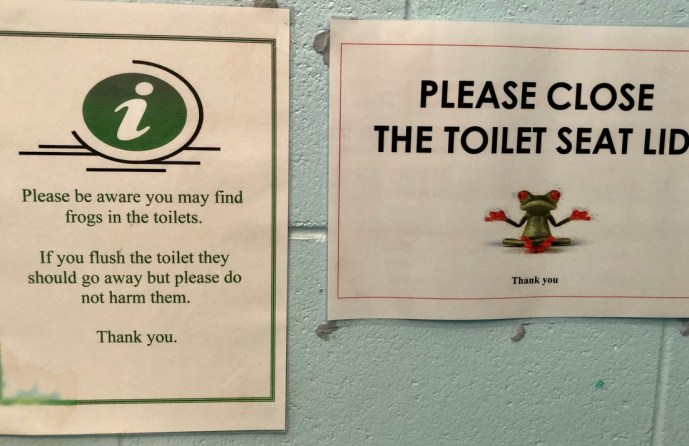
All this information was almost to overload level and so I decided to have a little break and wandered over to the garden where the Rest Rooms are located.  Imagine my surprise to see this:

0jr9OaoHSSqoPl+MqDIdyQ_thumb_a5.jpg

Once inside I found this:UNADJUSTEDNONRAW_thumb_a7.jpg

This is life in the Outback !

And now here we are in the mining town of Mt Isa – tomorrow we are crossing into the Northern Territory and I am sure more surprises await.  Stay tuned!

A ROAD TRIP – THEN AND NOW

It has been almost three years since I wrote a blog – time has intervened in lots of ways and in spite of all my good intentions, the blog suffered even though we have made several wonderful trips since then. Intentions have been renewed and as we are about to embark on a huge road trip, I started to reflect on a similar one I made way back in 1969 – dare I say it “50 years ago”.

We will leave next week to drive to Darwin via Mt. Isa and then to Kakadu and on to the Kimberleys and the North West staying in places such as Lake Argyle, Derby, El Questro, Karijini National Park and down the coast to Perth, on to Albany and Esperance in the south west and then across the 1200 kms of the Nullarbor to South Australia, Adelaide and finally homeward bound through the bush. All this is anticipated to take about 7 weeks and quite a lot of forward planning has taken place.

In 1969, newly arrived from the UK, I was invited to make a trip from Perth to Darwin and down to Alice Springs and Ayers Rock. Of course I jumped at the chance, little knowing the hazards or what to expect. I had never even been in the bush before! I set off with a friend in an old Holden Panel Van with a roof rack on top holding gerry cans of fuel as well as our suitcases and water, our mattresses in the back along with food supplies and a stove. The road to Geraldton – some 400km – was sealed but the rest – all 11,300 km (or 7000 miles) was gravel or just plain red dirt. There were no fuel stops along the way after Geraldton.  I never paused to think about breakdowns or wrecked tyres……….

12-14-2013_3

The first time we needed to refuel I was told to get up on the roof, attach the hose to the gerry can and siphon the fuel down to the petrol tank.  Of course, I had never done this before and the result was a mouthful of fuel at the first attempt!

We drove many kilometres and stayed in remote bush clearings or on the coast and from time to time stayed on stations such as Fossil Downs, Frazier Downs and others near Derby and in the Gulf.  These were owned by friends of my friend and so I was lucky enough to experience life on huge stations – some larger than small countries in Europe. It was all mind boggling for a young 22 year old fresh from London and working for a film company.

Staying near Broome we visited the town often and got to know several locals.  I was fascinated by the story of the Japanese pearl divers and the influx of Asians all of whom seemed familiar to me after growing up in the Far East.  The children especially charmed me and we visited several schools and Missions all along the coast.

We had lots of adventures, staked a couple of tyres on lonely outback roads, met some fascinating people from the bush, learned a lot about Aboriginal folklore and The Dreamtime, appreciated the beauty of the rugged coastline and witnessed the birth of Kununurra and the Ord River project.  All these memories are imprinted on my mind and I wonder what I will feel revisiting some of these places.

When we arrived in Darwin we decided to go on to Alice Springs and Ayers Rock.  Tourists were not nearly as numerous then and at times we felt we had the place to ourselves.  The Resort was yet to be built and roads were very basic.  Back in Darwin we couldn’t face the long drive back so bought a couple of berths on the State Shipping Service ocean trader plying between Perth and Darwin

The ship was called the Koojarra and we spent ten days relaxing on the high seas with our trusty van in the hold! Calling in at various ports en route, we were able to go ashore and explore more of the coastal towns we had driven through just weeks before.

Koojarra

Now it is time to explore once again – but in a little more comfort this time and with many more facilities along the route including “glamping tents” and caravan parks.

A Medieval Find on the Welsh Coast

They say that travel broadens the mind – it certainly does and what I truly love is discovering places with so much history.  I imagine myself in a particular place at a particular time and sometimes wonder about “time travel”.  On a recent trip to Wales this was certainly the case.

We were in Cardiff and about to explore the Pembrokeshire coast.  Knowing very little about the area, we stopped at the Visitor Centre and chatted with the local staff member.  She insisted that we stop at “the chapel in the rock”.  Never having heard of this place, St. Govan’s, we decided to go and find out what it was all about.

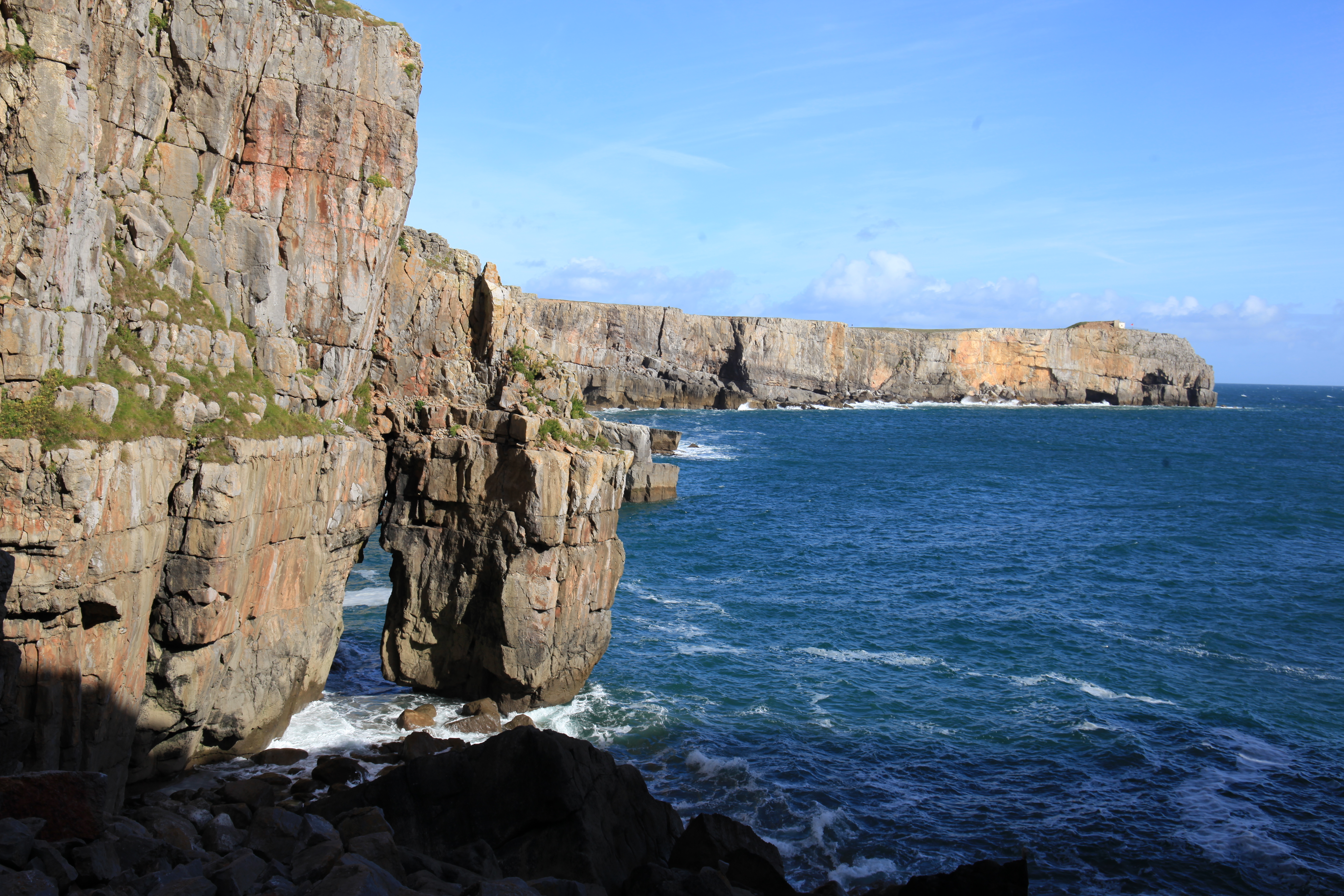
The coast is absolutely jaw dropping – fantastic limestone cliffs, beautiful beaches, open grasslands, rare plants and many varieties of birds, caves by the hundreds and several World War 2 bunkers.  There are pathways for walkers and rock climbers can be challenged by the sheer rock formations. IMG_9741

Just near here is Huntsman’s Leap and legend has it that a huntsman leapt across the chasm with his horse and then died of shock when he looked back at what he had done!

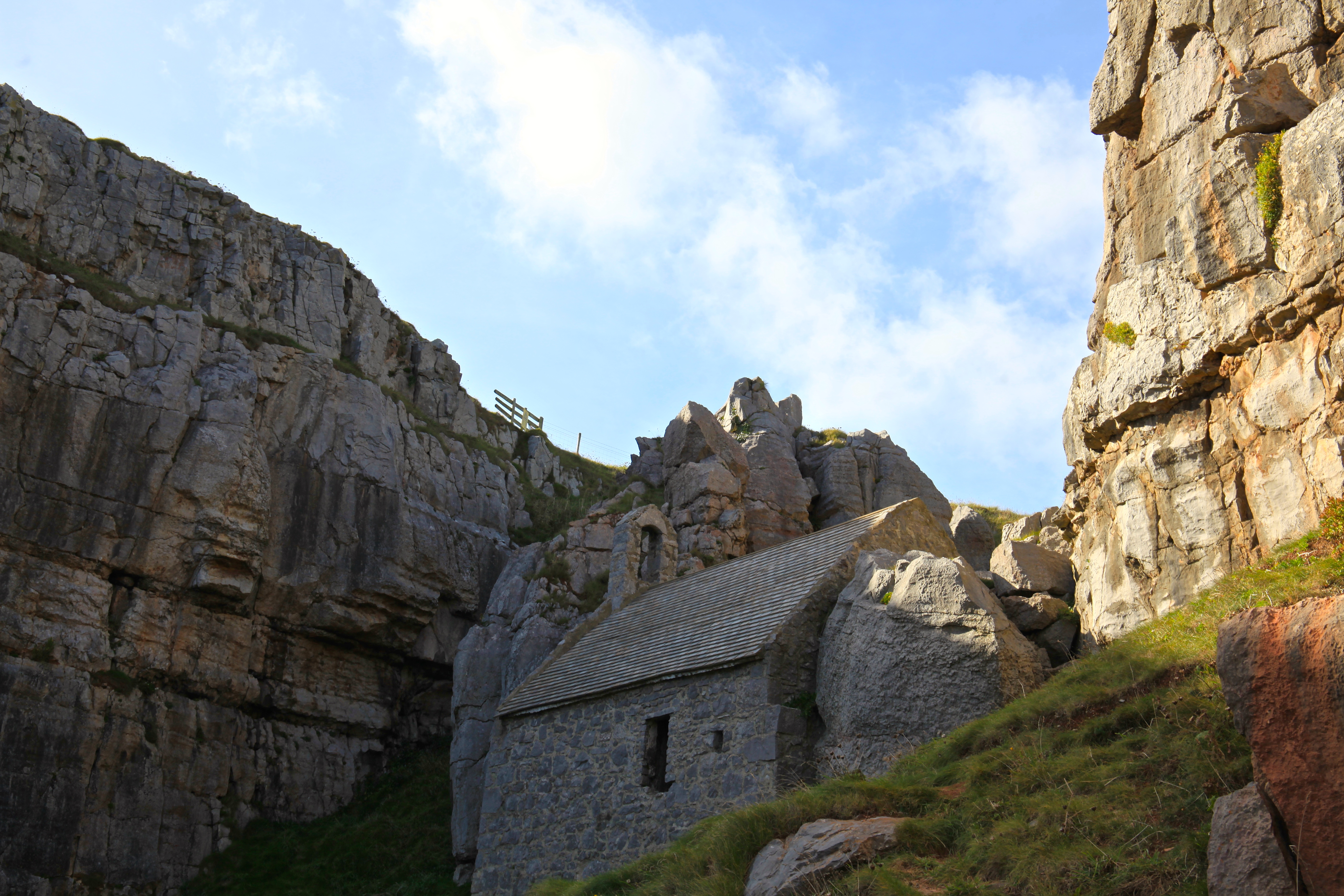
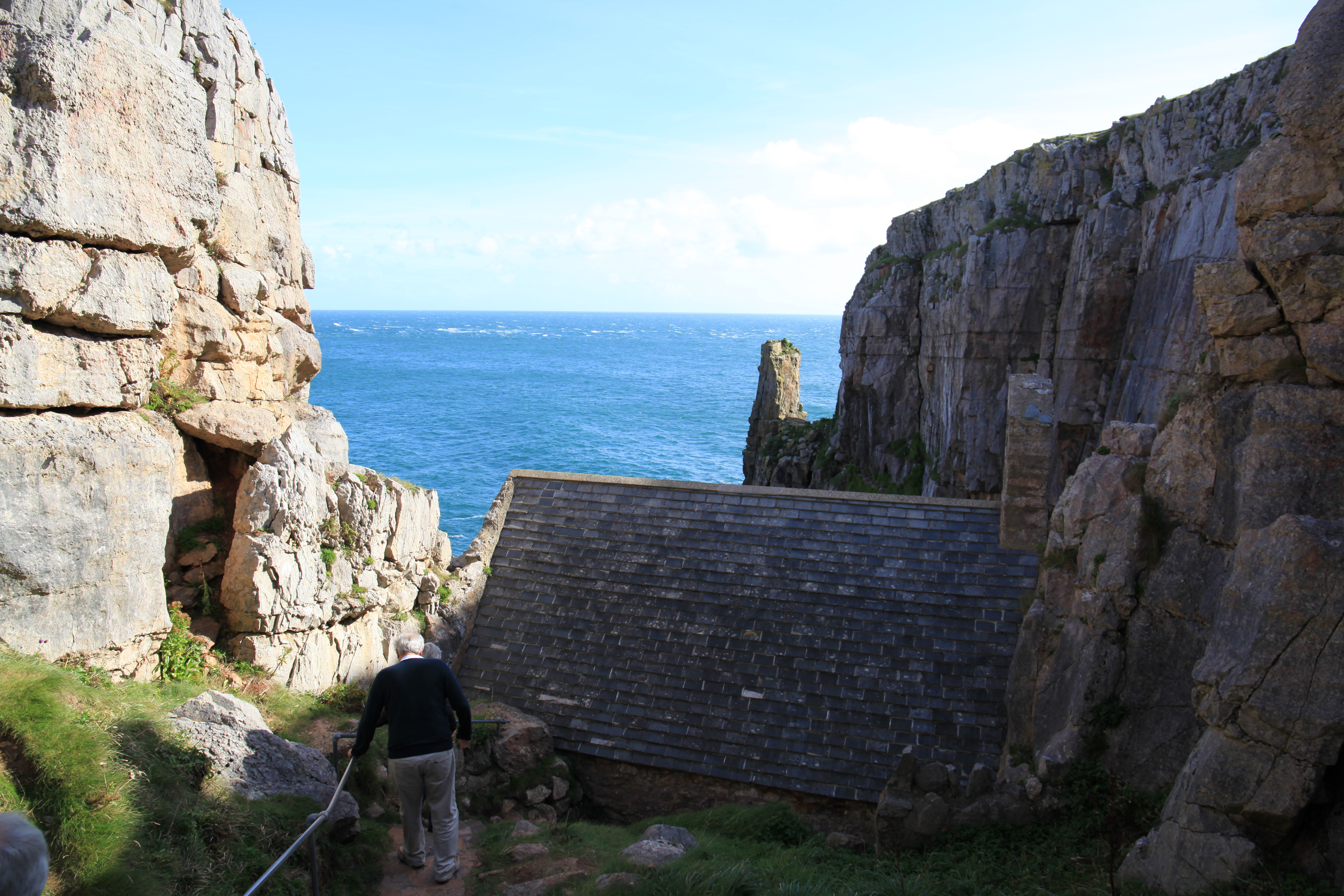
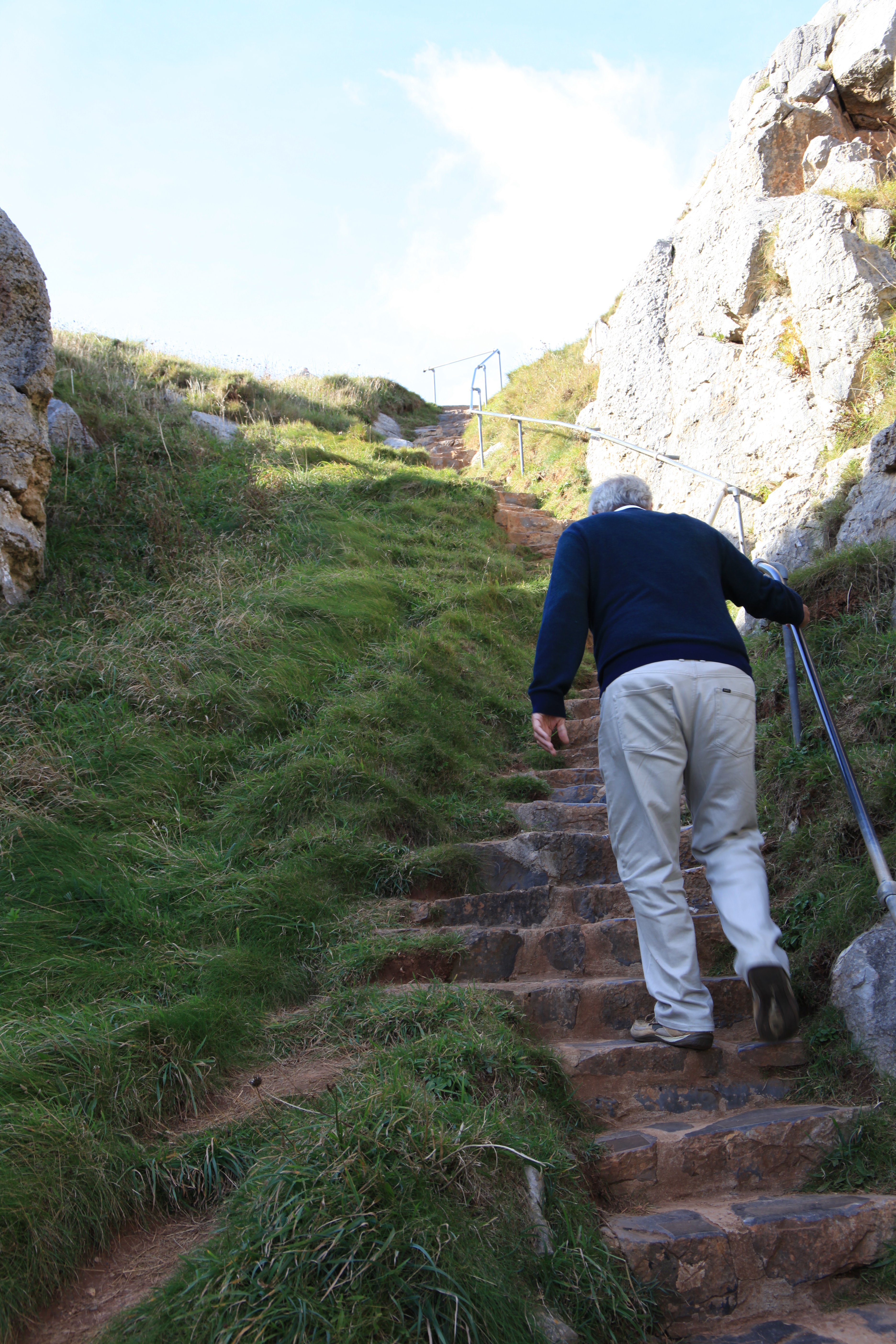
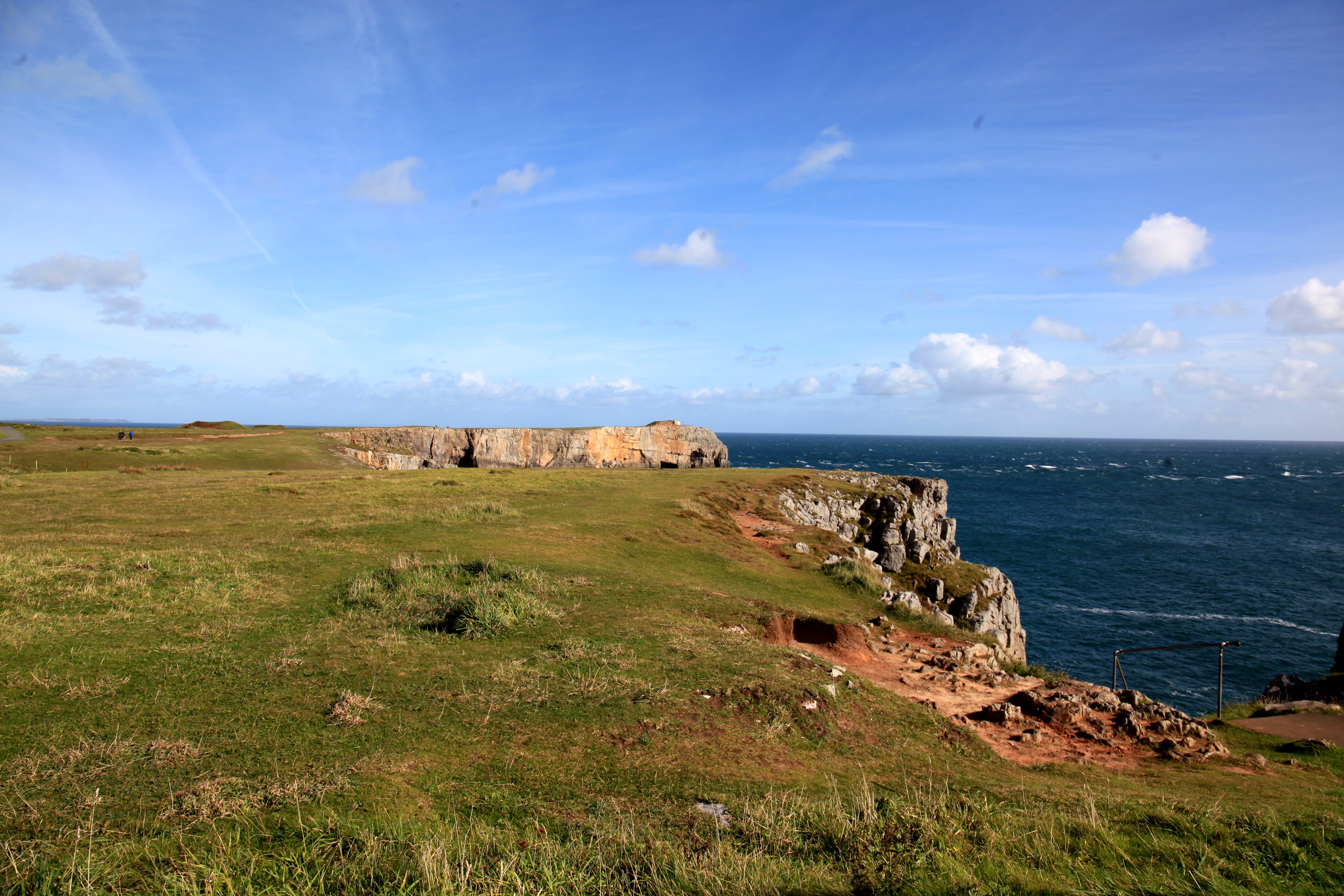
We crossed a grassy plain and found some steps going down the cliff and there, we found St Govan’s chapel.  This tiny chapel is nestled amongst the rocks and is said to have been built in the 13th century although some believe it may have been as early as the 6th century after St Govan was saved from the pirates.  During the 5th and 6th centuries it was common for Celtic missionaries to travel the coast.  Tradition says that St Govan was being chased by pirates when a rock opened up for him to hide in and then closed until the enemy had passed.  Govan stayed here for the rest of his life and prayed and taught here until his death in 586.

IMG_9736
p Steps going to the chapel

Whatever the truth, it is a fascinating place and the logistics of building a little medieval chapel such as this so long ago must have been enormous.

IMG_9748

IMG_9737IMG_9751

Govan’s body is buried beneath the rustic altar and his hand prints are on the floor of the cave – it is also said that one should make a wish here.  We did – and I am still waiting for that wish to be granted!

There is an air of ancient mystery here and it is an area of secluded beauty and well worth any detour to come and visit, dream a little and travel back in time.

IMG_9752
the grassy plain where steps lead down the cliff to the chapel 

St Govan’s chapel is at St Govan’s Head, one mile south of Bosherston on a minor road in Pembrokeshire, Wales.