COBBOLD GORGE – AND THE GLASS BRIDGE

AUSTRALIA’S NARROWEST GORGE
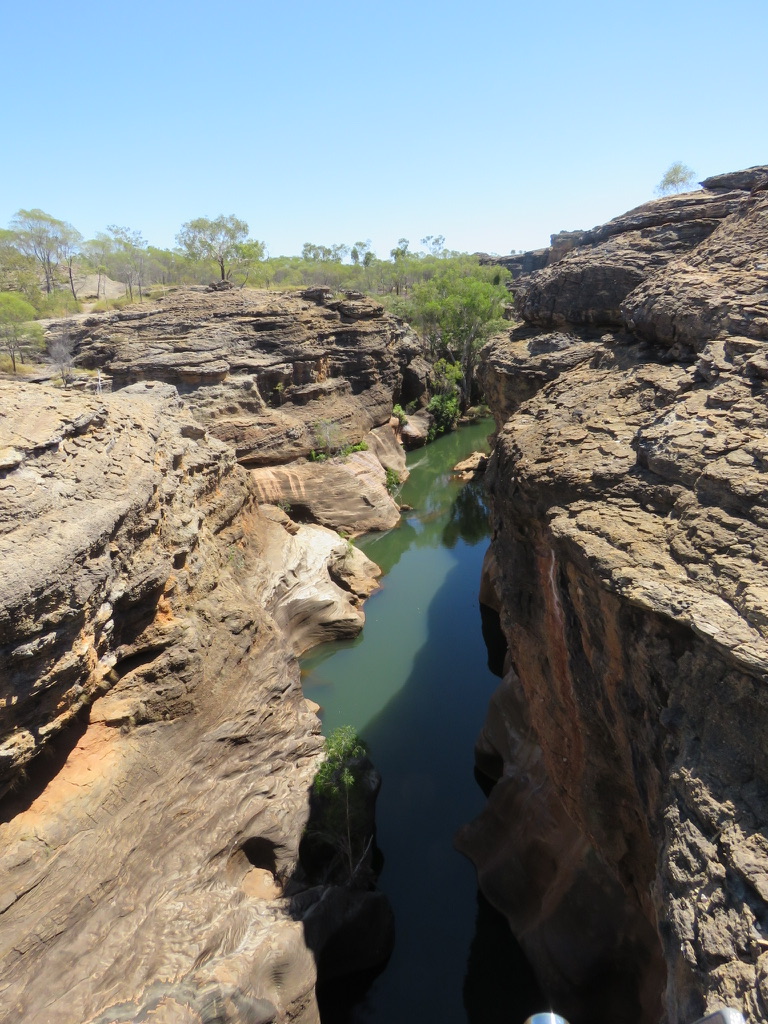
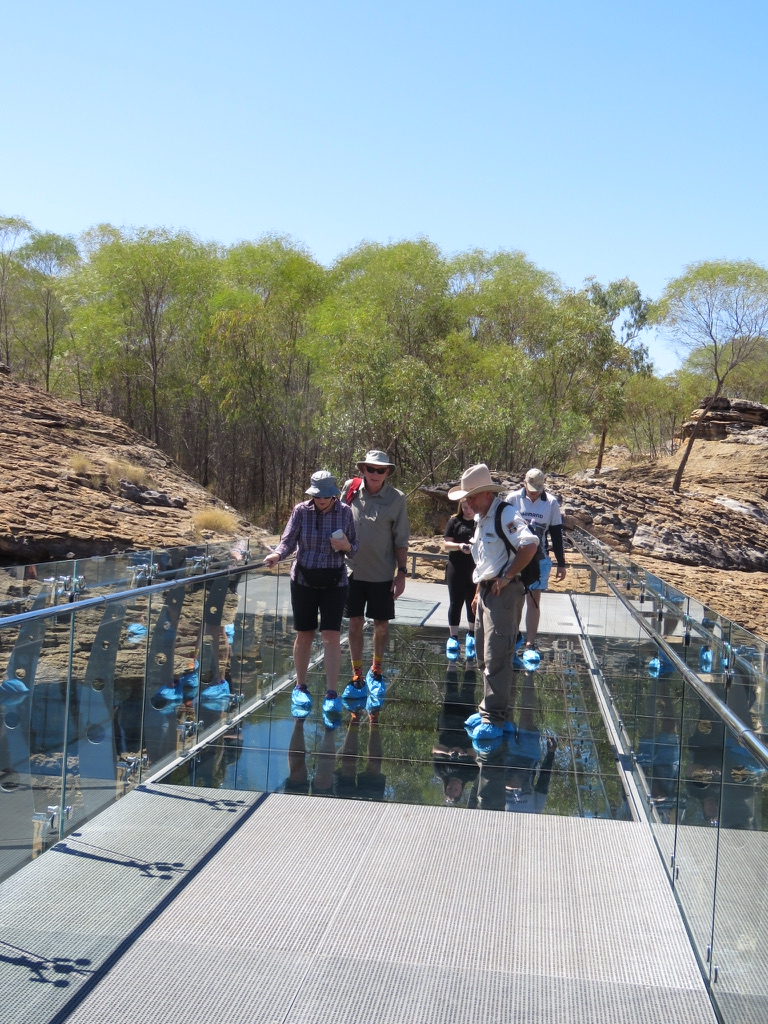
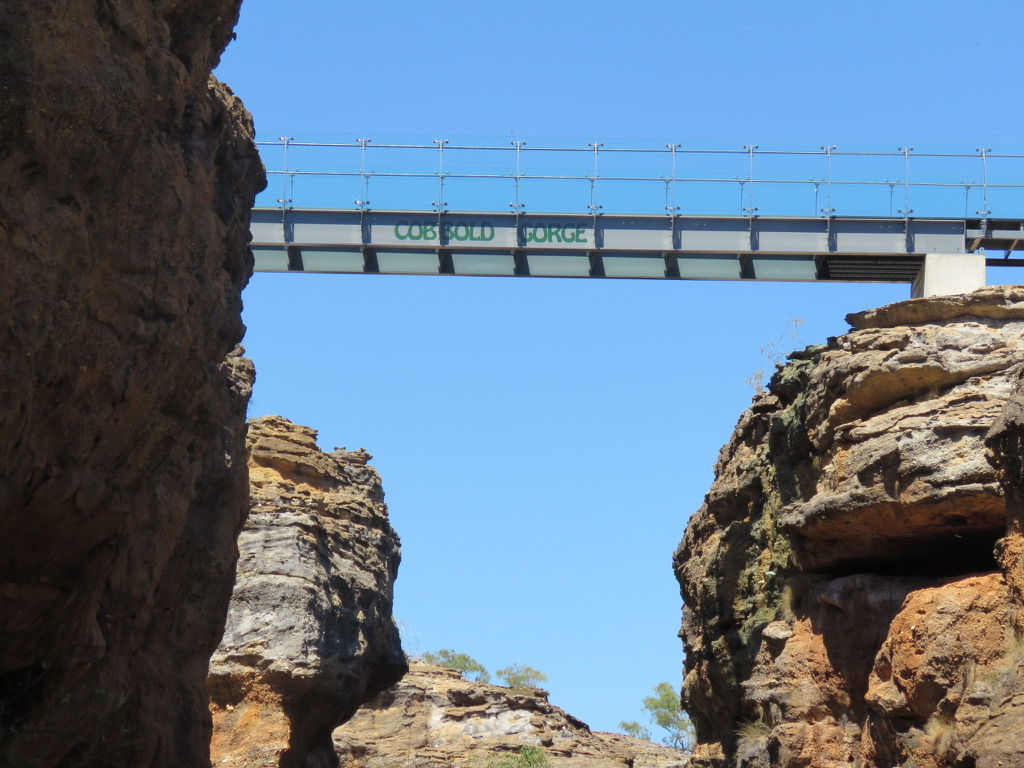
This was the second time we have visited Cobbold Gorge and it won’t be the last! A really spectacular location in the Gulf Savannah region, this is a breathtaking part of the Outback. We loved it the first time but since then a spectacular glass bridge has been built and is Australia’s first fully glass bridge spanning a 13 metre gap and with a 19 metre drop into the water below. I was thinking of the Grand Canyon bridge and wondered if it measured up but there is no comparison. This is just amazing because of the location and also because of the size – tiny compared to the Grand Canyon but equally impressive.

Cobbold Gorge Village http://cobboldgorge.com.au is part of Robin Hood Station which is a working cattle property and is a 6 hour drive from Townsville or Cairns. The drive itself is interesting through ancient geological landforms and small townships in the Gulf Savannah region. Forsayth is closest to the station and tours run to Cobbold Gorge from there as well.
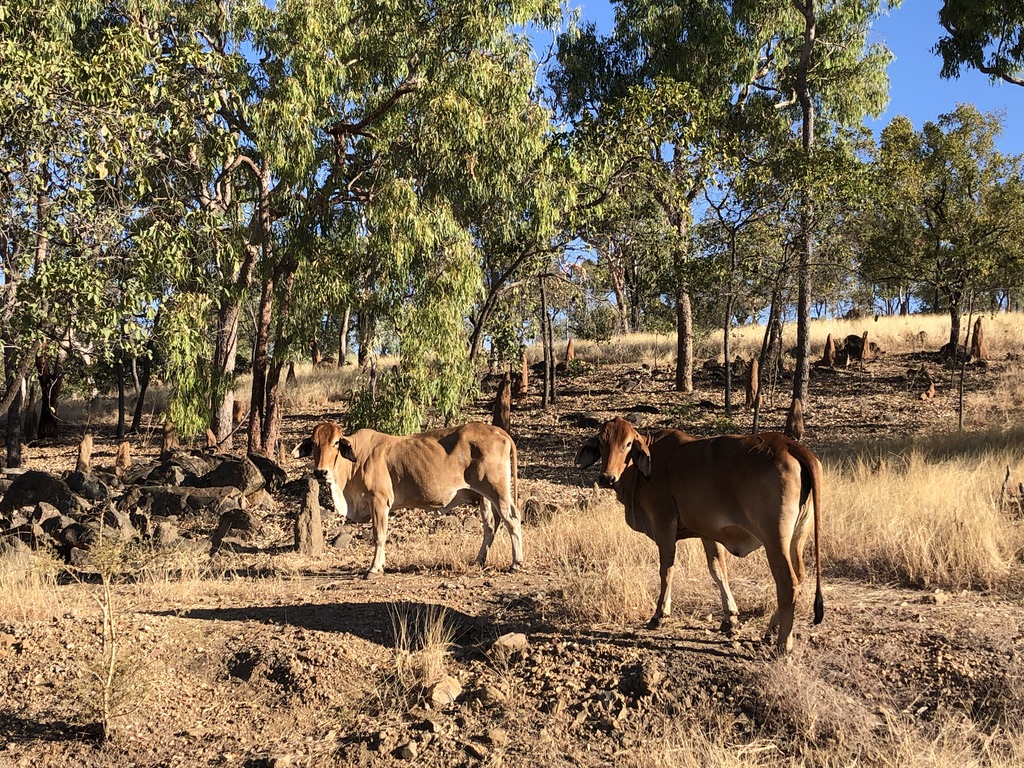
The cattle seem unperturbed by motorists on their way to the village and we passed many termite mounds of all sizes and shapes which stood out in the red earth. Wildlife was abundant – red and black cockatoos, lots of kangaroos and even wedge tailed eagles.

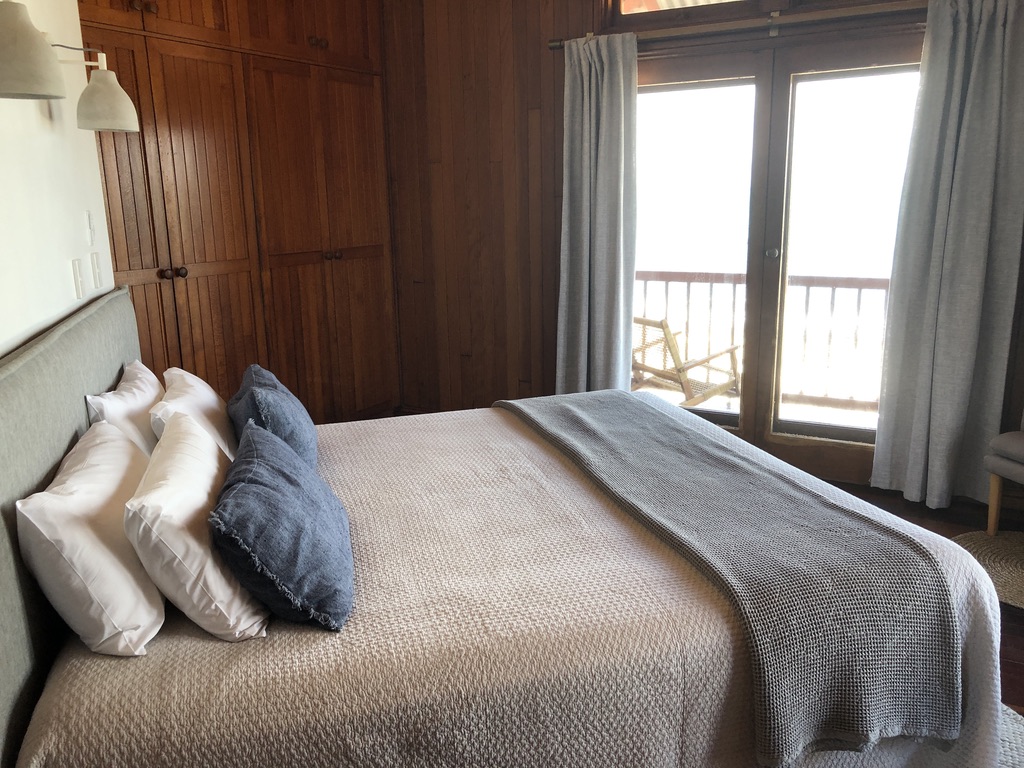
On arrival at the village we checked into our accommodation which was in the Boundary Huts – very comfortable, air conditioned rooms with ensuite and tea and coffee making facilities as well as little verandahs to sit and soak up the views.
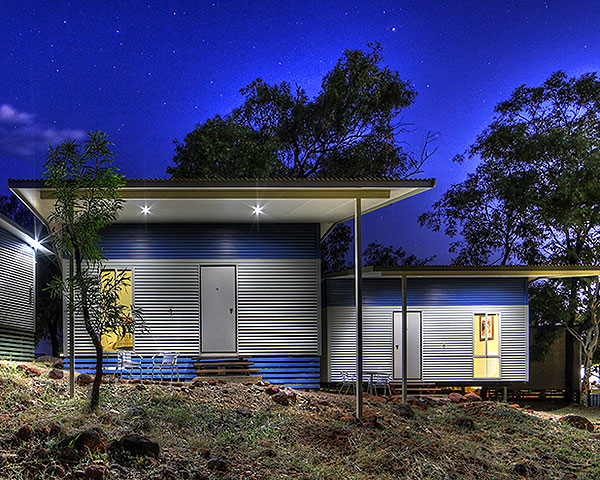
(Photo by Cobbold Gorge Village)

There is a variety of accommodation to choose from and many arrive with caravans or campervans and are fully catered for in the nearby campground. We chose to dine at the restaurant which is located next to the swimming pool overlooking the lagoon. Great food, wonderful ambience and there was even a guest playing his guitar – what more could you want?

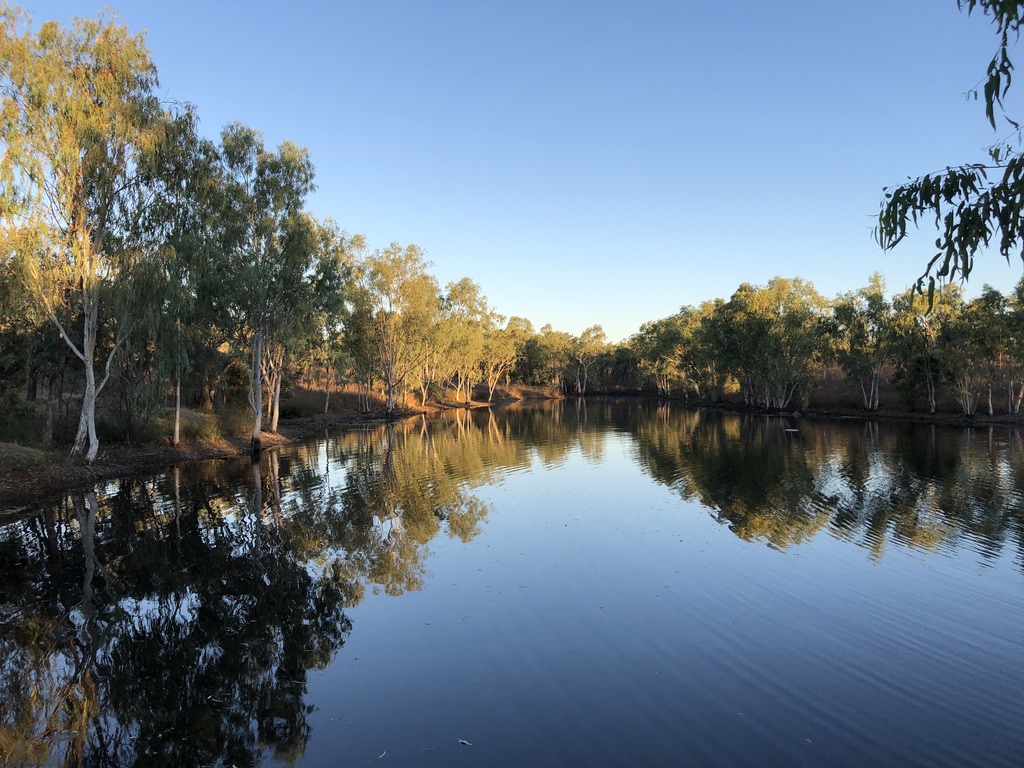
To visit the gorge you must do a tour with a Savannah Guide which takes 3 hours. A short bus ride takes you to the starting point for the walking/boat tour – our group was small and the guide very informative. We started with the walk which was about an hour and a half and began along the water’s edge and then up through interesting country and onto the sandstone escarpment. The guide pointed out various species of spiders with finely spun webs, hollows for wildlife and beautiful paperbarks.

What fascinated me was the “Soap Tree” – a very special tree nestled near the water’s edge with leaves that make “soap” and is apparently a godsend for those out in the bush with very few supplies. First you find the tree, then you gather the leaves and rubbing them between your hands, magical soap appears!

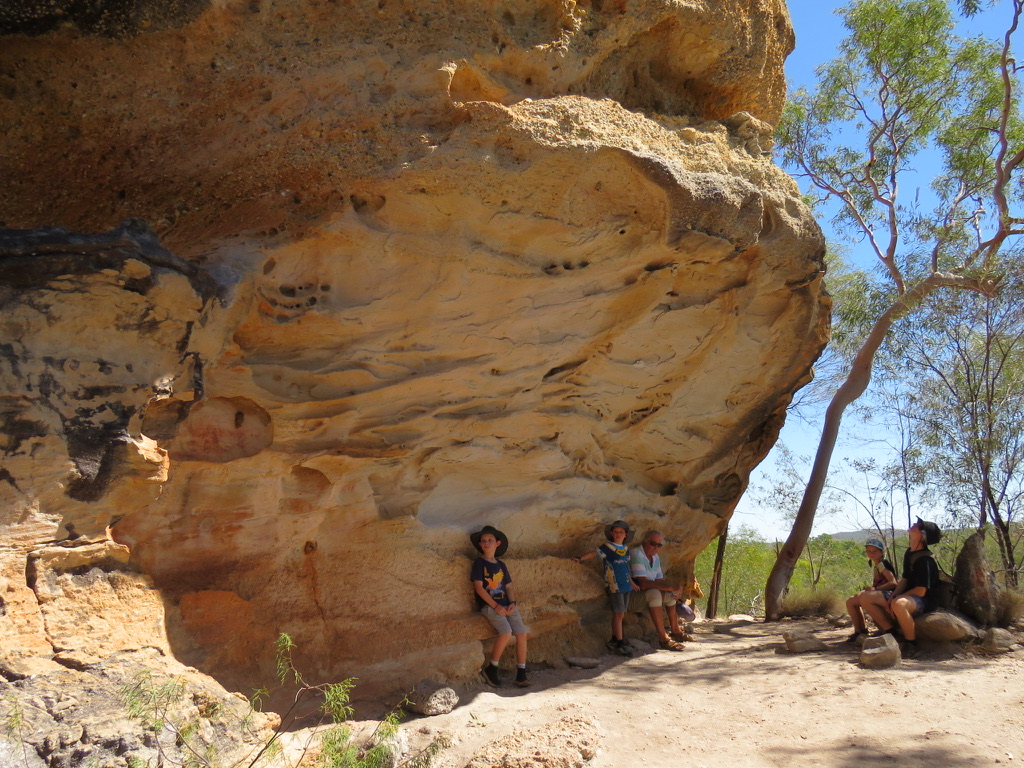
We climbed the escarpment and heard some of the history of the place and stories of the pioneers who first came to this part of the country. Then we walked across the ancient landform to a point at the top of the gorge where the bridge is located. The gorge is stunning with 30 metre sheer walls from the bottom of the water to the top of the escarpment. The bridge shimmered in the morning light and we had to put on special covers over our footwear so as not to scratch the glass before gingerly walking across!
Whilst admiring the view and becoming more confident about walking on glass, a small boat was silently gliding through the gorge below – this was another group who were to do the walk after the boat trip.

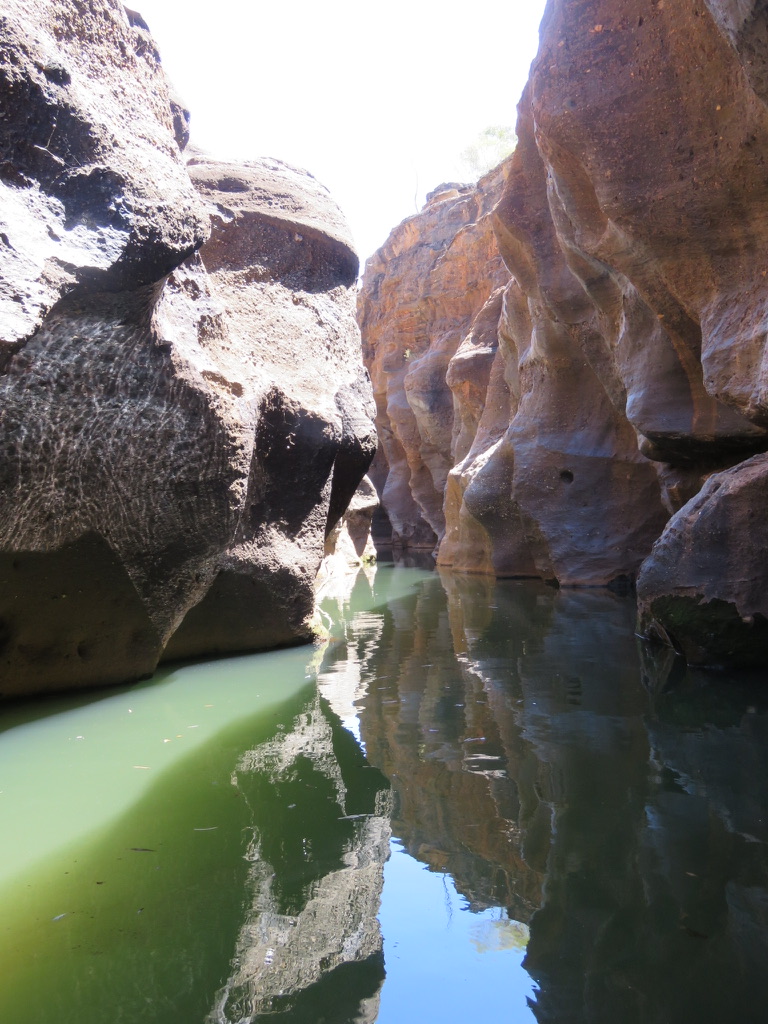
A short path down the escarpment to the water’s edge and it was time to do the electric boat trip – the guided cruise takes about 45 minutes and is a wonderful way to see this beautiful gorge. The boat is so silent and gliding past the sheer rocks which one could touch and then looking through the crystal clear water, it was a dream. There are fresh water crocodiles resident in this place, known as Johnson River Crocs they are harmless and just add to the mystique of the area.
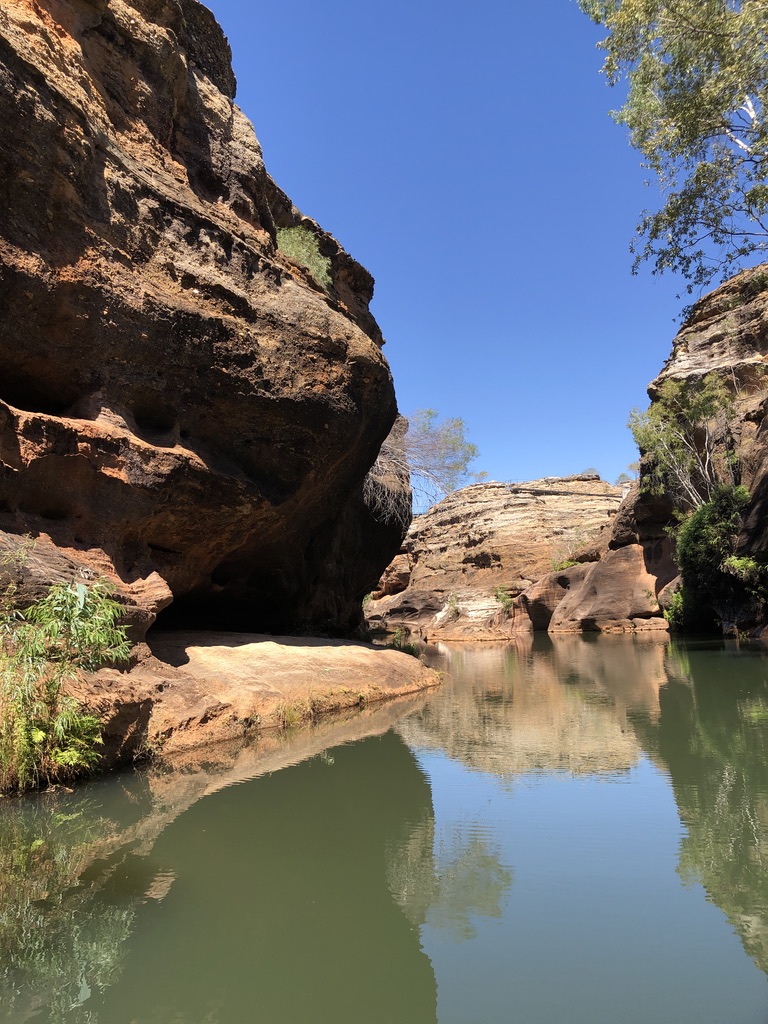
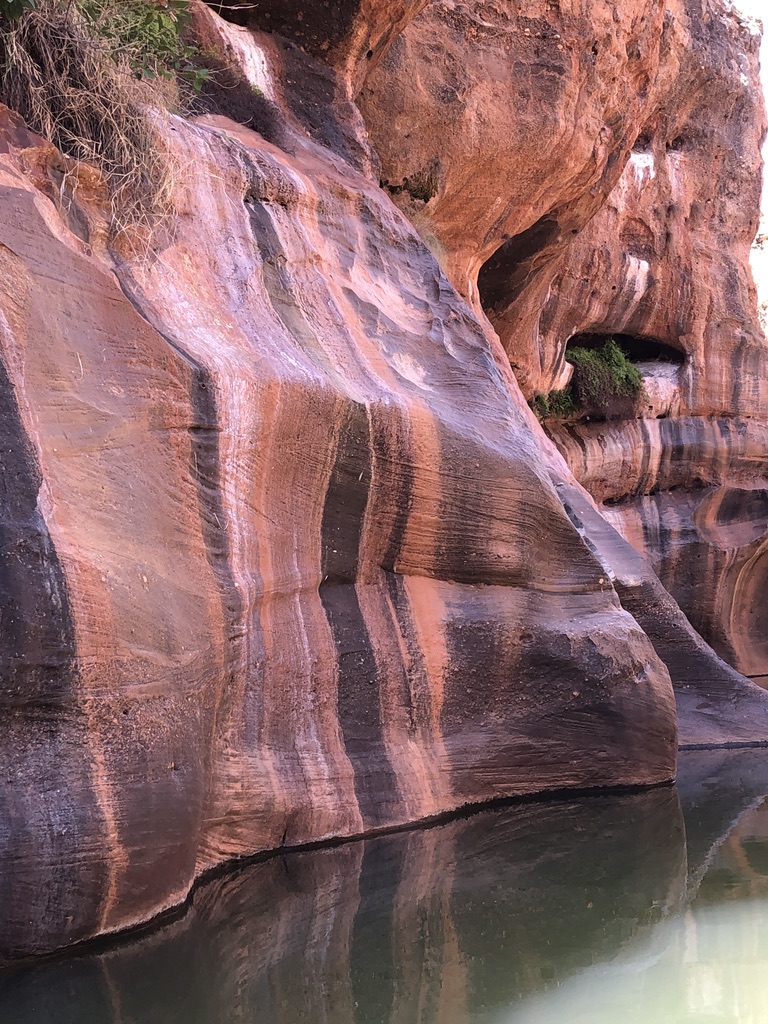
We watched tiny spiders weaving webs and saw butterflies and dragonflies flitting through the rocks. At one point the guide pointed out a place he calls “Duck Rock” – it is the narrowest point of the gorge and only 2 metres across and thus he calls out “Duck” to avoid the looming overhang! Then we saw the bridge from the water – and how spectacular that was!
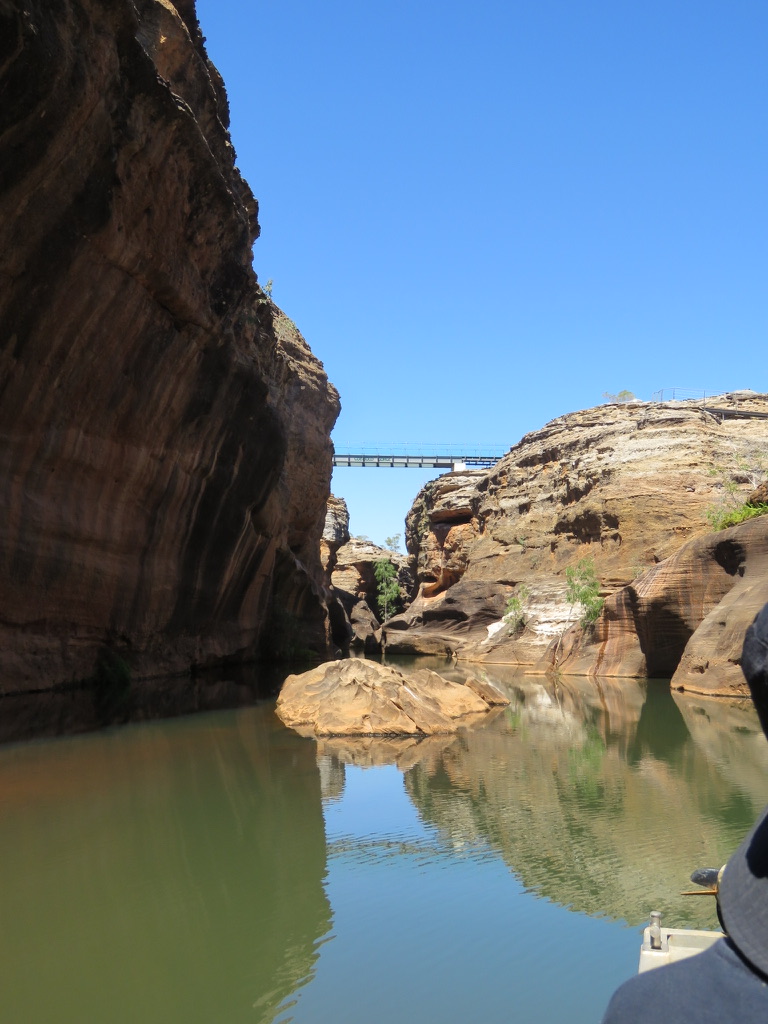
Back at the village and eager to find out more about the history of the station, I found a very informative poster about Francis Cobbold and I pondered his life and times and wondered what he would think now – hopefully he would be proud of the fact that so many have enjoyed this remarkable part of the outback thanks to the ongoing pioneering spirit of the Terry family of Robin Hood Station.

We had one final thing to do before we ventured on our road trip and that was to enjoy the Outback sunset from the Quartz Blow – a short distance from the village and down a fairly rough track we found a beautiful spot to sit and watch the sky turning yellow, then pink and finally vivid red whilst enjoying a glass of wine, beer and some nibbles. A perfect end to a perfect day and a great finale for our friends from WA.

LONGREACH – THE HEART OF OUTBACK QUEENSLAND

PIONEERS, EXPLORING, GLAMPING AND HERITAGE

Each time we visit Longreach, we discover something new in this heritage area. It’s an easy town to get around, no crowds, no traffic and limitless horizons. The skies are always clear and the air is crisp in winter and warm in summer. There is a lot to experience and with limited time available to us, we planned ahead and made the most of every moment. The big excitement for the kids was the glamping experience!

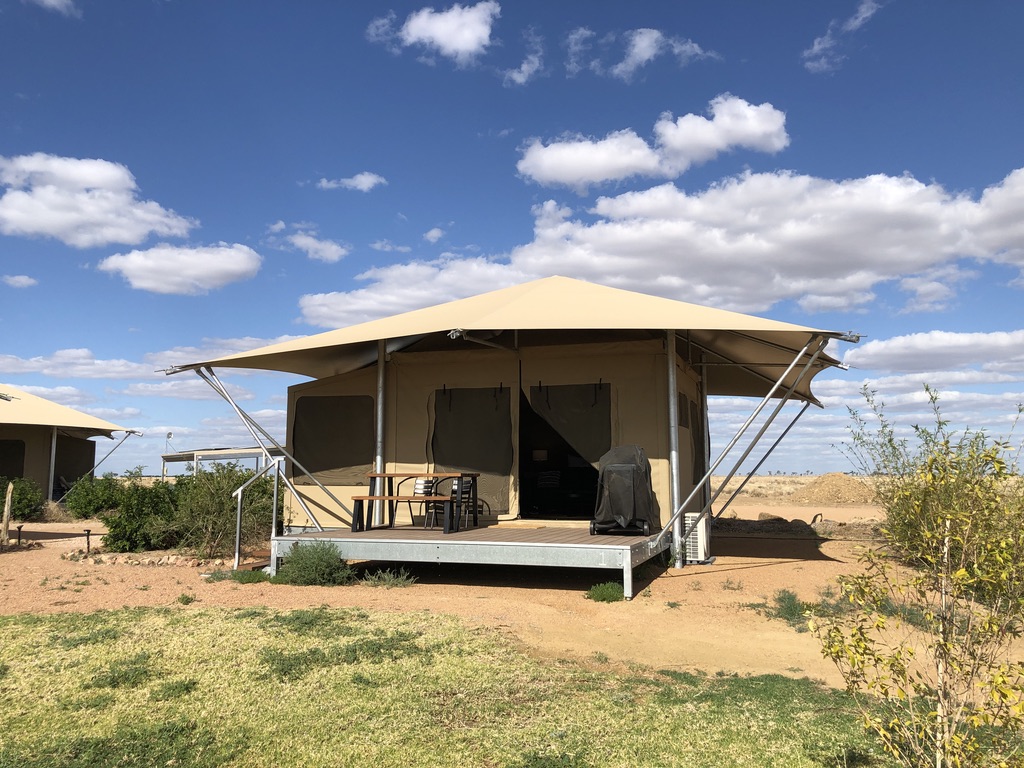
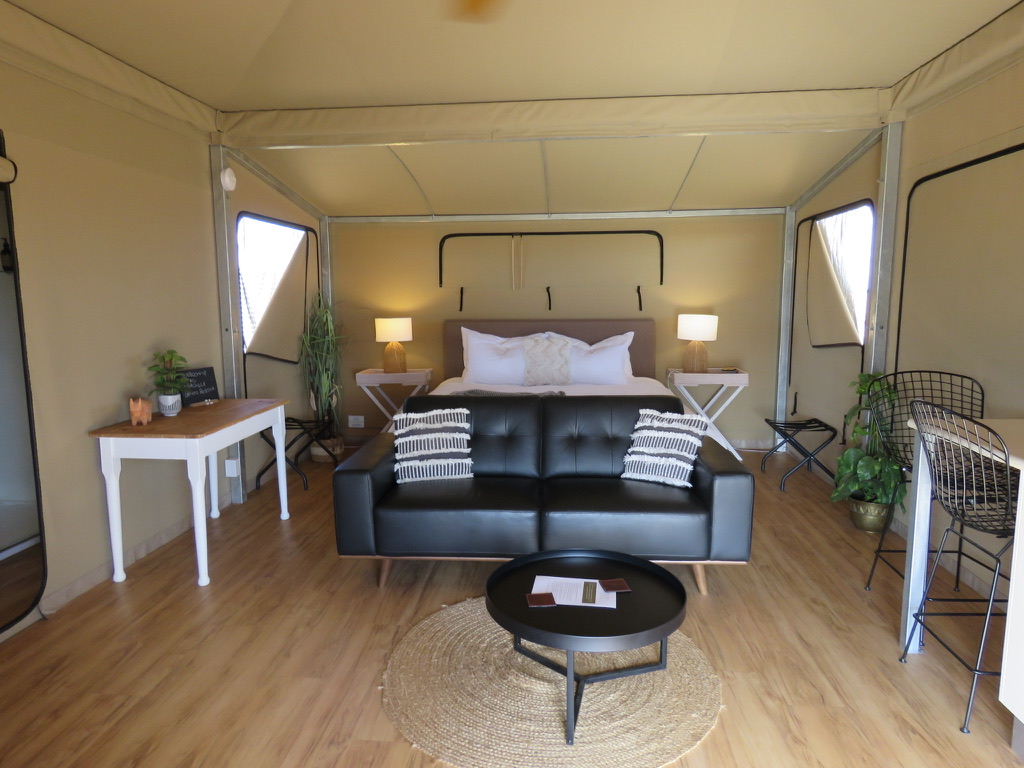
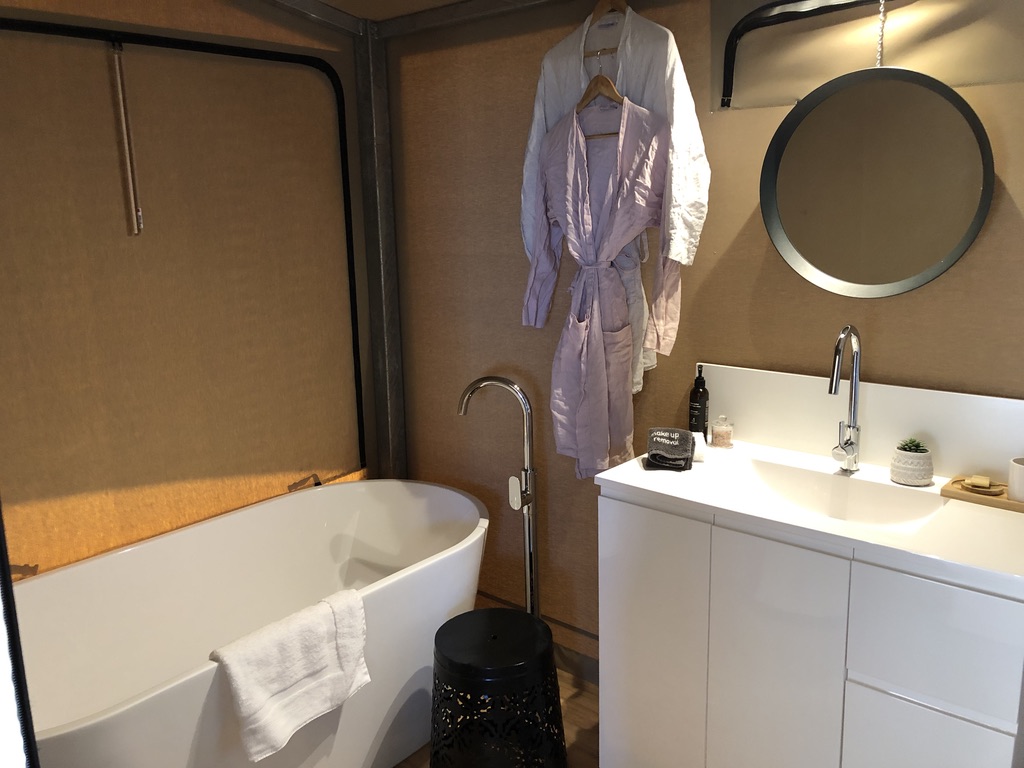
Mitchell Grass retreat http://mitchellgrassretreat.com.au is a tented glamping resort close to town on the Muttaburra Highway. We have stayed in many African safari tents over the years and this one rates very highly and, in fact, is super luxurious! There are 15 canvas tents which are either King or twin size all with ensuites and a private deck. We loved the fire pit in front and at night the kids roasted marshmallows whilst watching the night sky. Breakfast baskets are delivered to your room each day and are delicious. Self catering is easy with a mini kitchenette fully equipped and a barbecue at each room.

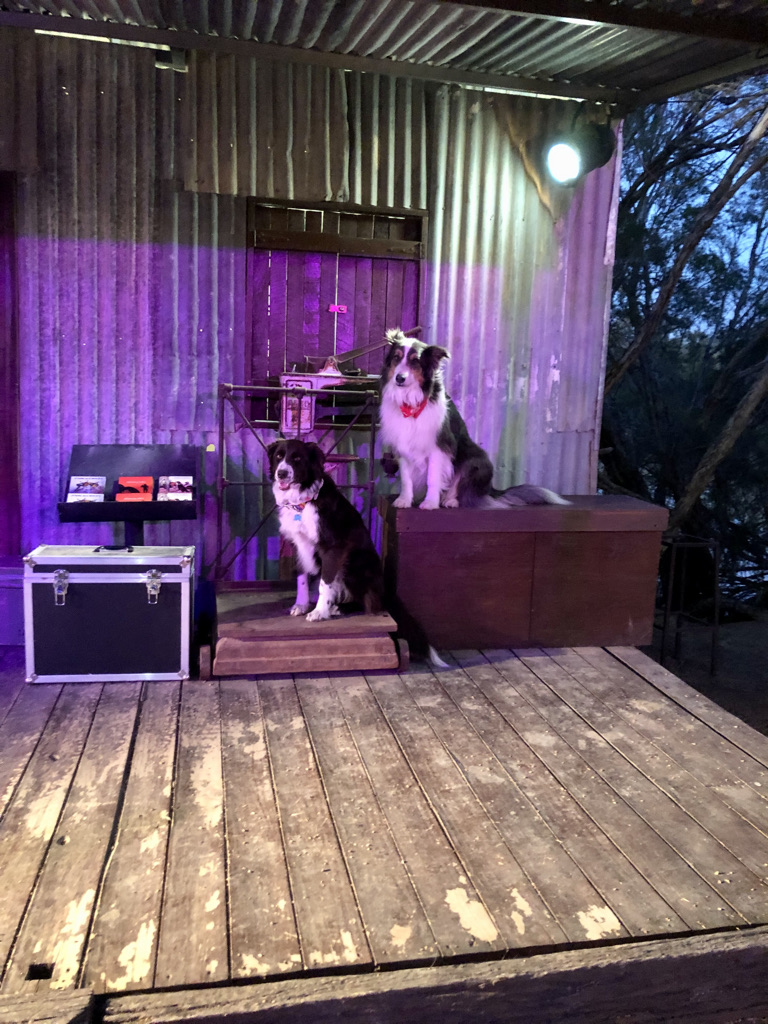
The first night we chose to go to Smithy’s Outback Dinner and Show on the banks of the Thomson River. The dinner was delicious – camp oven themed with damper and billy tea or wine and beer – followed by a show on the river stage. The performer told stories and sang songs all with a country theme. His two border collie dogs, although not part of the show, sat quietly on the stage and captivated everyone!

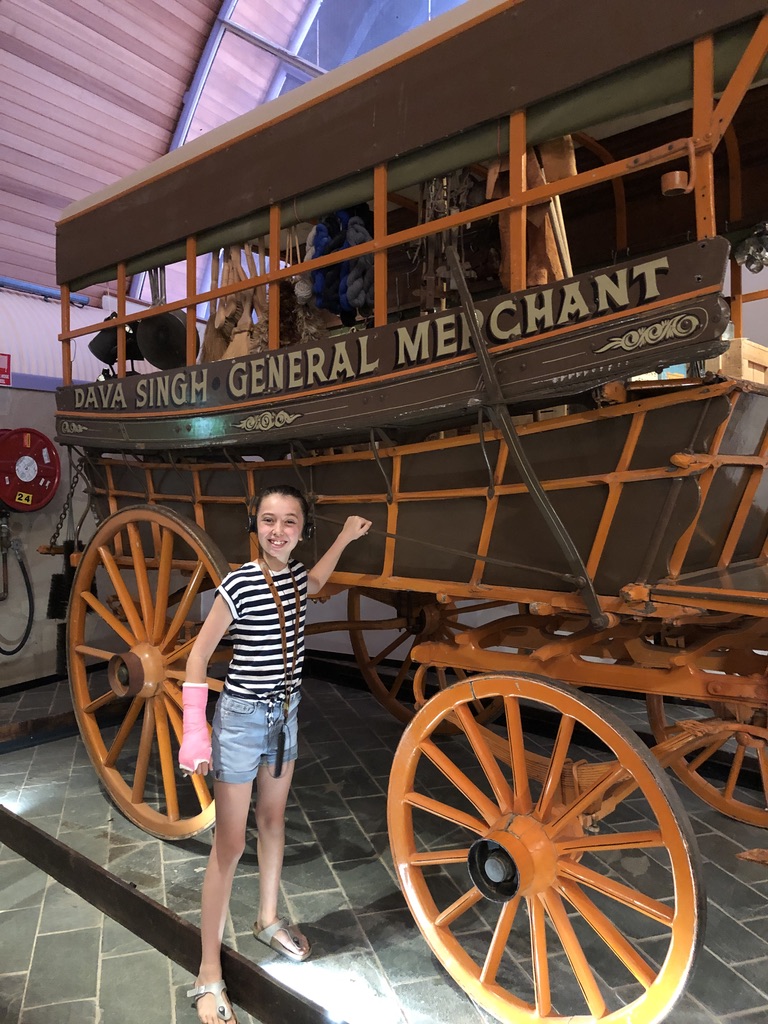
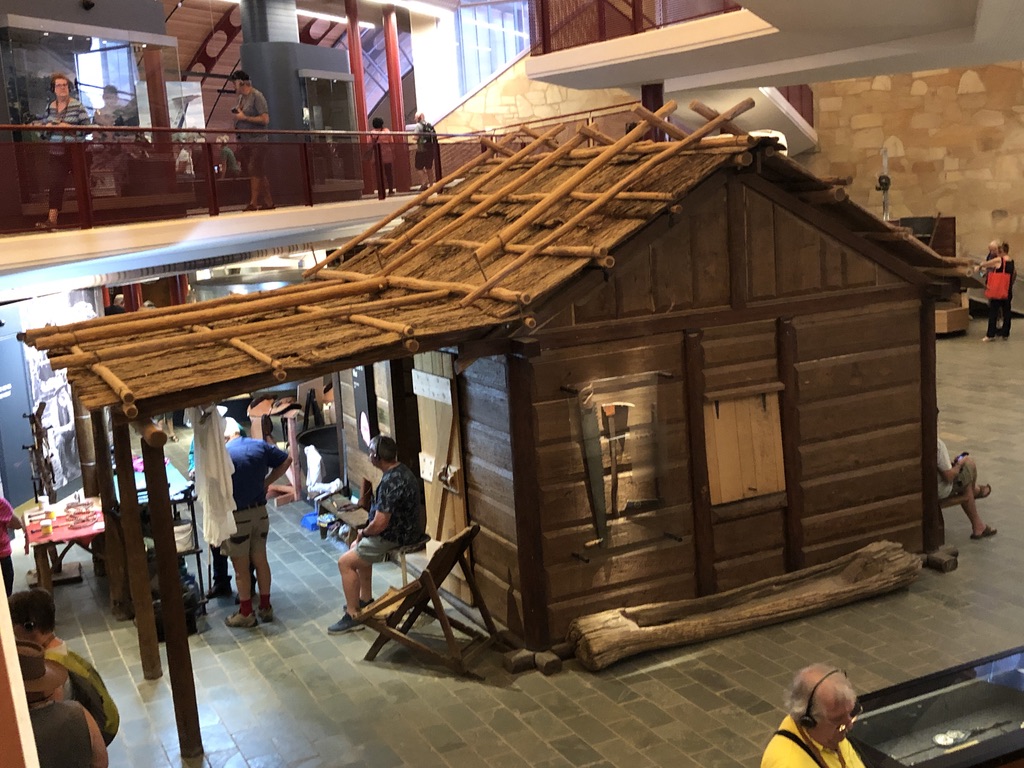
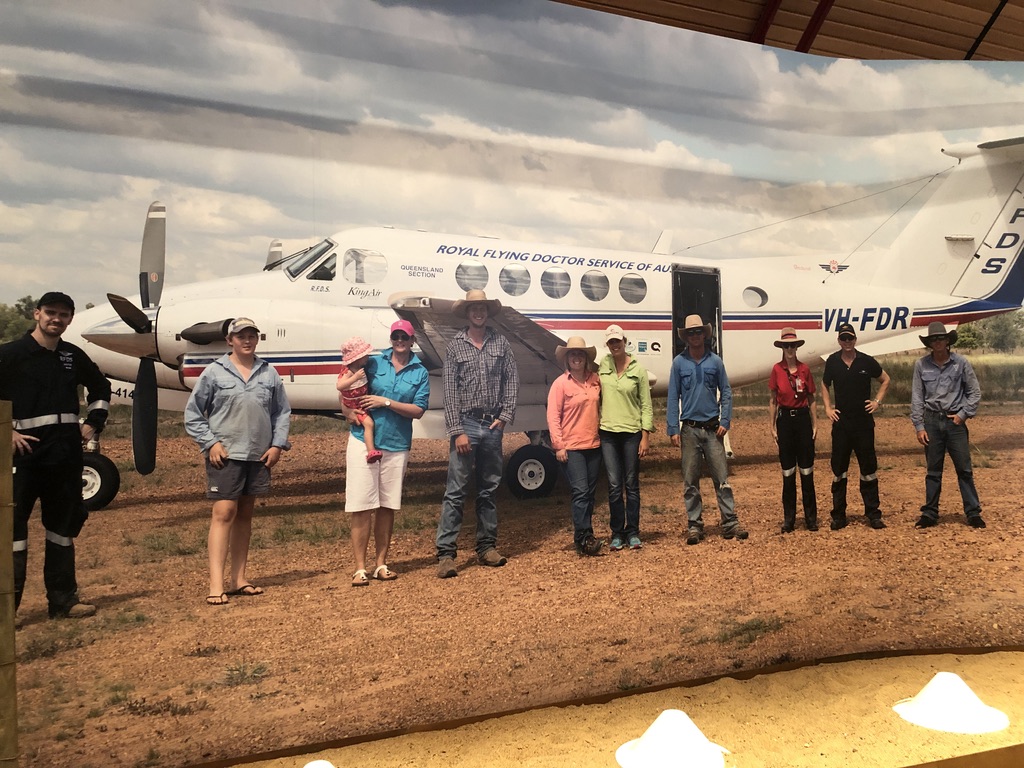
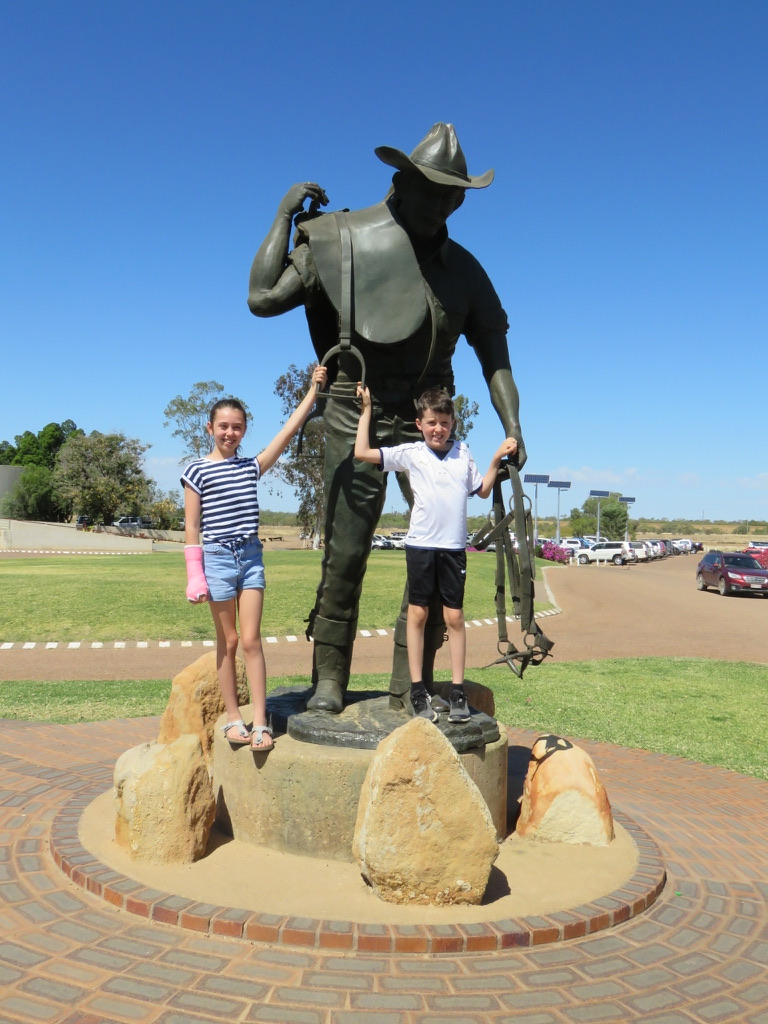
The Stockman’s Hall of Fame and Outback Heritage Centre was originally opened by the Queen in 1988 and was recently refurbished and reopened in April of this year. It has been modernised and has interactive and immersive experiences and is wonderful for all ages. It brings to life the rugged landscape of the outback, revealing the incredible and sometimes unknown stories of the everyday people who lived and worked on the stock routes. Allow lots of time for this!

After wandering around the museum for a couple of hours, it was nice to sit down in the outdoor theatre and watch the Outback Stockman’s Show. The Showman, Lachie Cosser tells the story of real life stockmen and women who work on the land today as well as telling tales of what it was like in the past. He had working dogs, horses, sheep and a quiet bull to entertain us and his young son gave a whip cracking display. http://stockmanshalloffame.com.au

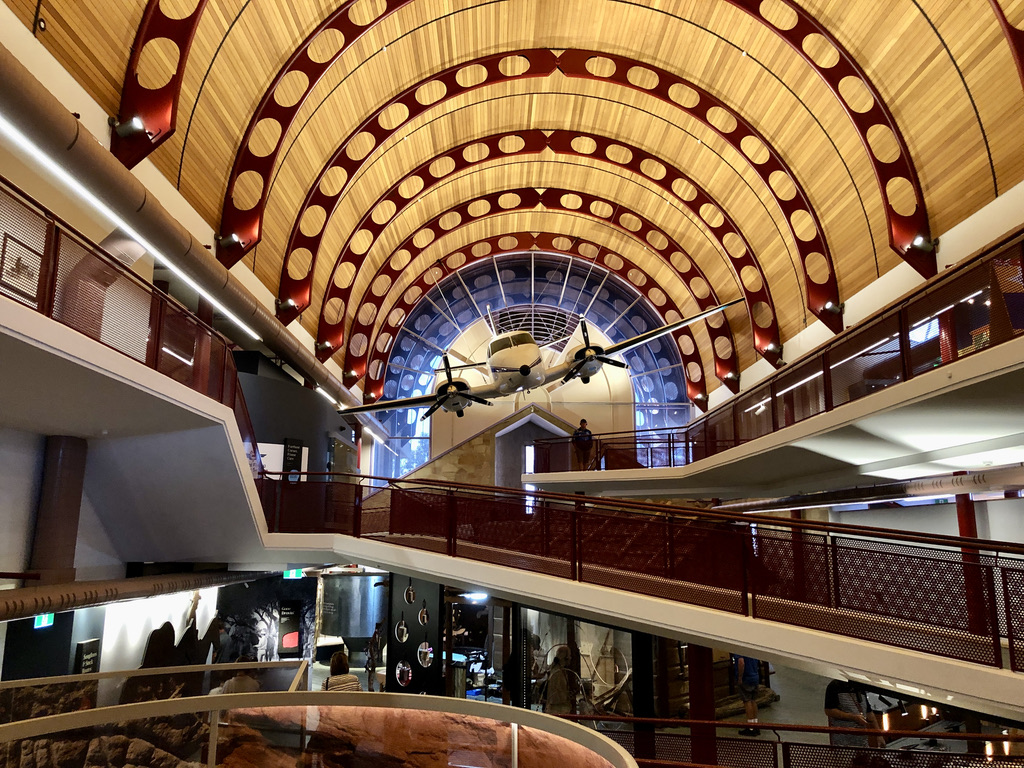
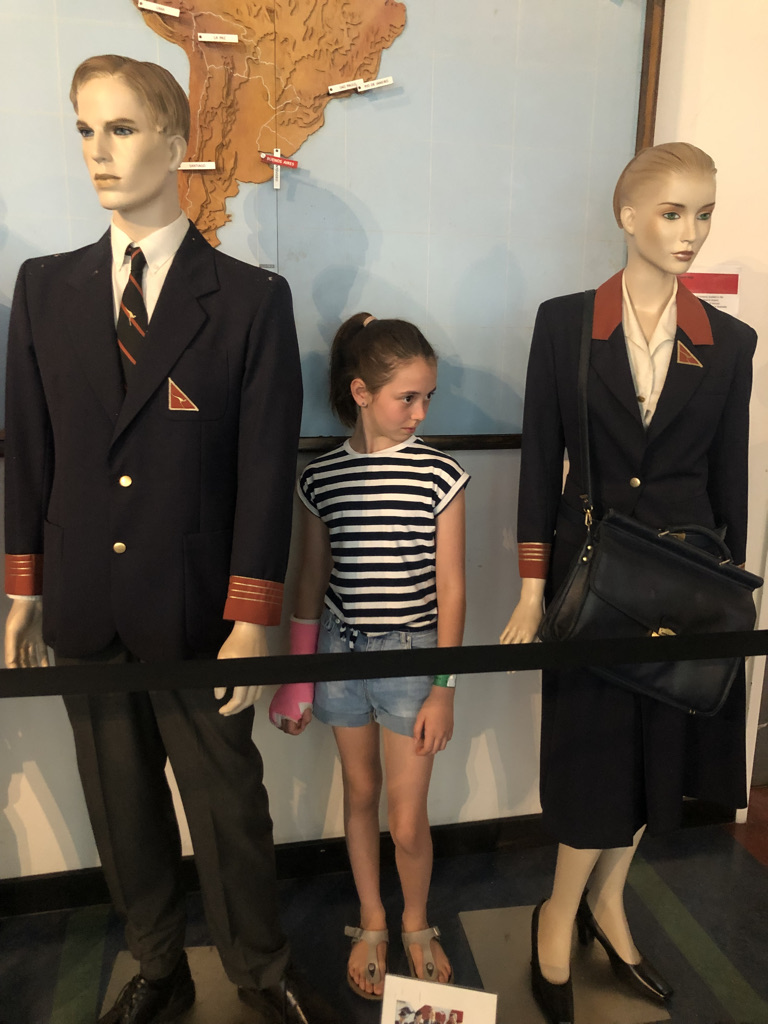
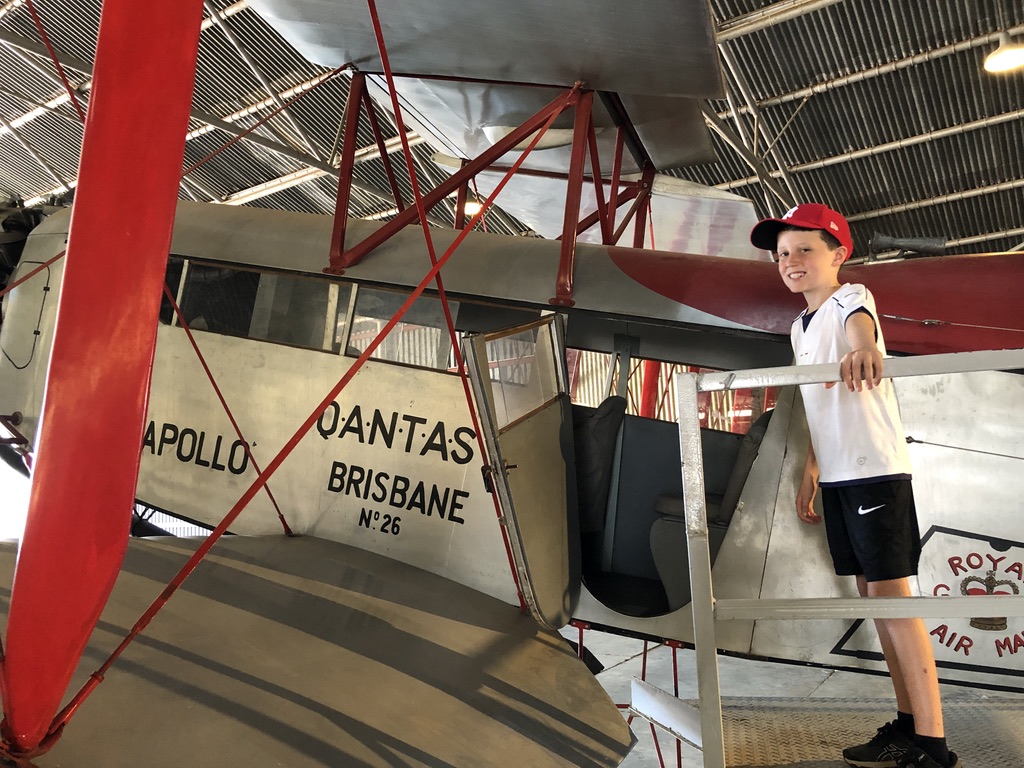
After a quick lunch in a very hip cafe serving both vegan and cafe style meals, we headed to the Qantas Founders Museum http://qfom.com.au. With so many different tours and experiences, it is important to book ahead. I was particularly interested in the main museum and the Catalina Display – these displays tell the story of Qantas from the outback days and what life was like in 1920’s outback Queensland to the present day. With so much to see – oral displays, video talks, artifacts and interactive exhibits you could easily spend a couple of hours here before going to the Aviation Park and walking through various aircraft.

Best time to visit this lovely outback town is probably in the winter months – at least for me – and we will definitely be back to check out some of the experiences we didn’t have time to do! I can honestly say that here there is something for everyone.

PRE-HISTORIC LIFE IN WESTERN QUEENSLAND

Dinosaurs and more dinosaurs!

The Australian Age of Dinosaurs Museum of Natural History is located 24 km south of Winton on the “Jump Up”. Locals know this term but I discovered that The Jump-Up is a large mesa plateau that is approximately 270m above sea level and stands 75m above the surrounding land and forms part of a mesa formation called the Vindex Range. Like much of the Winton Shire, the Jump-Up is part of the Winton Formation, which is dated around 95-98 million years old.

We decided to go early so we could maximise our time taking in the various displays, movies and self guided walks as well as enjoying the stunning scenery and native flora and fauna. This museum holds the largest collection of Australian dinosaur fossils in the world.

From the start we were amazed at the location – the museum complex sits on 1800 hectares of spectacular mesa plateau and the scenery is vast with lots of walking trails and wildlife.

This is also a working dinosaur museum with the most productive Fossil Preparation Laboratory in the Southern Hemisphere, so we headed to the lab first to gain a little insight into the life of these pre historic creatures and the area they lived in 1000 million years ago.

A short stroll later took us back to the award winning Reception area which opened in 2012 and contains a shop, cafe, staff facilities and a Holotype room, also known as the Collection Room. Designed to blend into the surrounding Jump-Up rock, the building takes on the earthy hues and textures of the surrounding landscape. The concrete walls of the building were coloured and stamped with latex mats that were moulded from the rock surface of the Jump-Up rock.  A life sized, 5m long bronze statue of Australovenator (“Banjo”) stands at the entrance to the Reception Centre. 

The Collection Room is fitted with audio visual equipment which complements the guided tours by showing animation footage of western Queensland’s dinosaurs. This was fascinating and the children were captivated especially as the footage consists of excerpts from the documentary Monsters in the Outback – the video of which the kids watched in the car prior to our visit.

Then we hopped on the Noble Express shuttle – a little bus which took us to the Dinosaur Canyon Outpost and the March of the Titanosaurs exhibition.

The Outpost is perched on the cliff overlooking Dinosaur Canyon and includes 300 metres of elevated concrete pathway throughout the gorge below. Five outdoor galleries are positioned along the pathway, which resembles a treetop walk as it winds throughout massive boulders and thick vegetation below the rim of a gorge. The Dinosaur Canyon exhibits recreate life as it would have appeared during the Cretaceous Period including: Dinosaur Stampede, Pterodactylus Family, Kunbarrasaurus ieversi, Death in the Billabong and Valley of the Cycads. Australia’s first International Dark-sky sanctuary is here and the building is currently under construction. When finished it will be called the Gondwana Stars Observatory and will enable visitors to see the quality of the dark night skies without any threats due to its remote location.

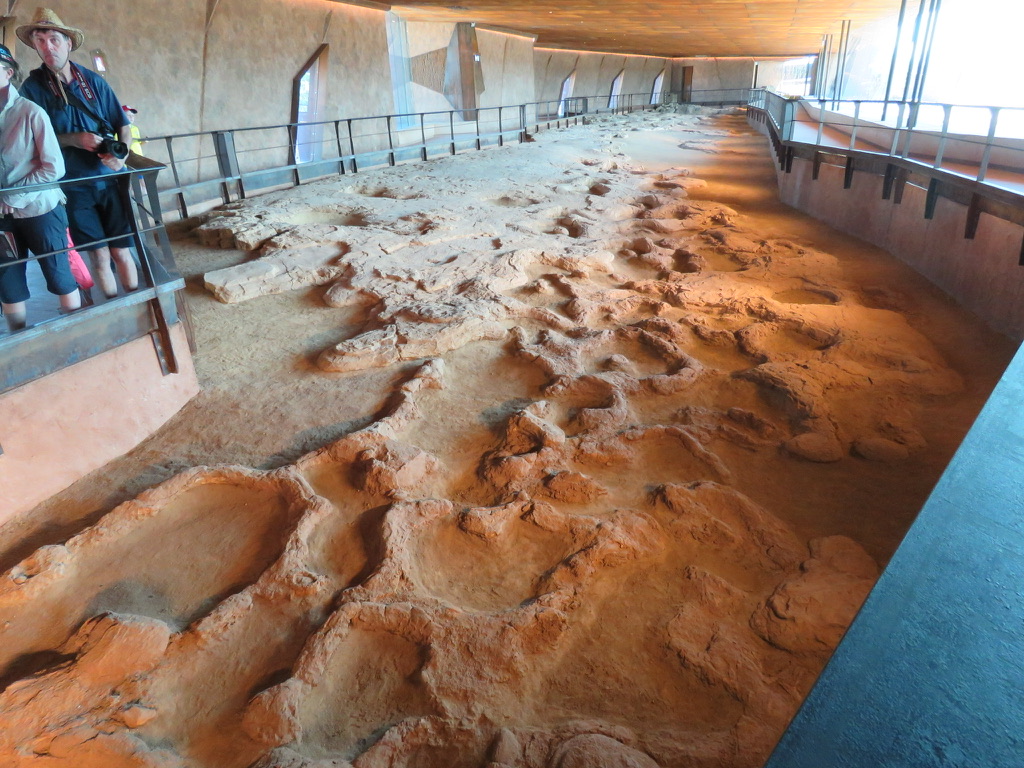
The March of the Titanosaurs exhibition is in a purpose built room which is temperature controlled and displays a 54 metre long Snake Creek tracksite which was discovered on a property near Winton.

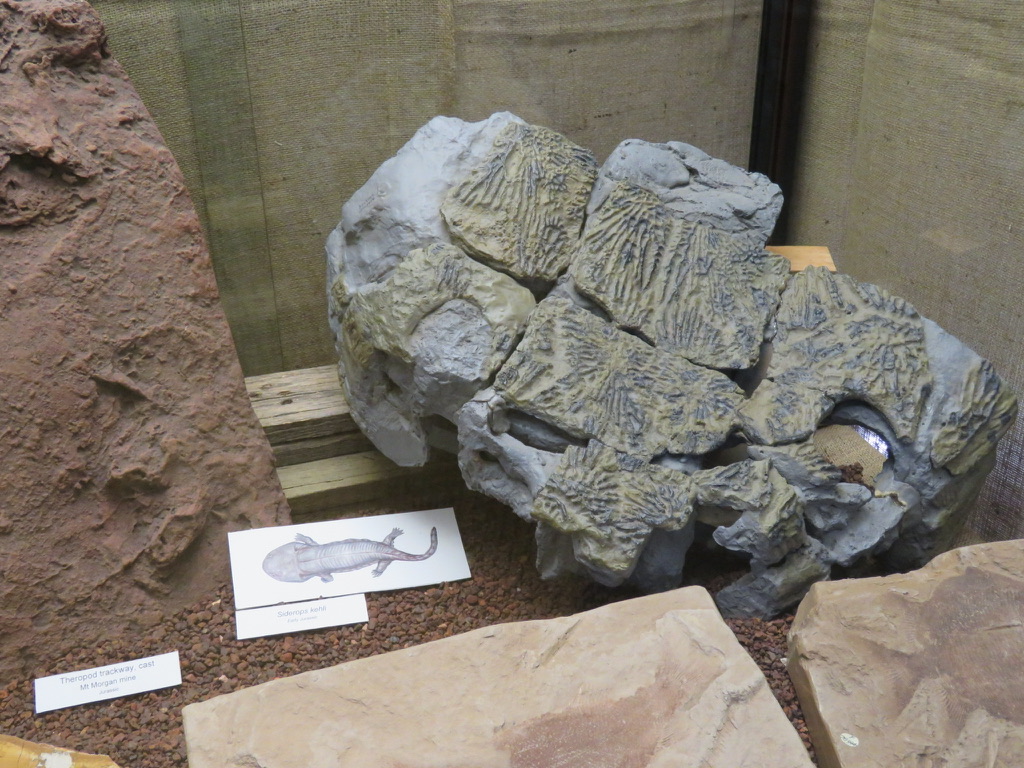
The tracksite was made when herds of sauropods roamed western Queensland, when the landscape was covered in temperate rainforests and muddy billabongs. The tour guide showed examples of footprints and other animal prints of a diverse ecosystem that included lungfish, small mammals, turtles, crocodiles, ornithopods and tiny therapods.

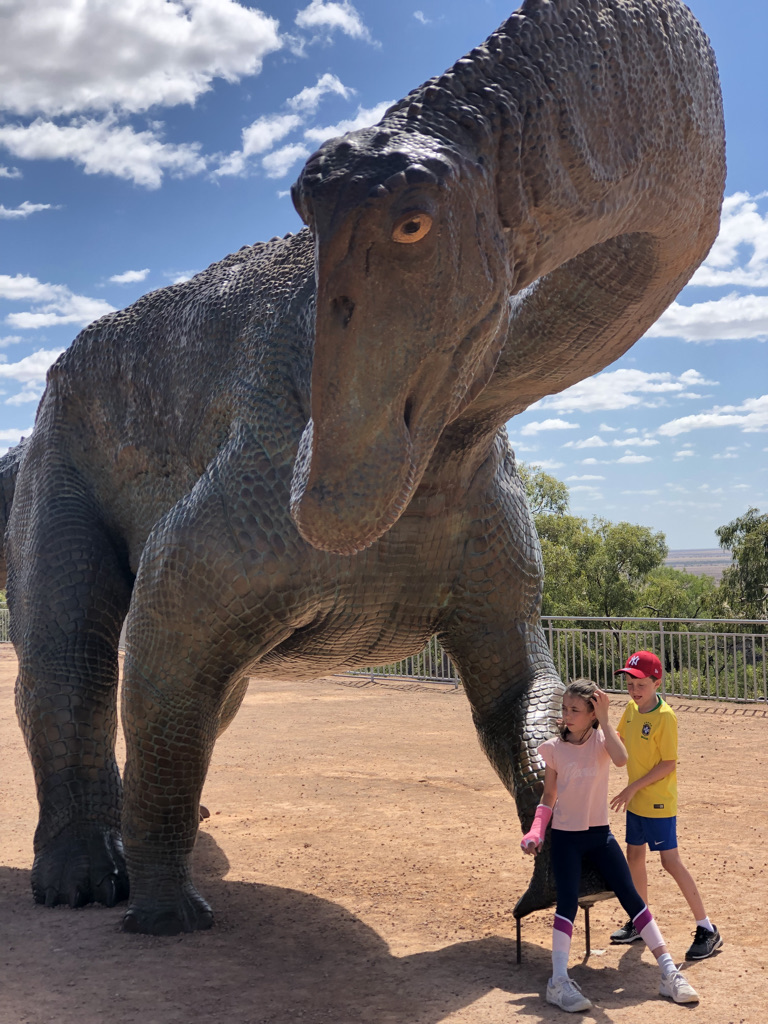
Outside was a life sized dinosaur with its young – something else to impress young and old alike!

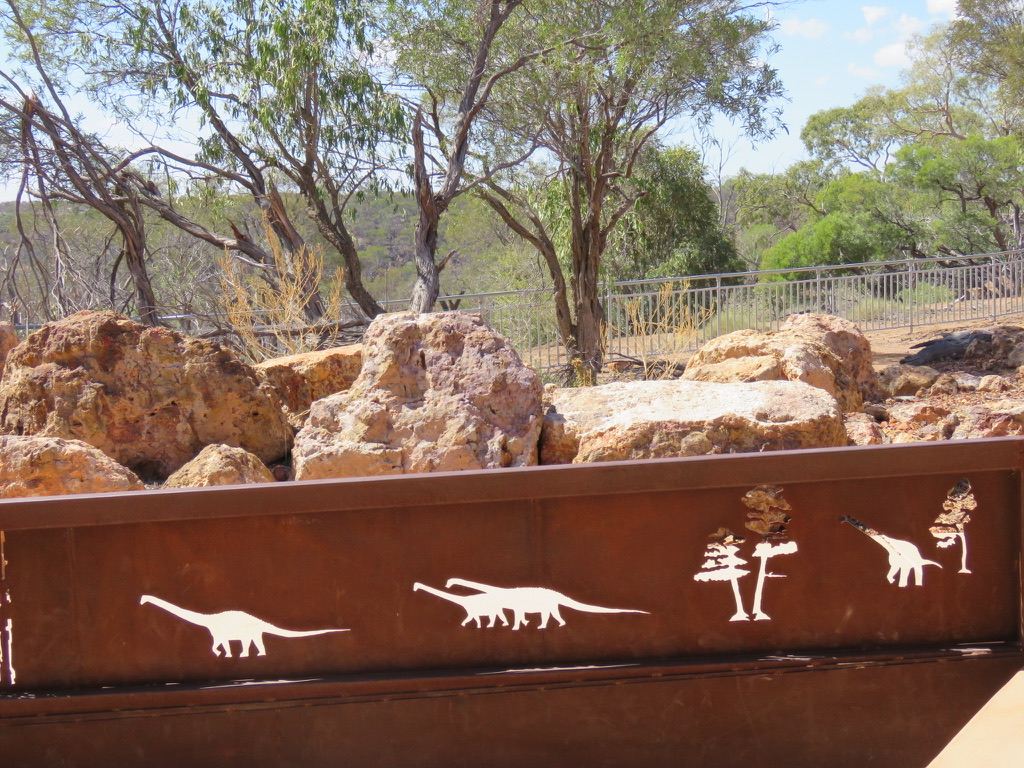
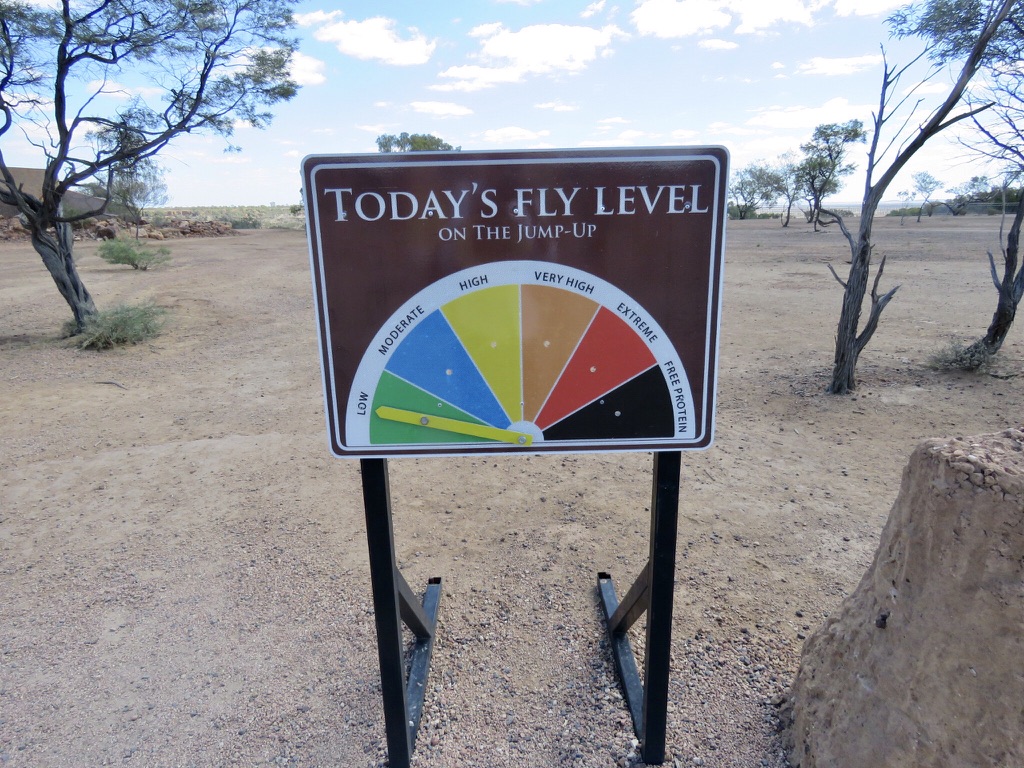
There is much to see and do hee so my advice is spend the day, take a picnic and try not to cram everything in at once. We were lucky to be there in August when the weather is beautiful – and loved this sign ….

I have no doubt that we will return to this fascinating part of Outback Queensland, after all it is right on our doorstep!

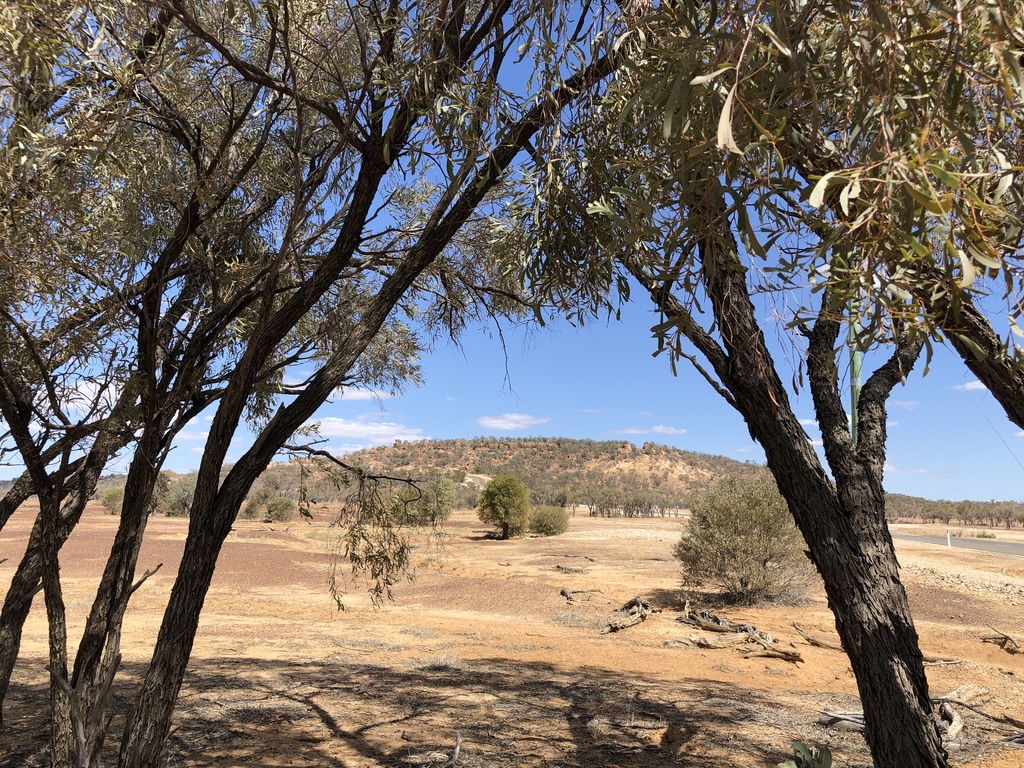
View of the Jump Up from the road into Winton.

CAMP ISLAND

YOUR OWN PRIVATE ISLAND IN THE WHITSUNDAYS

Unable to travel far in these Covid times, we decided it was about time to choose a little adventure in our own backyard and where better than a private island where you can be as active or as relaxed as you like. Camp Island ticked all the boxes and so our little party of eight set off for a three night escapade.

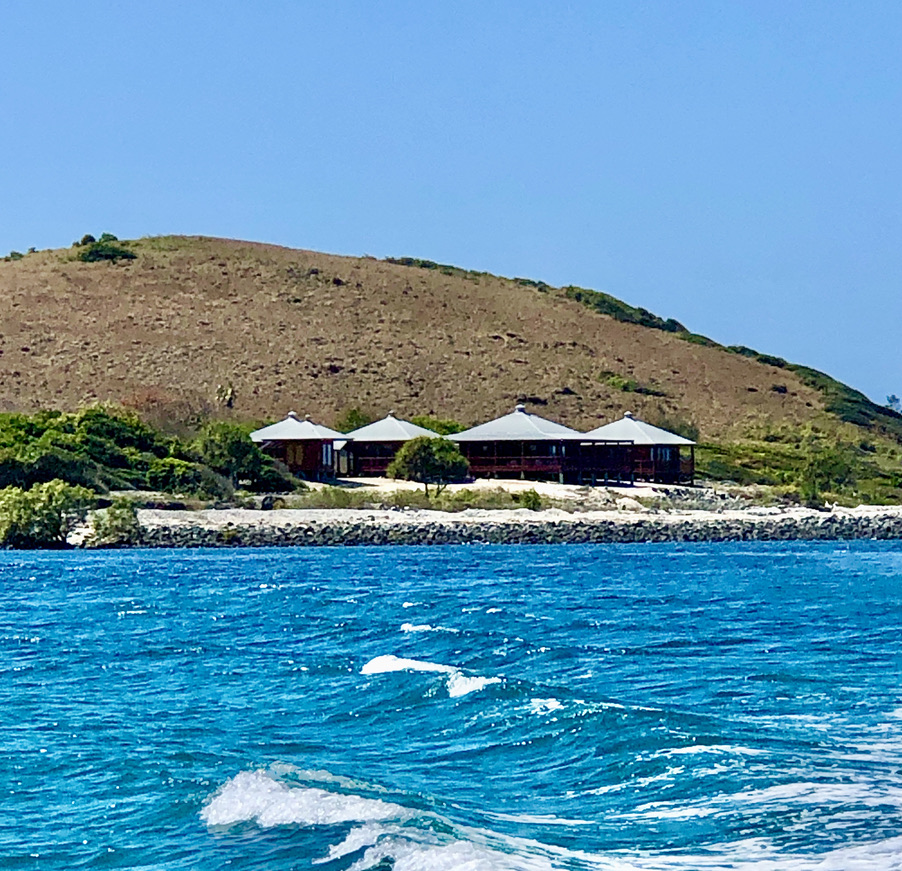
Located off the coastline at Guthalungra, halfway between Townsville and Airlie Beach, this 17.5 hectare island, part of Cape Upstart National Park, is the most northerly of the Whitsunday islands and comprises 2.4 hectares of leasehold property. Bookings are only for private groups of up to 8 people, this was the answer for us.  Accommodation is in four tasteful bungalows linked to a main area comprising a huge lounge/dining area and well equipped kitchen as well as a wrap around veranda with two hammocks and chairs for lounging completing the comfortable resort.

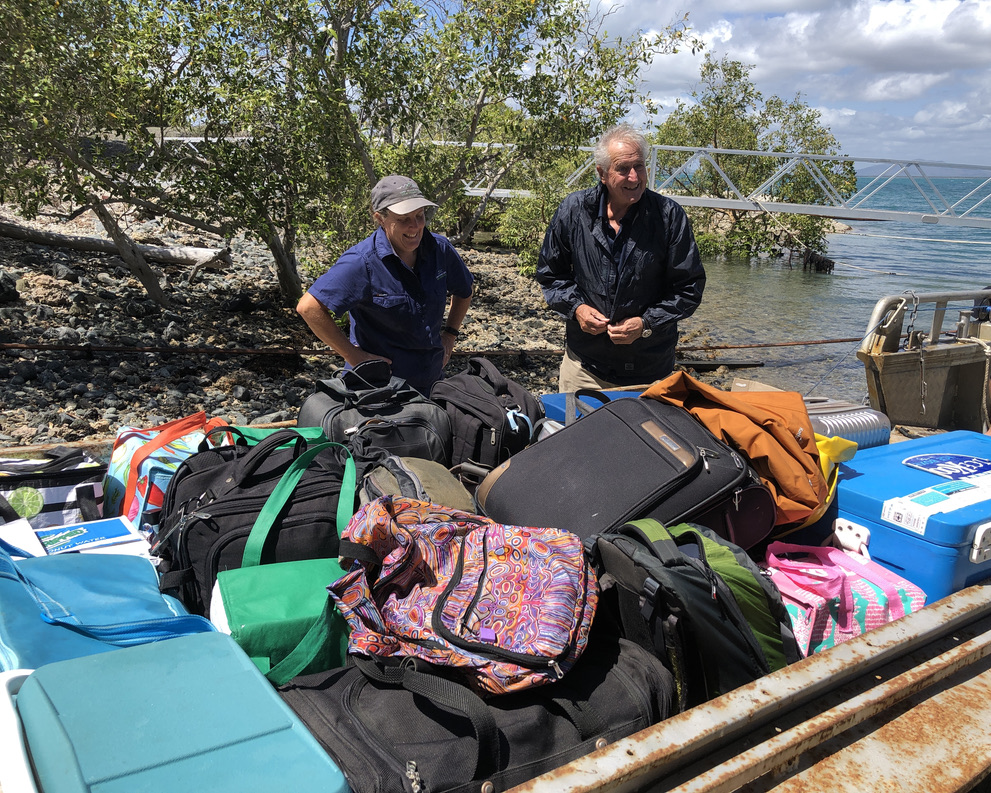
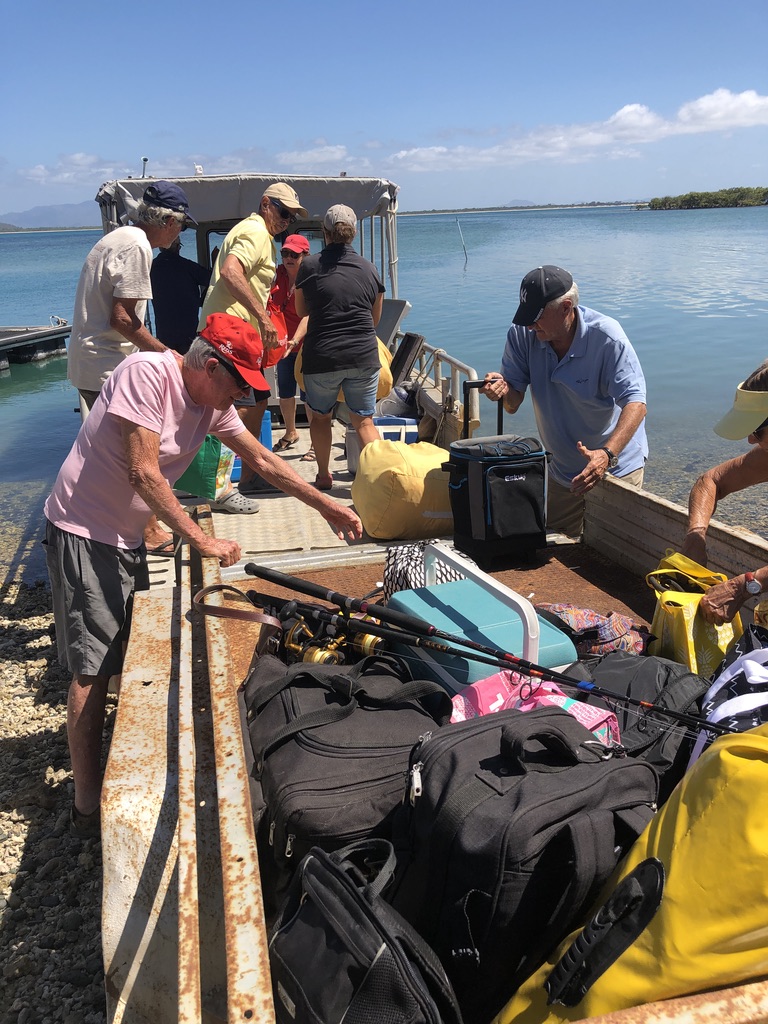
Access to the island is by helicopter or small barge from Guthalungra.  This was the start of our adventure. Meeting our hosts, Pete and Lizzie, at the boat ramp, we loaded all our provisions for the three days plus fishing rods, personal gear and liquid refreshments onto the barge, aptly named “Little Upstart”, and headed out through the mangroves and barramundi filled creeks of the Elliott River into Abbott Bay. The island is just three kilometres offshore and has to be negotiated at high tide because of the sand bars at the mouth of the river.

Landing on the island was easy and Pete’s little truck and trailer were waiting to transport the gear to the main lodge.

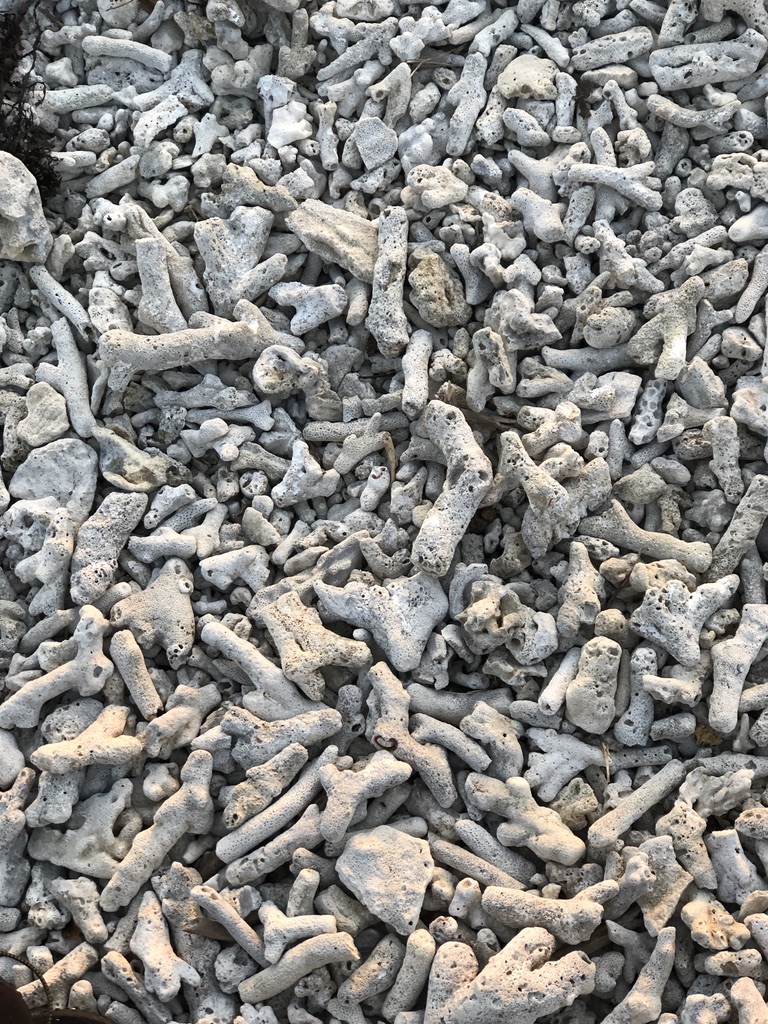
A short walk along a coral encrusted path and we were at the lodge and ready to install ourselves into our new home for the next few days.

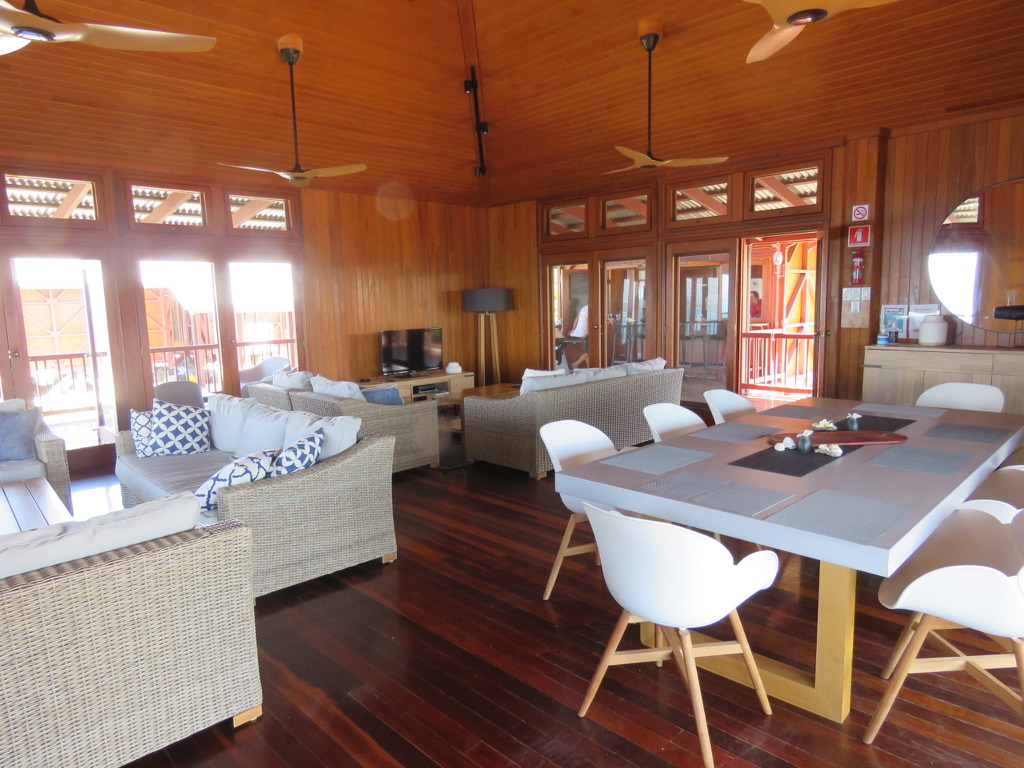
The timber bungalows are comfortable and all have ensuites, french doors opening onto little balconies and magical views across to the mainland. The main lodge has a very well equipped kitchen which was perfect for us as we were self catering. Sometimes guests choose to have a chef take care of all the food preparation and cuisine. The lounge area, with cosy sofas and armchairs as well as a dining table, doubles as an entertainment area with blue tooth soundbar and a television – used only for the sports fanatics in our group.

The island is surrounded by beautiful fringing reefs, coral shores and a sandy beach. Lizzie and Pete are more than happy to take guests fishing, snorkelling, paddle boarding or kayaking – in fact they encourage it. Some of our group went fishing along the reef one morning and although they didn’t have a huge catch – because of the windy conditions the day before – they came back more than happy. Another morning, calm and glass like water in the bay ensured a wonderful couple of hours kayaking and coral viewing.

There are lots of walks around the tiny island and beautiful scenic spots, lots of untamed flora and fauna and many species of birds to observe. Each day we watched a pair of osprey hunting to feed the young in the nest which was right beside the path we walked along. Another day we found two little eggs on the edge of the path – still warm – but what sort of birds they were is a mystery.

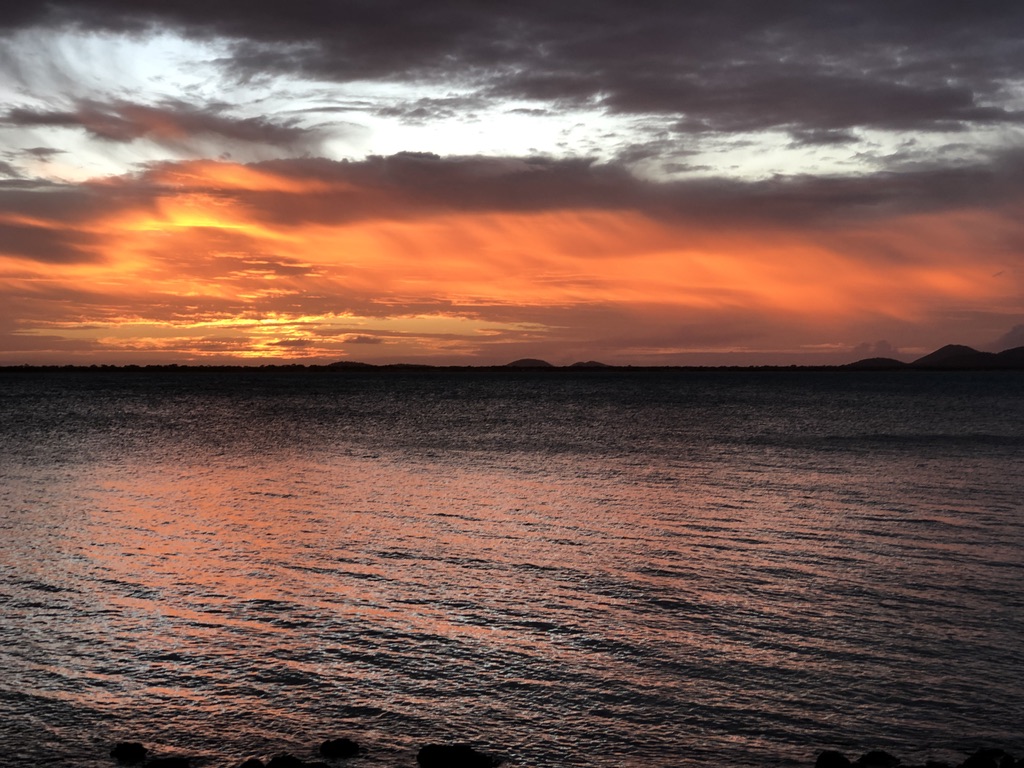
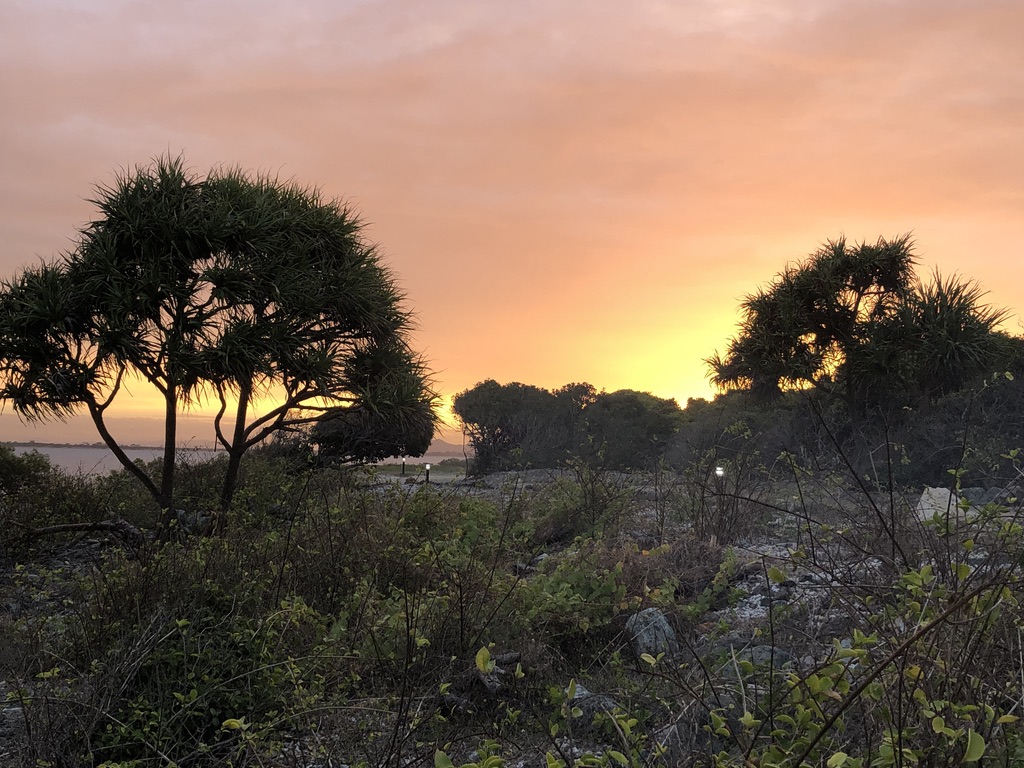
Sitting around a fire on a coral crusted beach, sundowner in hand, the sky turning a brilliant red before sinking down completely, is how we spent each evening of our stay. A huge fire pit built within the coral rubble and just in front of the bungalows gave us a warm and cosy feel watching first the sky and then becoming mesmerised by the dancing flames of the fire,

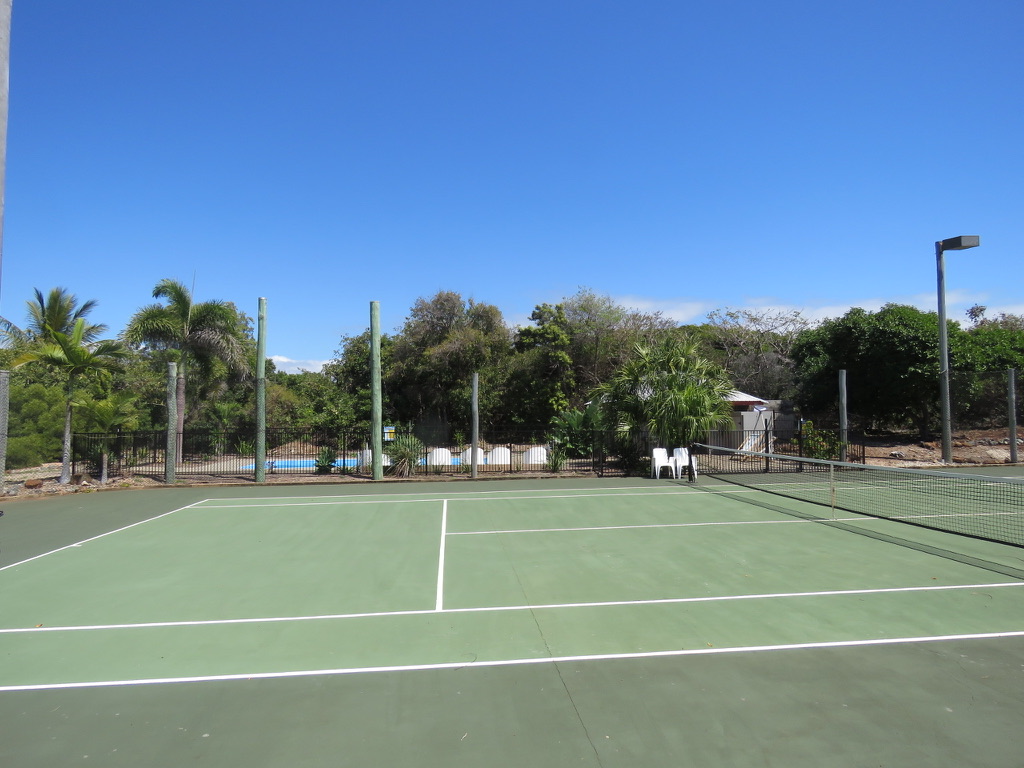
For those not inclined to be very active, there is a pool located behind the main lodge as well as a tennis court which provided some hilarity given that we were there during the time of the US Open championships! Personally I preferred a hammock on the front veranda, swaying gently in the breeze and reading a good book.

There is something Robinson Crusoe about this place – and the sense of isolation is sublime. However, all good things come to an end and our departure was as we arrived, via “Little Upstart” and a calm cruise along the waters of Abbott Bay. Sad to farewell Lizzie and Pete we all promised to be in touch and to meet up again either back on the island or on our own Magnetic island later in the year.

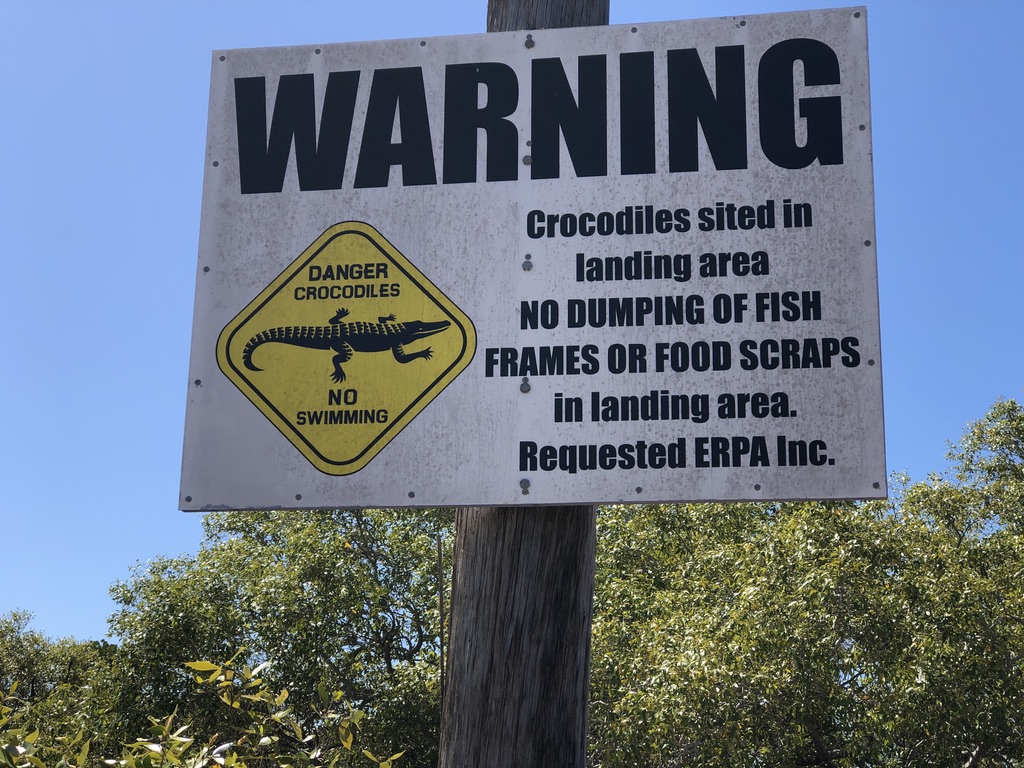
And a final warning once back in the mangroves at Guthalungra…….

RAVENSWOOD – A GHOST TOWN

It has been a few months since the last blog thanks to Covid 19 and all the restrictions placed on us.  At the start of the year I imagined the travel side of this blog would be all about Iceland.  Our trip was booked, the wedding planned and all was in place – until the Pandemic struck!  So, we are biding our time and hopefully will be able to get to Iceland in the future.

Meantime we are exploring our own backyard and last weekend we did a little road trip to Ravenswood.  This charming heritage listed township is 89 kilometres west of Charters Towers and was once a thriving gold mining town.  There are lots of stories and history is at every turn you make.  Apparently in 1868 whilst mustering cattle, a local pastoralist by the name of Marmaduke Curr stopped to have a drink of water from Elphinstone Creek and saw specks of gold at the bottom of his pannikin. The area quickly became part of the gold rush.  IN the boom era there were over 50 pubs and a population of over 5000.  Today it is a virtual ghost town with a population of around 255.

We set off on the 130 km drive from Townsville on an all bitumen road.  Recent rains had turned the country into a palette of greens and small farms with Brahmin cattle are interspersed along the route.  An hour and a half later we drove into the historic town.

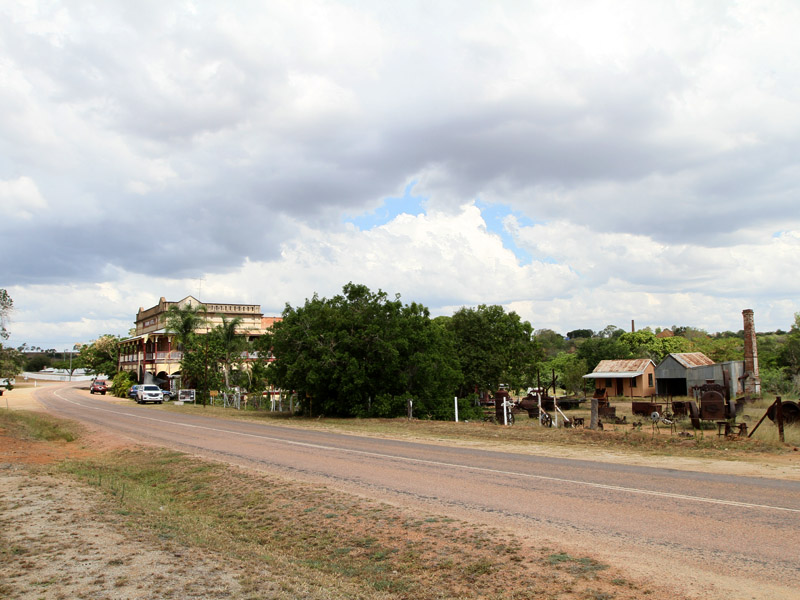
Ravenswood
The main road into town

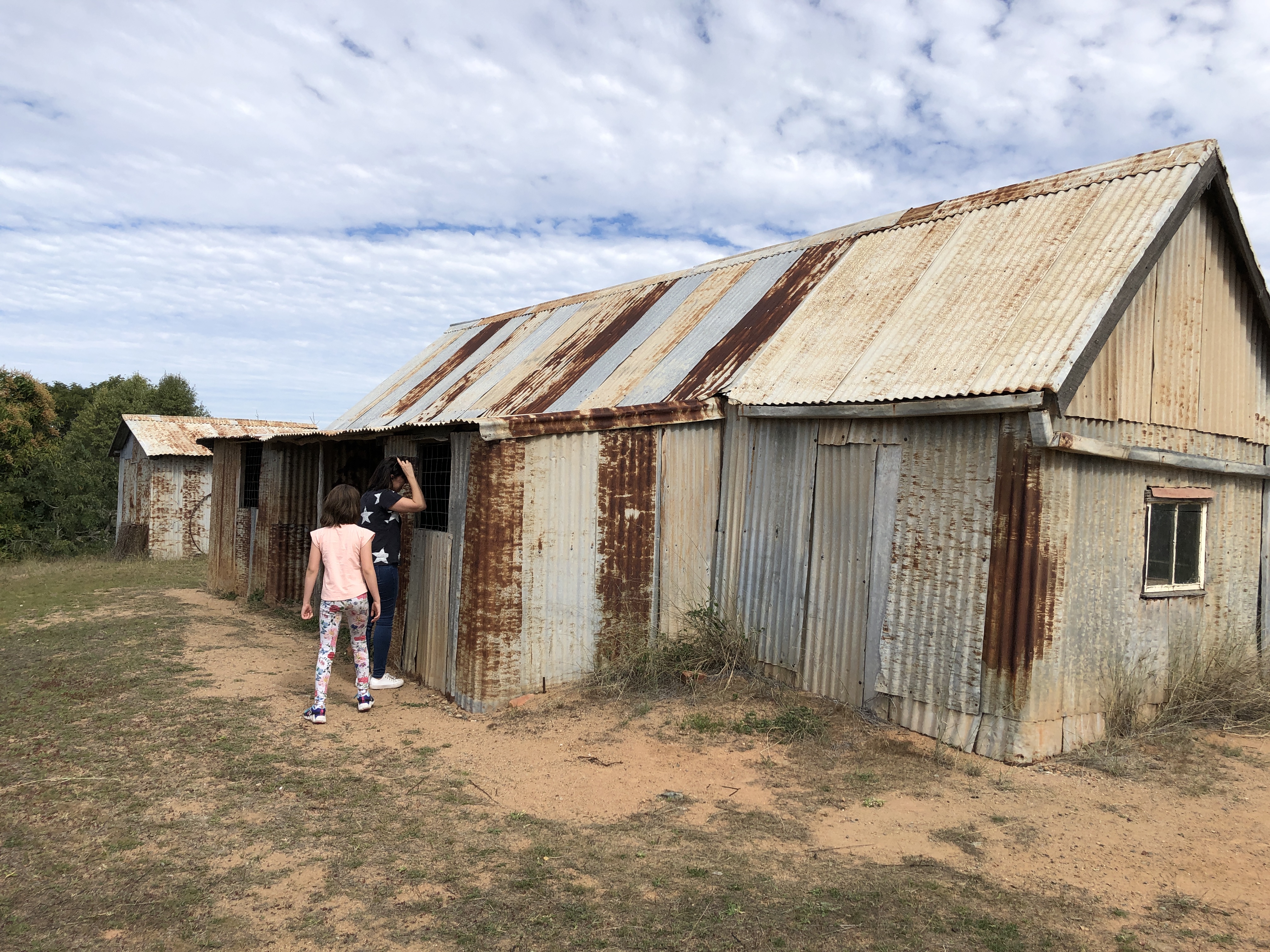
It was quiet and the first stop we made was at the Miner’s cottage – on the right in the above picture.  This was a brief history lesson for Bea – age 9 – who has not spent a lot of time in the bush and who was fascinated in the lives of the children at that time.

The last time I was here was years ago with my daughter’s school class and we visited the school at the time.  Bea was intrigued to know it was a one teacher school, with all students from years 1 – 7 in the same room and taught by the same teacher!  Then there were about 17 students in total.

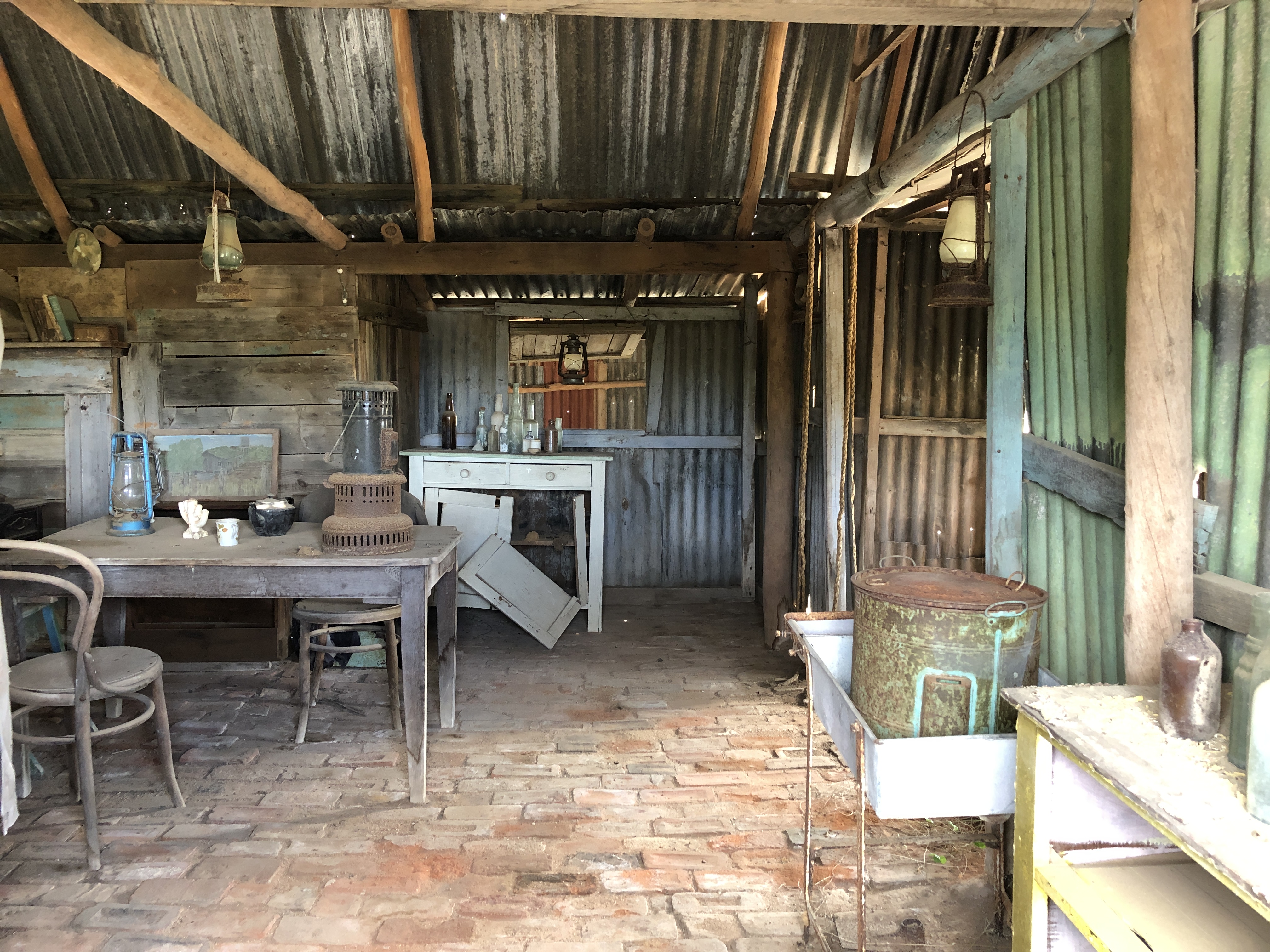
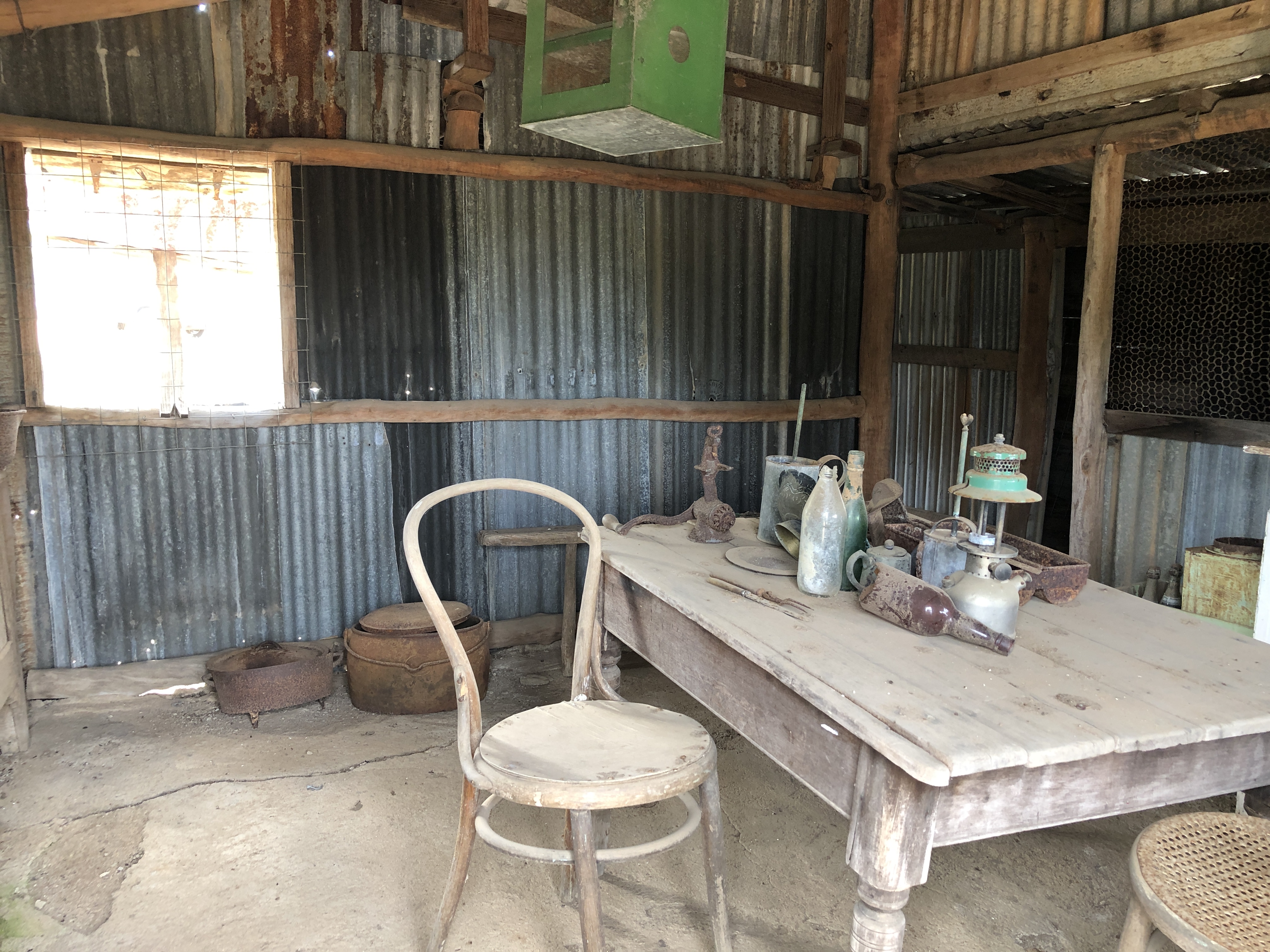
The old cottage is original and displays how the miner and his family would have lived in the late 1800’s.IMG_7253IMG_7254IMG_7257

The kitchen was an eye opener, as was the bedroom.  Seeing this made young Bea thankful for what she has at home!IMG_7255

Outside was the laundry and the outhouse – I had to marvel at the fortitude of the pioneers, both male and female, who sacrificed so much to live the dream of finding that large gold nugget. For many it was hardship and disappointment and for others there was success in measured amounts. This is related as well at the local cemetery where gravestones tell of mining and horse accidents, illness and child influenza.  Pioneers came from all over the world in search of a new life and many descendants are still in the area.

IMG_7267

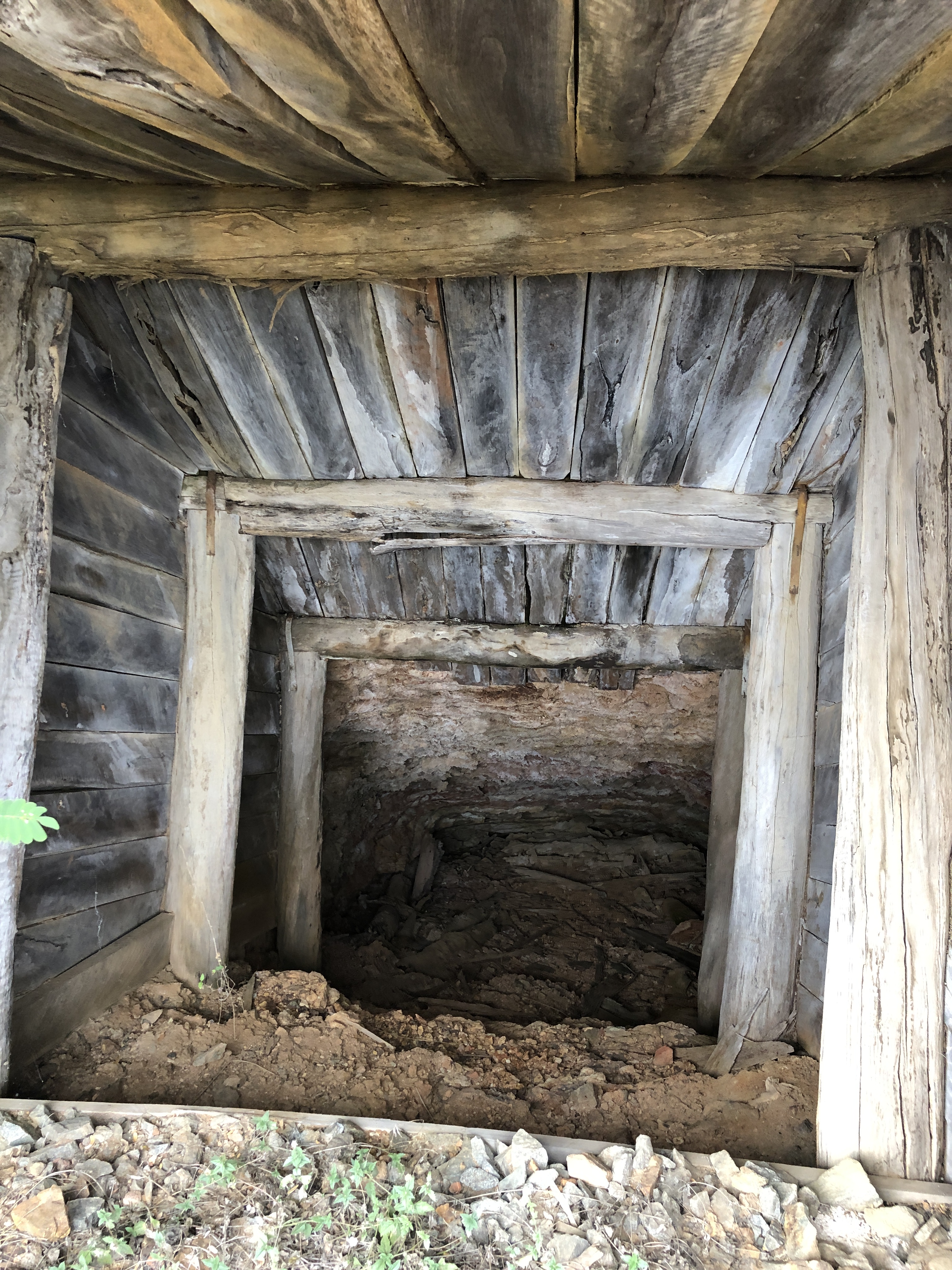
The old London Mine built between 1903 and 1915 consists of a headframe with mullock heaps to the north and south.  Today we can walk to the entrance and stare down and imagine the miners toiling in impossible circumstances years ago. There are old chimneys, rusting machinery and old shafts throughout the town making the journey an informative one, especially for eager young minds.

IMG_7264

IMG_7250

The quaint shops – no longer trading – show some of the merchandise that would have been available at the time.  A fun thing to do is to pose for a photograph outside and imagine you are out for a Sunday stroll in the early part of the century, dressed in your Sunday best and carrying a parasol for the sun.  Note the bag of money held by the male!

We had lunch at the historic Railway hotel where little has changed.  There are some original fittings and furniture, the ceilings are pressed metal and there are large french doors opening onto the verandas at the side.  It is possible to stay here and during the winter season it becomes quite busy with passing travellers keen to experience a night in the old town – along with ghosts and wildlife!

IMG_7268

We had a delicious home cooked lunch here and wallowed in the feeling of yesteryear.

On the way home we stopped at the White Blow Environmental park which is about 4km from town along the road to Ayr. The large quartz outcrop is a prominent feature of the park and is about 15 metres in height with a diameter of 45 meters and is the largest of several masses of quartz in the area. The quartz is estimated to be about 300 million years old.

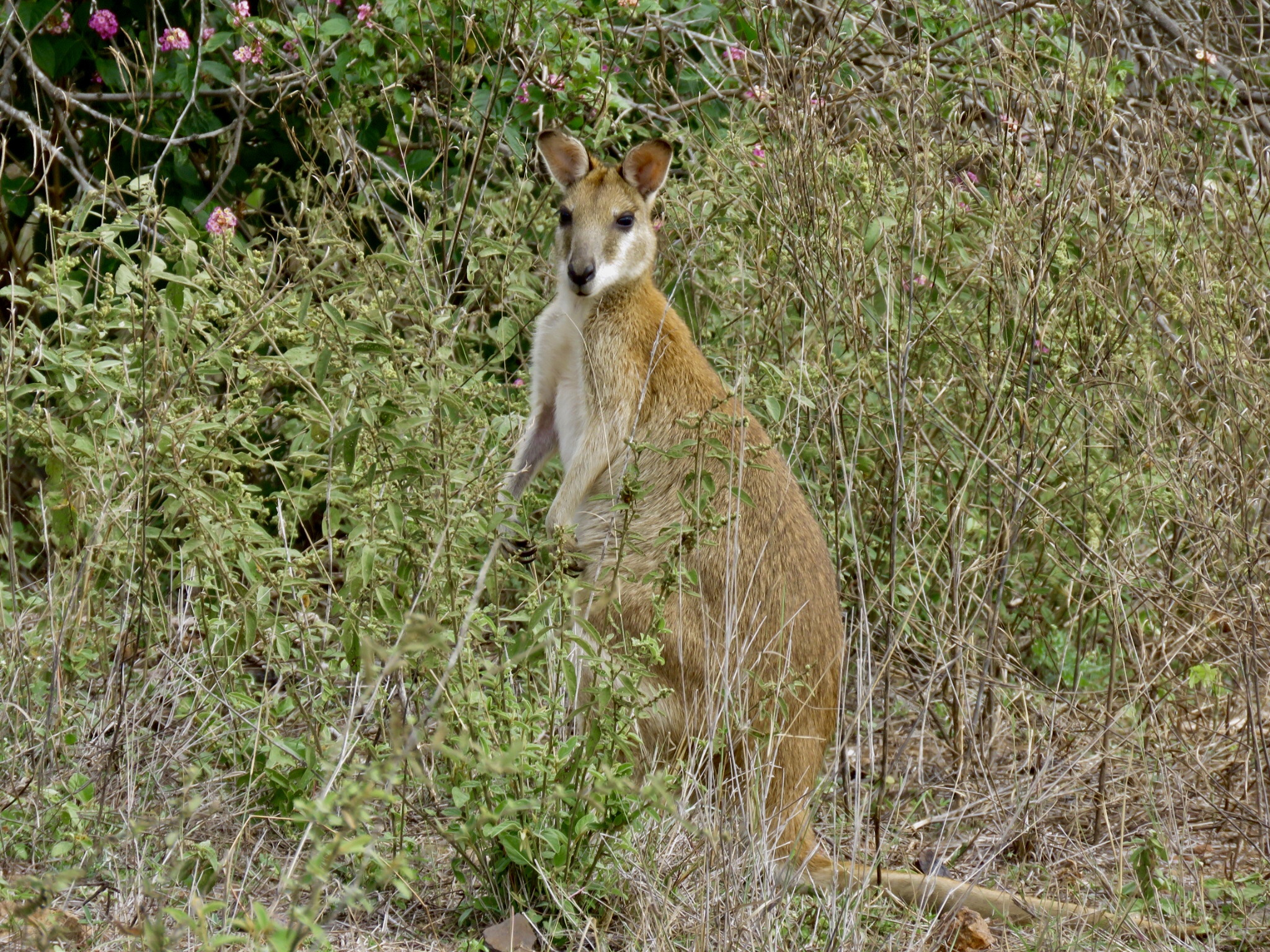
We took the road to Ayr which gave us spectacular views of the Leichhardt ranges and was devoid of any traffic.  We did see wildlife, including this curious little fellow out for a munch of newly grown grass.

Ravenswood Roo

An easy day trip and a little bit different.  Now to explore some more although the island calls this weekend!

ORPHEUS ISLAND, WHALES AND CLASSICAL MUSIC

It has been a busy few months since we returned from our road trip and sadly the blog has been neglected.  However, in a couple of weeks we are travelling to Japan for a month and so blogging will, once again, be on the agenda.  Meanwhile I thought I would reflect on a fabulous little trip I took in July to our beautiful Orpheus Island on the Great Barrier Reef.

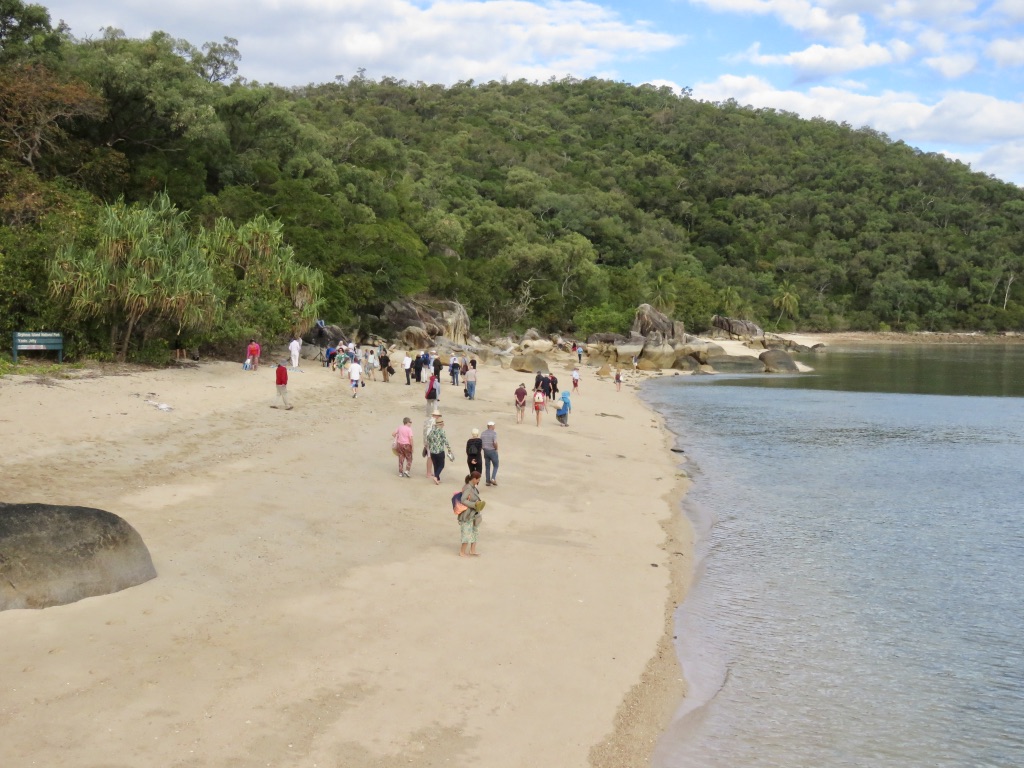
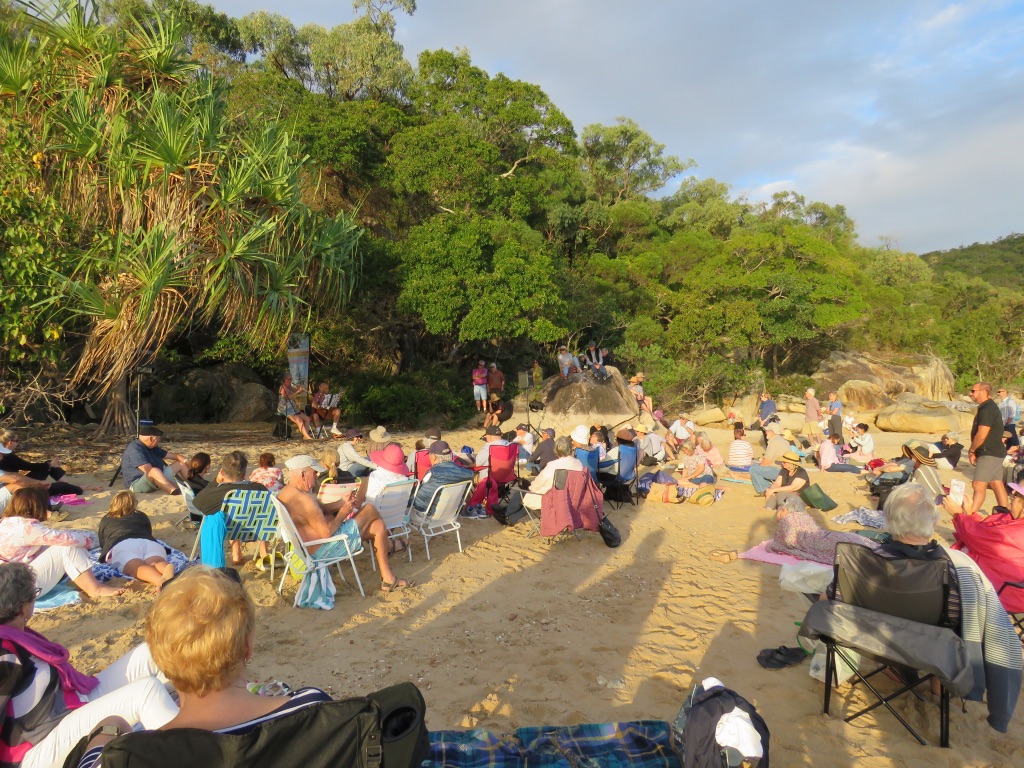
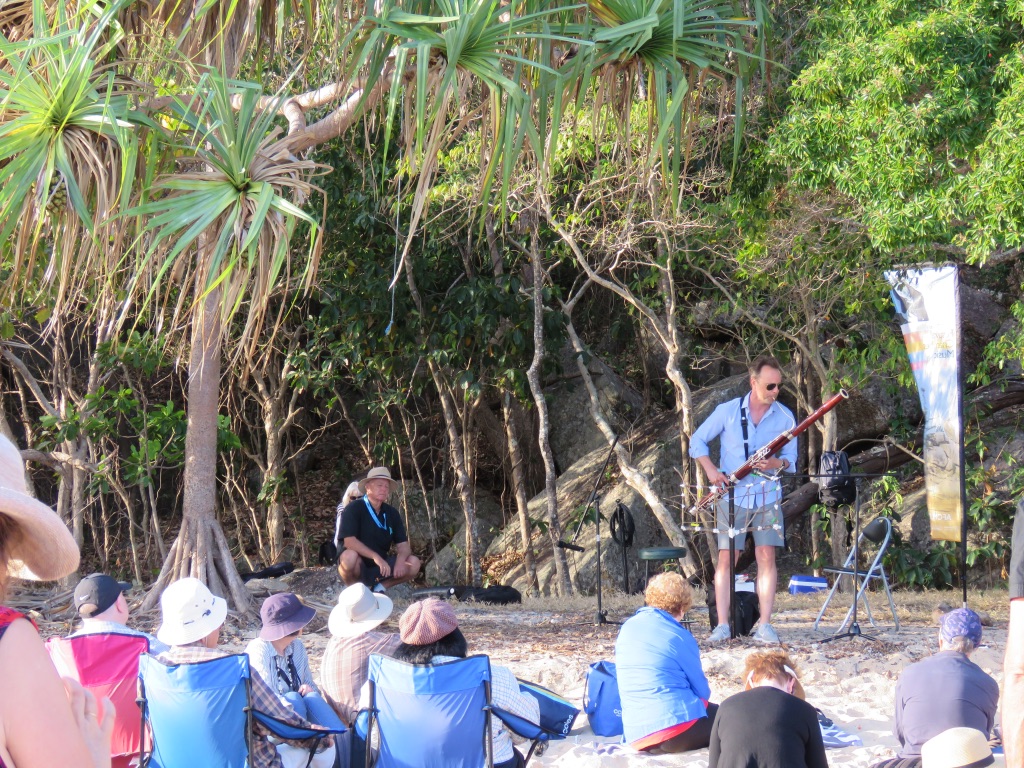
July is a wonderful month here in North Queensland.  It is winter and the weather is glorious with days of around 25C and cool nights.  There are many festivals and events planned for this time of year and one of my favourite is the Australian Festival of Chamber Music ( http://afcm.com.au ).  Now in its 29th year this Festival brings musicians from all over the world to perform here in Townsville in a variety of venues ranging from an intimate space at The Ville for Conversations and Music, to full blown concerts at the Civic Theatre as well as performances in Cathedrals, Schools, on Magnetic Island and even in the street.  A firm favourite, though, is the day trip to Orpheus Island, a small, secluded island in the middle of the Palm Island group about two hours from Townsville.  Here a few musicians play on the beach – their ‘stage’ being between large granite rocks, on the sand and shaded by large trees opposite the ocean with fantastic fringing coral all around. The audience can choose to either sit on the beach or the rocks to listen – or even to swim and watch the whole event from the warm waters of the Reef.

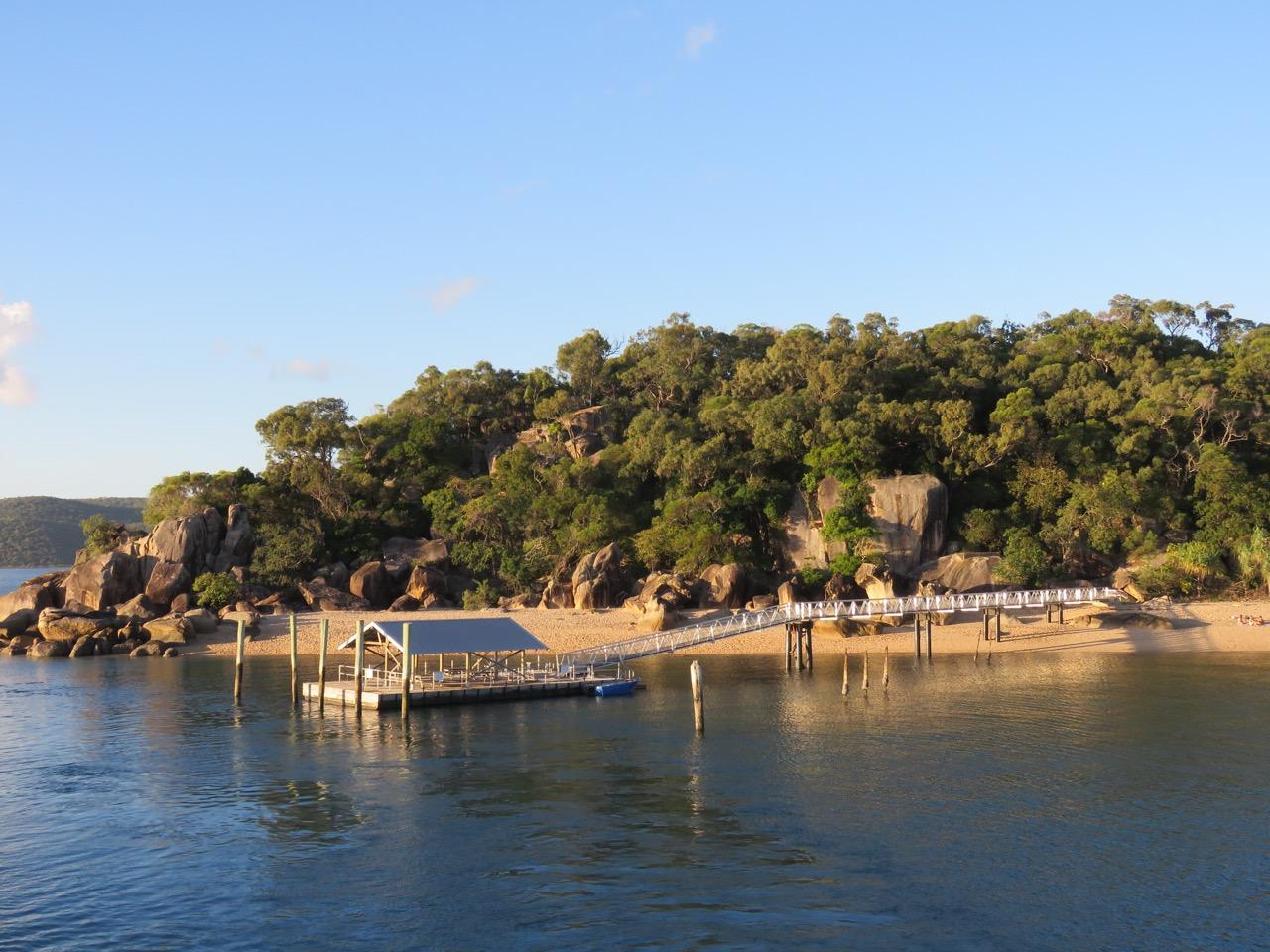
Yanks Jetty.jpg

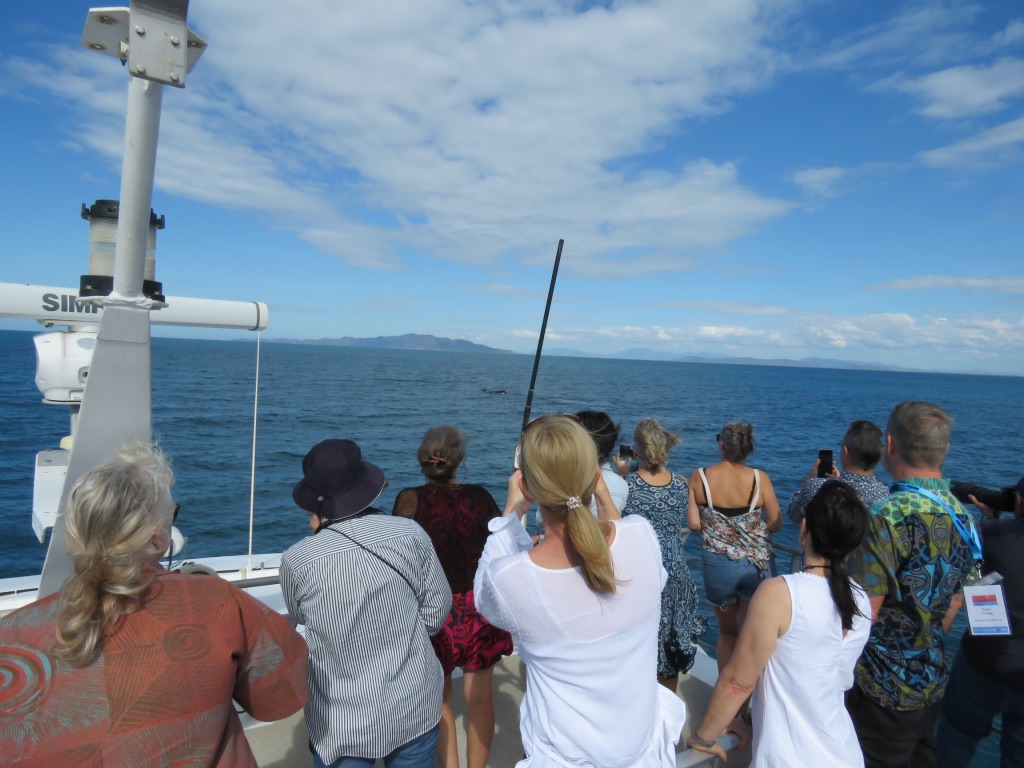
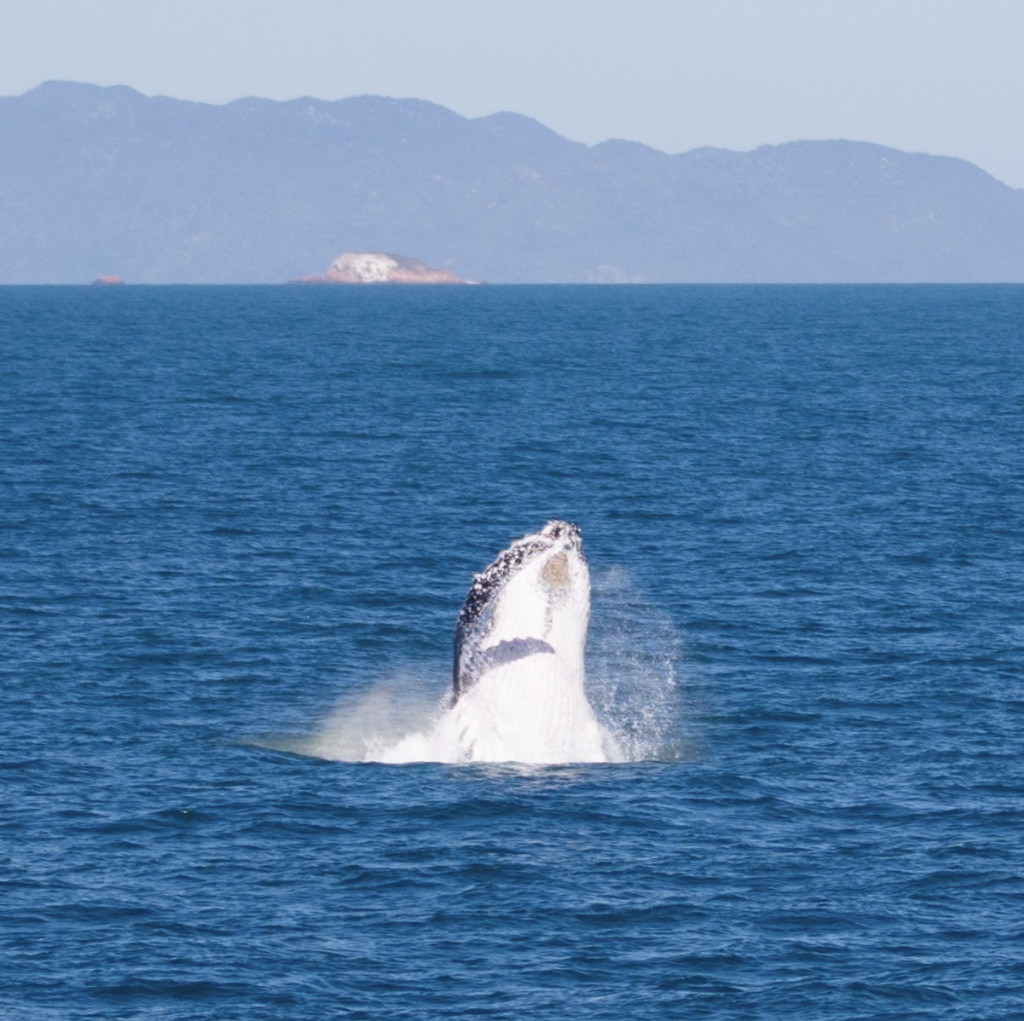
This part of the island is set apart from the very exclusive resort and the ferry arrives at Yanks Jetty onto the small beach at Hazard Bay. The trip across from Townsville passes several small islands, mostly uninhabited, and it is here that we watch for whales.  The Humpbacks come to this region every year to calve and fatten up the babies before returning to Antarctica in November to spend the summer months there.  This year was no different, we were lucky to see three of these magnificent creatures.

UNADJUSTEDNONRAW_thumb_97f.jpg

Excitement builds and everyone goes onto the top deck to try and spot the mother and calf – then suddenly she is there, right in front of you!

8iwYgyabSISf6m0gybrtYw_thumb_9bc.jpg

UNADJUSTEDNONRAW_thumb_9c1.jpg

RZCz27VsQUqR3awQmZjSug_thumb_9f3.jpg

6+boDU55TZmYeKXelUpk%w_thumb_9f2.jpg

It is hard to leave the whales but the Captain has to start up the motors and continue on to our destination.  After all, we were all there for the concert (as well as the whales!). Once at the island everyone wanders onto the beach and selects a spot to sit – either in the shade or in the sun and just relax.

YfSUXWEbROeXz4pWQR885Q_thumb_9b2.jpg

UNADJUSTEDNONRAW_thumb_998.jpg

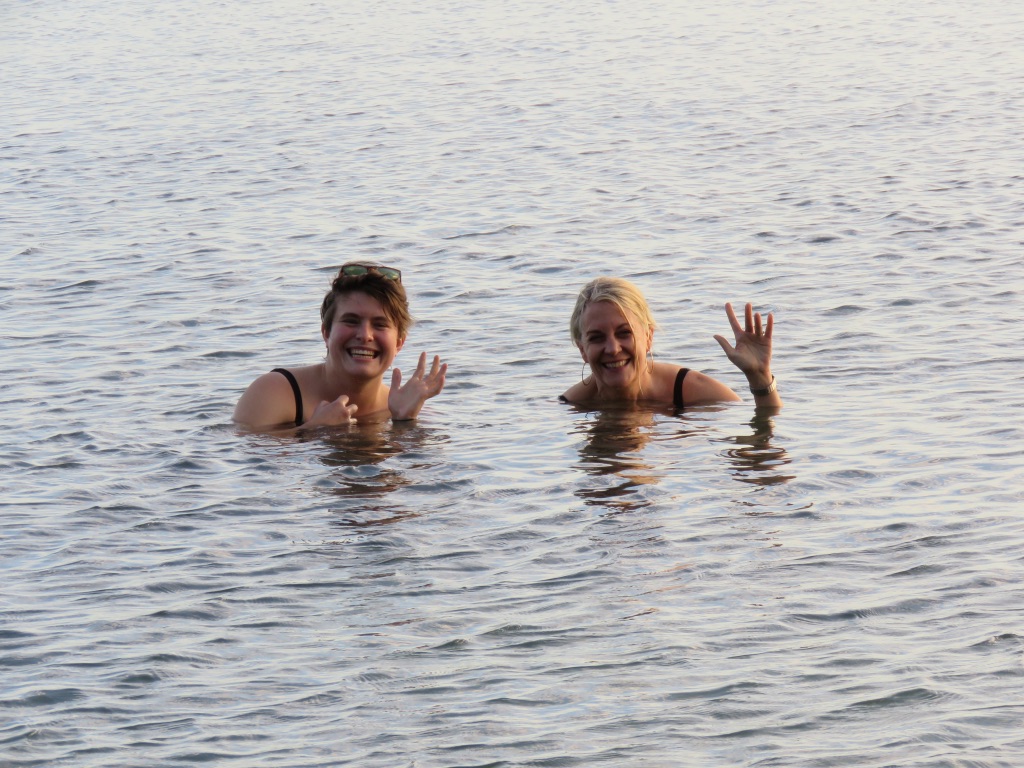
Some decide to swim or snorkel  – but for me, having lived in the tropics for a long time, it was a bit chilly this year!

UNADJUSTEDNONRAW_thumb_947.jpg

Among the performers was Wu Man – who played an ancient Chinese instrument called the Pipa – note the improvised music stand!

UNADJUSTEDNONRAW_thumb_96f.jpg

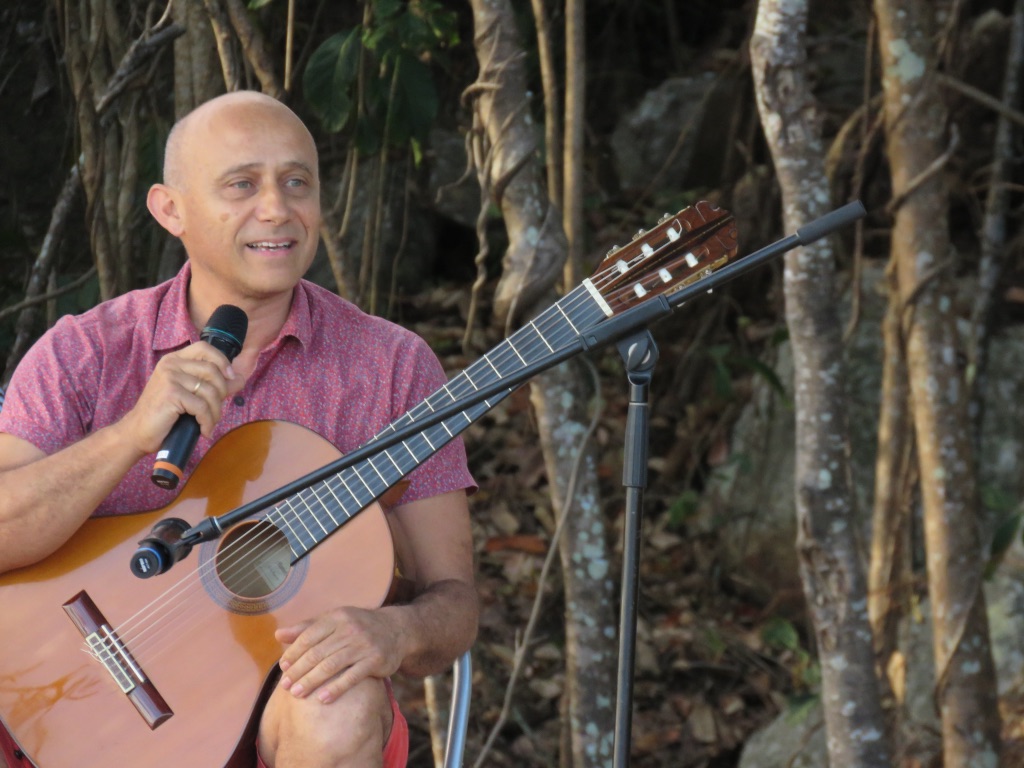
Rachel Clegg played the oboe, Roberto Carillo-Garcia was a dream on the guitar, Sally Walker was on the flute and Martin Kuuskmann played the bassoon. They were all excited about this unusual venue for the concert and loved the informality of it all.

UNADJUSTEDNONRAW_thumb_978.jpg

UNADJUSTEDNONRAW_thumb_981.jpg

UNADJUSTEDNONRAW_thumb_971.jpg

UNADJUSTEDNONRAW_thumb_997.jpgUNADJUSTEDNONRAW_thumb_9a5.jpg

UNADJUSTEDNONRAW_thumb_988.jpg

For these musicians, who hailed from the UK, Canary Islands, China/USA and Estonia/USA, the whole experience was one they will never forget.UNADJUSTEDNONRAW_thumb_9b0.jpgUNADJUSTEDNONRAW_thumb_9a2.jpg

Imagine sitting on a rock to listen to world class musicians! Or testing the water before you settle down to sublime music….

UNADJUSTEDNONRAW_thumb_965.jpg

Last year even the artists themselves couldn’t resist the water

IMG_9028.jpg

IMG_9054.jpg

IMG_0694.jpg

Finally it is time to board the boat and head back to town – along the way a fabulous dinner is served along with fine wines and small, tasty desserts.

UNADJUSTEDNONRAW_thumb_99a.jpgsByj2OtaTvO3ZC+mU2hqfA_thumb_958.jpg

Farewell Orpheus – until next year!